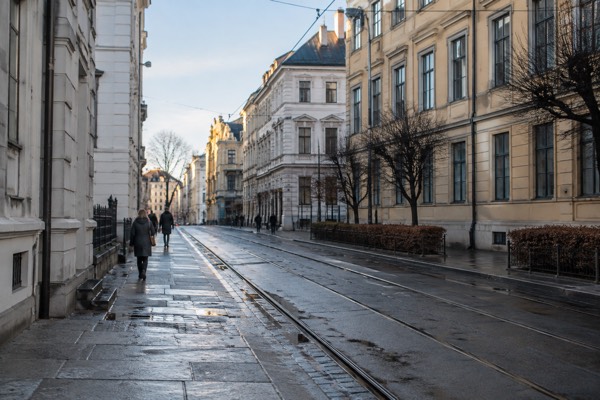
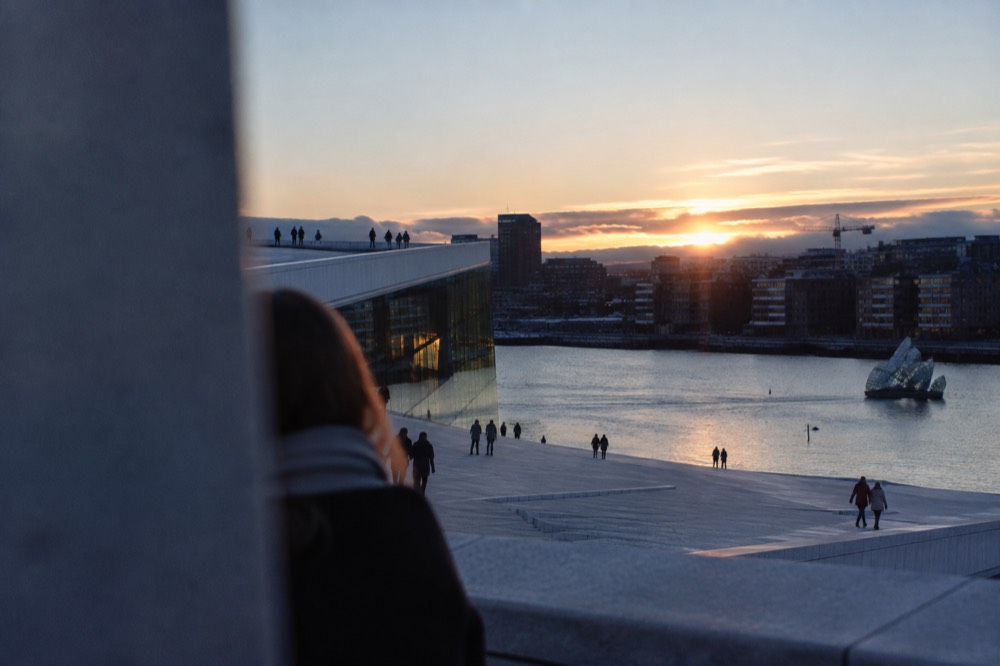
 Oslo At Night
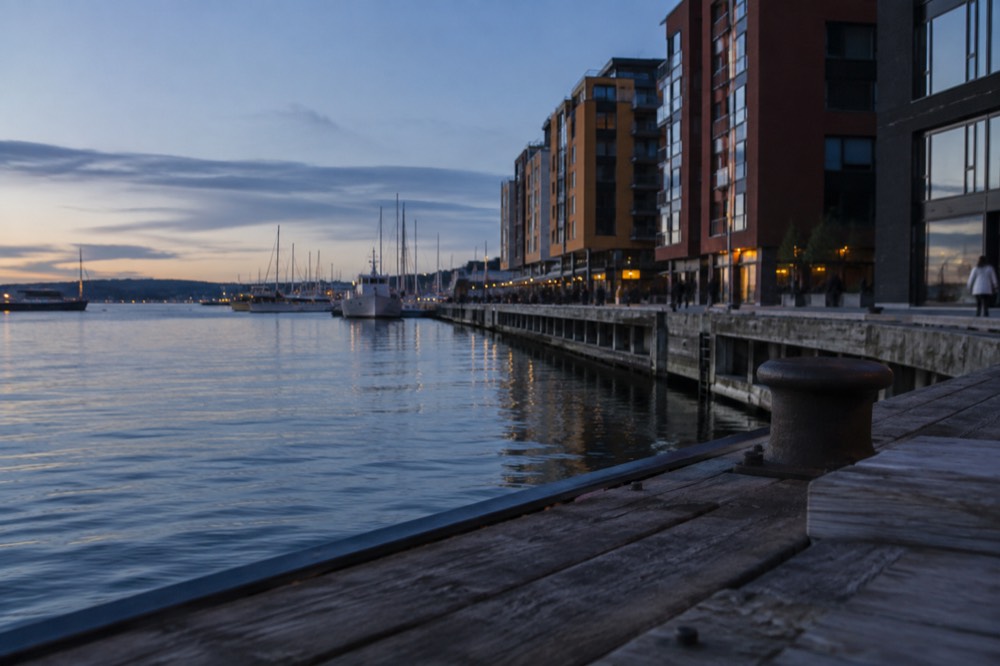
Late museum hours, fjord cruises after dark and the bar streets, with closing times and costs.
Read the evening plan
Oslo At Night
Late museum hours, fjord cruises after dark and the bar streets, with closing times and costs.
Read the evening plan
Oslo Travel Guide
A capital you can cross on foot in an afternoon, with a fjord at one end and a forest at the other. Plan it by the day, by the weather or by the month.
One Day In Oslo, Stop By Stop
Start on the Opera House roof, walk up to the fortress, cross to Frogner for the sculpture park and finish on the harbour front at Aker Brygge.
1Morning
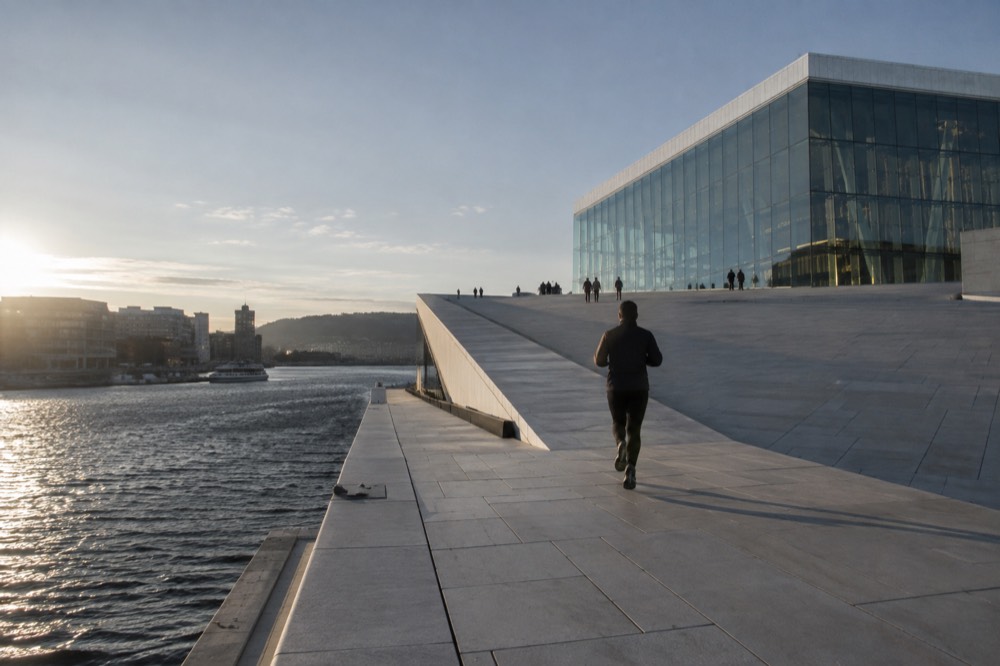
Opera House
Walk up onto the roof for a view over the fjord and the Bjørvika waterfront.
Free2Midday
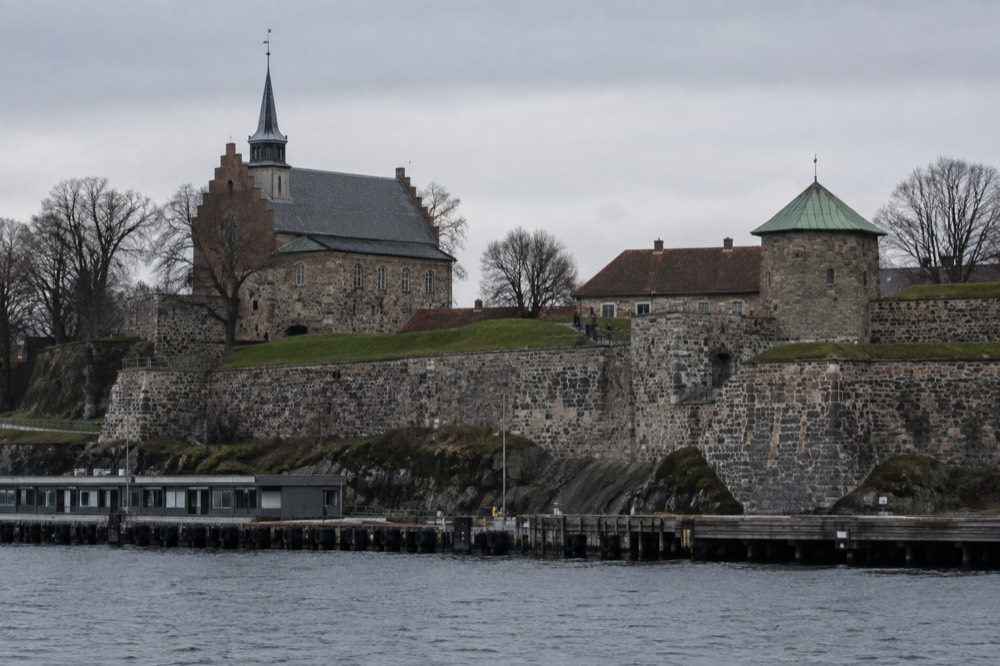
Akershus Fortress
The grounds and ramparts on the waterfront are open without a ticket; the museums inside charge.
Free grounds4Evening
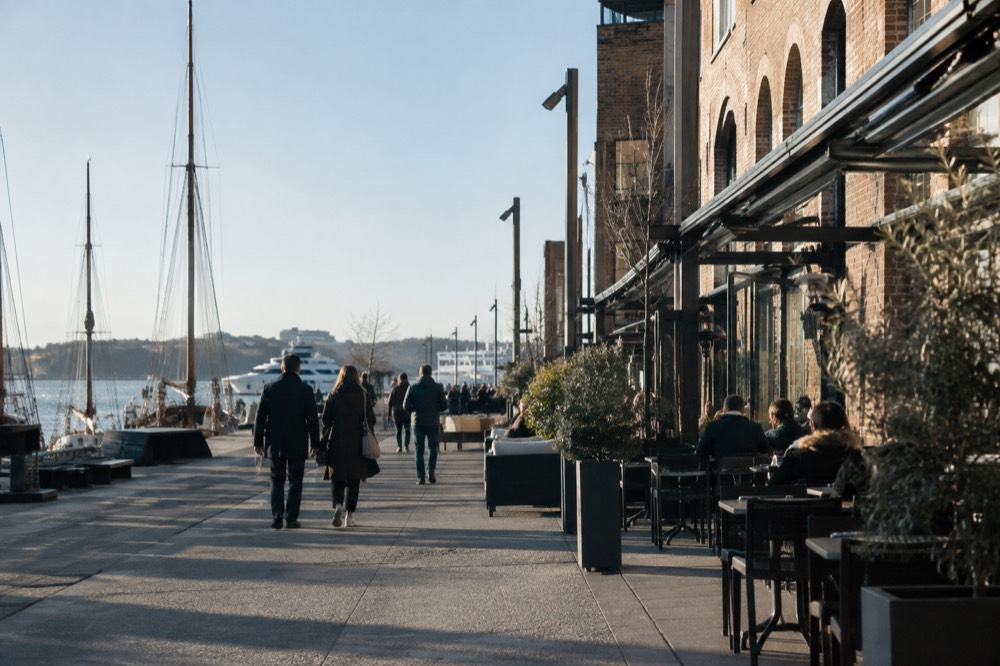
Aker Brygge
The converted shipyard waterfront, with ferries, food halls and museums close by.
How Many Days Oslo Needs
Two full days covers the centre and one of the two museum clusters. Three reaches Bygdøy, Holmenkollen and an evening in Grünerløkka without rushing any of them. Beyond that you are choosing between the forest, the inner fjord islands and a day trip out of the city, which is a pleasant problem rather than a shortage.
The variable nobody plans for is daylight. A December day gives you under six usable hours, so a three-day winter trip holds roughly what a two-day summer trip holds. Plan by hours of light, not by number of nights.
- One Day in Oslo: A Realistic Hour-by-Hour PlanAn hour-by-hour one-day Oslo plan with real costs and honest trade-offs.
- How to Spend 2 Days in Oslo: The Complete ItineraryA realistic two-day Oslo plan with real prices and transport built in.
- 3 Days in Oslo: The Perfect ItineraryA day-by-day 3 days in Oslo plan with real costs, museum prices and fjord options.
- Weekend in Oslo: A Two-Day Plan That Actually WorksA two-day Oslo weekend plan: fjord cruise, Bygdøy museums, free sights and real costs.
Eight Oslo Sights Worth Planning Around
From a free sculpture park to the museum that holds The Scream, the places that define the city.
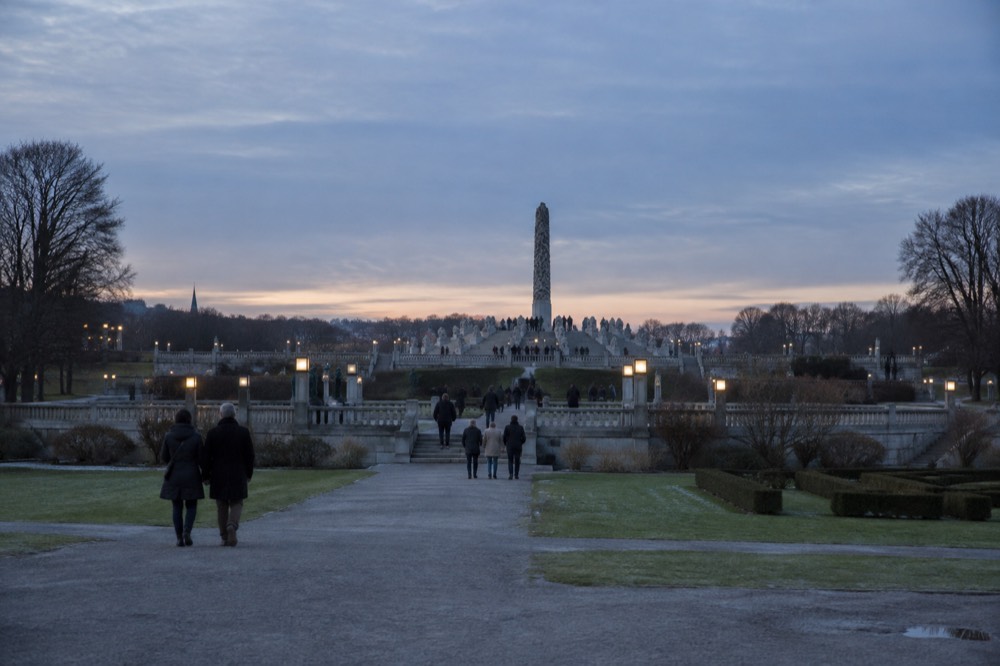 Free
Vigeland ParkThe sculpture park in Frogner, open day and night
Free roof
Oslo Opera HouseA building you can walk up, with a fjord view from the roof
Free
Vigeland ParkThe sculpture park in Frogner, open day and night
Free roof
Oslo Opera HouseA building you can walk up, with a fjord view from the roof
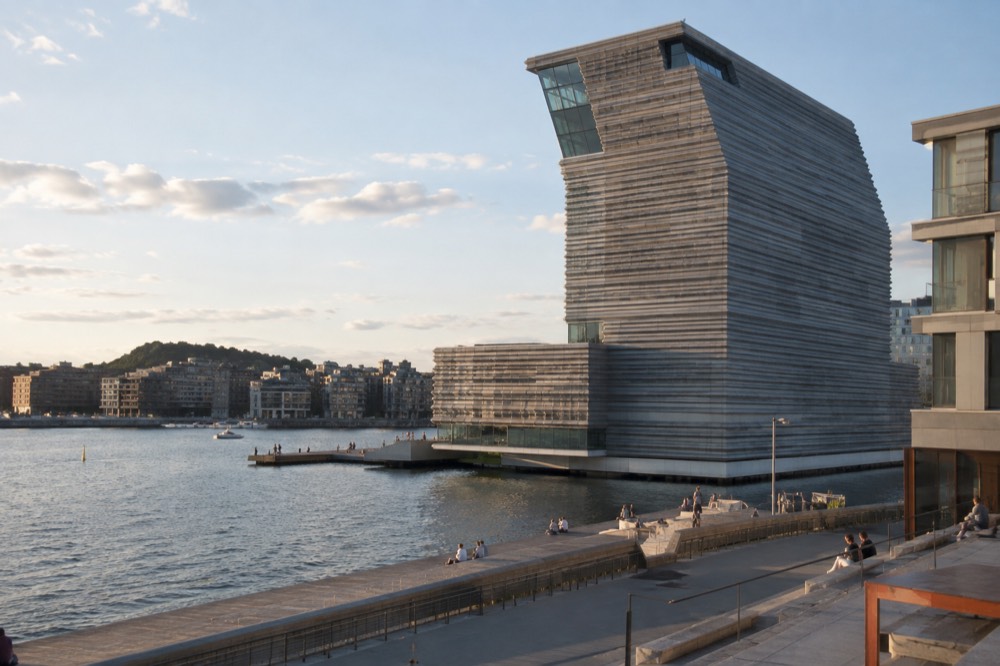 Adult 220 NOK
MUNCHThe Munch museum beside the Opera House
Adult 220 NOK
MUNCHThe Munch museum beside the Opera House
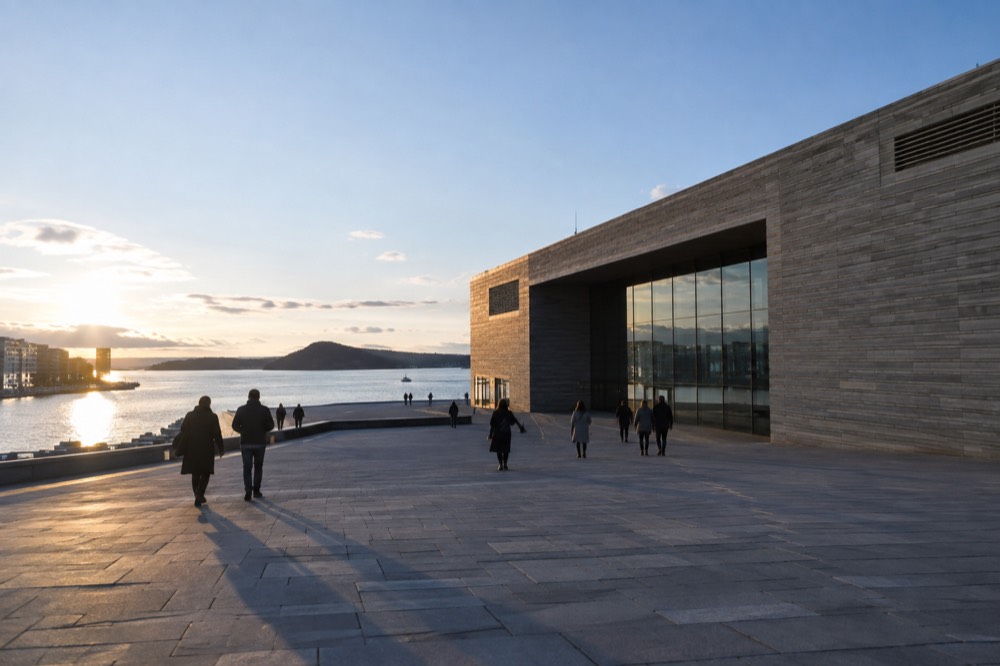 Adult 220 NOK
National MuseumThe flagship art museum, home to The Scream
Free grounds
Akershus FortressThe castle complex above the harbour
Adult 220 NOK
National MuseumThe flagship art museum, home to The Scream
Free grounds
Akershus FortressThe castle complex above the harbour
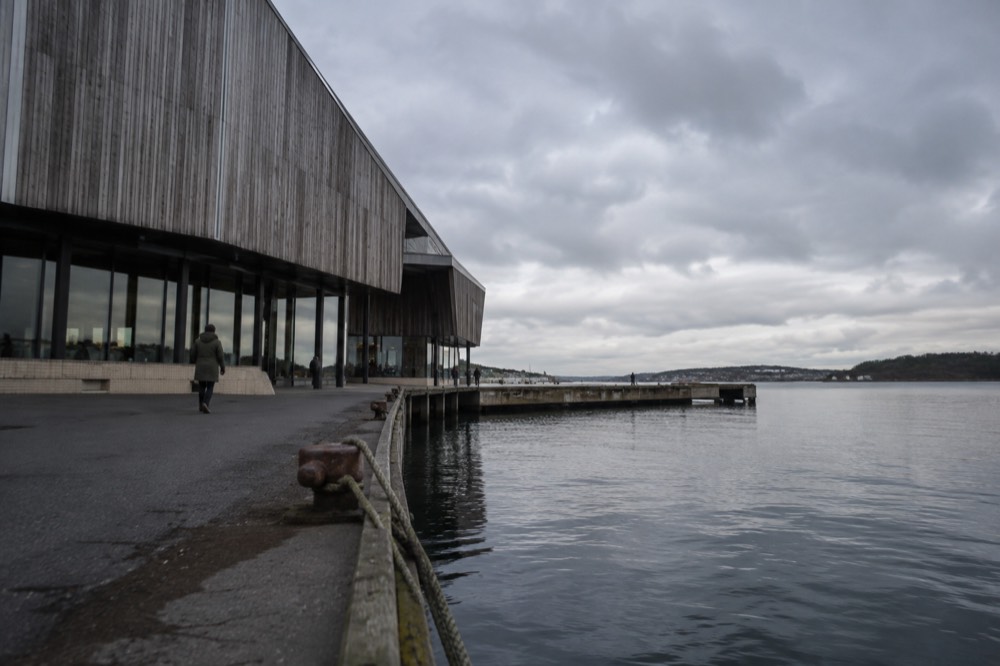 Adult 180 NOK
Fram MuseumThe polar ship on the Bygdøy peninsula
Adult 180 NOK
Fram MuseumThe polar ship on the Bygdøy peninsula
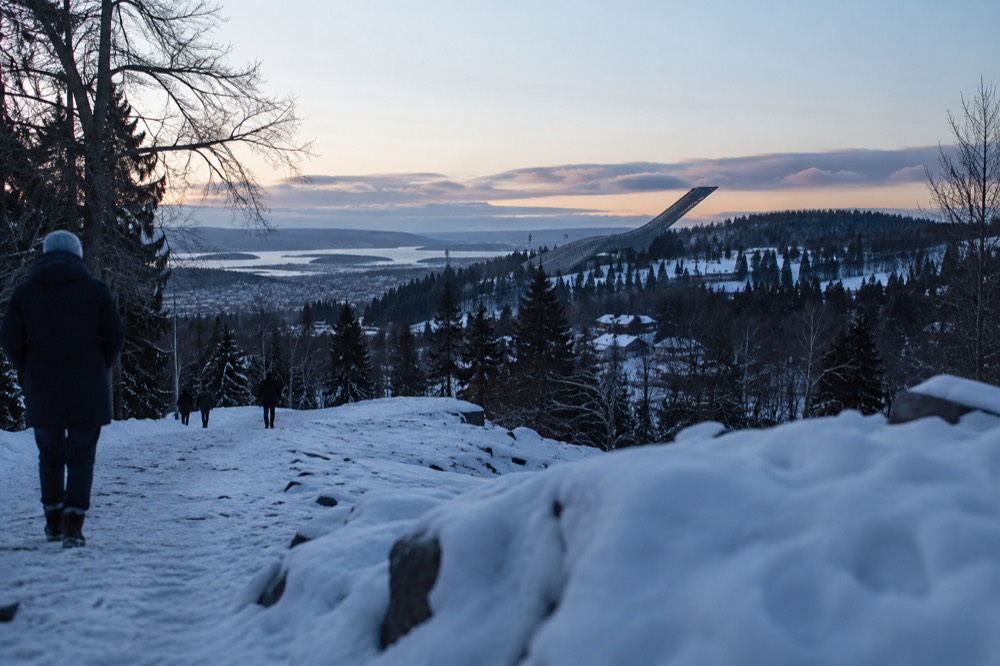 Adult 195 NOK
HolmenkollenThe ski jump and ski museum, reached by T-bane
Adult 195 NOK
HolmenkollenThe ski jump and ski museum, reached by T-bane
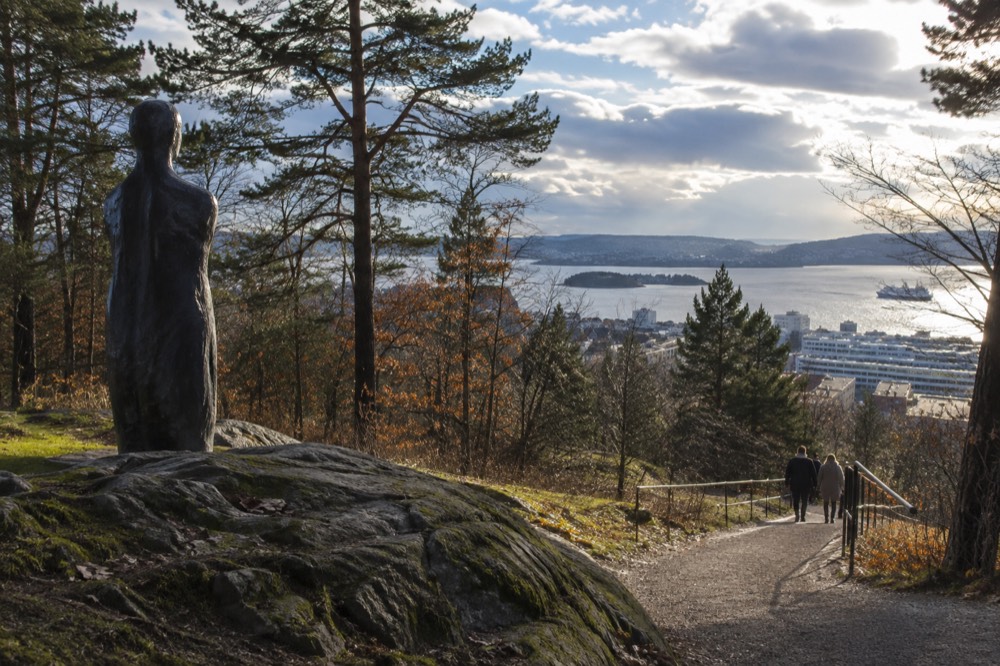 Free
EkebergparkenA sculpture park in the forest above the fjord
Free
EkebergparkenA sculpture park in the forest above the fjord
Things To Do In Oslo
Every bookable experience on this site is sorted into seven groups a visitor actually chooses between: time on the fjord, museum entry, free walks, guided walks, food and drink, the forest, and sightseeing by bus or bike. Each one carries its real price, rating and review count.
See All Things To Do In Oslo, Compared →
Fjord Cruises and Boat Trips
Anyone who wants to see the city from the water, and anyone travelling with people who would rather sit than walk
8 options
Museums and Attraction Tickets
Rainy days, short winter afternoons, and anyone who would rather read a label than follow a guide
7 options
Free Walking Tours
First mornings, tight budgets, and anyone who wants the city explained before committing money to it
5 options
Guided Walks and History Tours
Readers, repeat visitors, and anyone who wants the story behind the buildings rather than a list of them
6 options
Food and Drink Tours
Evenings, couples, and anyone who has read that Oslo is expensive and wants to eat well anyway
4 options
Forest, Winter and Outdoors
Walkers, winter visitors, and anyone who wants to see what Oslo does with the forest on its doorstep
6 options
Sightseeing by Bus, Bike and Road
First days, tight schedules, limited mobility, and anyone trying to reach Holmenkollen and Vigeland in one go
7 options
37,643 traveller reviewsacross 44 checked tours
From $16cheapest paid tour today
Prices checkedagainst the booking page, refreshed monthly
Narrow The Oslo Travel Guide List To Your Day
Forty-four tours, tickets and free walks cover Oslo. Three quick questions sort them into a shortlist that fits your plans.
This is a starting shortlist of the best-reviewed options, not the whole list. Answer a question below and it rebuilds around you.
- Silent Electric Boat, Audio Guide 1h 30m from $46.29 ★ 4.5 6,664 Check availability
- Traditional Wooden Sailing Ship 2h from $46.19 ★ 4.5 6,138 Check availability
- Ferry-and-Foot Island Hopping 195 minutes from $42.63 ★ 4.8 3,296 Check availability
- Gray Line Hop-On Hop-Off Bus from $37.68 ★ 4.1 2,559 Check availability
- Free Highlights Walking Tour approx. 2 hours (per listing) Free, pay what you wish ★ 4.7 2,150 See this free tour on GuruWalk
- Evening Cruise, Shrimp Buffet 3h from $90.22 ★ 4.5 2,115 Check availability
- Guided Premium Silent Boat 2h from $74.29 ★ 4.7 2,068 Check availability
- 3-Hour Highlights Bike Tour 3h from $47.37 ★ 4.8 1,898 Check availability
- Budget Central Walking Tour 2h from $15.66 ★ 4.7 1,678 Check availability
- Kon-Tiki Museum Ticket 1h from $19.86 ★ 4.5 1,116 Check availability
- Paradox Museum, Interactive Illusions 1h from $30.04 ★ 4.3 876 Check availability
- Viking Planet, VR Movie Included 2h from $30.68 ★ 4.4 790 Check availability
- Full-Day Bus Plus Fjord Combo 7h 30m from $161.49 ★ 4.7 702 Check availability
- Fram Polar Ship Museum 1 to 3 hours from $19.86 ★ 4.6 562 Check availability
- Holmenkollen and Vigeland Half-Day 3h from $64.60 ★ 4.5 513 Check availability
- Evening Myths and Legends Walk 2h from $43.06 ★ 4.8 510 Check availability
- Guided Bus Tour, Two Museums 5.5h from $109.13 ★ 4.7 424 Check availability
- Free Themed Contrasts Walk approx. 2 hours (per listing) Free, pay what you wish ★ 4.7 309 See this free tour on GuruWalk
- Private Walk, 2 to 6 Hours 2 - 6 hours from $69.60 ★ 4.6 287 Check availability
- Torchlit Forest Walk, Campfire 3h 30m from $91.64 ★ 4.7 280 Check availability
- Full-Day Five-Island Boat Tour 6h from $91.51 ★ 4.6 273 Check availability
- Grünerløkka Neighbourhood Food Walk 2h 30m from $175.47 ★ 4.5 249 Check availability
- City-Centre Norwegian Food Walk 3h from $188.41 ★ 4.7 224 Check availability
- Fjord-View Hike, Chef's Waffles 3h 30m from $72.78 ★ 5.0 211 Check availability
- Guided Forest Snowshoeing 3h 30m from $103.24 ★ 4.8 191 Check availability
- National Museum, The Scream from $23.69 ★ 4.7 191 Check availability
- Urban River Packraft or Kayak 1h 30m from $77.41 ★ 4.7 164 Check availability
- Retro Motorcycle Sidecar Tour 2h from $292.44 ★ 4.9 154 Check availability
- Free Walk Led by Locals approx. 2 hours (per listing) Free, pay what you wish ★ 4.7 128 See this free tour on GuruWalk
- Guided Sea Kayak, 2 Hours 2h from $114.23 ★ 4.8 104 Check availability
- Self-Guided Flåm Rail, Fjord Cruise 12h from $485.11 ★ 4.5 102 Check availability
- Learn-to-Ski Half-Day 3h 30m from $113.04 ★ 5.0 93 Check availability
- OSL Airport Private Transfer 1h from $57 ★ 4.3 89 Check availability
- Private Sognefjord Trip, Flåm Railway 15 hours 30 minutes from $1,060.98 ★ 4.6 87 Check availability
- WWII Occupation History Walk 2h 30m from $331.07 ★ 5.0 81 Check availability
- Small-Group Walk, Max 10 3h from $68.57 ★ 4.9 77 Check availability
- Munch Museum Ticket 2h from $49 ★ 3.5 65 Check availability
- Free Orientation Walk approx. 2 hours (per listing) Free, pay what you wish ★ 4.7 52 See this free tour on GuruWalk
- Private Chauffeured Volvo, Museums from $496.60 ★ 5.0 40 Check availability
- Street-Food Walking Tour 3h from $168.84 ★ 4.9 38 Check availability
- Free Walk Plus Local Secrets Guide approx. 2 hours (per listing) Free, pay what you wish ★ 4.7 38 See this free tour on GuruWalk
- Climbing Park Day Ticket from $44.68 ★ 4.7 26 Check availability
- Vigeland Park Art Walk 1h 30m from $52.20 ★ 4.9 19 Check availability
- Beer and Culture Walk 3h from $214.24 ★ 5.0 12 Check availability
Oslo With Kids: Ships, Islands And An Amusement Park
Museums, islands, climbing parks and swimming spots cover most ages, and the family guide sorts them by what each costs.
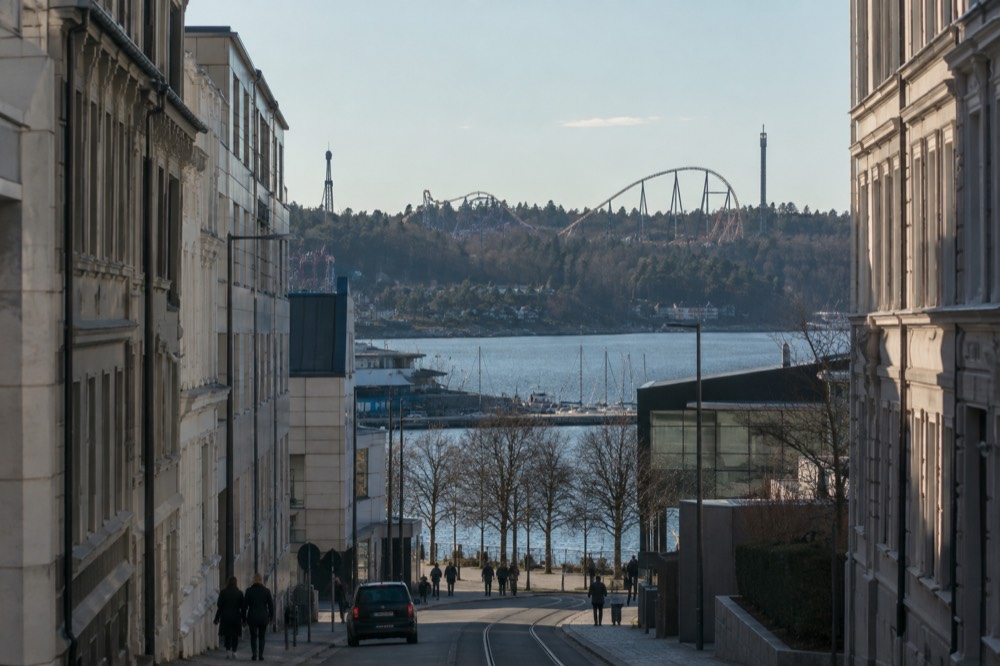 TusenFrydThe amusement park, with its own season guide
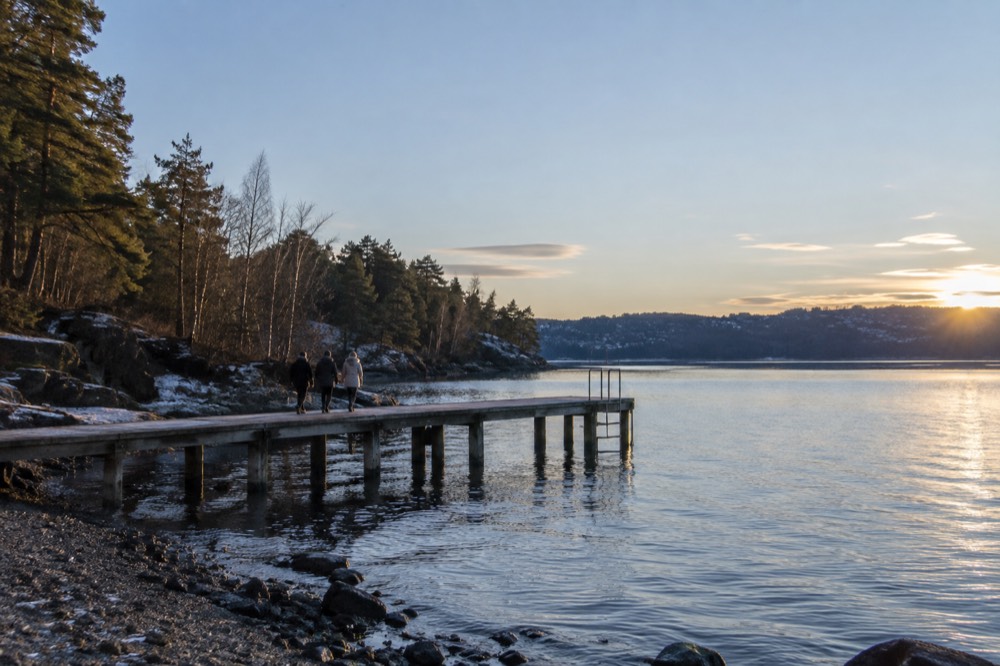 HovedøyaThe closest island, with abbey ruins and swimming spots
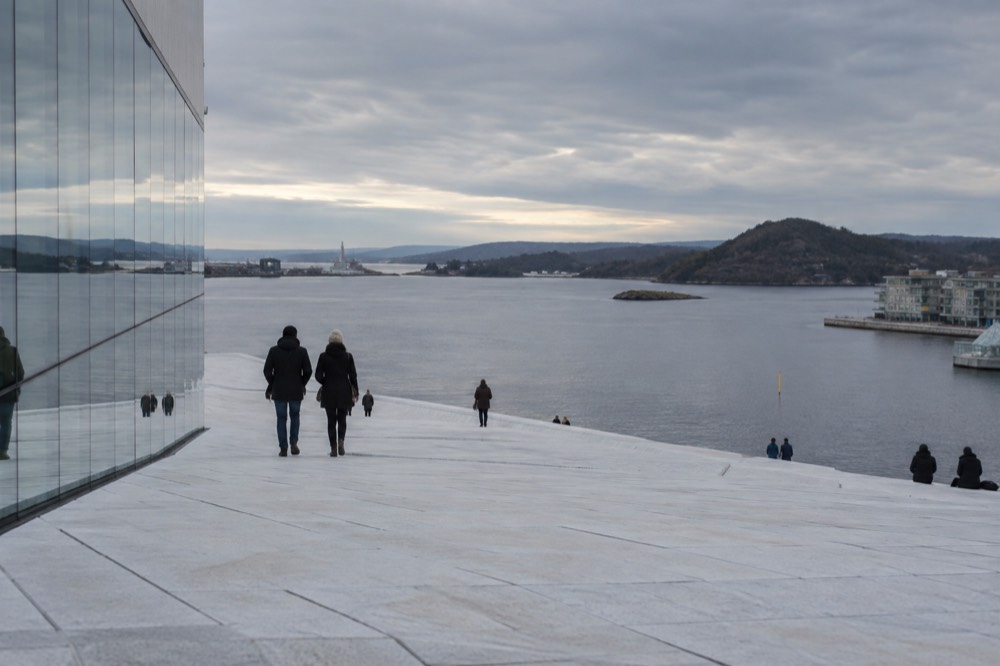 Oslo With KidsMuseums, islands, climbing parks and swimming
 VR film includedViking Planet, VR Movie Included4.4 from 790 reviews · from $30.68Check availability
Oslo When It Rains: Museums Stacked By Hour
The rainy-day plan stacks museums that sit close together, and the hop-on bus keeps the gaps dry.
MUNCHThe Munch museum, open daily
 A Museum DayWhich museums to pick and how to reach Bygdøy
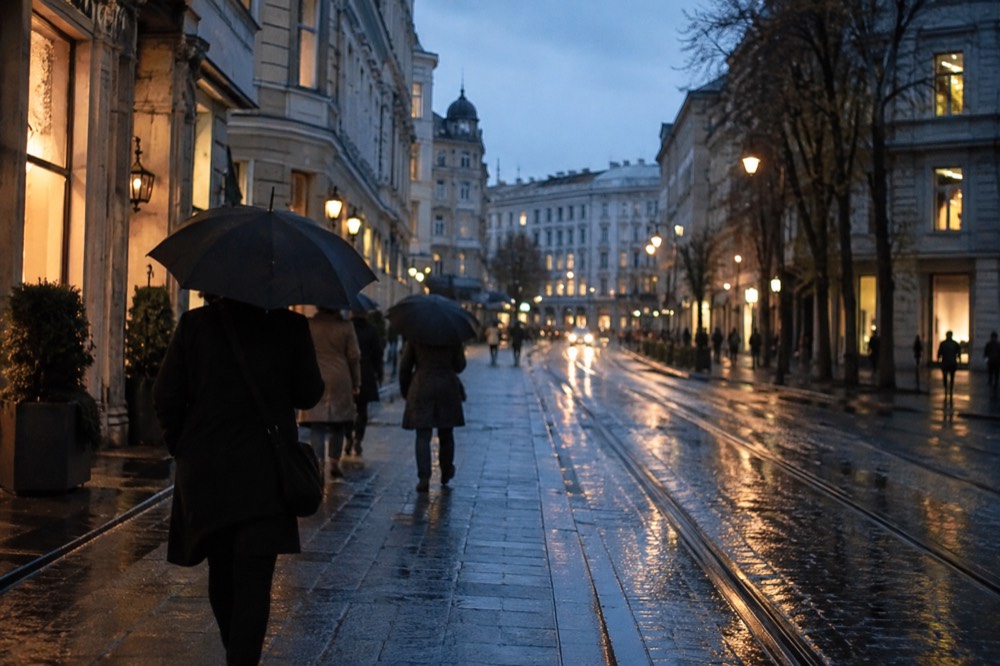 A Rainy Day PlanMuseums stacked with real NOK prices
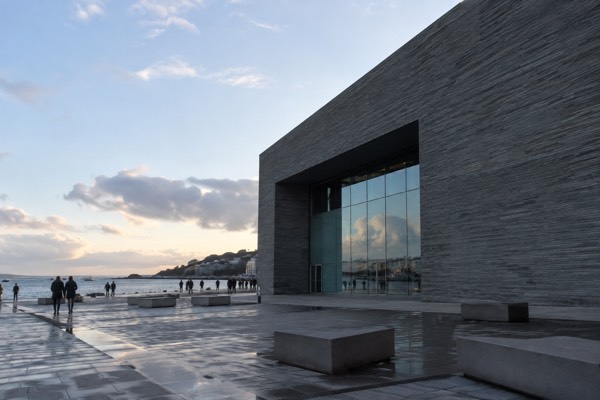 Entry ticket, The ScreamNational Museum, The Scream4.7 from 191 reviews · from $23.69Check availability
Oslo In Winter, From Ski Runs To Snowshoes
Winter in Oslo is a darkness problem rather than a cold one, so the plan leans on the forest, the slopes and the museums.
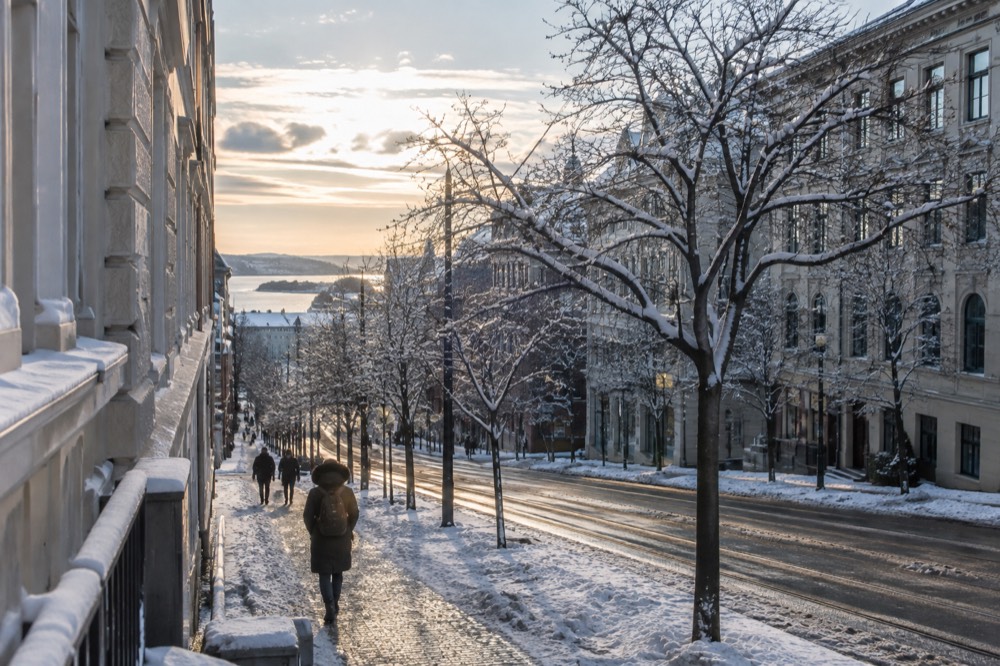 Oslo In WinterTemperatures, daylight and what is closed until 2027
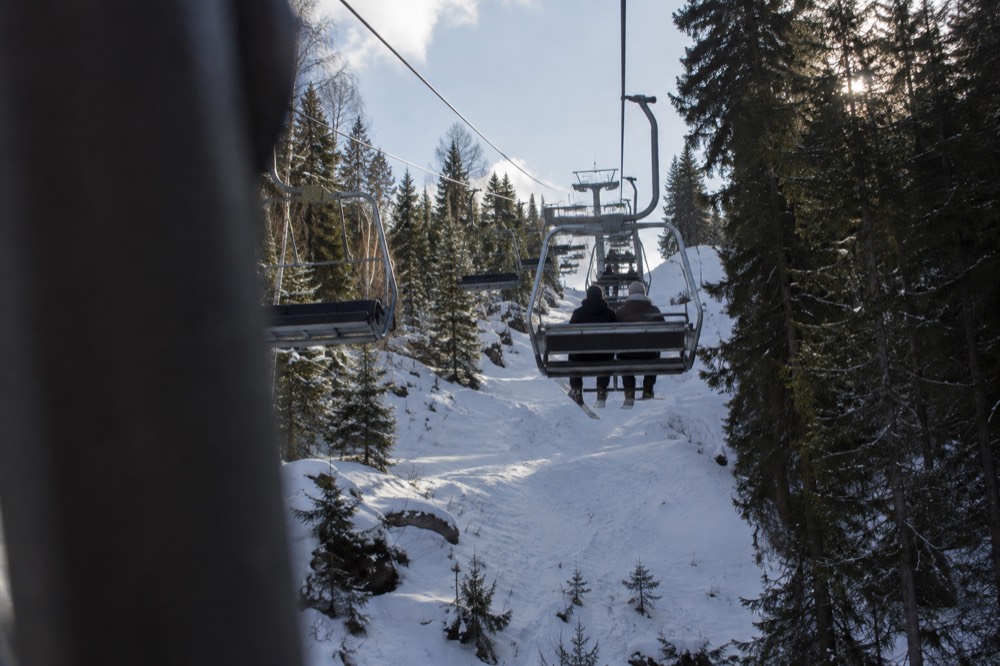 Oslo Winter ParkSkiing and lessons at Tryvann, reached by T-bane
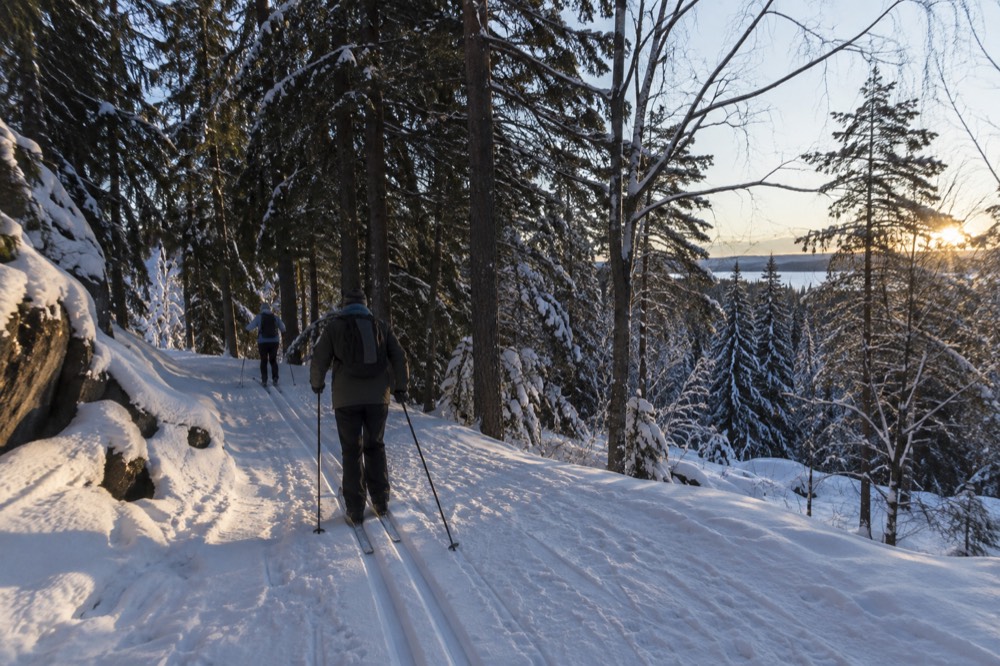 Skiing Near OsloSlopes, trails and the toboggan run on ordinary tickets
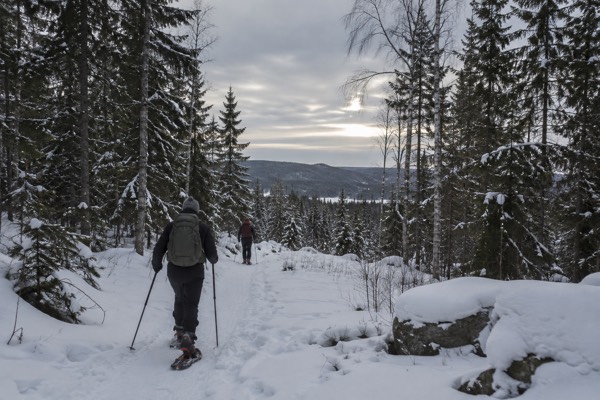 Guided forest snowshoeingGuided Forest Snowshoeing4.8 from 191 reviews · from $103.24Check availability
Oslo After Dark: Bars, Saunas And Fjord Evenings
Evenings run through the bar neighbourhoods, onto the floating baths and out on the fjord.
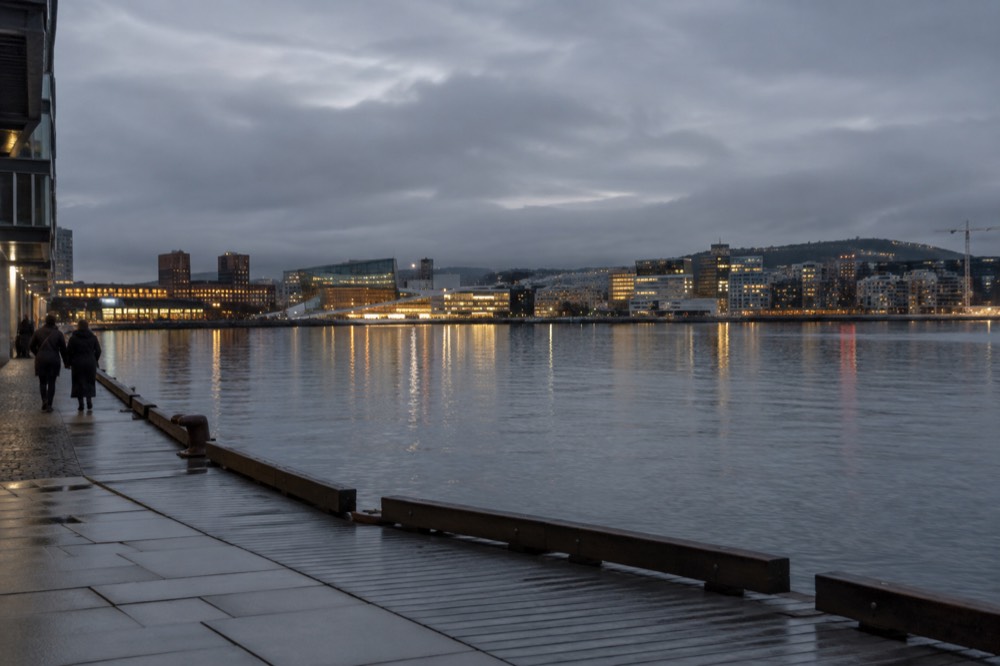 Oslo NightlifeWhich neighbourhoods to go out in and what a night costs
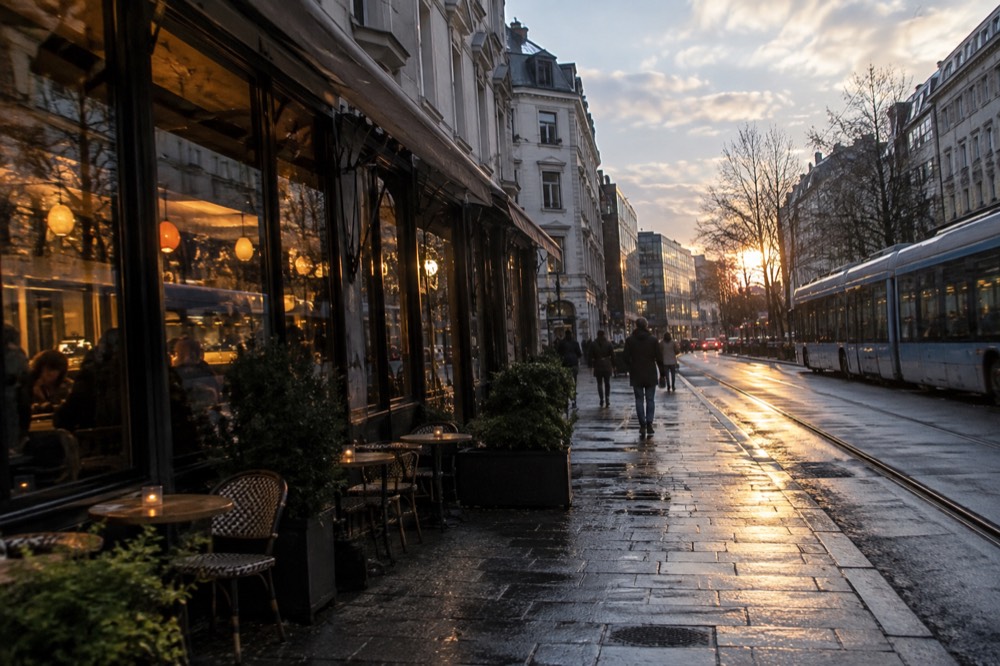 Best Bars In OsloWhere to drink and how Norway's alcohol rules shape the night
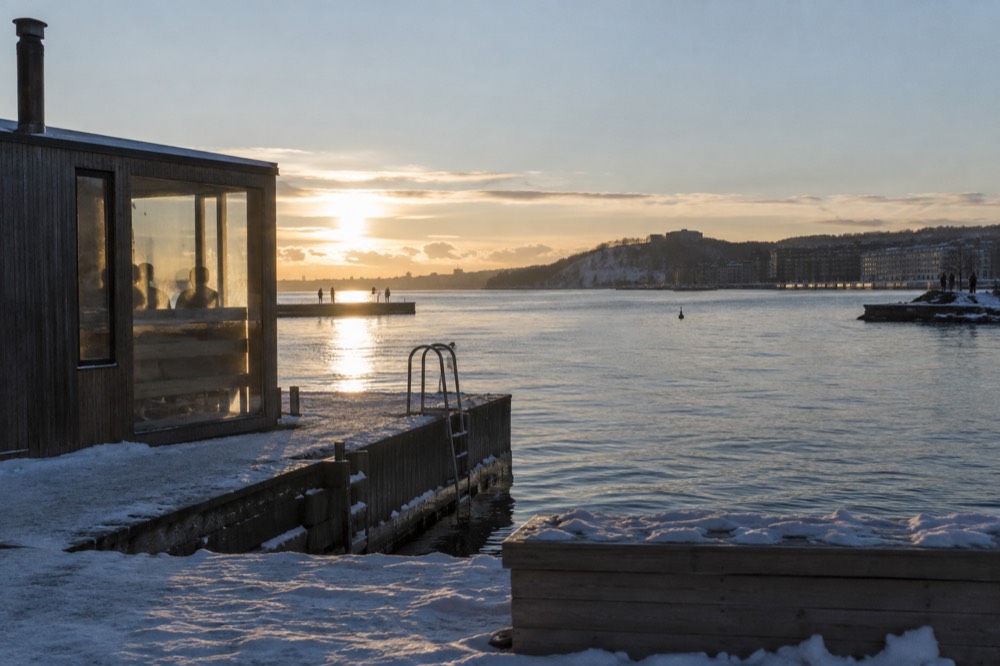 Oslo SaunasFloating baths, winter swimming and what to bring
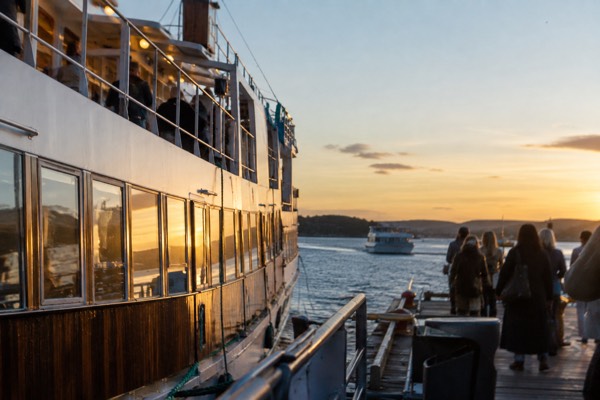 Evening cruise, shrimp buffetEvening Cruise, Shrimp Buffet4.5 from 2,115 reviews · from $90.22Check availability
Free And Cheap In Oslo: Parks, A Roof And A Walk With Tips
Vigeland Park, the Opera House roof and Ekebergparken cost nothing to enter, and a local guide leads a walk where you tip what you think it was worth.
Walk Vigeland Park
Climb The Opera House Roof
Ekebergparken
Free Walking Tours
Oslo On A Budget
A Free Day Plan
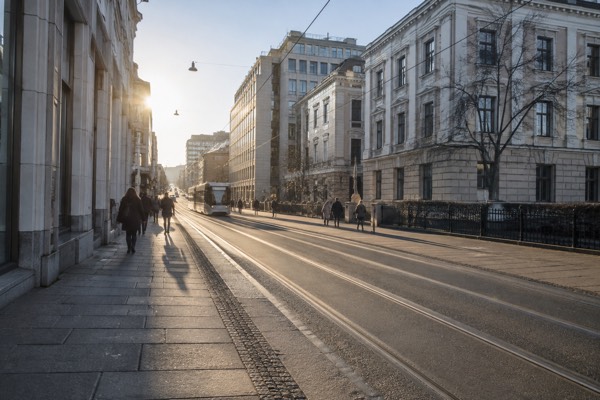
Free Highlights Walking Tour
4.68 from 2,150 reviews · free, pay what you want
See this free tour on GuruWalk
What Oslo Costs, And Where The Money Goes
Norway is expensive, and the shape of the expense matters more than the headline. Statistics Norway's price-level comparison puts Norwegian household consumption about 28.6 per cent above the European average, with food around a third dearer and alcohol more than double. Museums and transport, on the other hand, are priced close to what a European city charges.
So the budget bites at the table, not at the ticket desk. A guided food tour that feeds you properly across three hours reads as expensive next to a museum ticket and cheap next to three restaurant meals. Free walking tours, free parks and free harbour swimming cut the bill further, and the pages below break down where the money actually goes.
- Is Oslo Expensive? What a Trip Actually Costs in 2026Verified NOK prices for every part of an Oslo trip, and where the money actually goes.
- Oslo on a Budget: A Full City Break Without the Painful BillA realistic cheap Oslo itinerary, with real NOK prices and free sights.
- Is the Oslo Pass Worth It? The Honest Math for 2026The real break-even math on the Oslo Pass, museum by museum and ride by ride.
- Free Things to Do in Oslo: A Full Day-by-Day PlanA day-by-day Oslo plan built around what costs nothing: parks, viewpoints, free-entry museums and tip-based walks.
Eating In Oslo, From Food Halls To Street Food
Food is where Oslo gets expensive, so the plan is a food hall, a street-food walk and coffee in the roastery district.
 Mathallen
The indoor food hall on the Akerselva in Vulkan.
Mathallen
The indoor food hall on the Akerselva in Vulkan.
 Street Food
Galopin (duck confit sandwich), Vulkan 5
The neighbourhoods, the market halls and what to look for.
Street Food
Galopin (duck confit sandwich), Vulkan 5
The neighbourhoods, the market halls and what to look for.
 Coffee
Tim Wendelboe, Grüners gate 1
Roasteries in Grünerløkka and how the coffee culture works.
Oslo At Night
Late museum hours, fjord cruises after dark and the bar streets, with closing times and costs.
Read the evening plan
Coffee
Tim Wendelboe, Grüners gate 1
Roasteries in Grünerløkka and how the coffee culture works.
Oslo At Night
Late museum hours, fjord cruises after dark and the bar streets, with closing times and costs.
Read the evening plan
The Oslo Map: Where Everything Is
Loading the map. Every place is also listed below.
Click the map to zoom with the scroll wheel. Numbers match the list.
- Oslo SentrumOslo Sentrum, the city centre every distance is measured from
- Aker BryggeNeighborhood · 1 km from Oslo Sentrum
- BygdøyNeighborhood · 3.6 km from Oslo Sentrum
- TjuvholmenNeighborhood · 1.2 km from Oslo Sentrum
- MajorstuenNeighborhood · 2.6 km from Oslo Sentrum
- St. HanshaugenNeighborhood · 2 km from Oslo Sentrum
- Tøyen and GrønlandNeighborhood · 1.6 km from Oslo Sentrum
- HolmenkollenNeighborhood · 7.1 km from Oslo Sentrum
- Akershus FortressLandmark · 530 m from Oslo Sentrum
- The Royal PalaceLandmark · 1.2 km from Oslo Sentrum
- Karl Johans gateLandmark · 740 m from Oslo Sentrum
- The National TheatreLandmark · 740 m from Oslo Sentrum
- The Barcode, BjørvikaLandmark · 610 m from Oslo Sentrum
- The Munch MuseumMuseum · 810 m from Oslo Sentrum
- Norway's Resistance MuseumMuseum · 480 m from Oslo Sentrum
- Museum of the Viking AgeMuseum · 3.3 km from Oslo Sentrum
- Vigeland Sculpture ParkParks and forest · 3 km from Oslo Sentrum
- EkebergparkenParks and forest · 1.6 km from Oslo Sentrum
- SognsvannParks and forest · 7.3 km from Oslo Sentrum
- Holmenkollen Ski JumpParks and forest · 7.4 km from Oslo Sentrum
- NordmarkaParks and forest · 8.5 km from Oslo Sentrum
- HovedøyaFjord island · 1.7 km from Oslo Sentrum
- LangøyeneFjord island · 4.4 km from Oslo Sentrum
- The Oslofjord IslandsFjord island · 3.4 km from Oslo Sentrum
- GrünerløkkaNeighborhood · 1.7 km from Oslo Sentrum
- FrognerNeighborhood · 2.5 km from Oslo Sentrum
- VulkanNeighborhood · 1.5 km from Oslo Sentrum
- Oslo Opera HouseLandmark · 590 m from Oslo Sentrum
- Oslo City HallLandmark · 580 m from Oslo Sentrum
- Oslo CathedralLandmark · 350 m from Oslo Sentrum
- The Nobel Peace CenterLandmark · 740 m from Oslo Sentrum
- Mathallen Food HallLandmark · 1.4 km from Oslo Sentrum
- The National MuseumMuseum · 850 m from Oslo Sentrum
- The Astrup Fearnley MuseumMuseum · 1.2 km from Oslo Sentrum
- The Oslo City MuseumMuseum · 2.7 km from Oslo Sentrum
- The Botanical GardenMuseum · 1.8 km from Oslo Sentrum
- The Fram MuseumMuseum · 2.5 km from Oslo Sentrum
- The Kon-Tiki MuseumMuseum · 2.6 km from Oslo Sentrum
- Norsk FolkemuseumMuseum · 3.3 km from Oslo Sentrum
- Gol Stave ChurchMuseum · 3.4 km from Oslo Sentrum
- Oslo Winter ParkParks and forest · 11 km from Oslo Sentrum
Arriving From Oslo Airport: Which Train, And What It Costs
Two trains run the same rails from Oslo Airport to Oslo Central Station. Flytoget, the airport express, charges 268 NOK for an adult single and runs more often. The Vy local train takes a few minutes longer, costs less, and is the one covered by the Oslo Pass. Flytoget and the airport bus are not.
That single distinction decides which ticket to buy before you land. The airport sits in Ruter zone 4N rather than zone 1, so an airport journey on a zonal ticket is priced across several zones, and buying the cheap central-zone ticket by mistake is the most common arrival error.
- Oslo Airport (OSL): The Complete Arrivals and Transfers GuideTrains, buses, taxis and prices from Oslo Airport Gardermoen to the city center.
- Flytoget vs Vy: Which Oslo Airport Train Should You Take?Same tracks, half the price: the honest comparison of Oslo's two airport trains.
- How to Spend an Oslo Layover: The Right Plan for 4, 6 or 8 HoursTurn a stopover into a real visit: airport trains, luggage and a plan for 4, 6 or 8 hours.
Getting Around: Ruter Zones And What The Oslo Pass Covers
Ruter runs the metro, trams, buses and the local ferries on one ticket system priced by how many zones you cross. Central Oslo is zone 1, and so is the entire T-bane network, which is the useful part: the metro reaches Holmenkollen and the forest without ever leaving the cheapest zone.
The Oslo Pass, run by the city's tourist board, bundles transport in zones 1 to 4 with entry to more than thirty museums and attractions. Adult prices are 580 NOK for 24 hours, 845 for 48 and 995 for 72. Whether it pays depends entirely on how many paid attractions you will realistically reach in that window, and the guide below does that arithmetic rather than assuming the answer.
- Ruter Tickets Explained: Zones, Fares and How to Ride Oslo's Trams, Metro and FerriesZones, fares and validity for every tram, metro, bus and ferry in Oslo.
- Oslo Metro: A Practical Guide to Riding the T-BaneTickets, zones, lines and airport connections on the Oslo T-bane.
- Oslo Pass: Prices, What It Covers, and Whether It Saves You MoneyPrices, coverage and honest break-even math for Oslo's museum and transport pass.
- Oslo Car Rental: When to Hire, When to Skip, and What It CostsWhen an Oslo rental car pays off, when it does not, and what the tolls, parking and winter rules really mean.
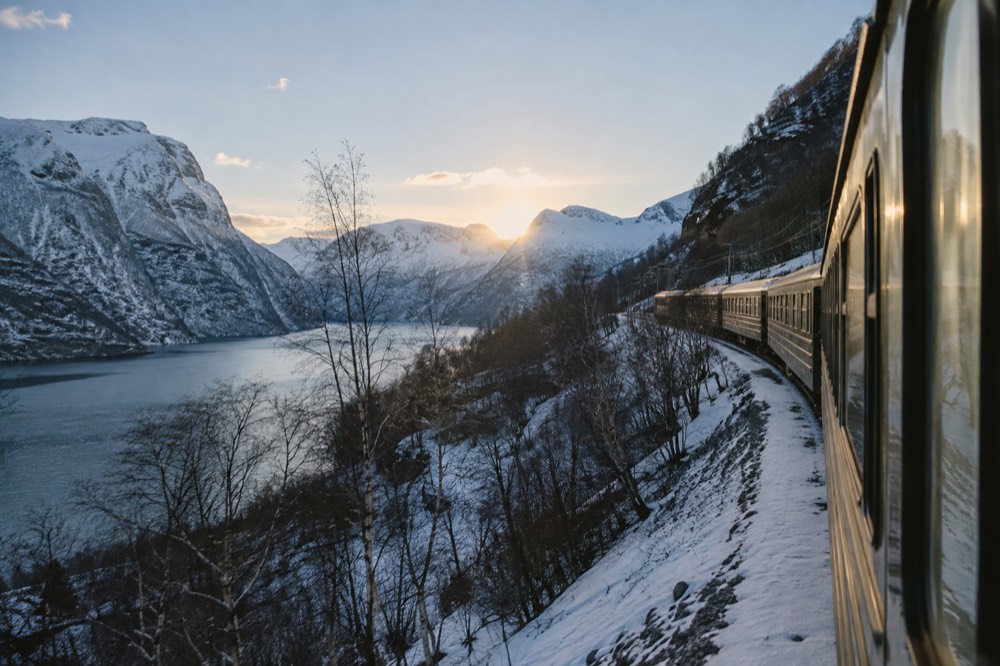
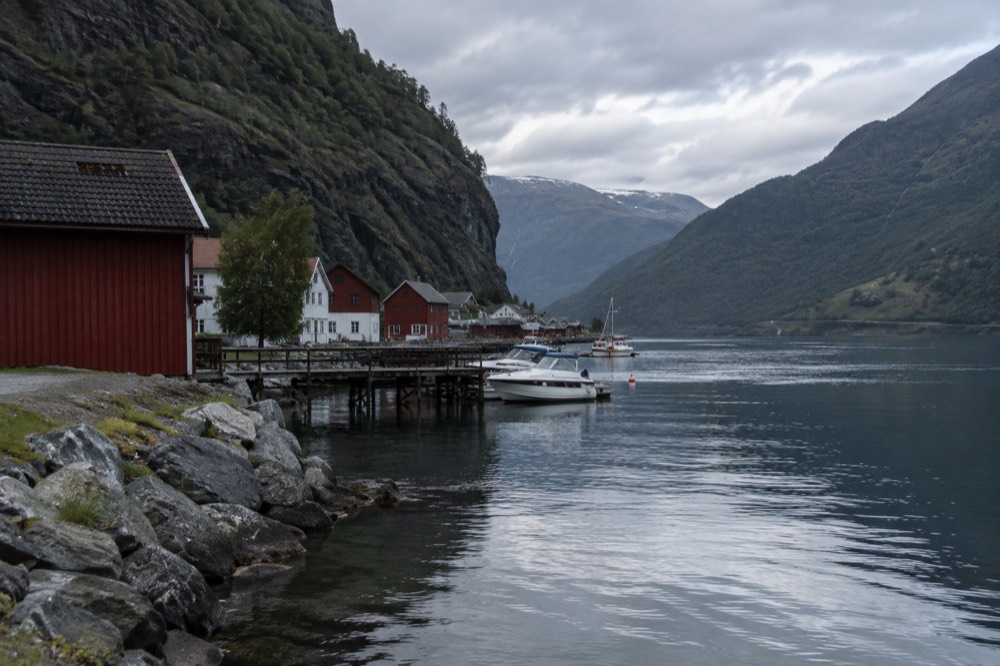
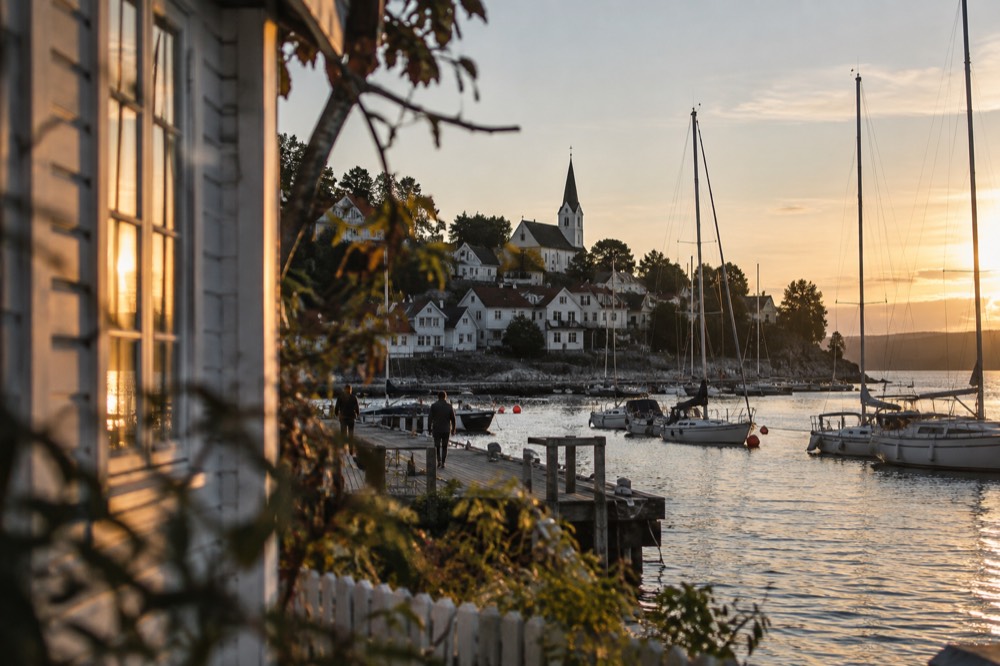
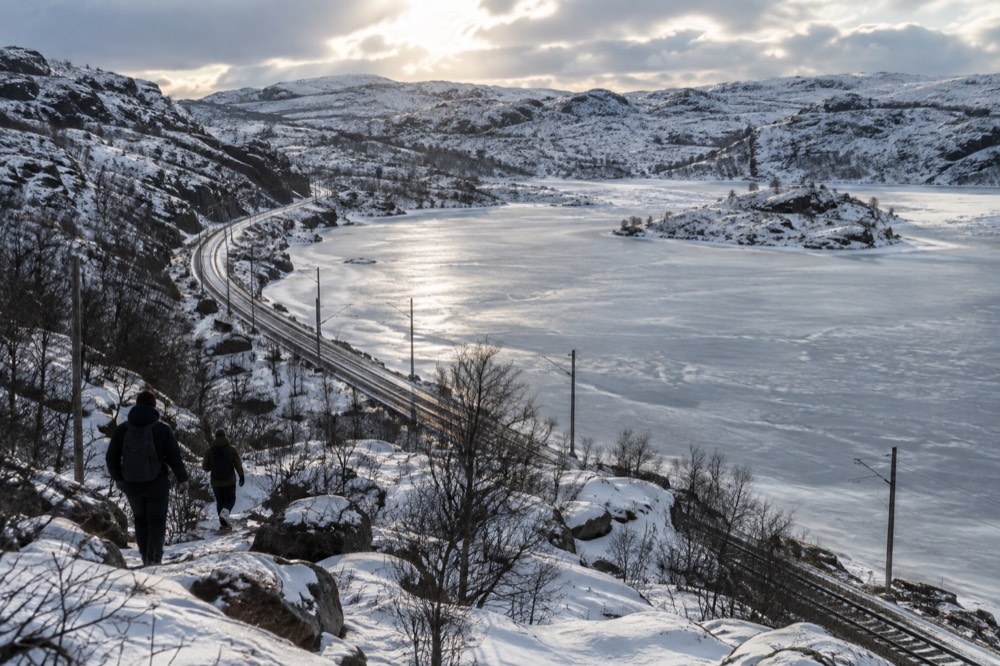
Day Trips From Oslo, Including Norway In A Nutshell
Island ferries leave from the city centre, while the Flåm and Bergen routes are long days by train.
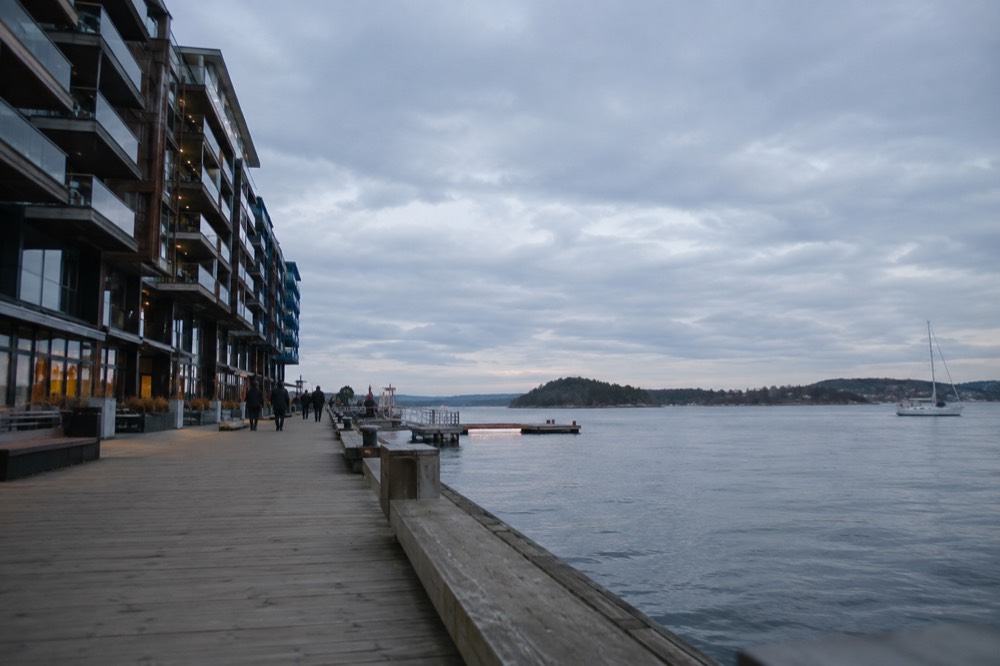
When To Go: Daylight, Snow, And The Wettest Month
Two assumptions get corrected here. August is the wettest month of the Oslo year on MET Norway's thirty-year normals, not November, so the warm half is also the wet half. And the winter problem is darkness rather than cold: the mean January temperature sits a couple of degrees below zero, which is survivable, while the daylight drops to under six hours, which reorganises everything.
May and September are the quiet winners. Long light, smaller crowds, the fjord boats still running. February and March bring real snow to the forest, which is when the ski and snowshoe trips are worth booking rather than the boat trips.
- Oslo Weather by Month: A Practical Planning GuideReal temperatures, rainfall and daylight for every month in Oslo, with what to pack and when to go.
- Oslo in Winter: A Complete Cold-Season Planning GuideTemperatures, daylight, packing and the best winter activities, planned around real numbers.
- Oslo in Summer: What to Expect and How to Plan ItDaylight, swimming, island ferries and a five-day plan for the Norwegian summer.
Oslo Right Now: City Bikes Available This Minute
Oslo Bysykkel publishes the state of every dock in the city as an open feed, so this is not an estimate. It is how many bikes are sitting at each station and how many empty spaces are waiting, read live. The second number is the one that saves a trip: a full dock at Aker Brygge on a sunny afternoon is as much of a problem as an empty one at the Opera House.
Across the network, 2,036 bikes were out of their docks and 3,532 spaces stood free, counted over the 267 stations that were renting.
| Station | Where it is | Bikes | Free docks | Capacity |
|---|---|---|---|---|
| Aker Brygge 3 mot Fergene | the Aker Brygge piers | 10 | 1 | 14 |
| Akerselvallmenningen | the Opera House and Bjoervika | 13 | 0 | 15 |
| Østbanehallen | Oslo Central Station | 33 | 1 | 35 |
| Sørvest for Slottsparken | the Palace Park | 8 | 3 | 12 |
| Frogner plass | Vigeland Park | 0 | 17 | 18 |
| Olaf Ryes plass | Grünerløkka | 2 | 31 | 35 |
The second number matters as much as the first. A full dock is as much of a problem as an empty one, because a bike you cannot return keeps charging you, and the docks nearest the Opera House and Aker Brygge are the ones that fill on a good afternoon. At the last read 61 of the 267 renting stations had no bike at all, about 23 per cent, and 29 had nowhere to put one back. The system is seasonal, so treat a winter visit as a walking trip unless the numbers above say otherwise.
Live data from Oslo Bysykkel (UIP Bauer Media Outdoor Norge AS) via the public GBFS feed. The feed publishes one timestamp for the whole batch rather than per station, so the figures are as of that read, not a check-in from each individual dock.
Oslo Across The Year: Daylight And Rainfall By Month
Oslo is coldest in January, averaging minus 2.3 degrees, and warmest in July at 17.7. August is the wettest month at 103 mm, per MET Norway's 1991 to 2020 normals at Oslo (Blindern).
The month you pick changes two things in Oslo, and only one of them is the one people worry about. Rain is real but evenly spread: August is the wettest month on the thirty-year normals at 103 mm, March the driest at 41 mm, and the warm half of the year takes 505 mm against 332 mm for the cold half. Summer here is the wet season, not the dry one.
Light is the variable that actually rewrites an itinerary. On 21 June the sun is up for 18 h 50 m, rising at 03:53 and setting at 22:43, and the hours between never go properly dark. On 21 December it manages 5 h 53 m, up at 09:18 and gone by 15:11. That is the difference between fitting three outdoor things into a day and fitting one. Temperature moves far less than the light does: July averages 17.7 °C (64 °F) and January averages -2.3 °C (28 °F).
| Season | Months | Rain | Mean temp | What it means |
|---|---|---|---|---|
| Winter | Dec to Feb | 158 mm | -1.9 °C | the dark stretch, and the one that decides whether a trip is indoors or on skis |
| Spring | Mar to May | 149 mm | 6.3 °C | the driest three months of the year, and the light comes back fast |
| Summer | Jun to Aug | 270 mm | 16.5 °C | warm, long and wetter than people expect; August is the wettest month there is |
| Autumn | Sep to Nov | 260 mm | 7 °C | wet and closing in, but the fjord boats and the forest hold on into October |
Normals and daylight both come from MET Norway: the 1991 to 2020 standard normals for Oslo (Blindern), station SN18700, and the Sunrise 3.0 service for sunrise and sunset at 59.9139 N, 10.7522 E.
Where To Stay In Oslo, By What You Want Nearby
Three bases, three different trips: the station and the Opera House, the cafe and bar quarter on the river, or the harbour and the west side.
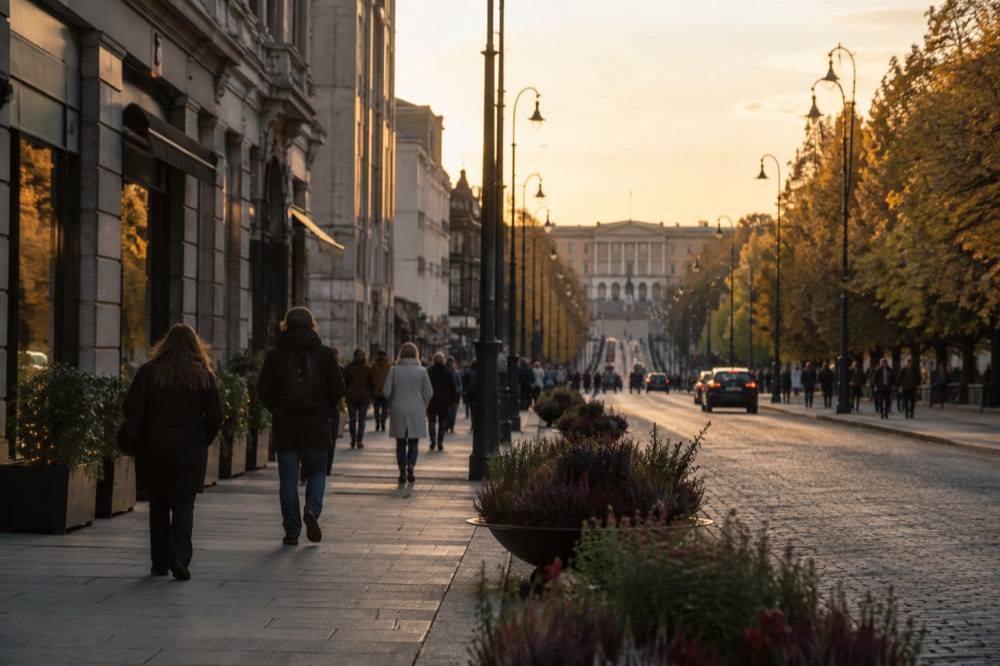
Sentrum
Best for a first, short visitOslo Central Station, Karl Johans gate and the Opera House on foot.
- AmerikalinjenHotelCheck rates
- Citybox OsloHotelCheck rates
- Thon Hotel TerminusHotelCheck rates
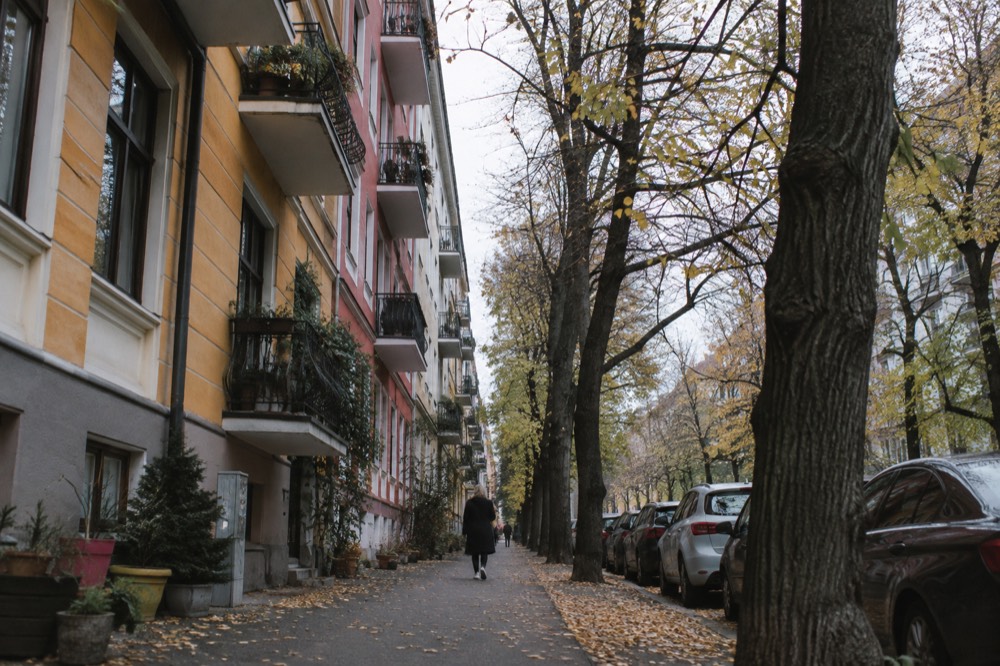
Grünerløkka
Best for cafes and barsThe old workers' quarter turned cafe district, with Vulkan and the Akerselva river walk.
- Scandic VulkanHotelCheck rates
- Anker HotelHotelCheck rates
- MAYA Apartments - GrünerløkkaApartmentCheck rates
Aker Brygge And Frogner
Best for the waterfrontThe converted shipyard harbour beside Tjuvholmen's art museum, with Frogner and Bogstadveien behind it.
- The ThiefHotelCheck rates
- Thon Hotel Vika AtriumHotelCheck rates
- Thon Hotel GyldenløveHotelCheck rates
What Is Oslo Known For?
1
The Oslofjord
Island ferries leave from the city centre and the fjord frames the whole waterfront.
2
Vigeland Park
A free sculpture park in Frogner, open day and night.
3
Its Museums
The Scream at the National Museum, a polar ship at the Fram, a Pacific raft at Kon-Tiki.
4
Skiing In The City
Holmenkollen's ski jump and the slopes at Oslo Winter Park, both on the T-bane.
5
Coffee Culture
Roasteries in Grünerløkka and a long coffee habit.
6
The Daylight Swing
Summer days stretch past 18 hours of daylight, while December offers fewer than six.
Oslo Planning Guides
Oslo Travel Guide: Questions People Actually Ask
Each short answer here opens a fuller page elsewhere on this site, so the quick version and the detailed one stay in step.
Is Oslo Cheap or Expensive?
The honest answer is that Oslo is expensive overall but unevenly so, and where the money actually goes surprises most visitors. Statistics Norway puts household prices 28.6 percent above the EU average, yet the things many travelers care most about, museums, public transport and the outdoors, cost less than the reputation suggests.
How Many Days in Oslo Is Enough?
Two days is enough for most visitors to see Oslo's core sights, and three is the comfortable sweet spot that adds the museums and the fjord without rushing. One day works only with ruthless priorities, and four or five only pays off if you fold in day trips or slow travel.
Is the Oslo Pass Worth It? The Honest Math for 2026
The Oslo Pass costs 580 NOK for 24 hours, and three Bygdøy museum tickets alone cost 560 NOK at the door. That is the whole question in one line, and the rest of this guide does the arithmetic properly.
Can You See Northern Lights in Oslo? The Honest Answer
Oslo sits at 59.91 degrees north, well south of the auroral zone, so the northern lights are genuinely rare in the city. Here is what a sighting actually takes, how the Tromsø comparison works, and what to book instead of a tour that does not exist.
What Is the Best Month to Go to Oslo?
July gives Oslo its warmest weather and its longest days, June gives near-endless evening light, and September gives lower prices with the museums still fully open. The right month depends on whether you are chasing the water, the light or the snow.
Is Oslo Really Worth Visiting?
Oslo is compact, expensive in specific places and genuinely free in others, and its biggest attraction is a fjord that starts in the city center. Here is the honest verdict, with the numbers behind it.