St. Hanshaugen Neighborhood Guide: Park, Cafés and Local Oslo Life
St. Hanshaugen is the quiet hillside district ten minutes northwest of Oslo's center, organized around one of the city's best-loved public parks. It is where Oslo stops performing for visitors and simply gets on with being a city, and that is exactly its appeal.
Short answer
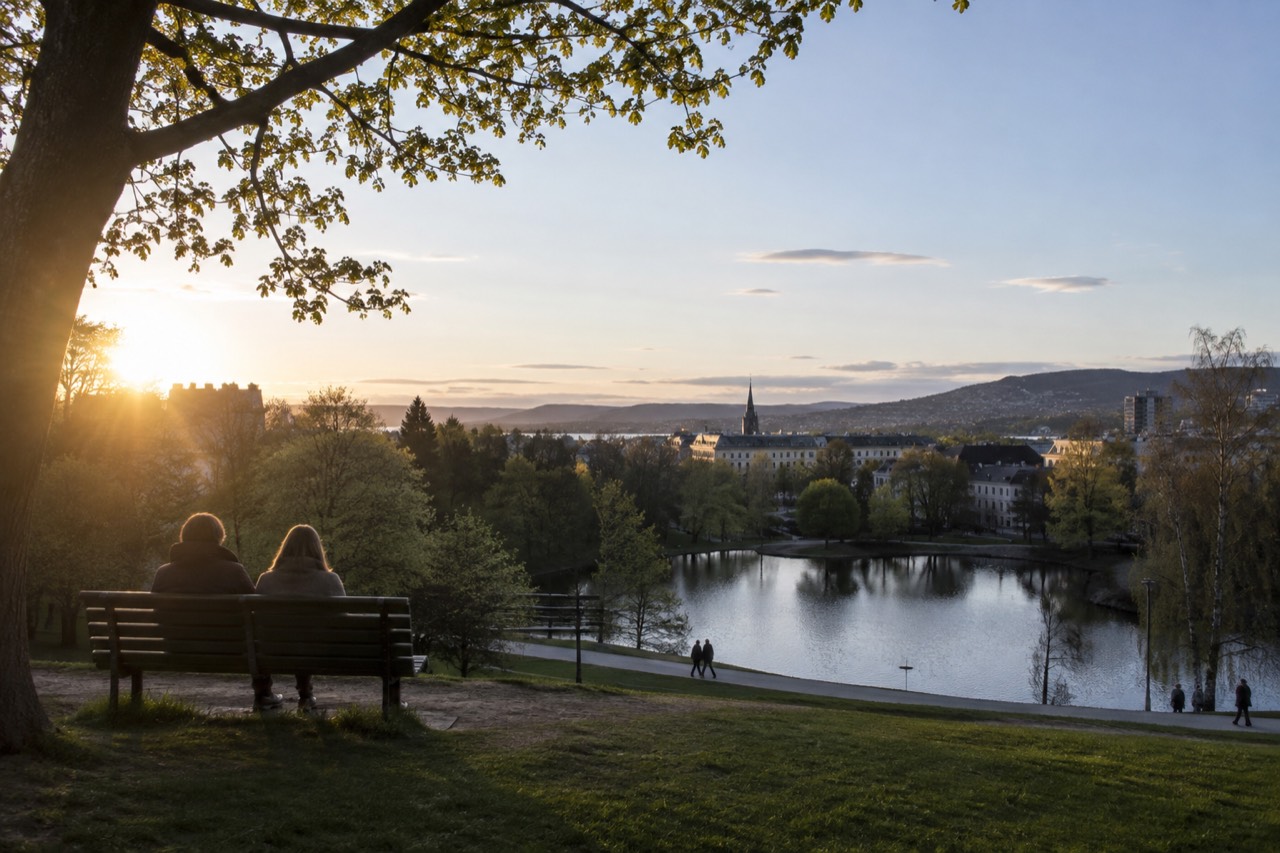
St. Hanshaugen is a residential district northwest of central Oslo, built around a hilltop park with a lake, lawns and some of the city's best weekend café life. The park is free and open around the clock, the surrounding streets hold bakeries and bars rather than attractions, and it sits close to Grünerløkka's food scene.
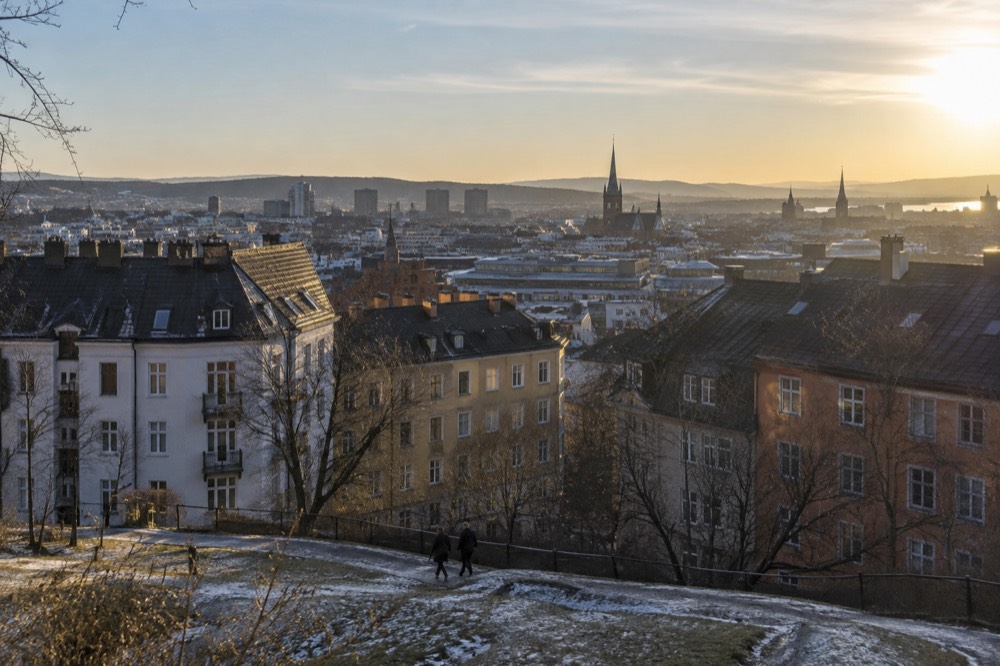
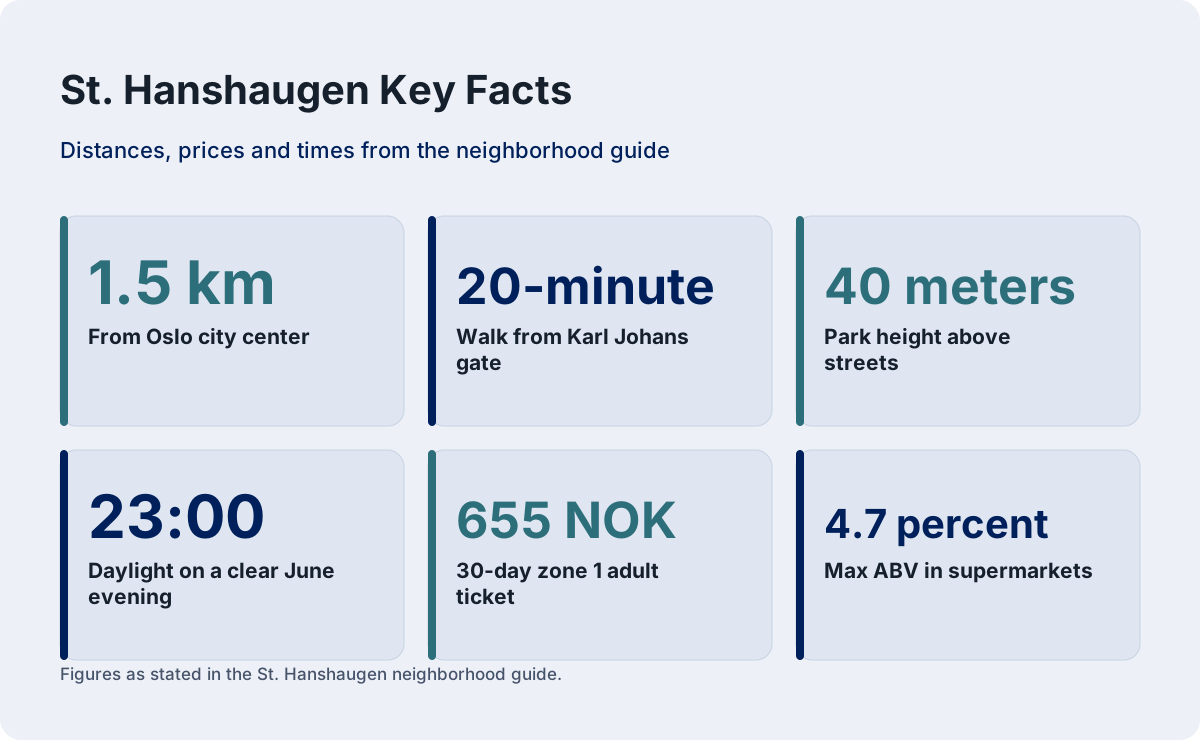
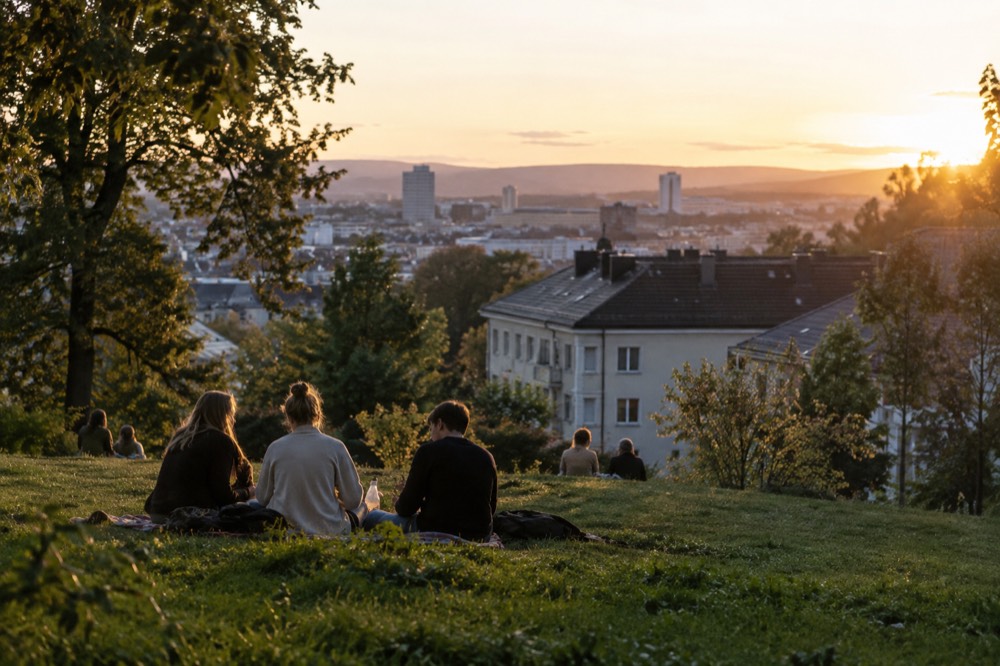
St. Hanshaugen is the hillside district that sits between central Oslo and Grünerløkka, and it is named after the park at its heart. The park sits on a hill, which matters more than it sounds: from the top you look back over the rooftops toward the city center, and on a clear June evening that view holds daylight until nearly 23:00. The neighborhood around it is residential, leafy and low-key, full of apartment blocks, bakeries and corner bars, and it has almost none of the attraction-queue energy of the harbor front.
This is a page for a particular kind of visitor: the one with a third or fourth day in Oslo, or an afternoon free between museums, or an appetite for seeing a city's ordinary streets rather than its ticketed highlights. St. Hanshaugen rewards exactly that. It costs almost nothing, it is a short walk or tram ride from the center, and it pairs naturally with a morning in Grünerløkka, the food-and-bars district immediately to its east.
A note on honesty before anything else: this site has not taken a tour here, walked the hill or eaten in these cafés. Every figure below comes from verified sources, and where something is a matter of taste rather than fact, it says so plainly.
What Is St. Hanshaugen?
St. Hanshaugen is both a park and the district around it, immediately northwest of central Oslo. The park rises roughly 40 meters above the surrounding streets, with a small lake at its northern end, wide lawns on the slopes and mature trees throughout. It is public land, free to enter and open at all hours, and the district around it is one of the city's most established residential neighborhoods, best known to visitors for its café life and its Saturday-morning pace.
The name refers to Midsummer, the Sankthans celebration on 23 June, and the hill has been the site of that celebration for generations of Oslo residents. That heritage explains the park's layout: this is not a formal garden with parterres and ticket booths, it is a people's park, built for crowds on the one night of the year the sun barely sets and for everyone's idle Sundays the rest of the year. The lake near the park's north side, the gravel paths that spiral up the hill, and the terraced lawns on the southern slope are all part of that design.
The district around the park runs downhill toward the city center on one side and Grünerløkka on the other. It is not a museum district and it does not pretend to be. What it offers instead is the texture of ordinary Oslo: wooden houses surviving in pockets among the apartment blocks, playgrounds full on weekday afternoons, and a café-and-bakery scene that serves residents first and visitors incidentally. If your Oslo itinerary is built around the Opera House, the Munch museum and the Bygdøy peninsula, St. Hanshaugen is where you go to see the city that all of those things exist inside of.
For orientation, the park is the district's anchor and everything else is a short walk from it. The streets to the east, around Thorvald Meyers gate, spill into Grünerløkka's restaurant rows. The streets to the south run downhill toward the city center and the Tøyen and Sentrum directions. Nothing here is more than about 20 minutes on foot from anything else, and the whole district can be covered in a relaxed half day.
How Do You Get to St. Hanshaugen?
St. Hanshaugen sits about 1.5 km northwest of Oslo's city center, a 20-minute walk from Karl Johans gate, and it is served by tram and bus stops along its edges on ordinary Ruter tickets. The park itself is free and open at all hours, so there is no gate, no ticket and no season. Anyone holding an Oslo Pass rides the trams and buses here at no extra cost, since the pass covers Ruter public transport across zones 1, 2, 3, 4V and 4N.
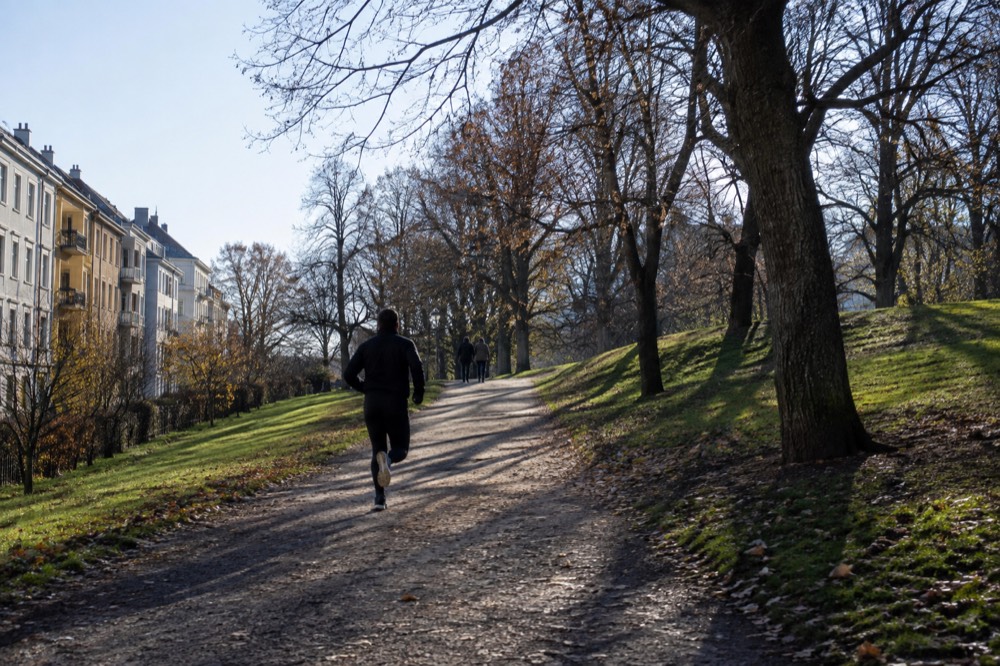
The walk from the center is genuinely pleasant and worth doing at least one way. You leave the shopping streets around Karl Johans gate, cross into the quieter blocks north of the center, and the hill becomes visible ahead of you with its tree line. Coming from Grünerløkka, the approach is even shorter: the eastern edge of the park is roughly ten minutes on foot from the heart of that district's restaurant streets, which is why the two pair so well in one afternoon.
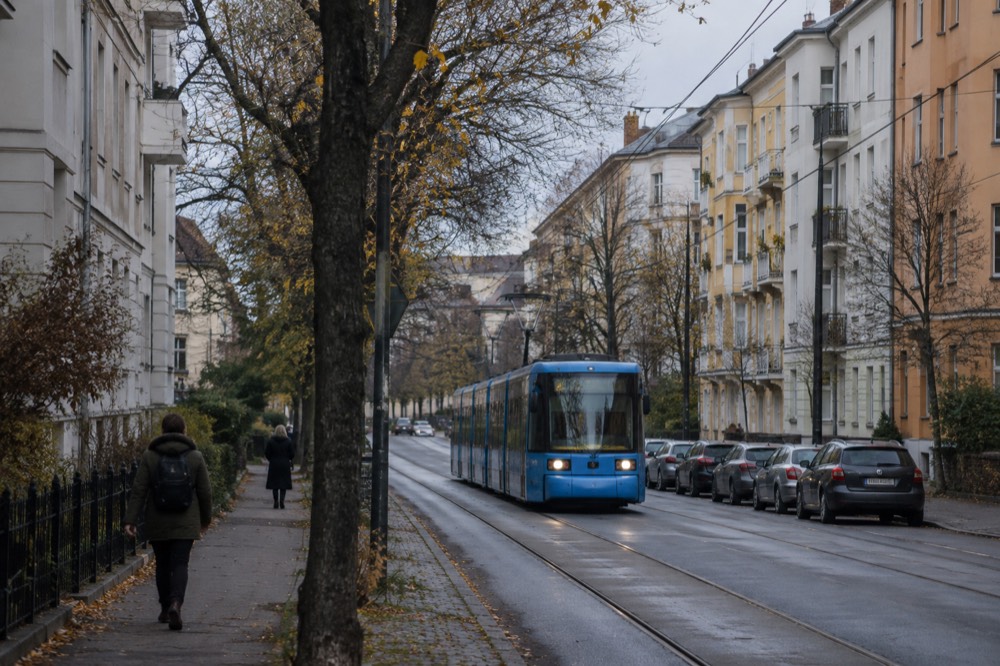
Public transport here is ordinary city transit rather than a special tourist service. Several tram and bus lines run along the district's edges, and the practical advice is the same as anywhere in Oslo: let the Ruter journey planner in the Ruter app work out the line and the stop, rather than counting zones or guessing at platforms by hand, which is Ruter's own published guidance. A single zone 1 ticket is valid for 60 minutes from activation, and validity increases by 30 minutes for each additional zone, so a trip within central Oslo's zone 1 is simple.
Two verified transport facts are worth carrying if you are staying elsewhere in the city. First, the 30-day adult ticket for zone 1 was cut from 805 to 655 NOK from 3 May 2026, which matters to anyone on a longer stay. Second, if you are arriving from Oslo Airport Gardermoen and heading straight here, the airport sits in Ruter zone 4N, and the Oslo Pass covers local Vy trains to and from the airport, but not Flytoget, the separate airport express at 268 NOK per adult single. That distinction saves real money and most guides get it wrong.
A walking tour is one honest way to cover the ground between the center and this district if you would rather not navigate alone on your first day. The cheapest credible guided walk in the city is a two-hour central Oslo walk with a local guide, which holds a strong rating across a large review base and costs less than most museum tickets; the live listing carries the current price and time slots. It covers the center rather than this hill, but it ends you oriented, which is what you want before striking out northwest.
For anyone who prefers to eat their way into a neighborhood rather than walk it cold, the Grünerløkka food and culture walking tour starts in the district next door and works through its food scene over two and a half hours. It is the strongest food product on that side of the city and it pairs naturally with an afternoon here, since the tour district and the park share a border.
What Is There to Do in St. Hanshaugen?
The honest answer is: the park, the cafés and the streets, in that order. St. Hanshaugen has no ticketed attractions, no museum cluster and no viewpoint with a queue. The park's lawns, lake and hilltop views are the main draw and cost nothing, the surrounding blocks hold some of Oslo's most reliable bakery and café streets, and the district works best as a slow half day rather than a schedule of stops.
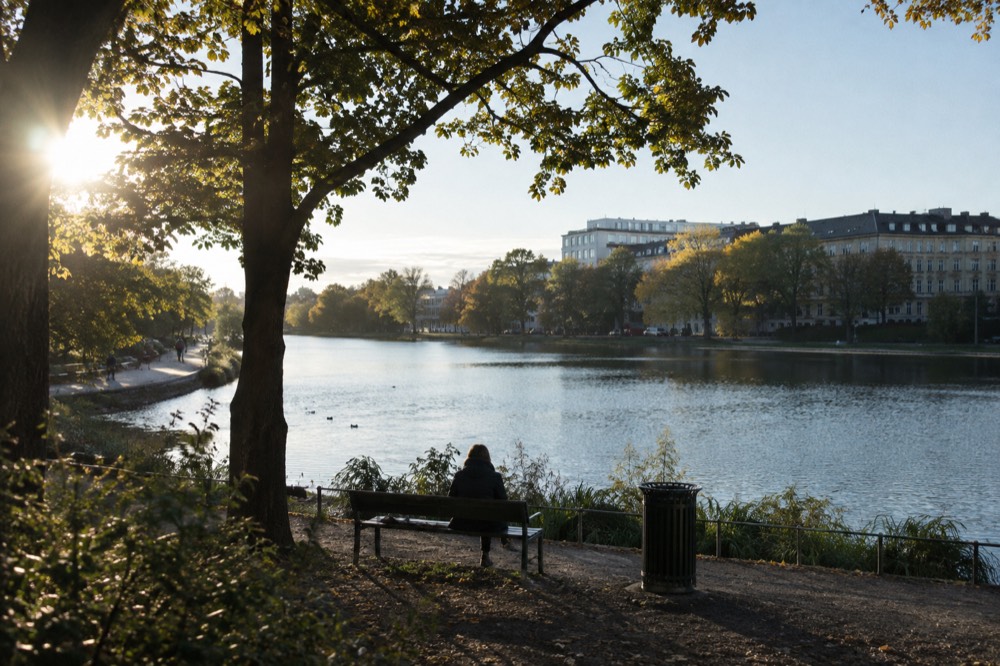
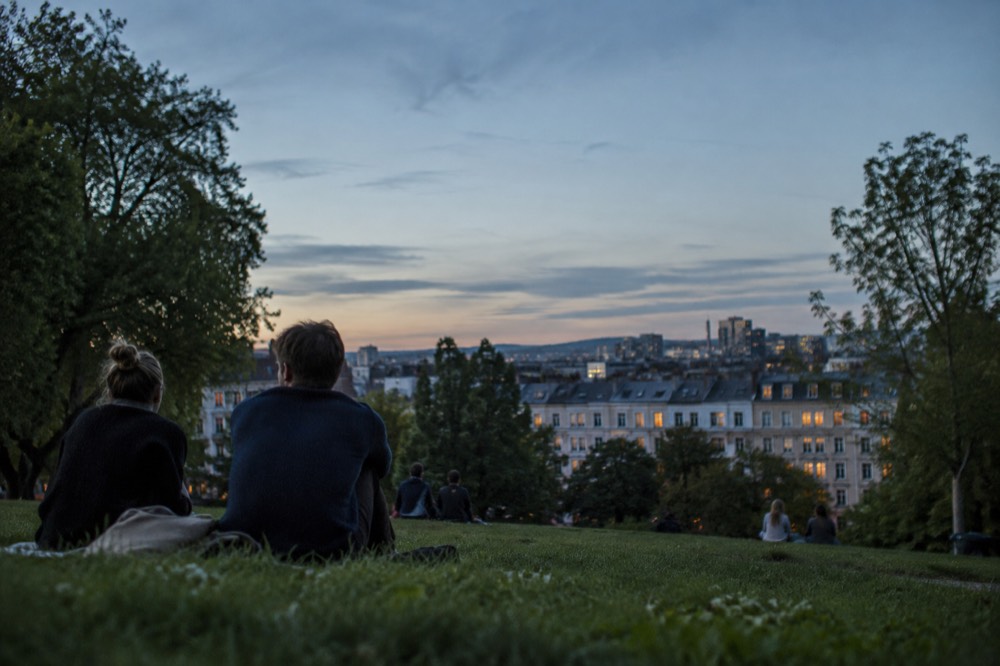
Start with the park, because it is the reason the district exists. The climb from any edge to the top takes ten minutes at a stroll, and the reward is a view back over the city center that costs nothing and stays open all night. The lawns on the southern slope are where the district spends its summer: picnics, blankets, guitars, the whole Scandinavian outdoor ritual that appears the moment the temperature clears about 15 °C (59 °F). The lake at the northern end anchors the quieter half of the park, with benches and shaded paths around it.
The park is also one of the city's genuinely free things to do, in a country where plenty is not. Norway is the sixth most expensive country in Europe on Statistics Norway's 2025 price-level survey, with household prices 28.6 percent above the EU average, so a free hilltop park with a view is not a trivial asset, it is a planning tool. If you are building a budget day, pair this park with Vigeland Park, which is also free and open 24 hours a day year-round, and you have two of Oslo's best outdoor spaces for the price of a transit ticket.
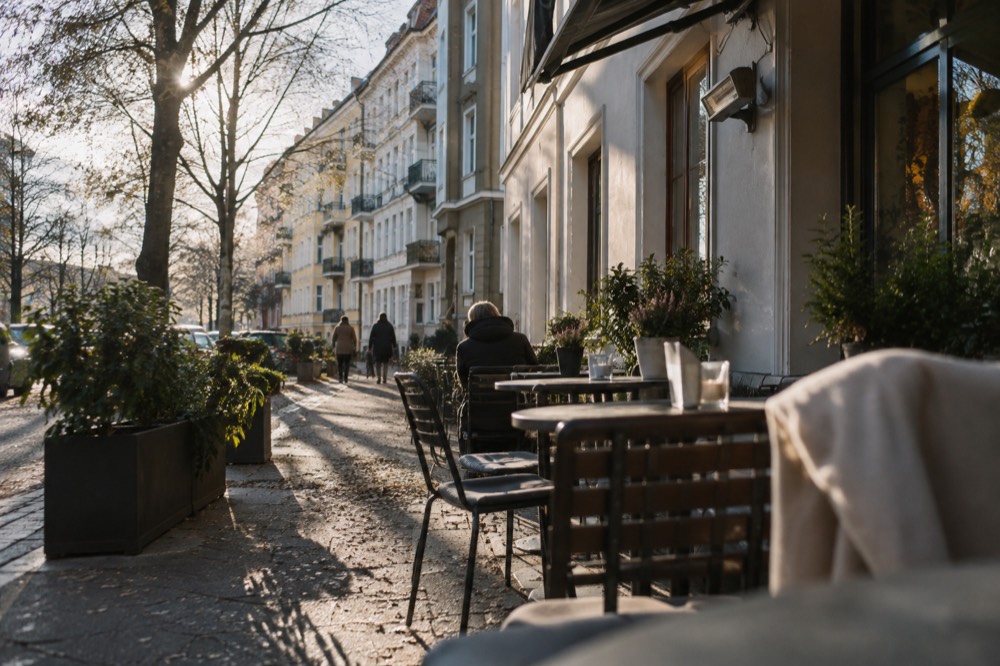
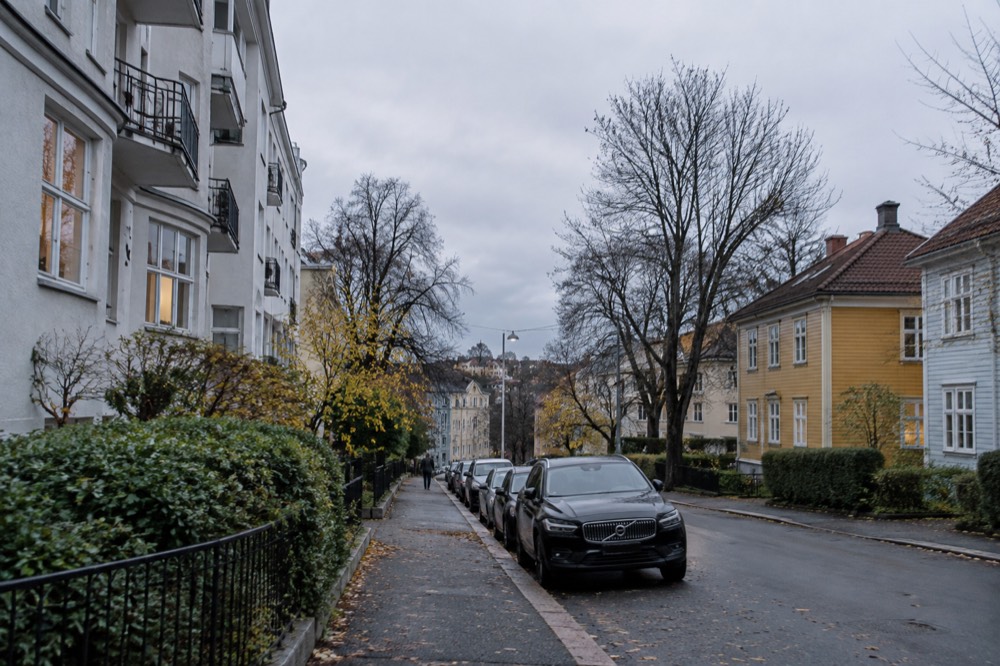
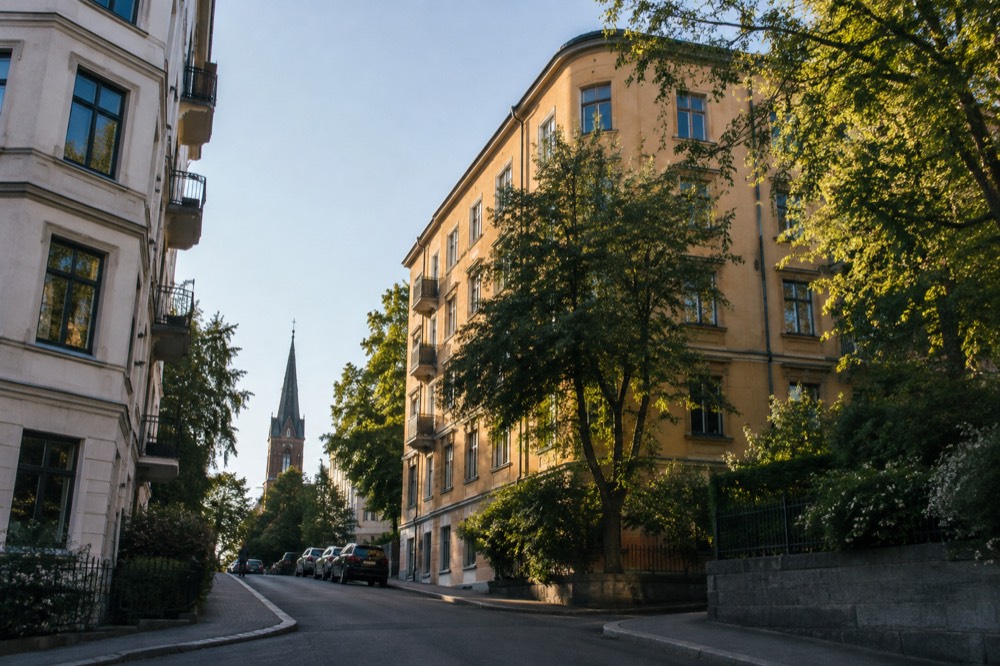
Around the park, the district's streets repay aimless walking. The blocks between the hill and Grünerløkka mix late 19th-century apartment buildings with surviving wooden houses, the painted timber structures that predate the brick era, and the contrast between the two is the neighborhood's visual signature. There are playgrounds, a church, small grocery stores and hardware shops: the infrastructure of a place people live in, which is precisely what many visitors run out of after three days of museums.
If you want the district's atmosphere at its most concentrated, time a visit for a Saturday or Sunday late morning. The café terraces fill, the park fills, and the pace is unhurried in a way the harbor front never manages. Weekday evenings are quieter and the park's slopes empty out as the light fades, which in December means by 16:00, and in June means not at all before 22:00.
For visitors traveling with children, the park's open lawns and playgrounds make it a natural stop, and it slots easily into a wider family plan; the Oslo with kids guide covers the city's other family-friendly outdoor spaces. For photographers, the hilltop view over the rooftops toward the center is best in the low light of early morning or late evening, and the Oslo photography spots guide places it in context with the city's better-known panoramas.
Where Do Locals Eat and Drink in St. Hanshaugen?
St. Hanshaugen's food scene is bakery-and-café first, restaurant second: the district's streets hold long-standing bakeries, coffee bars and neighborhood restaurants rather than destination dining, and the strongest food concentration sits just across its eastern edge in Grünerløkka. Prices are Oslo prices, meaning food and non-alcoholic drinks run 33 percent above the European average on Statistics Norway's comparison, so budget accordingly and treat a sit-down dinner as the day's main spend.
The district's own strength is the everyday layer: the morning bakery run, the long coffee stop, the casual dinner place that takes walk-ins. This site will not quote invented menu prices, and no verified per-item café or restaurant price was captured in the research behind this page, so the honest framing is the sourced one: Norway's food prices sit a third above the European average, alcohol and tobacco cost more than double it, and the practical consequence is that a coffee-and-a-bun stop is a modest spend while a dinner with drinks is not.
Alcohol deserves its own paragraph, because Norway's rules shape a visitor's evening here. Wine and spirits are sold only through Vinmonopolet, the state monopoly, which is closed every Sunday and on public holidays and closes early on Saturdays, with hours varying by store. Supermarkets sell beer and cider only, up to 4.7 percent ABV. Bars and restaurants pour freely, of course, but at prices that reflect the double-the-average tax load, which is why the district's bar terraces are lively but not cheap. The price of beer in Oslo guide covers this in detail.
If eating well is the point of your afternoon, cross the district's eastern edge into Grünerløkka, where the food scene is dense and walkable. The neighborhood food and culture walking tour there is the bookable way to sample it with a guide, running two and a half hours through the district's food culture; the live listing carries the current from-price. The Grünerløkka neighborhood guide covers the same ground for independent eaters, and the best restaurants in Oslo guide places the whole area in the citywide ranking.
For coffee specifically, Oslo takes its café culture seriously enough that the subject has its own guide, and St. Hanshaugen's cafés hold their own in it; see Oslo coffee for the citywide picture. For a drink after dark, the district's corner bars are quieter than Grünerløkka's, and the best bars in Oslo guide sorts the city's options by mood.
Is St. Hanshaugen a Good Place to Stay?
St. Hanshaugen works best for visitors who want a residential base within walking distance of both the center and Grünerløkka, and who value quiet streets over harbor views. It has fewer hotels than the center or the waterfront, so the choice is narrower and often apartment-style, and the trade is straightforward: less atmosphere per square meter of lobby, more actual neighborhood around the door, and a ten-to-twenty-minute walk to almost everything.
The honest positioning is that Oslo's hotel gravity sits in the center and along the waterfront at Bjørvika and Aker Brygge, where the big openings land; the Clarion Hotel The Hub, the largest in the Choice portfolio at 810 rooms, opened centrally in 2026, and Hobo opened in October 2025, both in the core rather than here. St. Hanshaugen's accommodation is mostly smaller properties and short-let apartments, which suits longer stays and families better than a two-night whirlwind.
What you get for choosing here is geography. The district borders Grünerløkka on the east and the center on the south, so a stay here puts the city's best casual food scene at one edge and its museums and transport hub at the other. The park on the doorstep is a real quality-of-life factor in summer, when the light lasts until nearly 23:00 in mid-June, and in winter, when the hill's paths are quiet and often snow-covered.
The where to stay in Oslo guide compares every district, including this one, against the center, Grünerløkka, Frogner and the waterfront, with the trade-offs laid out district by district. If your trip is short and museum-heavy, the center wins on time saved. If your trip is four days or more and you want to come home to a neighborhood at night, this district and its eastern neighbor are the strongest candidates.
What Does a Day in St. Hanshaugen Cost?
A day built around St. Hanshaugen can cost almost nothing: the park is free, walking is free, and the only fixed spends are transit and food. On verified figures, a 24-hour Oslo Pass is 580 NOK for an adult, a 48-hour pass is 845 NOK and a 72-hour pass is 995 NOK, and those passes include Ruter transport plus entry at over 30 museums, which makes them the reference point for any priced-up Oslo day.
The useful exercise is to price the district against the city's ticketed alternatives. A day here is a park day, a café day and a walking day, and the table below sets the verified figures side by side so you can see what a St. Hanshaugen day saves against a museum-heavy one.
| Item | Verified price | Notes |
|---|---|---|
| St. Hanshaugen park entry | Free | Public park, open 24 hours, all year |
| Vigeland Park (Frognerparken) | Free | Also open 24 hours, all year, over 200 sculptures |
| Oslo Pass, adult 24h | 580 NOK | Includes Ruter zones 1, 2, 3, 4V, 4N and 30+ museums |
| Oslo Pass, adult 48h | 845 NOK | Same inclusions, longer window |
| Oslo Pass, adult 72h | 995 NOK | Best fit for a four-day trip's museum days |
| MUNCH museum, adult | 280 NOK | 200 NOK after 18:00, under-25s 100 NOK, 17 and under free |
| Vigeland Museum, adult | 120 NOK | Separate from the free park |
| Flytoget airport express, adult single | 268 NOK | The Oslo Pass covers Vy trains instead, not this |
The pattern in that table is the one this site keeps finding: Oslo's outdoor life is cheap and its indoor life is not. The two free parks in the table are among the city's finest sights, and the paid items are museums and trains. A visitor who spends two of four days outdoors, in places like this district and the Oslofjord islands, spends dramatically less than one who fills every day with admissions, and loses very little in the way of experience.
Food is the variable spend, and the honest answer on it is the sourced one rather than an invented menu: no verified per-item café or restaurant price was captured for this district in the research behind this page, so plan on food running a third above what a comparable city in Europe would charge, and treat dinner with alcohol as the day's main expense. The Oslo trip cost and Oslo on a budget guides carry the full citywide breakdown.
When Is the Best Time to Visit St. Hanshaugen?
June through early September is the best window: the park is green, the café terraces are full, and Oslo's daylight runs from about 04:00 to nearly 23:00 at midsummer, so evenings on the hill stay light for hours. Midwinter is the opposite extreme, with under six hours of daylight in late December, and while the snowy park has its own quiet appeal, the district's outdoor life largely shuts down with the light.
The daylight swing at Oslo's latitude of 59.91 N is the single most under-explained planning fact in the city, and it bears directly on a park district like this one. The table below shows the verified figures from MET Norway's sunrise data, and the range is more than a factor of three between solstices.
| Date | Sunrise | Sunset | Day length |
|---|---|---|---|
| 15 Jan | 09:04 | 15:49 | 6 h 45 m |
| 15 Mar | 06:34 | 18:19 | 11 h 45 m |
| 21 Jun | 03:53 | 22:43 | 18 h 50 m |
| 15 Aug | 05:31 | 21:09 | 15 h 38 m |
| 15 Oct | 07:55 | 18:08 | 10 h 13 m |
| 21 Dec | 09:18 | 15:11 | 5 h 53 m |
Two cautions come with that table. First, there is no midnight sun in Oslo: the sun does set in June, briefly, and what follows is long twilight rather than daylight, impressive but not the Arctic phenomenon. Second, do not plan a summer evening here around a clock you brought from further south; the light at 21:30 in June looks like late afternoon, and the terrace you expected to be closing will be in full swing.
Weather-wise, the verified normals for Oslo put July's mean at 17.7 °C, mild rather than hot, and August at 16.5 °C with 103 mm of rain, making August the wettest month on the 1991 to 2020 normals. That surprises visitors who assume northern Europe peaks wet in November, and it matters here because this district's whole appeal is outdoors. A rainy-day alternative plan lives in the rainy day in Oslo guide, and the month-by-month picture, including the wettest and cheapest months to fly, is in Oslo weather by month and the best time to visit Oslo.
Winter has its own case, stated honestly. The torchlit forest walks and snowshoeing products that make an Oslo winter trip worth booking operate in Nordmarka, the forest north of the city, rather than in this district, and the Oslo in winter guide covers that whole season. St. Hanshaugen in January is a quiet, snowy hill with a short afternoon of usable light; pleasant for an hour, not a destination for a day.
How Does St. Hanshaugen Compare with Oslo's Other Neighborhoods?
St. Hanshaugen is the quiet, park-centered option among Oslo's central districts: greener and more residential than Grünerløkka, less polished and less expensive-feeling than Frogner, and far more local than the harbor front at Aker Brygge and Tjuvholmen. It is the district for visitors who want ordinary Oslo within walking distance of everything, and it loses to its neighbors only on hotel choice and destination dining.
The comparison that matters most is with Grünerløkka, its eastern neighbor, because the two share a border and a visitor usually chooses between them or does both in one afternoon. Grünerløkka is the trendy one: the food halls, the bars, the vintage shops, the crowds. St. Hanshaugen is the one with the hill and the lake and the picnics. A workable pattern is Grünerløkka for lunch and browsing, then the ten-minute walk west and uphill for the park, the view and a quieter hour, then back east for dinner.
| District | Character | Best for | Trade-off |
|---|---|---|---|
| St. Hanshaugen | Park-centered, residential, low-key | Slow afternoons, free views, café life | Few hotels, no ticketed sights |
| Grünerløkka | Trendy, dense, food-first | Eating, drinking, browsing | Busier, no green hill |
| Frogner | Elegant, museum-adjacent, polished | Vigeland Park, embassy streets | Pricier, quieter evenings |
| Aker Brygge / Tjuvholmen | Waterfront, new, designed | Harbor walks, art museums | Least local, most tourist-priced |
| Tøyen / Grønland | East-side, diverse, edgier | Botanical garden, cheap eats | Further from the center's core |
The full district-by-district rundown, including where each one sits on price and atmosphere, is in the Oslo neighbourhoods guide, and the stay-specific version is in where to stay in Oslo. This site's own take, for what a desk take is worth: a first visit to Oslo should sleep central and visit here; a second or longer visit should consider sleeping here and visiting everywhere else.
Common Questions About St. Hanshaugen
Is St. Hanshaugen worth visiting?
Yes, if you have a half day free and want to see residential Oslo rather than another museum. The park is free, the hilltop view over the city center costs nothing, and the district pairs naturally with Grünerløkka next door. If your trip is two days or less and museum-heavy, skip it in favor of the harbor front and Bygdøy.
How far is St. Hanshaugen from central Oslo?
Roughly 1.5 km from Karl Johans gate, about a 20-minute walk, and less than ten minutes from the edge of Grünerløkka. Trams and buses serve the district's edges on ordinary Ruter tickets, and the Oslo Pass covers those rides.
Is St. Hanshaugen park free?
Yes. It is public parkland, open 24 hours a day, all year, with no gate and no ticket, like Vigeland Park across the city. The lake, lawns and hilltop view all cost nothing.
What is the best time of year for St. Hanshaugen?
June through early September. Daylight runs to nearly 23:00 at midsummer, the lawns are in use, and the café terraces are full. Midwinter brings under six hours of daylight in late December, which limits the district's outdoor appeal to a short afternoon.
Are there good restaurants in St. Hanshaugen?
The district's strength is bakeries, cafés and casual neighborhood spots rather than destination dining, and the densest food scene sits just across its eastern border in Grünerløkka. Prices follow the city norm: food runs about a third above the European average on the official comparison, and alcohol costs more than double.
Is St. Hanshaugen a good area to stay in?
For trips of four days or more, yes: it is quiet, residential and within walking distance of both the center and Grünerløkka. Hotel choice is narrower than in the center, and short-let apartments are the more common option here.
If this district has earned a slot in your plan, the practical next step is a half day: Grünerløkka in the late morning, the walk uphill to the park after lunch, and the view from the top whenever the light is best that season. And if you are still assembling the wider trip, Oslo Travel Guide carries the full set of district guides, itineraries and cost breakdowns to build it from.