Best Bars in Oslo: Where to Drink by Neighborhood, Style and Budget
Oslo's bar scene is small, expensive by European standards and genuinely good, and it is split across a handful of neighborhoods that each do one thing well. This guide maps where to drink, what the rules are, and what a night out really costs.
Short answer
The best bar areas in Oslo are Grünerløkka for craft beer and neighborhood bars, Aker Brygge and Tjuvholmen for waterfront drinking, and the city center around Karl Johans gate for the biggest selection. Expect high drink prices, 18 as the drinking age, and bars that thin out early on Sundays.
Best Bars in Oslo: Where to Drink by Neighborhood, Style and Budget
Drinking in Oslo is unlike drinking in almost any other European capital, and the reasons are structural rather than stylistic. Norway is in the Schengen Area but not in the European Union, an EEA and EFTA state that uses the krone, and its alcohol prices sit inside a legal framework built to discourage consumption. On Statistics Norway's 2025 price-level comparison, alcohol and tobacco in Norway cost more than double the European average. That single figure shapes every bar in the city: the pours are careful, the venues are smaller, and nobody drinks casually. The upside is a scene that concentrates quality, because a bar that cannot justify its prices does not survive. This guide, part of the coverage at Oslo Travel Guide, maps the neighborhoods worth planning around.
Where Are the Best Bars in Oslo?
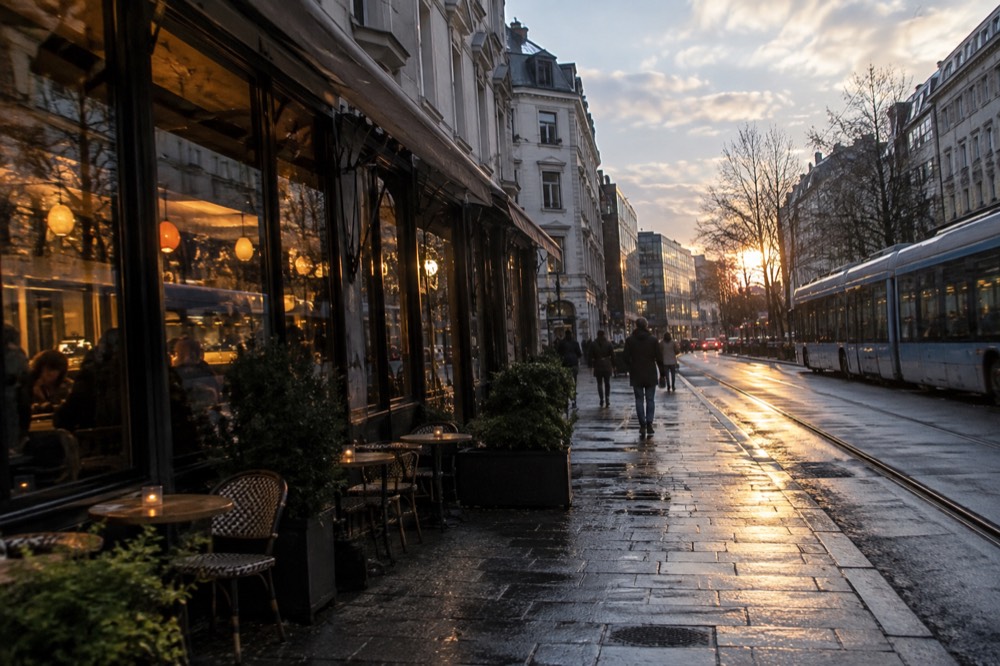
The best bars in Oslo cluster in three areas: Grünerløkka for craft beer, natural wine and neighborhood bars, Aker Brygge and Tjuvholmen for waterfront terraces, and the center around Karl Johans gate and the side streets off Stortorvet for the widest overall selection, from cocktail bars to old beer halls. A fourth pocket around Majorstuen serves a quieter, local crowd. None of them is more than about 20 minutes apart on the tram.
Start with the match between the night you want and the area that does it, not with individual bar names, because Oslo's bar map is genuinely neighborhood-shaped. Grünerløkka, the old working-class district east of the river, is where the city's beer culture lives, and it pairs naturally with an evening browse of the Grünerløkka neighborhood guide. Aker Brygge and Tjuvholmen face the water at the bottom of Aker Brygge, and a terrace there buys you an Oslofjord view for the price markup. The center is the fallback for every kind of night, and the Karl Johans gate guide covers the spine of it.
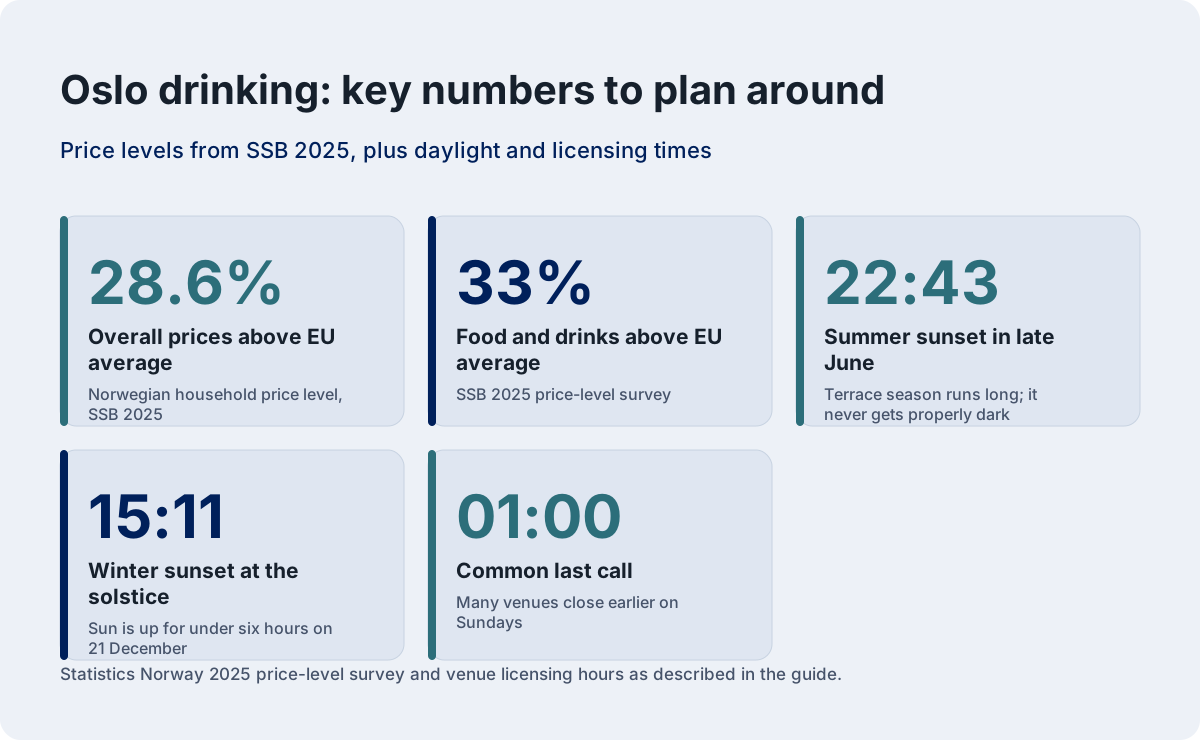
Two practical notes from Oslo's geography. In late June the sun sets at 22:43 and it never gets properly dark, which makes terrace season absurdly long; on 21 December the sun is up for under six hours, which pushes the entire scene indoors and makes candlelit basement bars the whole culture. If you want the full picture of the city in one evening first, the Oslo at night guide covers everything beyond the bar counter.
| Area | Bar character | Best for | Getting there |
|---|---|---|---|
| Grünerløkka | Craft beer, natural wine, casual rooms | Long, low-key bar-hopping | Trams 11, 12 and 18, zone 1 |
| Aker Brygge / Tjuvholmen | Waterfront terraces, cocktail bars | Sunset drinking, groups | Tram 9 or a short walk from the center |
| Center / Karl Johans gate | Widest mix, beer halls, cocktail bars | One-stop evenings | Walkable from most hotels |
| Majorstuen | Neighborhood bars, fewer tourists | A local-feeling night | Trams 11 and 19, zone 1 |
| Vulkan / Grünerløkka north | Breweries and beer halls | Tasting flights | Tram 17 to Vogts gate |
Which Neighborhoods Have the Best Bars in Oslo?
Grünerløkka has the most bars per block and the strongest beer selection in Oslo, Aker Brygge and Tjuvholmen have the waterfront rooms, Frogner and Majorstuen have quiet wine-focused bars, and the center has both the biggest volume and the most mixed quality. The Vulkan area, around Mathallen, concentrates brewery taps and beer halls within a two-minute walk of each other. For most visitors the honest answer is Grünerløkka first, the waterfront second, the center third.
The reason to treat Grünerløkka as the anchor is density. Around Markveien, Thorvald Meyers gate and the Vulkan hall, bars sit in a connected strip, so a night there involves no transport at all once you arrive. The beer halls around Mathallen Oslo share an indoor market structure with food, which solves the dinner problem in the same block. The area also holds most of the microbrewery taprooms, and a guided walk is the efficient version if you want the context rather than just the beer: the Beer and Culture Walk below was built for exactly this.
The waterfront is the opposite experience. Everything costs more, the rooms are newer, and the payoff is the view, with the Tjuvholmen side holding the more design-forward cocktail bars. Reserve on summer weekends, because terrace seats face the water and are the scarcest thing in the district.
If you are building the night around beer rather than wandering, three formats do it well.
How Much Does a Drink Cost in Oslo?
Alcohol in Norway costs more than double the European average, per Statistics Norway's 2025 price-level survey, and Oslo's bars are the sharp end of that. Expect a beer or a cocktail to be priced like a small restaurant main elsewhere in Europe. The offset is real: service is included, nobody expects a tip, and the quality per pour is high because a bar cannot compete on volume. Budget by the drink, not by the night.
The honest way to plan is with the published index numbers rather than a fictional pint price. On the same SSB comparison, Norwegian households face prices 28.6% above the EU average overall, food and non-alcoholic drinks run 33% above, and alcohol and tobacco sit at more than double. Restaurants and hotels sit near the top of Europe alongside Denmark. This is why locals drink less per outing than visitors expect, and why rounds culture is weak: a round for four people is a visible sum. The is Oslo expensive guide unpacks the full trip budget.
What this means for your night, concretely: pick two or three bars rather than five, take the terraces early before the markup feels earned, and know that wine by the glass is where the biggest premium sits. Norway's alcohol taxation is structured so that the price difference between a basic and a good drink is smaller than in cheaper countries, which makes the better drink the rational order. For the specific question of beer pricing, the price of beer in Oslo guide covers the supermarket, monopoly and bar tiers in detail.
| What you are comparing | Where Norway sits | Source basis |
|---|---|---|
| Alcohol and tobacco overall | More than double the European average | SSB 2025 price-level survey |
| Food and non-alcoholic drinks | 33% above the European average | SSB 2025 price-level survey |
| Overall household price level | 28.6% above the EU average | SSB 2025 price-level survey |
| Country ranking overall | 6th most expensive in Europe | SSB 2025 price-level survey |
| Restaurant and hotel level | At the top of Europe, near Denmark | SSB 2025 price-level survey |
When Do Oslo Bars Open and Close?
Oslo bars open in the late afternoon, often around 15:00 or 16:00 for beer halls and later for cocktail rooms, and last call is commonly around 01:00, with many venues closing earlier on Sundays. Hours are set by each venue under municipal licensing, so there is no single citywide closing time. The practical planning rule is to start early: Norwegians drink early and go home earlier than in southern Europe, and the peak is 18:00 to 23:00, not midnight onward.
That early peak has a daylight logic. In winter the sun sets before 15:11 at the solstice, so the after-work drink starts in the dark and ends well before the transport thins out. In summer, with sunset at 22:43, the terraces fill from late afternoon and empty by midnight because people are still on the water or in the parks. Either way, a night that starts at 21:00 misses the culture. Plan dinner at 18:00, first bar at 20:00, and you will be moving with the room.
Sunday is the soft spot. Licensing and staffing both contract, some rooms do not open at all, and the ones that do close early. If Sunday is your only night, book a dinner-table bar in the center rather than bar-hopping. The same logic applies to the week before public holidays, when Vinmonopolet shuts, so shops' beer sales stop and the bars fill.
What Is Vinmonopolet and Why Does It Change Your Night?
Vinmonopolet is Norway's state alcohol monopoly, the only retail outlet allowed to sell wine and spirits, and it is closed every Sunday, every public holiday, and early on Saturdays, with hours varying by store. Supermarkets sell only beer and cider up to the supermarket strength limit and stop at a fixed evening cut-off. If you want a bottle before dinner, Saturday morning or a weekday visit is the window, because Sunday has no legal alcohol retail at all.
This is the fact most first-time visitors hit at the worst possible moment, a Sunday evening with a hotel room and nothing to open. The monopoly exists as deliberate national alcohol policy, and its shape, few stores, restricted hours, sober presentation, is the visible end of the taxation that makes bar prices what they are. For a bar-focused trip the effect is smaller than for a self-catering one, but it still matters for apartment stays, picnics on the Oslofjord islands, and pre-dinner drinks in a rental.
The licensed side is where the culture gets interesting. Because retail alcohol is expensive and constrained, the bar is a genuinely valued social space here rather than a default, and the rooms reflect that: smaller, quieter, better designed, with staff who know the list. A guided format like the walk above exists precisely because the rules are the story, and it pairs several Grünerløkka stops with the reasoning behind them.
| Where you can buy alcohol in Oslo | What it sells | Key rule |
|---|---|---|
| Vinmonopolet stores | Wine, spirits, full-strength beer | Closed Sundays and public holidays, early Saturday close, hours vary by store |
| Supermarkets | Beer and cider up to the supermarket strength limit | Fixed evening cut-off on sales |
| Bars, restaurants, breweries | Everything, by the glass or pour | 18 minimum age, service included in the price |
Where Should You Drink Beer in Oslo?
Drink beer in Grünerløkka and the Vulkan area, where Oslo's microbreweries and beer halls concentrate, with taprooms and specialist bars within a few minutes' walk of each other. The center holds a couple of large traditional beer halls worth one evening for the architecture and the local crowd. Norway's craft brewing scene punches far above its population size, and Oslo is where its taprooms cluster.
The Norwegian brewing story is one of the more surprising in Europe: a country with a tiny population and brutal alcohol taxes nonetheless supports dozens of independent breweries, and the Oslo taprooms pour most of them. Order a tasting flight rather than a pint, because the range is the point, from pale ales brewed in the city to darker winter styles built for a December that spends under six hours in daylight. The Oslo street food guide pairs well, since several beer districts overlap with the cheap-eats map.
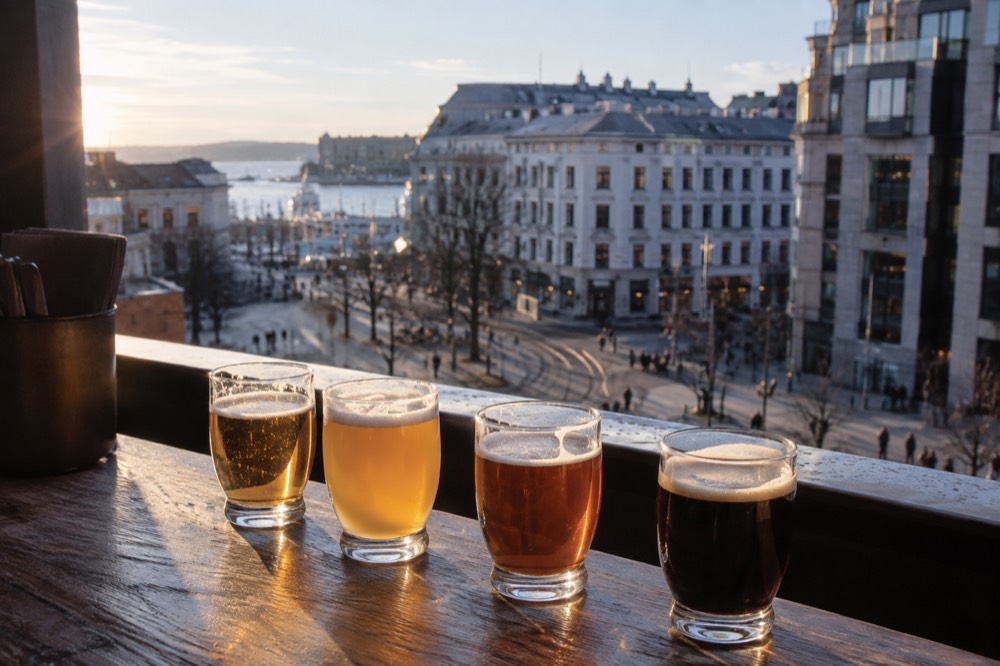
Brewery taprooms change their lists constantly, so do not plan around a single beer name, plan around the streets. Around Thorvald Meyers gate and the Vulkan market hall you can move between three or four rooms without crossing a main road, and the Olav Ryes plass area in Grünerløkka puts several more within a short walk. In the center, the old beer halls near Stortorvet and the streets off Karl Johans gate are a different genre, big, wooden, and full of after-work locals between 16:00 and 19:00.
If you would rather have the structure done for you, a small-group format solves it. The 3-Hour Highlights Bike Tour is the daytime warm-up, but for the evening there is a smarter pairing below.
That myths-and-legends evening walk is the paradox of Oslo's winter nightlife: the bars are at their coziest from October to March, and a dark-history walk through the center ends within a few blocks of the best rooms in this guide, so the transition from story to stout takes about five minutes on foot.
Where Should You Drink Cocktails in Oslo?
Oslo's best cocktail bars sit in the center, in Tjuvholmen and around theBarcode Bjørvika waterfront, and in a handful of Grünerløkka side streets, with the design-led rooms concentrated near the water. Norwegian bartending is precise and unshowy, pricing is flat across the city's good rooms, and reservations matter on Thursday through Saturday evenings. The scene is small enough that the top ten rooms cover the entire city.
What distinguishes Oslo's cocktail culture from cheaper capitals is that the floor is high and the ceiling is not much higher. Taxation compresses the difference between an average cocktail and an excellent one, so there is very little reason to drink anywhere mediocre: for the money a mediocre pour costs here, the good bar three streets away costs almost the same. Look for rooms with short lists built around aquavit, Norway's caraway spirit, and ask for the local spirits by name, because several Norwegian distilleries now appear on serious lists.
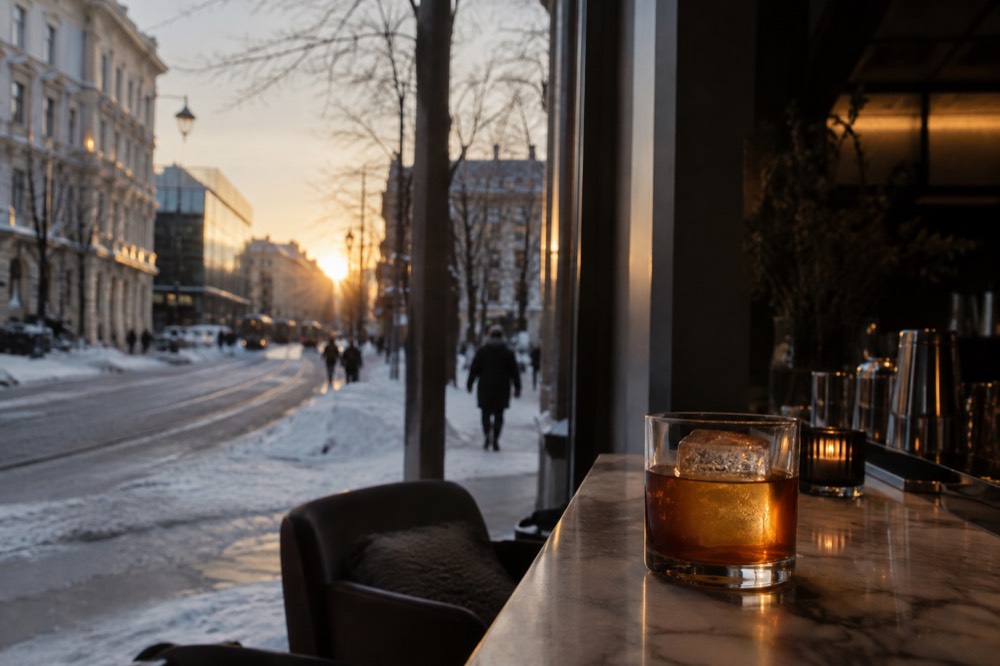
Timing is everything in these rooms. Norwegian cocktail bars fill between 20:00 and 23:00 and empty quickly after midnight, and the kitchen-adjacent ones turn from after-dinner to last call in under two hours. Book a table for Friday and Saturday, arrive by 21:00, and treat the second drink as the last. The waterfront rooms in Tjuvholmen take advantage of the 22:43 summer sunset, so a 20:00 terrace cocktail in June buys you the best light of the day. The Barcode guide covers the Bjørvika rooms, which are walkable from MUNCH and the opera district.
What Should You Know About Drinking Etiquette in Norway?
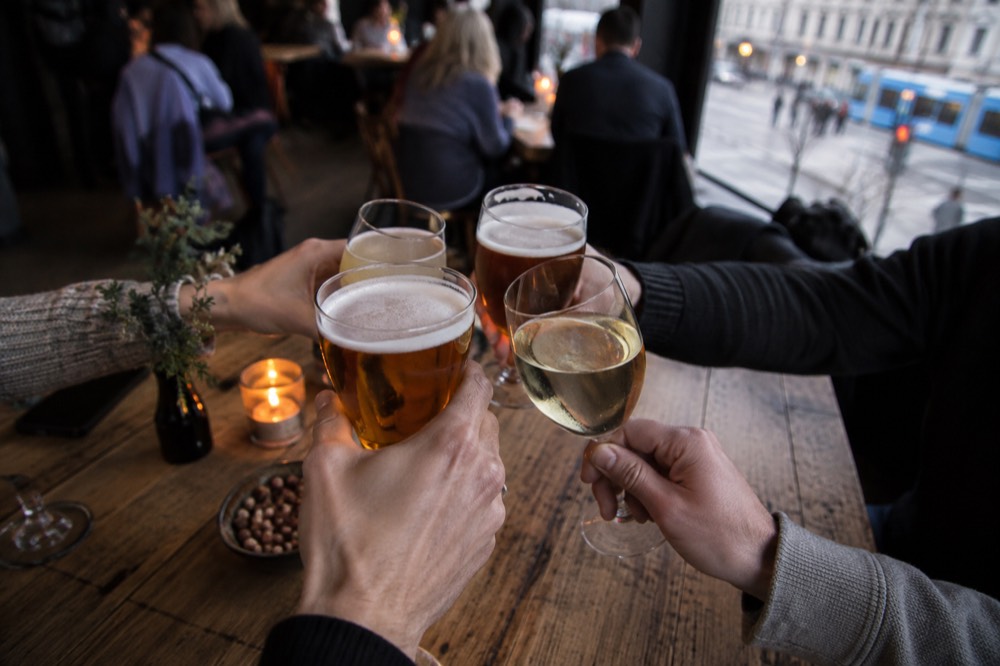
Norwegian drinking etiquette is quiet: you pay for your own drink rather than buying rounds, you do not tip by percentage because service is already included, you toast by eye contact with the word skål, and the minimum drinking age is 18. Table service is common in proper bars, and drinks are not carried around or consumed on the street, which is restricted in central Oslo. Loud drunkenness is the one thing the culture genuinely penalizes.
The rounds question trips up American and British visitors most. Because each drink is expensive, offering to buy a round for a table of six lands as a large gesture rather than a courtesy, and Norwegians will usually decline and buy their own. Match it. The tipping in Oslo guide covers the full etiquette, but the bar version is simple: rounding up, or a small 5 to 10% for genuinely good table service, is a voluntary gesture and nothing more, and card terminals that prompt for a tip can be declined without awkwardness.
Two legal notes worth carrying. Age checks are enforced and the limit is 18 for all alcohol, so carry ID if you look young. And street drinking in the central district is restricted, which surprises visitors from cities where a beer on a bench is normal. The bar is the legal place to drink, which is one more reason the bars themselves matter so much here.
Can You Drink on the Oslofjord Instead?
Yes, and it is one of Oslo's best evening formats: sightseeing boats run evening cruises on the Oslofjord, including a traditional shrimp-buffet dinner cruise, with licensed service on board and the city, Akershus Fortress and the islands sliding past the windows. In June and July you sail in daylight until late. Book these ahead for summer weekends, because the boats and the shrimp buffet both sell out.
This is where a bar guide stops being a list of rooms and becomes a route. An evening on the water replaces two bar stops with one long, slow one, and the fjord inside Oslo is compact enough that the cruise stays in sight of the city the whole time. The pairing works especially well with the Oslofjord cruise guide, which compares the boat formats, and the islands you pass, Hovedøya, Gressholmen and Langøyene, are covered in the Oslo islands guide, with ordinary Ruter zone 1 tickets carrying the daytime island ferries from Aker Brygge.
The shrimp-buffet evening cruise is the Norwegian institution in the middle of all this: three hours, a cold buffet of fjord shrimp, and the fjord doing the entertaining. Afterward the boat lands you back within walking distance of the waterfront cocktail bars, so the night hands off without a taxi. In winter the format shrinks to indoor boats and the light vanishes by 15:38 in mid-November, so the evening-water plan is really a May to September play, with the summer timetable on the island ferries running from early July to the end of August.
How Do You Plan a Full Bar Night in Oslo?
Plan two or three stops, start at 18:00 with food, use trams between districts rather than walking the whole city, and be inside your last bar by 22:00, because Oslo's peak drinking hours run early and last call is around 01:00. Combine one Grünerløkka beer stop, one center or waterfront cocktail stop, and either a waterfront terrace or a boat, in that order. Every bar district in this guide is inside Ruter zone 1.
Transport is the easy part. The metro, trams and buses share Ruter's zone system, central Oslo including the entire T-bane network is zone 1, and a single zone 1 ticket is valid for 60 minutes from activation, long enough to cover a tram hop between bar districts. Buy in the app, because on-board purchase costs more on buses and boats. The getting around Oslo guide and the Ruter tickets guide cover the fares in depth.
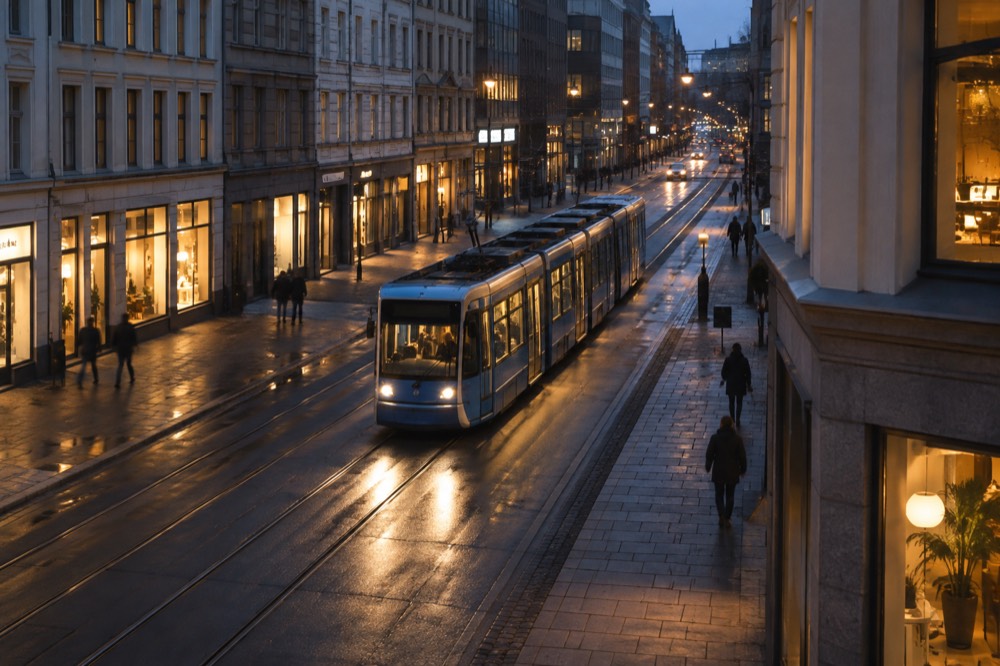
For structure, the classic local night runs like this. Eat at 18:00 near Mathallen or in Grünerløkka, take a first beer in a taproom before 20:00, move to a cocktail bar or terrace by 21:30, and finish in the center before midnight. Sundays, shrink it to dinner plus one bar. Cruise-arrival nights, note that the harbor is a short walk from the center districts, so a pre-boat beer and the cruise itself chain together without a gap; the Oslo cruise port day guide covers the landing logistics.
If you would rather compress the context into one guided evening and then improvise, the walk-plus-boat formats do exactly that, and they are the two products below.
Common Questions About the Best Bars in Oslo
Where are the best bars in Oslo?
Grünerløkka has the densest strip of craft beer bars and taprooms, Aker Brygge and Tjuvholmen hold the waterfront cocktail rooms and terraces, and the center around Karl Johans gate has the widest overall mix. Majorstuen adds quieter neighborhood bars, and the Vulkan area concentrates brewery taps.
How much is a drink in Oslo?
Alcohol in Norway costs more than double the European average on Statistics Norway's 2025 price-level survey, so a single drink is priced like a small restaurant main elsewhere in Europe. Budget by the drink rather than by the night, and expect two to three stops to be a full evening.
What time do Oslo bars close?
Most rooms take last call around 01:00, with earlier closing on Sundays and hours set individually under municipal licensing. The peak drinking hours run from about 18:00 to 23:00, so a night that starts at 21:00 misses the local rhythm entirely.
Can you buy alcohol in Oslo on a Sunday?
No. Vinmonopolet, the state monopoly that sells wine and spirits, is closed every Sunday and public holiday, and supermarkets stop selling beer at a fixed evening cut-off and do not sell it at all on Sundays. Licensed bars are the only legal Sunday pour.
Do you tip bartenders in Norway?
Tipping is not expected, because service is included in Norwegian prices. Rounding up, or leaving a small 5 to 10% for genuinely good table service, is a voluntary gesture, and declining a card-terminal tip prompt is normal.
What is the drinking age in Oslo?
18, for all alcohol, and ID checks are enforced, so carry a passport or other identification if you could plausibly be under the limit.