National Museum Oslo: What to See, Tickets, and How to Plan Your Visit
The National Museum holds The Scream and more Norwegian art than anywhere else on earth. Here is how to plan a visit: what to see, what entry costs, and whether the Oslo Pass pays off.
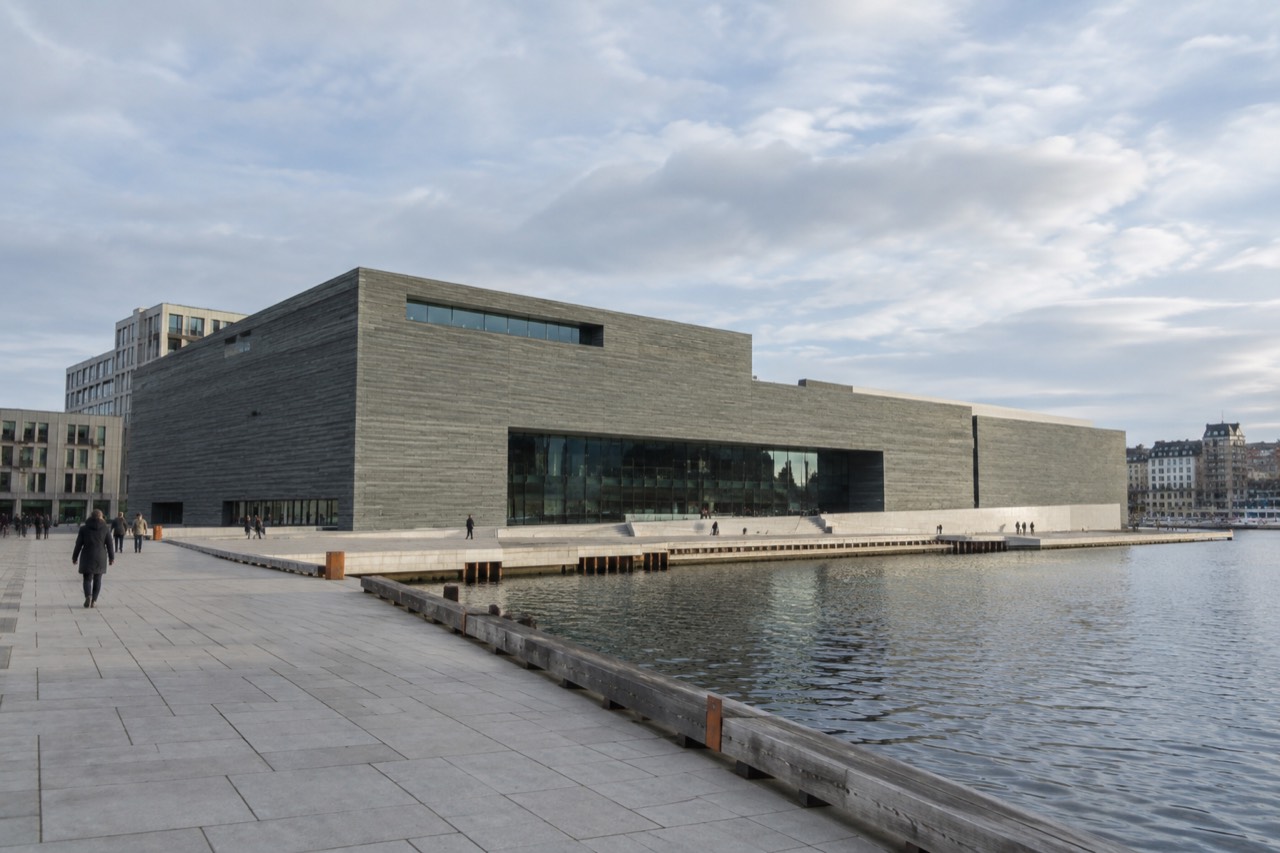
Short answer
The National Museum in Oslo is Norway's flagship art museum and holds Edvard Munch's The Scream. Entry is covered by the Oslo Pass (from 580 NOK for 24 hours) or by a skip-the-line ticket sold through the live listing. Allow two to three hours for the highlights.
Norway's largest art collection sits in one building in central Oslo, and one painting on its wall pulls more visitors than everything else combined. The National Museum, Nasjonalmuseet in Norwegian, is the country's flagship art institution and the permanent home of Edvard Munch's The Scream, the version painted on cardboard that most people picture when they hear the title. The museum also carries centuries of Norwegian and international art, design, and craft under one roof, which makes it the single most complete art stop in the country.
Planning a visit is straightforward once you know three things: what is actually inside, what entry costs and which pass or ticket covers it, and how much time to give it. This guide answers each of those, with real prices in Norwegian kroner, the current Oslo Pass rates, and honest comparisons against MUNCH and the other museums you might be choosing between. Everything here comes from the museum's own published information, the city tourist board's pass pages, and the verified ticket listings on Oslo Travel Guide.
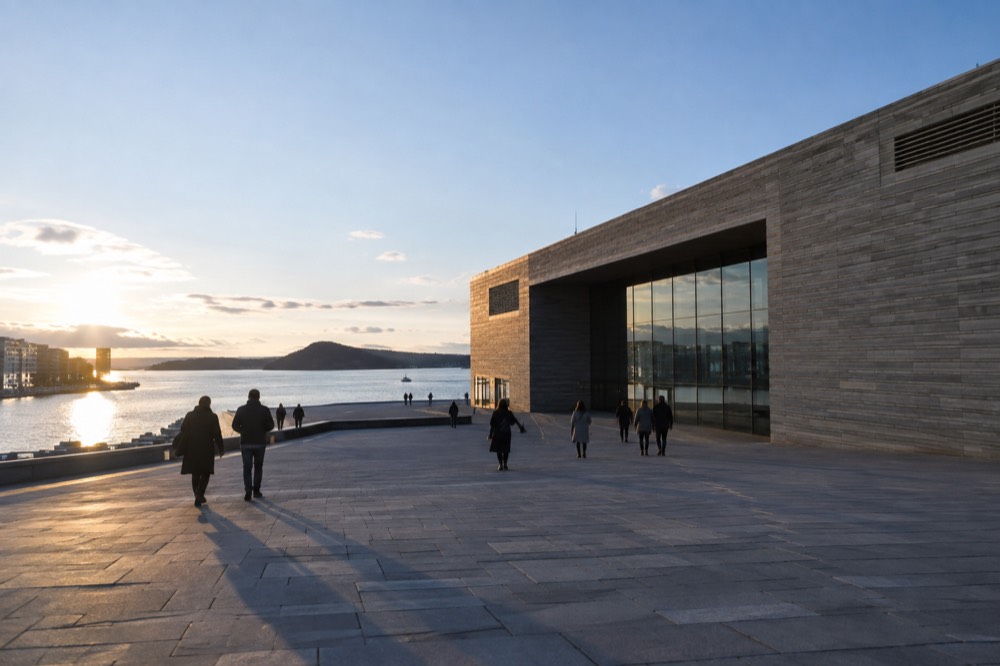
What Is the National Museum in Oslo?
The National Museum (Nasjonalmuseet) is Norway's national institution for art, architecture and design, and it is the largest art museum in the Nordic region. It was created by merging four older Oslo institutions into one collection, and its galleries hold Norwegian art from the romantic era onward alongside international works, decorative art and design. Its most famous single object is Edvard Munch's The Scream.
The museum brings together what used to be separate institutions: the old National Gallery, the Museum of Contemporary Art, the Museum of Decorative Arts and Design, and the National Museum of Architecture. For visitors, that merger means one ticket covers a remarkably wide spread. You can walk from a room of Munch canvases into a wing of medieval church art, then into design galleries with furniture, fashion and silverwork, without leaving the building.
The collection's center of gravity is Norwegian romanticism and modernism. Names that recur on the wall labels include Munch, obviously, but also the landscape painters who defined how Norway sees itself, artists whose fjord and mountain scenes shaped national identity in the 19th century. International holdings run from older European painting to contemporary photography and installation work. If your frame of reference for Oslo art is MUNCH, the waterfront museum dedicated to a single artist, the National Museum is the broader counterpart: less depth on one man, far more breadth on everything else.
For first-time visitors the honest summary is this. If you see one art museum in Oslo, this is the defensible default, because The Scream lives here and the collection explains the country's whole artistic arc. If you have a second museum in you, MUNCH is the natural companion, and the two make a full day of art between them. Our MUNCH museum guide covers that side of the pairing in detail.
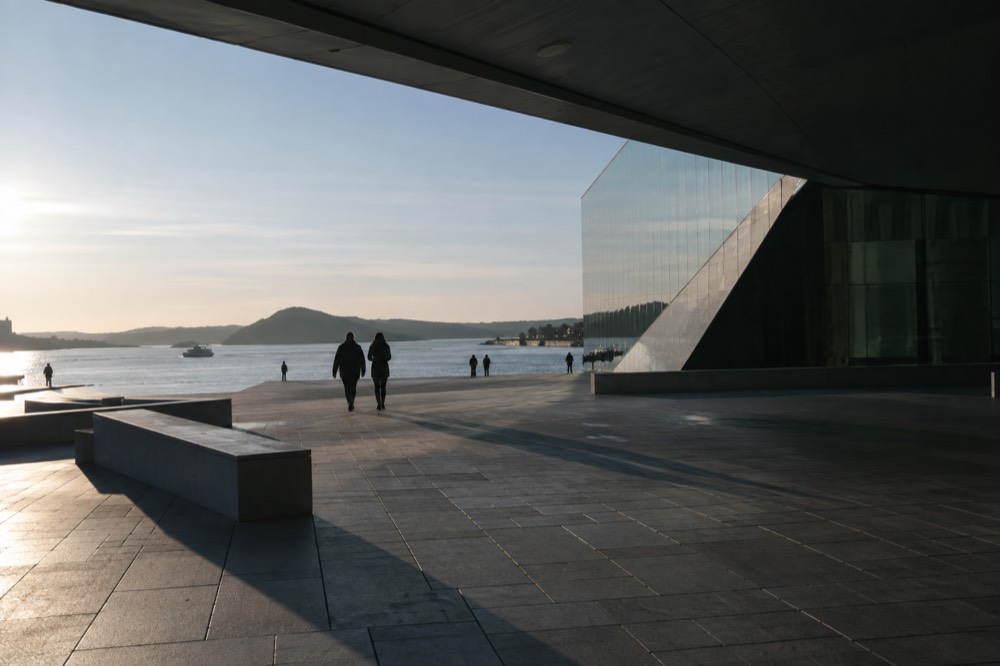
What to See at the National Museum: The Scream and the Highlights
The Scream is the unmissable object, and most visitors head straight to it. Beyond that painting, the highlights are the Munch room's other canvases, the grand central gallery of Norwegian romantic landscape painting, the medieval and church-art wing, and the design and craft floor covering Norwegian furniture and silver. Two to three hours covers all of it at a comfortable pace.
Start with The Scream, but do not stop there. Munch painted several versions of the motif, and the National Museum's version is the one that anchors the collection. The room around it carries more of his work, which gives the painting context you do not get from a poster: the repetition, the anxiety running through the series, and the technical choices, including the cardboard support, that explain why the surface looks the way it does.
The grand central gallery is the second must-see. Hung salon-style along a long hall, it holds the romantic nationalist landscapes that defined Norwegian painting for generations: fjords, farms, mountains and winter scenes rendered with a seriousness that tells you what the young nation wanted to say about itself. Even visitors with no art-historical background tend to slow down here, because the paintings double as a portrait of the country's geography.
Below and beside the painting galleries, the decorative arts and design collection traces Norwegian craft through the centuries: folk dress, woven textiles, silver, glass and the furniture tradition that later fed Scandinavian modernism. The architecture collection rounds it out with drawings and models. If your time is short, the honest priority order is The Scream, the Munch room, the grand gallery, then design, then everything else.
A guided walk changes the experience more than at most museums, because the stories behind the romantic paintings and the Munch series are the part a casual visitor misses. A small-group city walk pairs well with a museum morning, and the same logic applies to the themed history walks across the city center.
The three options above bracket a sensible Oslo day: the museum ticket itself, plus the two most popular fjord boats for the afternoon, the silent electric cruise and the traditional wooden sailing ship. Pairing a museum morning with a fjord afternoon is the classic first-timer combination in this city, and both boats leave from piers within walking distance of the museum district.
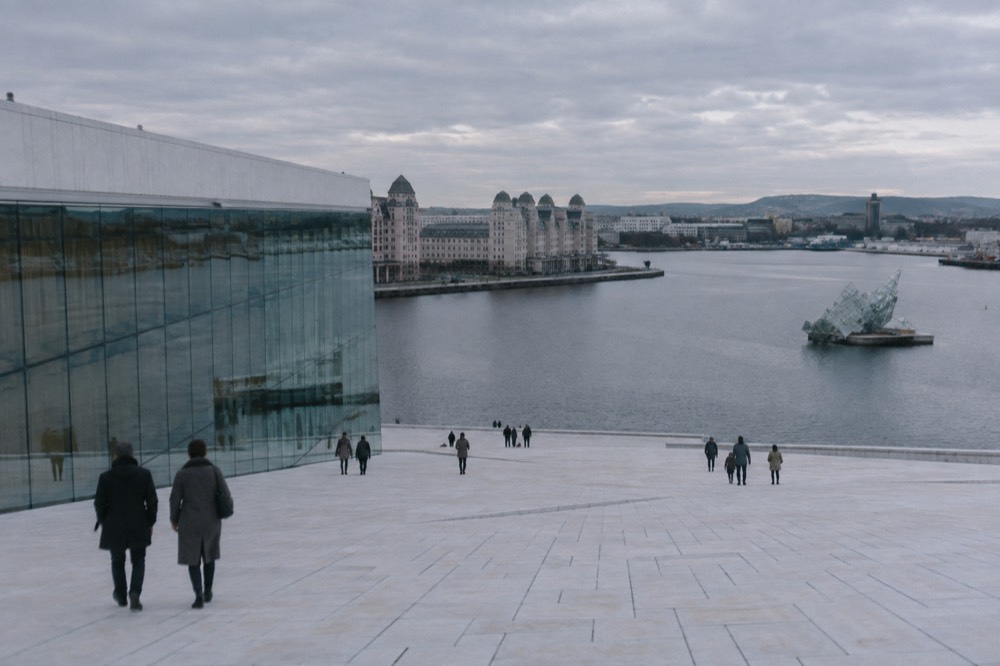
How Much Do National Museum Oslo Tickets Cost?
Entry is covered three ways: pay at the door at the museum's own published rate, buy a timed entry ticket through the live listing before you travel, or use the Oslo Pass, which includes the museum among its more than 30 covered attractions. The pass costs 580 NOK for 24 hours, 845 NOK for 48 hours and 995 NOK for 72 hours for adults, and also covers all public transport in the city's zones.
The museum sets and publishes its own walk-up admission prices, and those rates belong on its own ticket page rather than repeated secondhand here, so check the museum's site for the current figure before you go. What we can state firmly is the pass math, because the city tourist board publishes those prices and the inclusion list, and the arithmetic is genuinely useful.
A 24-hour adult Oslo Pass at 580 NOK is roughly the price of two or three major museum entries at full rates, and it also covers every bus, tram, metro and ferry ride in zones 1 through 4N for the same 24 hours. If the National Museum is one of two or more museums on your day, the pass almost always wins. If it is your only paid attraction and you are walking everywhere, individual entry is cheaper.
Here is how the city's major museums compare at the door, using each venue's own published adult rate:
| Museum | Adult entry | Concession notes | Oslo Pass |
|---|---|---|---|
| MUNCH | 280 NOK (200 NOK after 18:00) | Under 25: 100 NOK. 17 and under free | Covered |
| Fram Museum | 180 NOK | Children and students 70 NOK, pensioners 140 NOK | Covered |
| Kon-Tiki Museum | 180 NOK | Children 6 to 17: 70 NOK. Family ticket 400 NOK | Covered |
| Norsk Folkemuseum | 200 NOK | Children 0 to 17 free | Covered |
| Nobel Peace Center | 180 NOK | Children 0 to 17 free | Covered |
| Astrup Fearnley Museet | 180 NOK | Under 20 free | Covered |
| The Vigeland Museum | 120 NOK | Check the museum's site | Check current list |
One figure worth knowing while you compare: the National Museum's own admission price is published on its ticket page, and the pre-booked entry ticket sold through the live listing on this site is another route to the same door, with the price shown before you book. Whichever route you pick, the museum is one of the attractions where a timed ticket genuinely saves time in peak summer, when the queue for The Scream room's building can stretch across the entrance hall.
Does the Oslo Pass Cover the National Museum?
Yes. The Oslo Pass includes free entry at more than 30 museums and attractions, and the National Museum is on the inclusion list, with each covered venue visitable once per 24-hour period. The pass also covers public transport across Ruter zones 1, 2, 3, 4V and 4N, including the Vy trains to and from Oslo Airport Gardermoen, though not the Flytoget airport express.
That airport detail is worth a pause, because it is the single most valuable pass fact in Oslo and most guides state it wrong. VisitOSLO's own wording is that the pass covers transport to and from Gardermoen on public trains operated by Vy. Flytoget, the dedicated airport express at 268 NOK each way, is a separate company and is not included. The Vy train takes about 23 minutes against Flytoget's 20, rides on an ordinary ticket, and the pass covers it outright. Arriving visitors holding a pass can ride it from the airport into town and start using museums the same afternoon.
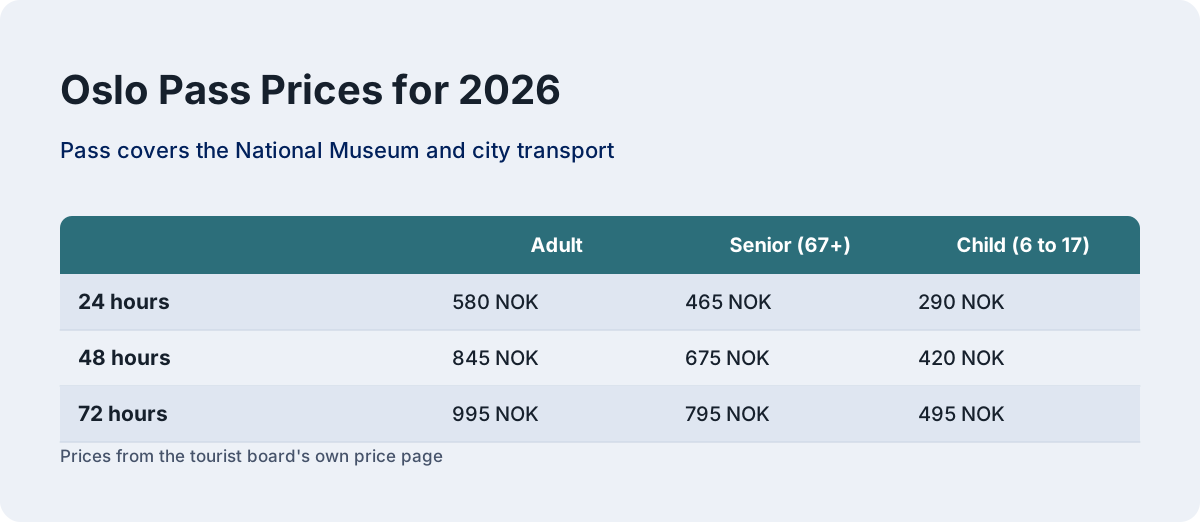
The pass prices for 2026, from the tourist board's own price page:
| Pass | Adult | Senior (67+) | Child (6 to 17) |
|---|---|---|---|
| 24 hours | 580 NOK | 465 NOK | 290 NOK |
| 48 hours | 845 NOK | 675 NOK | 420 NOK |
| 72 hours | 995 NOK | 795 NOK | 495 NOK |
Children under six travel free on public transport and often enter museums free, so a family pass calculation should count only the 6-to-17s. A 20 percent student discount exists, but only on passes bought in person at the Oslo Visitor Centre with the right ID, not online.
Whether the pass pays off depends entirely on your museum density. A day built around the National Museum plus two more covered venues, with tram rides between them, beats the pass price comfortably. A day with one museum and a lot of walking does not. We run the full arithmetic, with worked examples for two-day and three-day itineraries, in is the Oslo Pass worth it, and the complete coverage rules live in our Oslo Pass guide.
When Is the National Museum Open?
The museum keeps full opening hours through the year, typically daily from late morning into the early evening, with late opening on at least one weekday evening, and it closes on a small number of public holidays. Exact hours shift with the season and with exhibition changeovers, so the museum's own site is the authoritative schedule for the dates you are traveling. Check it the day before you visit.
We are deliberately not printing a hour-by-hour table here, because museum hours in Oslo move with the seasons and with temporary exhibitions, and a stale table is worse than none. What is stable is the pattern: the museum is open through the week including weekends, it stays open later on at least one evening, and it shuts entirely on a handful of national holidays. Norwegian museums across the city follow the same rhythm, and 17 May, Constitution Day, is a day when much of the city's institutional life pauses for the parades.
The practical timing advice is about crowds rather than clocks. Late afternoon on a weekday is the quietest window at most large Oslo museums, because tour groups and cruise-passenger excursions concentrate in the late morning. If you are visiting in July, when the city fills with summer visitors, plan the National Museum for after 15:00 and use your morning for something outdoors. In the dark months the calculus flips: a museum afternoon is exactly what an Oslo winter day wants, and our rainy day in Oslo guide ranks the indoor options.
One more seasonal note that surprises visitors: Oslo's daylight swings enormously, from about 18 hours 50 minutes of light in late June down to under six hours in late December. In midwinter the sun sets around 15:11, so a museum that stays open into the evening is not a convenience, it is the difference between an art afternoon and total darkness outside the windows.
How Long Do You Need Inside?
Most visitors need two to three hours for the highlights, half a day for a thorough visit, and about an hour if The Scream and the grand gallery are all you want. The building is large and the collection spans painting, design and architecture, so the honest floor for a satisfying visit is two hours. Anything less turns into a sprint between two rooms.
Here is a realistic time budget by visit style:
| Visit style | Time needed | What you cover |
|---|---|---|
| The essentials | 60 to 90 minutes | The Scream, the Munch room, the grand gallery |
| Highlights visit | 2 to 3 hours | Essentials plus the design and craft floor |
| Full visit | Half a day (4 to 5 hours) | Everything, including temporary exhibitions and architecture |
| With children | 90 minutes | The Scream, grand gallery, one hands-on stop, cafe break |
Temporary exhibitions deserve a check before you go, because the museum's special shows are sometimes the best thing in the building, and they rotate on a schedule the museum publishes itself. If a major exhibition is running, add an hour to whatever you planned.
Fatigue is the real constraint. Gallery fatigue sets in for most people somewhere around the two-hour mark, and the museum is big enough that pushing past it turns the last rooms into a blur. Better to leave one wing unvisited and exit with energy for the waterfront, which is minutes away, than to see everything and remember nothing.
How to Get to the National Museum
The museum sits in central Oslo within walking distance of the City Hall waterfront, and it is reachable on foot from most downtown hotels in 10 to 20 minutes. Public transport options include trams and buses stopping nearby, all on an ordinary zone 1 Ruter ticket, and the Oslo Pass covers those rides. The airport express and Vy trains both arrive at Oslo Central Station, from which the museum is a short walk or a quick tram hop.
Oslo is a compact capital, and this is one of the most walkable museum locations in the city. From Oslo S, the central station, the walk west toward the waterfront takes you past the Opera House direction if you detour, or straight along the main street toward the National Theatre and City Hall. Our Karl Johans gate guide traces that spine of the city, and it is the natural walking route if you are coming from the station.
A few transport facts that matter more than the map. Central Oslo is Ruter zone 1, and the entire metro network sits inside zone 1, so a single ordinary ticket covers almost any transit journey you will make between the museum and anywhere downtown. A single zone 1 ticket is valid for 60 minutes from activation, long enough for a tram ride, a museum stop and a ride onward. Tickets are cheapest in the Ruter app and cost more if bought on board a bus or boat. The full rules, including how validity extends across zones, are in our Ruter tickets guide.
If you are arriving from the airport and heading straight to the museum, remember the pass detail from earlier: the Oslo Pass covers the Vy train from Gardermoen but not Flytoget. The Vy option takes about 23 minutes to Oslo S, three minutes slower than the express, and rides on the pass. Our Flytoget vs Vy comparison runs the numbers on both.
For visitors who prefer a structured first day, a hop-on hop-off bus loops the main sights including the museum district, and a bike tour covers the same ground faster in warm weather.
National Museum vs MUNCH: Which One Should You Visit?
Visit the National Museum if you want The Scream, Norwegian romantic painting and the country's full art history in one building. Visit MUNCH if you want depth on a single artist in a striking waterfront building with a rooftop view. They are different products: the National Museum is the encyclopedic collection, MUNCH is the monograph. With a full day available, do both, one in the morning and one in the afternoon.
The comparison in numbers, using each venue's own published rates:
| National Museum | MUNCH | |
|---|---|---|
| Focus | Norwegian and international art, design, architecture | Edvard Munch alone |
| Star work | The Scream | Multiple Munch works, rotating |
| Adult entry | Published on the museum's ticket page | 280 NOK, 200 NOK after 18:00 |
| Under 25 | Discounted, check the museum's page | 100 NOK, 17 and under free |
| Time needed | 2 to 3 hours | 1 to 2 hours |
| Oslo Pass | Covered | Covered |
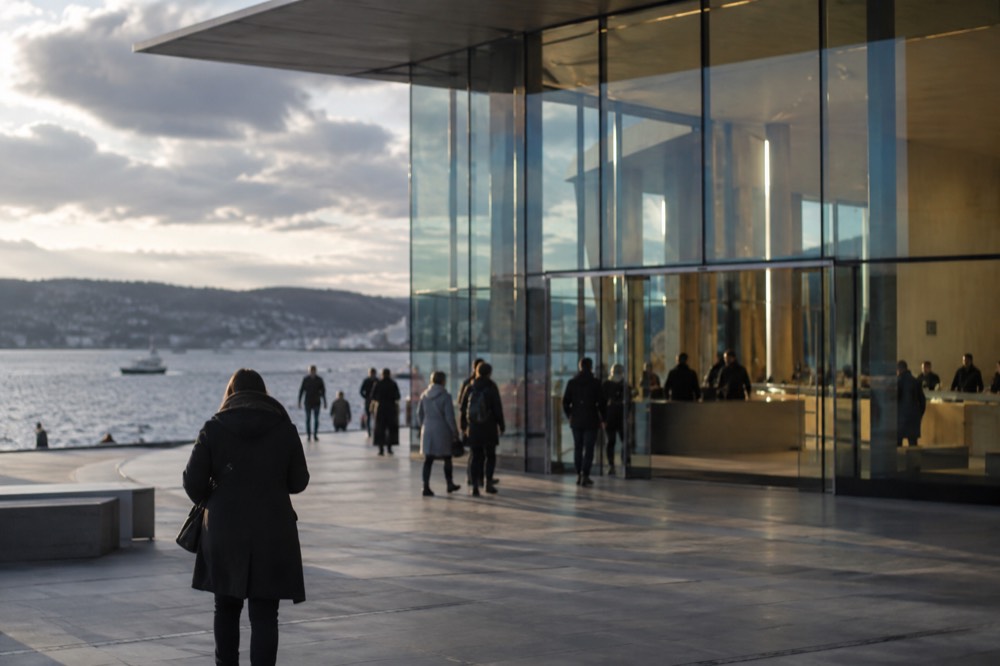
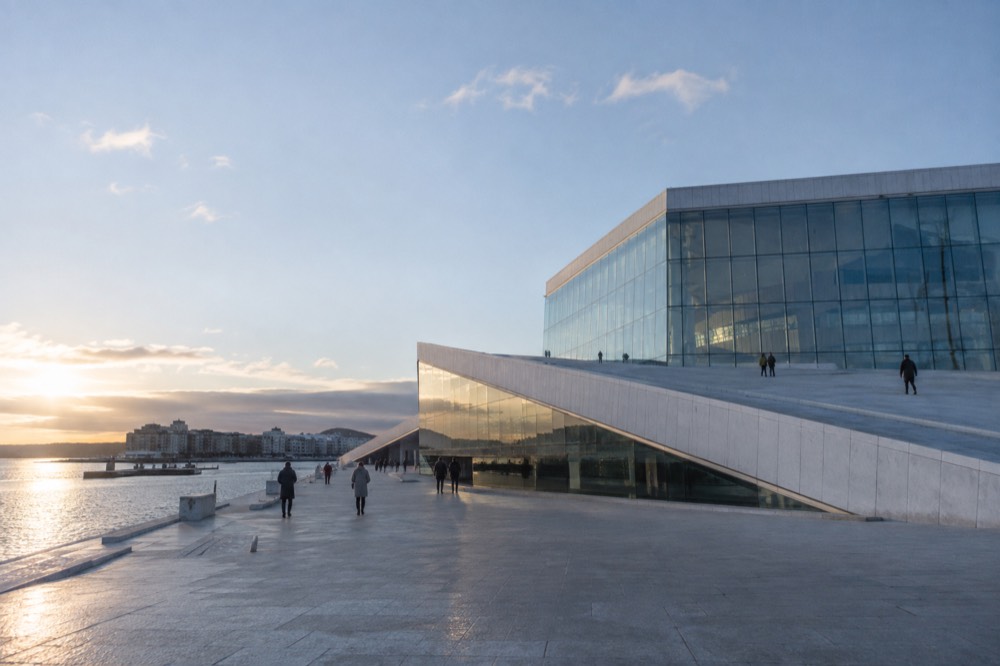
| Setting | Central, near the City Hall waterfront | Bjørvika, on the water by the Opera House |
MUNCH's adult price of 280 NOK makes it the most expensive major museum entry in the city, though its under-25 rate of 100 NOK and free entry for 17 and under soften that for families and students, and the 200 NOK evening rate after 18:00 is one of the better late-afternoon deals in Oslo. The museum brands itself simply as MUNCH now, having moved on from the old Munchmuseet name, and it holds far more of the artist's work than any other building, including versions of his major motifs beyond the one famous scream.
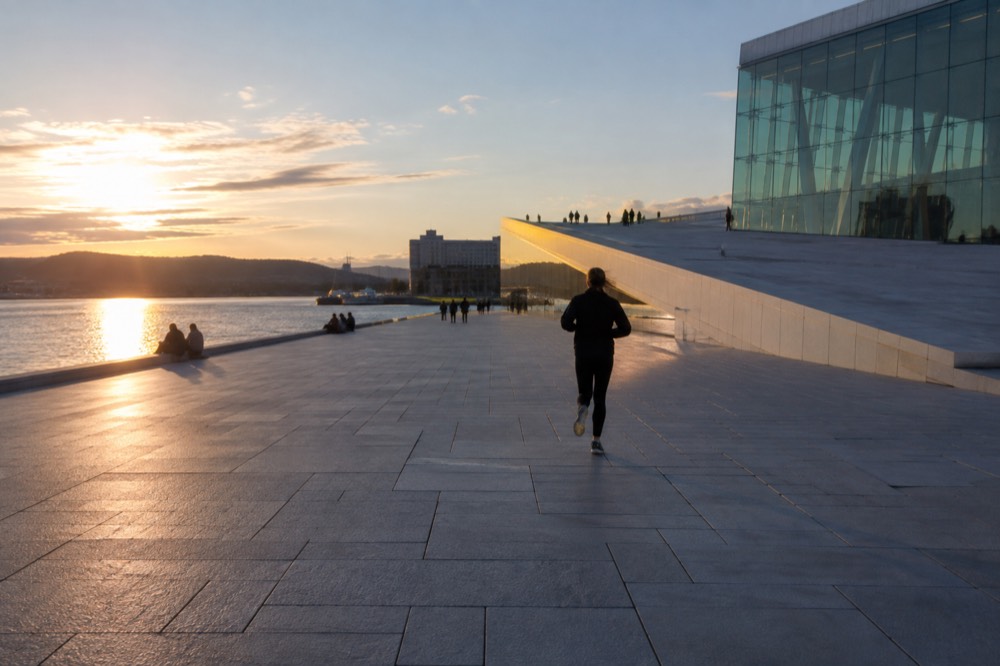
The honest tiebreaker is this. If you care about The Scream specifically, the specific painting most people mean when they say the title, the National Museum is your museum. If you care about Munch the artist, his obsessions and his whole career, MUNCH is the deeper experience and the building itself, with its walkable waterfront setting beside the Opera House, is part of the visit. Our MUNCH museum guide covers that side in full.
A third option for a design-forward afternoon is the Astrup Fearnley Museet at Tjuvholmen, the private contemporary art museum with its distinctive curved glass roof, at 180 NOK adult with under-20s free. It is smaller and more international in focus, and it pairs naturally with the Tjuvholmen neighborhood's waterfront walks.
Is the National Museum Good with Kids?
Yes, with the right expectations. Children under a certain age usually enter free or at a steep discount, the grand gallery's huge landscapes hold young attention better than most art, and the design floor's furniture, toys and textiles gives kids something physical to look at. Plan 90 minutes, build in a cafe stop, and treat The Scream as the finale rather than the opener.
The practical economics favor families. At MUNCH, 17 and under enter free entirely; at the National Museum, child and youth rates are published on the museum's own ticket page, and the Oslo Pass child rate of 290 NOK for 24 hours covers a family's museums and transport in one purchase. Norsk Folkemuseum on Bygdøy, at 200 NOK adult with children 0 to 17 free, is the strongest family museum in the city if you are choosing, and our Oslo with kids guide ranks the options.
Inside the National Museum, the strategy that works is movement. The Scream room is a destination, not a starting point: begin in the grand gallery where the landscapes are big and dramatic, let the design floor do the middle hour, and save the Munch room for when attention is still fresh but legs are ready for a finale. The museum cafe is the reset button. Norwegian museum cafes are reliably good, and a cinnamon bun fixes most gallery fatigue.
For a rainy-day family plan, the interactive option in the city is the Paradox Museum, the illusion and puzzle museum that is Oslo's strongest pure family ticket, and it makes a natural pairing with a shorter art visit on the same wet afternoon.
What Else Is Near the National Museum?
The museum's central location puts the City Hall, the Aker Brygge waterfront, the Nobel Peace Center and the shopping streets of the city core all within a short walk. The fjord piers for island ferries and sightseeing boats are nearby, and Vigeland Park is a short tram or bus ride away. A museum visit slots naturally into a half-day loop of the downtown waterfront.
A sensible walking loop, with realistic time budgets:
| Nearby stop | Walking time from the museum | Time to spend |
|---|---|---|
| Oslo City Hall | 5 to 10 minutes | 30 to 45 minutes |
| Nobel Peace Center | 10 minutes | 1 hour |
| Aker Brygge waterfront | 10 to 15 minutes | 45 minutes plus a meal |
| Island ferry piers at Aker brygge | 15 minutes | Half a day if you sail |
| Vigeland Park | Short tram or bus ride | 1 to 2 hours, free entry |
Two notes on that list. First, the piers matter more than most visitors realize, because Oslo has two different boat systems leaving from two different places. The Bygdøy museum ferry leaves from Rådhusbrygge 3 and does not accept ordinary Ruter tickets, though the Oslo Pass covers it. The island ferries B1 and B2 leave from Aker brygge and are ordinary Ruter services, riding on a standard zone 1 ticket. Our Oslo ferries guide keeps the two straight.
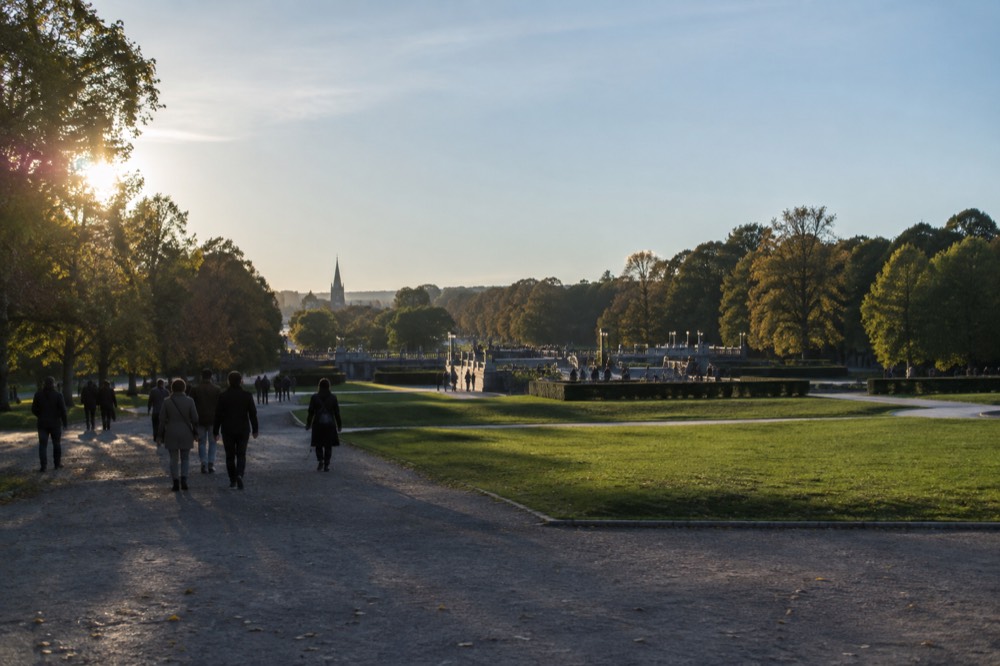
Second, Vigeland Park is the free counterweight to a paid museum day. The sculpture park is genuinely free, open 24 hours a day, all year, with no ticket, and more than 200 sculptures across its grounds. The separate Vigeland Museum is paid at 120 NOK, so keep the two apart in your planning. Our Vigeland Park guide covers the park, and the walk-only guided art walk there is the bookable way to get the sculptures explained.
For the classic pairing of a museum morning with a fjord afternoon, the two most-booked boats in the city are the silent electric cruise with audio commentary and the traditional wooden sailing ship, both leaving from the central piers and both covered in our Oslofjord cruise guide. And if you are assembling a whole day rather than an afternoon, the one day in Oslo itinerary sequences the museum, the waterfront and the fjord in the order that actually works.
A Realistic Budget for a Museum Day in Oslo
A museum day in Oslo costs less than the city's reputation suggests. Entry to two major museums plus transport runs well under the price of a single restaurant dinner, because museums, transit and the outdoors are the affordable parts of this city. Alcohol and restaurants are where Oslo gets expensive: Statistics Norway's 2025 price survey puts food 33 percent above the European average and alcohol at more than double.
That contrast is the honest information gain for a planning page. Norway is the sixth most expensive country in Europe on SSB's 2025 purchasing-power comparison, and household prices sit 28.6 percent above the EU average. But the expense is concentrated. A day of two museums, a tram pass and a picnic in a free park is a mid-range day by any European capital's standard. A day built around restaurant dinners and bar drinks is not.
Here is what a sample art day actually costs, using the published museum rates:
| Item | Cost | Notes |
|---|---|---|
| National Museum entry | Published on the museum's ticket page | Covered by the Oslo Pass |
| MUNCH entry | 280 NOK | 200 NOK after 18:00 |
| 24-hour Oslo Pass, adult | 580 NOK | Covers both museums plus all city transport |
| Vigeland Park | Free | Open 24 hours, no ticket |
| Island ferry to Hovedøya | Ordinary zone 1 Ruter ticket | Ruter service from Aker brygge |
| Coffee and a cinnamon bun at a museum cafe | Check the cafe's posted prices | Reliable mid-visit reset |
The pass arithmetic on this exact day is the point. Two covered museums plus transport around town will typically clear the 580 NOK pass price on their own, and the pass then keeps paying for anything else you add. Our is Oslo expensive page runs the full trip-level numbers, including where the money genuinely goes.
One currency note before you budget: Norway is in the Schengen Area but not in the European Union, an EEA member through EFTA, and the currency is the Norwegian krone, not the euro. Cards are accepted essentially everywhere, so most visitors never touch cash, but the krone is what every price tag in this article actually means.
Common Questions About the National Museum in Oslo
Does the Oslo Pass cover the National Museum?
Yes. The pass includes free entry at more than 30 museums and attractions, the National Museum among them, with each venue visitable once per 24-hour period. The pass also covers public transport across Ruter zones 1, 2, 3, 4V and 4N, including Vy trains to and from Oslo Airport Gardermoen, though not the Flytoget airport express.
Where is The Scream in Oslo?
The version of Edvard Munch's The Scream that most people mean by the title hangs in the National Museum in central Oslo. MUNCH, the dedicated Munch museum at Bjørvika, holds many other works by the artist, but the iconic painting is in the National Museum's collection.
How much does the National Museum in Oslo cost?
The museum publishes its own admission rates on its ticket page, so check there for the current figure. The Oslo Pass covers entry at 580 NOK for 24 hours, 845 NOK for 48 hours or 995 NOK for 72 hours for adults, and a pre-booked timed ticket is sold through the live listing on this site.
National Museum or MUNCH: which is better?
The National Museum for The Scream, Norwegian romantic painting and the country's whole art history. MUNCH for depth on a single artist in a waterfront building, at 280 NOK adult with free entry for 17 and under. With a full day, visit both: they are a short ride apart and the Oslo Pass covers each.
How long do you need at the National Museum in Oslo?
Two to three hours covers The Scream, the Munch room, the grand gallery and the design floor at a comfortable pace. An hour is enough for the essentials if you are short on time, and a half day lets you add temporary exhibitions and the architecture collection.
Is the National Museum good for children?
Yes, in a 90-minute dose. Child and youth rates are published on the museum's ticket page, the grand gallery's large landscapes hold young attention, and the design floor has furniture and objects kids respond to. Save The Scream for the finale and build in a cafe stop.