Oslo Pass: Prices, What It Covers, and Whether It Saves You Money
The Oslo Pass is the city tourist board's combined museum and transport ticket. It covers more than 30 museums, all public transport in zones 1 to 4N, and the airport train, as long as that train is Vy's and not Flytoget's. Here is what it costs, what it includes, and the math that tells you whether to buy it.
Short answer
The Oslo Pass costs 580 NOK for 24 hours, 845 NOK for 48 hours and 995 NOK for 72 hours for an adult in 2026. It includes entry to over 30 museums, all Ruter public transport in zones 1, 2, 3, 4V and 4N, the Bygdøy ferry, and Vy trains to and from Oslo Airport Gardermoen. It pays for itself with three major museums plus transport in a single day.
The Oslo Pass is sold by VisitOSLO, the city's own tourist board, and it bundles two things that would otherwise be separate line items on your budget: museum admission and public transport. That combination is what makes it genuinely useful in a city where a single adult museum ticket runs 180 to 280 NOK and a day of hop-on hop-off sightseeing can cost more than the pass itself.
It is also easy to buy wrong, or to buy when a cheaper option fits better. The pass has sharp edges: it covers one airport train and not the other, one ferry system and not the other, and its break-even point depends entirely on how many full-price museums you actually walk into. This guide lays out the real numbers, all from official sources, so you can decide in about ten minutes.
What Is the Oslo Pass and What Does It Include?
The Oslo Pass is a combined admission and transport ticket sold by VisitOSLO, the Oslo tourist board, that gives free entry to over 30 museums and attractions plus free travel on all Ruter public transport in zones 1, 2, 3, 4V and 4N. Each attraction can be visited once per 24-hour period. The transport coverage includes buses, trams, the metro, the island ferries, and Vy trains to and from Oslo Airport Gardermoen, but not Flytoget and not Flybussen. It also covers the seasonal Bygdøy museum ferry, which ordinary Ruter tickets do not.
That last sentence is the detail most guides get wrong or omit entirely, and it is worth slowing down on. There are two airport trains from Gardermoen: Flytoget, the airport express at 268 NOK one way, and Vy's ordinary regional trains, which take about three minutes longer and ride on the same zone system as a tram ticket. VisitOSLO's own wording is that the pass includes "transport to and from Oslo Airport Gardermoen with public trains operated by VY." Flytoget is a separate company and is excluded. If you were planning to ride Flytoget anyway, the pass does not offset that 268 NOK.
The museum list is long and genuinely strong. It includes the Fram Museum, the Kon-Tiki Museum, Norsk Folkemuseum, MUNCH, the National Museum, the Holmenkollen Ski Museum and jump tower, the Vigeland Museum, the Nobel Peace Center, Akershus Fortress museums and the Norwegian Maritime Museum, among others. Vigeland Park itself is free to everyone around the clock, so the pass adds nothing there, but the adjacent Vigeland Museum is paid and covered.
If you want a sense of the city before committing your first pass day, the largest free walking tour in Oslo is a natural warm-up: it costs nothing up front, runs about two hours per the listing, and covers the central highlights on foot, no transport needed. Our free walking tours in Oslo overview compares all five tip-based walks on the site.
How Much Does the Oslo Pass Cost in 2026?
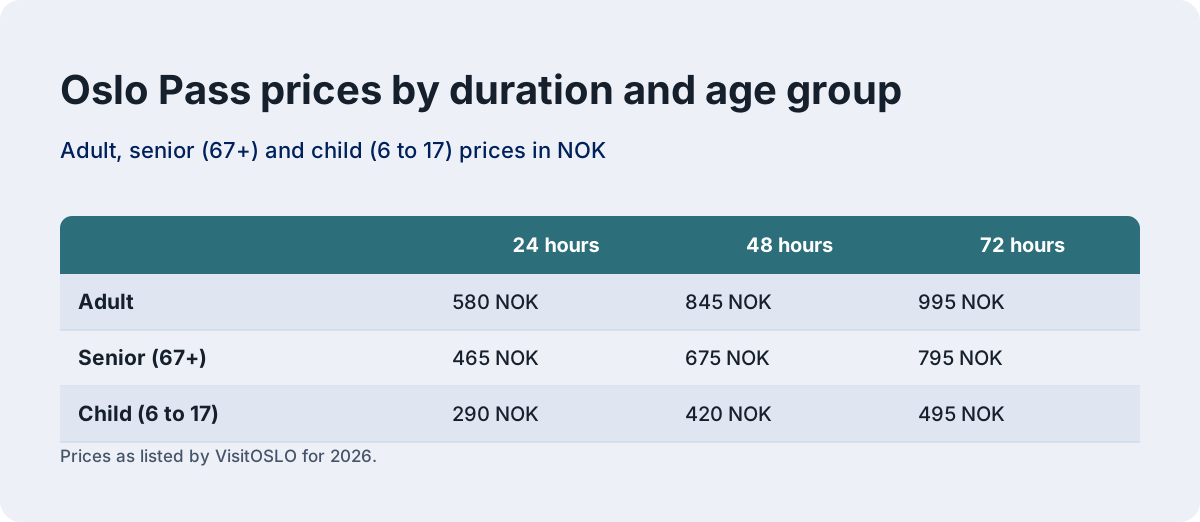
An adult Oslo Pass costs 580 NOK for 24 hours, 845 NOK for 48 hours and 995 NOK for 72 hours. Seniors aged 67 and over pay 465, 675 and 795 NOK across those same durations, and children aged 6 to 17 pay 290, 420 and 495 NOK. A 20 percent student discount exists but only in person at the Oslo Visitor Centre, with a photo student ID and semester card or a valid ISIC card. Children under 6 need no pass at all, since they travel free on transport and enter most museums free regardless.
Here is the full price table, read from VisitOSLO's own prices page.
| Pass duration | Adult | Senior (67+) | Child (6–17) |
|---|---|---|---|
| 24 hours | 580 NOK | 465 NOK | 290 NOK |
| 48 hours | 845 NOK | 675 NOK | 420 NOK |
| 72 hours | 995 NOK | 795 NOK | 495 NOK |
Two structural points about how the pass works. First, each museum can be entered once per 24-hour period, so a 72-hour pass is not three visits to the same place; it is one visit per museum across three days. Second, the pass activates from the moment you first use it, not from the moment of purchase, so buy it the night before if you want a clean start at museum opening time.
The child pricing deserves a note. Many of the covered museums let children in free anyway: Norsk Folkemuseum admits children 0 to 17 free, the Nobel Peace Center admits children 0 to 17 free, and MUNCH admits 17 and under free. A child pass mostly buys transport and the few museums that do charge children, like Kon-Tiki at 70 NOK for ages 6 to 17. Do the child math separately from the adult math; the conclusions often differ.
For a broader sense of how these figures sit inside a Norway budget, our is Oslo expensive guide breaks down where the city genuinely costs money and where it does not. Museums, transport and the outdoors are the three places Oslo is not unusually expensive, and the pass sits squarely on the right side of that line.
Is the Oslo Pass Worth It? The Break-Even Math
The 24-hour pass pays for itself with three major museums plus any transport in one day: Fram, Kon-Tiki and Norsk Folkemuseum alone cost 560 NOK at full price against a 580 NOK pass that also carries you to Bygdøy and back. Add a fourth museum, or a second day, and the margin widens quickly. The pass is a bad buy only if you plan one museum and no transport, or if most of your list is free anyway.
Here is the arithmetic on a realistic Bygdøy day, using each museum's own published adult price.
| Item | Standalone adult price | With 24h pass |
|---|---|---|
| Fram Museum | 180 NOK | included |
| Kon-Tiki Museum | 180 NOK | included |
| Norsk Folkemuseum | 200 NOK | included |
| Bygdøy ferry, round trip | approx. 140 NOK | included |
Swap in MUNCH at 280 NOK or the Holmenkollen Ski Museum and jump tower at 195 NOK and the sums move the same direction. The honest counter-case is a visitor whose day is Vigeland Park, the Opera House roof, Akershus grounds and a ferry to Hovedøya: all free or near-free, no pass required. Our free things to do in Oslo guide lists that itinerary in full.
The 48 and 72 hour passes have higher bars but the same logic. A 72-hour pass at 995 NOK breaks even at roughly five full-price museums plus three days of transport, which a first-time visitor doing Bygdøy, the museum peninsula, MUNCH and Holmenkollen will clear comfortably. A relaxed traveler doing one museum a day will not.
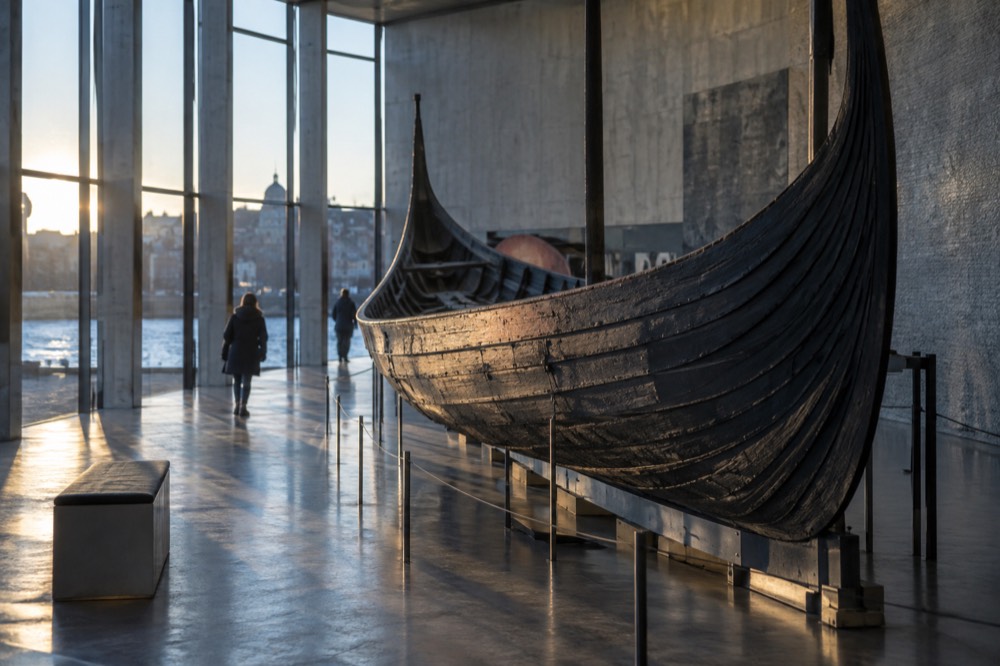
One caution before you commit: the Museum of the Viking Age is closed and is not part of anyone's Oslo day until it reopens in 2027, as the museum itself states. If an old itinerary you found online builds a pass day around the Viking ships, that day needs rebuilding. Our Museum of the Viking Age page tracks the closure and what replaces it.
What Transport Does the Oslo Pass Cover?
The pass covers all Ruter public transport in zones 1, 2, 3, 4V and 4N, which is every bus, tram, metro line and island ferry in Oslo plus the ferry lines to Hovedøya, Gressholmen and Langøyene, and Vy trains to and from Oslo Airport Gardermoen. It does not cover Flytoget, the airport express, or Flybussen coaches. It does cover the Bygdøy museum ferry, which ordinary Ruter tickets do not.
That asymmetry between the two ferry systems is the single most confused transport topic in Oslo, so here it is as a table.
| Boat | Where it departs | Ordinary Ruter ticket | Oslo Pass |
|---|---|---|---|
| Bygdøy museum ferry (seasonal, 14 Mar to 4 Oct) | Rådhusbrygge 3 | Not valid | Included |
| Island ferries B1, B1X, B2 | Aker brygge | Valid | Included |
| Fjord sightseeing cruises | Various piers | Not valid | Not included |
The island ferries are ordinary public transport: line B1 circles Hovedøya, Lindøya, Gressholmen, Bleikøya and Nakholmen year-round, and B2 adds Langøyene in summer. A pass holder just walks on. The Bygdøy ferry is a commercial seasonal service, and the pass is the cheapest way to ride it; out of season, Ruter bus 30 covers Bygdøy on any ticket. Our Oslo ferries guide untangles the piers and seasons in detail.
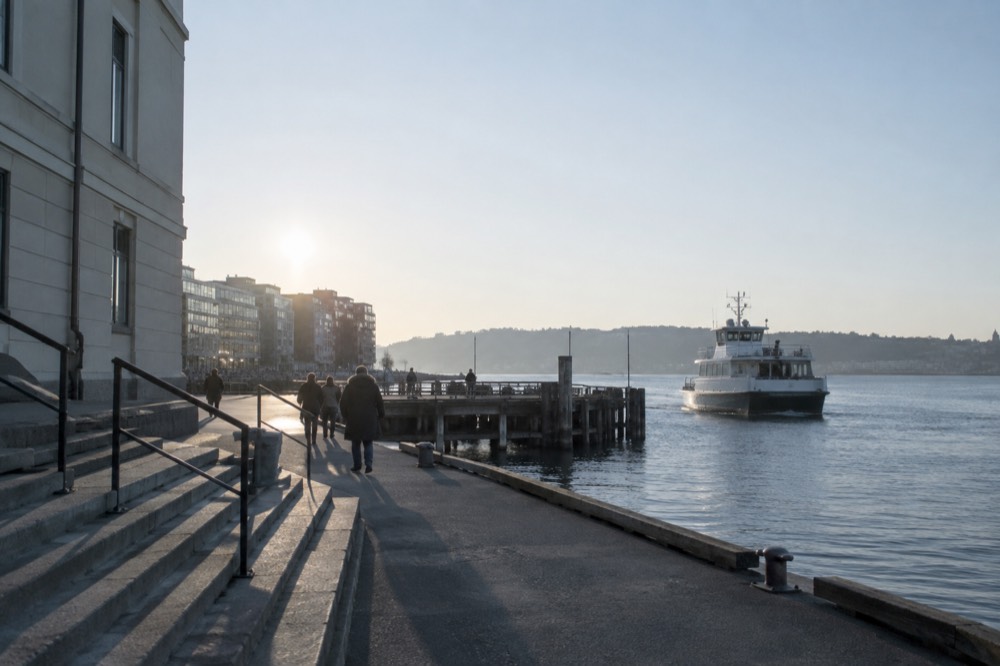
On the airport run, the pass covers Vy's R10, R11 and R12 trains, which take about 23 minutes to Oslo S against Flytoget's 20. Three minutes slower, and free if you hold a pass. If you are arriving without a pass and deciding how to get into town, our Oslo airport to city centre guide compares all the options including the Flytoget versus Vy question.
Which Museums Does the Oslo Pass Cover?
The pass covers free entry at over 30 museums and attractions, including the Fram Museum, Kon-Tiki Museum, Norsk Folkemuseum, MUNCH, the National Museum, the Holmenkollen Ski Museum and jump tower, the Vigeland Museum, the Nobel Peace Center and the Akershus Fortress museums. Each can be visited once per 24-hour period. The full current list is maintained on VisitOSLO's own what's-included page, and it is the only authoritative source.
The Bygdøy peninsula is where the pass earns its keep fastest, because its museums sit in a walkable cluster and every one of them charges full price. Here is the cluster at a glance, with each venue's own published adult admission.
| Bygdøy museum | Adult price | Notes |
|---|---|---|
| Fram Museum | 180 NOK | Polar ship, open all year |
| Kon-Tiki Museum | 180 NOK | Family ticket 400 NOK |
| Norsk Folkemuseum | 200 NOK | Children 0–17 free |
| Norwegian Maritime Museum | see site | Combination tickets exist |
| Museum of the Viking Age | Closed | Reopens 2027 |
Kon-Tiki and Fram also sell a combination ticket directly, at 325 NOK for both or 485 NOK including the Maritime Museum, which is worth knowing if you are skipping the pass. Our Bygdøy guide covers the peninsula's layout, piers and walking times.
Beyond Bygdøy, the pass covers MUNCH at 280 NOK, which is one of the steepest single admissions in the city and one of the fastest ways to close the break-even gap. The Holmenkollen Ski Museum and jump tower at 195 NOK combines well with a metro ride up Line 1, which the pass also covers. And the Vigeland Museum at 120 NOK sits right beside the free sculpture park, so a pass day can pair the two without doubling back.
For anyone who wants the park explained rather than just seen, the guided art walk through Vigeland is the one bookable way to get a guide into Oslo's most visited sight, since the park itself has no ticket to bundle. Our Vigeland Park guide covers what to look for on your own.
What Does the Oslo Pass NOT Cover?
The pass does not cover Flytoget or Flybussen to the airport, fjord sightseeing cruises, guided tours, the sauna operators on the waterfront, TusenFryd amusement park, food and drink, or anything sold by an external operator rather than a listed attraction. It also does not cover the Vigeland sculpture park, but only because that park is free for everyone, open 24 hours a day, all year.
The exclusions that catch people out are the tours and the boats. The sightseeing cruises on the Oslofjord, from the silent electric boats to the wooden sailing ships, are commercial products with their own tickets, and a pass does not board you. The same goes for guided walking tours, bike tours and food tours: the pass covers entry and transport, not guiding. If a fjord cruise is on your list, it needs its own booking, and our Oslofjord cruise guide compares the options.
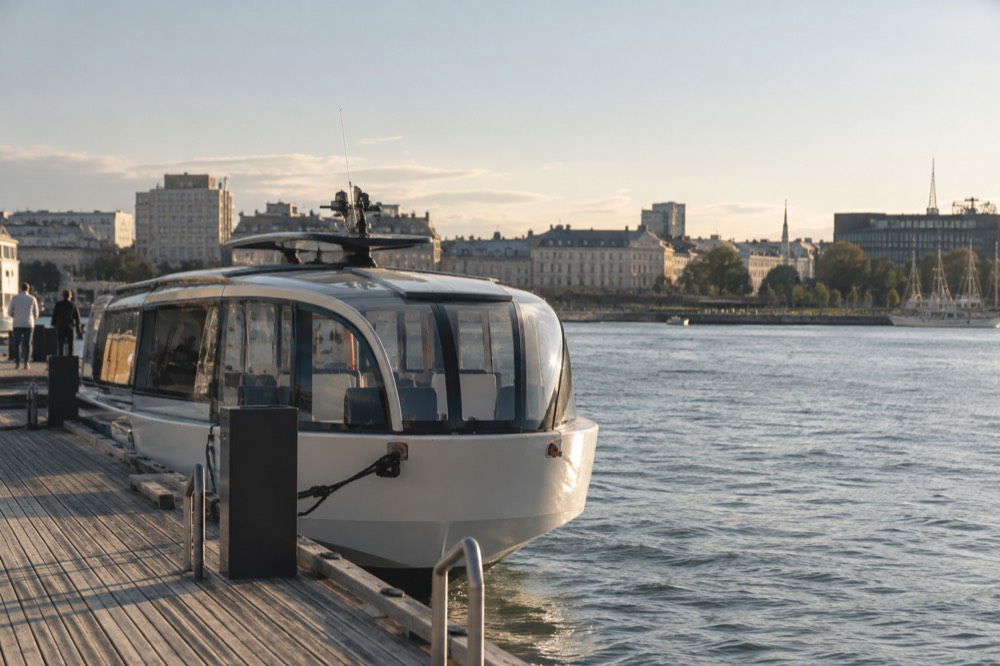
The single best-reviewed activity in the city is the silent electric fjord cruise with audio guide, and it is exactly the kind of thing a pass holder assumes is included and is not. Budget it separately.
TusenFryd, the amusement park outside the city, sells its own tickets direct and is not on the pass list. The sauna operators along the waterfront sell sessions direct too, as our Oslo sauna guide explains. None of this makes the pass worse; it just means the pass is a museums-and-transport product, and treating it as an everything pass is how visitors end up disappointed.
Oslo Pass or Individual Tickets: Which Should You Buy?
Buy the pass if you will visit three or more full-price museums in the duration, or two museums plus the airport train and the Bygdøy ferry; buy individual tickets if your itinerary is mostly free sights, one museum, or a single afternoon. The dividing line is museum density per day, and it is unusually easy to calculate in Oslo because the covered museums cluster geographically.
| Your itinerary | Better option | Why |
|---|---|---|
| Bygdøy day, 3 museums | 24h pass | 560 NOK of entries plus ferry |
| MUNCH plus National Museum, 1 day | 24h pass | Entries alone approach the pass price |
| Vigeland Park, Opera roof, Akershus grounds | No pass | All free |
| One museum plus a cruise | Individual tickets | Cruise not covered anyway |
| 3-day first visit, 5+ museums | 72h pass | Break-even around 5 entries |
| Relaxed pace, 1 museum a day | Individual tickets | Pass expires unused |
A useful cross-check is our dedicated is the Oslo Pass worth it analysis, which runs the same math for cruise passengers and short layovers specifically. If you are arriving by ship for a single day, the calculus is different again, and our Oslo cruise port day guide lays it out.
How Do You Buy and Activate the Oslo Pass?
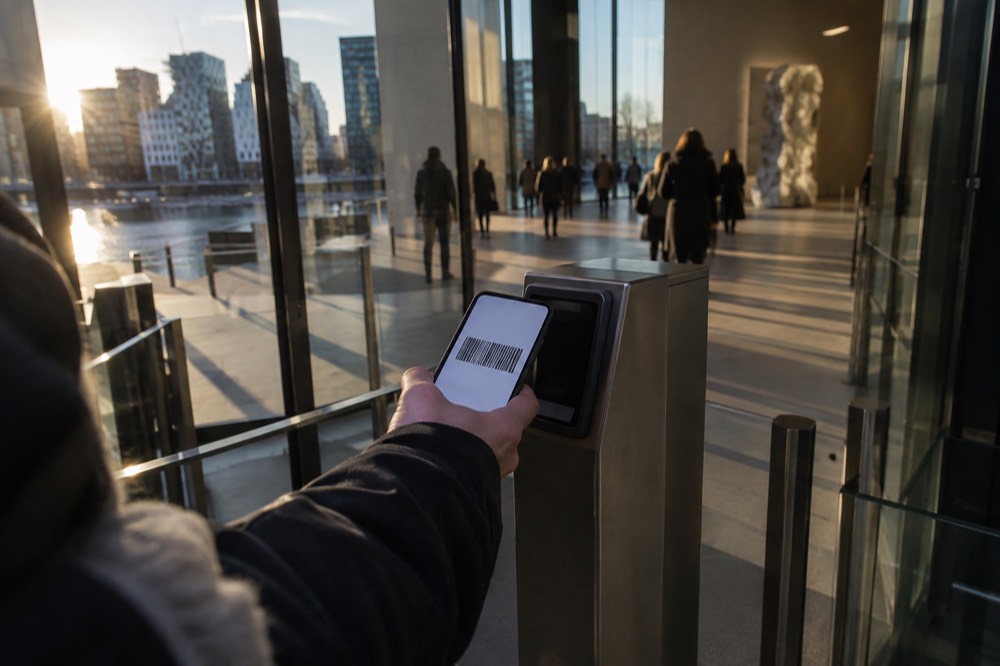
You buy the Oslo Pass from VisitOSLO's own site, from the Oslo Visitor Centre opposite Oslo S, or from selected outlets in the city, and it activates the first time you use it for a museum entry or a transport ride. Digital passes live in the VisitOSLO app and show a barcode scanned at museum desks and by ticket inspectors. The pass is not sold as a bookable product on the tour platforms this site covers, so treat the tourist board as the seller.
Activation timing matters more than most people expect. The 24-hour clock starts at first use, not at purchase, so a pass bought at 16:00 and first used on a tram at 16:30 expires the next afternoon, not the next midnight. If your plan is a museum-heavy day, activate on the first museum doorstep in the morning and let the pass carry the evening transport for free.
Refunds and changes follow the seller's terms, not a tour platform's, so check the VisitOSLO terms before buying for a large group. The in-person student discount of 20 percent, mentioned earlier, is the one price lever that only exists at the Visitor Centre counter.
A Sample Day That Makes the Pass Pay
A pass day that beats the standalone price by a wide margin looks like this: morning at Norsk Folkemuseum on Bygdøy, the ferry to Bygdøynes for Fram and Kon-Tiki, the boat back to Rådhusbrygge 3, then the metro to Holmenkollen for the ski museum and jump tower before a final tram ride home. That day stacks four full-price admissions, at 200, 180, 180 and 195 NOK each, plus two covered boat rides, against a 580 NOK pass.
Here is the shape of it, with the timing that makes it work.
| Time | Activity | Covered |
|---|---|---|
| 09:30 | Bus 30 or ferry to Bygdøy | Transport |
| 10:00 | Norsk Folkemuseum | Entry, 200 NOK value |
| 12:30 | Walk or ferry to Bygdøynes | Transport |
| 13:00 | Fram Museum | Entry, 180 NOK value |
| 14:15 | Kon-Tiki Museum | Entry, 180 NOK value |
| 16:00 | Ferry back to City Hall pier | Transport |
| 17:00 | Metro Line 1 to Holmenkollen | Transport |
| 17:30 | Ski Museum and jump tower | Entry, 195 NOK value |
The Kon-Tiki Museum is the best-reviewed museum ticket in the city on the platforms this site tracks, and it anchors the Bygdøy half of any pass day. If you would rather not self-guide it, the entry ticket is the booking route.
Swap the Holmenkollen leg for MUNCH in Bjørvika if the weather turns, since the museum is indoors and open until 21:00 from Wednesday to Saturday, with a reduced 200 NOK evening admission after 18:00 that the pass makes irrelevant. Our MUNCH guide covers what to see and when to go.
Common Mistakes Pass Holders Make
The four mistakes that cost pass holders real money are riding Flytoget and expecting coverage, confusing the Bygdøy ferry with the island ferries, buying a 72-hour pass for a two-museum itinerary, and forgetting that each museum is once per 24 hours. Every one of these is avoidable with a minute of planning, and none of them is obvious from the pass itself.
The Flytoget mistake is the most expensive. If you land at Gardermoen, walk past the Flytoget platforms and take a Vy regional train instead; the pass covers it, the ride is about three minutes longer, and the difference otherwise is 268 NOK each way. The pier mistake is the most common: the Bygdøy ferry leaves from Rådhusbrygge 3 and is pass-only, while the island ferries leave from Aker brygge and take any Ruter ticket. Standing at the wrong pier in July is a very Oslo way to lose half an hour.
The duration mistake usually runs the other direction for families: children enter many covered museums free anyway, so a child pass is often just a transport ticket, and a single child fare on the metro may be cheaper than a 290 NOK child pass for one museum day. And the once-per-24-hours rule trips up visitors who want to pop back into a museum shop or re-see one gallery; the pass will not re-admit you.
Finally, do not buy the pass to cover things it structurally cannot. Guided tours, fjord cruises, saunas and TusenFryd are all outside it, and a day built around those is a day the pass sits unused in your pocket. As the planning desk at Oslo Travel Guide puts it bluntly: the pass is a museum-and-transport product, full stop.
Common Questions About the Oslo Pass
Does the Oslo Pass cover the airport train?
It covers Vy's regional and local trains to and from Oslo Airport Gardermoen, which take about 23 minutes to Oslo S. It does not cover Flytoget, the airport express, or Flybussen coaches. VisitOSLO's wording is explicit that the inclusion applies to "public trains operated by VY."
Is the Oslo Pass worth it for one day?
Usually yes, if you visit three or more full-price museums. Fram, Kon-Tiki and Norsk Folkemuseum alone cost 560 NOK against a 580 NOK 24-hour pass that also includes transport and the Bygdøy ferry. If your day is one museum plus free sights, individual tickets are cheaper.
Does the Oslo Pass cover the Bygdøy ferry?
Yes, and this is unusual: the Bygdøy museum ferry from Rådhusbrygge 3 is included with the pass but is not valid with ordinary Ruter tickets. The ferry runs seasonally, 14 March to 4 October in 2026. Out of season, bus 30 serves Bygdøy on a normal ticket.
Does the Oslo Pass cover the island ferries?
Yes. The B1, B1X and B2 island ferries from Aker brygge are ordinary Ruter public transport, so any valid Ruter ticket or an Oslo Pass covers them. Hovedøya, Gressholmen and Langøyene are all reachable this way.
Can children get an Oslo Pass?
Children aged 6 to 17 pay 290 NOK for 24 hours, 420 NOK for 48 and 495 NOK for 72. Under-6s need no pass. Note that many covered museums, including Norsk Folkemuseum and the Nobel Peace Center, admit children free anyway, so a child pass is often mainly a transport ticket.
Does the Oslo Pass cover fjord cruises?
No. Sightseeing cruises on the Oslofjord, including the silent electric boats and wooden sailing ships, are commercial tours sold separately. The pass covers public transport ferries only, meaning the island ferries and the Bygdøy museum ferry.