Fram Museum Oslo: Tickets, Hours, and What to See at the Polar Ship Museum
The Fram Museum on Bygdøy holds the strongest wooden ship ever built, the vessel that carried Nansen, Sverdrup and Amundsen further north and further south than any ship before it. Here is what a visit costs, how to reach the peninsula, and how to pair it with the museums next door.
Short answer
The Fram Museum costs 180 NOK for adults, 70 NOK for children and students, and is open 10:00 to 17:00 October to April and 09:30 to 18:00 May to September. It sits at Bygdøynes on the Bygdøy peninsula, reached by seasonal ferry from Rådhusbrygge 3 or year-round bus 30, and the Oslo Pass covers entry.
Fram Museum Oslo: Tickets, Hours, and What to See at the Polar Ship Museum
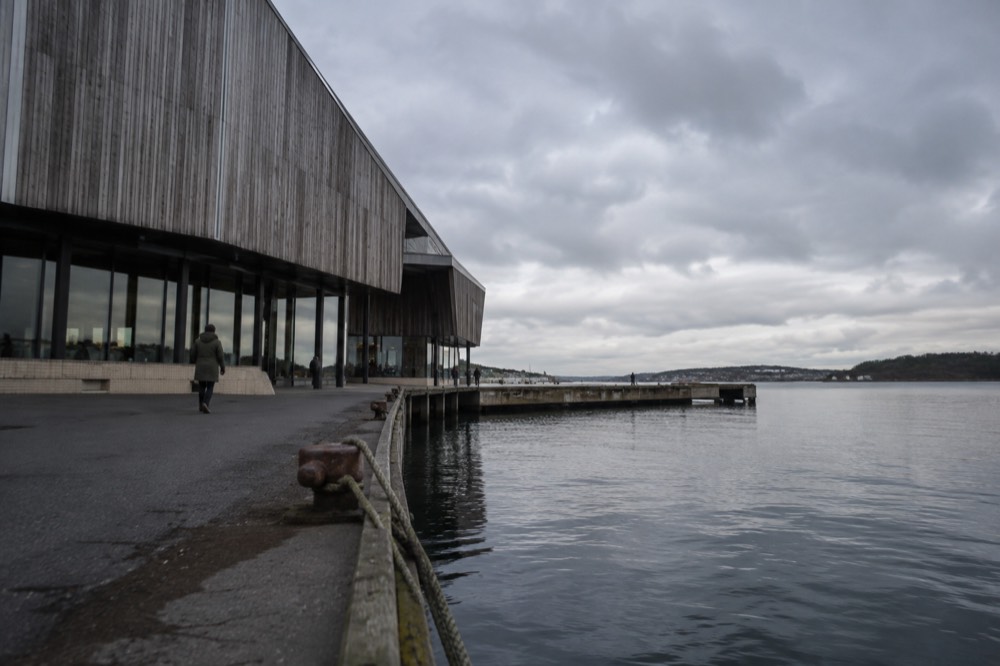
The Fram Museum stands at Bygdøynes, the western tip of Oslo's museum peninsula, and it holds a single enormous object: the ship Fram, the strongest wooden ship ever built, which carried three of Norway's polar expeditions to the edges of the map. Roald Amundsen sailed her to the Antarctic and became the first person to reach the South Pole from a ship bearing this name. Fridtjof Nansen froze her into the Arctic ice on purpose and drifted with it for years. Otto Sverdrup took her across the uncharted Canadian Arctic. No other vessel on earth has been both further north and further south.
That is the pitch, and it is a good one. But visiting the Fram Museum well requires a little planning, because Bygdøy is a peninsula with a seasonal ferry, a year-round bus, and a cluster of museums that reward being treated as one day rather than four separate trips. This guide covers the prices, the transport, the layout, and the pairing with the Kon-Tiki Museum next door.
What Is the Fram Museum, and Why Is the Ship Famous?
The Fram Museum is a purpose-built hall on Bygdøynes containing the complete polar ship Fram, which you can walk aboard, plus the story of the three Norwegian expeditions she carried: Nansen's Arctic drift, Sverdrup's survey of the Canadian Arctic archipelago, and Amundsen's journey to the South Pole. She was designed to be frozen into sea ice and survive the pressure, a trick no ship had managed before, and she went further north and further south than any wooden ship in history.
The word "fram" is Norwegian for "forward," and it was chosen deliberately. Nansen's idea was radical: instead of fighting the Arctic ice, ride it. He had a hull built with a rounded cross-section so that when the ice squeezed, the ship would be pushed up onto the surface rather than crushed. The theory worked. Fram froze into the ice north of Siberia and drifted with the pack for roughly three years while Nansen and Hjalmar Johansen left the ship on skis in a bid for the pole.
The museum tells this story in the round, literally. The ship sits in the middle of the hall and you climb stairs to walk her deck, peer into the cabins, and stand at the wheel. Exhibits around the walls cover the sled dogs, the scientific instruments, the provisions, and the men. A second hall, the Gjøa building, holds the first ship to sail the Northwest Passage, also commanded by Amundsen.
The museum is one of Oslo's most visited, and it earns it. Where many polar exhibits give you a diorama and a plaque, this one gives you the actual vessel, preserved rather than rebuilt, cold enough in spirit that you can imagine what an Arctic winter sounded like inside her. The Fram Museum's own site publishes the current details, and the essentials are all below.
How Do You Get to the Fram Museum on Bygdøy?
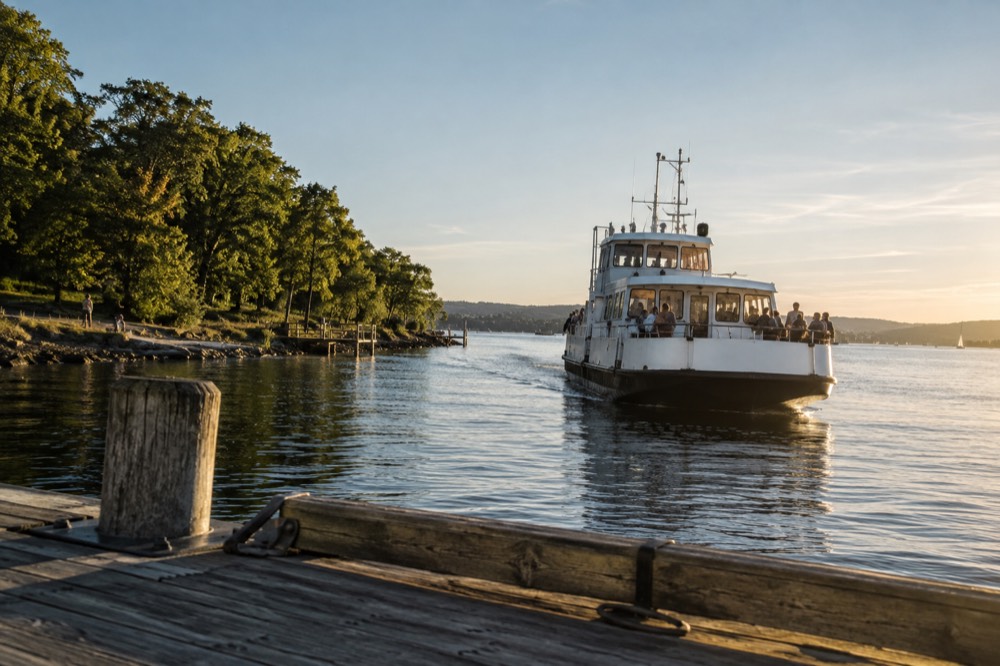
There are two ways to reach the Fram Museum: the seasonal passenger ferry from Rådhusbrygge 3 to Bygdøynes pier, a 10 to 15 minute crossing that runs roughly every 20 minutes between 14 March and 4 October 2026, or Ruter bus 30, which runs year-round from central Oslo and stops at the museums. The ferry is not covered by a standard Ruter ticket but is included with the Oslo Pass; bus 30 rides on an ordinary Ruter ticket.
The ferry deserves a note because it trips up almost everyone. It departs from Rådhusbrygge 3, Platform F, outside City Hall, and calls at Dronningen first, then Bygdøynes. The Fram Museum, the Kon-Tiki Museum and the Norwegian Maritime Museum all sit together at Bygdøynes, a short walk from that pier. Dronningen serves the Norwegian Museum of Cultural History and Oscarshall instead. Two different piers, two different clusters of museums, so check which stop you need before you board.
Out of season, or if the ferry queue looks long, bus 30 is the answer. It is an ordinary public Ruter service running all year, and the ride from Nationaltheatret out to the museums takes about 15 minutes. The whole Bygdøy question, including the ferry's ticket rules and the seasonal schedule, is covered in detail in our Bygdøy peninsula guide.
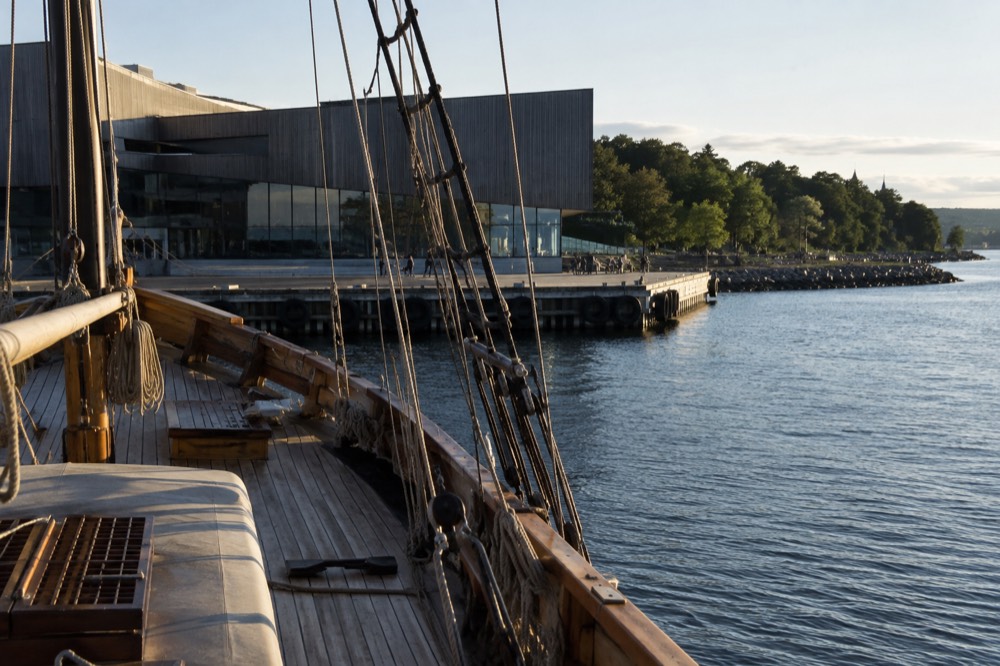
Many visitors combine the museum trip with time on the water, and it is a natural pairing: the ferry across is short, so a longer fjord cruise before or after the museums turns a half-day into a full one. The silent electric boat and the traditional wooden sailing ship are the two most-booked options from the city center piers.
| Way to Bygdøynes | Where it leaves | Runs | Ticket needed | Notes |
|---|---|---|---|---|
| Bygdøy ferry | Rådhusbrygge 3, Platform F | 14 March to 4 October 2026, every ~20 minutes | ~70 NOK one way, included with Oslo Pass, Ruter tickets NOT valid | 10 minutes to Dronningen, first stop |
| Ruter bus 30 | Nationaltheatret and central stops | Year-round | Ordinary Ruter ticket | ~15 minutes, stops at the museums |
| Oslo Pass | Either | Either | Covers both the ferry and museum entry | The cheapest full Bygdøy day |
One warning worth repeating: the island ferries to Hovedøya and Gressholmen are a completely different system, leaving from Aker brygge on ordinary Ruter tickets. Do not confuse the two piers or the two ticket rules. Our Oslo ferries guide keeps them straight.
How Much Does the Fram Museum Cost, and What Are the Opening Hours?
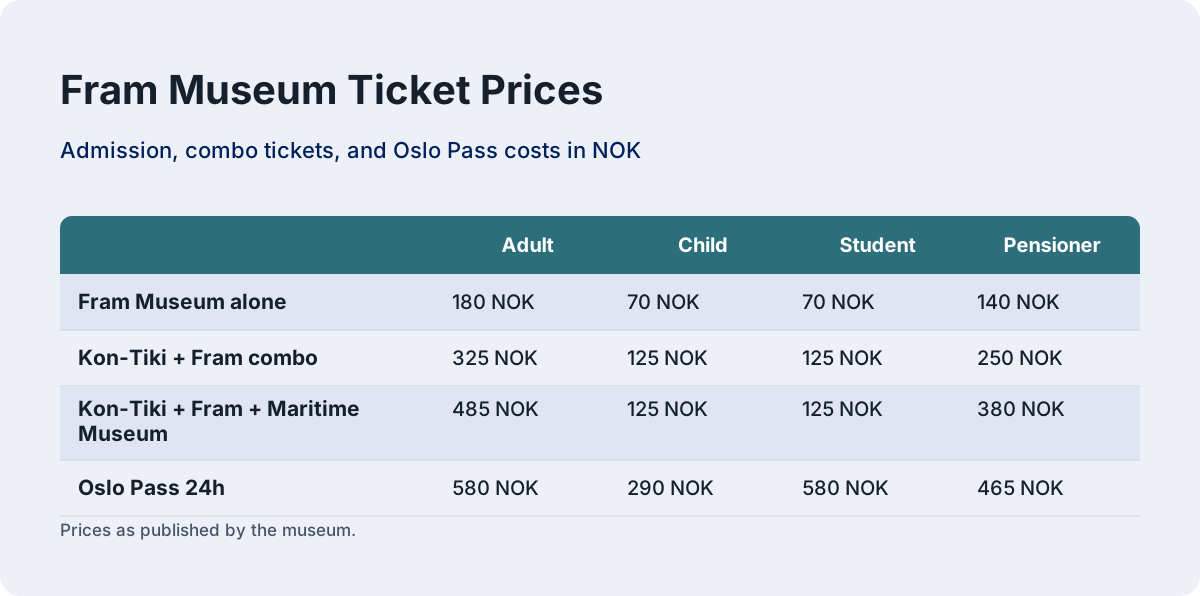
The Fram Museum charges 180 NOK for adults, 70 NOK for children and students, and 140 NOK for pensioners, and it is open every day: 10:00 to 17:00 from October to April, and 09:30 to 18:00 from May to September. The Oslo Pass covers entry, and combination tickets with the Kon-Tiki Museum next door bring the two-museum price down by 35 NOK per adult compared with buying both separately.
Those are the museum's own published figures, and they matter for planning because Bygdøy is a multi-museum day for almost everyone. Three museums at full price adds up fast, which is exactly the arithmetic that makes the Oslo Pass worth running for a day: the pass costs 580 NOK for 24 hours and covers more than 30 museums plus the transport to reach them. The is the Oslo Pass worth it breakdown runs the numbers museum by museum.
| Ticket | Adult | Child | Student | Pensioner |
|---|---|---|---|---|
| Fram Museum alone | 180 NOK | 70 NOK | 70 NOK | 140 NOK |
| Kon-Tiki + Fram combo | 325 NOK | 125 NOK | 125 NOK | 250 NOK |
| Kon-Tiki + Fram + Maritime Museum | 485 NOK | 125 NOK | 125 NOK | 380 NOK |
| Oslo Pass 24h | 580 NOK | 290 NOK | 580 NOK | 465 NOK |
The combination tickets are sold at the museum counters and, usefully, the family combo for Kon-Tiki plus Fram is 720 NOK for two adults and five children, which is one of the better family deals on the peninsula. Check the Kon-Tiki Museum guide for what that side of the pair covers.
If you would rather skip the counter queue entirely, a prebooked admission ticket for the Fram Museum starts from $19.86 and carries a 4.6 rating across 562 reviews, the strongest review base of any single museum ticket on Bygdøy. It is the same entry, just with the counter step removed, and it works within the museum's normal opening hours.
That prebooked route is worth a sentence of reassurance before you commit. The ticket carries free cancellation, so a change of weather or a late ferry does not strand you with an unusable booking, and it is valid for the museum's regular hours rather than a fixed entry slot.
What Do You Actually See Inside the Fram Museum?
The core of the visit is the ship itself: you board the Fram on a walkway, move through her cabins and cargo hold, and climb to the wheel and the observation platform above deck. Around her, the museum displays the expedition equipment, sleds, clothing, instruments, and provisions from all three voyages, plus a dedicated section on Amundsen's South Pole journey and a separate hall housing the Gjøa, the first ship through the Northwest Passage.
The boarding experience is what separates this museum from a conventional one. You are not looking at the Fram from behind a rope. The route takes you into the hold where the sled dogs were kennelled, past the galley and the bunks, and up onto the deck where the cold-weather gear is rigged as it would have been in the ice. The cabins are preserved with the fittings of the expeditions, and the sense of scale, of how small a home this was for years at a time, lands harder in person than any description manages.
The surrounding exhibits are dense rather than flashy. Original scientific instruments, skis and sledges, and the famous photograph of Amundsen's team at the pole all feature. There is a cold-room experience where you can stand in polar temperatures for a moment, popular with children and genuinely bracing, and a simulator ride themed on the ship's passage through the ice, which carries a small extra charge at the counter.
The Gjøa building, connected to the main hall, is quieter and worth ten minutes. The Gjøa is a small herring boat that Amundsen modified for the first successful transit of the Northwest Passage, and the contrast between her modest hull and Fram's reinforced bulk tells the story of two different kinds of polar ambition.
Fram and Kon-Tiki: Should You Visit Both Museums?
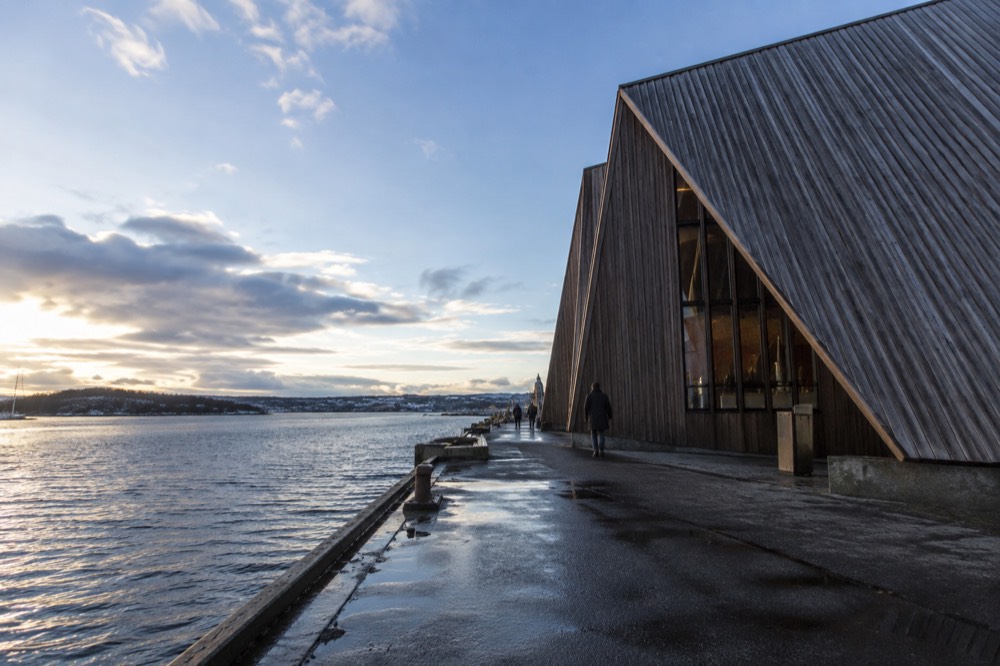
Yes, and the pairing is the standard Bygdøy visit: the Fram Museum and the Kon-Tiki Museum stand a few minutes' walk apart at Bygdøynes, they cover the two halves of Norwegian exploration history, and the combination ticket saves you 35 NOK per adult over buying both separately. Most visitors spend about an hour in each, so a half-day covers both comfortably.
The division of labor is clean. Fram is the age of wooden ships and ice: Nansen, Sverdrup, Amundsen, and the decades when Norway staked its claim to polar science. Kon-Tiki is the age of the bold experiment: Thor Heyerdahl's balsa raft crossing of the Pacific to prove a migration theory, and the later reed-boat expeditions. Children tend to love Kon-Tiki's raft and Fram's walk-aboard ship equally, so the pair works for families as a unit. Everything else covered here is indexed on Oslo Travel Guide. Everything else covered here is indexed on Oslo Travel Guide.
The Kon-Tiki ticket is the best-reviewed museum ticket in Oslo on either major booking platform, 4.5 across 1,116 reviews, from $19.86, which is a striking review base for a museum of its size.
One thing to plan around: the Museum of the Viking Age, further along the peninsula, is closed until 2027 while its new building is finished, and the museum's own wording commits to no more than that year. Visitors who want a Viking-age fix in the meantime are pointed to the Historical Museum in the city center, or to Viking Planet, the VR-based Viking experience near the Karl Johans gate end of town, which is the bookable substitute and takes about two hours.
Is the Fram Museum Good for Kids?
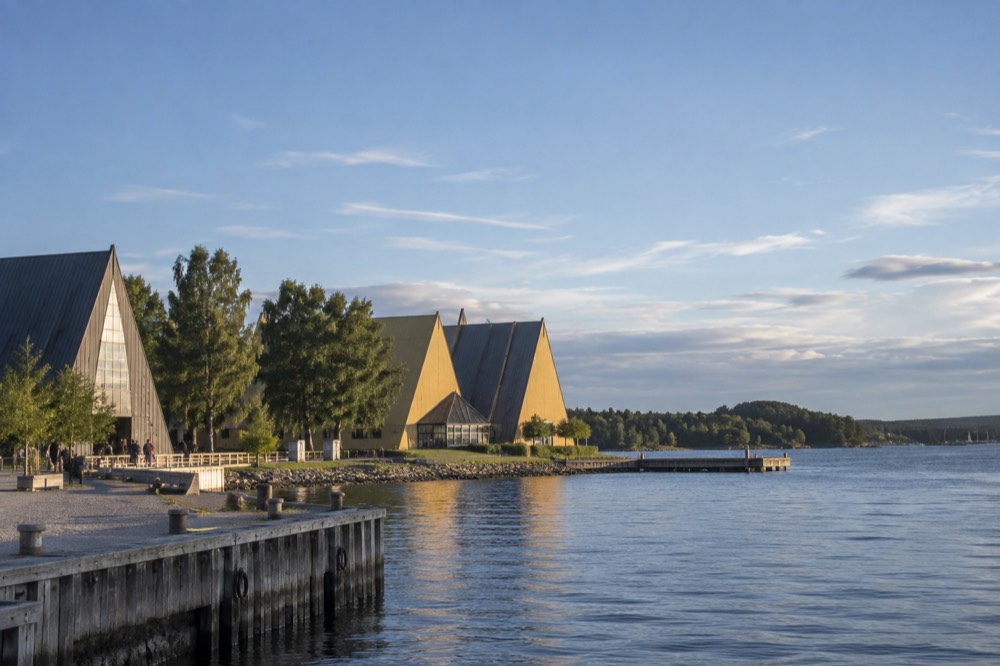
Yes, the Fram Museum is one of the strongest children's museums in Oslo: kids can walk aboard a real polar ship, crawl through the cargo spaces, try the cold-room experience, and the museum is compact enough that an hour feels complete rather than cut short. Children pay 70 NOK, under-6s ride the transport free, and the family combination ticket with Kon-Tiki covers two adults and five children for 720 NOK.
The walk-aboard layout does most of the work. A museum of glass cases asks children to be quiet and look; a museum with a ship's wheel to stand at and a hold to explore asks them to imagine, which is a much easier ask. The cold room, where you step briefly into polar temperatures, is the reliable highlight, and the simulator adds motion for a small fee if the queue is short.
Bygdøy as a whole is a family-friendly outing. The ferry ride itself is an event for small children, the peninsula has open space and a beach at Huk within walking or short bus range, and the Oslo with kids guide places the whole peninsula in a day plan. The practical caution is the ferry's season: outside 14 March to 4 October 2026, bus 30 is the only public option, and it is a fine one, just less exciting than a boat.
How Long Should You Spend, and When Is the Best Time to Visit?
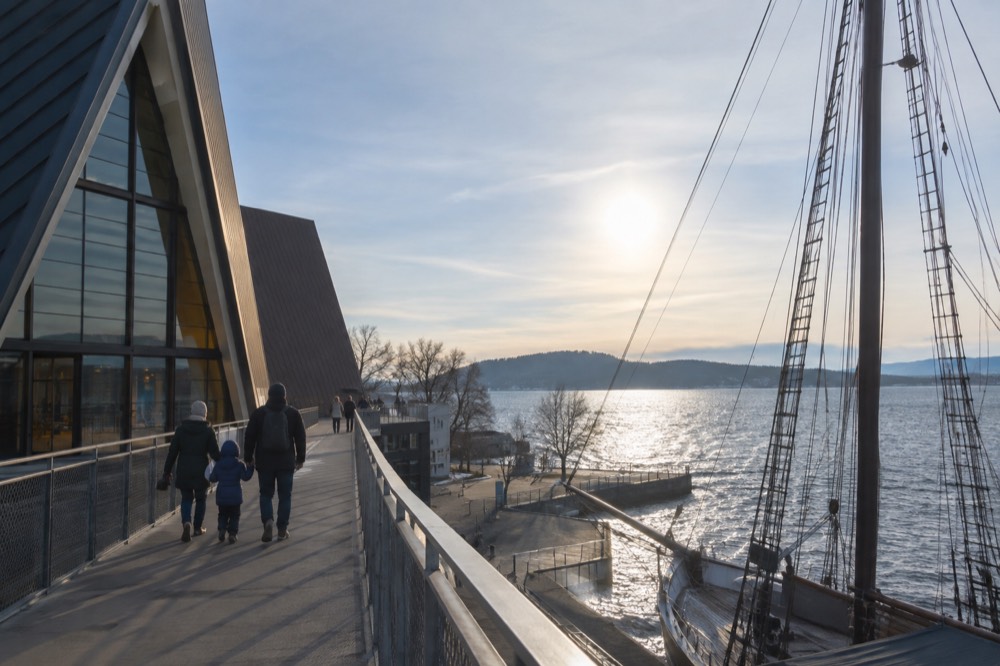
Plan on 1 to 3 hours for the Fram Museum itself, with about an hour as the realistic minimum and two hours comfortable if you read the exhibits; the museum is open every day of the year with longer summer hours, 09:30 to 18:00 from May to September, so the best strategy in high summer is a late-afternoon arrival after the midday crowds thin. Midweek mornings in the off-season are the quietest visits of all.
The timing question on Bygdøy is really a crowd question. Cruise-ship days and summer weekends fill the peninsula's museums from late morning, and the ferry queue at Rådhusbrygge 3 grows with it. Arriving for the ferry's first departures, or after 15:00 when many day-trippers have started back, gives you the decks more to yourself. The museums' long summer hours make the late start painless.
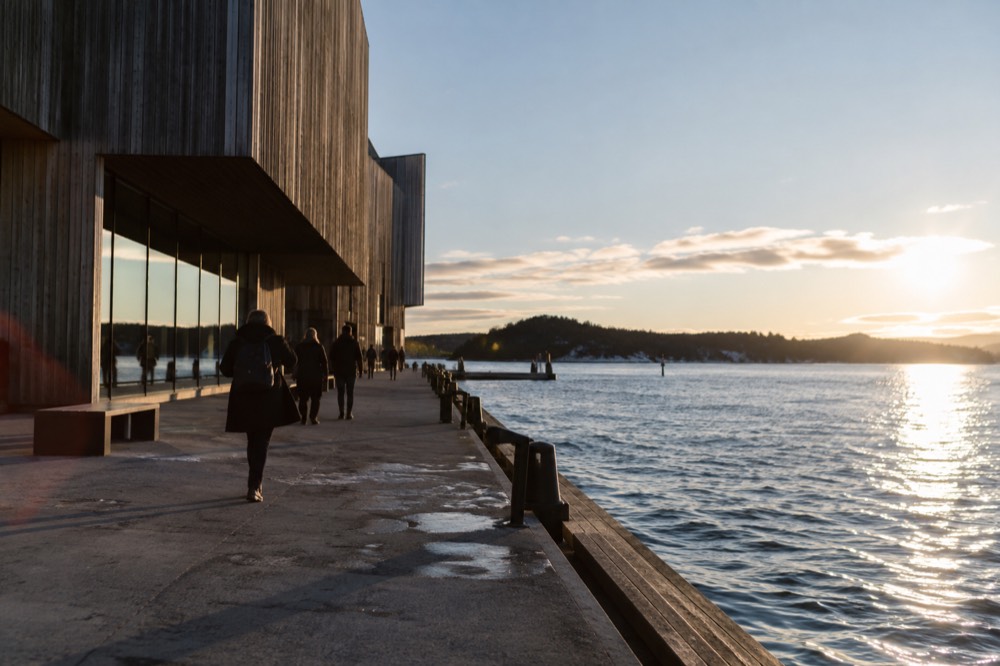
Weather barely matters inside, but it matters on the water. The ferry crossing is short and sheltered, but the walk between Bygdøynes and Dronningen, 15 to 25 minutes along the peninsula paths, is exposed, so a rain layer earns its place in the bag. If the day turns properly wet, the rainy day in Oslo guide has the indoor alternatives, though a polar museum on a wet afternoon is arguably the most fitting choice in the city.
To put the whole peninsula day in one view, here is how the Bygdøy cluster stacks up on price and hours, using each museum's own published figures.
| Bygdøy museum | Adult entry | Child entry | Hours | Oslo Pass |
|---|---|---|---|---|
| Fram Museum | 180 NOK | 70 NOK | Oct-Apr 10:00–17:00; May-Sep 09:30–18:00 | Covered |
| Kon-Tiki Museum | 180 NOK | 70 NOK (6–17) | Open all year | Covered |
| Norsk Folkemuseum | 200 NOK | Free (0–17) | Daily 10:00–17:00 | Covered |
| Museum of the Viking Age | Closed | Closed | Reopens 2027 | Closed |
That table is the planning spine of a Bygdøy day: three open museums within a short walk of each other, all covered by one pass, and one famous name still behind hoardings until 2027. It also shows why the family arithmetic works, since two of the four charge children nothing at all or a modest 70 NOK.
What Do Most Guides Get Wrong About Visiting the Fram Museum?
Three things: the ferry's ticket rules, the ferry's season, and the pier. The Bygdøy ferry is not a Ruter service, so a day ticket or single bought for the metro and trams will not carry you on it, the ferry stops running in early October, and it leaves from Rådhusbrygge 3, not from Aker brygge where the island ferries go. Visitors who plan on the wrong assumptions end up either paying twice or standing at the wrong pier.
The ticket confusion is the expensive one. Plenty of visitors buy a Ruter day ticket, assume it covers the museum boat, and discover at the gangplank that it does not. The Oslo Pass does cover it, which quietly makes the pass an even better Bygdøy proposition than its museum list alone suggests. If you are not carrying a pass, the roughly 70 NOK one-way fare is paid at the pier or on board, where it costs slightly more.
The season confusion strands people in October. The ferry's 2026 season ends on 4 October, and from then until mid-March the only public way onto the peninsula is bus 30, which is frequent and reliable but not a boat. The pier confusion is the last one: Rådhusbrygge 3 for the museum ferry, Aker brygge for the island ferries, and never the two in the same sentence. This is the kind of detail that separates a planning site from a page assembled at a distance, and it is why we built this guide around the transport first.
Common Questions About the Fram Museum
How much does the Fram Museum cost?
Adult admission is 180 NOK, children and students 70 NOK, and pensioners 140 NOK. Combination tickets with the Kon-Tiki Museum cost 325 NOK per adult, or 485 NOK including the Norwegian Maritime Museum. The Oslo Pass covers entry.
How do I get to the Fram Museum?
Take the Bygdøy ferry from Rådhusbrygge 3 to Bygdøynes pier, a 10 to 15 minute crossing running roughly every 20 minutes from 14 March to 4 October 2026, or Ruter bus 30, which runs year-round from central Oslo. The ferry is included with the Oslo Pass but not with ordinary Ruter tickets; bus 30 is.
What are the Fram Museum's opening hours?
The museum is open every day: 10:00 to 17:00 from October to April, and 09:30 to 18:00 from May to September.
How long does a visit to the Fram Museum take?
Between one and three hours. An hour covers the ship walk-aboard and the highlights; two hours lets you read the expedition exhibits properly, and the connected Gjøa hall adds another ten to fifteen minutes.
Is the Fram Museum worth visiting with kids?
Yes. Children can board the ship, explore the hold, and try the cold-room experience, and the child ticket is 70 NOK. The family combination ticket with the Kon-Tiki Museum covers two adults and five children for 720 NOK.
Can I buy Fram Museum tickets in advance?
Yes. A prebooked admission ticket starts from $19.86, rated 4.6 across 562 reviews, and lets you skip the counter queue during busy summer days. Combination tickets with Kon-Tiki are sold at the museum counters.