Grünerløkka: Oslo's East Side Neighborhood Guide
Grünerløkka is the neighborhood Oslo's own city council once called the wrong side of the river, and it is now the part of the city most visitors remember longest. This guide covers the practical decisions: transport, food, costs, timing and how the district fits a first trip.
Short answer
Grünerløkka is Oslo's cafe, bar and vintage district on the east bank of the Akerselva river, about 15 minutes on foot from the central station. Entry costs nothing, the food halls and coffee shops sit in converted industrial buildings, and the area pairs naturally with a river walk toward the Opera House.
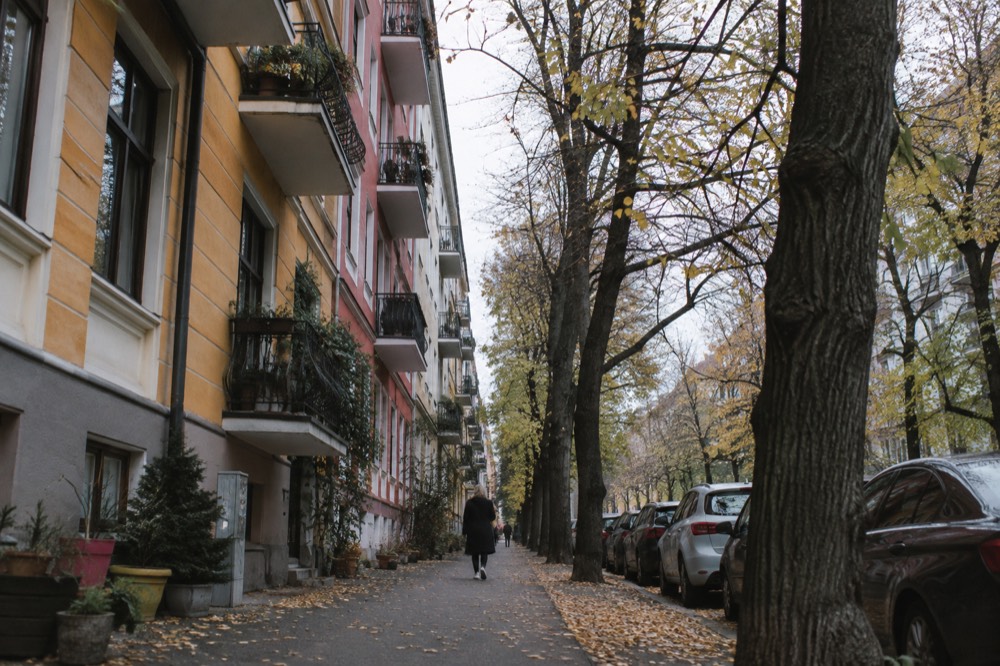
Grünerløkka sits on the east bank of the Akerselva, the river that splits Oslo in two, and everything about the district follows from that geography. The west side of the river was where the shipowners and merchants built their stone townhouses. The east side, Grünerløkka, is where the workers who fed the sawmills, the breweries and the textile factories lived in four-story timber and brick blocks from the middle of the 19th century onward. The factories have closed, the workers' flats have filled with students and families, and the district now holds the densest strip of independent cafes, bars, vintage shops and bakeries in the city.
That history matters to a visitor for one reason: Grünerløkka does not look like the rest of Oslo's center. The blocks are tight, the streets are narrow, the buildings are painted in faded ochres and greens rather than the polished glass of Aker Brygge, and the whole area reads as a lived-in neighborhood that happens to serve excellent coffee, rather than a district built for tourism. If your image of Oslo is the Opera House and the Royal Palace, Grünerløkka is the corrective.
This guide, from Oslo Travel Guide, covers the decisions a visitor actually faces: how to get there and back, what to do once you are standing in it, what food and drink realistically cost in Norway's most expensive category, and how to slot the district into a wider Oslo plan without losing half a day to wandering.
What Is Grünerløkka and Why Do People Go?
Grünerløkka is Oslo's old workers' quarter on the east bank of the Akerselva river, roughly a 15 minute walk northeast of Oslo Central Station, and people go for its concentration of independent cafes, bars, vintage shops and food halls inside preserved 19th century industrial blocks. It is the neighborhood that anchors the east-side Oslo identity, the counterpart to the west side's Frogner and Majorstuen, and it delivers something the center genuinely lacks: a district where almost every storefront is locally owned. Visitors who spend their whole trip between Karl Johans gate and the waterfront routinely name Grünerløkka as the place Oslo finally felt like a real city.
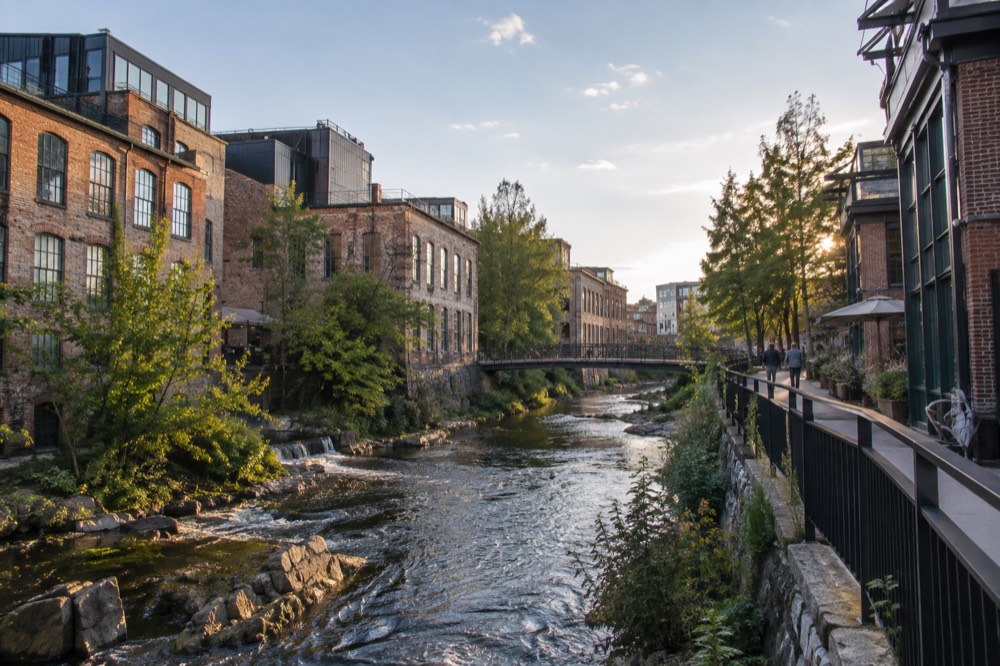
The geography is simple once you see it once. The Akerselva runs north to south, dropping through a series of waterfalls and old mill sites, and Grünerløkka occupies the east bank from the Nybrua bridge down toward Grønland. The main spine is Thorvald Meyers gate, a long straight street that carries the whole commercial strip, with the squares Olaf Ryes plass and Schleppegrells plass acting as the district's living rooms. Cross any of the bridges west and you are in the center within minutes.
The name itself carries the ø and the double k, and it is worth getting right in searches, on maps and when asking for directions, because the district is almost never called anything shorter by locals. The ø is not decoration: Grüneløkka is a misspelling, and search results for it are noticeably thinner. The same applies to the neighboring names you will encounter, Tøyen, Grønland and Vulkan, all of which use Norwegian vowels.
What draws people, concretely, is a set of things that exist in one place here and nowhere else in the city at this density: the Mathallen food hall inside the old Vulkan ironworks, the riverside path along the Akerselva with its industrial ruins and waterfalls, a vintage and secondhand strip that Oslo's other districts do not match, and a bar scene that runs late into the small hours in a country where a beer is otherwise a calculated purchase. Our guide to Oslo's street food scene covers the eating side in more depth if that is your priority.
How Do You Get to Grünerløkka?
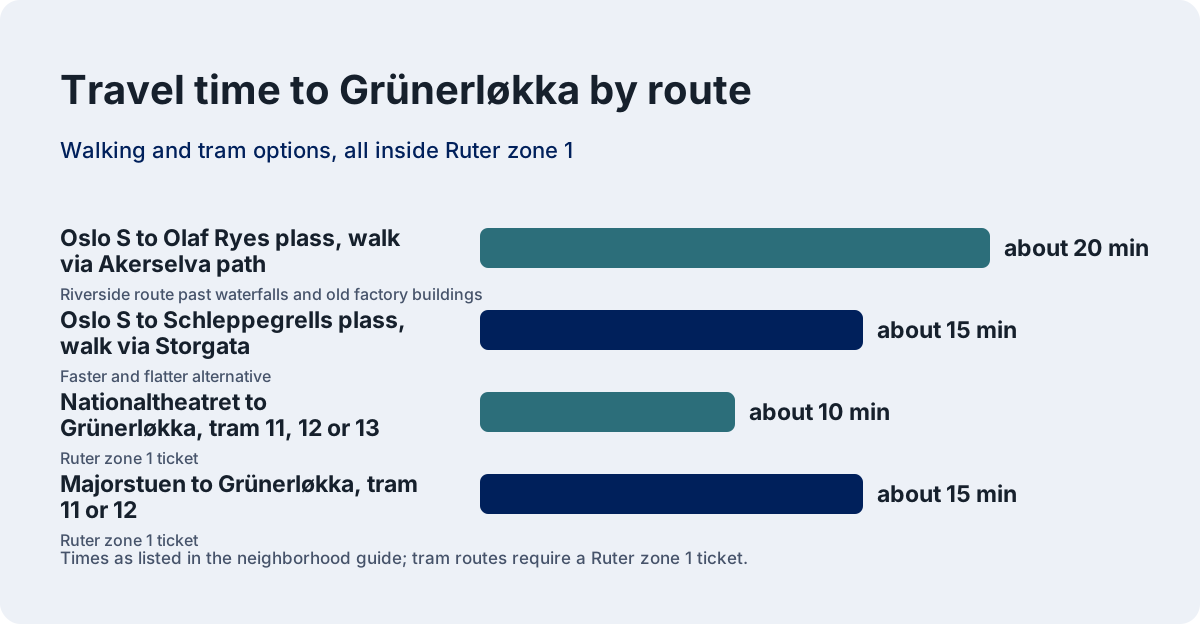
Grünerløkka is a 15 to 20 minute walk from Oslo Central Station, or a short ride on trams 11, 12 or 13 and buses along Thorvald Meyers gate, all inside Ruter zone 1, and the district is compact enough on foot that most visitors never use transit inside it at all. There is no gate, no ticket and no tour required to enter: this is a functioning residential neighborhood, and the practical question is only how to reach the top of Thorvald Meyers gate efficiently and how to leave when the evening ends.
The walking route is the one most worth taking, because it runs the length of the Akerselva. From Oslo S, the riverside path north past the Opera House district and up through Grønland delivers you to the southern edge of Grünerløkka in about 20 minutes at a normal pace, passing waterfalls and old factory buildings the whole way. The alternative, straight up Storgata, is faster and flatter. Either way, you arrive on foot, which is the right way to arrive, because the district's scale rewards walking and punishes nothing.
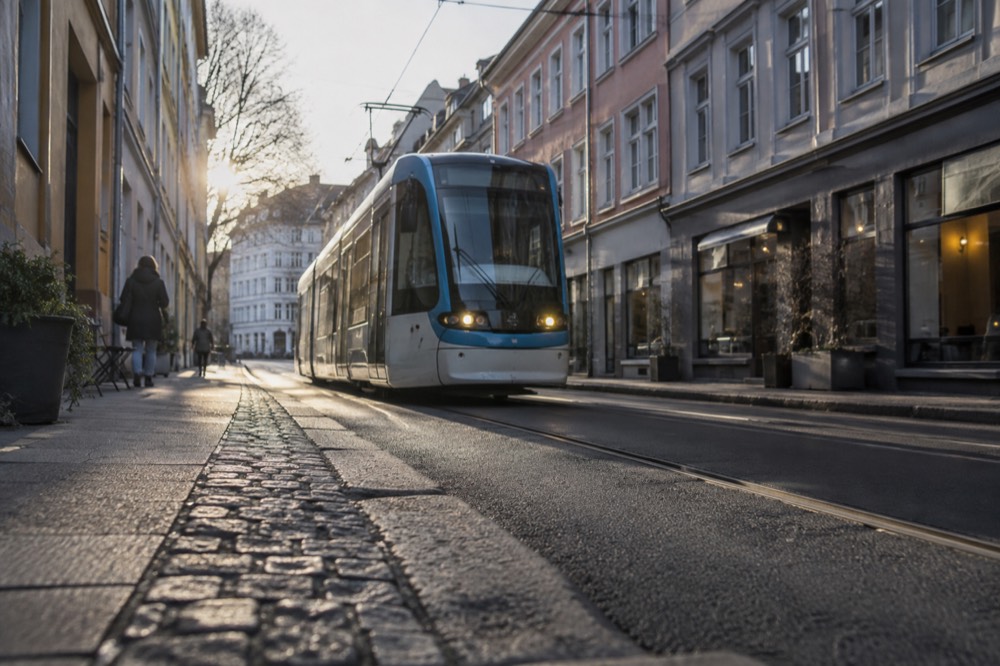
For transit, the Ruter system covers the district well. Trams 11, 12 and 13 all serve stops along the eastern edge and the spine, and the whole area sits inside zone 1, the same zone as the central station and the entire metro network. A single zone 1 ticket is valid for 60 minutes from activation, which is plenty for a one-way hop. Buy in the Ruter app rather than on board, because on-board purchases cost more, a rule Ruter states plainly. Our Ruter tickets explained guide covers fares, zones and the app in full, and the getting around Oslo overview puts the trams in context with the metro and ferries.
One caution that catches visitors every year: the two Oslo boat systems do not serve this district, and confusing them wastes real time. The Bygdøy museum ferry leaves from Rådhusbrygge 3 and does not accept Ruter tickets at all, while the island ferries B1, B1X and B2 leave from Aker Brygge and ride on an ordinary zone 1 ticket. Neither goes anywhere near Grünerløkka, so if someone in your group has boats on the itinerary, sequence them separately, before or after, not as part of the same movement.
| Route to Grünerløkka | Method | Time | Ticket |
|---|---|---|---|
| Oslo S to Olaf Ryes plass | Walk via Akerselva path | about 20 min | none |
| Oslo S to Schleppegrells plass | Walk via Storgata | about 15 min | none |
| Nationaltheatret to Grünerløkka | Tram 11, 12 or 13 | about 10 min | Ruter zone 1 |
| Majorstuen to Grünerløkka | Tram 11 or 12 | about 15 min | Ruter zone 1 |
| Anywhere in zone 1 | Single ticket validity | 60 minutes from activation | buy in app |
If you are staying on the west side, in Frogner or Majorstuen, the tram is genuinely the better call: the walk across the center is pleasant but long, and the tram drops you at the top of the commercial strip with the whole district downhill and ahead of you.
What Should You Actually Do in Grünerløkka?
The four things that justify the trip are the Mathallen food hall at Vulkan, the riverside walk along the Akerselva, the vintage and secondhand shops along Thorvald Meyers gate, and simply sitting in one of the squares with a coffee while the neighborhood moves around you. None of these needs a ticket, a booking or a schedule, which is exactly why Grünerløkka works as the low-structure counterweight to a museum-heavy Oslo day. You can do all four in a half day, or stretch the same list across a full lazy one.
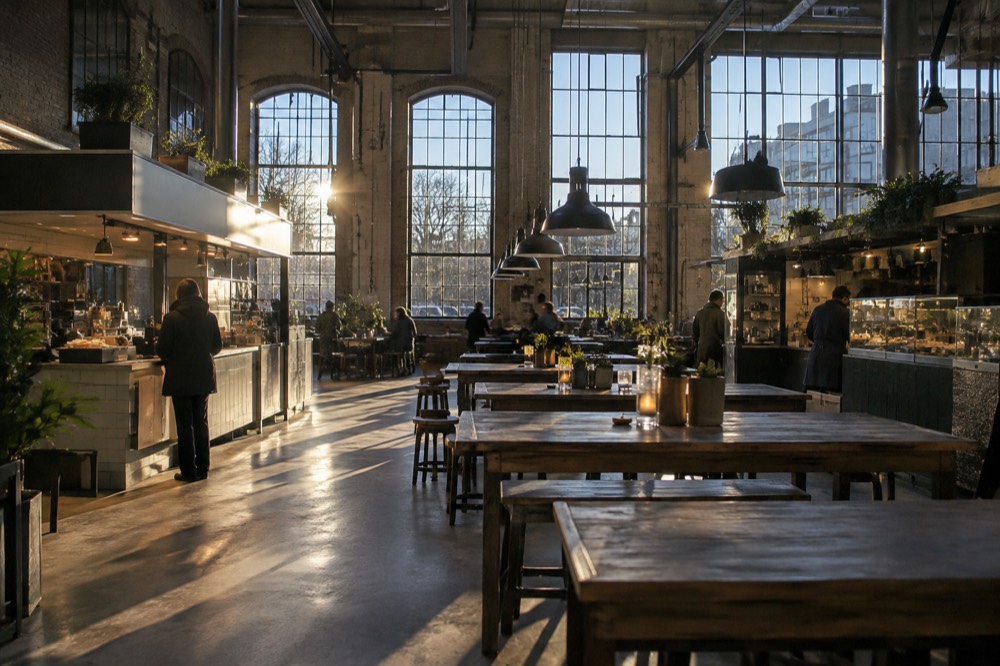
Mathallen Oslo is the anchor. It is a food hall installed in the converted Vulkan ironworks buildings, where the old foundry floors now hold specialist counters: seafood, cheese, baked goods, coffee roasters and small restaurant stands. It opens early and runs into the evening, and it functions as both a breakfast stop and a grazing lunch. The building itself, brick vaults and industrial iron, is half the reason to go. Our Mathallen food hall guide covers the stalls, the hours and the surrounding Vulkan complex in detail, including the food hall's place in the wider Oslo food scene.
The Akerselva walk is the second pillar, and it is free in both senses. The path runs the river's length, and the stretch bordering Grünerløkka passes the old industrial sites, the waterfalls at Mølla and Hønse-Lovisas hus, a preserved worker's cottage that now serves as a cafe and cultural stop. South of the district the river continues toward Grønland and the mouth at Bjørvika near the MUNCH museum, whose adult admission is 280 NOK with free entry for anyone 17 or under. North of the district the path climbs toward Nydalen through greener stretches. The full riverside walk from Nydalen to the fjord is about 8 km, and the Grünerløkka section is the most built-up and most interesting third of it.
Beyond those two, the district's texture is the attraction. The squares, Olaf Ryes plass and Schleppegrells plass, hold cafes with outdoor seating from spring through early autumn. The vintage shops cluster along Thorvald Meyers gate and its side streets, and the Oslo shopping guide compares them with the rest of the city's retail. Street art is dense here too, and the best corners for photographing it sit just off the main spine on the painted side streets around Markveien.
A guided option exists for visitors who want the neighborhood decoded rather than discovered. The Grünerløkka food and culture walking tour walks the district with a local guide and stops to eat along the way, which suits a first evening in the city when you want both orientation and dinner solved at once.
For orientation on a first day, the free highlights walking tour covers the central landmarks and gives you the city's overall shape, after which Grünerløkka is an easy self-guided add-on using this page. It runs about two hours per the listing, it is tip-based, and it is the largest free walk in the city by review count.
| Activity | Type | Time needed | Cost basis |
|---|---|---|---|
| Mathallen food hall | food hall, self-guided | 1-2 hours | pay per item |
| Akerselva riverside walk | outdoor path, free | 1-3 hours | free |
| Olaf Ryes plass coffee stop | square, seating | 30-60 min | price of a coffee |
| Vintage and secondhand shops | retail strip | 1-2 hours | free to browse |
| Hønse-Lovisas hus | riverside culture stop | 20-30 min | free or low-cost |
| Grünerløkka food walk | guided, with tastings | 2h 30m | paid tour |
Where Do Locals Eat and Drink in Grünerløkka?
Grünerløkka is where Oslo's independent food scene concentrates: the Mathallen stalls and riverside restaurants for eating, a dense strip of specialty coffee roasters and bakeries for daytime, and more bars per block than any other district in the city for the evening. The honest framing for a visitor is that Grünerløkka is not where you find Oslo's Michelin-level tasting menus, those sit in the center and the west side, it is where you find the food the city actually eats on a Tuesday: tacos, pizza, burgers, seafood counters and bakery bread.
Coffee is a genuine local institution rather than a tourist amenity. The district holds several of the city's best-known roasters and espresso bars, and the standard is high enough that a wrong turn usually lands you somewhere good anyway. The Oslo coffee guide maps the roasteries and explains what to order, and the Oslo brunch guide covers the weekend queues, which are real and which locals treat as a scheduled activity rather than a nuisance.
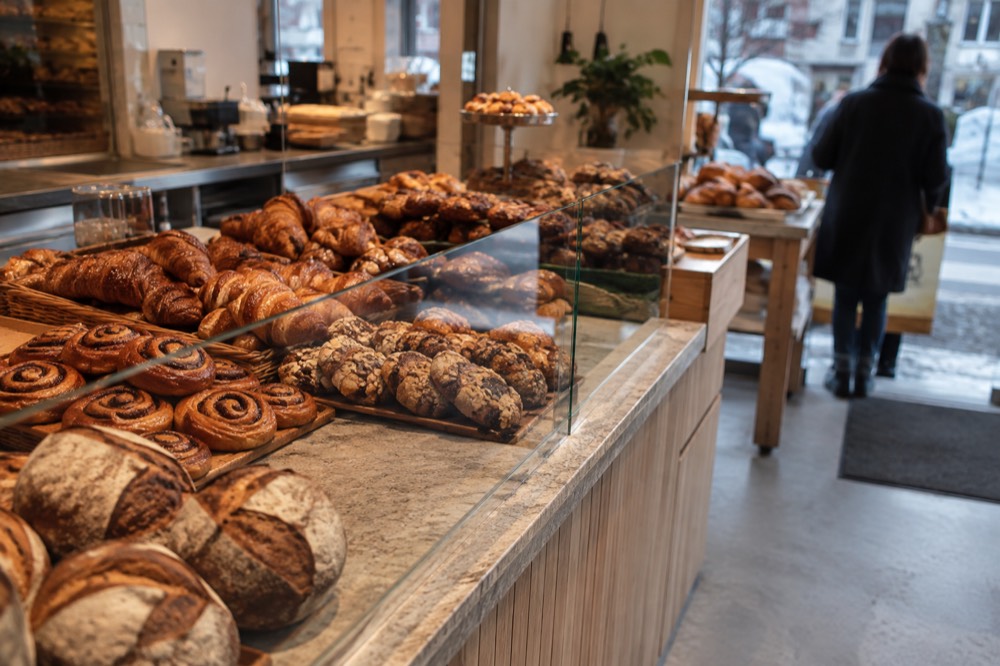
The evening is where the district separates itself. Bars run from quiet wine spots to late-night basements, and the strip around Olaf Ryes plass stays loud past midnight on weekends, something the rest of Oslo largely does not. The best bars in Oslo guide and the Oslo nightlife overview rank the options and flag which are locals' places and which have tipped touristward.
One Norwegian rule shapes every drinking decision here and belongs in this section once, stated plainly. Wine, spirits and anything above supermarket-strength beer can only be bought at Vinmonopolet, the state monopoly, which is closed every Sunday and on public holidays, closes early on Saturdays, and keeps varying weekday hours by store. Supermarkets sell only beer and cider up to 4.7% ABV, with a fixed evening cut-off on sales. Bars are unaffected and open as bars do. The practical consequence: if you want a bottle for a picnic in the park, buy it Friday, not Sunday.
| Meal or stop | Where in Grünerløkka | What to expect | Planning note |
|---|---|---|---|
| Breakfast or pastry | bakeries on Thorvald Meyers gate | cardamom buns, sourdough, espresso | queues on weekends |
| Grazing lunch | Mathallen stalls | seafood, cheese, small plates | pay per counter |
| Casual dinner | district restaurants | pizza, tacos, burgers, seafood | book on weekends |
| Coffee between stops | roasteries across the district | espresso, filter, roasted on site | most close by 18:00 |
| Evening drinks | bars around the squares | full range, late hours Fri-Sat | alcohol is the expensive item |
| Picnic supplies | supermarkets, or Vinmonopolet | beer to 4.7% only in shops | monopoly closed Sundays |
Is Grünerløkka Expensive?
Grünerløkka itself costs nothing to visit, and the district's free layer is unusually thick: the river walk, the squares, the street art and the window shopping are all genuinely free, while the paid layer, food and especially alcohol, carries Norway's highest price markups. The honest split is that walking Grünerløkka is one of the cheapest half-days in Oslo, while eating and drinking your way through it is one of the most expensive, because restaurants and alcohol are precisely the categories where Norway prices highest.
The verified numbers behind that statement come from Statistics Norway's 2025 purchasing-power survey, the official price-level comparison published in June 2026. Norway ranks as the sixth most expensive country in Europe. Household prices sit 28.6% above the EU average. Food and non-alcoholic drinks run 33% above the European average. Alcohol and tobacco cost more than double the European average. Those four figures explain Grünerløkka's entire price structure, and they are why the is Oslo expensive guide and the Oslo trip cost breakdown lead with categories rather than reassurance.
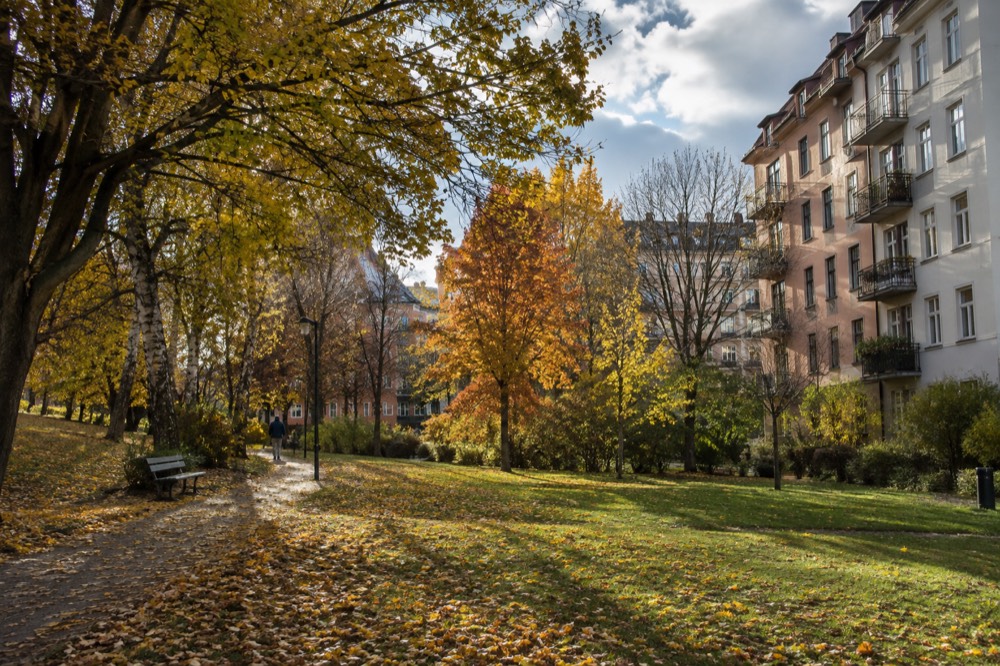
What this means on the ground, in planning terms rather than per-item prices, which vary by venue and season:
| Spending layer in Grünerløkka | Relative cost | Why |
|---|---|---|
| Walking, squares, river path, street art | free | public space, no ticket |
| Coffee and bakery stops | moderate | food category, 33% above EU average |
| Casual restaurant dinner | high | restaurant category, above EU average |
| Bar drinks | highest | alcohol, more than double EU average |
| Vintage shopping | varies | secondhand pricing, item by item |
| Guided food walk | premium tour tier | tastings and guide included |
The workarounds locals actually use are unglamorous and effective. Eat your main meal at lunch rather than dinner, when many restaurants run cheaper midday offers. Buy picnic supplies at a supermarket, beer only and within the strength limit, and eat in one of the parks or by the river. Treat one proper restaurant dinner as the splurge it is rather than the default. The Oslo on a budget guide and the Oslo cheap eats guide expand every one of these tactics with named venues.
Where Does Grünerløkka Fit in an Oslo Itinerary?
Grünerløkka fits best as a half-day block, either a relaxed morning of coffee, Mathallen and the river path, or an evening built around dinner and bars, and it pairs naturally with the Opera House and Bjørvika on the south end or a museum morning on the west side. Trying to do the district justice in a two-hour gap between attractions wastes it, because Grünerløkka's whole character is unhurried, and its best hours are the ones when nothing else is scheduled.
For a one-day visit, the sequence that works is landmarks first, east side after. Spend the morning on the Opera House roof, the waterfront and one museum, then cross the river mid-afternoon, walk up the Akerselva into the district, stop at Mathallen, and finish with dinner and an early bar stop before the tram back. The one day in Oslo itinerary builds exactly this shape hour by hour.
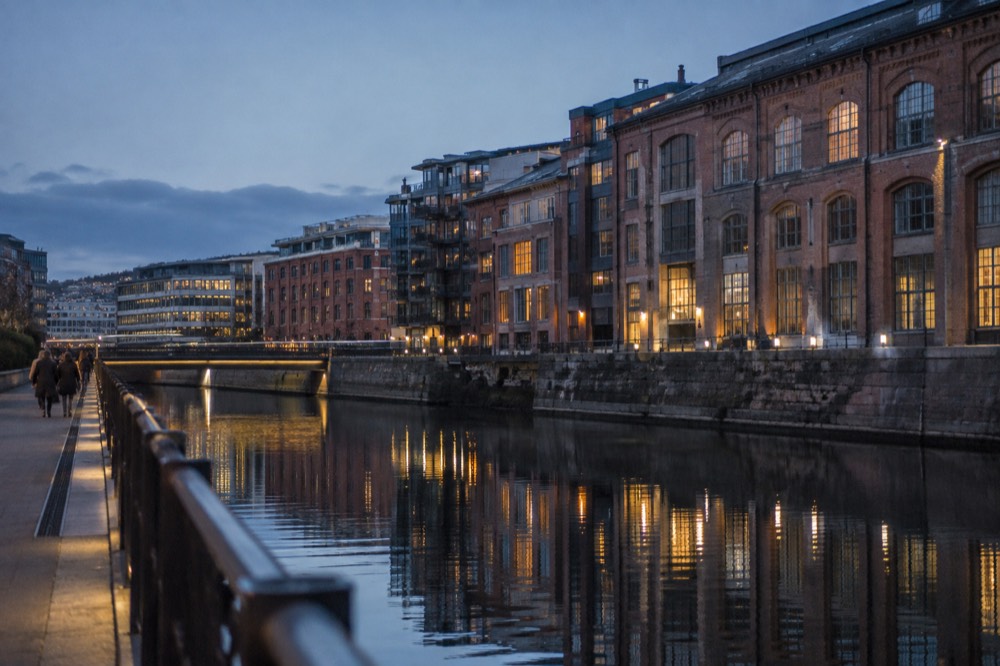
For two to five days, Grünerløkka earns a full block rather than a tag-on. On a longer stay you can give it a slow morning and return for a Saturday evening, which is when the squares are at their most alive. The 2 days in Oslo, 3 days in Oslo and weekend in Oslo itineraries all place it in the second half of the trip, after the unmissable center, and that ordering is deliberate: the district rewards visitors who already have their bearings.
If you want the neighborhood's history decoded rather than absorbed, a guided walk solves it. The central Oslo walking tour with a local guide covers the city's core and the stories behind it, and it leaves you oriented enough to cross into Grünerløkka on your own with a map you no longer need.
Staying in the district is a real option and many visitors now prefer it to the center. The trade is simple: fewer five-star hotels and waterfront views, more apartment rentals and small properties inside a neighborhood that stays open late. The where to stay in Oslo guide compares Grünerløkka against Frogner, Majorstuen, Sentrum and Aker Brygge on price, noise and walkability.
When Is the Best Time to Visit Grünerløkka?
Late May through early September is the best window for Grünerløkka, when outdoor seating fills the squares, the river path is at its greenest and daylight runs past 21:00, while December offers Christmas-market atmosphere and dark-afternoon coziness at the cost of short days and cold. The district's outdoor life is its signature, so the season genuinely changes what you get, more than in the museum-heavy center where a rainy day barely matters.
The daylight math is worth knowing before you plan an evening here. Oslo's day length swings from 5 hours 53 minutes on 21 December to 18 hours 50 minutes on 21 June, and in late June the sun sets at 22:43 with twilight rather than true darkness afterward. A June or July evening in Grünerløkka happens in full light until absurdly late, which is when the squares feel most like southern Europe. By late October the sun is down before 18:30 and the district shifts indoors. There is no midnight sun in Oslo, it does not exist this far south, but summer evenings here are genuinely long. The Oslo daylight hours guide has the full month-by-month table.
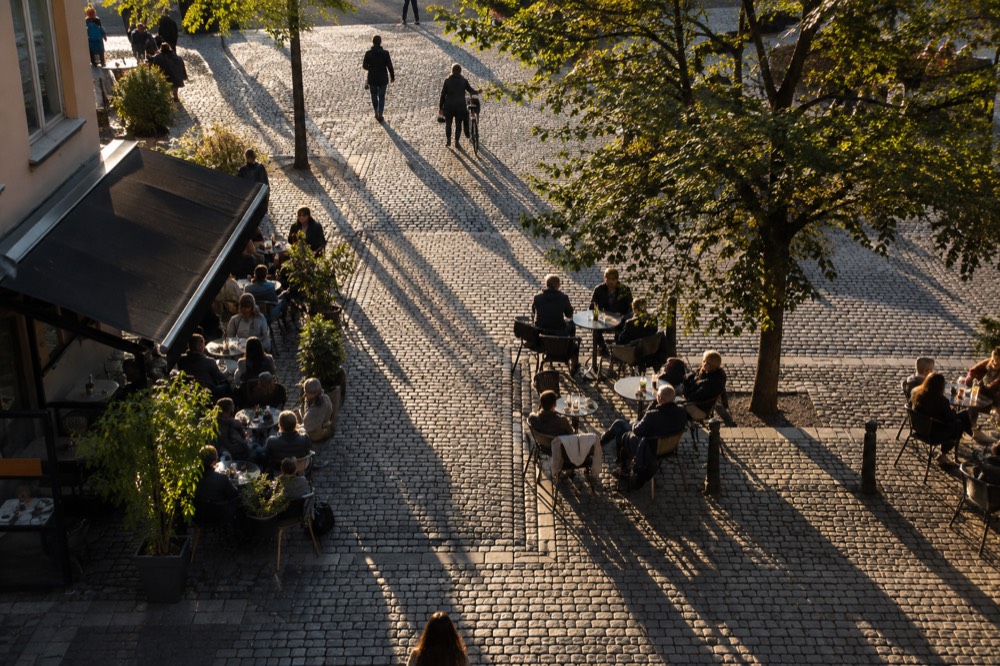
Rain matters less here than in most districts, and August is the month to plan around. August is Oslo's wettest month on the official 1991 to 2020 normals at 103 mm, ahead of the autumn months most visitors assume are the damp ones. The Oslo weather by month guide and the best time to visit Oslo guide break the year down properly, including the December case, when the Oslo Christmas market guide pairs with a cold-evening Grünerløkka bar stop as a complete dark-season day.
| Season | Grünerløkka experience | Daylight shape | Best use |
|---|---|---|---|
| Late May to early Sep | outdoor squares, river path in full leaf | light past 21:00 in midsummer | evening block, picnic |
| Sep to Oct | quieter, indoor cafes, autumn color | dark by 18:30 by late Oct | morning block, coffee crawl |
| Nov to Feb | dark afternoons, bars and bakeries | under 7 hours in deep winter | dinner plus one bar |
| Mar to May | thaw, thin crowds, first outdoor tables | rapid lengthening from March | unhurried half day |
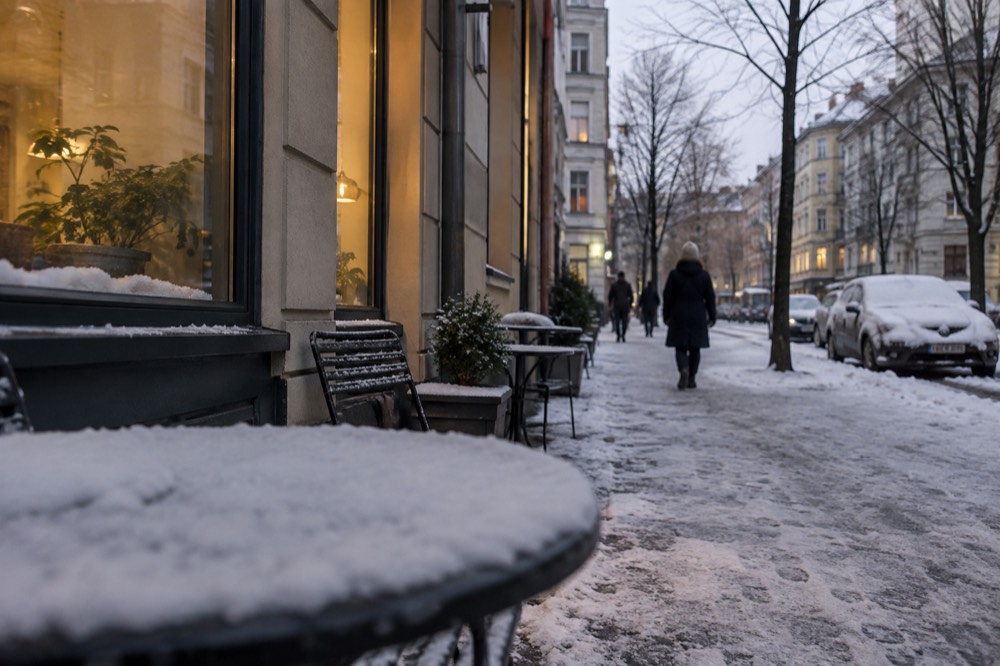
Whatever the season, the district asks for no ticket, no booking and no schedule, which is the final argument for putting it on the list. Grünerløkka is the part of Oslo that works when plans fall apart, and on most trips, at least one day falls apart.
Common Questions About Grünerløkka
What is Grünerløkka known for?
Grünerløkka is known for its independent cafes, bars, vintage shops and food halls inside preserved 19th century workers' housing and industrial buildings on the east bank of the Akerselva river. It is Oslo's densest neighborhood for locally owned food and drink businesses.
How far is Grünerløkka from Oslo city center?
Grünerløkka starts about 15 minutes on foot from Oslo Central Station, via Storgata, or about 20 minutes via the riverside path along the Akerselva. Trams 11, 12 and 13 connect the district to the center in around 10 minutes inside Ruter zone 1.
Is Grünerløkka worth visiting?
Yes, for most visitors it is the part of Oslo that feels most like a lived-in city rather than a planned capital. It costs nothing to walk, it holds the Mathallen food hall and the Akerselva river path, and it pairs well with any itinerary that has covered the center's landmarks.
Where should you eat in Grünerløkka?
Mathallen food hall at Vulkan is the anchor for grazing, the bakeries along Thorvald Meyers gate cover breakfast and coffee, and the district's casual restaurants handle dinner. Wine and spirits for a picnic can only be bought at Vinmonopolet, which is closed on Sundays.
When is the best time to visit Grünerløkka?
Late May through early September, when outdoor seating fills the squares and daylight lasts past 21:00. December works for a cozy dark-season evening, but Oslo's winter days run under six hours of daylight, so plan the visit for the afternoon rather than the evening.
Can you walk from Grünerløkka to the Oslo Opera House?
Yes. Following the Akerselva south from Grünerløkka brings you to the river mouth at Bjørvika near the Opera House in roughly 30 to 40 minutes at a relaxed pace, passing waterfalls and old industrial sites the whole way.