Weekend in Oslo: A Two-Day Plan That Actually Works
Two days is enough for a genuinely full Oslo weekend, if you book the fjord trip, cluster the museums and know which trains and ferries your ticket actually covers.
Short answer
A weekend in Oslo works best as Friday evening downtown, Saturday split between the Oslofjord and Bygdøy, and Sunday for the free sights and one deeper museum. Budget roughly 580 NOK per adult for a 24-hour Oslo Pass covering transport and the museum peninsula, plus one fjord cruise.
What Does a Perfect Weekend in Oslo Look Like?
A great Oslo weekend is Friday evening downtown, Saturday split between the Oslofjord and the Bygdøy museum peninsula, and Sunday for the free icons and one big art museum. The city is compact enough that no day needs more than two anchors, and the single biggest planning decision is transport: a 24-hour Oslo Pass at 580 NOK covers both the museum peninsula and the public ferries, which is what makes a two-day plan run without a car.
Oslo rewards visitors who treat it as a city of five or six clusters rather than one continuous center. The Opera House, Karl Johans gate, Aker Brygge and the waterfront sit within a fifteen-minute walk of each other, which is your Friday evening sorted. Bygdøy, Holmenkollen and Ekebergparken each need dedicated trips, and the Oslofjord islands are a boat ride from Aker brygge on an ordinary Ruter ticket.
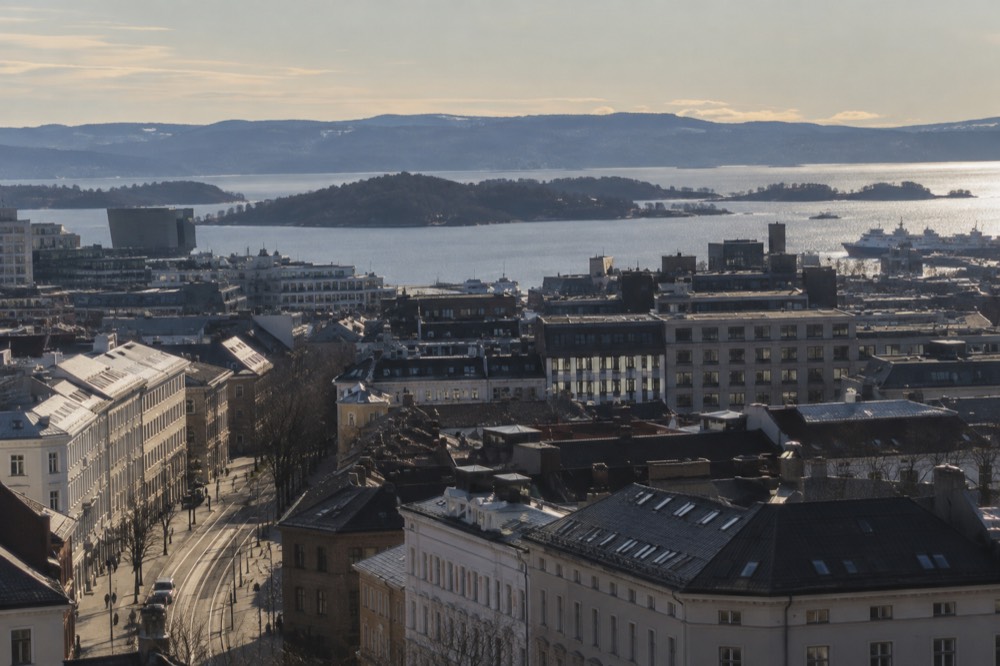
Two days is a genuinely good fit for the city. Our fuller two days in Oslo itinerary goes deeper on hour-by-hour routing if you have the appetite for it, while this page focuses on the weekend-specific decisions: what to book ahead, what to skip, and where the money actually goes.
The honest caveat: one weekend cannot include a northern lights hunt. Oslo sits at 59.9 N, well south of the auroral oval, and the city's light pollution and cloud cover make a sighting rare enough that no operator sells a tour from here. If aurora is the goal, Tromso is a separate trip.
How Should You Spend Friday Evening in Oslo?
Arrive, drop bags, and walk the waterfront from the Opera House roof to Aker Brygge, ideally with a fjord cruise before dinner. The Opera House roof is free to walk on at any hour, the Munch museum at Bjørvika stays open until 21:00 Wednesday through Saturday, and the evening shrimp-buffet cruise runs three hours from the city-center piers, which lands you back in time for a late dinner.
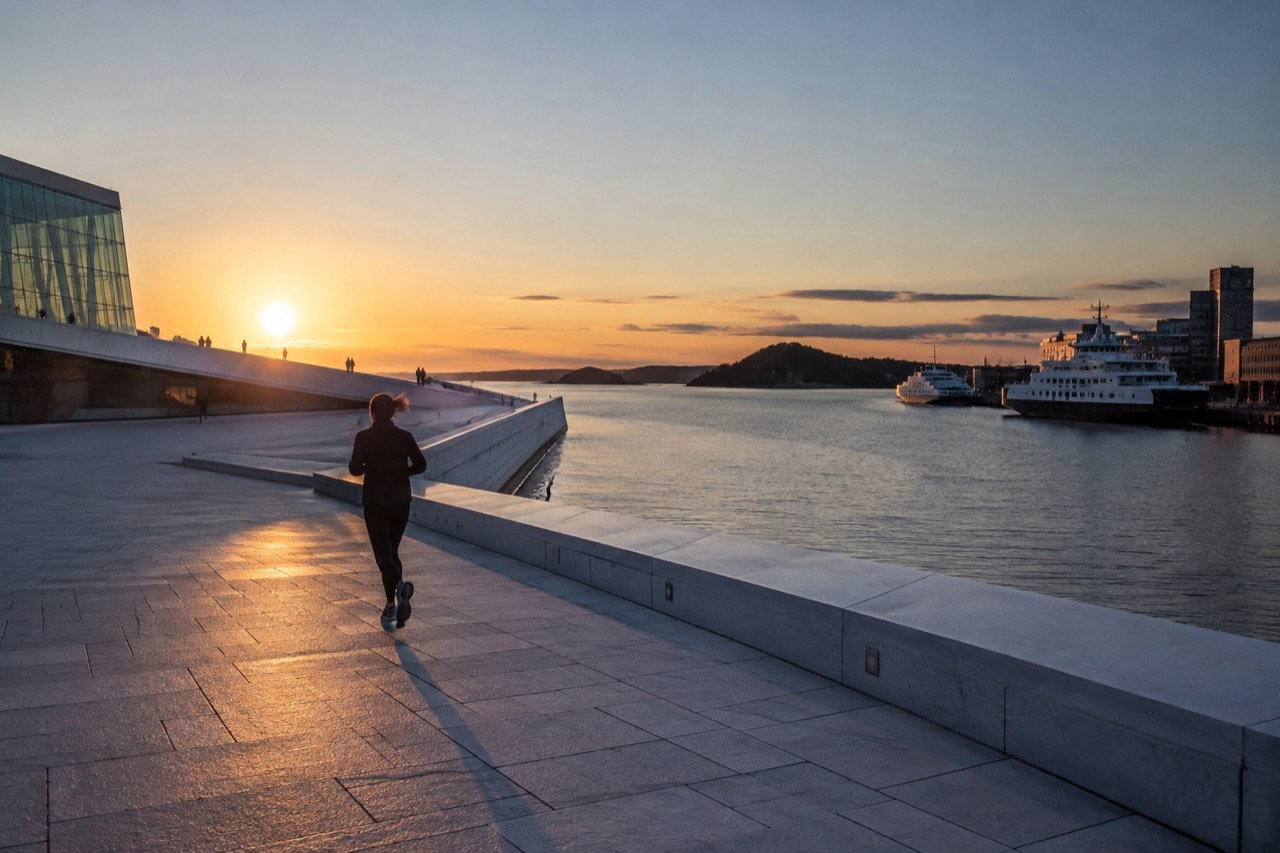
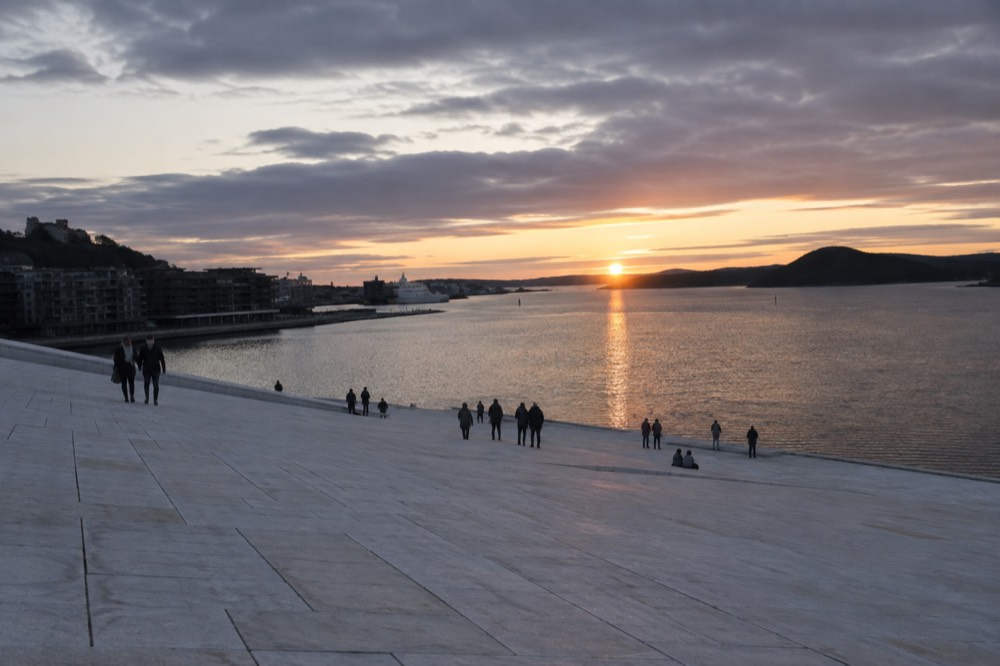
Friday evening is Oslo at its most generous, and almost none of it needs a booking made weeks ahead. Start at Operahuset and walk up the marble slope: the roof is public space, no ticket, and the view down the Bjørvika waterfront is the best free orientation in the city. From there it is a fifteen-minute walk along the water to Aker Brygge, where the island ferries and the Bygdøy ferry leave from separate piers, a distinction that matters tomorrow.
If your flight lands in time for a proper evening, the classic Friday move is a fjord dinner cruise. The shrimp buffet is a Norwegian institution rather than a generic tourist dinner: three hours on the water, seasonal shrimp, and a slow loop past the island chain. Check availability through the operator's listing once your arrival time is fixed.
For a quieter Friday, the myths-and-legends evening walking tour is the product Oslo genuinely needs from October through March, when darkness falls early and the city center turns atmospheric. At two hours it is short enough to follow with dinner anywhere in the Sentrum streets.
The city-center food walks also run evening departures on many dates, and they double as dinner: three hours of Norwegian tasting stops in the streets between the cathedral and the water, guided, which solves the "where do I even eat tonight" problem on night one.
Is the Oslo Pass Worth It for a Weekend?
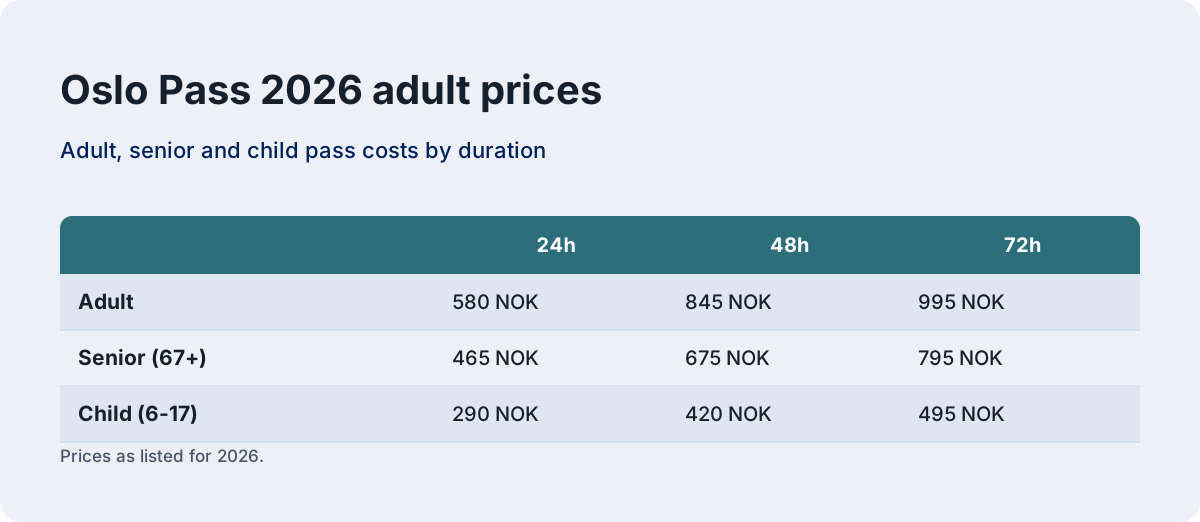
For a Saturday built around Bygdøy, yes, clearly. The 24-hour adult pass costs 580 NOK and covers more than 30 museums plus Ruter transport in zones 1 through 4N, including the Vy airport trains and the Bygdøy ferry, which ordinary Ruter tickets do not cover. Three Bygdøy museums alone at full price total 560 NOK before any transport, so the pass pays for itself on the museum peninsula alone.
The pass arithmetic for a weekend is straightforward because the museum peninsula does the heavy lifting. Kon-Tiki at 180 NOK, the Fram Museum at 180 NOK and the Norwegian Maritime Museum, plus the pass covering the boat out there, stack up fast. The combination ticket for Kon-Tiki plus Fram plus the Maritime Museum is 485 NOK adult, still short of the pass once you add any transport at all.
| Oslo Pass, 2026 adult prices | 24h | 48h | 72h |
|---|---|---|---|
| Adult | 580 NOK | 845 NOK | 995 NOK |
| Senior (67+) | 465 NOK | 675 NOK | 795 NOK |
| Child (6-17) | 290 NOK | 420 NOK | 495 NOK |
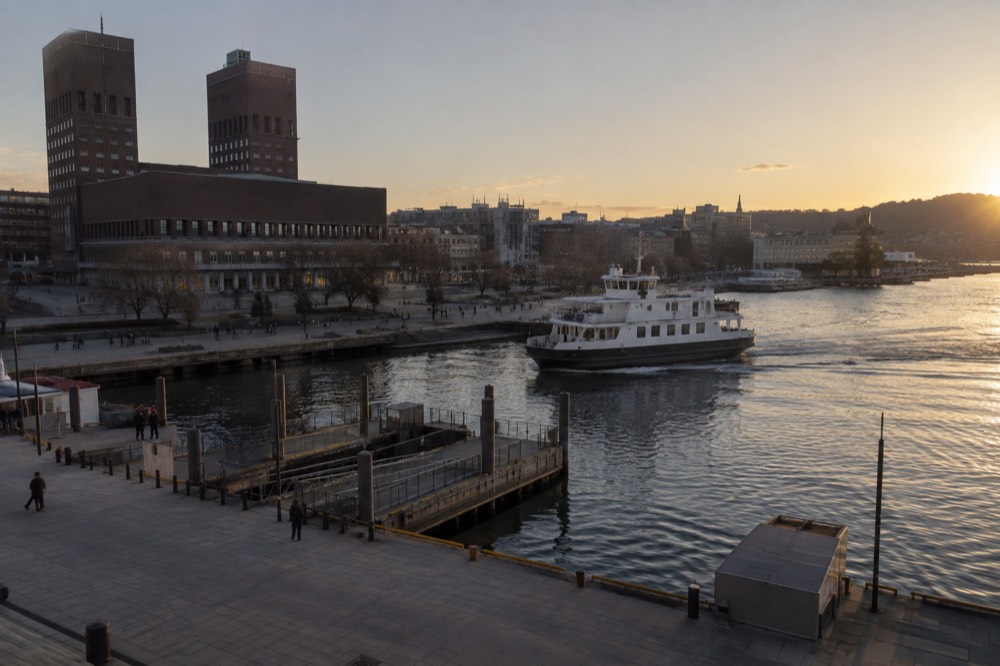
Two transport details decide the value for most weekend visitors. First, the pass covers the Vy trains to and from Oslo Airport Gardermoen but not Flytoget, the 268 NOK airport express, so a Saturday-morning arrival can start the pass clock on the train in. Second, Ruter tickets are not valid on the Bygdøy ferry, but the Oslo Pass is, and that ferry runs from Rådhusbrygge 3 every 20 minutes in season.
If your weekend is lighter on museums, the alternative is paying as you go: a Ruter ticket covers the island ferries and bus 30 to Bygdøy year-round, and the biggest free sights, Vigeland Park and the Opera House roof, need no ticket at all. Our free things to do in Oslo guide covers that lighter weekend in full.
What Should You Do on Saturday in Oslo?
Make Saturday the two-anchor day: a morning fjord cruise, then an afternoon on Bygdøy's museums, connected by the ferry from the city-center piers. The 90-minute silent electric boat is the best-reviewed activity in the city, the guided premium version doubles the time with commentary, and both dock within walking distance of the Rådhusbrygge pier where the Bygdøy ferry leaves.
The fjord is the thing Oslo has that other capitals do not, and Saturday morning is when the water is calmest. The electric sightseeing boat is the default choice: silent, 90 minutes, an audio guide doing the commentary, and a route through the inner islands. The traditional wooden sailing ship is a completely different experience for the same time budget, canvas up, engine off where the wind allows, and it suits visitors who want the fjord to feel like a voyage rather than a tour.
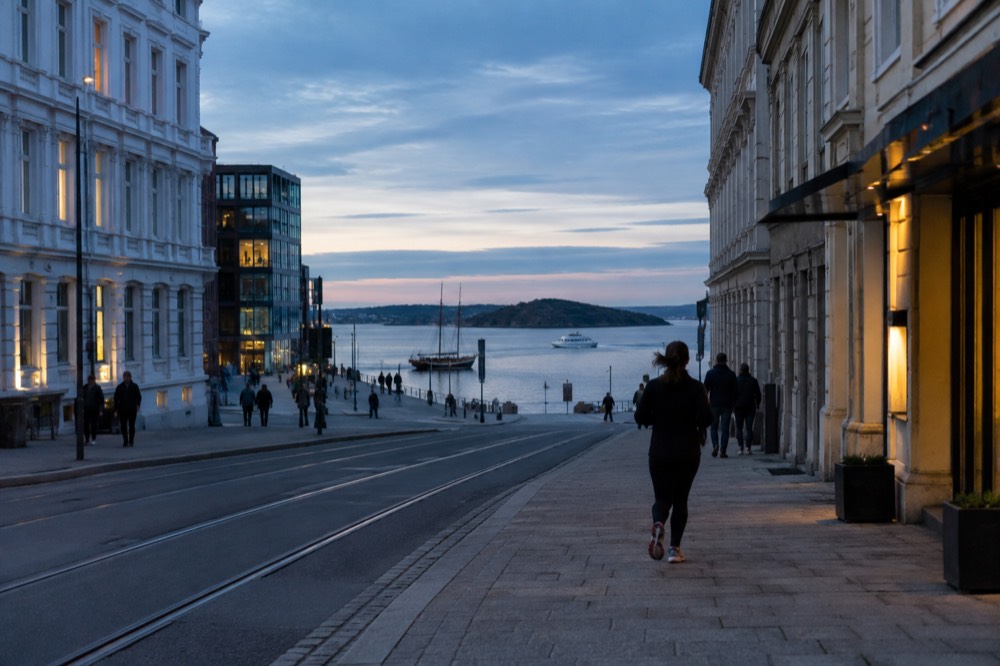
Whichever boat you take, plan lunch back at Aker Brygge or the food hall at Vika, then catch the Bygdøy ferry from Rådhusbrygge 3, which the Oslo Pass covers. Out of season, bus 30 runs the same route year-round on an ordinary Ruter ticket.
If you would rather compress the whole city into one guided day, the full-day bus-plus-fjord combination exists for exactly that: seven and a half hours, the land landmarks by coach, the fjord by boat, the standard one-day package for first-timers. It trades flexibility for coverage, which is a reasonable trade on a weekend with only two full days in it.
For the afternoon, Vigeland Park is the other strong Saturday pairing if museums feel heavy. The sculpture park is free, open around the clock all year, more than 200 sculptures across a park you can cross in an hour, and the guided art walk exists for visitors who want the sculpture explained rather than just encountered.
How Do You Cover Bygdøy's Museums in One Afternoon?
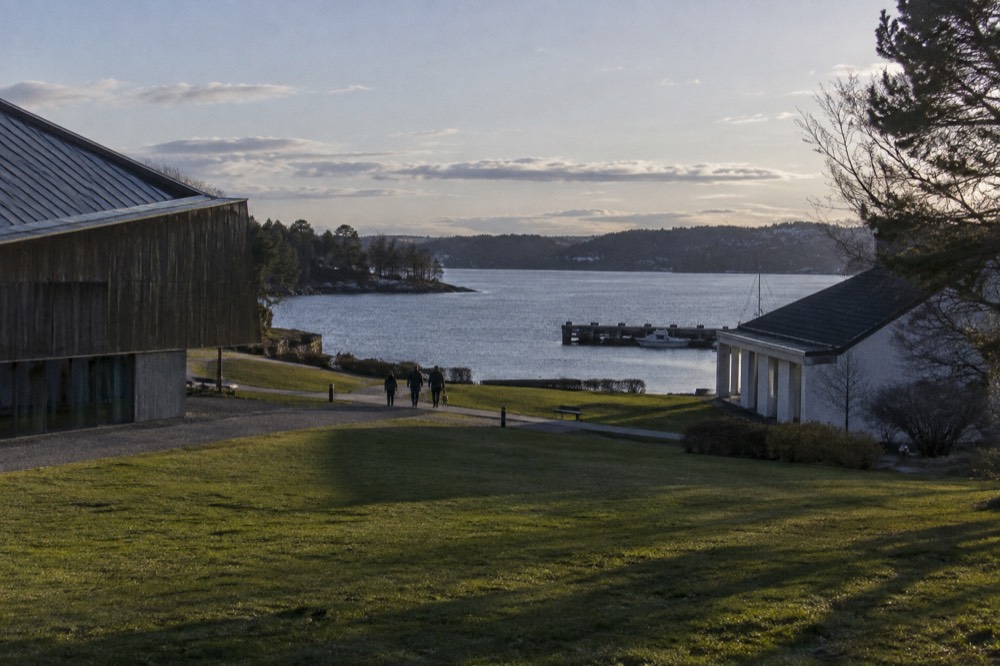
Take the ferry to Dronningen or Bygdøynes and pick two or three museums, not five. Kon-Tiki and the Fram Museum sit together at Bygdøynes, both cost 180 NOK adult with a 325 NOK combination ticket for both, and the Norwegian Cultural History museum at Dronningen is the peninsula's half-day commitment. The former Viking Ship Museum is closed until 2027, so Viking Planet in the city center is the honest substitute for that part of the story.
Bygdøy punishes greed. The museums sit at two different ferry stops roughly 15 to 25 minutes apart on foot, and each of the big three deserves 90 minutes or more. The pairing that works best in an afternoon is Kon-Tiki and Fram, the raft and the polar ship, two adjacent buildings telling one continuous story of Norwegian exploration. The Kon-Tiki ticket is the best-reviewed museum ticket in the city, and Fram's whole ship, interiors included, is the more atmospheric of the two buildings.
| Bygdøy museum | Adult entry | Hours | Nearest ferry stop |
|---|---|---|---|
| Kon-Tiki Museum | 180 NOK | Open all year | Bygdøynes |
| Fram Museum | 180 NOK | Oct-Apr 10:00-17:00, May-Sep 09:30-18:00 | Bygdøynes |
| Norwegian Cultural History | 200 NOK | Daily 10:00-17:00 | Dronningen |
| Kon-Tiki + Fram combo | 325 NOK | Both open all year | Bygdøynes |
| Kon-Tiki + Fram + Maritime | 485 NOK | Seasonal, check sites | Bygdøynes |
The Viking closure catches a lot of weekend visitors. The Museum of the Viking Age has been shut since 2021 and reopens in 2027, with no month published, and the ships are being moved into the new building. Some Viking-age objects are on display at the Historical Museum in the city center, and the ticketed Viking Planet attraction covers the era through film and VR for visitors who want more than that.
Our Museum of the Viking Age page covers the closure and the reopening timeline in detail, and the one day in Oslo itinerary shows how the peninsula fits a single-day plan when Saturday is all you have.
What Should You Do on Sunday in Oslo?
Sunday is the free-sight day: Vigeland Park in the morning, the Akershus Fortress grounds and the harbor promenade at midday, and one art museum before it closes, with the city operating at a slower, quieter pace. Shops and most supermarkets run reduced hours or stay shut, alcohol sales are off entirely, and the cafes, museums and waterfront carry the day.
Norway's Sunday quiet is real and it shapes the itinerary. Vinmonopolet, the state wine and spirits monopoly, is closed every Sunday, and supermarkets are limited to what they already have on the shelves, so Saturday evening is the moment to sort supplies. What stays fully alive is the waterfront, the parks and the museums, several of which open at 10:00.
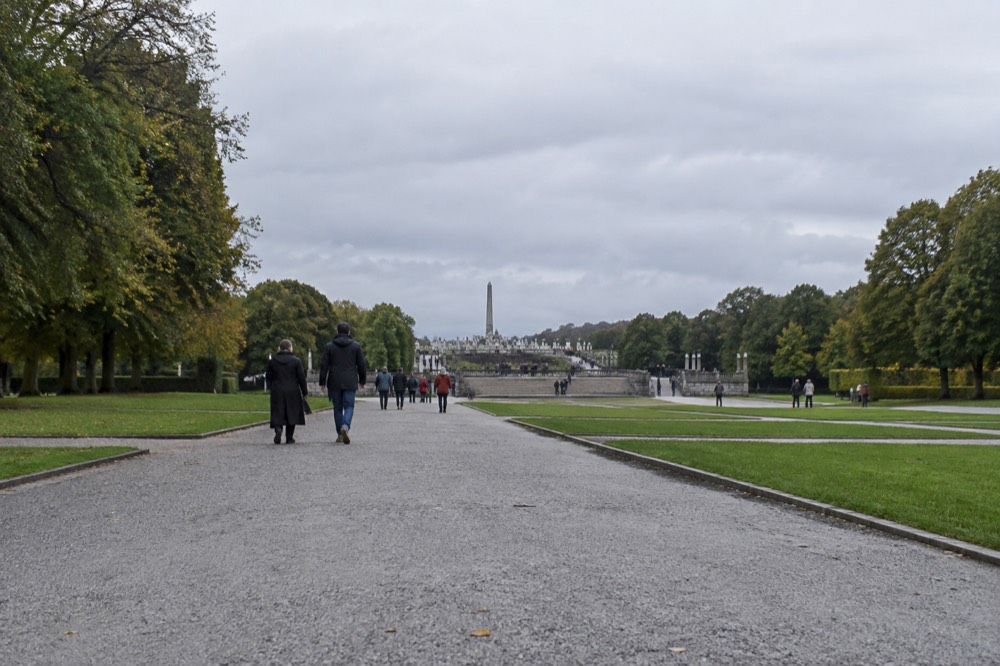
The strongest Sunday structure starts at Frogner. Walk Vigelandsparken while it is quiet, take the metro up toward Holmenkollen if the sky is clear, then come back down for a late museum stop. The National Museum holds The Scream and is the flagship art stop; MUNCH in Bjørvika is the other candidate, open into the evening Wednesday through Saturday but closing at 18:00 on Sunday. MUNCH costs 280 NOK adult, 200 NOK after 18:00 on the late days, and under-25s pay 100 NOK.
| Sunday stop | Cost | Notes |
|---|---|---|
| Vigeland Park | Free | Open 24 hours, all year |
| Akershus Fortress grounds | Free | Outdoor areas always accessible |
| Opera House roof | Free | Public space, no ticket |
| MUNCH | 280 NOK adult | Sun closes 18:00, under-25s 100 NOK |
| Oslofjord island ferry | Ordinary Ruter ticket | B1 runs year-round from Aker brygge |
If the weather holds, the alternative Sunday is the islands. The B1 ferry circles Hovedøya, Gressholmen and the others on a regular Ruter ticket, Hovedøya carries a ruined Cistercian abbey, and the boats leave from Aker brygge, not the city-hall pier where the Bygdøy ferry docks. In winter, the torchlit forest walk with a campfire is the Sunday activity that makes a cold weekend feel deliberate rather than endured.
How Much Does a Weekend in Oslo Cost?
The weekend's biggest costs beyond flights and lodging are the 580 NOK Oslo Pass, one booked fjord cruise and restaurant dinners, and the split between cheap and expensive is sharp. Norway's statistics office prices the country sixth in Europe overall, alcohol and tobacco at more than double the European average and food 33 percent above it, while museums, transport and the outdoors sit at the cheap end.
Cost is where Oslo's reputation does the most damage, because the averages hide a split. Statistics Norway's 2025 price-level comparison puts household prices 28.6 percent above the EU average, food 33 percent above, and alcohol and tobacco more than double. But that same structure means a weekend built on museums, ferries, parks and the fjord is far cheaper than one built on restaurants and bars.
| Line item, one adult | Typical cost | Notes |
|---|---|---|
| 24-hour Oslo Pass | 580 NOK | Museums plus all Ruter zones 1-4N |
| Fjord sightseeing cruise | Booked tour price | 90 minutes to 3 hours |
| Vy airport train, one way | Zone-based Ruter fare | Pass covers it; Flytoget is 268 NOK and is not covered |
| MUNCH entry | 280 NOK | 100 NOK under-25 |
| Mid-range dinner, one | Well above EU average | Alcohol is the multiplier |
| Vigeland Park, Opera roof, islands' trails | Free | The outdoors is the budget anchor |
The practical levers, in order of impact: buy beer and wine at the airport duty-free on arrival rather than in town, take the Vy train rather than Flytoget from Gardermoen, and let the Oslo Pass absorb the museum peninsula. Our is Oslo expensive and Oslo trip cost pages itemize this at full length, and the site's whole budget stack, including cheap eats, is linked from there.
Where Should You Stay for a Weekend in Oslo?
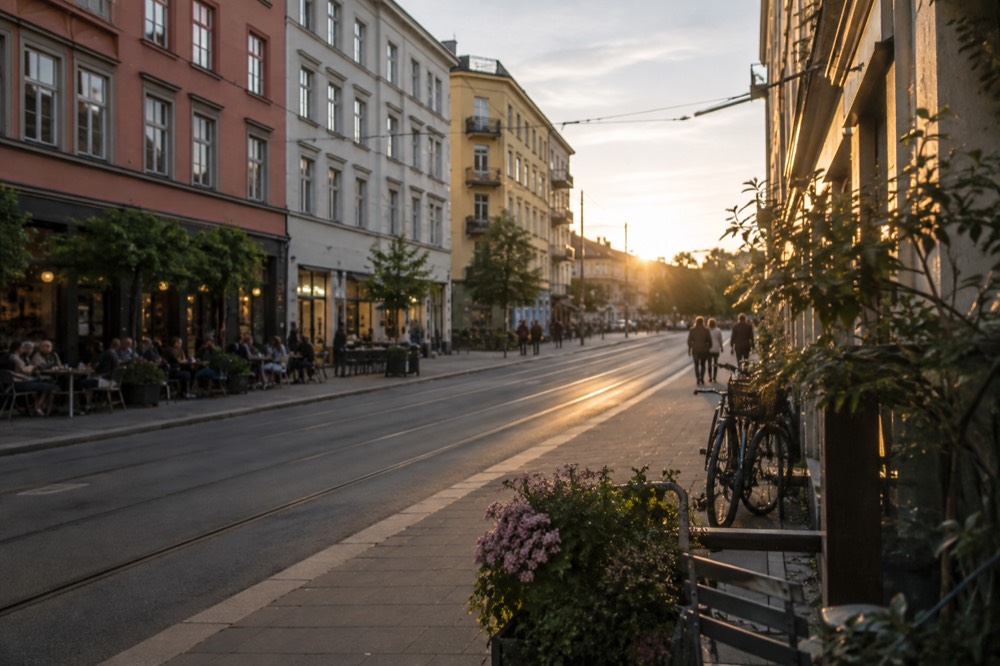
Stay inside the Sentrum-to-Aker-Brygge band or across the river in Grünerløkka: both put the waterfront, the Opera House and the Friday-evening walk within ten minutes on foot, and every ferry and tour departure point is reachable without a transfer. A weekend is too short to spend commuting, and Oslo's spread-out sights all radiate from this one central band.
The trade-off is noise versus character. Sentrum and the harbor put you at the center of the Friday and Saturday evening action and steps from the piers. Grünerløkka, the old workers' district east of the Akerselva river, trades that for cafes, the food-and-drink streets and a ten-minute walk back over the bridge, and it is where the neighborhood food tour runs. Frogner and Majorstuen are quieter, museum-adjacent, and one tram from everything.
Book ahead for the weeks that matter. The whole-city guide to where to stay in Oslo covers each neighborhood in depth, and the timing question is its own subject: our best time to visit Oslo page explains why the shoulder months buy you lower rates with the daylight already long. The planning stack on Oslo Travel Guide pulls the weekend decisions, transport and booking questions together in one place.
One structural note worth knowing before you book anything: Norway is in the Schengen Area but not in the European Union, in the EEA via EFTA, and it uses the krone, not the euro. That combination is why duty-free allowances apply arriving from EU countries and visitors can claim VAT refunds on qualifying purchases, a real saving on a weekend with any shopping in it.
If you want a plan that holds your hand through the logistics, the small-group highlights walk capped at ten people is the middle option between the cheap group walk and a private guide.
Common Questions About a Weekend in Oslo
Is a weekend in Oslo enough?
Two full days covers the fjord cruise, the Bygdøy museum peninsula, Vigeland Park, the Opera House and one major art museum, which is the honest core of the city. A third day buys you the Oslofjord islands, Holmenkollen or a day trip, so a long weekend is the comfortable version rather than the necessary one.
What is the best month for a weekend in Oslo?
May through September, when the Bygdøy ferry is running, the island ferries are at full frequency and daylight runs from 17 hours in mid-May to 18 hours 50 minutes at the solstice. August is the wettest month on the 1991-2020 normals at 103 mm, so pack for showers even in high summer.
Can you see the northern lights on an Oslo weekend?
No, not as a bookable plan. Oslo sits at 59.9 N, well south of the auroral oval, and no northern lights tour exists from the city. A sighting here needs a strong geomagnetic storm, a clear sky and a dark spot, a combination that arrives a handful of times a year. Tromso is the separate trip for aurora.
Is the Viking Ship Museum open on a weekend in Oslo?
It is closed, and has been since 2021. It will reopen as the Museum of the Viking Age in 2027, with no month confirmed. Viking-age objects are displayed at the Historical Museum in the city center, and Viking Planet is the ticketed substitute meanwhile.
Do you need to book the fjord cruise in advance?
For a weekend, yes, ideally a few days out, because the popular departures, especially the evening shrimp cruise and the small electric boats, fill first on summer weekends. Free-cancellation booking lets you hold a slot before you know the weather.
Is Oslo walkable over a weekend?
The center, the waterfront, Grünerløkka and Frogner are all walkable, and the big outliers, Bygdøy, Holmenkollen and the islands, are each one short ferry, bus or metro ride away. A weekend needs feet plus the Ruter network, not a car.