Kon-Tiki Museum Oslo: Tickets, Combos and How to Plan a Visit
The Kon-Tiki Museum stands at the water's edge on Bygdøynes, holding the expedition vessels of Thor Heyerdahl. Here is what entry costs in NOK, how the ferry and bus 30 actually work, and how to pair it with the rest of the museum peninsula.
Short answer
Adult entry to the Kon-Tiki Museum costs 180 NOK, with children aged 6 to 17 at 70 NOK and a family ticket at 400 NOK. The museum is open all year at the Bygdøynes pier, ten minutes by seasonal ferry from Rådhusbrygge 3, and the Oslo Pass covers it along with the rest of the Bygdøy cluster.
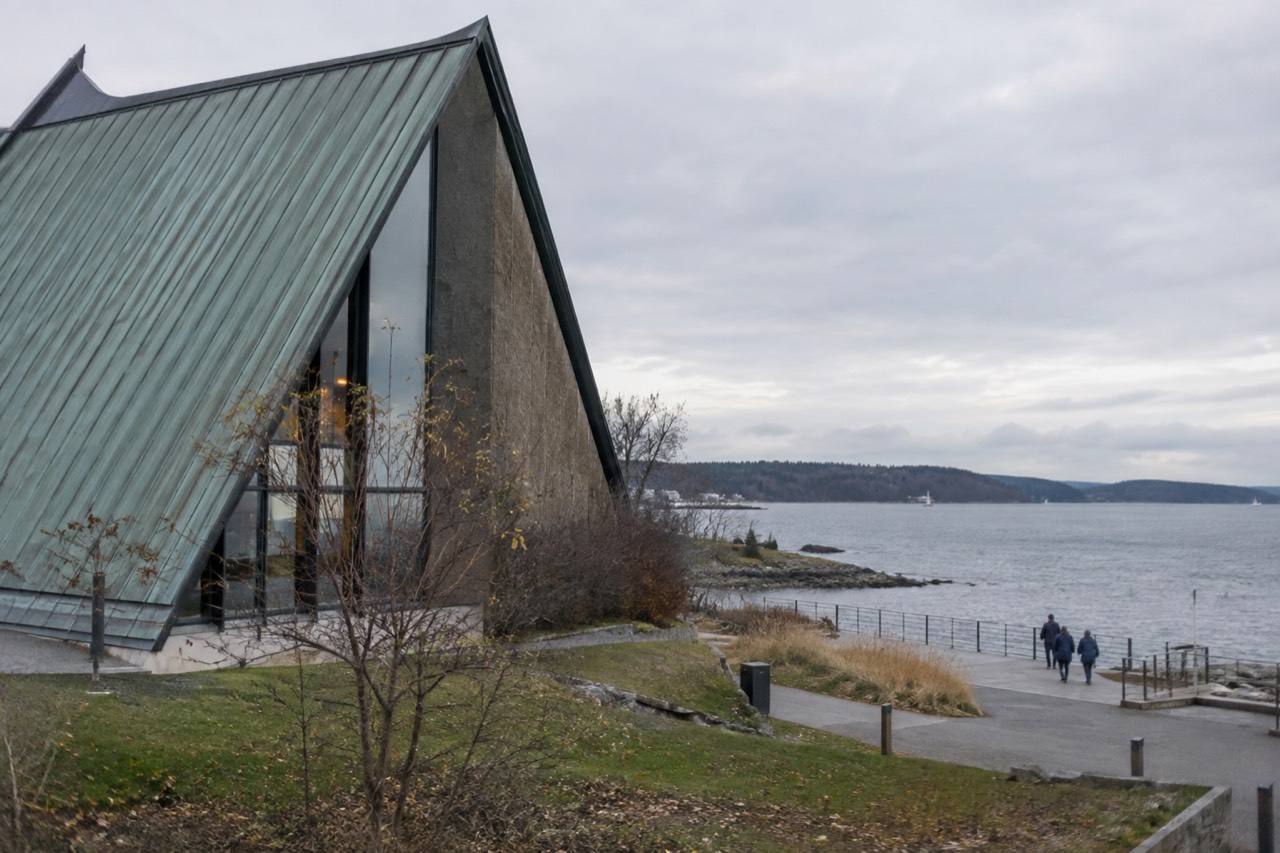
The ferry from Rådhusbrygge 3 reaches Bygdøynes about ten minutes after it leaves City Hall, and the buildings waiting at the pier are the Kon-Tiki Museum and the Fram Museum, side by side at the water's edge. This page covers the practical side of the Kon-Tiki half of that pair: what entry costs in NOK, which combination tickets are real, how the ferry's ticket rules differ from everything else in Oslo, and how to build a full day around the peninsula without wasting money or daylight.
What Is the Kon-Tiki Museum?
The Kon-Tiki Museum is a single-subject museum on the Bygdøynes pier in Oslo, dedicated to the expeditions of Thor Heyerdahl. It holds the original Kon-Tiki raft and the vessels and artifacts from the reed-boat voyages that followed, and it stands a short walk from the Fram Museum and the Norwegian Maritime Museum. It is one of the two anchors of a Bygdøy museum day, and it keeps its own ticket separate from every other museum on the peninsula.
Bygdøy is Oslo's museum peninsula, a finger of land southwest of the city center reached by a seasonal ferry or by the year-round bus 30. The peninsula splits its sights across two piers. Dronningen, the first ferry stop, serves the Norwegian Museum of Cultural History and Oscarshall. Bygdøynes, the second, serves Kon-Tiki, Fram and the Maritime Museum as one walkable cluster. Knowing which pier serves which museum is the difference between a relaxed day and a pointless 20 minute walk in the wrong direction.
The museum's subject is narrow and that is its strength. Where Oslo's other museums spread across centuries and art movements, Kon-Tiki tells one story: a hypothesis about ocean crossings, the rafts and reed ships built to test it, and the objects that came back. Visitors who want context on the surrounding peninsula can start with our Bygdøy peninsula area guide, which covers the piers, the paths between them and the seasonal rhythms of the whole museum district.
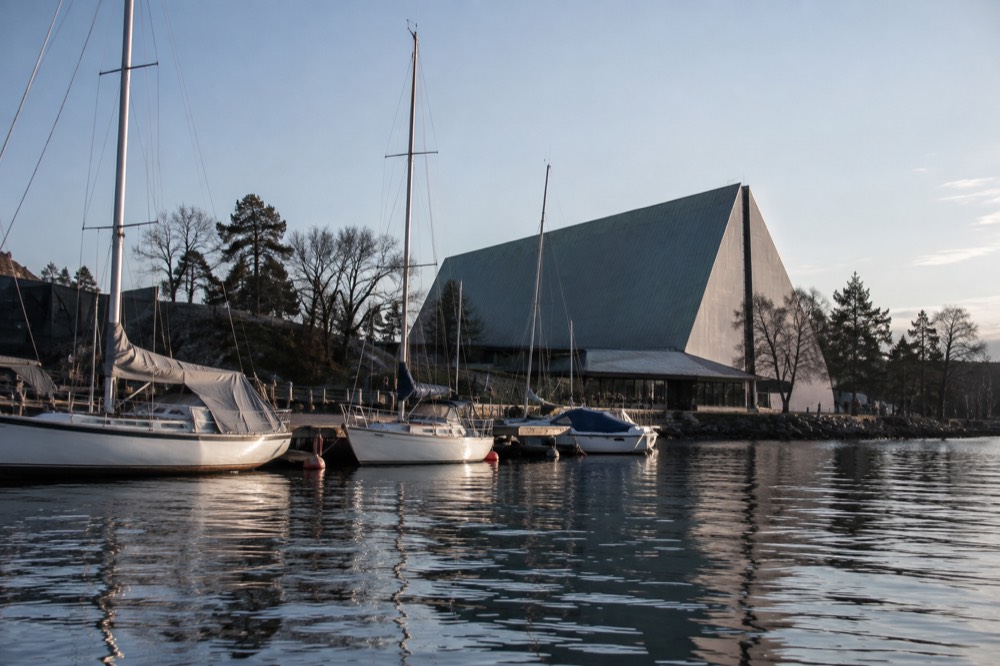
The building itself is compact. That matters for planning, because it means the museum pairs naturally with a second or third sight rather than filling a day on its own. Most itineraries that include Kon-Tiki also include Fram, and the combination ticket the two museums sell together is priced to encourage exactly that.
How Much Do Kon-Tiki Museum Tickets Cost?
An adult ticket costs 180 NOK. Children aged 6 to 17 pay 70 NOK, seniors 67 and over pay 140 NOK, students 70 NOK, and a family ticket covering two adults and up to five children costs 400 NOK. Groups of ten or more pay 130 NOK per person. Combination tickets with the Fram Museum and the Norwegian Maritime Museum start at 325 NOK, and the Oslo Pass covers Kon-Tiki entry outright.
The single-museum prices, read off the museum's own site:
| Ticket | Price |
|---|---|
| Adult | 180 NOK |
| Child (6 to 17) | 70 NOK |
| Senior (67+) | 140 NOK |
| Student | 70 NOK |
| Family (2 adults + up to 5 children) | 400 NOK |
| Group (10 or more) | 130 NOK per person |
The combination tickets are where the arithmetic gets interesting, because the Bygdøy museums sell them against each other directly:
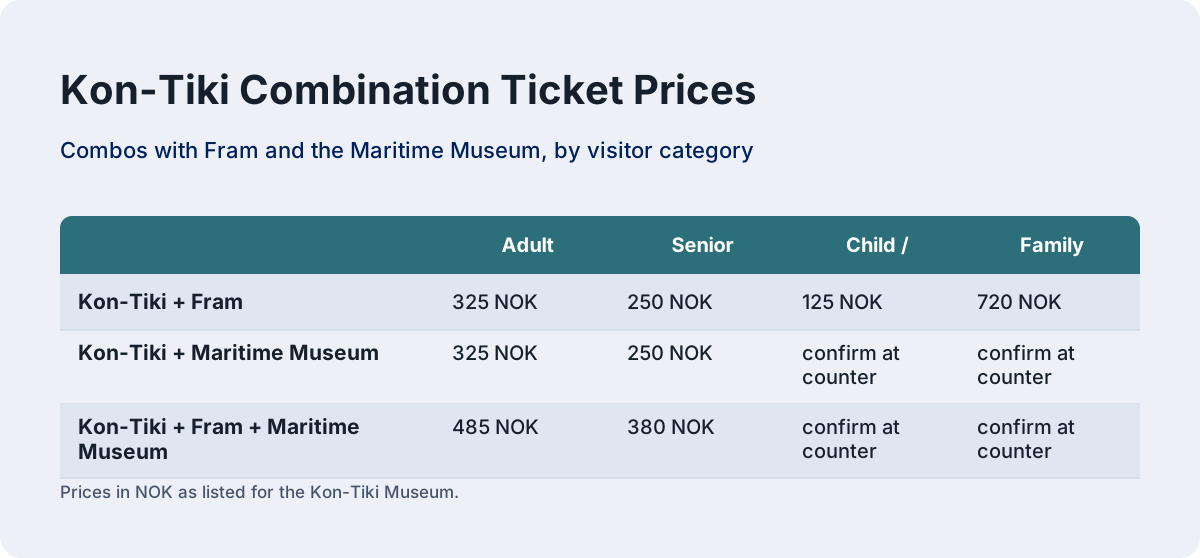
| Combination | Adult | Senior | Child / Student | Family |
|---|---|---|---|---|
| Kon-Tiki + Fram | 325 NOK | 250 NOK | 125 NOK | 720 NOK |
| Kon-Tiki + Maritime Museum | 325 NOK | 250 NOK | confirm at counter | confirm at counter |
| Kon-Tiki + Fram + Maritime Museum | 485 NOK | 380 NOK | confirm at counter | confirm at counter |
Two adults buying Kon-Tiki and Fram separately pay 360 NOK; the combination ticket for the same two museums costs 325 NOK. Add the Maritime Museum and the three-museum ticket lands at 485 NOK against a full-price total well above that. If your plan includes more than one Bygdøy museum, decide on the combination before you reach the counter.
There are two ways to buy entry. The first is at the museum counter, in cash or by card, at the prices above. The second is a prepaid entry ticket sold through the operator's live listing, which is the route most visitors prefer in summer, when the counter line at Bygdøynes can eat the better part of an hour you meant to spend inside. Both routes cost the same in NOK terms; the difference is when you pay and whether you carry a paper ticket.
The prepaid option is a simple product: entry to the museum, booked ahead, shown on a phone at the door. It suits anyone arriving on a tight schedule, a cruise-port day, or a family that would rather not queue with small children. The full rundown, including what the listing covers and how cancellation works, is on our Kon-Tiki Museum entry ticket page, and you can Check availability for your dates before you commit to a schedule.
How Do You Get to the Kon-Tiki Museum?
The museum stands at Bygdøynes, the second stop of the seasonal Bygdøy ferry from Rådhusbrygge 3 by City Hall. The ferry runs every 20 minutes, reaches the first stop in about 10 minutes, and is included with the Oslo Pass but not with ordinary Ruter tickets. Year-round, Ruter bus 30 serves the museum from central Oslo in around 15 minutes on a standard ticket.
The two access routes side by side:
| Bygdøy ferry | Ruter bus 30 | |
|---|---|---|
| Departure point | Rådhusbrygge 3, platform F | Nationaltheatret and central stops |
| Season | 14 March to 4 October 2026 | Year-round |
| Frequency | Every 20 minutes | Timetabled service |
| Journey time | 10 minutes to Dronningen, a little more to Bygdøynes | About 15 minutes |
| Ticket | About 70 NOK one way, slightly more bought on board; Oslo Pass included, Ruter tickets not valid | Ordinary Ruter ticket |
Here is the fact that catches out most visitors, and it is worth reading twice: ordinary Ruter tickets are not valid on the Bygdøy ferry. The ferry is run by a private operator, not by Ruter, and it charges its own fare of around 70 NOK each way, with a small premium if you buy on board. The Oslo Pass does cover it. So a traveler holding a Ruter day ticket steps aboard confident and gets asked for a second fare, while a traveler holding an Oslo Pass rides free. Our Oslo ferry routes explained guide untangles which boats in the harbor take which tickets, because Oslo runs several ferry systems and only some of them are Ruter.
The distinction runs deeper than one boat. The island ferries to Hovedøya and Langøyene in the Oslofjord are Ruter lines, depart from Aker Brygge, and ride on an ordinary ticket. The Bygdøy ferry is a different operator, a different pier, and different rules. Two piers, two systems, and guides that merge them into one sentence are the reason visitors end up at the wrong one.
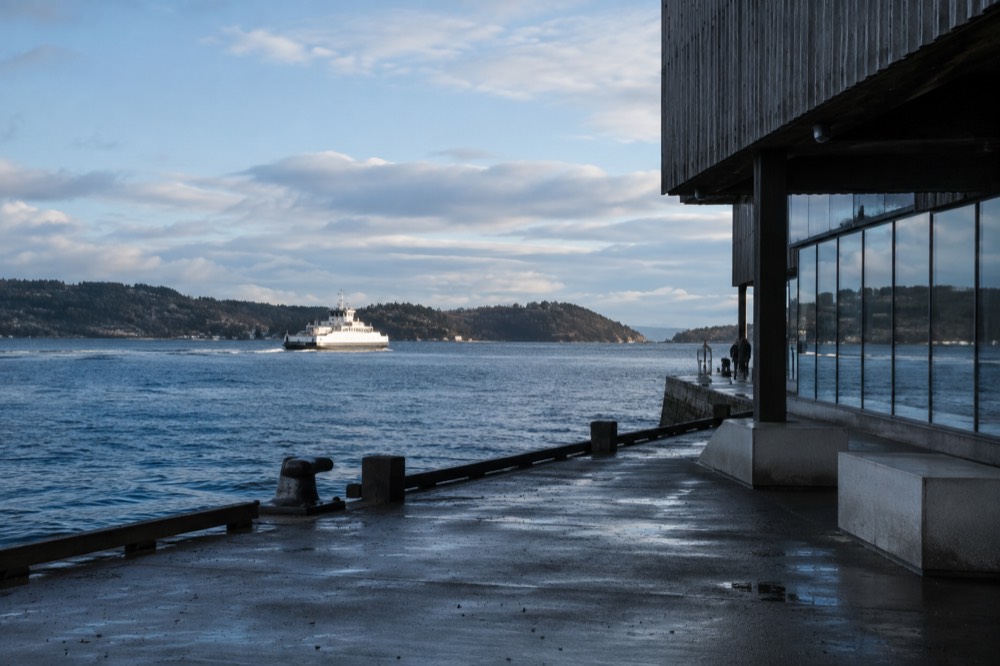
Outside the ferry season, and on any day when the water is unappealing, bus 30 is the answer. It is an ordinary Ruter service, it runs all year, and it stops at the museums on Bygdøy. From Nationaltheatret the ride is about 15 minutes. Buy the ticket in the Ruter app before boarding, because tickets bought on board cost more.
When Should You Visit and How Long Do You Need?
The Kon-Tiki Museum is open all year, unlike the seasonal ferry that serves it. The ticketed visit is listed at about an hour, and most families spend between one and two hours inside. Summer is the busy season, especially on days when cruise ships are in port; a morning arrival, or a visit between October and April when the ferry is replaced by bus 30, means a quieter building.
The museum publishes its daily opening hours on its own site, and the constant across the year is that it does not close for a season. That sets it apart from its access route: the ferry stops running in early October, so a winter visit is entirely possible, just by bus. The neighboring Fram Museum publishes a seasonal pattern, 10:00 to 17:00 from October to April and 09:30 to 18:00 from May to September, and the two museums draw overlapping crowds, so Fram's peak hours are a fair proxy for Kon-Tiki's.
Timing within the day matters more than timing within the week. The ferry cycle concentrates arrivals: a boat lands, a wave of visitors walks the few minutes up from the pier, and the counter line builds. Arriving on the boat after the first morning departures, or coming by bus outside the ferry's peak, puts you inside while the queue is still forming elsewhere. Late afternoon, outside the summer timetable, is the quietest slot of all.
For anyone visiting in peak season who wants the schedule locked down rather than improvised, booking entry ahead is the one decision that removes the queue variable entirely.
What Will You See Inside the Museum?
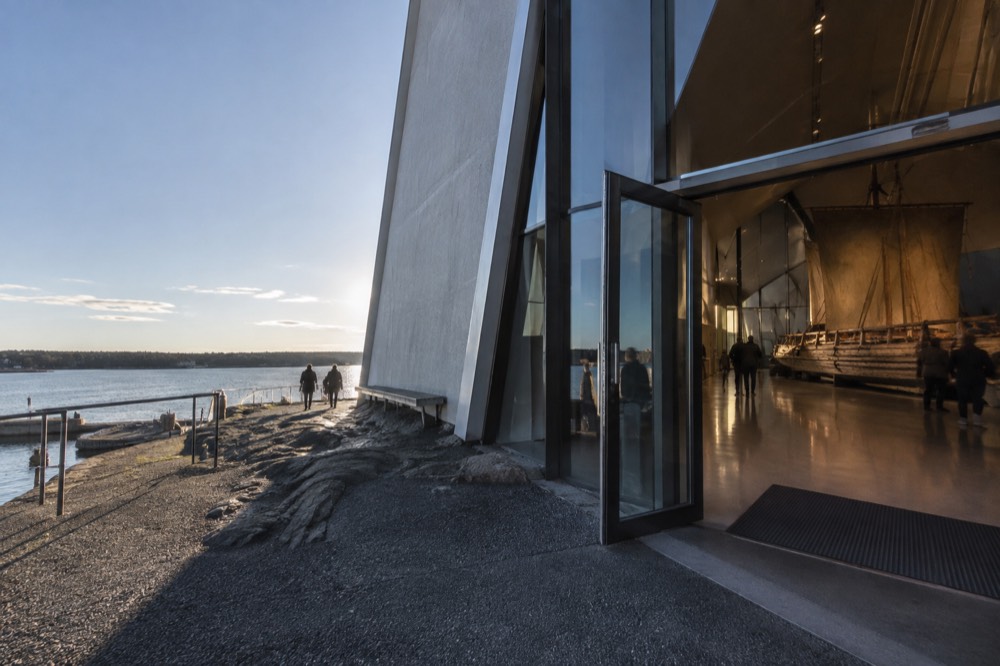
The collection is built around the original Kon-Tiki raft, displayed at the heart of the building, together with the vessels and artifacts from Heyerdahl's later expeditions. This is a storytelling museum rather than a broad gallery collection, which is why an hour goes a long way here. The building is compact, the subject is one man's hypothesis and the voyages that tested it, and the displays are arranged around the ships themselves.
The raft is the reason the museum exists and the reason it carries the name it does. Everything else in the building orbits it: the planning, the crew, the crossing, and the argument the voyage was built to make. Visitors who arrive knowing nothing about the story generally leave with the outline of it, which is the test a single-subject museum either passes or fails.
The reed-boat material extends the story beyond the first crossing. Heyerdahl built more than one vessel to test more than one theory, and the museum carries that arc rather than stopping at the famous raft. For children, this is the part that works: boats you can look at, at full scale, beat interpretive panels every time. The museum's family ticket pricing, 400 NOK for two adults and up to five children, signals who the building expects.
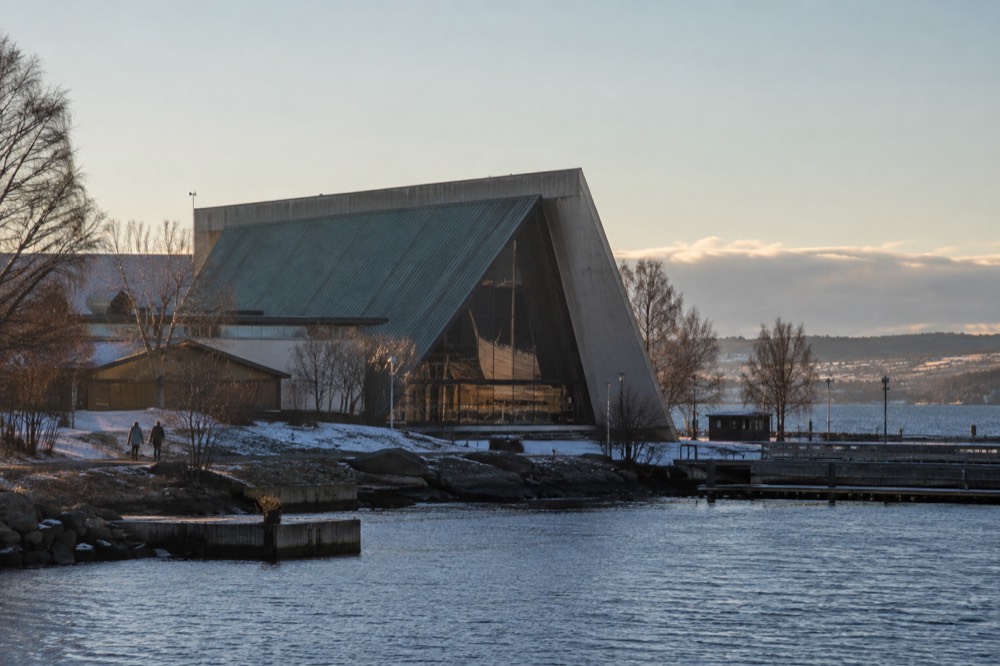
One honest caveat for planners: the museum is not large, and a visitor expecting a full afternoon of galleries will finish early. That is not a flaw, it is a format. The correct response is to plan the rest of Bygdøy around it, and the peninsula makes that easy.
How Does Kon-Tiki Compare with the Other Bygdøy Museums?
Bygdøy holds three open major museums within a 15 to 25 minute walk of each other: the Kon-Tiki Museum and the Fram Museum side by side at Bygdøynes, and the Norwegian Museum of Cultural History at Dronningen, with the Norwegian Maritime Museum between them. Adult entry runs 180 NOK at Kon-Tiki, 180 NOK at Fram and 200 NOK at the Folkemuseum, where children under 18 enter free. The former Viking Ship Museum stays closed until 2027.
The peninsula's open museums, with the verified prices and hours:
| Museum | Adult | Children | Hours and notes |
|---|---|---|---|
| Kon-Tiki Museum | 180 NOK | 70 NOK (6 to 17) | Open all year |
| Fram Museum | 180 NOK | 70 NOK | Oct to Apr 10:00 to 17:00; May to Sep 09:30 to 18:00 |
| Norsk Folkemuseum | 200 NOK | Free (0 to 17) | Daily 10:00 to 17:00; closed 17 May and 24 to 25 Dec |
| Museum of the Viking Age | Closed | Closed | Reopens in 2027 |
Kon-Tiki and Fram are the natural pair, and not only because they share a pier. One covers a raft that crossed an ocean on a theory; the other holds a polar ship that spent years locked in ice. They are both vessel museums, both compact, both pitched at families, and priced identically at 180 NOK. Our Fram Museum visitor guide covers that half of the pair in the same detail as this page covers Kon-Tiki.
The Viking question deserves a straight answer, because thousands of people each month still search for a Viking ship museum in Oslo. The former Viking Ship Museum on Bygdøy closed in 2021 and will reopen as the Museum of the Viking Age in 2027. No listing or page should imply the ships are viewable before then. Until the reopening, the museum's own site directs visitors to Viking-age objects at the Historical Museum in central Oslo, and our Museum of the Viking Age closure page tracks the reopening as the museum states it, with no month attached, because none is confirmed.
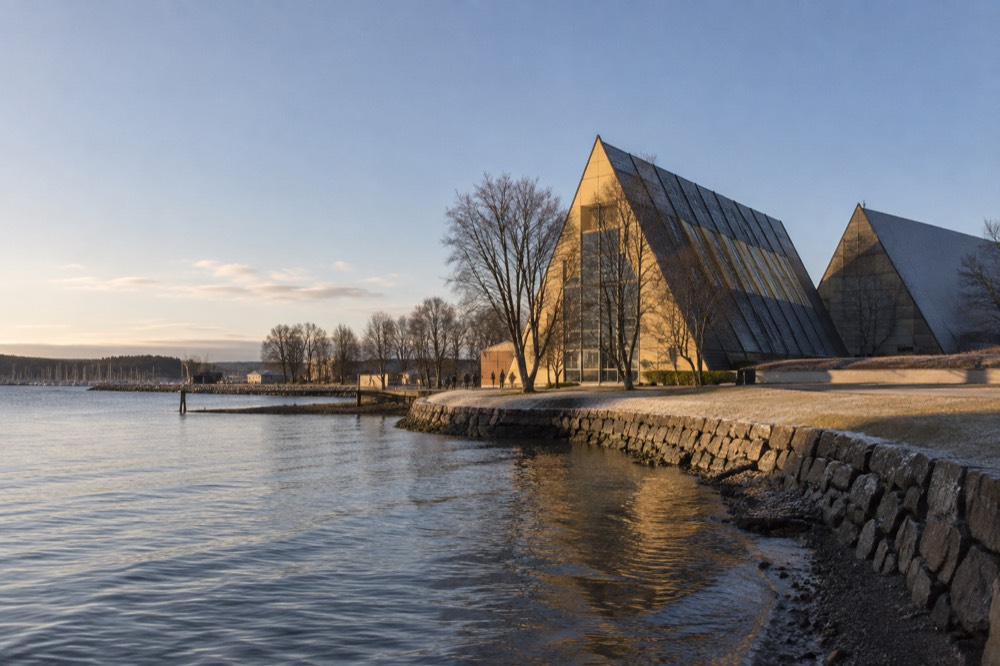
The Norwegian Museum of Cultural History at Dronningen is the third leg, an open-air museum of buildings and folk life rather than ships. It is the one Bygdøy museum where children enter free, which shifts the family arithmetic noticeably: a family of four pays 400 NOK at Kon-Tiki on the family ticket and nothing at the Folkemuseum beyond the adults' 200 NOK each. Our Norwegian Museum of Cultural History guide breaks down what that ticket buys. The rest of Oslo Travel Guide covers every sight on the peninsula the same way, museum by museum.
Is the Kon-Tiki Museum Worth the Ticket Price?
For most visitors, yes. At 180 NOK, Kon-Tiki is priced level with the Fram Museum next door, and the 325 NOK combination ticket for the two of them is one of the better-value museum half-days in Oslo. Three Bygdøy museums at full price total 560 NOK, against a 580 NOK 24-hour Oslo Pass that also includes the ferry and every bus, tram and train in between, so the pass wins the moment you add transport.
The break-even arithmetic, laid out:
| What you use in a day | Bought separately | On a 24-hour Oslo Pass (580 NOK) |
|---|---|---|
| Kon-Tiki + Fram + Folkemuseum | 560 NOK | Included |
| Bygdøy ferry, round trip | About 140 NOK | Included |
| Buses and trams around the city | Separate Ruter tickets | Included |
| Total | 700 NOK plus city transport | 580 NOK |
Read that table as a threshold rather than a promise. A visitor who sees only Kon-Tiki, and walks or buses to it, is better off with the single 180 NOK ticket. A visitor who sees two or three Bygdøy museums, or rides the ferry, or uses public transport anywhere else in the city that day, crosses the line where the pass is cheaper. The full price list, including the 48-hour and 72-hour tiers at 845 and 995 NOK, sits in our Oslo Pass prices and coverage guide, and the longer is the Oslo Pass worth it analysis runs the numbers for longer stays.
One detail that tilts the sum further: the Oslo Pass covers the Bygdøy ferry, which no ordinary Ruter ticket does. That is 140 NOK of ferry fare most visitors do not think to count, on top of the museum entries, and it is the single most commonly missed saving in a Bygdøy day.
Can You Combine the Museum with an Oslofjord Cruise?
Yes, and the geography does most of the work. The Bygdøy ferry leaves from Rådhusbrygge 3, the same City Hall pier area where most Oslofjord sightseeing cruises depart, so a museum morning and a fjord afternoon need no extra planning. The two strongest cruise options are the silent electric boat with audio commentary, at about 90 minutes, and the traditional wooden sailing ship, at two hours.
The logic is simple: you are already at the pier. The sightseeing boats leave from the Rådhusbrygge and Aker Brygge side of the harbor, minutes from where the Bygdøy ferry boards, so the transfer between a museum morning and a cruise afternoon is a short walk along the waterfront rather than a cross-city trip.
The first cruise option is the silent electric boat. It runs about an hour and a half on the inner Oslofjord with recorded audio commentary, and it is the city's best-reviewed sightseeing activity: the quiet electric drive is the point, because you hear the waterfront and the guide rather than an engine. It suits a first day in Oslo, photographers, and anyone who wants the fjord's outline before deciding what else to see. The decision between it and everything else on the water is laid out in our Oslofjord cruise options guide.
The second is the traditional wooden sailing ship, a two-hour trip under sail when the wind allows. It is a different experience from the electric boat rather than a longer version of it: older vessel, smaller scale, canvas overhead. Some visitors choose it precisely because it is not the modern boat, and on a warm evening the two hours pass quickly. If your museum day ends at Bygdøynes in mid-afternoon, the sailing ship's departure window lines up with the walk back along the harbor.
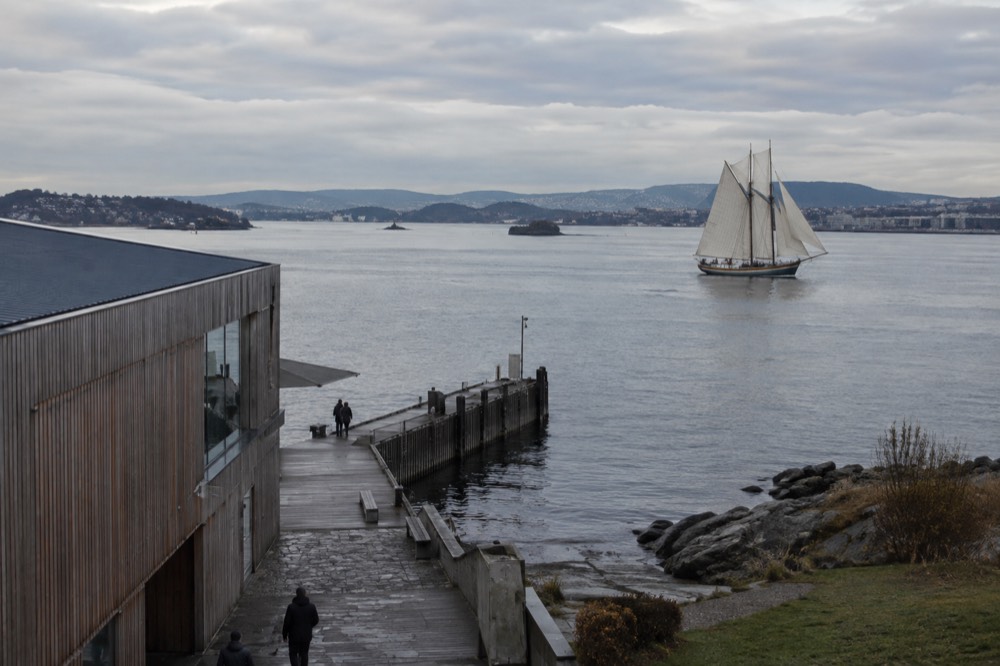
A third option, for a fuller day, is the shrimp-buffet evening cruise, a three-hour dinner format that is a Norwegian institution rather than a generic dinner boat. It pairs well with a Bygdøy morning because it starts late enough that no museum needs rushing. The budget-conscious alternative is the ordinary island ferry to Hovedøya, which rides on a standard Ruter ticket and costs a fraction of any cruise.
How Do You Plan a Full Bygdøy Day?
Take a morning ferry from Rådhusbrygge 3 to Dronningen and start at the Norwegian Museum of Cultural History, walk the peninsula path to Bygdøynes for the Kon-Tiki and Fram museums after lunch, and ride bus 30 back when you are done. The 485 NOK three-museum combination ticket or a 24-hour Oslo Pass covers the entries, and the whole loop needs six to seven hours at a relaxed pace.
A sample day, built on the ferry's morning departures:
| Time | Plan |
|---|---|
| 09:10 | Ferry from Rådhusbrygge 3 toward Dronningen |
| 09:30 to 12:00 | Norsk Folkemuseum at Dronningen |
| 12:00 to 12:45 | Walk the peninsula path to Bygdøynes, about 15 to 25 minutes |
| 13:00 to 14:00 | Kon-Tiki Museum |
| 14:15 to 15:45 | Fram Museum |
| 16:00 | Ferry, or bus 30, back toward the center |
The order matters for one reason: the walk between the piers is 15 to 25 minutes along the peninsula paths, and it is a pleasant walk you only want to make once. Starting at the far end, Dronningen, and finishing at the near cluster, Bygdøynes, keeps the day flowing in one direction. Doing it in reverse adds a second crossing on tired legs.
Season changes the plan. Between 14 March and 4 October the ferry runs and the schedule above works as written. From October to March the ferry is off, bus 30 carries the whole day, and the museums are quieter for it. Winter visitors should also weigh the trade honestly: Kon-Tiki and Fram are indoor museums and winter-proof, while the Folkemuseum's open-air half loses much of its appeal in snow. Our things to do in Oslo overview places Bygdøy among the city's other options for days when the peninsula plan does not fit.

Whatever the season, buy before you board. The combination tickets and the Oslo Pass both remove the counter queue, and the ferry's on-board premium is avoidable with any pass. A Bygdøy day is one of the few Oslo itineraries where every ticket decision compounds: entry, ferry, bus, and the walk between them all reward ten minutes of planning at the hotel.
Common Questions About the Kon-Tiki Museum
Is the Kon-Tiki Museum included in the Oslo Pass?
Yes. The Oslo Pass includes free entry at more than 30 museums and attractions, and the Kon-Tiki Museum is among them. The pass also covers the Bygdøy ferry, which ordinary Ruter tickets do not, so a Bygdøy day is one of the scenarios where the pass pays for itself fastest.
How long does a visit to the Kon-Tiki Museum take?
The ticketed visit is listed at about an hour. Families with children typically spend between one and two hours, since the raft displays hold young visitors' attention longer than panel-based exhibits. Plan on 90 minutes and you will not be rushed.
Can you buy Kon-Tiki Museum tickets in advance?
Yes. Entry can be bought at the counter on the day, or as a prepaid ticket through the operator's live listing. The prepaid route is worth it in summer, when ferry arrivals build a queue at the door, and for anyone on a cruise-port schedule with fixed departure times.
Is the Kon-Tiki Museum good for children?
Yes. The museum is compact, single-subject and built around full-size vessels rather than reading-heavy displays. Children aged 6 to 17 pay 70 NOK, and the family ticket at 400 NOK covers two adults and up to five children, which is one of the better family deals among Oslo museums.
Is the Viking Ship Museum the same as the Kon-Tiki Museum?
No. They are separate museums on the same peninsula. The former Viking Ship Museum closed in 2021 and will reopen as the Museum of the Viking Age in 2027; until then, the museum directs visitors to Viking-age objects at the Historical Museum in central Oslo. The Kon-Tiki Museum is open all year and unaffected.
Do Ruter tickets cover the Bygdøy ferry to the museum?
No. The Bygdøy ferry is run by a private operator, departs Rådhusbrygge 3 and charges its own fare of about 70 NOK each way. The Oslo Pass covers it, and Ruter bus 30 reaches the museums on an ordinary Ruter ticket year-round, including when the ferry is out of season.