Things to Do in Oslo with Kids: A Practical Family Guide
Oslo is one of Europe's most manageable capitals for families: compact, safe, and packed with museums, islands and forest that children can actually enjoy.
Short answer
Oslo works well with kids because the city is compact and the big family sights cluster together: Bygdøy's museums, the Vigeland sculpture park, the Opera House roof and the Oslofjord islands. A 24-hour Oslo Pass costs 580 NOK for adults and 290 NOK for children aged 6 to 17, covers over 30 museums plus all public transport, and children under 6 usually travel and enter free.
Oslo has a reputation for being expensive and serious, which is an odd thing to say about a city whose most visited attraction is a park full of giant bronze babies fighting tigers, and whose harbor is full of islands you can swim off in July. Families who plan around the city's actual shape, a compact center, a museum peninsula, and a fjord full of islands, tend to leave pleasantly surprised.
This guide from the Oslo Travel Guide desk walks through what genuinely works with children of different ages, what it costs in real Norwegian kroner, and where the city saves you money in ways most guides never mention. The headline fact: museums, public transport and the outdoors are the affordable parts of Oslo. It is restaurants and alcohol that hurt, and a family can route around both.
What Are the Best Things to Do in Oslo with Kids?
The best family activities in Oslo are the Vigeland sculpture park, which is free and open around the clock, the Bygdøy museum peninsula, the walkable Opera House roof, the Oslofjord island ferries, and the city's climbing park and forest edge. Most of these cost little or nothing beyond transport, and the paid ones are clustered so a single day covers two or three. A family of four can do a full day of Oslo's headline sights for less than the price of one restaurant dinner.
The trick is that Oslo's child-friendly sights are not scattered randomly. The center holds the Opera House, the harbor front at Aker Brygge and the Akershus fortress walls, all walkable in one loop. A short ferry or bus ride away, Bygdøy holds the Fram, Kon-Tiki and cultural history museums side by side. The fjord holds the islands. The metro holds the forest at Holmenkollen and Frognerseteren.
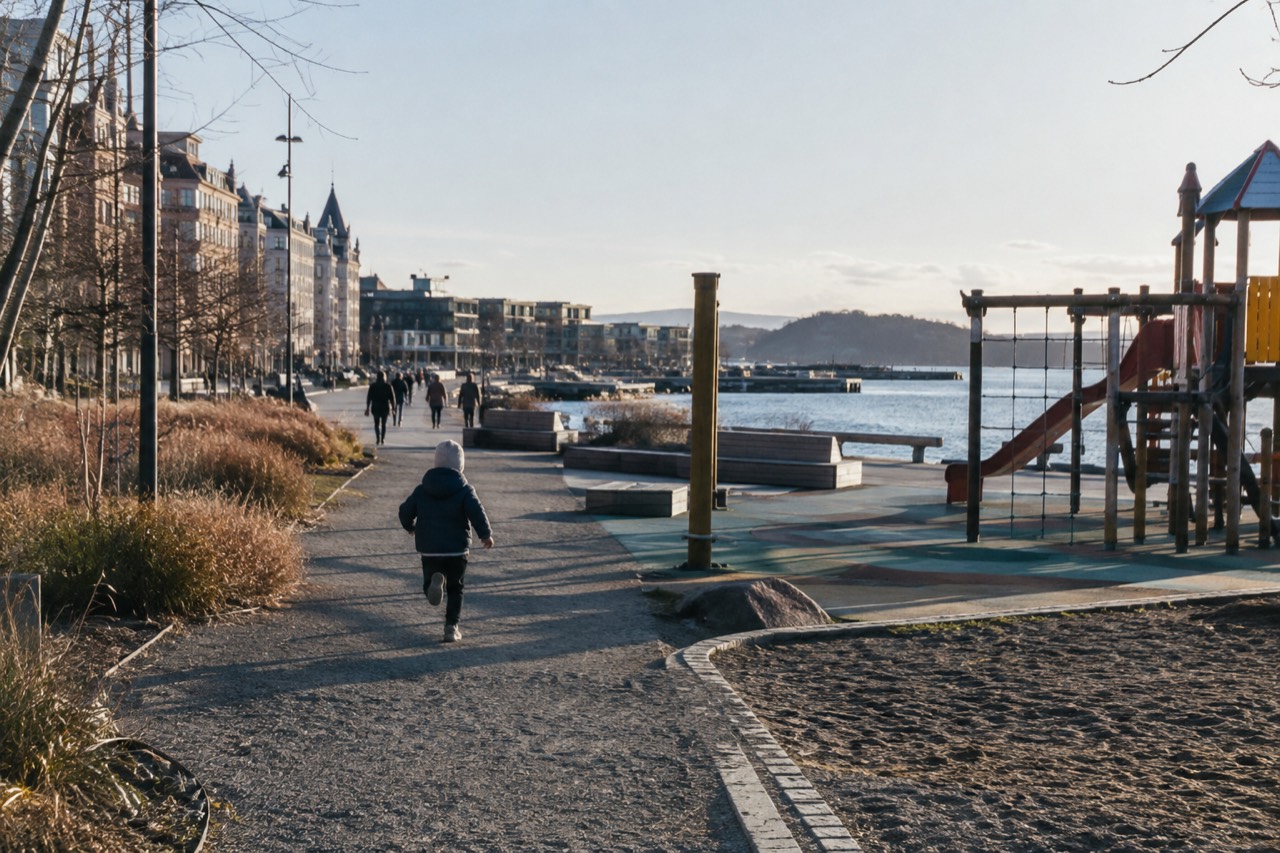
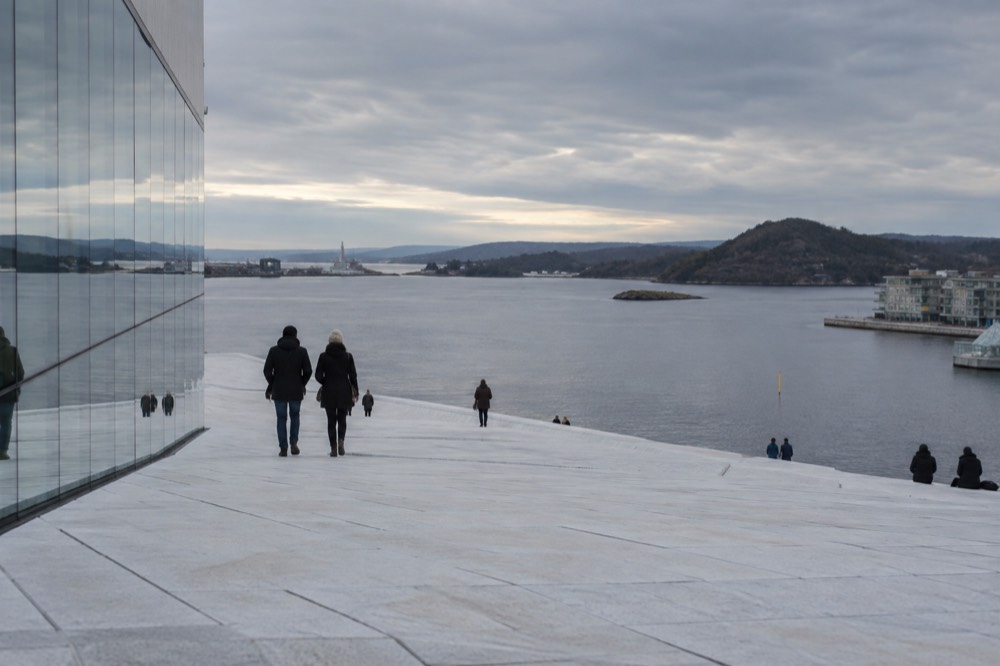
Start with what is free, because Oslo gives away an unusual amount, and our free things to do in Oslo guide covers the full list. The Vigeland sculpture park in Frogner is open 24 hours a day, all year, no ticket, and children react to Gustav Vigeland's monolith and its angry babies exactly the way you hope they will. The Opera House roof is a public plaza, you simply walk up it. Akershus fortress grounds are free to wander. The harbor promenade from Tjuvholmen to Sørenga is a walk with ice cream stops built in.
Then layer in the paid highlights. The Kon-Tiki Museum and the Fram Museum on Bygdøy are the two that consistently hold children's attention, one because of the rafts, one because you can walk inside an actual polar ship. The Oslofjord islands turn a normal city day into a boat trip for the price of an ordinary transit ticket. And the climbing park is the one thing on this list that needs booking ahead.
A sample first day for a family with children aged roughly 6 to 12: morning at Vigeland Park, tram to the center for lunch, afternoon ferry to Bygdøy for Kon-Tiki and Fram, evening pizza near Aker Brygge. That single day touches the park, the fjord and two museums, and costs very little beyond museum entry and food.
Which Oslo Museums Work Best for Children?
The museums children genuinely enjoy in Oslo are the Kon-Tiki Museum, the Fram Museum, Viking Planet, the Paradox Museum and the Norwegian Museum of Cultural History, in roughly that order for ages 6 and up. Kon-Tiki and Fram sit next to each other on Bygdøy and pair naturally into one visit. The National Museum and MUNCH work better for teenagers than for small children, and both offer reduced or free entry for the young.
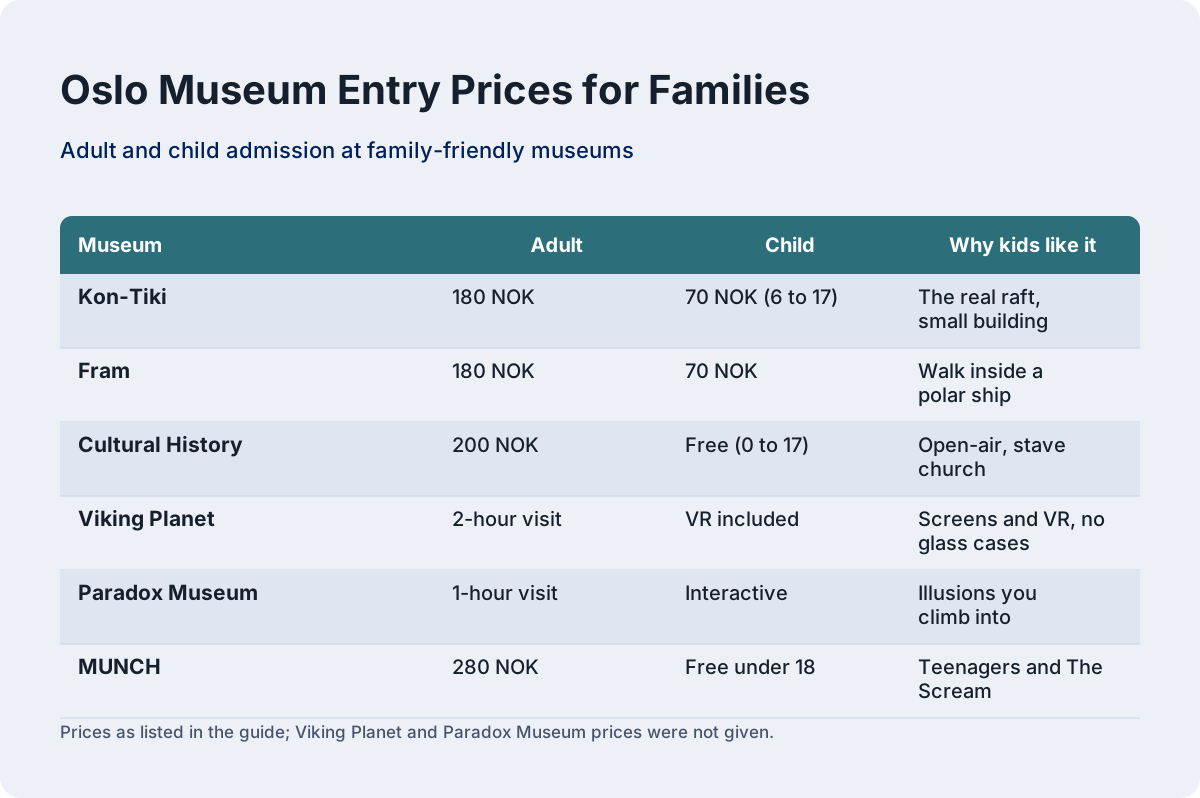
The Kon-Tiki Museum holds the actual balsa raft Thor Heyerdahl sailed across the Pacific, plus the papyrus boat Ra. Children who can read a map love the sheer audacity of the story, and the museum is small enough to finish in about an hour without anyone melting down. Adult entry is 180 NOK, children aged 6 to 17 pay 70 NOK, and the family ticket for two adults and up to five children is 400 NOK.
The Fram Museum next door is arguably even better for kids because it is climbable. You board the Fram, the ship that took Fridtjof Nansen and Roald Amundsen toward both poles, and walk its decks, cabins and cargo hold. Adult entry is 180 NOK, children pay 70 NOK. The two museums sell a combined ticket at 325 NOK for adults, which beats buying them separately, and both are covered by the Oslo Pass.
Viking Planet deserves a specific mention because of a closure. The Museum of the Viking Age on Bygdøy is shut for rebuilding and will reopen in 2027, so there are no Viking ships to see in Oslo right now. Viking Planet, an interactive Viking experience near the city hall, is the honest substitute while the museum is closed, and it is deliberately built around screens and VR rather than glass cases, which suits restless children far better than a traditional museum does.
The Paradox Museum is the strongest pure rainy-day ticket in the city, an interactive illusion museum where the exhibits are things you do rather than things you look at, and it pairs well with our rainy day in Oslo itinerary. It is the best-selling non-Bygdøy museum ticket in Oslo, and its 4.3 rating across 876 reviews reflects a venue that knows exactly what it is.
For a calmer pace, the Norwegian Museum of Cultural History is an open-air museum of historic buildings, including a stave church, with costumed staff and space to run. Children aged 0 to 17 enter free, adults pay 200 NOK. That free child entry makes it one of the best value family tickets in the city.
The National Museum holds The Scream, which teenagers know, and MUNCH has the other versions plus a striking building by the water. Neither is a children's museum, but both welcome families: at MUNCH, visitors aged 17 and under enter free and those under 25 pay 100 NOK, with adult entry at 280 NOK.
| Museum | Adult | Child | Why kids like it |
|---|---|---|---|
| Kon-Tiki | 180 NOK | 70 NOK (6–17) | The real raft, small building |
| Fram | 180 NOK | 70 NOK | Walk inside a polar ship |
| Cultural History | 200 NOK | Free (0–17) | Open-air, stave church |
| Viking Planet | 2-hour visit | VR included | Screens and VR, no glass cases |
| Paradox Museum | 1-hour visit | Interactive | Illusions you climb into |
| MUNCH | 280 NOK | Free under 18 | Teenagers and The Scream |
A note on timing: Bygdøy museums are the busiest between 11:00 and 14:00 in July. A family arriving at opening time, 09:30 in summer for Fram, gets the ships almost to itself.
How Do You Get to Bygdøy with Children?
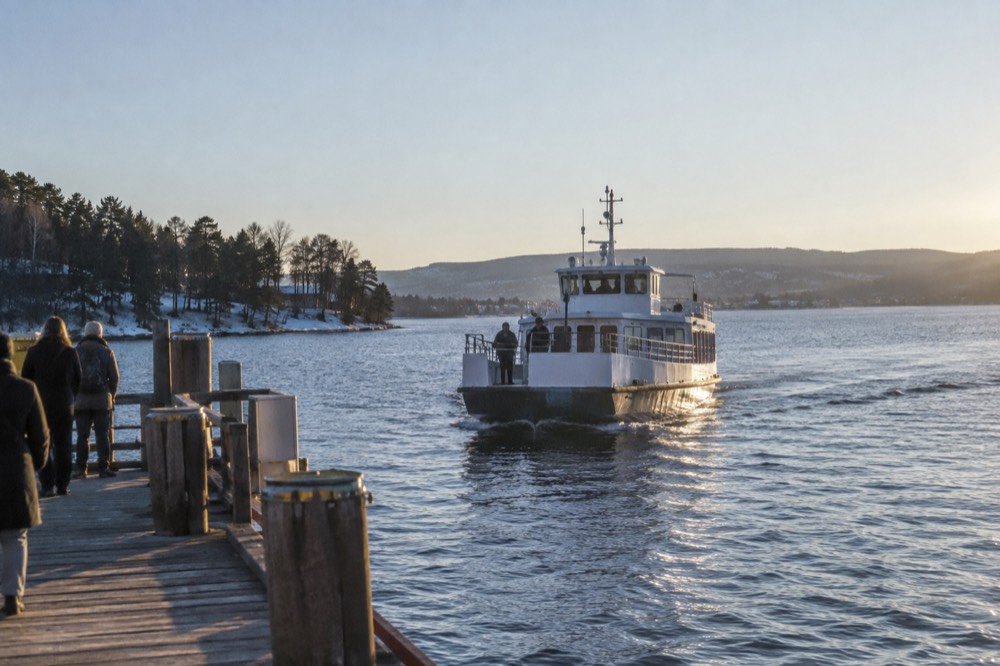
The easiest way to reach Bygdøy with kids is Ruter bus 30, which runs year-round from the city center to the museum stops in about 15 minutes on an ordinary ticket. From 14 March to 4 October the Bygdøy ferry also runs from Rådhusbrygge 3 every 20 minutes, takes 10 minutes to the first stop, and is included with the Oslo Pass, but ordinary Ruter tickets are not valid on it. In winter the ferry stops and the bus is the only option.
The ferry detail trips up a lot of visitors because Oslo has two different boat systems that leave from two different piers, which our Oslo ferries explained guide covers in full. The Bygdøy museum ferry is a private operator, one-way fare around 70 NOK, covered by the Oslo Pass but not by regular transit tickets. The island ferries, lines B1 and B2, are ordinary Ruter services from Aker brygge and ride on a normal ticket. Different boats, different piers, different rules.
With children, the ferry is usually worth the small extra cost purely for the boat ride itself. It stops at Dronningen, serving the Cultural History Museum, then Bygdøynes, serving Kon-Tiki, Fram and the Maritime Museum. The two piers are connected by a pleasant 15 to 25 minute walk along the peninsula if you want to make a loop of it.
If your children are museum-ed out, Bygdøy also has beaches. Huk and Paradisbukta on the peninsula's western side are among Oslo's most popular swimming spots, with rocky and sandy patches respectively, and they are free. A morning at the museums followed by an afternoon at Huk is a classic Oslo family summer day, and bus 30 serves the whole peninsula.
What Outdoor Activities Can Families Do in Oslo?
Oslo's best family outdoor activities are the climbing park, the Oslofjord islands, the Akerselva river walk, the forest edge at Holmenkollen and Frognerseteren, and in winter the Korketrekkeren toboggan run and the ski trails of Nordmarka. Almost all of it is reachable by metro or ferry from the center. The climbing park day ticket is the standout bookable option, at 4.7 across 26 reviews, and it is the one activity families consistently book twice.
Oslo is one of very few capitals where a full forest lies inside the transit system. Metro line 1 runs to Holmenkollen and its terminus at Frognerseteren in about 20 minutes from the center, putting marked forest trails, a famous ski jump and a restaurant with a view within a family afternoon. The Holmenkollen ski museum and jump tower costs 195 NOK for adults, and the zipline down the hillside runs seasonally.
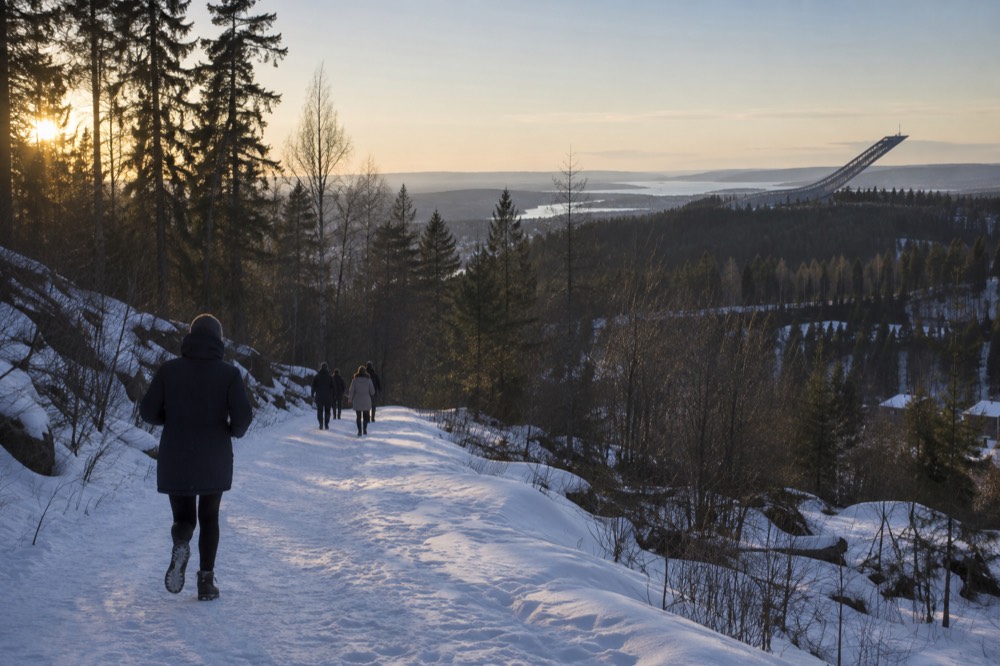
The climbing park is the city's strongest family day ticket. It is exactly what it sounds like, a day pass to Oslo's favorite climbing park, courses in the trees at graded difficulty, and it fills the gap in a city whose other headline sights are museums and boats. It suits children from around 6 or 7 up, and a day ticket means the family can come and go.
The Akerselva river runs from the forests above the city down through Grünerløkka to the center, and the path beside it is one of Oslo's best easy family walks: waterfalls, old industrial buildings turned into cafes, and playgrounds along the way. The lower stretch from Mathallen food hall to Grünerløkka is flat and stroller-friendly.
For something genuinely different, the island hopping tour is the Oslo-specific product, ferry and foot across the Oslofjord islands with a guide, 195 minutes all in. It is rated 4.8 across 3,296 reviews, which puts it among the best-reviewed family activities in the city, and it removes all the planning from the islands.
Where Can Kids Swim and Play in Oslo in Summer?
Kids can swim in Oslo in July and August at Sørenga's seawater pool, the rocky beaches at Tjuvholmen and Huk, the sandy stretch at Paradisbukta, and best of all the island of Langøyene, where free tent camping for up to two nights is allowed in season. Water temperatures typically run 15 to 20 °C in midsummer, which is cool but genuinely swimmable on a warm day. All of it is free public access.
The islands are the heart of Oslo's summer, and our Oslo islands guide covers each one in detail. The Ruter ferry lines B1 and B2 leave from Aker brygge on an ordinary ticket, the same one that covers the tram, and drop you on car-free islands 15 minutes from the city center. Hovedøya has a ruined Cistercian abbey and shallow swimming. Langøyene has the best beaches and the camping. Gressholmen and the small islands are quieter nature escapes.
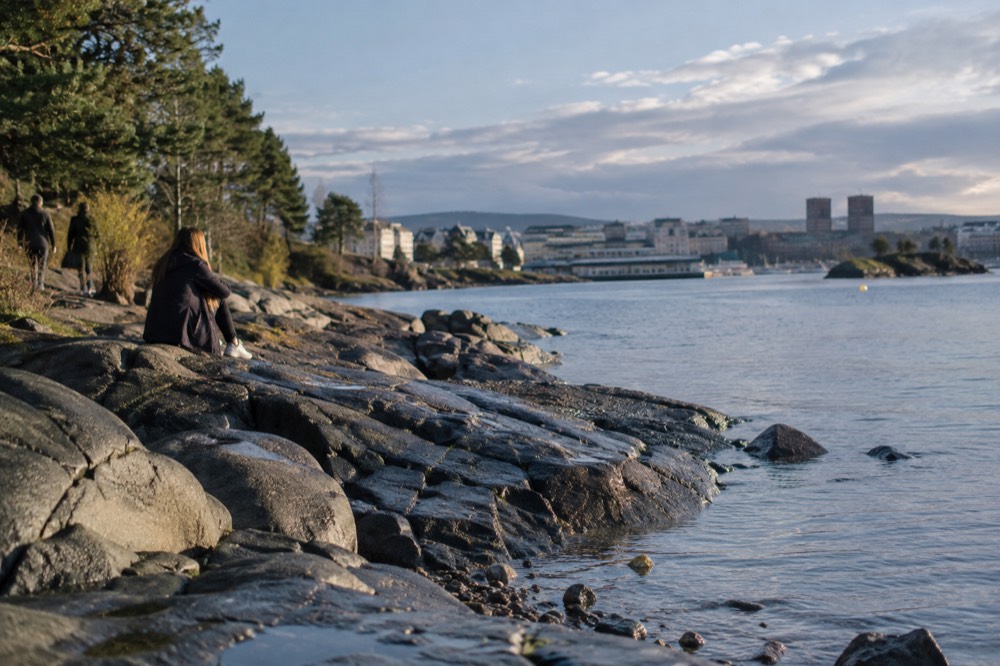
Sørenga, at the end of the harbor promenade, is the city's seawater pool complex: built swimming areas, ladders, lawns and a sauna next door, all walkable from the Opera House. Tjuvholmen's beach is smaller and closer to the center. Both are free, both fill up on hot July days, and both have kiosks nearby for the inevitable ice cream negotiation.
On the mainland west, Huk at the tip of Bygdøy is the classic family beach, with a sandy stretch, rocky platforms and pine trees for shade. In the east, Ingierstrand and Hvervenbukta are the locals' picks. The city publishes live bathing water temperatures and quality results, so check the current reading before you commit to a swim day.
| Swimming spot | Where | Getting there | Best for |
|---|---|---|---|
| Sørenga | Harbor promenade | Walk from center | Seawater pool, facilities |
| Huk | Bygdøy | Bus 30 or ferry | Sandy beach, families |
| Paradisbukta | Bygdøy west | Bus 30, short walk | Quieter, sand |
| Langøyene | Oslofjord island | Ferry B2, seasonal | Beaches, camping |
| Tjuvholmen | City center | Walk | Quick dip, youngest kids |
The camping rule on Langøyene is worth knowing: tent camping up to two nights is permitted in season, which turns a day trip into a cheap overnight adventure for families with school-age children. Bring everything you need, the island is deliberately undeveloped.
What Does a Family Day in Oslo Actually Cost?
A realistic family day in Oslo costs far less than the city's reputation suggests if you use supermarkets, the Oslo Pass and the free sights, with restaurants and alcohol being where the money goes. The 24-hour pass is 580 NOK for adults and 290 NOK for children aged 6 to 17, covers over 30 museums and all public transport in the city zones, and children under 6 are generally free.
Norway is the sixth most expensive country in Europe, but the costs sit in food and drink, not in museums or transport.
The honest cost picture is that Oslo punishes laziness and rewards planning. Statistics Norway's 2025 price-level survey puts Norwegian household prices 28.6 percent above the EU average, with food 33 percent above and alcohol and tobacco more than double the European average. Those last two numbers are why a restaurant dinner for four feels brutal while a museum day feels reasonable. Our Oslo on a budget guide goes deeper on the savings.
| Item | Cost | Notes |
|---|---|---|
| Oslo Pass 24h, adult | 580 NOK | Over 30 museums plus transport |
| Oslo Pass 24h, child 6–17 | 290 NOK | Under 6s free |
| Kon-Tiki family ticket | 400 NOK | 2 adults + up to 5 children |
| Kon-Tiki + Fram adult combo | 325 NOK | Cheaper than separate tickets |
| Cultural History Museum | 200 NOK adult | Children 0–17 free |
| Vigeland Park | Free | Open 24 hours, all year |
| Opera House roof | Free | Public access |
| Island ferries | Ordinary Ruter ticket | Same ticket as the tram |
The pass maths for families: three Bygdøy museums at full price come to 560 NOK per adult, against a 580 NOK 24-hour pass that also carries you on every tram, metro, bus and island ferry, and covers the Bygdøy ferry too. With children, whose pass costs half as much and whose museum entries are already low, the pass pays off when you are moving fast through paid sights rather than lingering at free ones.
Food is where families bleed money. A supermarket picnic lunch, bread, cheese, fruit, yoghurt drinks, costs a fraction of a cafe lunch and Norwegian supermarkets are good. Mathallen food hall in Grünerløkka is the middle option, several vendors under one roof so everyone gets what they want. The evening shrimp-buffet cruise is the splurge version of eating by the fjord, a genuine Norwegian institution at 3 hours, but it is priced accordingly.

One more money fact families should know: Norway is in the Schengen Area but not in the European Union, so it is outside EU VAT and non-resident visitors can claim a VAT refund on qualifying purchases. The currency is the krone, not the euro, and cards are accepted essentially everywhere.
What Is Oslo Like with Kids in Winter?
Oslo in winter with kids means the Korketrekkeren toboggan run, cross-country ski trails inside the city limits, the torchlit forest walk with a campfire, and museums on the short days between roughly 09:00 and 15:00 of daylight in December. Winter is genuinely good here rather than merely survivable: the metro drops you at the top of a toboggan run, and the ski trails of Nordmarka are groomed by an association that publishes live trail conditions.
The daylight constraint is the thing to plan around. On 21 December Oslo gets 5 hours 53 minutes of daylight, sunrise 09:18, sunset 15:11, and by late June that swings to 18 hours 50 minutes. In deep winter, book any outdoor fun for the middle of the day and save museums for the dark afternoons. Our Oslo in winter guide builds full cold-season days around this.
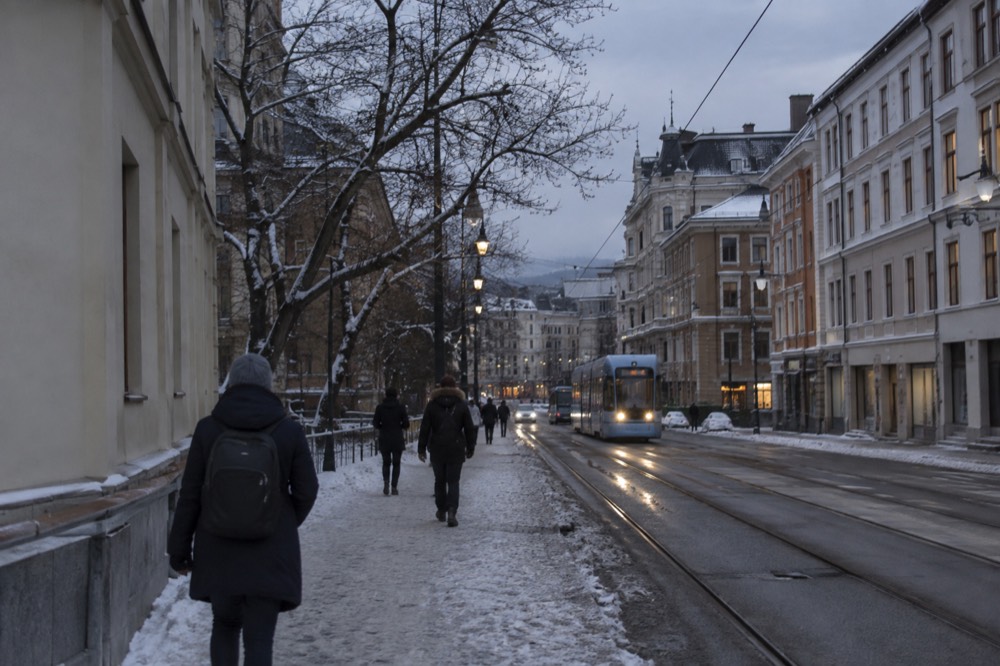
Korketrekkeren is the classic: a metro ride to Frognerseteren, then a toboggan run down through the forest to Midtstuen, and the metro back up again. Children who can steer a sled can do it, and it is one of the few capital-city activities that is essentially free once you have the transit ticket and a sled. Oslo Vinterpark at Tryvann has lifts and slopes for proper skiing.
For a guided winter experience, the torchlit forest walk with a campfire is the signature Oslo winter product inside the city limits: 3 hours 30 minutes, rated 4.7 across 280 reviews, ending around a fire with food. There is also guided snowshoeing in Nordmarka, 4.8 across 191 reviews, and for families with teenagers a learn-to-ski half-day, which holds a perfect 5.0 rating, remarkable in a European capital.
Indoors, winter is when the Paradox Museum and Viking Planet earn their keep, and when the evening myths and legends walk, 4.8 across 510 reviews, suits families with older children who like their history slightly spooky.
Is Oslo Practical with Babies and Toddlers?
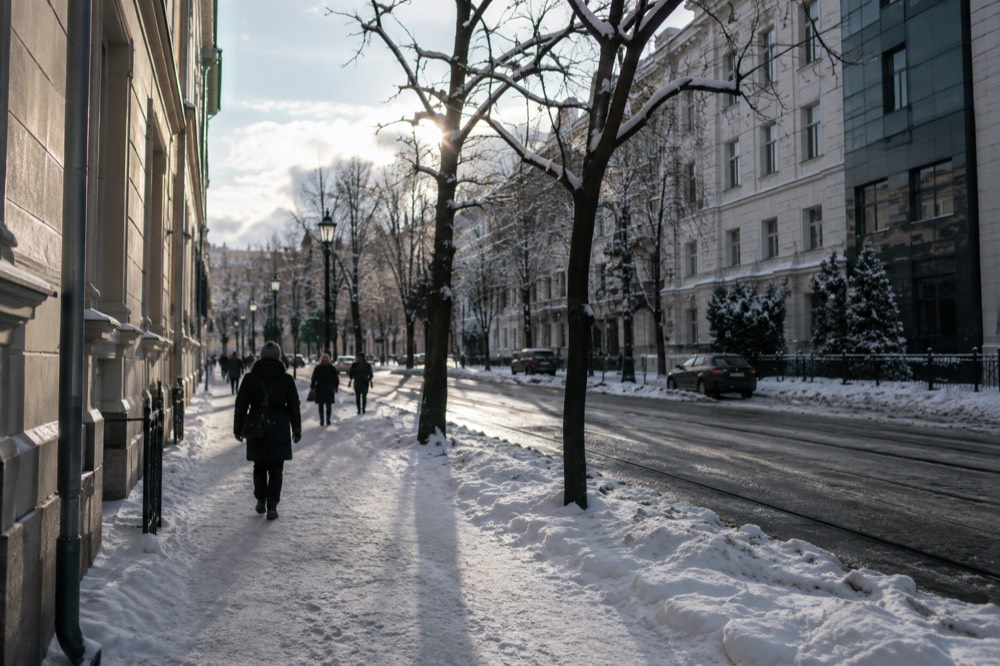
Oslo is highly practical with babies and toddlers: public transport is step-free at most stations, museums are stroller-friendly with changing facilities, children under 6 travel free on Ruter and enter most museums free, and the harbor promenade and Vigeland Park give car-free walking. The main compromises are cobbled streets in older areas, restaurant high-chair availability varying widely, and early Saturday closing that limits evening errands with a tired child.
Ruter's rules make the youngest age band the cheapest traveler in Norway: under-6s ride free and enter almost everything free, from MUNCH to the Cultural History Museum. That means a family with a toddler is really paying for two adults plus food, which changes the budget maths considerably. Our Oslo with a baby guide covers the details.
For stroller logistics, the newer parts of the city, Bjørvika, Sørenga, Tjuvholmen, are flat and wide. The older grid around Grünerløkka has cobbles in patches. The tram fleet is mostly low-floor, and the metro has lifts at the central stations. The botanical garden and the Ekeberg sculpture park both make easy toddler walks with cafe endpoints.
Nappies, formula and baby food are available in any supermarket, and pharmacy opening hours are generous on weekdays. One genuinely Norwegian quirk to plan around: supermarkets sell only beer up to 4.7 percent and stop at a fixed evening cut-off, wine and spirits come solely from Vinmonopolet, which is closed on Sundays and public holidays and closes early on Saturdays. Stock up on Friday if your Saturday evening depends on it.
How Many Days Does a Family Need in Oslo?
A family needs three full days to see Oslo comfortably: day one for the center and Opera House, day two for Bygdøy's museums, and day three for the islands or the forest, with a fourth day adding the climbing park or a winter activity. Two days work if you skip the islands, but families who try to compress Bygdøy, the center and the fjord into one day usually end up choosing between them at the pier.
The reason three days is the honest number is pacing. Children move slower than itineraries assume: the walk between Bygdøy's two piers alone eats 20 minutes with young legs, and every ferry crossing involves waiting, boarding and the inevitable request to do it again. A two-museum morning on Bygdøy plus a beach afternoon is a full day, not a half.
A five-day family week in Oslo might look like this: the center and Opera House on day one, Bygdøy on day two, islands and swimming on day three, the climbing park or Akerselva walk on day four, and Holmenkollen plus Vigeland on day five. In winter, swap the islands for the toboggan run and the forest for snowshoeing or the torchlit walk.
If your trip is shorter, cut the center first: the Opera House roof and harbor walk take an hour, not a day, and can be folded into any evening. Never cut Bygdøy with children over 6, it is the part of the city they will remember.
Common Questions About Things to Do in Oslo with Kids
Is Oslo good for families with kids?
Yes. Oslo is compact, safe, unusually rich in free outdoor space, and its main family attractions, the museums on Bygdøy, the islands and the forest edge, are all connected by ordinary public transport. The main drawback is cost, which families manage by using supermarkets, the Oslo Pass and the city's many free sights.
Is the Oslo Pass worth it for a family?
Usually yes on busy sightseeing days. The 24-hour pass costs 580 NOK for adults and 290 NOK for children aged 6 to 17, covers over 30 museums plus all public transport in the city zones, and includes the Bygdøy ferry. Children under 6 enter most museums free, so a pass for them is rarely needed.
Can you see the Viking ships in Oslo with kids?
No. The Museum of the Viking Age on Bygdøy is closed for rebuilding and will reopen in 2027. Until then, Viking Planet in the city center is the interactive substitute, and the Historical Museum in central Oslo displays other Viking-age objects.
What is free in Oslo for children?
Vigeland sculpture park, the Opera House roof, Akershus fortress grounds, the harbor promenade, all the swimming spots, and entry to the Cultural History Museum and MUNCH for under-18s. Children under 6 also travel free on public transport.
Is Oslo too cold for kids in winter?
No, with the right clothing. Oslo's January normal mean is −2.3 °C, milder than many assume, and the city is built for it: tobogganing, groomed ski trails and torchlit forest walks are all inside the transit network. Daylight is the real constraint, under six hours in late December, so plan outdoor activity for midday.
Do children pay on the Oslo ferries?
On the Ruter island ferries, ordinary child ticket rules apply and under-6s ride free. On the Bygdøy museum ferry, children pay a reduced fare and the ferry is included with the Oslo Pass, but ordinary Ruter tickets are not valid on it.