How to Spend an Oslo Layover: The Right Plan for 4, 6 or 8 Hours
An Oslo layover is unusually workable: the airport train takes about 20 minutes, the city center is compact, and the fjord starts a short walk from the main station. The plan below is built around the clock, not around a wish list.
Short answer
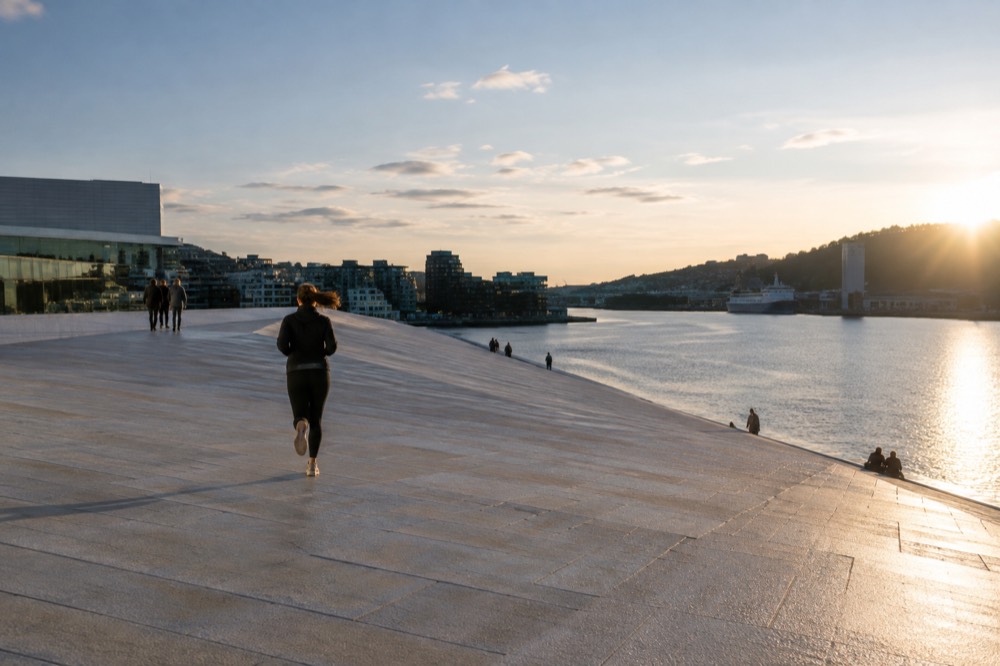
With 4 hours you can reach the center, store your bag and walk the Opera House, Karl Johans gate and the harbor. With 6, add a fjord cruise or a museum. With 8, add Bygdøy or an island. The Vy airport train costs about 134 NOK one way against Flytoget's 268 NOK and takes just three minutes longer.
How to Spend an Oslo Layover: The Right Plan for 4, 6 or 8 Hours
An Oslo layover is one of the few European stopovers that genuinely rewards leaving the airport. Gardermoen sits about 50 km north of the city, but the train connection is fast and frequent, and once you arrive, the Opera House, the harbor front, Karl Johans gate and a working fjord are all within a short walk of Oslo S. The mistake most layover visitors make is not distance, it is ambition: they plan a museum-heavy day that the clock cannot carry. This guide works backwards from your departure time instead.
The second mistake is paying double for the train. Flytoget, the airport express, charges 268 NOK for an adult single and covers the run in about 20 minutes. Vy's regional trains cover the same stations in about 23 minutes and cost roughly half as much, because they ride on the ordinary Ruter zone system. Three minutes of your layover is not worth 134 NOK to most people, and we break the whole comparison down in Flytoget vs Vy for the airport run.
How Long Does an Oslo Layover Need to Be Before It Is Worth Leaving the Airport?
You need roughly 5 hours of total connection time to leave Gardermoen comfortably: about 25 minutes into the city, 25 minutes back, an hour of buffer each end for security, boarding and platform finding, and that leaves around two hours in Oslo itself. Below 5 hours, stay airside. At 6 hours you get a real half day, and at 8 or more you can see the fjord properly. The arithmetic is unforgiving because Gardermoen is 50 km out, so the fixed cost of the round trip, roughly an hour plus buffers, comes off the top of every plan.
| Total layover | Verdict | What fits |
|---|---|---|
| Under 4 hours | Stay at the airport | Airside restaurants, rest zones |
| 4 to 5 hours | Marginal | A quick dash if trains align, but no margin |
| 5 to 6 hours | Worth it | Opera House, harbor, Karl Johans gate |
| 6 to 8 hours | Comfortable | Add a fjord cruise or one museum |
| 8 hours plus | Full half day | Bygdøy museums or an island ferry |
One more variable belongs in this calculation: your luggage. A cabin bag you can wheel is a non-issue, Oslo S and the surrounding streets are flat and walkable. A checked-size suitcase is a real constraint, because Oslo is not a city of sidewalk lockers. The practical answers are the luggage storage options in Oslo, which include left-luggage services near the station, or a museum with lockers if your first stop is a museum anyway. Budget fifteen minutes each side of your city time for dropping and collecting a bag.
What Is the Fastest Way from Gardermoen to the City Center?
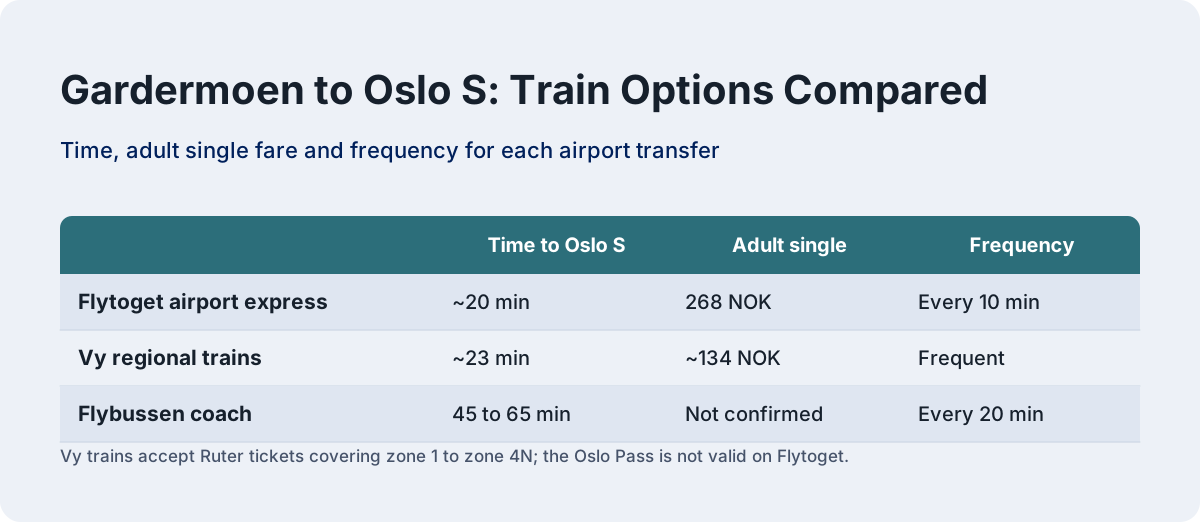
Flytoget runs every 10 minutes and reaches Oslo S in about 20 minutes at 268 NOK adult single. Vy's R10, R11 and R12 trains take about 23 minutes and cost roughly half, around 134 NOK, riding on the ordinary Ruter zone system that covers zone 1 through zone 4N. For a layover, the Vy train is almost always the right call unless you are sprinting for a departure. The two services use the same stations at both ends, so the choice is purely price against three minutes.
The detail that trips people up is ticketing. Vy's airport trains accept ordinary Ruter tickets, which means a multi-zone Ruter ticket covering zone 1 to zone 4N carries you the whole way, and the Oslo Pass covers these trains outright. Flytoget is a separate company, on separate ticketing, and no Ruter product or Oslo Pass is valid on it. VisitOSLO's own wording on the pass is that it includes transport to and from Oslo Airport Gardermoen with public trains operated by Vy, and Flytoget is explicitly excluded.
| Option | Time to Oslo S | Adult single | Frequency |
|---|---|---|---|
| Flytoget airport express | ~20 min | 268 NOK | Every 10 min |
| Vy regional trains | ~23 min | ~134 NOK | Frequent |
| Flybussen coach | 45–65 min | Not confirmed | Every 20 min |
The coach is not worth considering on a layover; traffic on the E6 and Ring 3 is unpredictable in exactly the way a fixed departure time cannot afford. Trains are immune to it. If you are connecting through Oslo S anyway, note the station is large but well signed, and the airport platforms sit at the far west end, so allow five minutes of walking inside the station itself.
If a layover plan has a single organizing idea, it is this: buy movement and sightseeing in one place rather than planning a route from scratch. That is where a hop-on hop-off ticket earns its keep, and where a fjord cruise or a free walking tour slot in alongside it.
The trio above covers the three ways a layover visitor typically wants to spend city hours: a bus loop that connects the spread-out sights, a fjord cruise that shows you the reason Oslo exists where it does, and a free, tip-based walking tour that costs nothing but time. Which one fits depends on the hour count you are working with, so the plans below assume each in its place.
What Can You Actually See with 4 Hours in Oslo?
With 4 hours total, you have about 60 to 90 minutes in the city itself, which is enough for the Opera House roof, the harbor front at Rådhusbrygge and a fast walk up Karl Johans gate, all of it free and all of it within easy walking distance of Oslo S. Do not attempt a museum, the fjord or Bygdøy on this clock. The plan is a loop, not a line, so you are never more than fifteen minutes from the station when the countdown starts.
Start at Oslo S and walk straight down to the water. The Opera House is the first landmark you meet, and its sloping marble roof is free to walk on, no ticket required, with the fjord and the Barcode district behind it. From there, turn west along the waterfront past the new MUNCH building toward the City Hall, whose two towers mark Rådhusbrygge, the pier where the Bygdøy ferry leaves in season. Then it is a short walk up to Karl Johans gate, the main ceremonial street, running from the station up to the Royal Palace. If the clock still allows, the Palace park is free and open, and the view back down the street gives you the whole spine of the city in one glance.
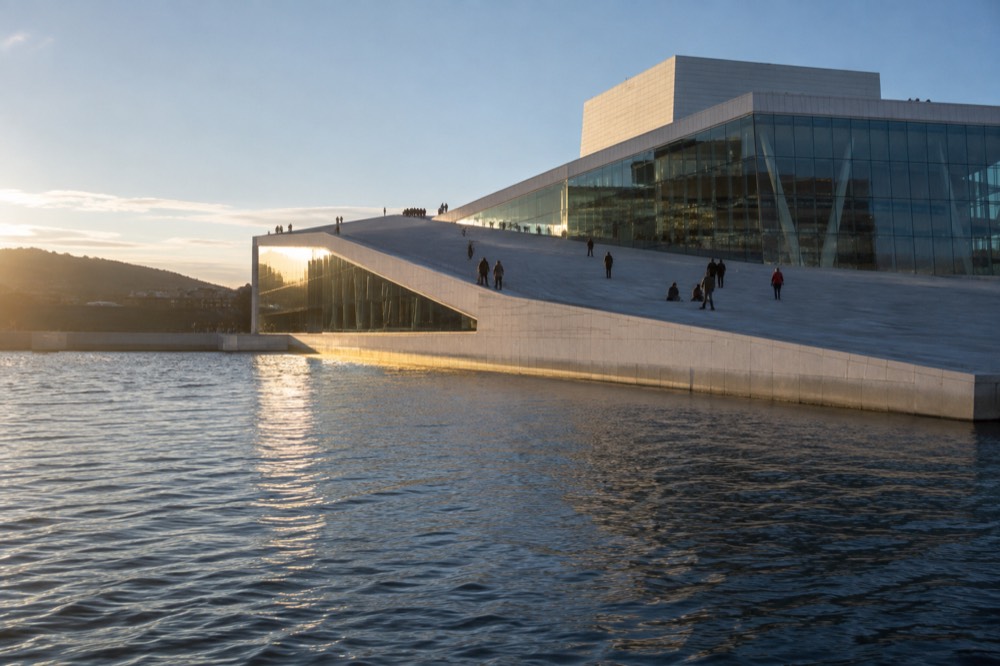
This loop is also the honest answer to what a very short stopover can hold. The free things to do in Oslo are concentrated exactly here: the Opera roof, the harbor, the Palace grounds and, a short tram ride west, Vigeland Park, which is free and open around the clock. On a 4-hour clock, skip the tram and stay on foot.
What Does a 6-Hour Oslo Layover Plan Look Like?
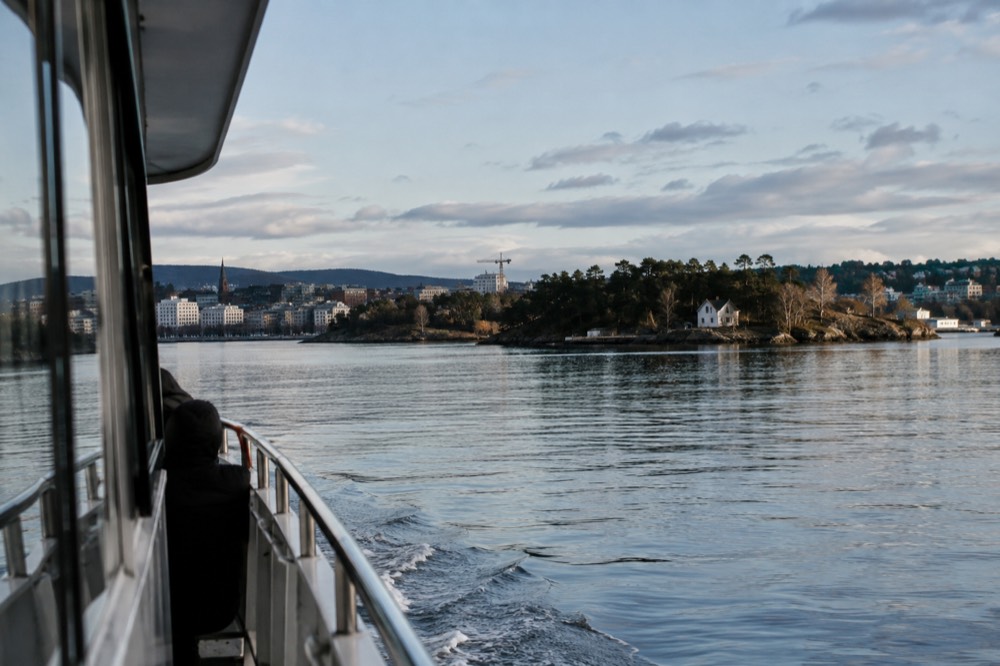
A 6-hour layover gives you roughly 3 hours in the city, which is enough for the full center loop plus either a 90-minute fjord cruise or one museum, and the cruise is the better choice on a first visit. The fjord is the thing Oslo has that other stopover cities do not, and a 1 hour 30 minute electric boat cruise, the best-reviewed activity in the city, fits the window almost exactly. The museum alternative works too, but pick one and only one, never both.
The structure is the same loop as above, tightened. Train in, bag dropped, Opera House and harbor walked in under an hour, then the cruise, then a relaxed walk back to the station with buffer to spare. The silent electric fjord cruise with audio guide runs from the central piers, so there is no transfer cost in getting to it, and it threads the inner Oslofjord past the island chain that gives the city its summer character. If you would rather eat than float, the harbor restaurants at Aker Brygge and the food halls near the station can absorb the same 90 minutes, though Norway's restaurant prices are a real consideration, and the cheap eats in Oslo guide is the honest budget answer.
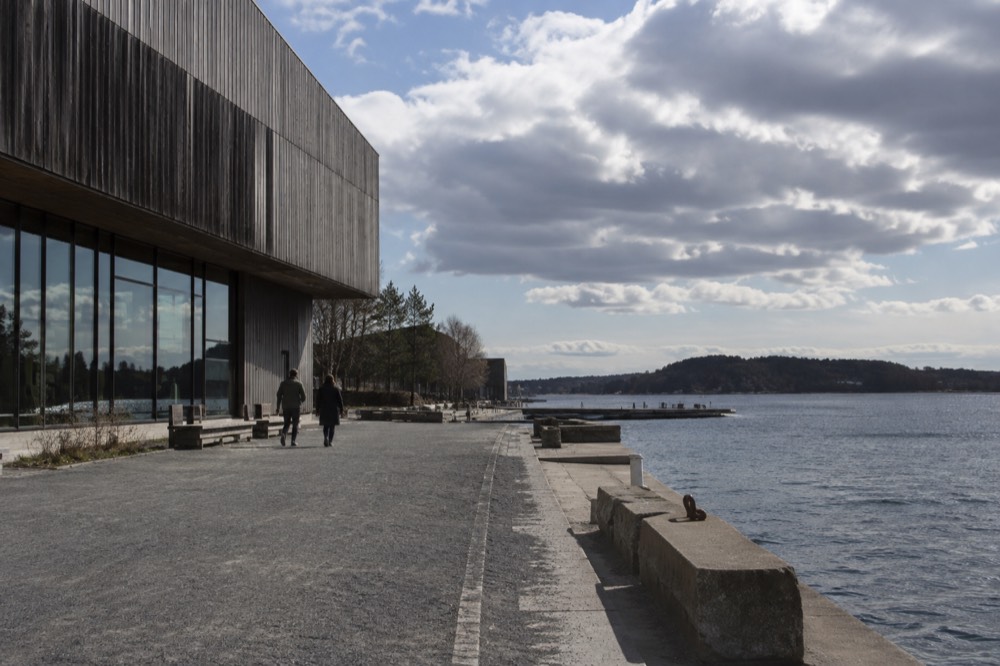
If a museum is your priority instead, pick one and only one. MUNCH, at 280 NOK adult, is the closest major museum to the station and holds the world's largest collection of Edvard Munch's work. The National Museum, holding The Scream, is also on the waterfront loop. Both are covered by the Oslo Pass, but on a single-museum visit the pass does not pay for itself, so buy the entry ticket directly. The full museum-by-museum price picture is in the best museums in Oslo.
| Layover plan | Time in city | Core stops | Cost in NOK |
|---|---|---|---|
| 4-hour loop | 60–90 min | Opera roof, harbor, Karl Johans gate | Train only |
| 6-hour cruise plan | ~3 hours | Loop plus 1h30m fjord cruise | Train plus cruise |
| 6-hour museum plan | ~3 hours | Loop plus MUNCH or National Museum | Train plus 280 entry |
| 8-hour Bygdøy plan | ~5 hours | Loop plus two Bygdøy museums | Train plus museum entries |
Is the Oslo Pass Worth It on a Layover?
A 24-hour Oslo Pass costs 580 NOK and only pays for itself if you visit two or more paid museums or use the Bygdøy ferry on top of transport, which on a 6-hour layover is unlikely and on an 8-hour layover is genuinely possible. The pass covers over 30 museums plus Ruter transport in zones 1, 2, 3, 4V and 4N, including the Vy airport trains, which is the detail that changes the math for layover passengers arriving by rail.
Run the numbers for the 8-hour case. Fly in on Vy covered by the pass, take bus 30 or the seasonal Bygdøy ferry to the museum peninsula, and visit the Fram Museum and the Kon-Tiki Museum, both covered attractions. Two covered museum entries plus the airport trains and the peninsula transport, and the 580 NOK pass is already close to paying for itself, with every further covered entry pure gain. On a 4 or 6-hour stop with one museum and a cruise, it is not, and the cruise is a discounted activity rather than included. The full break-even table lives in is the Oslo Pass worth it.
One warning specific to short visits: the pass does not cover Flytoget, and it does not cover the sightseeing cruises sold by commercial operators. If your plan is "airport train plus fjord cruise," buy the Vy ticket and the cruise separately and skip the pass entirely. The rest of the planning pages sit on Oslo Travel Guide. The rest of the planning pages sit on Oslo Travel Guide.
What Should You Do with 8 or More Hours in Oslo?
With 8 hours you have a full half day: the center loop, a fjord cruise or an island ferry, and two Bygdøy museums, or alternatively a guided morning and an afternoon on foot. This is the threshold where Oslo stops being a dash and becomes a real visit, and where the choices genuinely diverge. The right pick depends on whether you want museums, water or commentary, because on this clock you can finally afford one of each in some combination.
The Bygdøy option is the classic. The peninsula holds the Fram Museum, the Kon-Tiki Museum, the Norwegian Maritime Museum and the open-air Norsk Folkemuseum within walking distance of each other, and the seasonal ferry from Rådhusbrygge 3 makes the approach itself part of the visit. Note two things from the facts file: the ferry runs only from mid-March to early October and is not covered by ordinary Ruter tickets, though the Oslo Pass does cover it, and the Museum of the Viking Age remains closed until 2027, so do not build a stop around it. Out of ferry season, bus 30 runs year-round.
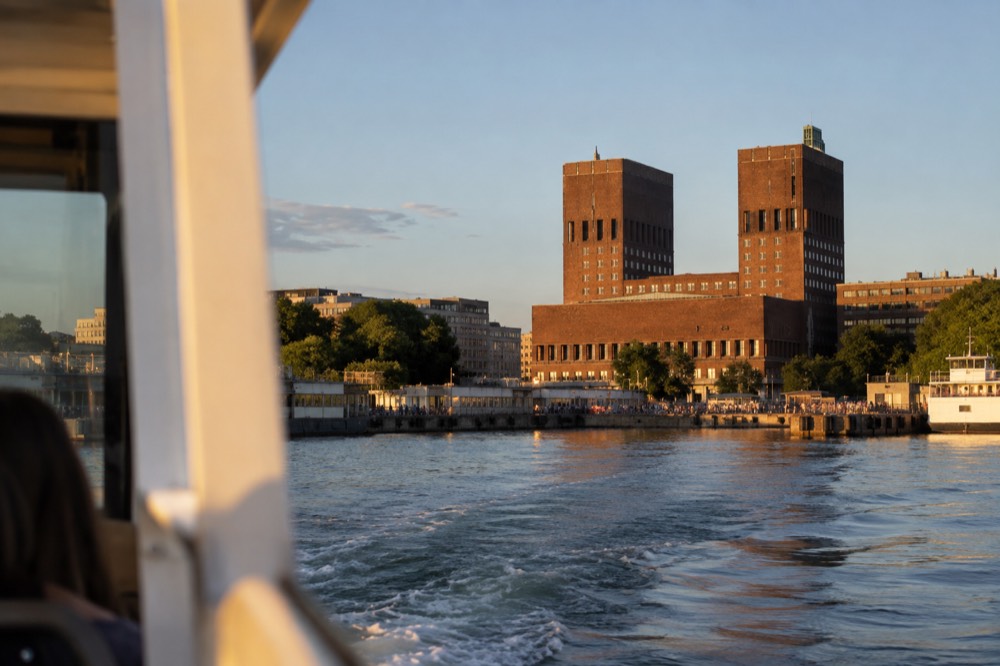
The island option is the local one. Ruter's B1 ferry from Aker Brygge loops Hovedøya, Gressholmen and the other inner islands on an ordinary zone 1 ticket, and Hovedøya's ruined Cistercian abbey is a twenty-minute crossing from the city center. In warm months this is the closest an 8-hour layover gets to a proper Norwegian afternoon, and it costs almost nothing beyond the ferry ticket.
The guided option suits visitors who want the city explained rather than just seen. A hop-on hop-off bus loop stitches together the Opera House, the museum peninsula, Vigeland Park and Holmenkollen, the two latter being otherwise awkward to combine on foot in half a day. For a shorter taste of the same idea, the free walking tours of central Oslo run about two hours and cover the core on foot.
What About Food, Coffee and Luggage on a Short Visit?
Eat near the station or the harbor, drink the tap water, and solve luggage before you leave the station, because those three decisions consume layover time faster than any sight on your list. Oslo's tap water is excellent and free, which matters in a country where restaurant prices run high, and the Oslo tap water question is settled: fill a bottle anywhere. Every minute spent queueing for a paid drink is a minute off the fjord.
For food, the practical layover picks are the food halls and bakeries around the station and Grünerløkka rather than sit-down harbor restaurants, which price for the view. The best restaurants in Oslo and street food in Oslo guides carry the detail. One rule to know before you shop: supermarkets sell only beer up to 4.7% ABV, wine and spirits come from Vinmonopolet alone, and it closes on Sundays and early on Saturdays, so a Saturday-evening layover is not the moment to plan a wine purchase.

Coffee is a genuine Oslo strength, and a flat white near the station is a legitimate 20-minute layover activity in itself. The Oslo coffee guide maps the roasters worth the detour. If your layover falls in the evening, note that MUNCH drops its entry price after 18:00, from 280 to 200 NOK, one of the few genuine evening discounts in the city.
What Can Go Wrong, and How Do You Protect the Plan?
The three failure modes are a late inbound flight, an underestimated security queue on the return, and a museum stop that silently eats 90 minutes, and the defenses are a hard turnaround time, a station-buffered return and pre-decided sight limits. Set your city turnaround time before you leave the airport, write it down, and treat it as a flight time, not a suggestion. Every plan above survives contact with reality only if the return leg is protected.
Schiphol-style airport rail reliability is on your side here: the airport trains run every 10 minutes on Flytoget and frequently on Vy, so you never depend on a single departure. Gardermoen security is generally efficient but not immune to peak queues, and Schengen rules mean no passport control if you arrived from within the area, though Norway is in Schengen but not in the EU, so a connecting flight to a non-Schengen destination adds a checkpoint. Allow a full hour at the airport before a long-haul departure and 45 minutes before a Schengen flight.

Weather is the fourth risk, and Oslo's swing is extreme: from 5 hours 53 minutes of daylight on 21 December to 18 hours 50 minutes on 21 June, with no midnight sun at this latitude but long bright summer evenings. A December layover plan should be almost entirely indoors, and the Oslo in December and rainy day in Oslo guides carry indoor-heavy versions of every loop above. August is the wettest month on the 1991 to 2020 normals at 103 mm, so pack a shell even in summer.
Which Oslo Tours Fit a Layover and Which Do Not?
The tours that fit a layover are the short ones that start centrally: the 90-minute electric fjord cruise, the roughly 2-hour free walking tours, and a hop-on hop-off bus ticket you can ride for as long as your clock allows. Anything over 3 hours, including the full-day bus and fjord combo at 7 hours 30 minutes and the island-hopping tours, needs a real visit, not a stopover. Duration is the filter, and the departure point is the second filter, since anything leaving from a distant pier or hotel adds transfer time your plan does not have.
The cruise deserves its place at the top of the list for one reason: it is the only way to see the Oslofjord's island chain at all within a layover window, and it starts from the central piers. The free walking tours, tip-based and around two hours, are the budget answer and cover the same core loop as the 4-hour plan above with a guide's commentary. The bus is the flexible middle option, and it is the only one of the three that reaches Vigeland Park and Holmenkollen without transfers.
What does not fit, besides the long combos: the private full-day Sognefjord trip at 15 hours 30 minutes, obviously, but also the half-day forest experiences, which depart for Nordmarka and assume a leisurely pace. The food tours, at 2 to 3 hours, are borderline: possible on an 8-hour layover if food is the point of your stop, tight on anything less. The guided tours in Oslo guide carries the full decision framework for longer visits.
Common Questions About Oslo Layovers
Can you leave the airport during a layover in Oslo?
Yes, if your connection time allows it and your luggage is checked through or stored. Norway is in the Schengen Area, so an inbound flight from another Schengen country involves no passport check, though a departure to a non-Schengen destination does. Allow an hour at the airport before an international departure.
How long does the train from Oslo Airport to the city take?
Flytoget covers the run in about 20 minutes at 268 NOK adult single. Vy's regional trains take about 23 minutes and cost roughly half, around 134 NOK, riding on the ordinary Ruter zone system. Both run frequently, so you rarely wait more than a few minutes.
Is 4 hours enough to see Oslo?
Not the museums or the fjord, but yes to the free core: the Opera House roof, the harbor front and Karl Johans gate are all within a short walk of Oslo S. Count roughly 60 to 90 minutes in the city after train time and buffers.
Where can I leave luggage during an Oslo layover?
Luggage storage services operate near Oslo Central Station, and several museums offer lockers with entry. Solve the bag before you leave the station, since dragging a suitcase across the harbor front eats the time you came for.
Does the Oslo Pass cover the airport train?
It covers the Vy trains to and from Gardermoen, which run on the Ruter zone system, but not the Flytoget express and not the Flybussen coach. On a layover with two or more museums plus transport, the 24-hour pass at 580 NOK can pay for itself.
What is the best thing to do on a short Oslo stopover?
Walk the Opera House roof and the harbor, then take a 90-minute electric fjord cruise if the clock allows. The fjord is what Oslo has that other stopover cities do not, and the cruise departs from the central piers.