Oslo Island Hopping: A Complete Guide to the Oslofjord Islands
The Oslofjord's islands sit twenty minutes from the city centre and ride on an ordinary public transport ticket. Here is how island hopping in Oslo actually works: the ferries, the islands, the costs and the seasons.
Short answer
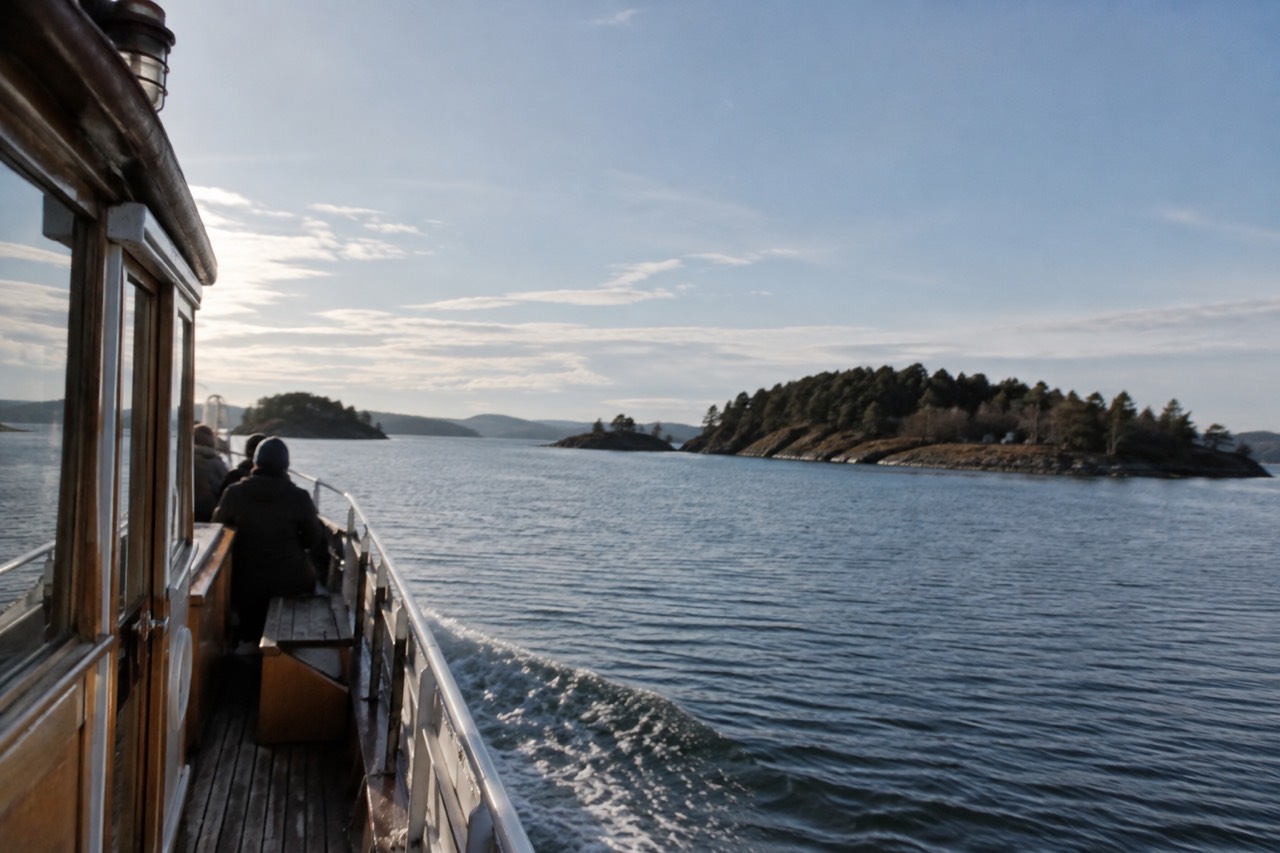
Oslo island hopping means riding the public B1 and B2 ferries from Aker brygge to Hovedøya, Gressholmen, Lindøya, Bleikøya, Nakholmen and Langøyene. An ordinary Ruter zone 1 ticket covers every crossing, and the Oslo Pass covers it too. The ferries run year-round on line B1, with the summer-only B2 serving Langøyene.
Oslo Island Hopping: A Complete Guide to the Oslofjord Islands
Most capitals put their islands behind a tour desk. Oslo puts six of them behind a tram ticket. The inner Oslofjord's islands, Hovedøya, Gressholmen, Lindøya, Bleikøya, Nakholmen and Langøyene, sit close enough to the city that the ferry crossing takes minutes, and the whole system runs as ordinary public transport. You tap the same ticket you used on the metro and step off on an island with a ruined abbey, a swimming beach or a forest path.
That is the whole appeal, and it is an Oslo-specific one. Few cities of this size let you move from a downtown pier to uninhabited-feeling shoreline inside half an hour without booking anything. This guide covers how the ferries work, what each island offers, what it costs, when to go, and when a guided tour beats doing it yourself.
What Is Oslo Island Hopping?
Oslo island hopping is the practice of riding the public Ruter ferries across the inner Oslofjord, getting off at several of the six served islands in one day and using the same zone 1 ticket for every crossing. The boats leave from the Aker brygge piers, line B1 runs all year, and the crossings take roughly 10 to 20 minutes each. Nothing needs to be booked in advance.
The mechanics are simpler than most visitors expect. The islands are served by public ferry lines that are part of the same Ruter network as the trams, buses and metro. There is no tour operator in the middle, no reserved seating and no separate island fare. You buy or activate a ticket for the central zone, you board, and you ride.
What you get at the other end varies by island more than the short crossings suggest. Hovedøya carries the ruins of a Cistercian abbey and a network of gravel paths through light forest. Langøyene is the swimming and camping island, with the best beaches in the set. Gressholmen, Lindøya, Bleikøya and Nakholmen are smaller and quieter, a mix of summer cabins, swimming rocks and walking loops that take an hour or less to complete.
The experience scales to your energy. A half-day hop to Hovedøya and back is a classic Oslo afternoon. A full circuit of four or five islands is a whole-day project that rewards a packed lunch and a swimming costume. And because the boats are frequent in summer, a wrong turn costs you twenty minutes, not a booking fee.
Which Islands Can You Visit, and What Is on Each One?
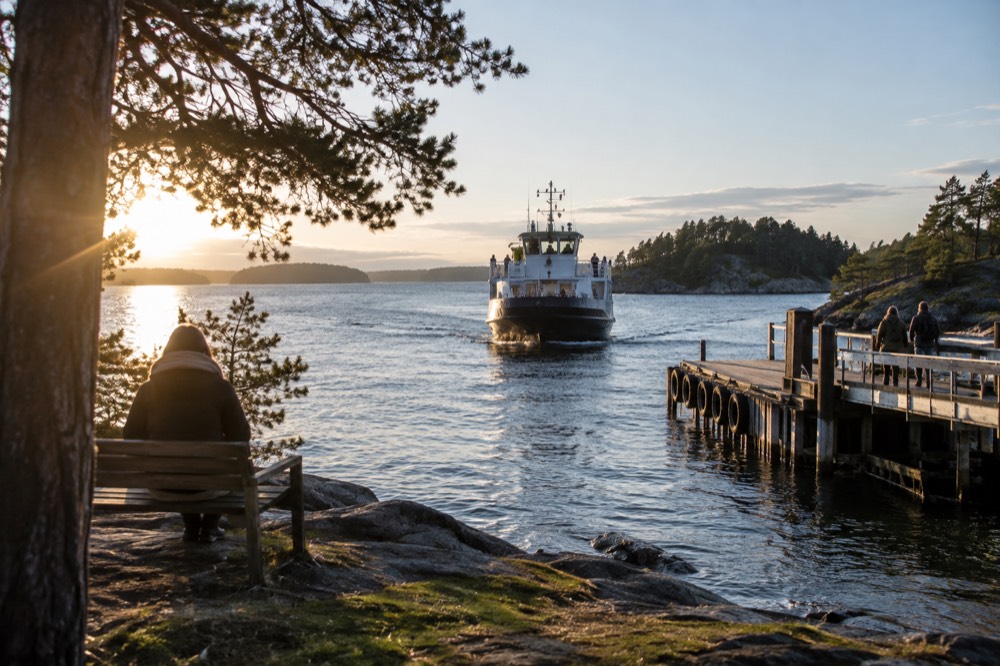
Six islands are served by public ferry: Hovedøya, Lindøya, Gressholmen, Bleikøya, Nakholmen and Langøyene. Hovedøya has the monastery ruins and the easiest walking, Langøyene has the best beaches and permits camping, and the other four are small, cabin-dotted islands suited to swimming and short walks. All are free to set foot on.
Here is the honest rundown, island by island.
| Island | Known for | Time needed | Ferry line |
|---|---|---|---|
| Hovedøya | Cistercian abbey ruins, forest paths, meadows | 1 to 3 hours | B1 |
| Langøyene | Best beaches, free tent camping in season | Half a day | B2 (seasonal) |
| Gressholmen | Swimming rocks, quiet coves, small harbour | 1 to 2 hours | B1 |
| Lindøya | Summer cabins, car-free lanes, gentle walks | 1 to 2 hours | B1 |
| Bleikøya | Small and quiet, cabin community, view spots | 1 hour | B1 |
| Nakholmen | Wooded walking loop, picnic areas | 1 to 2 hours | B1 |
Hovedøya is the default first stop, and the one most first-time visitors should choose if they only make one crossing. The ruins of the Cistercian monastery sit a short walk from the pier, and the island's paths circle the whole thing in under an hour. It is also the closest island to the city, so the crossing is the shortest.
Langøyene is the day-out island. The beaches here are the best in the inner fjord, and the island allows free tent camping for up to two nights in season, which makes it the only island where an overnight is a realistic plan. Reach it on the B2 line, which runs in the warmer months only.
The middle four islands reward a slower pace. Lindøya's cabin lanes feel further from the capital than the twenty-minute crossing implies. Gressholmen and Bleikøya are swimming-and-sunbathing stops more than sightseeing ones. Nakholmen is a picnic island with a wooded loop that suits families.
If you want the islands without building the day yourself, the guided options are strong. The full-day five-island boat tour covers the ground in one organised outing, and there is a good case for it if your time in the city is short.
For a different angle on the same water, the short fjord cruises also depart from the central piers. The silent electric boat with audio guide is the city's single best-reviewed activity, and the traditional wooden sailing ship covers the same fjord in a completely different register. Neither lands on the islands, but both show you the shoreline you will be ferrying across. The full comparison lives in our Oslofjord cruise options guide.
How Do the Oslofjord Island Ferries Work?
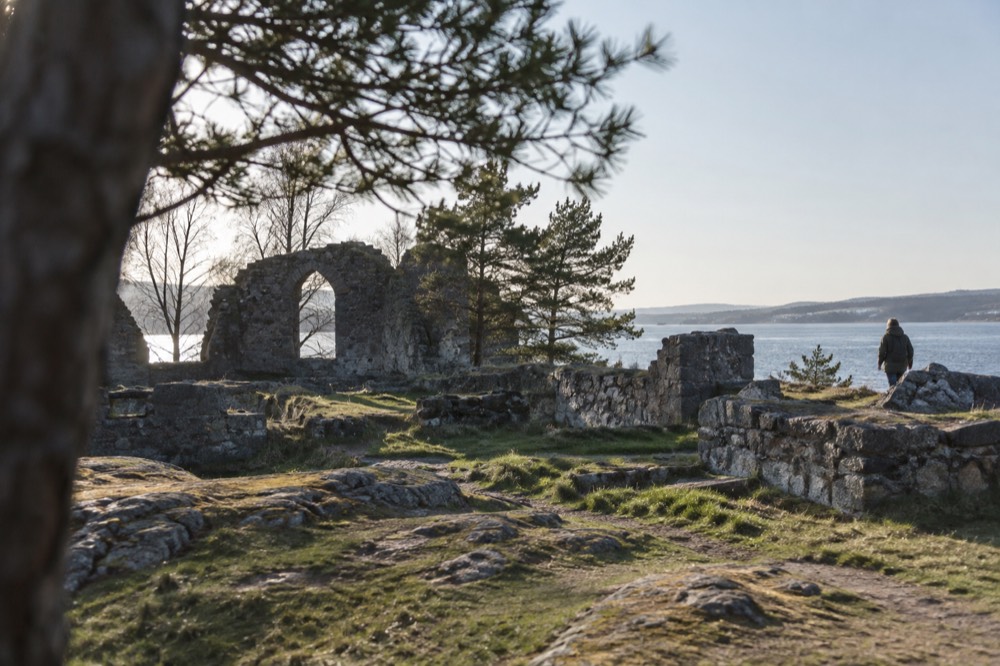
The island ferries are ordinary Ruter public transport. Lines B1 and B1X run year-round from the Aker brygge piers, calling at Hovedøya, Lindøya, Gressholmen, Bleikøya and Nakholmen, while the seasonal B2 adds Langøyene. A standard zone 1 ticket covers every crossing, and the Oslo Pass is valid on all of them. Departures are frequent in summer and thinner off-season.
One warning before anything else, because this is the most confused ferry topic in Oslo. The Bygdøy museum ferry and the island ferries are two different systems. The Bygdøy boat leaves from Rådhusbrygge 3, runs only from mid-March to early October, and does not accept Ruter tickets. The island ferries leave from Aker brygge and are fully part of the Ruter network. Two different piers, two different ticket rules. If you are also planning the museum peninsula, our Bygdøy museums and beaches guide covers that side separately.
For the islands, the practical points are these. Buy your ticket in the Ruter app before boarding, because on-board purchase costs more. A single zone 1 ticket is valid for 60 minutes from activation, which is enough to reach an island but not to return, so most visitors use a day pass or pay per crossing. The Oslo Pass covers the ferries outright alongside the rest of the public transport network.
| Ferry line | Stops | Season | Notes |
|---|---|---|---|
| B1 | Hovedøya, Lindøya øst, Gressholmen, Bleikøya, Nakholmen, Lindøya vest | Year-round | Reduced frequency outside summer |
| B1X | Aker brygge to Hovedøya | Summer extra | Runs every 20 minutes at peak |
| B2 | Hovedøya, Gressholmen, Langøyene | Seasonal | The only public boat to Langøyene |
Ruter's published 2026 schedule windows put the summer island timetable from 4 July to 30 August, with the autumn timetable running from 31 August to 18 October. Outside those windows the boats still run, but less often, and the B2 to Langøyene does not run at all. Check the live timetable in the Ruter app or journey planner on the day, because the first and last sailings shift with the season.
The piers sit at the Aker brygge waterfront, a short walk from City Hall and the Karl Johans gate axis. In summer the queue for the first boats on a warm Sunday can be long, so arrive ahead of a departure you care about. Bikes are generally welcome on the ferries outside the busiest sailings, which opens up a combined ferry-and-cycle day. The Aker brygge waterfront area guide is worth a read if you plan to build the rest of your day around the piers.
If the ferry logistics feel like more planning than you want, the guided route exists precisely for that.
What Does Island Hopping in Oslo Cost?
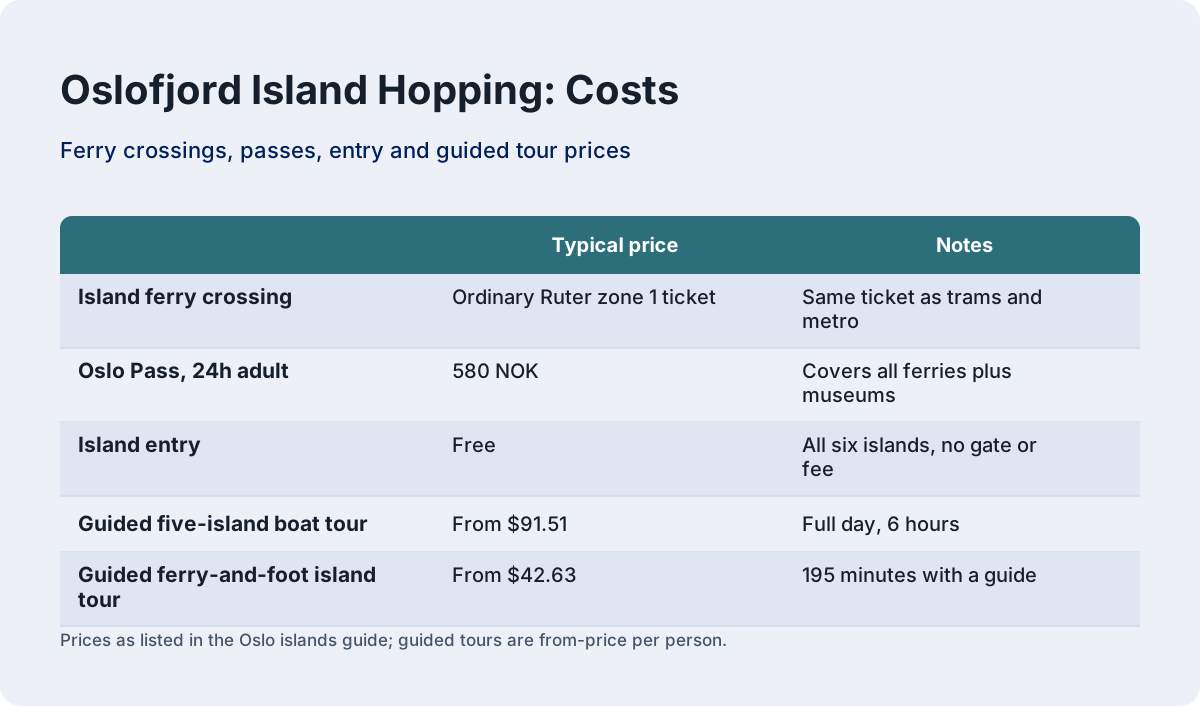
The crossings cost no more than an ordinary central-zone public transport ticket, and the islands themselves cost nothing: entry is free on every one. Your real costs are the ticket you choose, roughly a day pass price for unlimited crossings, plus food and drink, since only minimal kiosks operate on the islands in high season. A guided full-day boat tour runs from $91.51 per person.
The transport side is genuinely cheap by Oslo standards. An ordinary zone 1 ticket covers the ferries, so a day of hopping costs the same as a day of riding trams. The Oslo Pass, at 580 NOK for 24 hours adult, bundles the ferries with museums and the rest of the network, which can make sense if you plan to pair the islands with paid sights. Ruter's 30-day zone 1 pass, for context, was cut from 805 to 655 NOK in May 2026, a signal of where the city wants transport pricing to go.
What you spend beyond the ticket is food. There is no restaurant scene on the islands, and only some carry a summer kiosk. The standard local move is to buy groceries or a grill pack before boarding, and Langøyene in particular has a strong picnic and barbecue culture on warm weekends.
| Cost item | Typical price | Notes |
|---|---|---|
| Island ferry crossing | Ordinary Ruter zone 1 ticket | Same ticket as trams and metro |
| Oslo Pass, 24h adult | 580 NOK | Covers all ferries plus museums |
| Island entry | Free | All six islands, no gate or fee |
| Guided five-island boat tour | From $91.51 | Full day, 6 hours |
| Guided ferry-and-foot island tour | From $42.63 | 195 minutes with a guide |
The guided options deserve a straight comparison with the DIY day, because they are not competing on price. The ferry-and-foot island hopping tour at 4.8 across 3,296 reviews walks the islands with a guide and handles the ferry timing, which matters if you would otherwise lose an hour to a missed boat. The full-day five-island tour covers more ground in one booking.
The honest summary: if you enjoy logistics and have a full day, the DIY version is cheaper and barely harder than riding a bus. If your Oslo time is measured in half-days, a guided tour converts one of them into islands without any planning at all.
When Is the Best Time to Go Island Hopping?
June through August is the best window: all ferry lines including the B2 run, the water is swimmable at typically 15 to 20 °C, and the long Nordic evenings make a late ferry back painless. May and September are quieter and still workable on the year-round B1. In winter only B1 runs, the islands become short, cold walking trips, and daylight shrinks to under six hours.
The swimming question deserves real numbers, because the Baltic-brief idea people have of fjord swimming is wrong here in both directions. Realistic July and August water temperatures in the inner Oslofjord run 15 to 20 °C, cool rather than warm, and they vary with the weather of the preceding week. The islands' official bathing spots publish current water temperatures, so check on the day rather than trusting a monthly average. For beach culture specifically, Langøyene is the island to aim at, and our Oslo beaches guide covers the full picture including the mainland spots.
Daylight is the other seasonal factor, and in Oslo it is extreme. The swing runs from 5 hours 53 minutes of daylight at the winter solstice to 18 hours 50 minutes at midsummer, when the sun sets at 22:43 and rises at 03:53. That midsummer window is a genuine advantage for island hopping: you can take a late ferry out, swim, and still be back in daylight. There is no midnight sun in Oslo, at 59.91 N the sun does set, but late June never gets properly dark.
| Period | Ferries | Swimming | Daylight feel |
|---|---|---|---|
| June to August | All lines, most frequent | Yes, 15 to 20 °C water | Evenings light past 22:00 |
| May, September | B1 plus shoulder B2 | Brave, cold water | Long days, quieter islands |
| October to April | B1 only, reduced | No | Short days, bring a headlamp in winter |
Crowds follow the weather more than the calendar. A warm Sunday in July means full boats and busy beaches on Langøyene. The same week's rainy Tuesday can leave you nearly alone on Hovedøya. If you want the islands warm but not packed, aim for a weekday in late June or late August, when the water is at its best and the school holidays thin out at the edges.
Should You Take a Guided Tour or Do It Yourself?
Do it yourself if you have a full day and enjoy simple logistics: the ferries are ordinary public transport and the savings are real. Take a guided tour if your time is short, you want the islands explained rather than just visited, or you prefer one booking over a day of timetables. The guided full-day tour runs from $91.51 and the ferry-and-foot version from $42.63.
The DIY case is strong because the barrier is so low. There is no language issue, the Ruter app works in English, and the worst outcome of a mistake is waiting for the next boat. The islands' sights, an abbey ruin, beaches, walking paths, are self-explanatory enough that a guide is a bonus rather than a necessity. Start at Hovedøya, and if the day is going well, continue on the B1 circle.
The guided case rests on three things. First, time: a guided tour compresses the decision-making, which matters on a short visit. Second, interpretation: the islands' history, from the monastery to the fortress years, is richer with someone who knows it. Third, weather flexibility, since a guided outing makes its own call on the route.
The full-day tour is the deepest version. It visits five islands across a 6-hour outing and holds a 4.6 rating across 273 reviews, which is a solid score for a long day on the water.
A middle path also exists: do the DIY morning on Hovedøya, then take a short fjord cruise in the evening. The wooden sailing ship trip is a 2-hour run from $46.19, rated 4.5 across 6,138 reviews, and it turns the same water into the day's entertainment rather than its commute. Pairing one island with one cruise is a genuinely good Oslo day.
How Do You Plan a Full Day of Island Hopping?
A good full-day plan takes the B1 circle from Aker brygge in the morning, spends an hour or two on Hovedøya, hops to Gressholmen or Lindøya for lunch and a swim, and finishes on Langøyene if the B2 is running. Buy food before boarding, check the last ferry times in the Ruter app, and keep every crossing on one day ticket.
The sequence matters less than the timing discipline. Work backwards from the last boat off your final island, because the one genuinely bad outcome of a DIY day is being a ferry short of your hotel. In summer the last sailings are generous, but they still exist, and the B2 to Langøyene has fewer departures than the B1 stops.
A realistic timetable for a summer Saturday:
| Time | Move | Notes |
|---|---|---|
| 09:30 | Buy picnic supplies, head to Aker brygge | Groceries beat island kiosks on price and choice |
| 10:15 | B1 to Hovedøya | Abbey ruins, forest loop, first swim |
| 13:00 | B1 onward to Gressholmen or Lindøya | Lunch, rocks, sunbathing |
| 15:30 | B2 to Langøyene if running | Best beaches, walk the island end to end |
| 18:30 | Ferry back to Aker brygge | Check the actual last departure in the app |
What to bring is short and practical. Swimwear and a towel, because the water is part of the point in summer. More food and drink than you think you need, because island supply is thin and Oslo prices are not. Sunscreen, since the fjord reflects hard even on mild days. Cash is unnecessary, but a charged phone with the Ruter app is not optional: it is your ticket, your timetable and your fallback plan.
For families, the islands are among the most forgiving Oslo outings: short crossings, no traffic, and beaches that entertain children for hours. Our Oslo with kids guide has more in this vein. And if the weather turns, the whole plan converts into a museum day, which our rainy day in Oslo guide handles.
What Else Should You Know Before You Go?
Know the two-pier rule, the two-season rule and the alcohol rule. The island ferries and the Bygdøy ferry leave from different piers with different ticket rules, the B2 to Langøyene runs in summer only, and the islands have no shops beyond seasonal kiosks, so bring everything you plan to eat and drink.
A few closing details that trip people up. The piers: island ferries from Aker brygge, Bygdøy ferry from Rådhusbrygge 3, and never the twain. The season: B1 runs all year, B2 does not, so a Langøyene plan outside summer needs rethinking. The supplies: buy before boarding.
Camping on Langøyene is the one overnight option, with free tent camping for up to two nights in season. Keep it simple and follow the local rules on where tents go. For everything else about the city around the piers, the Aker brygge waterfront itself deserves a look, and the free things to do in Oslo guide notes that the islands, the Opera House roof and Vigeland Park together make a genuinely no-cost Oslo weekend.
This is also where an honesty note matters: Oslo Travel Guide covers the islands as they are, not as a brochure would. The islands are lovely and they are also small. If you arrive expecting dramatic fjord scenery, recalibrate: this is a city archipelago, intimate rather than epic, and the five-hour version of grand Norwegian nature starts further out.
For the full fjord picture beyond the islands, the complete Oslofjord cruise comparison covers every boat option in the city, from the silent electric cruisers to the dinner boats. The islands are the budget end of that spectrum and, on a warm July day, arguably the best of it.
Common Questions About Oslo Island Hopping
Can you do island hopping in Oslo without a tour?
Yes, and most locals do. The island ferries are ordinary Ruter public transport, an ordinary zone 1 ticket covers every crossing, and no booking is needed. A guided tour adds interpretation and removes the timetable work, but the DIY version is simple.
Which Oslo island is best for swimming?
Langøyene has the best beaches in the inner Oslofjord and is the swimming island, reached on the seasonal B2 line. Gressholmen and Hovedøya also have swimming spots and rocks. Realistic July and August water temperatures run 15 to 20 °C.
Does the Oslo Pass cover the island ferries?
Yes. The Oslo Pass covers public transport across Ruter zones 1, 2, 3, 4V and 4N, and the island ferries are part of the Ruter network. The Bygdøy museum ferry is a separate system, but the Oslo Pass covers that one too.
Can you camp on the Oslo islands?
Yes, on Langøyene, which allows free tent camping for up to two nights in season. It is the only island where an overnight stay is a realistic plan, and it is reached on the summer-only B2 ferry line.
Where do the Oslo island ferries leave from?
From the Aker brygge piers, a short walk from City Hall. Do not confuse this with the Bygdøy museum ferry, which leaves from Rådhusbrygge 3, runs seasonally and does not accept Ruter tickets.
Do the island ferries run in winter?
The B1 line runs year-round to Hovedøya, Lindøya, Gressholmen, Bleikøya and Nakholmen, at reduced frequency outside summer. The B2 to Langøyene is seasonal. Winter visits are short walking trips around limited daylight.