Tøyen and Grønland: Oslo's East Side Neighborhood Guide
Tøyen and Grønland are the two halves of Oslo's inner east side: one green and institutional, the other the most multicultural and least expensive eating street in the city center. This guide covers what is actually there, what it costs, and how to fit it into a visit.
Short answer
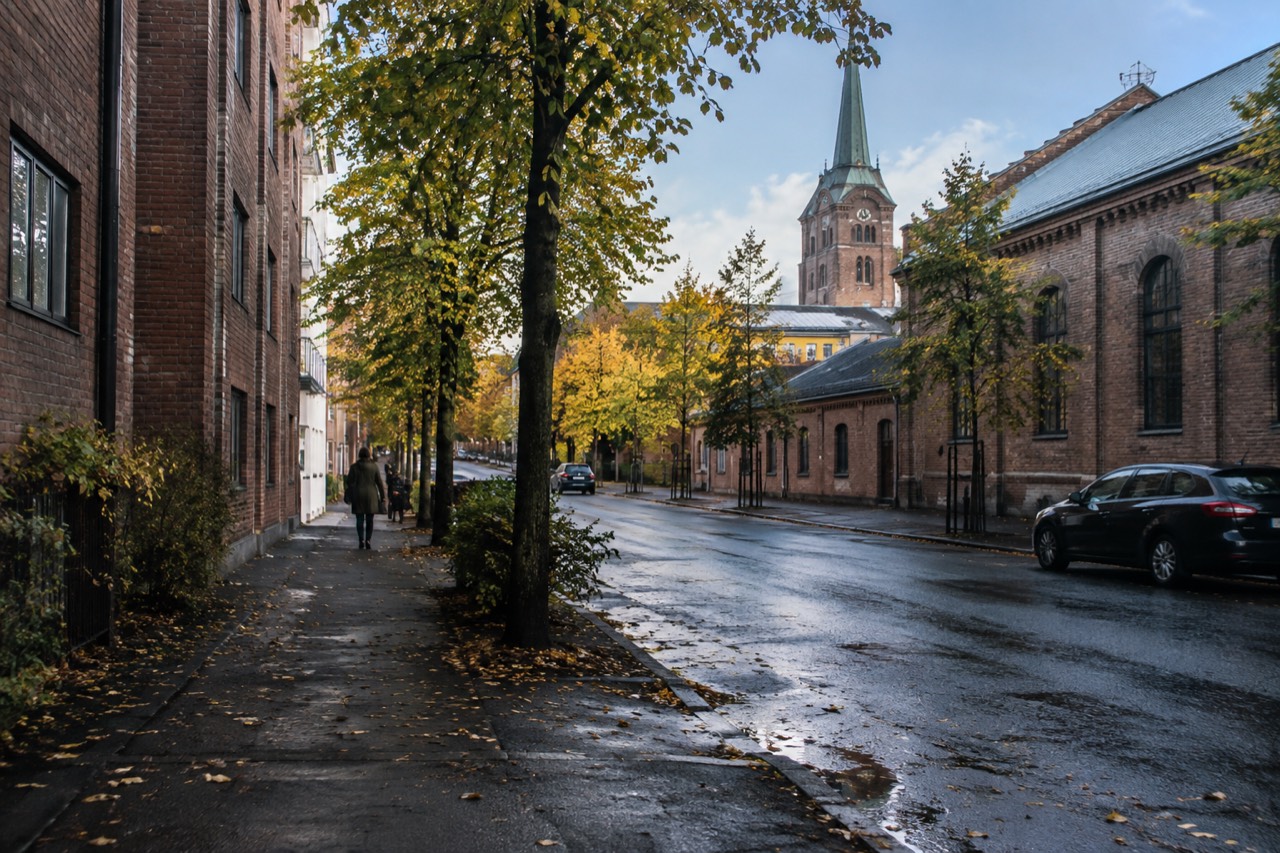
Tøyen and Grønland sit immediately east of Oslo city center, roughly 15 minutes on foot from Karl Johans gate. Tøyen holds the Botanical Garden and the former Munch museum site; Grønland is a dense, multicultural district of inexpensive eateries, markets and vintage shops along the Akerselva river. Neither needs a ticket, and both reward a half day.
What Are Tøyen and Grønland Known For?
Tøyen and Grønland are Oslo's inner east side, the half of the city center that most visitors walk past on their way from the station to the Opera House. Tøyen is the green, institutional end, home to the Botanical Garden and the former Munch museum site. Grønland is the food street end, the most multicultural neighborhood in central Oslo and the place where the city's otherwise serious prices soften.
The two names describe one continuous stretch of the east side, separated by about ten minutes of walking. Grønland hugs the lower Akerselva river just east of Oslo S, the central station. Tøyen sits a little further northeast, uphill and greener, around the Botanical Garden that has anchored the district for generations.
The east-west split is a real thing in Oslo, not a travel-writer invention. The city's west side, around Frogner and Majorstuen, is where the old money lives; the east side, historically the workers' and industrial half, is where immigration, students and reinvestment have reshaped the streets fastest. Grønland is the clearest expression of that: a district where a single street can hold a Pakistani grocer, a Vietnamese bakery, a Kurdish kebab shop and a Norwegian pensioner's café, all doing steady business.
The Munch story matters here too, because visitors still arrive expecting a museum at Tøyen. The Munch collection moved to Bjørvika, into the waterfront building now branded MUNCH, and the old Tøyen building wound down its community activities in late 2025 and early 2026 ahead of a potential sale. Anyone planning a Munch visit should head to the MUNCH museum at Bjørvika, not Tøyen. The Botanical Garden, by contrast, is confirmed open with normal seasonal hours, and it remains the district's quiet centerpiece.
For orientation, this district sits between two better-known neighbors, and both are worth folding into the same walk: Grünerløkka, the café-and-bar neighborhood directly north across the river, and the small Vulkan complex of food halls and cultural venues on the riverbank between them.
Is Tøyen Oslo Worth Visiting?
Yes, for two reasons that most itineraries miss. First, the Botanical Garden is one of the largest green spaces in the inner city and costs nothing to enjoy as public space. Second, Grønland is the cheapest eating district in the city center, which matters in a country where food runs a third above the European average. Neither reason requires a ticket, a tour or much planning.
The honest framing is that Tøyen and Grønland are not a sights district. Nobody comes to Oslo for Tøyen the way they come for the Vigeland sculptures or the Opera House roof. What the district offers instead is texture: the part of the city where Oslo stops being a Scandinavian design catalog and starts being a lived-in place.
For a visitor on a second or third day in the city, that is exactly what is wanted. The Botanical Garden gives you an hour or two of calm between museum visits. Grønland gives you a lunch that does not require a bank loan. The river walk between Grønland and Grünerløkka gives you the Akerselva, the waterfall-studded stream that cuts the city in half, without leaving the central fare zones.
There is also a practical argument. The district is close to everything: a few minutes from Oslo S on the metro, walkable from the center in about fifteen minutes, and flat enough that the whole loop from the station through Grønland to the Botanical Garden and back is an easy morning. If your Oslo plans include a rainy afternoon, the covered market halls and eateries around Grønland are a genuine answer, and our rainy day in Oslo guide folds them into a full plan.
If you would rather have a local set the frame before you wander, a guided walk is the efficient way in. The Budget Central Walking Tour, a two-hour guided walk of central Oslo with a local guide, covers the city-center orientation that makes the east side make sense, and it costs less than a single museum ticket.
What Are the Best Things to Do in Tøyen and Grønland?
The short list is the Botanical Garden, the Grønland food streets, the Akerselva river walk, and the Vulkan food halls on the boundary with Grünerløkka. Everything on that list is either free or priced like a meal, nothing needs pre-booking, and the whole set fits a half day at a relaxed pace. Add the MUNCH museum only if you accept it is a fifteen-minute walk south at Bjørvika, not at Tøyen.
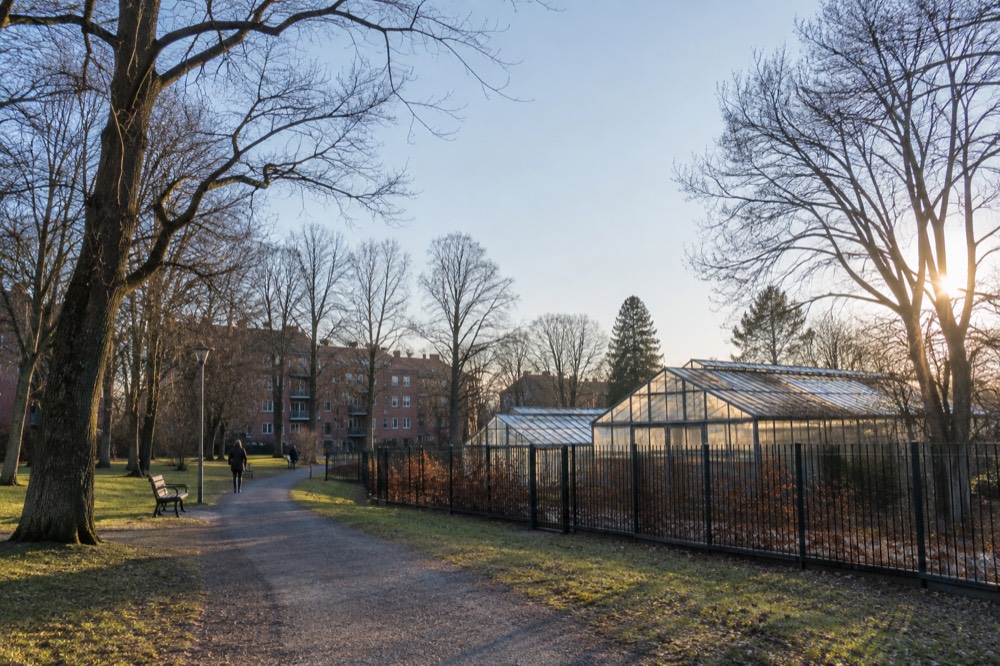
The Botanical Garden is the anchor. It is a large, mature garden with glasshouses, rock gardens and long tree-lined paths, and it belongs to the natural history institutions at Tøyen. It is open through the year with seasonal hours, and it is the kind of place Oslo residents actually use, which is the test most attractions fail. In summer the lawns fill with picnicking families; in winter the bare avenues are still worth the walk.
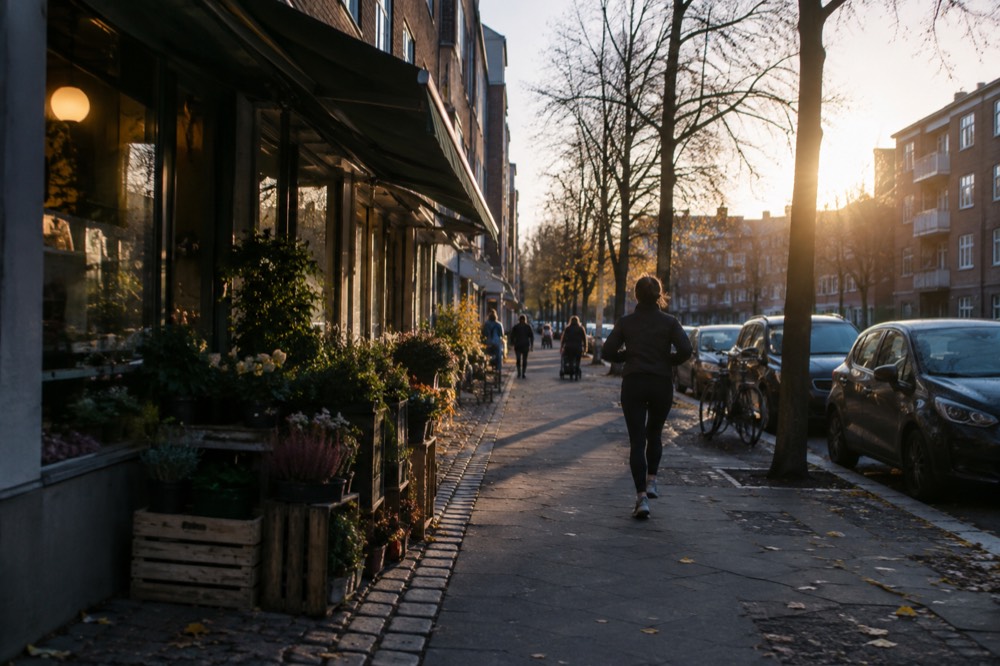
Grønland itself is best treated as a street, not a sight. The core runs along Grønlandsleiret and the streets either side of it, where the shopfronts turn international: grocers with spice shelves, bakeries, barbers, secondhand shops and a dense concentration of small restaurants. There is no single landmark to photograph. The activity is eating, browsing and people-watching, and the eating is the point, because this is where the cheap eats in Oslo conversation starts and usually ends.
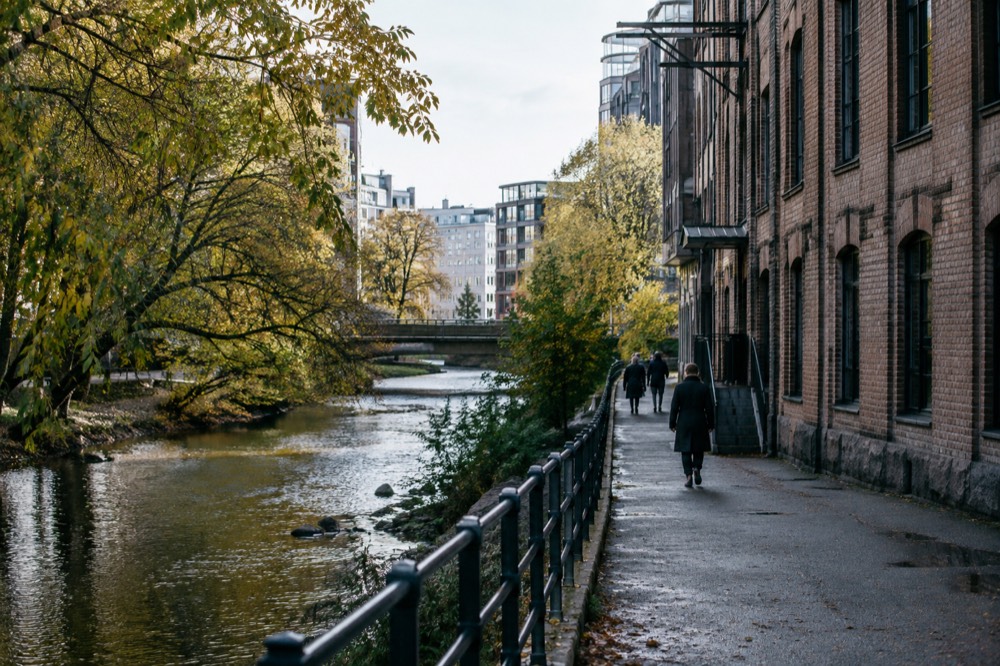
The river is the third piece. The Akerselva runs along Grønland's western edge, and the path beside it is one of the best free walks in the city, heading north past old industrial buildings, waterfalls and murals toward Grünerløkka. The river is also the venue for one of Oslo's genuinely unusual bookable activities: a packraft or kayak trip on the Akerselva itself, a 90-minute guided paddle through the middle of the city that departs from the riverbank in this part of town.
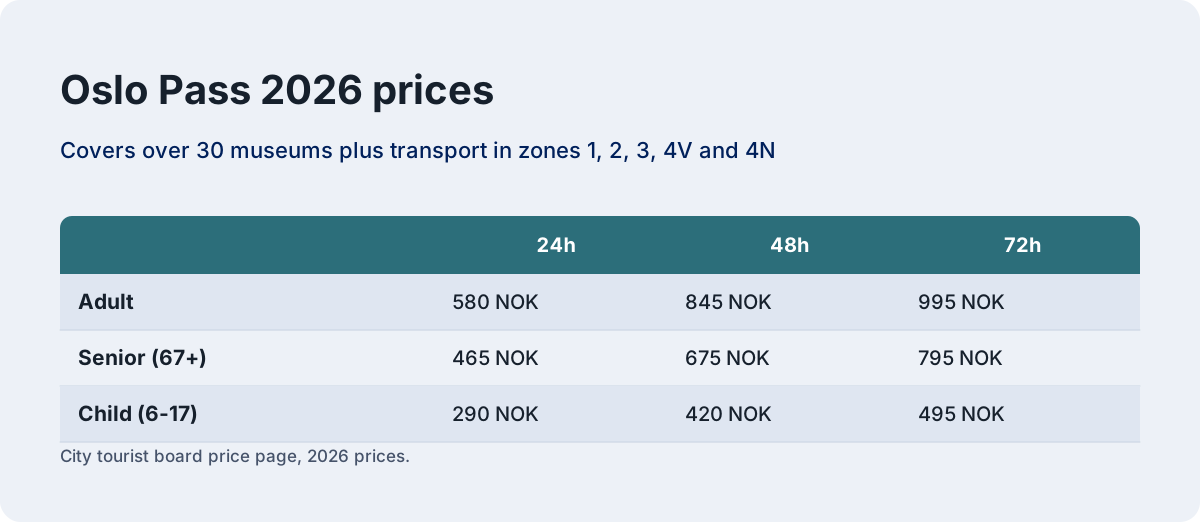
If you are building the visit around the museums rather than the streets, the Oslo Pass is worth a look before you pay anything at a counter. The pass covers entry at over 30 museums and attractions, plus public transport in zones 1, 2, 3, 4V and 4N, and the 2026 prices are as follows, straight from the city tourist board's own price page.
| Oslo Pass | 24h | 48h | 72h |
|---|---|---|---|
| Adult | 580 NOK | 845 NOK | 995 NOK |
| Senior (67+) | 465 NOK | 675 NOK | 795 NOK |
| Child (6–17) | 290 NOK | 420 NOK | 495 NOK |
Whether the pass pays off on an east-side day depends on how many covered attractions you bolt on. A garden-and-streets day needs no pass at all. A day that adds MUNCH, at 280 NOK adult before 18:00 and 200 NOK after, plus a second museum, starts to make the 24-hour pass arithmetic interesting, especially since the pass also rides the trams and metro you would use to reach Tøyen.
How Do You Get to Tøyen and Grønland?
Both districts sit inside Ruter zone 1, the central fare zone that covers the entire metro network, so any ordinary central Oslo ticket covers the trip. Tøyen has its own metro station a few minutes from the Botanical Garden; Grønland is served by buses and is a short walk from Oslo S and the Jernbanetorget square. On foot from Karl Johans gate, allow roughly fifteen minutes to Grønland and twenty-five to the garden.
The metro is the simplest answer for Tøyen. The Tøyen station is one of the stops on the central stretch of the network, and the garden entrance is a short walk from the platforms. Because the whole metro network sits inside zone 1, you do not need to think about zone boundaries at all for this trip; a single zone 1 ticket is valid for 60 minutes from activation, which is plenty for the ride out and a look around.
For Grønland, walking is often faster than transit. The district begins a few blocks east of Oslo S, and the walk from the station crosses the river and deposits you at the top of the food streets within ten minutes. Buses run along the main road through the district for anyone coming from a different direction, and the same zone 1 ticket covers them.
One caution worth carrying anywhere in Oslo: do not buy your ticket on board. Ruter states plainly that a single ticket bought on the bus or boat costs more than one bought in the app, and the app is the standard way everyone, residents included, pays for transit here. The full ticket mechanics, including the 30-day pass that dropped from 805 to 655 NOK in May 2026, are covered in our Ruter tickets guide.
Cyclists and walkers have the best route of all: the riverside path. Coming from Grünerløkka or the center, the Akerselva path delivers you into Grønland past the old mills, and it connects at the south end toward Grønland's church and the main street without ever rejoining traffic.

Where Do Locals Eat in Grønland?
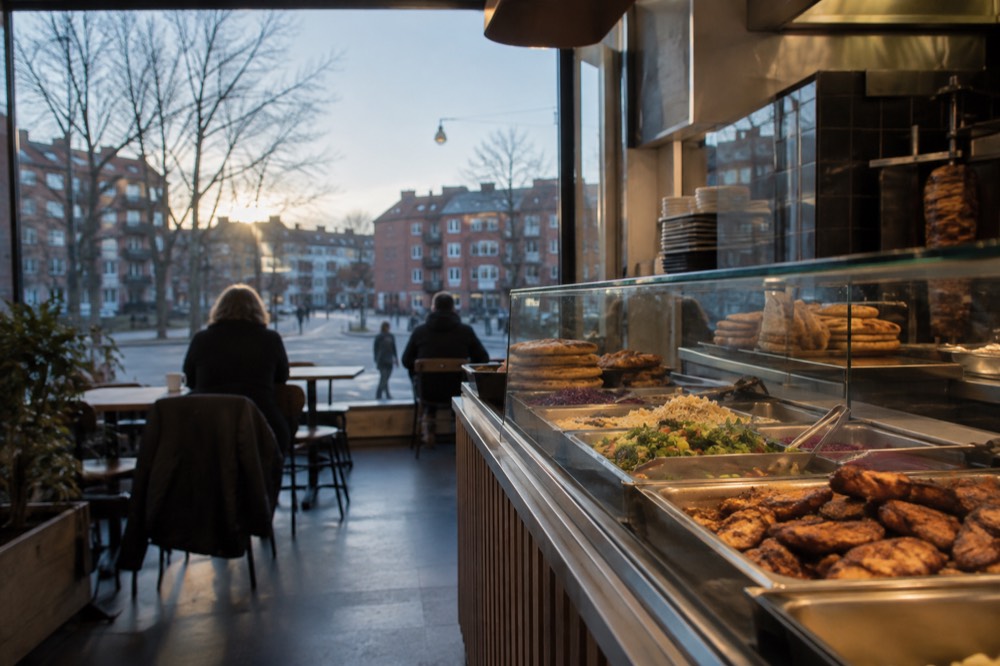
Grønland is the least expensive eating district in central Oslo, built around South Asian, Middle Eastern, Southeast Asian and African kitchens rather than the New Nordic restaurants the city markets elsewhere. It is also the district where Norway's alcohol prices bite least, because many of the kitchens are halal or otherwise barely touch the wine list. Expect to eat well for what a single appetizer costs across the center.
The honest way to talk about Oslo food prices is with the national statistics, not with invented menu figures. Statistics Norway's 2025 European price-level survey, published in June 2026, puts real numbers on what visitors feel in their wallets here, and they are worth having in your head before you order anything anywhere in the city. Other pages covering the same trip are gathered on Oslo Travel Guide. Other pages covering the same trip are gathered on Oslo Travel Guide.
| Cost measure | Norway vs European average |
|---|---|
| Overall price level, households | 28.6% above the EU average |
| Food and non-alcoholic drink | 33% above the European average |
| Alcohol and tobacco | More than double the European average |
| Overall European ranking | 6th most expensive country |
That table is the reason Grønland matters to a budget. When the average Norwegian food bill runs a third above the European norm, a district whose bakeries, grocers and small restaurants price for locals rather than tourists becomes the single biggest saving available on an Oslo trip. The savings show up in the places visitors actually spend: lunch, coffee, snacks and dinner.
The practical eating advice is simple. Wander Grønlandsleiret and the side streets and let the queues decide; the busiest counter is the reliable one. The grocers are destinations in themselves for a picnic, and the Botanical Garden is the best picnic ground within walking distance of the district. For a sit-down version of the same idea, the food halls at Mathallen Oslo sit a fifteen-minute river walk north at Vulkan, though they price closer to the city average.
If you want the eating guided rather than improvised, there are two good formats. The Grünerløkka Neighbourhood Food Walk covers the district immediately north, a 2.5-hour food culture walk through the café and immigrant-food landscape across the river, and it is the strongest food product in this half of the city.
The alternative is to eat your way through Grønland independently and spend the guided budget on the river instead, which brings us back to the packraft: the Akerselva trip puts you on the water that separates these food districts, with a guide, for less than most Bjørvika dinners.
When Is the Best Time to Visit the East Side?
Any month works, but the experience changes completely with the season. Summer gives you long evenings, the garden in full leaf and river banks full of people, with a July normal of 17.7 °C. Winter gives you a quieter, cheaper district with under six hours of daylight in late December. The garden and the food streets stay worthwhile year-round, which is more than can be said for Oslo's boat-dependent attractions.
The climate numbers below are MET Norway's official 1991 to 2020 normals for the Blindern station in Oslo, and they are the right planning baseline for any visit to the city, including this district. Note that August, not November, is Oslo's wettest month on the normals at 103 mm, which surprises most visitors and is worth building into a summer packing list.
| Month | Normal mean temp | Normal precip |
|---|---|---|
| Jan | −2.3 °C | 58 mm |
| Feb | −2.0 °C | 46 mm |
| Mar | 1.3 °C | 41 mm |
| Apr | 6.2 °C | 48 mm |
| May | 11.4 °C | 60 mm |
| Jun | 15.3 °C | 80 mm |
| Jul | 17.7 °C | 87 mm |
| Aug | 16.5 °C | 103 mm |
| Sep | 12.2 °C | 82 mm |
| Oct | 6.6 °C | 93 mm |
| Nov | 2.2 °C | 85 mm |
| Dec | −1.4 °C | 54 mm |
Daylight is the other planning axis, and at Oslo's latitude of 59.91 N it swings harder than the temperature does. MET Norway's sunrise data shows the gap between midwinter and midsummer is more than a factor of three: from under six hours of daylight in late December to nearly nineteen in late June. There is no midnight sun in Oslo, that belongs above the Arctic Circle, but late June evenings stay light past 22:40 and never reach true darkness.
| Date | Sunrise | Sunset | Day length |
|---|---|---|---|
| 15 Jan | 09:04 | 15:49 | 6 h 45 m |
| 15 Mar | 06:34 | 18:19 | 11 h 45 m |
| 21 Jun | 03:53 | 22:43 | 18 h 50 m |
| 15 Sep | 06:44 | 19:38 | 12 h 54 m |
| 21 Dec | 09:18 | 15:11 | 5 h 53 m |
For this district specifically, the seasonal logic is straightforward. The Botanical Garden is at its best from late spring through early autumn, and the river path is at its best in the same window. In deep winter the district still works: the eateries are indoors, the garden is quiet and spare, and the short days matter less when your activity is eating. The best time to visit Oslo guide extends this comparison city-wide.
Where Should You Stay in Tøyen or Grønland?
The east side is one of the better-value places to sleep in central Oslo, trading waterfront polish for lower rates and a genuinely local neighborhood around the door. Tøyen suits travelers who want green space and quiet within metro reach of everything; Grønland suits travelers who want food options at midnight and the station at walking distance. Neither is where the luxury hotels cluster, and that is precisely the appeal.
The city's hotel geography is heavily weighted toward the center and the fjord, which means the east side has historically offered more bed for the money, along with a wave of newer openings elsewhere in the city that has kept competitive pressure on rates. We do not quote nightly rates on this site, because they move daily, but the pattern is consistent: check the areas either side of the river before you book anything near the Opera House.
Location-wise, the practical case for the district is transport. Grønland sits minutes from Oslo S, which puts the airport trains, the long-distance rail and the whole metro network at the door. Tøyen sits one metro stop further out with the garden next door. Both put the entire central fare zone within a short ride.
For a fuller comparison of every district, from Frogner to Bjørvika, our where to stay in Oslo guide does the neighborhood-by-neighborhood work, and the things to do in Oslo overview helps you judge how much of the city you want on your doorstep.
Is Grønland Safe for Visitors?
Yes, by any ordinary urban standard. Grønland is a busy, residential, working district with a police station, a fire station and a hospital all within a few blocks, and the streets are active late because the eateries run late. Oslo overall is one of the safer capitals in Europe, and the east side's rough reputation is decades out of date, a leftover from the industrial era rather than a description of the streets today.
The honest nuance is that Grønland is the district where visitors most often ask the question, usually because it looks less polished than the center and because the shops and crowds are more diverse than the postcard Oslo of white apartment blocks. Looking different is not a safety variable. The practical advice is the standard advice for any city: the same street sense you use at home covers it.
The one real friction in the district is traffic and construction rather than crime. The area around Oslo S and the central roads is subject to ongoing works, and the Nye Oslo S station redevelopment was in public consultation through 2026, so allow a little slack when walking between the station and Grønland and expect the occasional fenced-off pavement.
For the wider picture, including the numbers on crime and the standard local advice, our is Oslo safe guide covers it in detail. On the specific question of walking the river path between Grønland and Grünerløkka at night, the path is lit and well used, and the standard caution about any urban riverside path after dark is the whole of it.
How Does the East Side Compare with Grünerløkka?
Grünerløkka is the polished, café-dense, nightlife-driven district north of the river; Tøyen and Grønland are the cheaper, more working, more international half to the south and east. Grünerløkka has the bars, the boutiques and the crowds; Grønland has the better-value food and the fewer tourists. The river walk between them takes about fifteen minutes and connects the two, so the real answer is to do both and let the contrast be the point.
The comparison matters because most itineraries only name one east-side district, and it is usually Grünerløkka. If your priorities are coffee, shopping and going out, that is the right choice, and our Grünerløkka guide covers it properly. If your priorities are value, food variety and green space, the Tøyen and Grønland side wins on all three.
A sensible combined route runs like this: start at the Botanical Garden in the morning, walk down through Grønland for lunch, follow the Akerselva north through the Vulkan food halls, and finish in Grünerløkka for coffee or an early drink. That is a full and genuinely local day, it costs almost nothing beyond food, and it shows you both halves of the east side in the order they make sense geographically.
The guided version of the same idea is the two-hour central walking tour, which covers the city-center orientation and leaves you free to explore the east side with your bearings set. It is the lowest-priced credible guided walk in the city, and the guides who run it are locals rather than scripts.
The free format is also strong here. Oslo's largest free walking tour, a tip-based highlights walk of roughly two hours, is the biggest budget option in the city and a good way to open a trip before you branch east on your own; this site's free walking tours in Oslo guide compares all of them. Whichever way you orient yourself, the east side rewards the wandering you do afterward without a guide at all.
For choosing between the formats, the selection below covers the three that fit an east-side day best: the budget central walk, the Grünerløkka food walk and the big free tour.
Common Questions About Tøyen and Grønland
Is Tøyen Oslo worth visiting?
Yes, if you want green space, value eating and a local atmosphere rather than headline sights. The Botanical Garden is the anchor, Grønland is the cheapest food district in the center, and both are inside fare zone 1 minutes from the station. It is a second-day district, not a first-day one.
What is the difference between Tøyen and Grønland?
Tøyen is the greener, more institutional area around the Botanical Garden, on higher ground to the northeast. Grønland is the multicultural food and shopping district along the lower Akerselva, next to Oslo S. They are two parts of the same inner east side, about ten minutes apart on foot.
Can you still visit the Munch museum at Tøyen?
No. The Munch collection is now at MUNCH in Bjørvika, on the waterfront south of the station, where adult entry is 280 NOK before 18:00 and 200 NOK after. The old Tøyen building wound down its community activities in late 2025 and early 2026 ahead of a possible sale, so nothing Munch-related is at Tøyen anymore.
Is the Botanical Garden in Oslo free?
The garden is a public green space belonging to the natural history institutions at Tøyen, open with seasonal hours through the year. Check the institution's own site for current admission details and glasshouse hours before you go, since parts of the complex operate separately from the outdoor garden.
Is Grønland in Oslo safe at night?
Grønland is a busy residential district with late-opening eateries, and the streets stay active into the evening. Standard city street sense is all that is needed; the riverside path is lit and well used. Oslo is one of the safer capitals in Europe by any ordinary measure.
How far is Grønland from Oslo city center?
Grønland begins roughly a ten-minute walk east of Oslo S and about fifteen minutes from Karl Johans gate. Tøyen and the Botanical Garden are a few minutes further, or one short metro ride inside zone 1. Nothing in the district requires a car.