Ruter Tickets Explained: Zones, Fares and How to Ride Oslo's Trams, Metro and Ferries
Ruter runs every tram, metro, bus and island ferry in Oslo, and one ticket system covers them all. The part most visitors get wrong is the zones, because the airport sits outside the central zone and two of the museum ferries are not Ruter at all.

Short answer
Ruter is Oslo's public transport authority, and one ticket covers trams, the metro, buses and the island ferries. Central Oslo is zone 1 and a single zone 1 ticket is valid for 60 minutes. The airport is zone 4N. A 30-day zone 1 pass costs 655 NOK. Buy in the Ruter app for the cheapest fares.
Ruter is the single ticketing and transport authority for Oslo and the surrounding county of Akershus, and almost every journey you make in this city rides on one of its vehicles. The trams, the T-bane metro, the buses and the public island ferries all answer to the same fare system, which is genuinely good news: one ticket, one app, one set of rules. The bad news is that the rules have edges, and the edges are where visitors lose money. The airport sits in a different zone from the city, the famous Bygdøy museum ferry is run by a private operator that refuses Ruter tickets, and buying on board costs more than buying in the app. This guide walks through all of it, zone by zone and ticket by ticket, so nothing here ambushes you at a validator.
What Is Ruter and What Does It Run?
Ruter is the public transport authority for Oslo and Akershus, and it plans, tickets and markets every tram, metro line, city bus and public ferry in the capital region, though the vehicles themselves are operated under contract by subsidiaries like Sporveien. In practice that means the thing you think of as "the Oslo tram" is a Ruter service, the T-bane is a Ruter service, and the yellow and red buses are Ruter services. Even the little ferries that chug out to the Oslofjord islands from Aker brygge are Ruter lines, with line numbers like B1 and B2 rather than boat names. The brand you interact with as a visitor is Ruter: its app, its tickets, its zone maps and its fare inspectors. If a vehicle in the Oslo region does not take a Ruter ticket, that is the exception, not the rule, and this guide flags every exception that matters.
The network is dense by any Nordic capital standard. The metro has lines fanning out to places like Frognerseteren, Sognsvann and Holmenkollen, all of which sit inside zone 1, which surprises people who assume a forest terminus 40 minutes from the center must be a different zone. The trams knit together the central neighborhoods, Grünerløkka, Majorstuen, Frogner, Tøyen. The buses fill the gaps and reach the places the rails do not, including year-round service to the Bygdøy museum peninsula on bus 30. For a fuller picture of how the pieces fit together, see our guide to getting around Oslo, and for the two rail modes specifically, our pages on the Oslo metro and the Oslo tram network.
One thing worth internalizing early: Ruter's fare system is built on zones, not on distance or on individual lines. You are not buying a tram ticket or a metro ticket. You are buying permission to travel through a certain number of zones for a certain length of time, and that permission is valid on every mode Ruter runs. A single ticket that covers your zones lets you hop from tram to metro to bus to island ferry within its validity window, provided you stay inside the zones you paid for.
Which Ruter Zones Do You Actually Need?
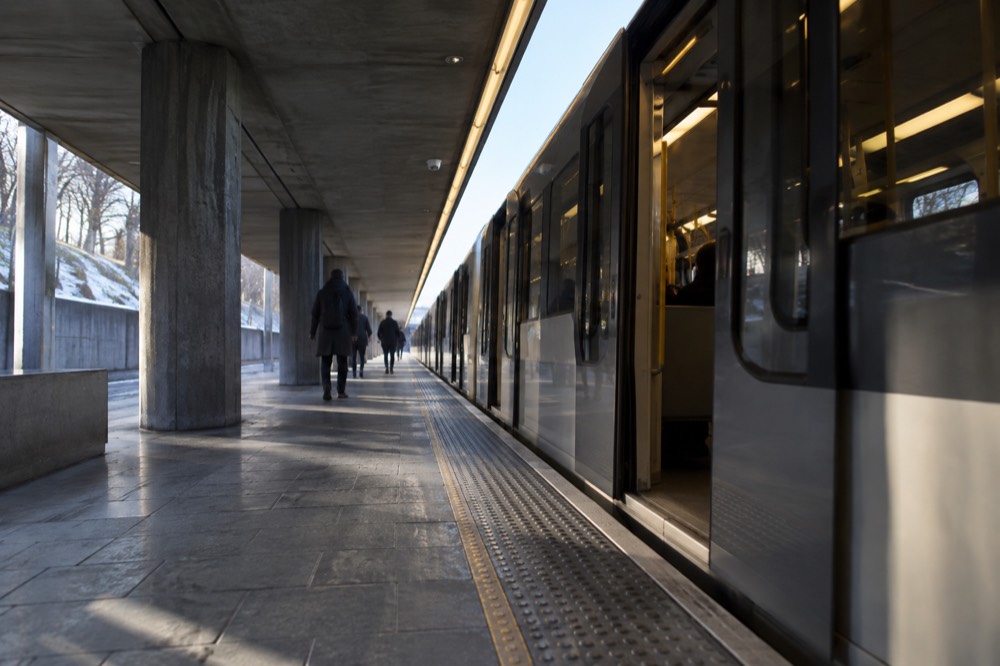
Central Oslo is zone 1, the entire metro network sits inside zone 1, and most visitors never need anything else, with one big exception: Oslo Airport Gardermoen is in zone 4N, a separate airport zone that requires a ticket covering the zones in between. Zone 1 covers practically everything a tourist does in a day. The Opera House, Vigeland Park, Grünerløkka, Aker Brygge, the Akershus Fortress, the museums on Bygdøy by bus, the metro to the forest edge at Sognsvann and Frognerseteren, all of it is zone 1. The islands in the Oslofjord that the public ferries serve are also reached on an ordinary zone 1 ticket. The airport is the trap: Gardermoen sits in zone 4N, roughly 50 km north of the city, and a plain zone 1 ticket will not get you there or back.
Ruter's own advice on counting zones is refreshingly blunt: do not count them by hand. Let the journey planner in the app or on the website do it, because the zone boundaries do not follow intuition. A stop that looks close to another stop can sit across a zone line, and the airport zone 4N is a special case that exists precisely because the airport is far outside the ordinary ring of zones. An automated read of Ruter's own zone map page has even returned the wrong zone for the airport before, which tells you how easy this is to get wrong even with the source in front of you.
Here is the honest zone picture for a visitor:
| Where you are going | Zone you need | Notes |
|---|---|---|
| Central Oslo, all neighborhoods | Zone 1 | Covers every tram, metro and city bus |
| Metro to Frognerseteren, Sognsvann, Holmenkollen | Zone 1 | The whole T-bane network is zone 1 |
| Bygdøy museums by bus 30 | Zone 1 | Year-round public bus |
| Oslofjord islands by ferry B1/B2 | Zone 1 | Ordinary ticket, no surcharge |
| Oslo Airport Gardermoen | Zone 1 through 4N | Multi-zone ticket or Oslo Pass required |
The airport zone question connects directly to the train question, because Vy's regional trains between the airport and Oslo S are ordinary Ruter-zone trains. That subject is big enough for its own section below, and it interacts with the Oslo Pass in a way that saves real money. If you are weighing the pass itself, our page on whether the Oslo Pass is worth it runs the numbers.
For now, one planning decision that zone anxiety sometimes pushes people toward is skipping public transport entirely on arrival. That is a legitimate choice, and the trio below covers it alongside two ways of seeing the city once you have landed and sorted your tickets.
What Do Ruter Tickets Cost?
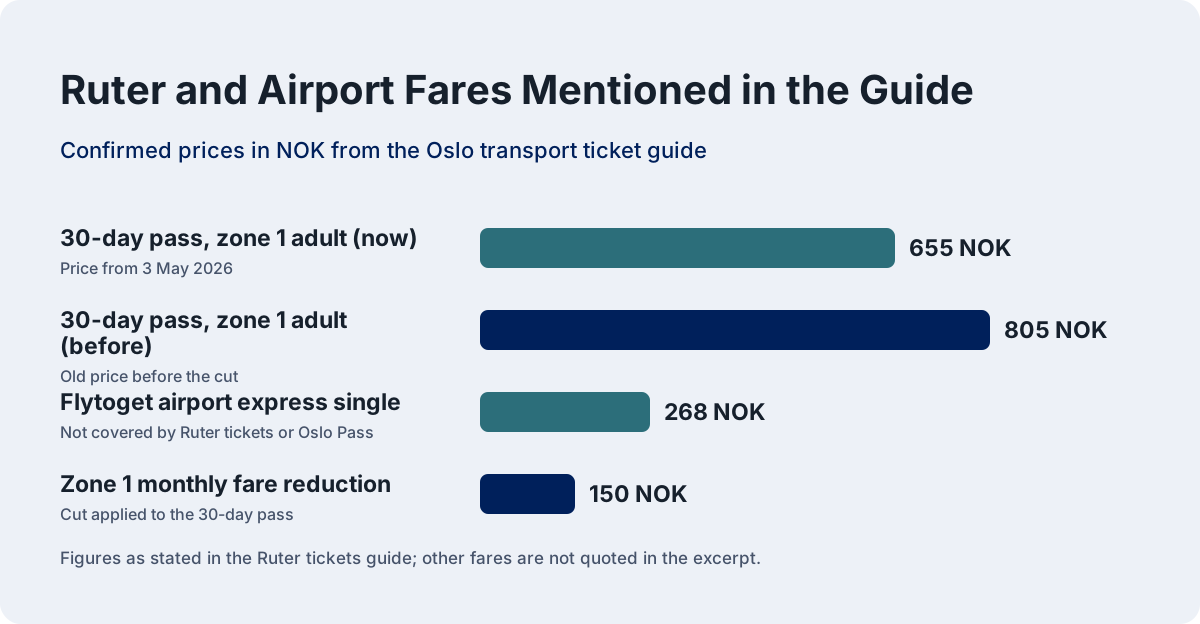
The only firmly confirmed current fare is the 30-day adult pass for zone 1, which was cut from 805 NOK to 655 NOK with effect from 3 May 2026, while single, 24-hour and 7-day prices are set out in Ruter's official price list and are cheapest bought in the app. Ruter restructured its period passes in spring 2026 and the zone 1 monthly fell by 150 NOK, a rare instance of a European capital cutting a transit price. The single, 24-hour and 7-day fares exist and are published in Ruter's official price PDF, which is linked from its ticket prices page; the app shows them live before you commit to a purchase, so there is no reason to guess. What is safe to state categorically is the structure: app purchases are the cheapest route, and buying on board a bus or boat from the driver costs more than the same ticket bought in advance.

Validity is the part worth memorizing, because it is what makes a single ticket stretch across a whole outing. A single ticket for one zone is valid for 60 minutes from the moment you activate it, and the validity increases by 30 minutes for each additional zone you buy. So a ticket covering zone 1 through the airport zone 4N carries a much longer validity window than a plain zone 1 single, which makes sense given the distance involved. Within that window you can transfer freely between modes, tram to metro to bus to ferry, as long as you stay inside the zones you paid for.
| Ticket type | Validity | Where it is cheapest | Notes |
|---|---|---|---|
| Single, 1 zone | 60 minutes from activation | Ruter app | Transfers allowed within validity |
| Single, multiple zones | 60 min plus 30 min per extra zone | Ruter app | Needed for the airport run |
| 24-hour ticket | 24 hours from activation | Ruter app | Unlimited rides in purchased zones |
| 7-day ticket | 7 days from activation | Ruter app | Better value past roughly four days of riding |
| 30-day pass, zone 1 adult | 30 days | Ruter app | 655 NOK after the May 2026 cut |
Children and seniors get discounted tickets, and under-6s travel free. The app handles the discounts automatically when you set a passenger profile, which is simpler than the old travel-card system it replaced. For planning a whole trip rather than a single ride, our Oslo trip cost breakdown shows where transport sits in a realistic budget, and it is a much smaller line than most visitors expect, because Oslo's transport is not where the city's reputation for expense actually comes from.
If the timetable and zone math are more planning than you want on a short visit, there is a legitimate shortcut.
Where Do You Buy a Ruter Ticket?
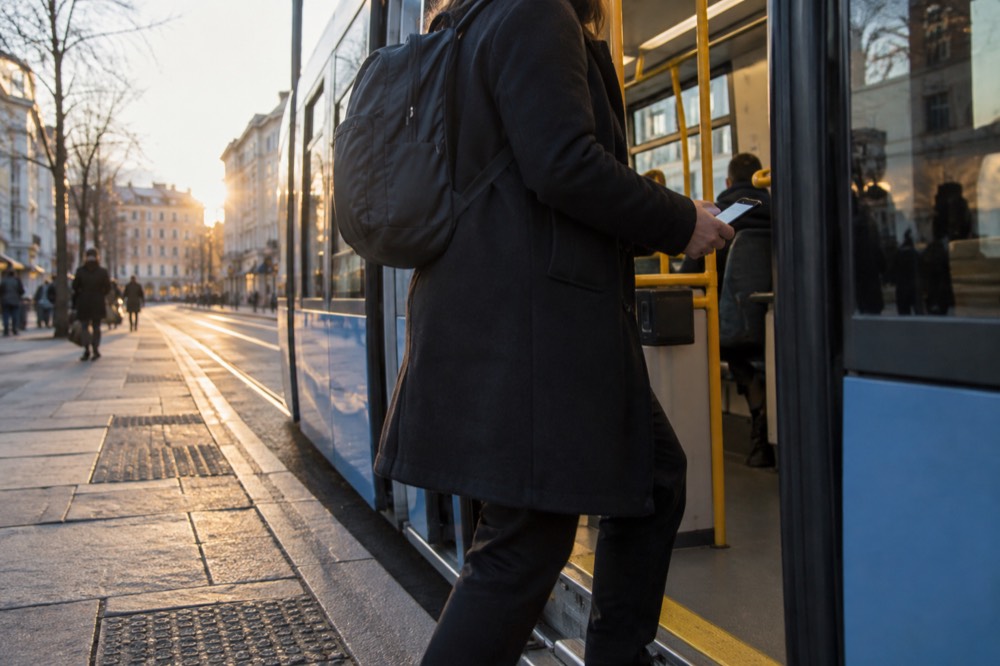
The Ruter app is the primary and cheapest way to buy any ticket, with physical alternatives limited to service centers, retailers and, at a higher price, buying on board buses and boats from the driver. The app is free, works in English, and holds your tickets on your phone so an inspector can scan them. You buy, you activate when you board, and the validity clock starts. There is no longer a paper ticket you buy from a machine at every tram stop the way there is in some cities, and there are no barriers at metro stations either: the system runs on spot inspections, and riding without a valid ticket carries a heavy fine. The on-board cash option is deliberately unattractive, limited to buses and boats, small notes only, and priced above the app fare precisely to push everyone toward the app.
Visitors sometimes worry about needing a Norwegian number or a local payment card for the app. Neither is required; it accepts ordinary international cards. The one piece of practical advice that matters is to activate your ticket before you board, not as the inspector walks down the aisle, because an unactivated ticket in the app does not count as a valid one. If you genuinely cannot use the app, staffed Ruter service centers and selected retailers sell physical tickets, but for a visitor the app is the whole answer. The rest of the planning pages sit on Oslo Travel Guide. The rest of the planning pages sit on Oslo Travel Guide.
A note on contactless bank cards: Oslo's system does not work like London's, where you tap the same card and it sorts out the fare. You buy a ticket in the Ruter app or you do not have one. Assuming a tap-to-pay terminal at a validator is the same thing is the fastest way to collect a fine, and it is a mistake inspectors see constantly from visitors.
Does the Oslo Pass Cover Ruter?
Yes, the Oslo Pass includes free travel on all Ruter public transport in zones 1, 2, 3, 4V and 4N, including the Vy trains to and from Oslo Airport Gardermoen, but not the Flytoget airport express or the Flybussen coach. That is VisitOSLO's own wording, and the airport clause is the single most valuable sentence in Oslo transport planning. The pass covers the entire central zone plus the airport zone, which means a visitor holding a 24-hour pass at 580 NOK has already covered a return airport journey on the Vy train before visiting a single museum. Three Bygdøy museums at full price total 560 NOK, so a pass that also carries you there and back pays for itself fast. For the full price table and what else is included, see our dedicated Oslo Pass guide.
The exclusion list matters as much as the inclusion list. Flytoget, the dedicated airport express train, is a separate company and takes no Ruter ticket and no Oslo Pass; its adult single is 268 NOK. Flybussen, the airport coach, is likewise excluded. Everything else with wheels or a hull inside the Ruter area is included. If you are deciding between the pass and ordinary tickets, the arithmetic works out in the pass's favor once you combine transport with even two or three paid attractions, and our is the Oslo Pass worth it page runs that comparison in detail.
Ruter and the Airport: The Zone 4N Question
Oslo Airport Gardermoen is in Ruter zone 4N, and the Vy regional trains that serve it are ordinary Ruter-zone trains, so a multi-zone Ruter ticket or an Oslo Pass covers the airport run for far less than the 268 NOK Flytoget fare. This is the fact most guides get wrong or omit entirely. The Vy R10, R11 and R12 trains call at the airport and reach Oslo S in about 23 minutes, roughly three minutes slower than Flytoget, but at a fraction of the cost when you ride them on a Ruter ticket. The mechanism is the part to understand: you do not buy a special airport supplement, you buy an ordinary Ruter ticket that covers zone 1 through zone 4N, and that ticket is valid on the Vy train. Buying Vy's own point-to-point fare at the machine is the expensive way to take the cheap train.

The comparison between the two operators is close enough that it deserves its own page, and we have one: Flytoget vs Vy. The short version is that Flytoget departs every 10 minutes and takes about 20 minutes, while Vy's trains take about 23 minutes and ride on tickets a fraction of the price. For the full picture of every way into the city, including the coach, see our Oslo airport to city centre guide.
Some visitors look at all of this and decide that after a long flight, luggage in tow, a timetable is the last thing they want to navigate. That is a reasonable position, and the private transfer below is the honest answer to it.
The Ferries: Which Are Ruter and Which Are Not
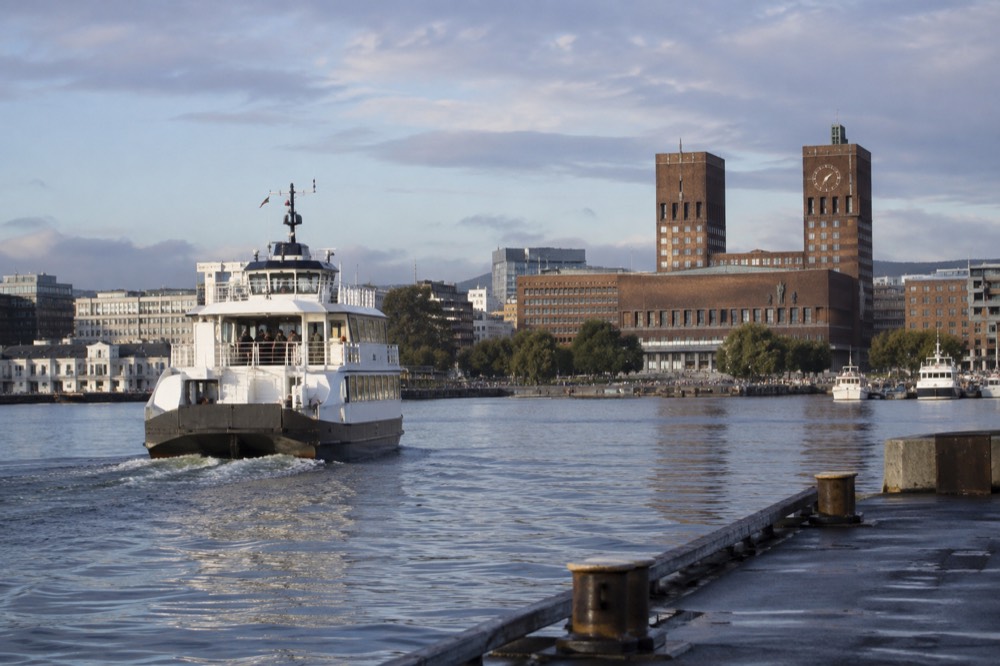
The Oslofjord island ferries, lines B1, B1X and B2, are ordinary Ruter services that depart from Aker brygge on a standard ticket, while the Bygdøy museum ferry is a private seasonal service from Rådhusbrygge 3 that accepts no Ruter ticket at all, only the Oslo Pass or its own fare. This is the most confused topic in Oslo transport, and the two piers are not even the same pier. The island ferries leave from the Aker brygge side; the Bygdøy ferry leaves from Rådhusbrygge 3, platform F, on the City Hall side. A visitor who buys a Ruter day ticket, boards the Bygdøy ferry with confidence, and is asked to pay again has just discovered the difference the hard way.

The island ferries are a genuine bargain and a genuine Ruter product. Line B1 runs a year-round circle to Hovedøya, Lindøya, Gressholmen, Bleikøya and Nakholmen, with extra summer sailings on B1X to Hovedøya every 20 minutes and the seasonal B2 out to Langøyene, the swimming and camping island. All of them ride on a zone 1 ticket. The summer timetable runs from early July to the end of August, with an autumn timetable after that, and B2 to Langøyene is seasonal only. Our Oslo islands guide covers what is actually on each island, and the Oslo ferries page covers the routes in full.
The Bygdøy ferry is a different animal. It runs only from mid-March to early October, roughly every 20 minutes, calling at Dronningen for the Norsk Folkemuseum and Bygdøynes for Kon-Tiki, Fram and the Maritime Museum, and a one-way fare is around 70 NOK paid to the operator. Outside the season, and honestly often even inside it, Ruter bus 30 is the year-round public alternative, running from the city center out to the museums on an ordinary zone 1 ticket. Our Bygdøy guide lays out the whole museum peninsula.
| Ferry | Operator | Departure pier | Ticket needed |
|---|---|---|---|
| Island ferries B1, B1X, B2 | Ruter | Aker brygge | Ordinary Ruter ticket, zone 1 |
| Bygdøy museum ferry | Private operator | Rådhusbrygge 3 | Own fare, or Oslo Pass |
Common Ruter Mistakes Visitors Make
The five mistakes that cost visitors the most are assuming a bank card tap is a ticket, buying on board at the higher price, underestimating the validity window, confusing the two separate ferry systems, and treating the airport as though it sat inside the central zone. Every one of these is avoidable with a minute of planning, and none of them is obvious to a first-time visitor. The bank card issue is the most expensive because it leads straight to a fine rather than just an overpayment. The on-board purchase premium is smaller but real, and it applies to buses and boats only, since trams and the metro have no sales point at all. The validity window works in your favor once you know it: a 60-minute zone 1 single is enough for a tram, a museum, and a tram back, if the museum visit is a short one.

The ferry confusion is covered above but it bears repeating as a mistake, because it is the one that produces an argument at a gangway. And the airport zone mistake usually runs the other way: people assume their zone 1 ticket or their ordinary day pass covers the airport train, board a Vy service, and find the zones do not reach. The fix is always the same, buy for the zones you will actually cross, and let the app's journey planner tell you which those are.
| Mistake | What actually happens | The fix |
|---|---|---|
| Tapping a bank card at a validator | Nothing is registered, a fine follows | Buy and activate in the Ruter app first |
| Buying on board a bus or boat | Higher fare, small notes only | Buy in the app before boarding |
| Assuming the Bygdøy ferry takes Ruter | Asked to pay the operator's own fare | Bus 30, or the Oslo Pass, or the ferry fare |
| Treating the airport as zone 1 | An under-zoned ticket on the Vy train | Buy through zone 4N or use the Oslo Pass |
| Forgetting the 60-minute window | Paying twice for one outing | Transfer freely within validity |
If your visit is short and you would rather someone else handle the orientation entirely, a guided first day is a reasonable alternative to learning the network at all, and the two options below sit at opposite ends of that spectrum.
The hop-on hop-off bus is not a Ruter product and does not pretend to be; it is a sightseeing vehicle that happens to solve the same getting-around problem for a different kind of visitor. For the full comparison between touring and riding like a local, our Oslo hop-on hop-off page and our Oslo guided tours overview cover the ground.
How Ruter Fits Into a Bigger Oslo Budget
Transport is one of the least expensive parts of an Oslo trip, which matters in a city where restaurants and alcohol run far above the European average, and a few days of Ruter tickets will cost less than a single restaurant dinner for two. Statistics Norway's price level survey puts Norwegian household prices 28.6 percent above the EU average overall, with food 33 percent above and alcohol and tobacco more than double, but public transport is not where that expense concentrates. A 30-day zone 1 pass at 655 NOK works out at roughly 22 NOK a day, and even a week of single tickets is a rounding error against a Norwegian restaurant meal. This is worth internalizing before you budget, because visitors routinely over-allocate to transport anxiety and under-allocate to the things that actually cost money here.
Our is Oslo expensive page breaks the whole cost structure down, and the Oslo on a budget guide shows how far the free end of the city goes, from Vigeland Park, which is free and open around the clock, to the Opera House roof, which is a public walkway. The transport layer underneath all of it is cheap, frequent and, once the zone system clicks, simple.
If you want an orientation that costs nothing at all before you commit a single krone to tickets or tours, the free walking tour below is the largest in the city by review count, and it doubles as a geography lesson on foot.
Between the free walk for orientation, the app for tickets and this page for the zone traps, the practical side of Oslo is largely solved. The city rewards the preparation with something rarer than it gets credit for: a capital where the forest, the fjord and the museums all sit on one ticket, and none of it is far from anywhere else.
For the trips that sit outside the Ruter map entirely, or for visitors who prefer someone else to hold the plan, these three cover the span from door-to-door comfort to a full first day.
Common Questions About Ruter Tickets in Oslo
Does one Ruter ticket cover tram, metro, bus and ferry?
Yes. A Ruter ticket is valid on every mode Ruter runs inside the zones you paid for, so you can transfer from a tram to the metro to a bus to a public island ferry within the ticket's validity window. The only boats excluded are the private Bygdøy museum ferry and commercial sightseeing cruises.
How long is a Ruter single ticket valid?
A single ticket for one zone is valid for 60 minutes from activation, and the validity increases by 30 minutes for each additional zone you purchase. A multi-zone ticket for the airport run therefore carries a considerably longer window than a central zone 1 single.
Can I buy a Ruter ticket on the tram?
No. Trams and the metro have no on-board sales point at all. Buses and boats sell tickets on board at a higher price and only for small notes. The Ruter app is the primary and cheapest way to buy, and tickets must be activated before an inspector asks to see them.
Is Oslo Airport included in a normal Oslo ticket?
Not in a zone 1 ticket. Oslo Airport Gardermoen is in Ruter zone 4N, so you need a ticket covering the zones in between. The Vy regional trains between the airport and Oslo S accept such tickets, and the Oslo Pass covers the airport run on Vy outright, while Flytoget accepts neither.
Does the Oslo Pass cover Ruter transport?
Yes. The Oslo Pass includes free public transport in Ruter zones 1, 2, 3, 4V and 4N, which is every tram, metro, bus and public ferry in the region, including the Vy trains to and from the airport. It excludes Flytoget and the Flybussen coach.
Which Oslo ferries take a Ruter ticket?
The island ferries, lines B1, B1X and B2 from Aker brygge, are ordinary Ruter services covered by a standard zone 1 ticket. The Bygdøy museum ferry from Rådhusbrygge 3 is a separate private operator that takes no Ruter ticket, only its own fare or the Oslo Pass.