Majorstuen: Oslo's Quiet West-Side Crossroads, Explained
Majorstuen is where several of Oslo's tram and metro lines cross on the west side, and the neighborhood around that junction is where many visitors end up sleeping, shopping and walking to Frogner Park. Here is what the area actually offers, what it costs, and which tours slot into a Majorstuen base.
Short answer
Majorstuen is a calm, well-connected west-side neighborhood built around one of Oslo's biggest transport hubs. Vigeland Park is a 10-minute walk, Bogstadveien is the shopping street, and the metro to Holmenkollen leaves from here. Hotels run quieter than Sentrum, and the whole area sits inside Ruter zone 1.
What Kind of Neighborhood Is Majorstuen?
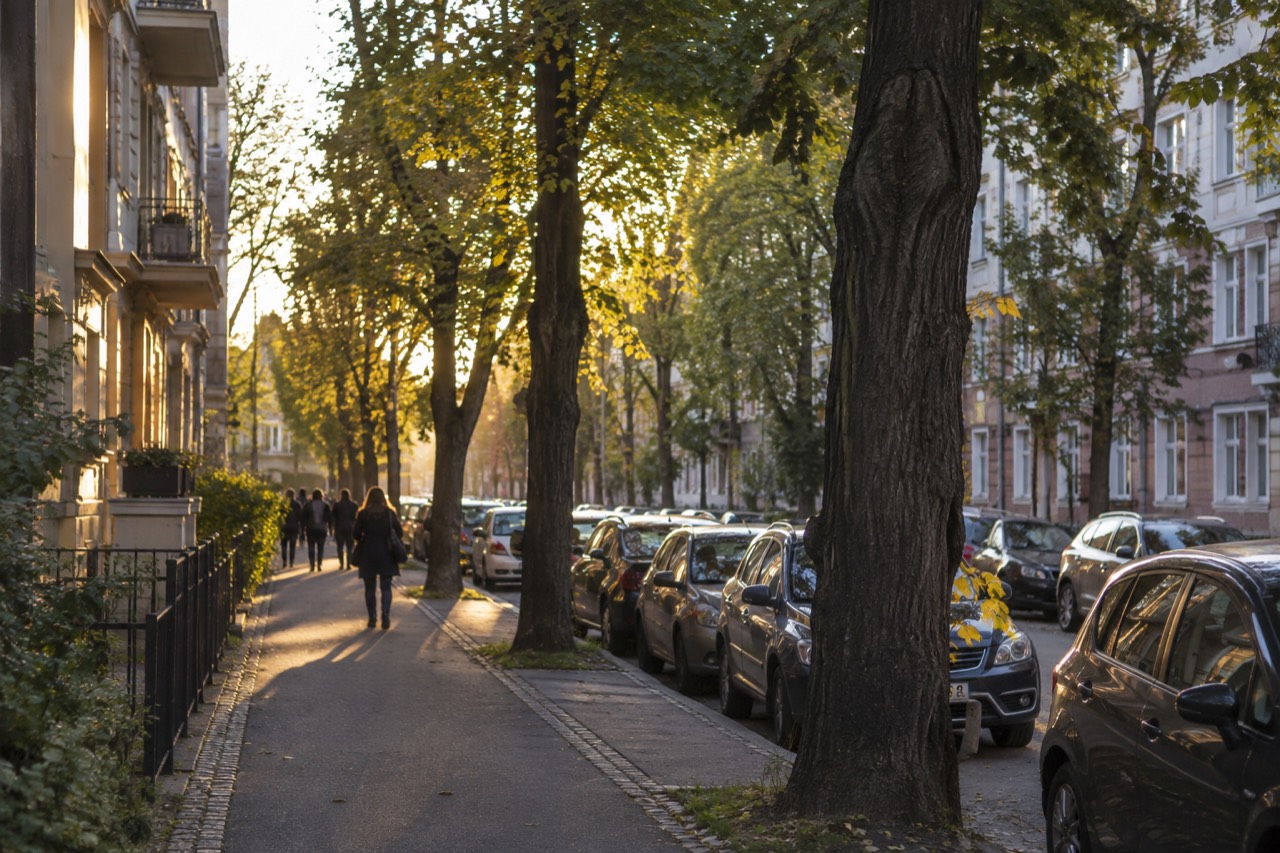
Majorstuen is a residential, upscale west-side neighborhood centered on the junction where Oslo's metro, trams and the Holmenkollen line all meet. It is not a sightseeing district in itself: it is the base camp. Vigeland Park sits at its southern edge, Bogstadveien runs down its spine as the city's main non-mall shopping street, and the Frogner and Fagerborg neighborhoods press in around it. Visitors who stay here trade waterfront noise for space, trees and short walks, with Sentrum roughly 10 minutes away by tram.
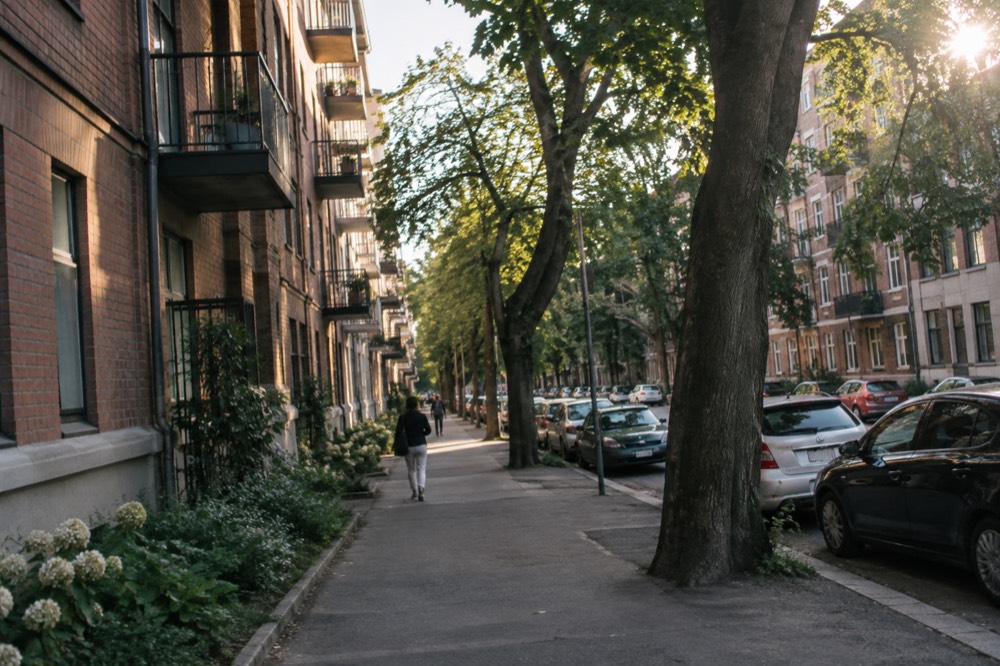
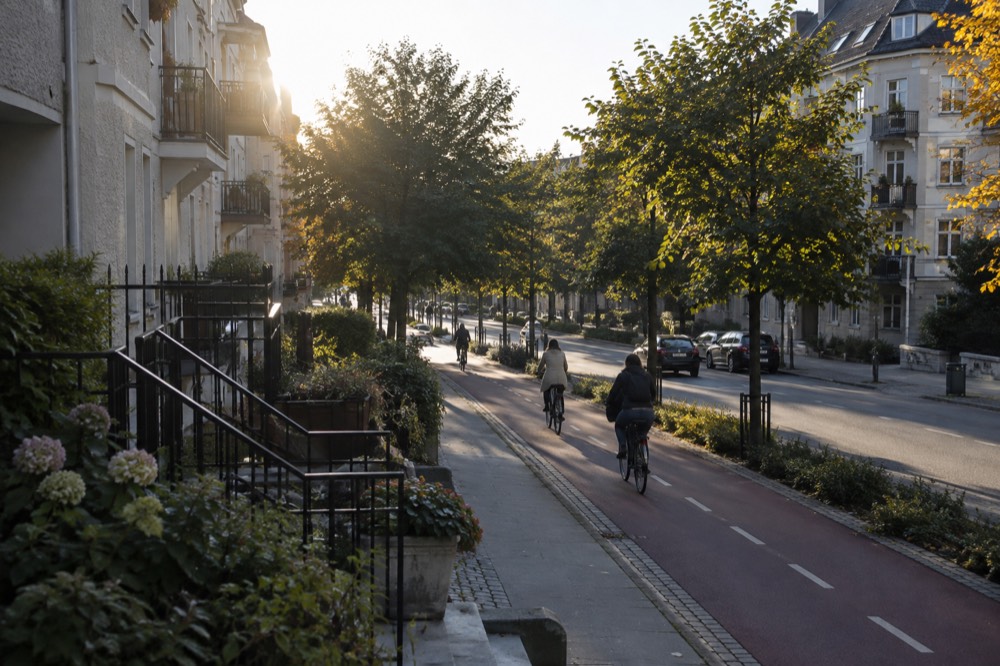
The character is worth understanding before you book anything. This is brick apartment blocks from Oslo's early building booms, wrought-iron balconies, prams in hallways and dogs in the park. It is one of the most expensive residential postcodes in the country, which shows up in the restaurant prices more than the museum prices, a split Oslo repeats everywhere: the culture is fairly priced and the food and drink are not.
The practical draw is geometry. From Majorstuen you can walk to Vigeland Park, the Vigeland Museum and the western end of Frogner in under 15 minutes, ride one metro line to Holmenkollen, and ride the trams straight to Karl Johans gate. A lot of first-time visitors stay in Sentrum because it feels central, then spend their trip riding trams west past Majorstuen twice a day. Staying here reverses that commute.
The area also links cleanly to the rest of the west side on foot. Our Frogner neighborhood guide covers the district immediately south, and the city's broader neighborhood comparisons place Majorstuen against Grünerløkka, Tøyen and Sentrum if you are still deciding where to sleep.
Where Is Majorstuen and How Do You Get There?
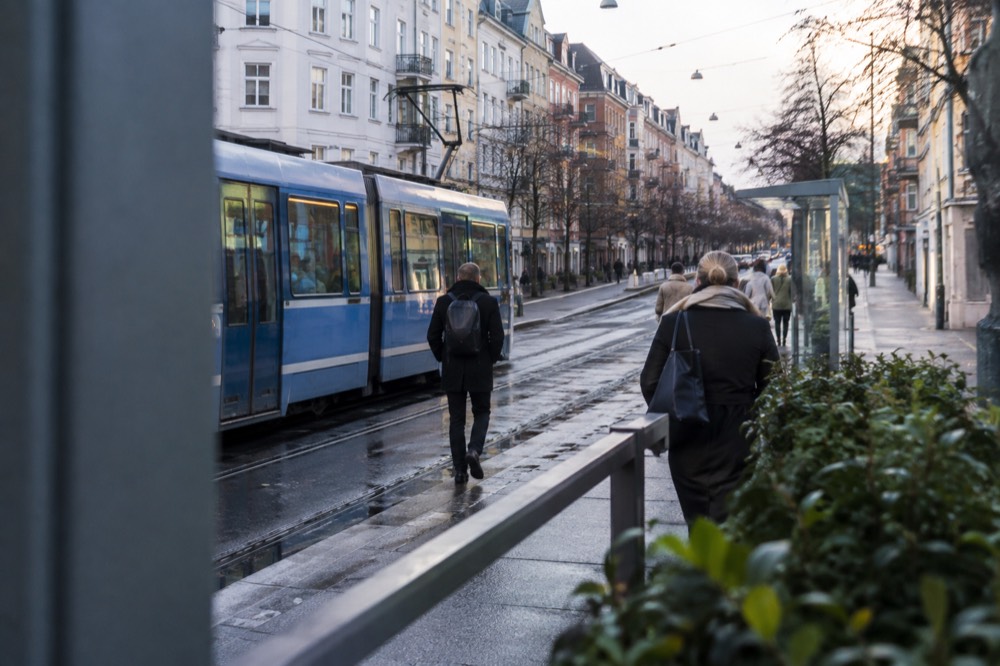
Majorstuen sits about 2 km west of the Sentrum train stations, inside Ruter zone 1, and the Majorstuen interchange is served by several tram lines and three metro branches including Line 1 toward Holmenkollen. From Oslo S or Nationaltheatret it is roughly 10 minutes by tram or a 25-minute walk. From Oslo Airport Gardermoen, ride the Vy train to the center and change, or take Flytoget and transfer at Nationaltheatret. The entire neighborhood is flat and walkable.
The transport facts matter here more than they usually do, because Majorstuen's whole value proposition is that everything converges on it. Zone 1 covers central Oslo including the entire metro network, so a single ordinary ticket carries you from Sentrum to Majorstuen and on up the Holmenkollen line. The Oslo Pass includes the same Ruter zones 1, 2, 3, 4V and 4N, including the Vy airport trains, though not Flytoget, which runs at 268 NOK adult single. That pass detail is worth knowing if you plan to lean on the area's transport links for museum days; the pass's break-even sums are worked through in the site's Oslo Pass guide.
Line 1 of the metro is the one most visitors care about: it runs from Majorstuen up to Frognerseteren at the edge of Nordmarka, with a stop at Holmenkollen for the ski jump. That makes the neighborhood the natural launch point for the jump tower and for trailheads in the forest above the city. In the other direction, the trams that pass through Majorstuen drop you by the Royal Palace within a few minutes.
| Route from Majorstuen | Line | Rough time | Ticket |
|---|---|---|---|
| Karl Johans gate / Sentrum | Trams toward the center | ~10 min | Ruter zone 1 |
| Vigeland Park (main gate) | On foot | ~10 min | Free |
| Holmenkollen ski jump | Metro Line 1 | ~10 min | Zone 1 |
| Frognerseteren / Nordmarka | Metro Line 1 | ~25 min | Zone 1 |
| Aker Brygge waterfront | Tram plus short walk | ~20 min | Zone 1 |
| Oslo Airport Gardermoen | Vy train from Sentrum, change | ~45 min total | Multi-zone or Oslo Pass |
Walking is genuinely the better option for the western half of your list. Frogner Park's northern entrance, the streets of Bogstadveien and the small independent shops east toward Briskeby are all inside a comfortable loop, and the sidewalks are wide. If you are weighing a day ticket at all, the calculation lives in the site's ticketing guide, which also explains why the 30-day pass price is the only fare confirmed so far.
If you would rather have a local frame the whole city on foot before exploring on your own, the walking tours below are the ones that pair well with a Majorstuen base.
What to See Around Majorstuen?
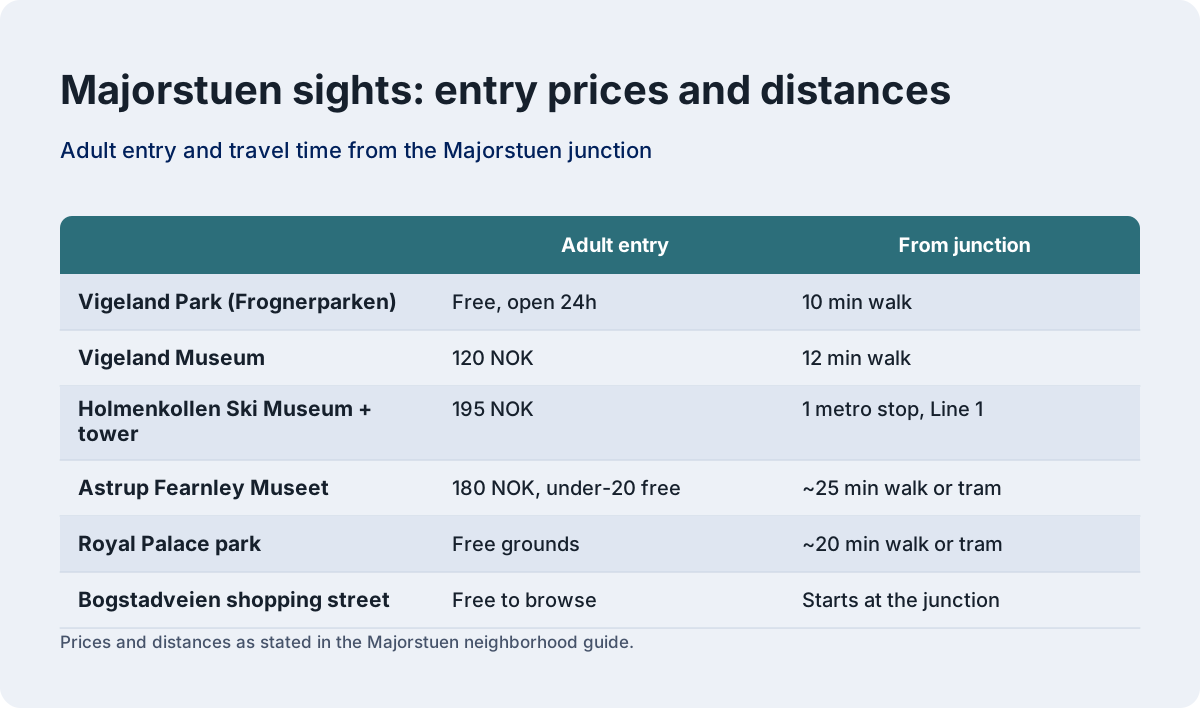
The headline sights near Majorstuen are Vigeland Park and the Vigeland Museum, both at the neighborhood's southern edge, plus the Holmenkollen ski jump and ski museum one metro stop up the hill. The park is free and open 24 hours all year, the museum charges 120 NOK adult, and the ski jump's museum and tower combination costs 195 NOK. Add the Astrup Fearnley galleries and the Royal Palace if you extend east, both reachable without changing lines.
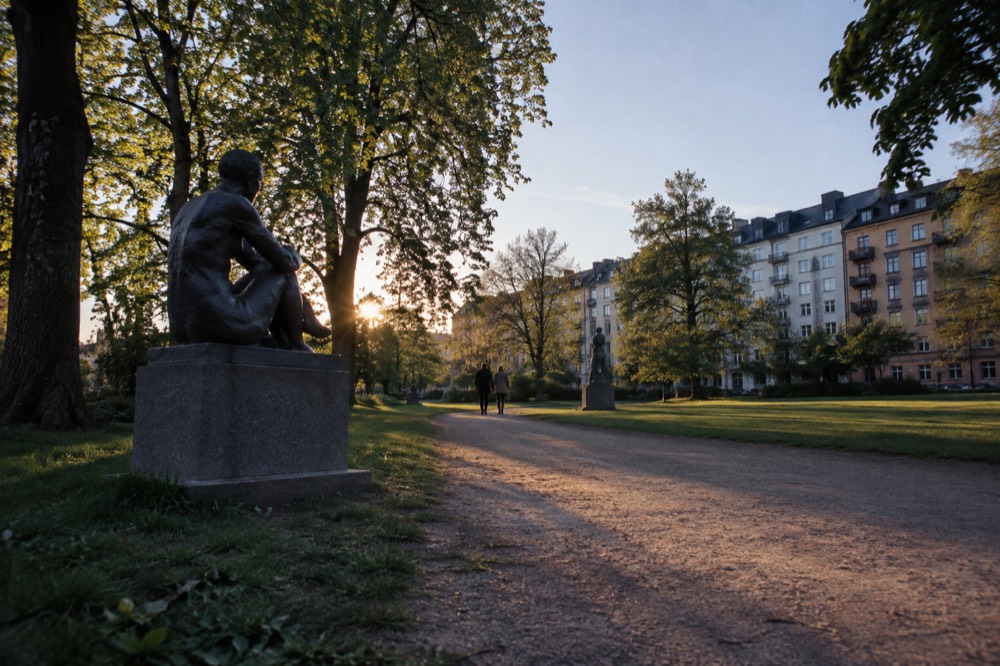
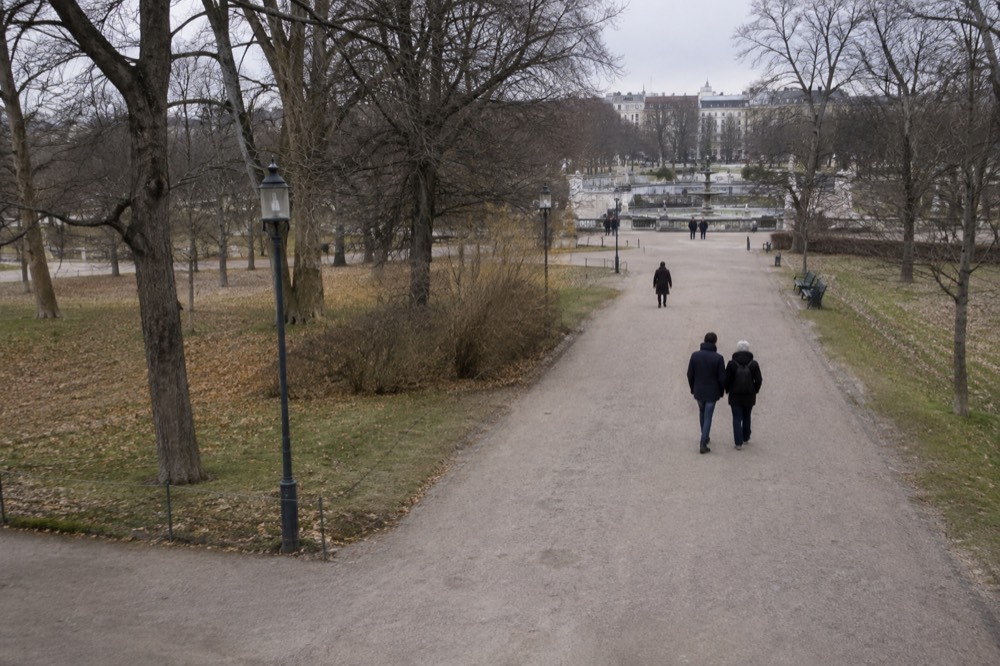
Start with the walk, not the ride. The route south from the Majorstuen junction through Frogner's residential streets to the park gates is one of the prettier city walks in Oslo, and it lands you at the northern entrance of the sculpture park, the same side the monolith platform faces. The park holds more than 200 Gustav Vigeland sculptures, is genuinely free, and is open around the clock, so it doubles as a late-evening destination in summer when the light holds past 22:00. The full detail, including what the separate paid museum covers, is in our Vigeland Park guide.
Northbound, Line 1 stops at Holmenkollen itself. The ski museum and jump tower combination is priced at 195 NOK adult on the venue's own site, and the viewing deck over the Oslofjord is the main event. Be aware that a standalone jump tower ticket is not something the major booking platforms sell: it comes either directly from the venue or inside combination tours, which is the honest booking route and the reason the Holmenkollen page carries no ticket button of its own.
The neighborhood's third string is cultural rather than scenic. Frogner house the Astrup Fearnley museum of contemporary art at 180 NOK adult with under-20s free, and the National Museum, which holds The Scream, is a short tram ride east. A solid rainy-day cluster sits within ten minutes of the junction.
| Sight near Majorstuen | Adult entry | Distance from junction |
|---|---|---|
| Vigeland Park (Frognerparken) | Free, open 24h | 10 min walk |
| Vigeland Museum | 120 NOK | 12 min walk |
| Holmenkollen Ski Museum + tower | 195 NOK | 1 metro stop, Line 1 |
| Astrup Fearnley Museet | 180 NOK, under-20 free | ~25 min walk or tram |
| Royal Palace park | Free grounds | ~20 min walk or tram |
| Bogstadveien shopping street | Free to browse | Starts at the junction |
Is Majorstuen a Good Place to Stay in Oslo?
Yes, for most first-time visitors who want quiet nights and walkable mornings. Majorstuen offers hotel and apartment options in a genuinely residential setting, with tram access to Sentrum in about 10 minutes and Vigeland Park on foot. The trade-offs are price, since west-side Oslo is expensive on the SSB price-level survey, and waterfront atmosphere, because the Opera House, Aker Brygge and the MUNCH museum all sit east of here and need a ride or a longer walk.
The honest framing is that Oslo is the sixth most expensive country in Europe on the 2025 purchasing-power comparison, with household prices 28.6% above the EU average and food and non-alcoholic drink 33% above. A Majorstuen base does not escape that, but it slightly softens it: the neighborhood's cafés and bakeries price for residents rather than for cruise-day footfall, and the free headline sights, the park, the palace grounds and the opera roof, are the closest things to it.
What you give up is the harbor. The Aker Brygge and Tjuvholmen waterfront, the island ferries from Aker brygge and the MUNCH museum are all on the sea side of the city. From Majorstuen they are a 20-minute tram ride. Visitors who prioritize fjord boats every day of their trip are better positioned near Sentrum; our where to stay in Oslo guide runs the full neighborhood-by-neighborhood comparison.
For families the equation tilts toward Majorstuen. Parks on three sides, no bar district to avoid, a picnic-friendly Frogner Park, and the metro to Holmenkollen make it one of the calmer choices. Solo travelers and short-stay visitors may find Sentrum or Grünerløkka more atmospheric.
Bogstadveien: What Shopping in Majorstuen Actually Looks Like
Bogstadveien is Oslo's main street-level shopping street, running south from the Majorstuen junction, lined with Scandinavian fashion chains, homeware stores, sportswear and cafés rather than souvenir stalls. It is the local answer to Karl Johans gate's tourist retail: the same Norwegian brands, fewer cruise crowds, and the city's shopping coverage sorts what is worth buying and what is not.
The street earns its reputation on Saturday mornings, when the whole west side walks it. Norwegian chains dominate, which is the point: this is where you buy wool, rain gear and design goods at list price rather than at airport markup. Sunday is quiet, and not only because of shop hours: Norwegian retail is largely closed Sundays, so plan the street for any day but. For gifts specifically, the dedicated souvenirs page on this site sorts the worthwhile from the kitsch.
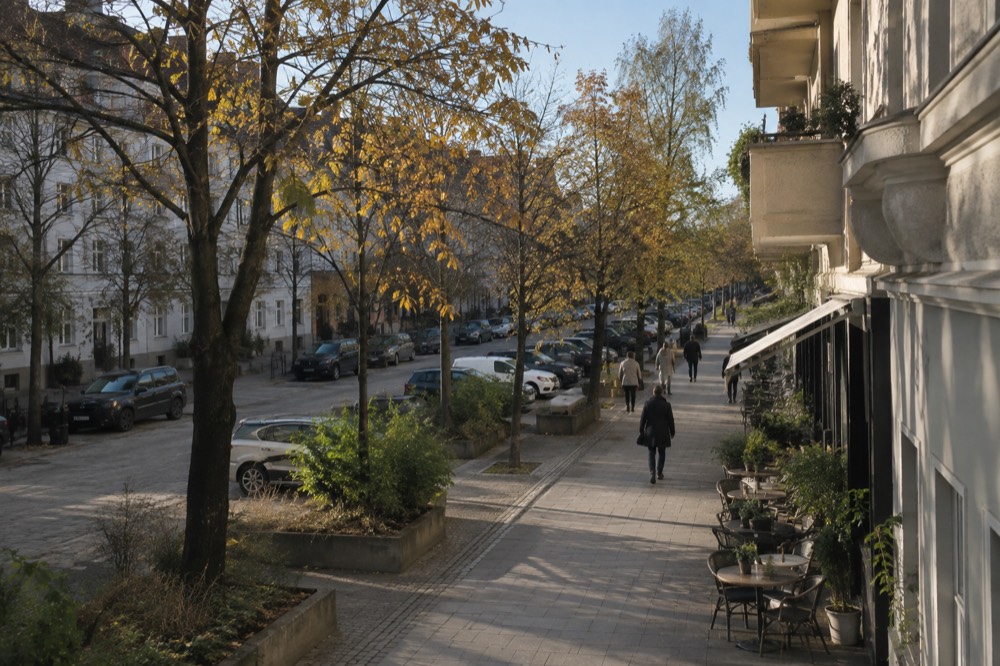
Two blocks east, Briskeby's smaller streets hold the independents: bookshops, a bakery or two and vintage. The contrast with the Grünerløkka east side's own retail strip is real and worth a half-day each if shopping is a purpose rather than a filler.
Alcohol shopping follows national rules and trips up every visitor: wine and spirits exist only at Vinmonopolet, the state monopoly, which closes Sundays and public holidays and shuts early on Saturdays, while supermarkets sell only beer and cider under 4.7% with a fixed evening cut-off. The price-level survey explains why the duty-free on arrival is genuinely part of the Norwegian planning conversation.
Where to Eat and Drink Around Majorstuen
Eating around Majorstuen means neighborhood bistros, bakeries and wine bars pricing for west-side residents, with alcohol the line item that stings: SSB's comparison puts alcohol and tobacco at more than double the European average. Restaurants are otherwise good rather than destination-level; the city's headline dining sits in Sentrum and Grünerløkka, and a tram ride gets you there. Tipping is voluntary, service is included.
The structure is predictable and pleasant. Café-and-bakery mornings around the junction, a Bogstadveien lunch, then dinner either locally or, more often, one tram east. Norwegian food culture means the dinner slot matters: kitchens in residential neighborhoods quieten early, and the state monopoly's Saturday hours shape the aperitif. The city-level eating picture is mapped in the site's where-to-eat guide, and the cheap-eats page is the counterweight to this neighborhood's price level.
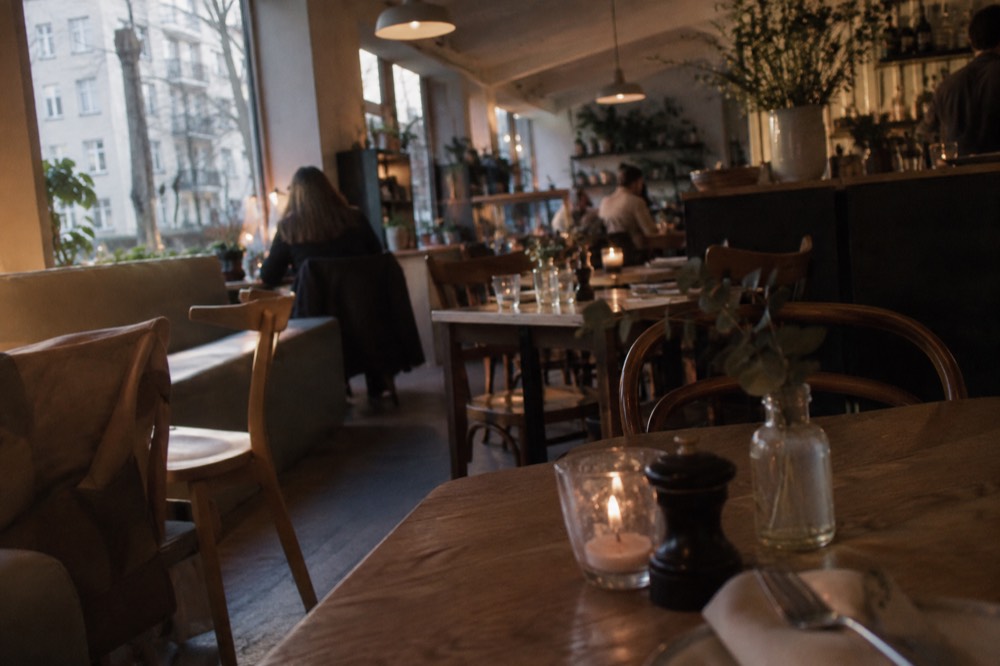
If food is a reason for the trip, cross the city. The Grünerløkka food and culture walking tour is the strongest food product in the roster, and the east side's street food scene is what that half of the city does after dark.
A Half-Day Plan Based in Majorstuen
A realistic Majorstuen half-day: morning coffee at the junction, 10-minute walk to Vigeland Park, an hour among the sculptures, optional 120 NOK museum visit, then Bogstadveien south for lunch and shopping, returning by tram. Budget roughly 3 to 4 hours without the museum, add an hour with it. In winter, swap the park's second hour for Line 1 up to Holmenkollen and the 195 NOK ski museum.
| Slot | Activity | Cost notes |
|---|---|---|
| 09:30 | Coffee and pastry near the junction | Café prices, west-side level |
| 10:00 | Walk to Vigeland Park, north entrance | Free, 24h access |
| 10:15 | Sculpture park loop, monolith platform | Free |
| 11:30 | Vigeland Museum, optional | 120 NOK adult |
| 13:00 | Bogstadveien lunch and shopping | Closed Sundays |
| 15:00 | Tram back to Sentrum, or Line 1 to Holmenkollen | Zone 1 ticket |
| Evening | Trams toward the center for dinner | 10 min ride |
The plan flexes by season. In summer, the evening half is the gift: sunset in late June falls at 22:43 and the light never fully fades, so the park works at 21:00 better than most city parks in Europe. In December the sun sets at 15:11 and the day inverts, park at noon, museum or shopping in the dark afternoon. There is no midnight sun this far south, but the summer twilight is the closest Oslo comes to it.
If you would rather someone else set the pace, the guided options below both start from the center and ride the same tram lines back, so a Majorstuen hotel still works.
How Does Majorstuen Compare to Grünerløkka and Sentrum?
Majorstuen is quieter, greener and more expensive-feeling than Sentrum, and quieter, older and less food-driven than Grünerløkka. Sentrum wins on waterfront and walk-to-everything; Grünerløkka wins on bars, cafés and street life; Majorstuen wins on park access, transit convergence and residential calm. Pick it for a relaxed base, pick Grünerløkka for atmosphere, pick Sentrum for a short first visit.
| Factor | Majorstuen | Grünerløkka | Sentrum |
|---|---|---|---|
| Character | Residential, upscale, calm | Trendy, young, gritty-chic | Tourist core, transport hub |
| Headline neighbor | Vigeland Park | Food and bar scene | Opera House, waterfront |
| Waterfront access | Tram ride | Tram ride | On foot |
| Nightlife | Modest | Strong | Mixed, hotel bars |
| Best for | Families, relaxed stays | Food-first visitors | One- and two-night stays |
| Typical transit to sights | Tram or metro, 10-25 min | Tram, 10-15 min | Walk or short tram |
The east-west split that the free tours of Oslo's contrasts make their whole theme is visible from Majorstuen's own doorstep: wealth and space on this side, density and noise on the other. Neither is the "real" Oslo, both are.
For a same-length comparison at city scale, the Oslo versus Bergen question is whether the capital deserves the days at all, and a one-day itinerary shows what a compressed visit looks like when Majorstuen is your base.
A bike is the middle path between walking and transit. The 3-hour highlights bike tour covers the whole city arc, park to waterfront, at a pace that suits a west-side morning.
Is Majorstuen Good Value?
On the cost axis, Majorstuen itself is roughly neutral: hotels price with the city, eating prices with the west side, and the neighborhood's biggest attractions are either free or modestly priced at 120 to 195 NOK. The value case rests on transport savings, since one zone-1 base reaches nearly everything, and on free headline sights. Alcohol is where the money genuinely goes, at more than double the European average.
Break it down and the picture is concrete. SSB's 2025 purchasing-power survey places Norway sixth in Europe, households 28.6% above the EU average, food 33% above, alcohol and tobacco more than double. Against that backdrop, Majorstuen's day-to-day costs are structural, not neighborhood-specific: your museum money goes far, your dinner money does not. The full accounting of what an Oslo day costs, including sample budgets, lives in the site's trip-cost pages.
Currency and payment need one sentence each, and both are covered in the site's currency guide: the krone, not the euro, and cards work everywhere. Norway is in Schengen but not in the EU, in the EEA via EFTA, which is why visitors can claim VAT refunds on qualifying purchases.
The price of it all is the reason a planning site like Oslo Travel Guide exists: the raw numbers, quoted plainly, are the difference between a modest day and a painful one in the same neighborhood.
If a guided structure around the decisions still helps, the budget walk below is the cheapest credible guided option in the city and starts a short tram ride from the junction.
If you are still choosing between this and the east side, or between two days and five, the picks below cover the budget, food and free-tour angles of a Majorstuen-based visit in one view.
Common Questions About Majorstuen
Is Majorstuen walkable?
Yes. The neighborhood is flat, compact and built around pedestrian-scale blocks. Vigeland Park is about a 10-minute walk from the junction, Bogstadveien starts there, and the trams handle anything farther.
How far is Majorstuen from central Oslo?
Roughly 2 km from the Sentrum train stations, about 10 minutes by tram or a 25-minute walk. Everything sits inside Ruter zone 1, so an ordinary single ticket covers the trip.
Does the metro to Holmenkollen leave from Majorstuen?
Yes. Line 1 runs from the Majorstuen interchange up to Holmenkollen and on to Frognerseteren at the edge of Nordmarka, with the ski jump a short walk from the Holmenkollen stop.
Is Majorstuen expensive?
The neighborhood prices with west-side Oslo, which SSB's 2025 comparison puts among Europe's costliest: food 33% above the EU average and alcohol more than double. The nearby sights are an offset, with the park free and museums at 120 to 195 NOK.
Where should I stay instead if I want nightlife?
Grünerløkka, on the east side, has the stronger bar and café scene. Majorstuen quiets early, which is exactly why families and relaxed-stay visitors choose it.
Can I walk from Majorstuen to Vigeland Park?
Yes, in about 10 minutes to the northern entrance. The park is free and open 24 hours a day, all year, and the separate Vigeland Museum charges 120 NOK adult.