Mathallen Oslo: The Food Hall on the Akerselva, Explained
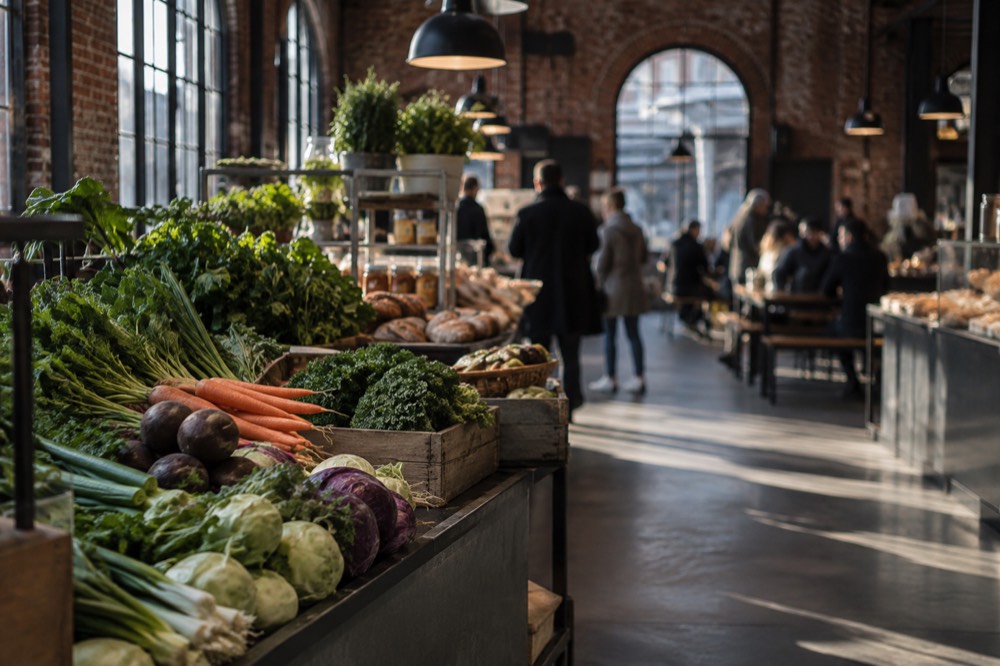
Mathallen is Oslo's main indoor food hall, a converted red-brick industrial building in the Vulkan neighborhood on the east bank of the Akerselva, where a couple of dozen specialist stalls sell Norwegian produce, seafood, cheese, baked goods and beer under one roof.
Short answer
Mathallen is an indoor food hall in the Vulkan area of Grünerløkka, on the riverbank of the Akerselva, open year-round. Entry is free and you pay per stall, so it works as a cheap tasting stop, a rainy-day lunch venue or a pre-dinner beer stop on a Grünerløkka walk.
Mathallen sits in a cluster of red-brick former industrial buildings on the east bank of the Akerselva, the river that divides east and west Oslo, in the small Vulkan neighborhood at the north end of Grünerløkka. The hall gathers specialist food stalls under one roof: seafood counters, cheese stalls, bakers, coffee roasters and a beer bar pouring Norwegian craft brews. You do not buy a ticket, you pay per stall, and that single fact shapes everything about how to visit it well.
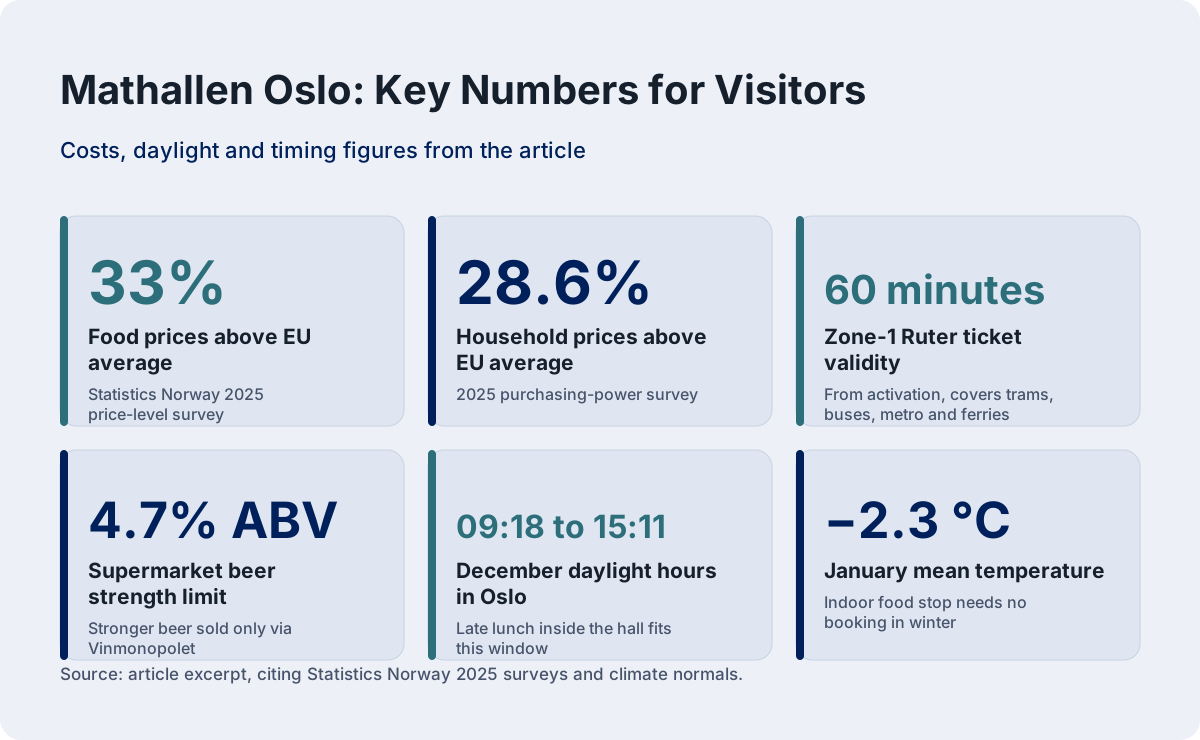
For many visitors it solves a specific Oslo problem: restaurant prices. Norway is the sixth most expensive country in Europe on Statistics Norway's 2025 price-level survey, with food 33% above the European average, and a sit-down dinner downtown costs accordingly. A food hall lets you sample small portions at counter prices instead of committing to one expensive menu, and it puts you in the middle of Grünerløkka, the neighborhood most first-time visitors want to see anyway. This page covers what the hall actually is, how to reach it, what to eat, when to go, and which guided food tours include the area.
What Is Mathallen Oslo?
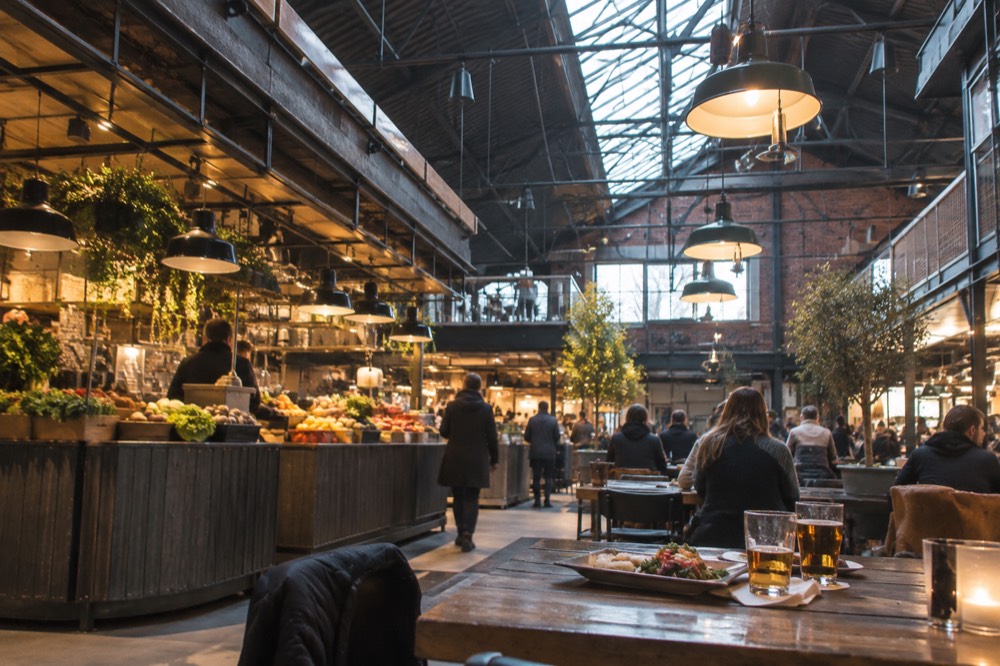
Mathallen is Oslo's principal indoor food hall: a converted brick industrial building in Vulkan, on the Grünerløkka side of the Akerselva, holding a couple of dozen independent food stalls that sell directly to visitors at the counter. Entry costs nothing, you buy food and drink per stall, and the building is open year-round, which makes it one of the few Oslo attractions that works identically in a July heatwave and a January sleet storm.
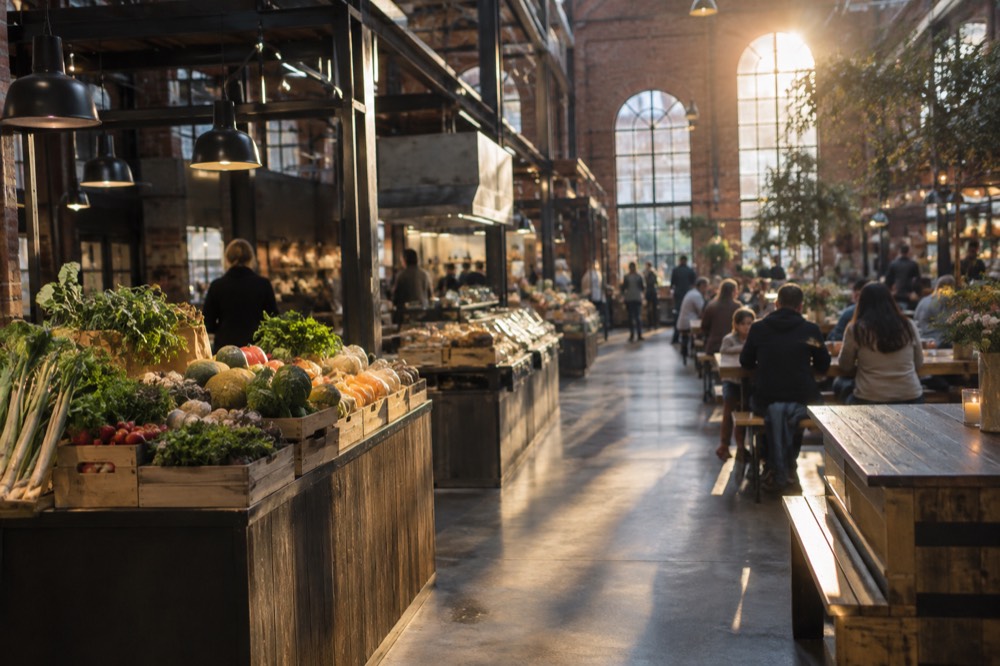
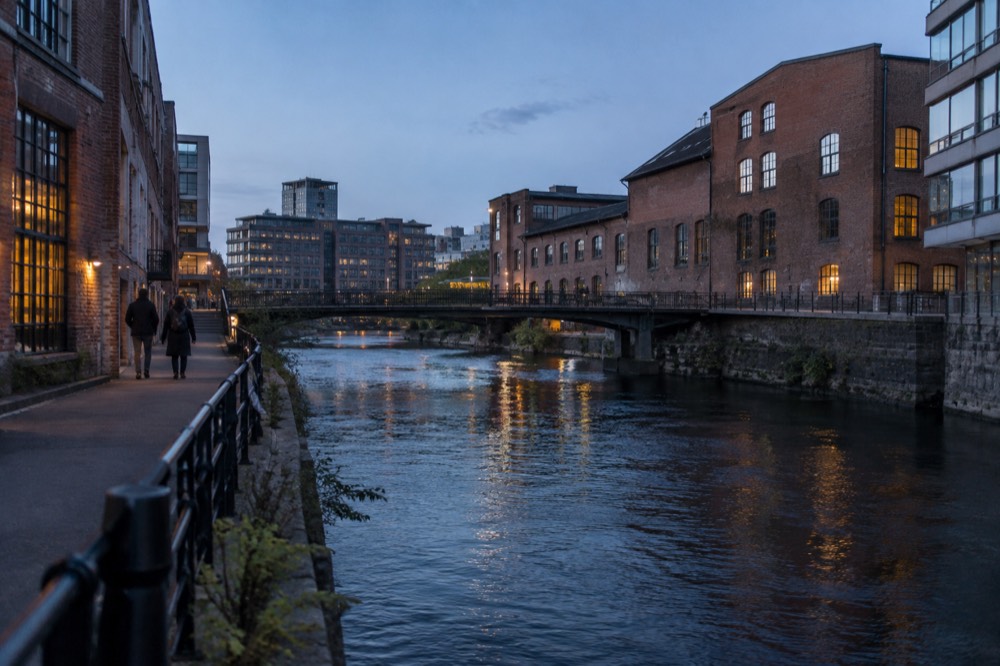
The name is simply Norwegian for "the food hall," and the concept follows the pattern of other European market halls: one roof, many small operators, communal tables in the middle. What distinguishes this one is the building stock. Vulkan was an industrial district of foundries and workshops, and the hall occupies converted brick structures rather than a purpose-built shed, so the interior is dark timber, exposed brick and steel under high ceilings.
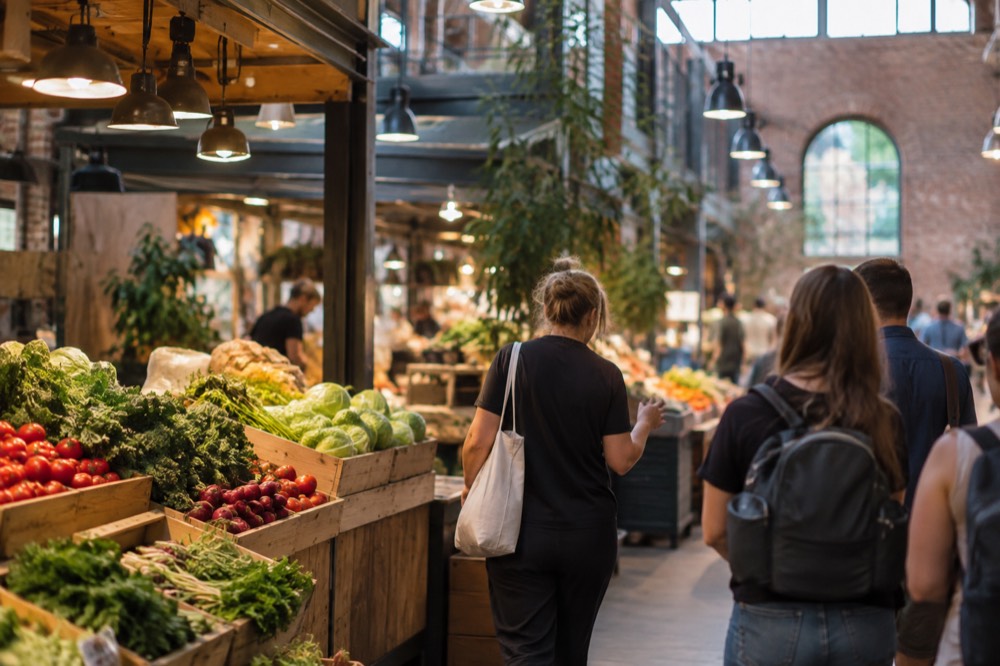
The stall mix leans Norwegian and Nordic. Expect raw-bar-style seafood counters, reindeer and game products, brown cheese and other dairy, sourdough bakeries, coffee roasted on site, chocolate, and a beer bar with a large tap list of Norwegian craft breweries. Stalls are independent businesses and the lineup changes over time, so treat any specific stall name you read online, including here, as a snapshot rather than a permanent fixture. The stable thing is the format: many small counters, one shared room.
It is worth being clear about what Mathallen is not. It is not a produce market where locals do a weekly shop, and it is not a cheap canteen; some stalls are genuinely premium. It is a tasting hall. The visitors who enjoy it most treat it as a walk-around lunch or an afternoon of small plates and a beer, not as a substitute for a restaurant dinner.
Where Is Mathallen and How Do You Get There?
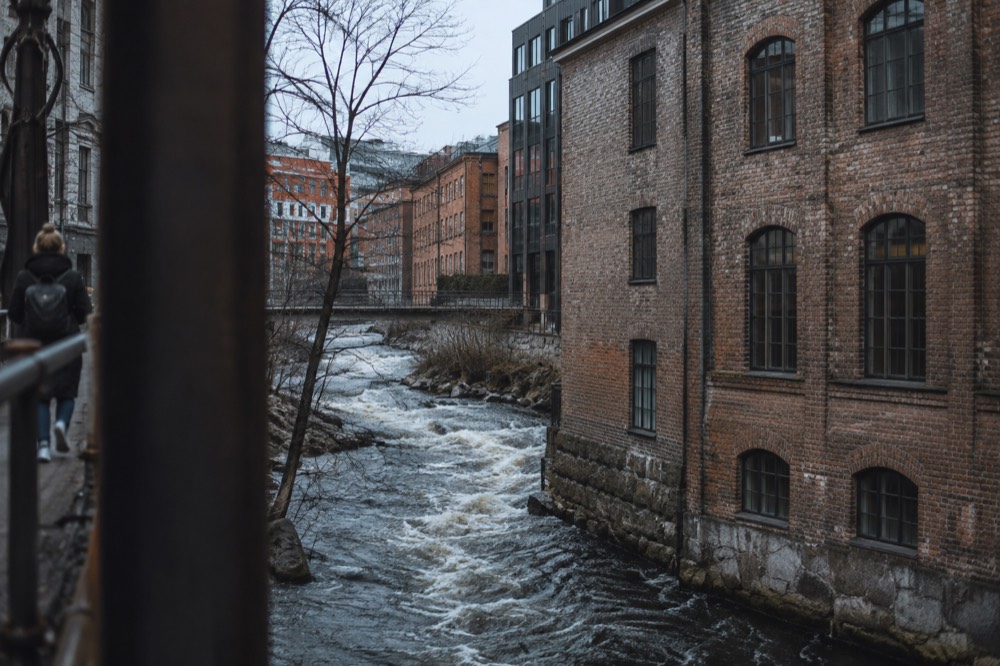
Mathallen is in the Vulkan neighborhood, the small former-industrial pocket on the east bank of the Akerselva at the top of Grünerløkka, reached on foot from central Oslo in well under half an hour or by any Ruter tram or bus serving Grünerløkka, all inside zone 1. The nearest river landmarks are the Vulkan bridges and the waterfalls of the Akerselva, which make the walk itself part of the visit.
Getting there is simple because everything in central Oslo sits in Ruter zone 1, the same zone that contains the entire metro network. A single zone-1 ticket, bought cheapest in the Ruter app, covers trams, buses, the metro and the Ruter island ferries alike, and it stays valid for 60 minutes from activation. If you already hold an Oslo Pass, public transport in zones 1, 2, 3, 4V and 4N is included, so the same pass that carried you to the museums carries you here.
| Way in | What it costs | Good to know |
|---|---|---|
| On foot along the Akerselva | Free | The river path from the city center passes waterfalls and old mill buildings; the most scenic approach |
| Ruter tram or bus via Grünerløkka | Ordinary zone-1 Ruter ticket | Buy in the Ruter app, the cheapest channel; on-board purchase costs more |
| Oslo Pass holder | Already included | Zones 1, 2, 3, 4V and 4N are covered by the pass, including buses and trams |
| Metro plus a short walk | Ordinary zone-1 Ruter ticket | The whole T-bane network is inside zone 1, so any metro ride in central Oslo is one ticket |
The walk along the river deserves a mention of its own. The Akerselva drops through a series of waterfalls between the Oslofjord and the northern neighborhoods, and the path past the old industrial buildings is one of the city's best free walks. Coming from the center, you can follow the river north and arrive at Vulkan from below, then continue into Grünerløkka proper afterward. On a fine day this is the recommended route, and it costs nothing.
The surrounding Vulkan area is small but dense: the food hall, a food-focused cluster of buildings around it, a climbing center, a sauna operation on the riverbank, and some of the city's design and shops a few minutes south in Grünerløkka. Our Vulkan neighborhood guide covers the area in detail, and the Grünerløkka area guide covers the wider district.
If a self-guided visit sounds like too much homework, a guided walk does the route-finding for you. The Grünerløkka food and culture walking tour runs through this neighborhood with a local guide and stops at food venues along the way.
The trio above spans three different food-and-drink formats: the neighborhood walk built around Grünerløkka itself, a classic fjord evening cruise with a shrimp buffet, and a longer beer-and-culture walk that leans into Norway's alcohol rules. All three suit a first visit, and none requires you to plan a route yourself.
What Can You Eat Inside the Food Hall?
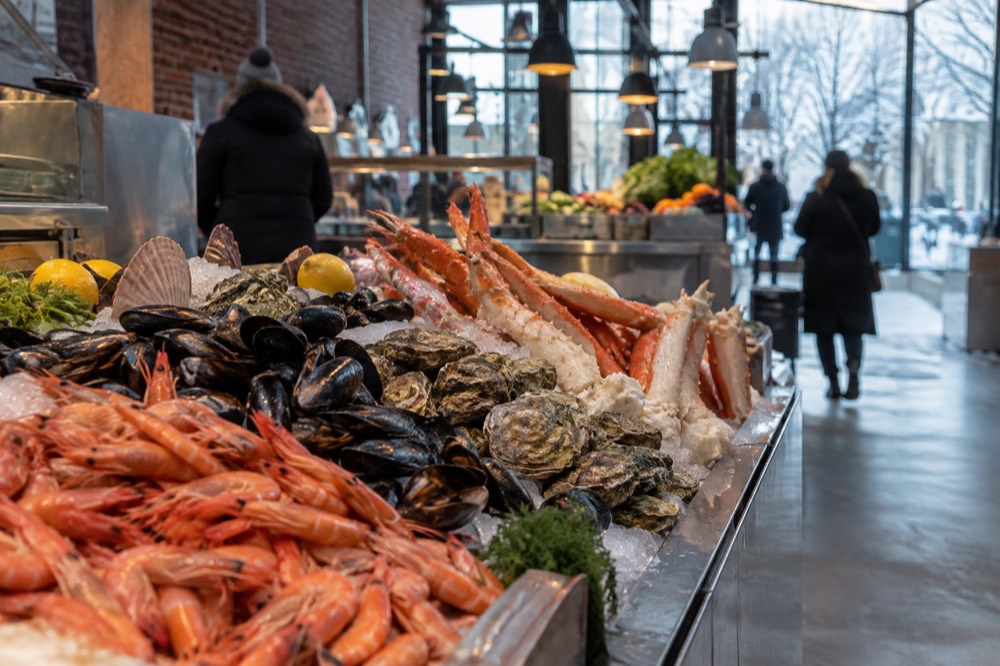
The honest answer is a cross-section of Norwegian food in small portions: seafood from raw-bar and shellfish counters, game and cured meats, brown cheese and other dairy, sourdough and pastries from on-site bakers, specialty coffee, chocolate, and a large tap list of Norwegian craft beer at the hall's own beer bar. You buy at each counter and eat at communal tables, so a table of four can each eat from a different stall.
Seafood is the strongest category, which should surprise nobody in a city at the end of a fjord. Counters sell the cold-water shellfish and fish Norway is known for, and a plate of something from the sea is the single most representative thing to eat here. Game and cured meats, including reindeer products, are the second stop for most visitors, because they are harder to find at home and come in tasting-sized portions.
The dairy counter is where the distinctly Norwegian items live. Brown cheese, the caramel-flavored whey cheese that Norwegians eat on bread, divides visitors cleanly into devotees and refusers, and a food hall is the cheapest possible place to find out which you are. Bakers sell the sourdough and cardamom-scented baked goods that Oslo's café culture runs on, and the coffee is roasted by specialists rather than a generic supplier.
Beer deserves its own paragraph, because Norway's alcohol rules make a beer bar inside a food hall genuinely useful. Supermarkets sell beer and cider only up to 4.7% ABV, and anything stronger, plus all wine and spirits, is sold only through Vinmonopolet, the state monopoly, which is closed every Sunday and on public holidays and closes early on Saturdays. A tap bar inside the hall therefore gives you access to exactly the strong Norwegian craft beers you cannot simply buy in a shop, poured where you are eating. Our price of beer in Oslo page breaks down what beer costs across the city and why.
| Category | What you typically find | Why it matters here |
|---|---|---|
| Seafood counters | Cold-water shellfish and fish, sold in small plates | The most representative Norwegian category, in tasting portions |
| Game and cured meats | Reindeer and other game products, cured sausages | Hard to source abroad, sold in small quantities |
| Dairy | Brown cheese and other Norwegian cheeses | The cheapest place to try the country's most divisive food |
| Bakery | Sourdough, cardamom buns and pastries, baked on site | Oslo café culture in counter form |
| Coffee | Roasted by specialists, brewed to order | A warm-up stop between stalls |
| Beer bar | Norwegian craft beer on tap | The only easy way to taste strong Norwegian brews, given the 4.7% supermarket limit |
One practical note on alcohol shopping: if you want to take a bottle of wine or aquavit home, the monopoly store, not the food hall, is where you buy it, and its hours are short. It is closed Sundays and public holidays, Saturdays close early, and weekday hours vary by store, so check the Vinmonopolet store finder for the location nearest Vulkan before you build a day around it. Duty-free on arrival at the airport is the other legitimate route, and many residents use it for exactly this reason.
Is Mathallen Worth Visiting, and What Does It Cost?
For most visitors, yes: entry is free, portions are small and priced at the counter, and the hall concentrates more variety of Norwegian food in one room than any single restaurant in the city could. It is most worth it for travelers who want to taste several things without booking anything, and least worth it for visitors on a strict sightseeing schedule who would rather spend the same hour at a museum.
The cost question is where Oslo's reputation bites. Statistics Norway's 2025 purchasing-power survey puts Norwegian household prices 28.6% above the EU average, food and non-alcoholic drink 33% above, and alcohol and tobacco at more than double the European average. A food hall does not suspend those numbers, it just lets you control them: a plate of shellfish and a bun is a real lunch for less than a restaurant main, and a single tasting pour costs a fraction of a bar tab. The expensive things in Oslo are alcohol and restaurants, and a hall is a half-measure against both.
What you should not expect is a bargain basement. Some stalls are premium producers selling premium products, and a family grazing freely across every counter can spend restaurant money without noticing. The visitors who spend least are the ones who walk the full hall first, choose two or three things, and then sit down. It is the same discipline that works in any food hall, and it matters more where the price level is Norwegian.
Pairing the hall with a guided walk changes the economics again, because a guide's fee buys context, route-finding and a set of stops chosen for you. The Grünerløkka food and culture walking tour is the one built around this exact neighborhood.
The tour listing carries a free-cancellation policy, so booking ahead of your travel dates costs you nothing if your plans shift, and the button never promises a price or a date. If you would rather eat your way through the city center instead, the city-centre Norwegian food walk covers a different set of venues downtown.
That walk is the strongest food product that is not neighborhood-specific, and it suits a first-time visitor whose hotel sits near the center. Between the two, the choice is geographic: Grünerløkka and the river, or the blocks around the city core.
When Is the Best Time to Visit Mathallen?
Weekday late morning or mid-afternoon is the calmest window, weekends around lunch are the busiest, and the hall is open year-round, which makes it one of the few reliable food options in Oslo on a Sunday, a public holiday or a dark December afternoon, when the Vinmonopolet is shut and many kitchens are quiet.
The rhythm follows neighborhood life. Grünerløkka fills up on Saturday, the day Norwegians do their weekend shopping and café crawling, and the communal tables go first. Sunday is quieter, and the hall is one of the few places eating well on a Sunday is straightforward, precisely because it is not dependent on the monopoly or on full restaurant kitchens. If a calm visit with a seat matters to you, aim for a weekday outside the 12:00 to 14:00 local lunch rush.
Seasonally, the hall earns its keep most in winter. Oslo's December daylight runs from about 09:18 to 15:11, and the normals put January's mean at −2.3 °C, so a compact, warm, indoor food stop that needs no booking is exactly what a winter itinerary wants. In summer, with the sun setting at 22:43 in late June, the better plan is often to eat lightly here in the late afternoon and save the evening for the fjord or a terrace.
| Situation | Best plan | Why |
|---|---|---|
| Winter afternoon | Late lunch inside the hall | Warm, lit, indoor, no booking; December daylight ends by 15:11 |
| Saturday | Arrive before the local lunch rush | Grünerløkka's busiest day; communal tables fill first |
| Sunday or public holiday | The hall, plus a river walk | Straightforward eating when the monopoly and many kitchens are closed |
| Summer evening | Light stop in the afternoon, fjord or terrace after | Late sunsets make indoor evenings a waste of daylight |
| Rain | The hall as the whole outing | One roof, many counters, zero weather exposure |
Mathallen vs. Grünerløkka's Cafés, Bars and Restaurants
Mathallen wins on variety and on not needing a reservation: many stalls, one room, everything from raw shellfish to cardamom buns, with no booking and no waiting for a table for four at one venue. Grünerløkka's standalone cafés, bars and restaurants win on atmosphere per venue, on proper table service, and on being spread through one of the city's most pleasant walking districts.
The honest framing is that they are not competitors. The hall is a sampler and a bad-weather refuge; the neighborhood around it is where Oslo's café and bar culture actually lives, in the blocks south of Vulkan along Grünerløkka's main streets. A good afternoon uses both: an hour of tasting inside, then coffee or a drink somewhere with a sidewalk, then dinner, booked, at one of the restaurants our best restaurants in Oslo guide covers.
Budget travelers should know the hall is not the cheapest food in the district. For pure economy, the city's street-food and hot-dog layer costs a fraction of counter seafood, and the budget guide tracks the cheaper options across Oslo. The hall's pitch is variety and quality in small portions, not the floor price.
One more contrast worth naming: tipping. Service is included in Norwegian prices, tipping is voluntary, and at a food hall counter the question mostly disappears, because you pay at the till. In the neighborhood's sit-down restaurants the same norm applies, rounding up or a small gratuity for good service is common but never required. Our tipping in Oslo page covers the details.
Food Tours That Include the Vulkan and Grünerløkka Area
Three guided food products touch this neighborhood or the city's food culture directly: the Grünerløkka food and culture walk built around the district, the city-centre Norwegian food walk covering downtown venues, and a street-food walking tour with a third format again. All run with a guide, all book online, and the choice between them is mostly about which part of the city you want to be standing in.
The neighborhood walk is the natural pairing for this page, because its subject is the district the food hall sits in. The city-centre walk suits visitors staying downtown who want Norwegian food explained rather than a specific neighborhood toured. The street-food format, rated 4.9 across its review base, covers the cheaper end of the city's food scene, which neither of the other two centers on.
| Tour | Format | Duration | Best for |
|---|---|---|---|
| Grünerløkka food and culture walk | Guided neighborhood food walk | 2h 30m | Visitors who want the district around Mathallen explained while eating |
| City-centre Norwegian food walk | Guided food tour, downtown venues | 3h | First-timers staying central who want Norwegian food decoded |
| Street-food walking tour | Guided street-food tour | 3h | Travelers eating well on a lower budget |
A fourth option, the beer and culture walk, leans into the alcohol rules described above and turns them from a constraint into the itinerary itself, which is a genuinely Oslo thing to do. It runs about three hours with a guide.
Between the beer walk and the food walks, the deciding question is simple: do you want to eat your way through the neighborhood, or drink your way through its rules? Plenty of visitors do one of each on separate days.
What Else Is Near Mathallen for the Same Trip?
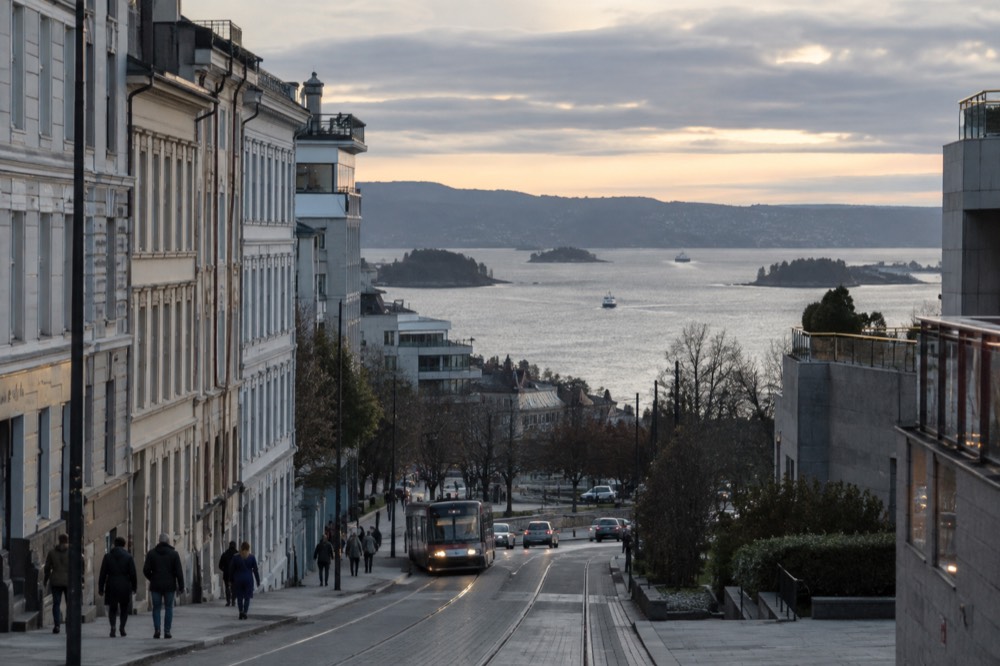
The Akerselva river path, the Grünerløkka café and shopping streets, and the Vulkan area's own design and sauna offerings are all within a short walk of the hall, and the whole cluster sits in zone 1, so no extra ticket is needed to extend the day. The river walk north toward the forests, or south toward the city center and the Opera House roof, are the two natural extensions.
Heading north along the Akerselva, the path climbs through parkland toward the northern neighborhoods, and the metro's line 1 can carry you up toward Holmenkollen and the forest edge if you want to trade river for skyline. Heading south, the river carries you back toward the center, past the old mill buildings, toward the barcode district and Bjørvika, where the Opera House roof is free to walk on and needs no ticket. Our Oslo walking route guide strings these together.
The neighborhood itself rewards an unhurried afternoon. Grünerløkka is the district most often called Oslo's trendiest, and the trendy district question gets a direct answer elsewhere on this site, but the short version is: this one. Vintage shops, design stores, coffee roasters and bars line the blocks south of Vulkan, and the hall makes a natural anchor for the walk through them.
For a same-day contrast, the Oslofjord is close at hand. The island ferries leave from Aker brygge on ordinary Ruter tickets, and Hovedøya, with its ruined Cistercian abbey, is a short crossing away. Our Oslo islands guide covers the crossings, and the Aker Brygge guide covers the waterfront itself.
If you would rather end the day on the water than in the neighborhood, the classic move is the evening fjord cruise with a shrimp buffet, a Norwegian institution rather than a generic dinner boat, running about three hours as the light fades.
How Does Mathallen Fit Into a One, Two or Three Day Oslo Itinerary?
As a lunch or late-afternoon stop on the Grünerløkka and river segment of your trip, not as a standalone destination. On a one-day itinerary it pairs with the Opera House and the center; on two days it anchors a half-day in Grünerløkka; on three or more it slots into a slower afternoon alongside the river walk and the museums you did not reach earlier.
The reason it slots in so easily is that it demands nothing: no ticket, no time slot, no booking, and it sits in a district you were probably walking anyway. On the compressed one day in Oslo plan, the hall is the pragmatic lunch between the center and the river. On the 2 days in Oslo and 3 days in Oslo plans, it moves to its natural home, a dedicated Grünerløkka half-day with the river path and the neighborhood streets.
Families get a specific benefit worth naming: a food hall is the rare Oslo meal where nobody has to agree. Children who will not eat shellfish can have a bun and a hot chocolate while adults work through a seafood plate, all at the same table, with no waiter watching a table of half-finished plates. It is one of the most family-friendly meal formats in an expensive restaurant city.
Rainy days are the other natural fit. When the weather closes in, an indoor hall plus the river-adjacent museums beats a wet park, and our rainy day in Oslo guide ranks the indoor options. The hall's advantage over a museum is that it needs no ticket at all, so it works as the flexible block you slide into any gap in a washed-out schedule.
Planning Your Visit: The Short Version
Go on a weekday if you can, arrive hungry but walk the whole hall before buying, budget like you are eating in a premium market rather than a cheap one, and use the hall as the anchor of a Grünerløkka and river afternoon rather than as a destination you travel to and leave. Entry is free, everything is paid per stall, and the whole visit fits inside zone 1 on any ordinary Ruter ticket.
The most common mistake visitors report is treating the hall as a full restaurant and ordering a full meal at the first counter that looks good. The format rewards patience. One lap, three choices, one table. The second most common mistake is expecting local grocery prices; this is a specialist hall in one of Europe's most expensive countries, and the price level reflects that, even if the portions let you control the total.
Bring a card. Norway runs on card payment, terminals are everywhere, and cash is close to vestigial in Oslo's shops and cafés. Tipping is not expected at a counter, service is included in the prices you pay, and the card terminal may offer a gratuity prompt you are free to decline. The krone, not the euro, is what you actually pay with here.
Finally, check opening days before you build an itinerary around a Sunday or a public holiday visit. The hall's own published hours are the source of truth, and public holidays in Norway, including 17 May, change the rhythm of the whole city. A quick check of the hall's site the day before costs a minute and saves a wasted trip across town.
One of those three, a neighborhood walk, a fjord evening or a beer-and-culture tour, is the natural companion to a Mathallen visit, and every one of them can be held with free cancellation while you finalize the rest of your days. For the rest of the itinerary around it, the Oslo Travel Guide homepage covers the city's planning basics, from transport to neighborhoods to seasonal timing.
Common Questions About Mathallen Oslo
What is Mathallen Oslo?
An indoor food hall in the Vulkan neighborhood on the Grünerløkka side of the Akerselva, holding a couple of dozen independent stalls selling seafood, game, cheese, baked goods, coffee and Norwegian craft beer. Entry is free and you pay per stall.
Is Mathallen free to enter?
Yes. There is no entry fee and no ticket; you pay only for what you buy at the counters. Getting there on public transport costs an ordinary Ruter zone-1 ticket, or nothing if you walk or hold an Oslo Pass.
What should I eat at Mathallen?
Seafood in small plates is the most representative category, followed by game and cured meats, brown cheese from the dairy counter, and cardamom-scented baked goods. A beer from the tap bar lets you taste strong Norwegian craft brews that supermarkets cannot sell above 4.7% ABV.
How do I get to Mathallen from central Oslo?
Walk north along the Akerselva river path, or take any Ruter tram or bus serving Grünerløkka. Everything in central Oslo is Ruter zone 1, so one ordinary ticket covers the trip, and the Oslo Pass includes zones 1, 2, 3, 4V and 4N.
When is the best time to visit Mathallen?
Weekday late morning or mid-afternoon for a calm visit with a seat. Saturday lunch is the busiest window. The hall is open year-round and is one of the most reliable food options on Sundays and public holidays, when the Vinmonopolet is closed and many restaurant kitchens are quiet.
Is Mathallen worth it on a budget?
As a controlled tasting stop, yes: small portions at counter prices beat a full restaurant main in a country where food runs 33% above the European average. As the cheapest food in the district, no; the city's street-food layer costs less, and our Oslo on a budget guide covers it.