Bygdøy: Oslo's Museum Peninsula, Ferries and Beaches
Bygdøy is the peninsula southwest of the city center where Oslo keeps five of its biggest museums, two swimming beaches and its most confused ferry ticketing. Here is how the boats, buses, tickets and prices actually work.
Short answer
Bygdøy is Oslo's museum peninsula, reached by a seasonal ferry from Rådhusbrygge 3 (about 70 NOK one-way, not a Ruter ticket) or year-round bus 30. The Fram and Kon-Tiki museums cost 180 NOK each, the Folkemuseum 200 NOK, and the Viking Ship Museum is closed until 2027.
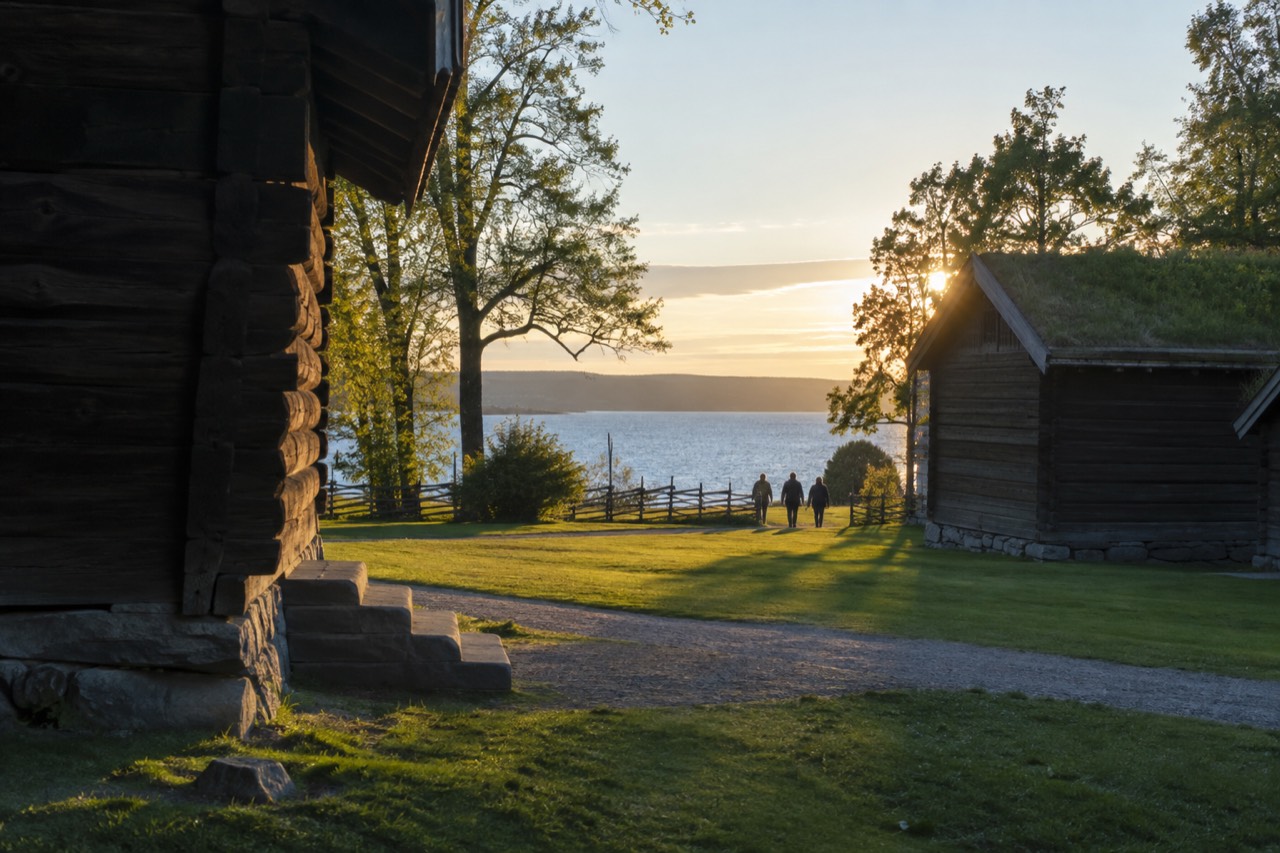
Bygdøy is the green peninsula that curls into the Oslofjord southwest of the city center, and it holds more of Oslo's visitor weight than any other single district: the Fram Museum, the Kon-Tiki Museum, the Norwegian Museum of Cultural History, the Norwegian Maritime Museum, the closed Viking Ship Museum, a royal estate, two swimming beaches and a forest of walking paths. Almost every first-time itinerary lands here, and almost every visitor arrives with at least one wrong assumption about the boat.
The two things this page fixes first, because they cost people real money and real time: the Bygdøy ferry is not a Ruter ferry and does not accept ordinary Ruter tickets, and the Viking Ship Museum has been closed since 2021 and will not reopen until 2027. Both are stated plainly by the operators and the museum, and both are routinely garbled elsewhere. After that, this page walks the peninsula museum by museum, prices in NOK, and closes with the Oslo Pass maths, because Bygdøy is where that pass earns or loses its keep.
Where Is Bygdøy and What Is on It?
Bygdøy is a peninsula about 4 km southwest of Oslo city center, connected to the mainland by a narrow neck of land, holding five museum institutions, the Royal Farm, two public beaches and a network of walking and cycling paths. The museums cluster in two groups: the Folkemuseum near the Dronningen pier on the east side, and the Kon-Tiki, Fram and Maritime museums together at Bygdøynes on the tip. Between and around them are woods, meadows, the Huk and Paradisbukta beaches on the south shore, and some of the calmest residential streets in the city. It is small enough to cross on foot in under an hour and green enough that most visitors underestimate the walking.
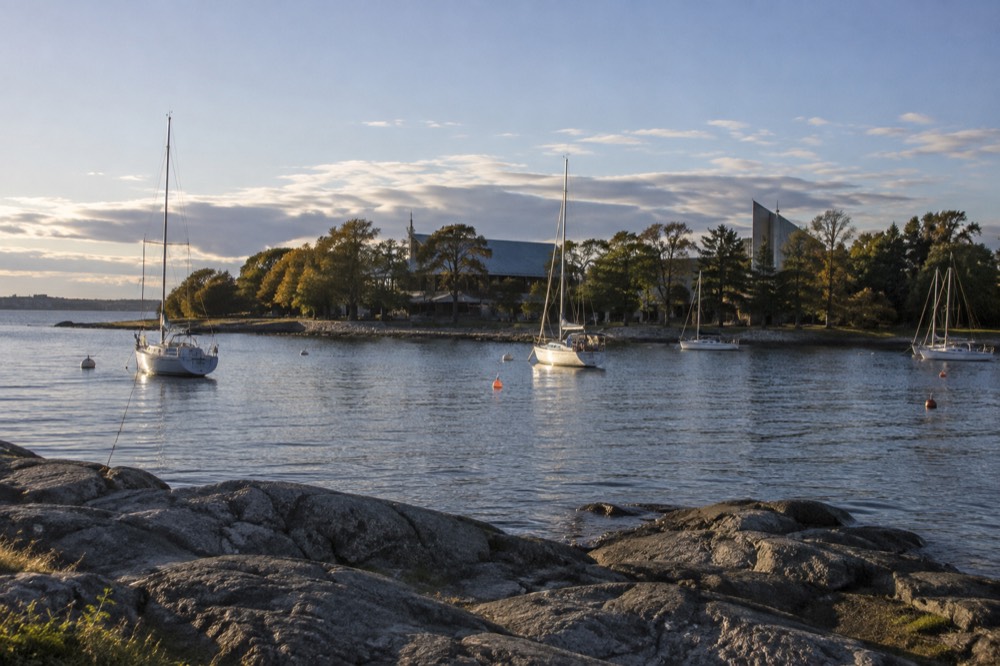
The peninsula's character comes from being a day-trip place that is still inside the city. Oslo residents come here on the same ferries and the same bus 30 as visitors, for the beaches in July and the ski trails in January. That shapes everything practical: transport is ordinary public transport, food options are thin and seasonal, and the museums keep long summer hours and shorter winter ones. Plan it as a half-day or a full day, not as a quick stop between two city-center sights.
The essential companion pages, if you are building a wider trip: the Fram Museum guide, the Kon-Tiki Museum guide and the open-air Folkemuseum guide each go deeper on their own building than this page does.
How Do You Get to Bygdøy: Ferry or Bus?
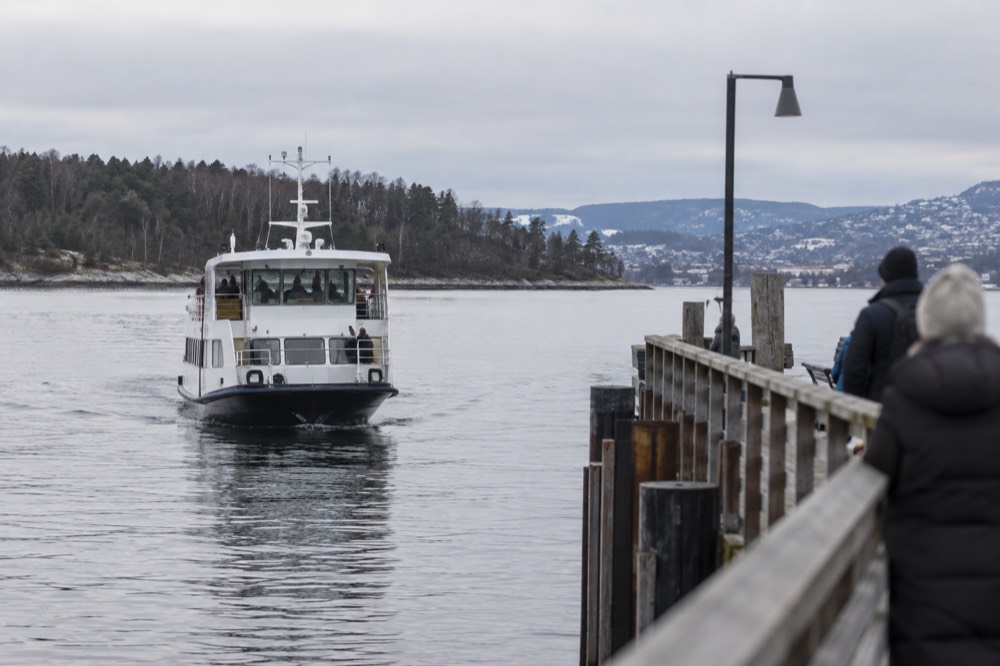
Take the seasonal museum ferry from Rådhusbrygge 3, Platform F, which runs roughly every 20 minutes from mid-March to early October and costs about 70 NOK one-way, paid to the operator, not with a Ruter ticket; outside the season, take Ruter bus 30, which serves the museums year-round on an ordinary ticket. Those are the only two sensible options from the center, and the ferry is the one people get wrong. The operator's own pages state it plainly: the Oslo Pass is included, and Ruter tickets are not valid on the Bygdøy ferry. It is a private sightseeing boat, not a public transport line.
The ferry details, from the operator's schedule for 2026: the season runs 14 March to 4 October, departures are about every 20 minutes through the daytime, the first stop is Dronningen after roughly 10 minutes, then Bygdøynes, and a full round trip is about 30 minutes. Buying on board costs slightly more than paying ahead, and a day pass exists. Dronningen is your stop for the Folkemuseum and Oscarshall; Bygdøynes is your stop for Kon-Tiki, Fram and the Maritime Museum, which sit beside each other.
| Option | Where | When | Ticket | Notes |
|---|---|---|---|---|
| Museum ferry | Rådhusbrygge 3, Platform F | 14 Mar – 4 Oct 2026, ~every 20 min | ~70 NOK one-way, or Oslo Pass | Not valid with Ruter tickets; stops Dronningen and Bygdøynes |
| Bus 30 | Nationaltheatret and central stops | Year-round, ordinary schedule | Standard Ruter ticket | Serves both museum clusters; about 15 min from the center |
| Island ferries B1/B2 | Aker brygge | B1 year-round, B2 summer | Standard Ruter ticket | Different system entirely; goes to the Oslofjord islands, not Bygdøy |
Read that last row twice, because it is the trap. The ferries to Hovedøya, Gressholmen and Langøyene leave from Aker brygge, are Ruter lines, and ride on an ordinary ticket. The Bygdøy ferry leaves from Rådhusbrygge 3, is not Ruter, and does not. Two different piers a few hundred meters apart, two different ticket rules. If you hold an Oslo Pass both systems are covered, which is one of the quiet arguments for the pass on a Bygdøy day. The full picture is in the Oslo ferries guide.
Out of season, or when the queue at the pier is long, bus 30 is the honest answer. It runs year-round as an ordinary Ruter service from the center, stops at both museum areas, and takes about 15 minutes from Nationaltheatret. Cyclists and drivers should know the peninsula also has bike paths and limited parking, which fills on summer weekends; the getting around Oslo guide covers tickets and the Ruter app in detail.
If you want the city's story told before you cross the water, a guided walk is the natural pairing with a museum afternoon. The budget option, a two-hour guided walk of central Oslo with a local guide, is the cheapest credible one in the city, and it pairs naturally with the free and private formats covered elsewhere on this site.
Which Museums Are on Bygdøy and What Do They Cost?
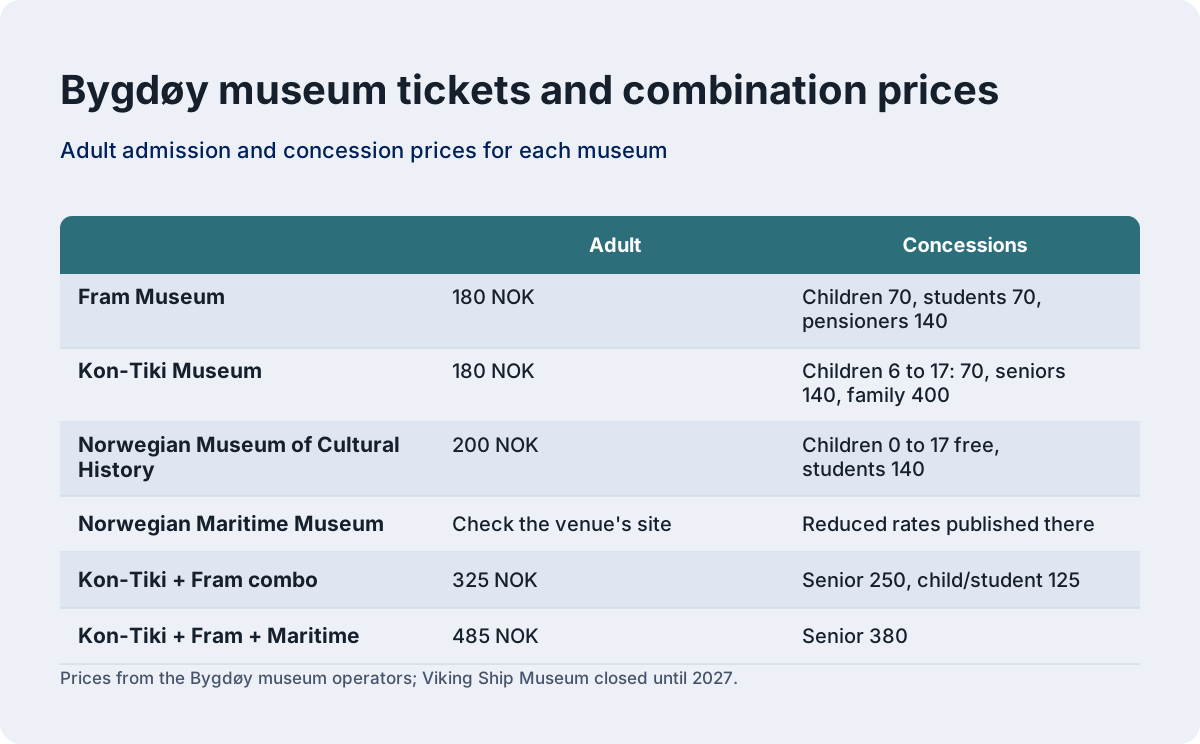
Bygdøy holds the Fram Museum at 180 NOK, the Kon-Tiki Museum at 180 NOK, the Norwegian Museum of Cultural History at 200 NOK and the Norwegian Maritime Museum, with combination tickets that cut the total: Kon-Tiki plus Fram is 325 NOK adult, and all three Bygdøynes museums together are 485 NOK. Every one of these is also covered by the Oslo Pass, which is what makes the pass arithmetic interesting on this peninsula. Children's and senior rates run well below the adult price at each venue, and the Folkemuseum admits children under 18 free.
| Museum | Adult | Key concessions | Oslo Pass | Allow |
|---|---|---|---|---|
| Fram Museum | 180 NOK | Children 70, students 70, pensioners 140 | Yes | 1–3 hours |
| Kon-Tiki Museum | 180 NOK | Children 6–17: 70, seniors 140, family 400 | Yes | About 1 hour |
| Norwegian Museum of Cultural History | 200 NOK | Children 0–17 free, students 140 | Yes | 2–3 hours |
| Norwegian Maritime Museum | Check the venue's site | Reduced rates published there | Yes | 1–2 hours |
| Kon-Tiki + Fram combo | 325 NOK | Senior 250, child/student 125 | Covered by pass anyway | Half a day |
| Kon-Tiki + Fram + Maritime | 485 NOK | Senior 380 | Covered by pass anyway | Most of a day |
The Fram Museum is the strongest single visit on the peninsula for most people: a full polar ship you can walk aboard, built to survive the ice, with the story of the expeditions wrapped around the hull. The Fram Museum guide covers what to look at and how long it honestly takes. Kon-Tiki, next door, is the balsa-raft counterpoint, shorter and denser, and the two pair so naturally that the 325 NOK combination ticket exists for exactly that reason. The Kon-Tiki ticket is also one of the best-reviewed museum tickets sold online in Oslo, and the Kon-Tiki Museum guide explains why.
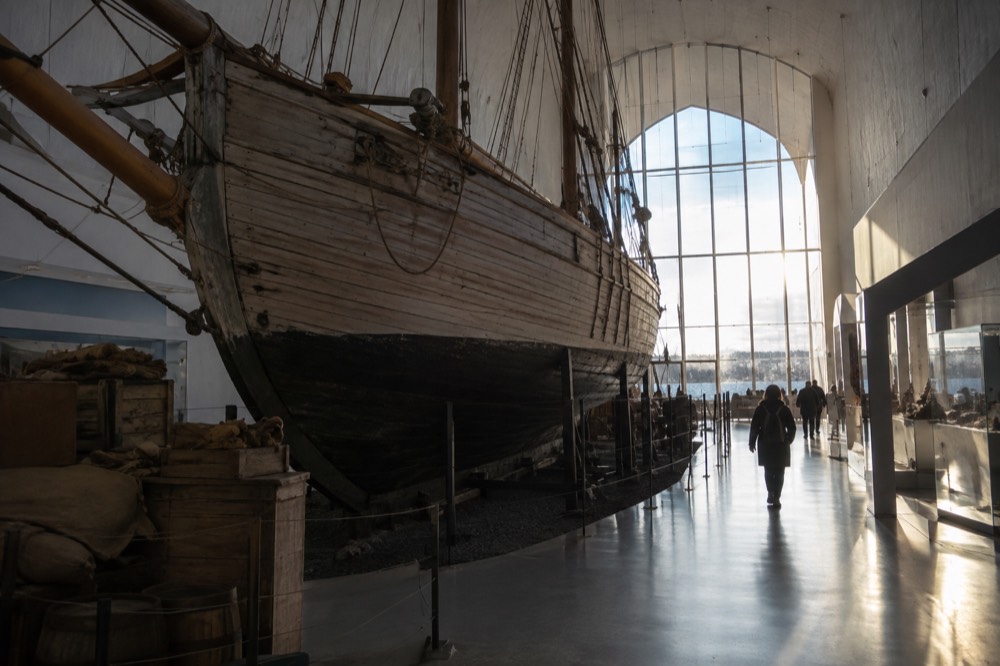
The Maritime Museum completes the Bygdøynes cluster and is the one most itineraries skip, which is a defensible choice on a tight day. The Folkemuseum over at Dronningen is a different animal entirely: historic buildings moved from across Norway, a stave church among them, and enough open-air walking that it deserves half a day alone in good weather. Children enter free, which makes it the default family stop on the peninsula.
If you would rather lock in the Bygdøynes pair ahead of a summer day when tickets move fast, the Kon-Tiki entry ticket is sold online and can be booked now.
Why Is the Viking Ship Museum Closed?
The Viking Ship Museum on Bygdøy closed on 1 October 2021 for a full rebuild and will reopen as the Museum of the Viking Age in 2027, with no month confirmed, so no visitor can see the Oseberg, Gokstad or Tune ships anywhere in Oslo in the meantime. The museum's own site states the closure and the reopening year in exactly those terms. Some Viking-age objects remain viewable at the Historical Museum in central Oslo, which the museum itself directs visitors to, and Viking Planet in the city center is the bookable substitute experience.
This matters because viking ship museum oslo is still one of the most searched Oslo queries, and plenty of live listings still sell entry to a building that has been shut for years. Any ticket that promises Viking ships on Bygdøy today is selling something that does not exist. The honest plan is the Museum of the Viking Age page, which tracks the rebuild, or Viking Planet, an immersive Viking-age experience with a VR film included, which is what actually sells while the museum is dark.
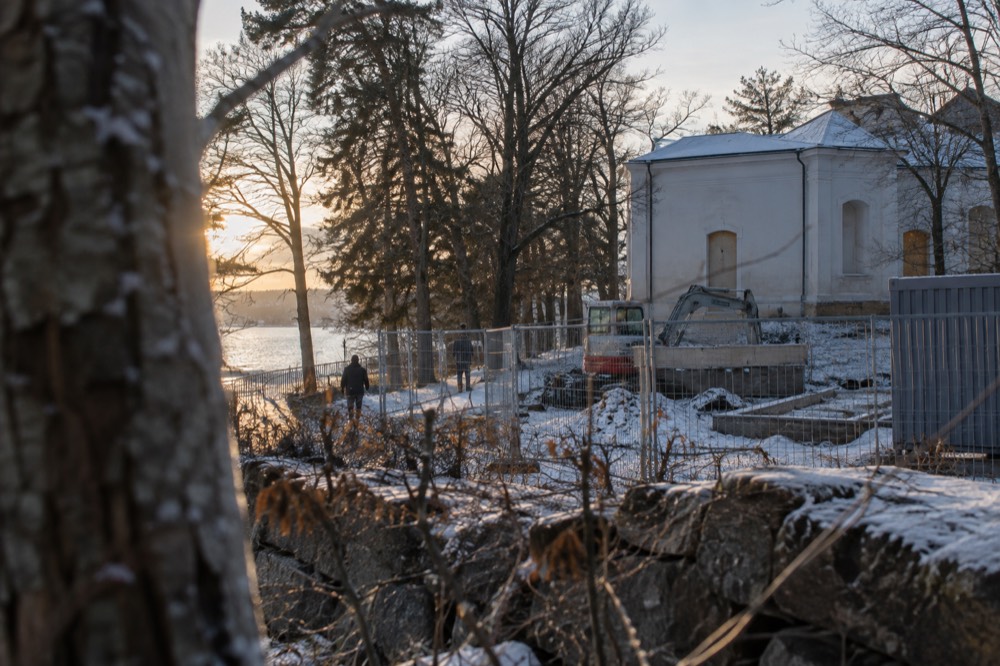
The rebuild is genuinely large: the three ships have been moved into the new structure during 2025 and 2026, and the project still involves thousands of objects and the old building's rehabilitation. Reporting has suggested an internal target of late 2027, but the museum's public commitment is the year alone, and this site writes nothing more precise than that. Re-check before you travel, because this date has moved before.
Is the Oslo Pass Worth It on Bygdøy?
On a Bygdøy day the Oslo Pass usually pays for itself: the 24-hour adult pass is 580 NOK against 560 NOK for Fram, Kon-Tiki and the Folkemuseum at full price, and the pass also covers the Bygdøy ferry and every Ruter zone you cross getting there, so the museums alone put you within 20 NOK of break-even before a single ride. Add the ferry at about 70 NOK each way and the pass is clearly ahead. Add a fourth museum, or the Maritime Museum, and it is not a contest.
The 2026 pass prices from VisitOSLO: 24 hours 580 NOK, 48 hours 845 NOK, 72 hours 995 NOK adult, with senior and child rates below. What it includes, in the tourist board's own words, is free entry at over 30 museums and attractions and public transport in zones 1, 2, 3, 4V and 4N, including transport to and from Oslo Airport Gardermoen with public trains operated by Vy. On Bygdøy specifically it covers the museum ferry, the island ferries, bus 30, and entry at every museum on the peninsula.
The honest caveat is the pace. The pass rewards the visitor who does three or four paid sights a day. If your Bygdøy day is one museum plus the beach plus a long lunch, the pass loses to single tickets, and the is the Oslo Pass worth it guide runs the numbers for slower itineraries. The full price list and what is included is on the Oslo Pass guide.
| Itinerary | Tickets bought singly | With 24-hour pass | Verdict |
|---|---|---|---|
| Fram + Kon-Tiki + Folkemuseum + ferry round trip | 560 + ~140 NOK | 580 NOK | Pass wins by ~120 NOK |
| All four museums + ferry | 560 NOK + Maritime + ~140 NOK | 580 NOK | Pass wins clearly |
| One museum + beach afternoon | 180 NOK + ferry | 580 NOK | Singles win |
What Else Is on Bygdøy Besides Museums?
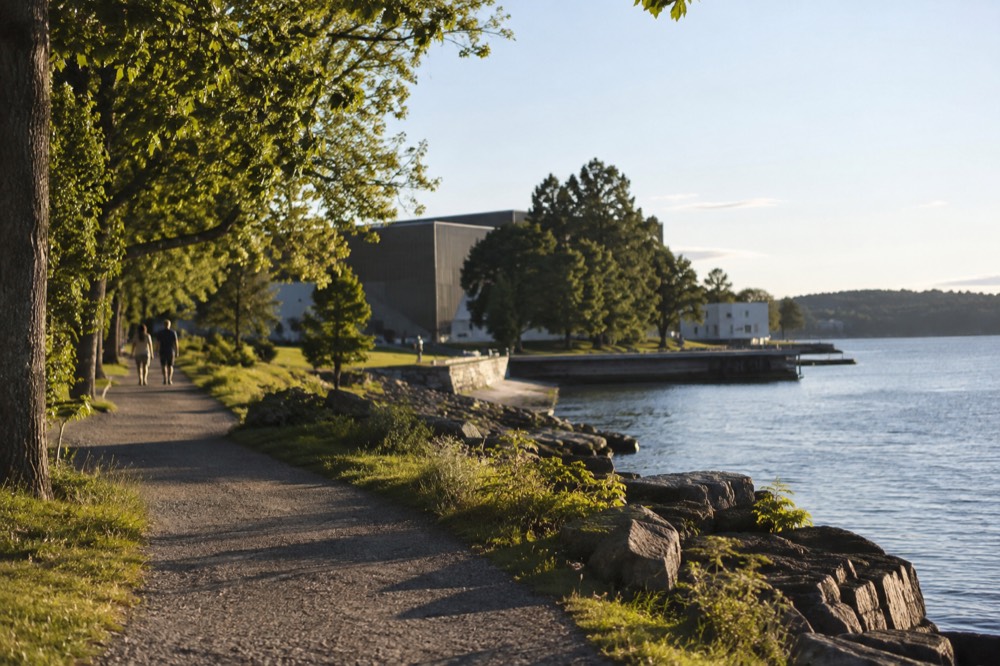
Bygdøy's non-museum half is its south shore: Huk and Paradisbukta, two free public beaches with rocky and sandy stretches, plus marked forest paths, the Royal Farm grounds and Oscarshall, a small royal pleasure palace near the Dronningen pier. In July the water around the beaches typically sits at 15 to 20 °C, which is cool rather than cold by Norwegian standards and swimmable on a good day. The paths between the beaches and Bygdøynes are flat, shaded and quiet, and they turn the peninsula from a museum trip into a proper half-day outdoors.
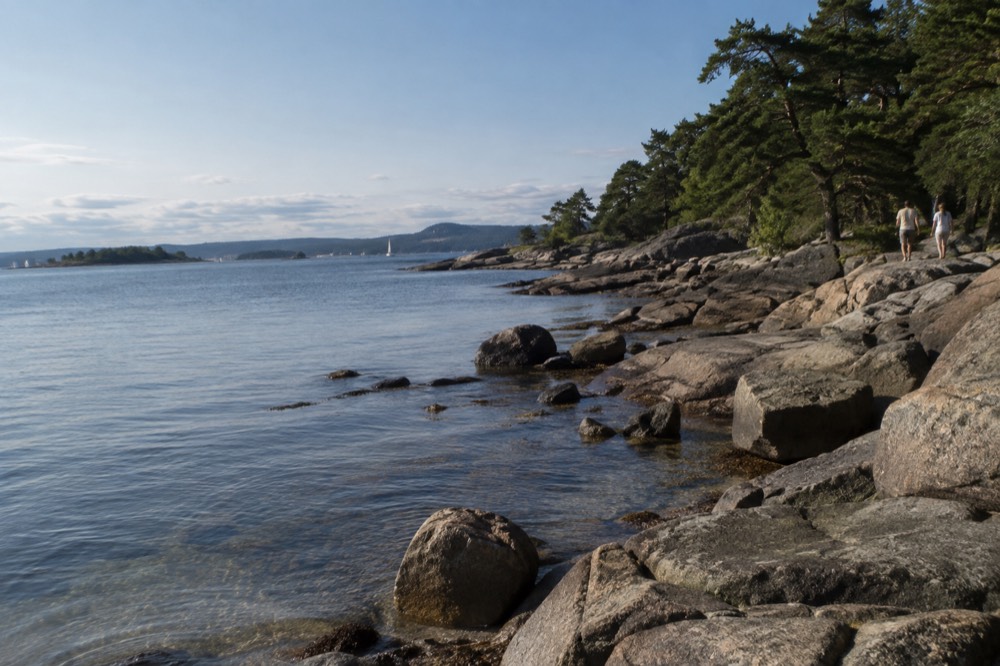
Practical notes for the beach half: access is free and public, facilities are seasonal, and the kiosks that operate in summer should not be relied on in May or September. Bring what you need. The beaches face the outer fjord, so the water is cleaner and clearer than the inner harbor. For the wider picture of swimming in the city, including the island beaches reached from Aker brygge, see the Oslo islands guide.
Oscarshall, near Dronningen, is a small royal residence open to visitors in season, and the Royal Farm's fields and woods are open as public outdoor space. Neither needs booking for the grounds. If your energy outlasts the museums and the beach, the peninsula's network of paths links up toward the Huk lighthouse point at the tip, one of the better sunset spots this close to the center.
How Should You Plan a Day on Bygdøy?
Plan Bygdøy as a half-day for two museums or a full day for all of them plus the beach: take the ferry out in the morning, walk the peninsula from Bygdøynes to Dronningen or vice versa, and take bus 30 back, which avoids retracing your steps and covers you if the ferry queue is long. The walk between the two museum clusters is 15 to 25 minutes along peninsula paths, pleasant in dry weather, exposed in rain. Most first-timers over-schedule: the Folkemuseum alone can absorb half a day in good weather.
| Plan | Morning | Afternoon | Best for |
|---|---|---|---|
| Half-day, museums only | Ferry to Bygdøynes, Fram + Kon-Tiki | Ferry back, or bus 30 | First visit, tight schedule |
| Full day, classic | Bygdøynes museums | Walk to Dronningen, Folkemuseum, bus 30 back | The complete peninsula |
| Full day, family | Folkemuseum at Dronningen | Beach at Huk, ice cream, bus 30 | Kids under 10 |
| Summer slow day | Beach at Paradisbukta | One museum, ferry back at golden hour | Locals' version |
Season shapes the day more than on most Oslo pages. Between mid-March and early October the ferry runs and the beaches are in play; from October to mid-March you arrive by bus 30, the museums keep shorter hours, and the peninsula's appeal is the indoor half plus dark, quiet paths. The Oslo in summer guide covers what else the city does in the warm season.
Food is the weak point, and pretending otherwise would be dishonest. Options on the peninsula are thin, seasonal and museum-cafeteria-shaped. The standard local move is to eat in the center before crossing, or to make the day a sandwich-and-beach day in summer. If food is the point of your afternoon rather than a fuel stop, the Grünerløkka food and culture walk on the other side of the city is the strongest neighborhood food product in Oslo, and pairs better with a non-museum day.
What About the Free Walking Tours and Bygdøy?
No free walking tour covers Bygdøy itself; the free walks in Oslo all operate in the city center, so the peninsula is either self-guided or covered by a paid format, and the honest pairing is a free or cheap central walk in the morning followed by a self-guided museum afternoon on the peninsula. The largest free walk in the city runs about two hours on a tip basis and covers the central highlights, which is exactly the orientation you want before spending an afternoon inside museums. It does not cross the water.
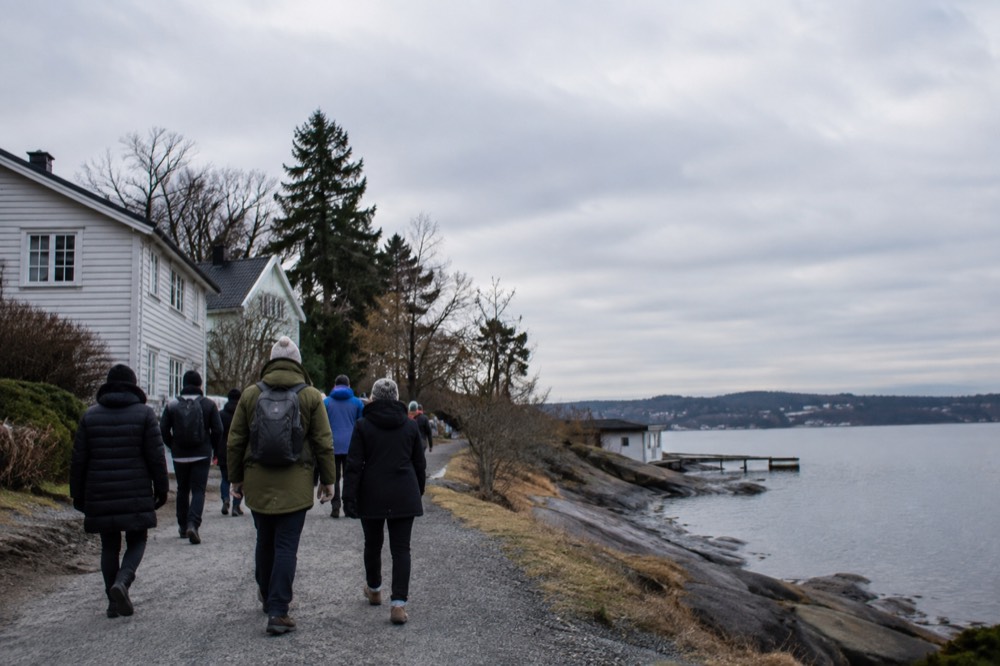
The free format is worth understanding before you book anything. These are tip-based walks led by operators who make their money from the tip and from upsells, and in Oslo the big one carries over two thousand reviews, far more than any paid walk in the city. The free walking tours guide compares the four free options, including a smaller locals-led walk and a themed contrasts walk, and is honest about which one to pick when. For a Bygdøy day specifically, the morning-walk, afternoon-museums split is the structure that works.
If you would rather have a professional guide for the whole story, the small-group and private formats are the upgrade path. The budget central walk, a two-hour guided tour with a local guide, is the cheapest credible paid option and the one this site pairs with a Bygdøy day by default. Check its live listing for current availability before you commit the afternoon, and cancel free if your plans shift.
When Is the Best Time of Year for Bygdøy?
The best months for Bygdøy are May through September, when the ferry is running, the beaches are in play and the museums keep their long hours; October to mid-March means bus 30, shorter museum hours and a quieter, darker peninsula, which suits the museums well and the beaches not at all. The ferry season for 2026 runs 14 March to 4 October, and that single date range divides the peninsula's year more cleanly than any weather statistic.
Weather-wise, the MET Norway normals for Oslo put July at a mean of 17.7 °C and August at 16.5 °C, with August the wettest month of the year on the 1991 to 2020 normals at 103 mm, a fact that surprises visitors who assume autumn is the rainy season here. June is the brightest month, with the sun up for close to 19 hours a day in late June, and December the darkest, with under six hours of daylight. The best time to visit Oslo guide carries the full month-by-month picture.
Two seasonal notes worth planning around. First, summer weekends put real pressure on the ferry queue and on parking; a morning start solves both. Second, the museums' hours genuinely differ by season: the Fram Museum runs 09:30 to 18:00 from May to September and 10:00 to 17:00 from October to April, and the others follow similar patterns, so check the venue's own site for the day you will actually be there rather than trusting a cached listing.
Common Questions About Bygdøy
How do I get to Bygdøy from central Oslo?
Take the museum ferry from Rådhusbrygge 3, Platform F, roughly every 20 minutes between mid-March and early October, about 70 NOK one-way, or take Ruter bus 30 year-round on an ordinary ticket. The ferry is not covered by Ruter tickets, only by the Oslo Pass.
Is the Bygdøy ferry covered by the Oslo Pass?
Yes. The operator and VisitOSLO both confirm the Bygdøy ferry is included with the Oslo Pass. Ordinary Ruter tickets are not valid on it, which is the key difference from the island ferries out of Aker brygge, which are Ruter lines.
Why is the Viking Ship Museum closed?
The museum closed on 1 October 2021 for a complete rebuild and will reopen as the Museum of the Viking Age in 2027. The official wording gives the year only, with no month. Viking-age objects can be seen at the Historical Museum in central Oslo in the meantime.
How much do the Bygdøy museums cost?
The Fram Museum and Kon-Tiki are 180 NOK adult each, the Norwegian Museum of Cultural History is 200 NOK, and children's rates are far lower, with the Folkemuseum free for under-18s. A Kon-Tiki plus Fram combination ticket is 325 NOK, and all three Bygdøynes museums together are 485 NOK.
Can you walk between the museums on Bygdøy?
Yes. The Bygdøynes cluster, Kon-Tiki, Fram and the Maritime Museum, sits together at the tip, and the walk to the Folkemuseum at Dronningen takes roughly 15 to 25 minutes along peninsula paths. The whole peninsula is walkable, flat and quiet.
Are there beaches on Bygdøy?
Yes. Huk and Paradisbukta on the south shore are free public beaches with swimming in summer, when the water typically runs 15 to 20 °C. Facilities and kiosks are seasonal, so bring what you need outside peak July.
Whether Bygdøy is your museum afternoon or your whole day, the structure that works rarely changes: cross by ferry, walk the peninsula in one direction, return by bus 30, and let the Oslo Pass carry the ferry and the doors. The peninsula rewards a slow pace more than a long checklist, and the museums are good enough that two of them, done properly, beat four done at a run. For everything else in the city around it, Oslo Travel Guide covers the ferries, the passes and the neighborhoods this page touches on.