Botanical Garden Oslo: What to See, When to Go and How to Get There
The Botanical Garden at Tøyen is Oslo's oldest green space open to the public, a 15-minute metro ride from the city center and one of the few major sights that costs nothing to enjoy. Here is what is in it, when each part of it is at its best, and how to fold it into a day in the Tøyen and Grønland district.
Short answer
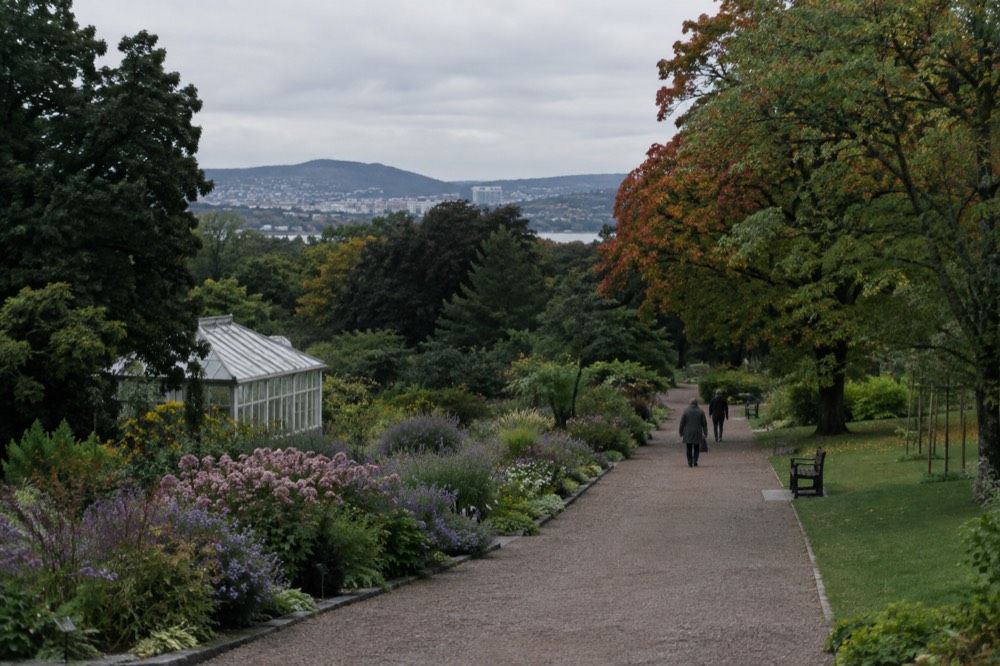
Oslo's Botanical Garden sits in Tøyen, reached by metro lines 1 through 5 to Tøyen station in about 10 minutes from the city center. It holds themed gardens, greenhouses and a large arboretum, and it shares its grounds with the Natural History Museum. Most visitors spend between one and two hours, and the garden pairs naturally with the wider Tøyen and Grønland area.
The Botanical Garden at Tøyen is the quiet counterweight to Oslo's museum-heavy sightseeing. While most first-time visitors head west to the peninsula museums or the waterfront at Aker Brygge, this garden sits east of the center, in a district that mixes student life, old workers' housing and some of the city's best cheap eating. It is a place Oslo residents actually use, which is rarer than it sounds among a capital's headline sights.
The garden belongs to the Natural History Museum, and the two share a single set of grounds. That combination, a planted collection plus a museum, plus a district worth walking, is what makes Tøyen a half-day rather than a quick photo stop. This guide covers what is actually in the garden, which months reward a visit most, how to get there on the city's transport, and what to pair it with.
Where Is the Botanical Garden in Oslo and What Is It?
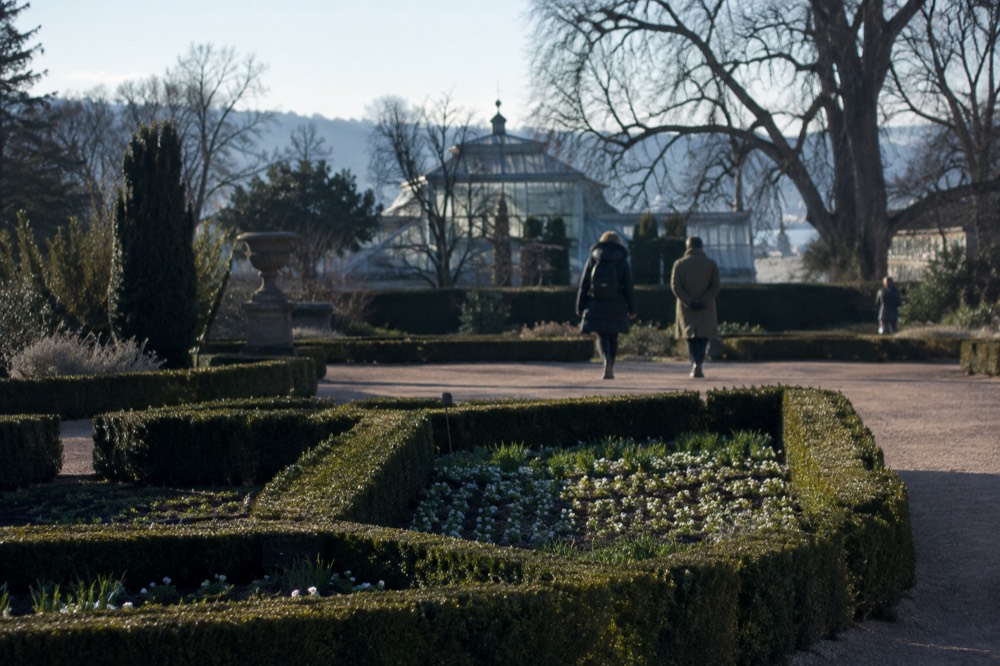
The Botanical Garden is a planted scientific collection in the Tøyen district, about 3 km east of Oslo city center, founded as part of the city's university museum complex and still run by the Natural History Museum today. It is not a decorative city park: the plants are labelled, grouped by habitat and region, and maintained as a living collection. The garden sits directly beside Tøyen metro station, which makes it one of the easiest major green spaces in Oslo to reach without a car.
The district around it matters for planning. Tøyen was historically a working-class area east of the Akerselva river, and it still carries that texture: lower buildings than the center, a mix of languages on the high street, and a cluster of cafés and bakers that undercut central Oslo prices. The old Munch museum building at Tøyen wound down its community activities in late 2025 and early 2026 ahead of a potential sale, but the main MUNCH museum in Bjørvika, on the waterfront near the Opera House, remains fully open. Visitors sometimes confuse the two locations, so if Edvard Munch is on your list, the museum to visit is the Bjørvika one, covered in our MUNCH museum guide.
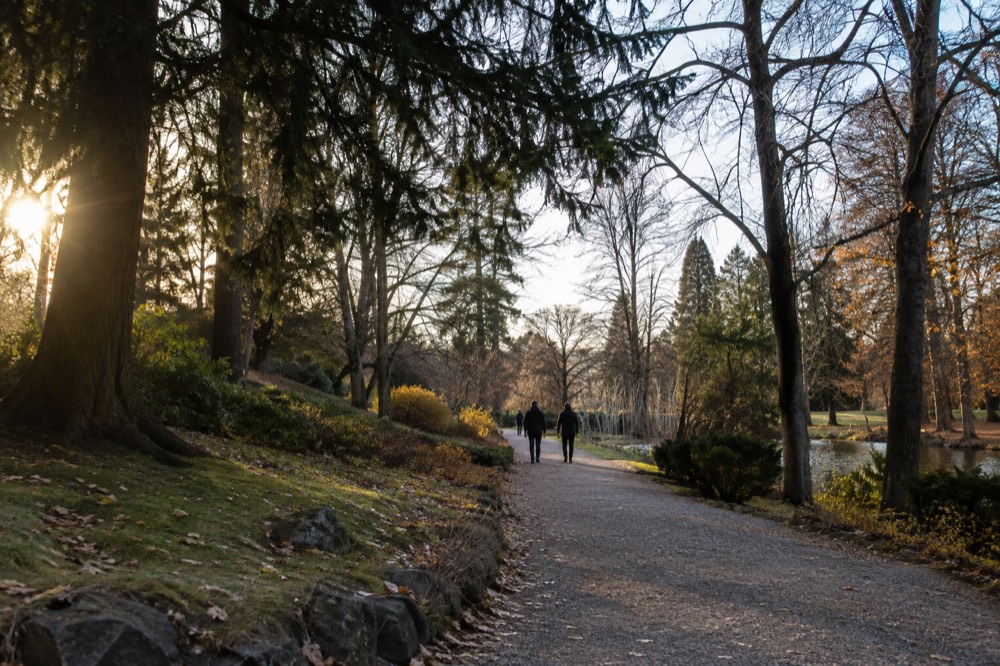
The garden's layout rewards a slow loop rather than a beeline. Paths cross the whole site, with themed areas tucked into corners: a rock garden on the slope, systematic beds arranged by plant family, an arboretum of mature trees, and greenhouses for the species that cannot survive a Norwegian winter outdoors. Nothing here is fenced off or ticketed separately; you walk where you like.
For orientation before you go, our Oslo map and orientation guide explains how the east-west split of the city, center and Aker Brygge on one side, Grønland and Tøyen on the other, shapes almost every itinerary decision you will make.
What Can You See Inside the Botanical Garden?
The garden's core collections are its themed outdoor gardens, its greenhouses, and one of the largest arboretums in Norway, together holding many thousands of plant species arranged by habitat and geography rather than by flower-bed aesthetics. Highlights include the rock garden, which peaks in spring, the systematic garden showing plant families side by side, and the heritage garden areas planted to reflect older Norwegian cultivation. Expect labels, learning and quiet rather than lawns for lounging.
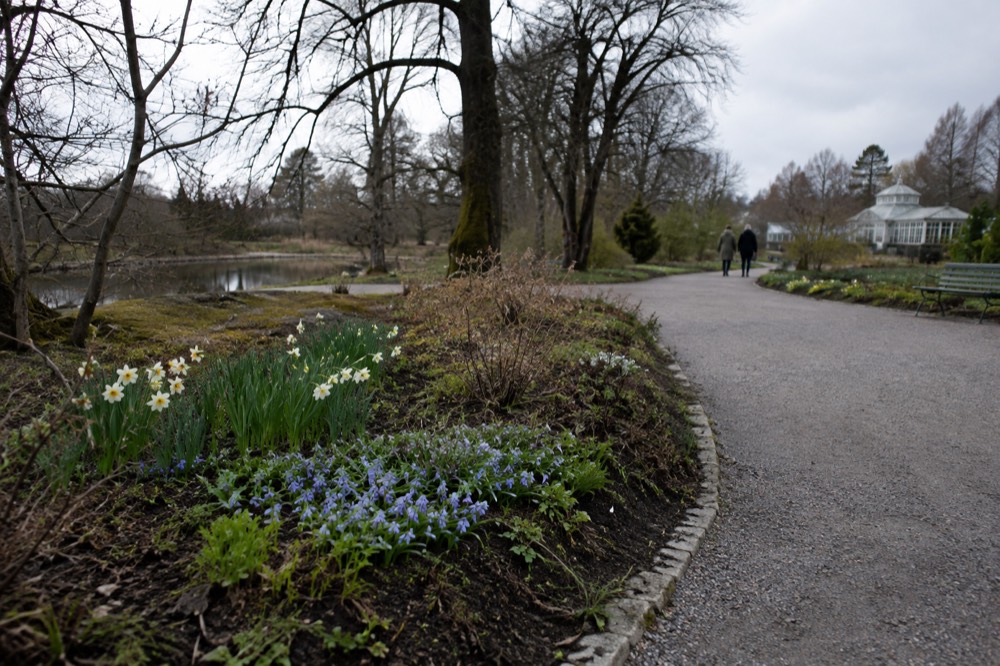
The rock garden is the one most visitors remember. It is built into a slope with thin soils and drainage that mimic alpine conditions, and it flowers in waves from early spring: first the small bulbs, then saxifrages and primulas, then a summer tail of hardy perennials. If you catch it right, it looks like a patch of Norwegian mountainside transplanted into the middle of a city.
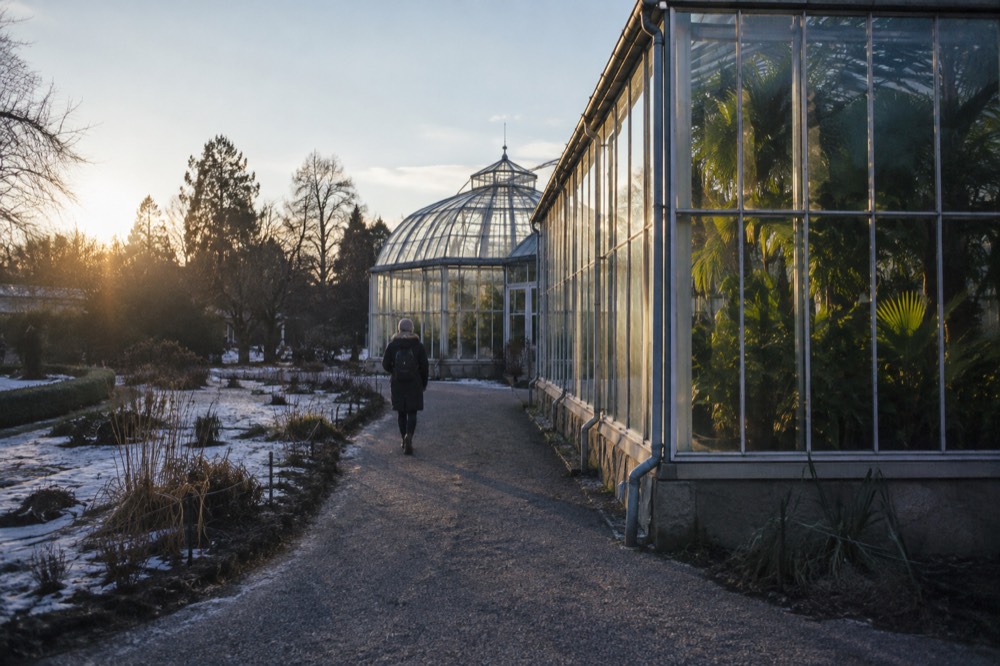
The greenhouses extend the season in the other direction. The palm house holds the species that need warmth and height, while the cactus and succulent collections run on dry heat. In deep winter, when the outdoor garden is bare branches and the sun sets before 15:30, a greenhouse visit is one of the few genuinely green hours available in Oslo, which is why our rainy day in Oslo guide treats Tøyen as a reliable bad-weather stop.
| Area of the garden | What it holds | When it is at its best |
|---|---|---|
| Rock garden | Alpine plants, bulbs, saxifrages and primulas on a sloping site | April to June |
| Systematic garden | Beds arranged by plant family, used for teaching | June to September |
| Arboretum | Mature trees from temperate regions, including walnut and chestnut | Late spring and autumn color |
| Greenhouses | Palm house collection plus cacti and succulents | Year-round, best on cold days |
| Heritage and cottage garden areas | Older Norwegian cultivated plants and traditional layouts | June to August |
The garden also works as a simple walk. Because the site is compact and flat at its edges, you can cross it in fifteen minutes at a stroll, or spend an hour reading labels and still not finish. Families with children tend to gravitate toward the open lawns and the ducks on the pond, while plant-minded visitors go straight to the systematic beds.
If a morning among labelled plants appeals to you, there is a version of the same instinct available in guided form elsewhere in the city. Vigeland Park, Oslo's vast free sculpture park, has a guided art walk that turns an unstructured wander into an explained one, and the same logic applies to gardens: a guide converts labels into stories.
When Is the Best Time of Year to Visit the Botanical Garden?
May through September is the main season, with late May and June the peak weeks for flowers and October the best month for autumn color in the arboretum. But the garden is genuinely a year-round sight: winter visits work because the greenhouses stay warm and green while the outdoor collection rests, and Oslo's long summer evenings mean the garden is still in daylight at 21:00 in June. The wrong time to expect flowers is deep winter, roughly November to March.
Oslo's daylight swing is the planning fact most visitors underestimate. MET Norway's sunrise data puts the winter solstice at 5 hours 53 minutes of daylight, sunrise 09:18, sunset 15:11, against 18 hours 50 minutes at midsummer, sunrise 03:53, sunset 22:43. A garden visit in late December is a lunchtime activity by necessity. In late June it can be an after-dinner one. There is no midnight sun in Oslo, the city is at 59.91 N, well south of the Arctic Circle, but in June the hours between sunset and sunrise are deep twilight rather than true darkness.
Rain matters less here than in most of Oslo's sightseeing, because half the garden is under glass. August is the wettest month on the 1991 to 2020 normals at 103 mm, ahead of October at 93 mm and July at 87 mm, so a summer visit is more likely to need a greenhouse backup than a June one. Our Oslo weather by month guide carries the full table if you are picking dates around it.
| Month | Garden highlight | Daylight (mid-month) | Notes |
|---|---|---|---|
| March | First bulbs in the rock garden | About 11 h 45 m | Greenhouses still the main draw |
| May | Spring flush at full speed | About 17 h | Peak weeks begin |
| June | Systematic beds and roses | About 18 h 30 m | Longest evenings of the year |
| August | Late perennials | About 15 h 30 m | Wettest month, 103 mm normal |
| October | Arboretum autumn color | About 10 h 15 m | Best foliage month |
| December | Greenhouses only | About 5 h 50 m | Dark by 15:30, go at midday |
If you are building the whole trip around being outdoors, our best time to visit Oslo guide weighs the seasons across the whole city, museums, islands, hiking and all, rather than for this one sight.
One honest note on timing: this is a living collection, and a garden is never the same two weeks running. The dates above are the reliable windows, but the exact peak of any bed depends on the spring that preceded it. The fresh-conditions answer is to check what the garden itself publishes before you go.
How Do You Get to the Botanical Garden?
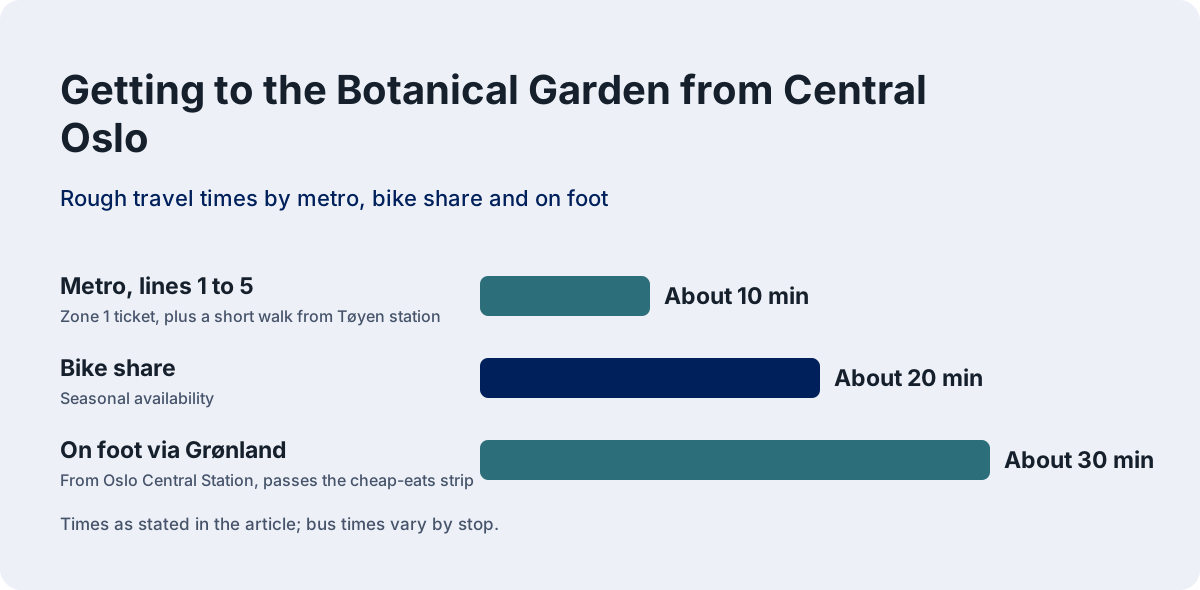
Take the metro to Tøyen station: lines 1 through 5 all serve it, and the run from the city center takes roughly 10 minutes, with the garden entrance a short walk from the station. Buses and walking are the alternatives, and the garden is about a 30-minute walk from Oslo Central Station through the Grønland district. A standard Ruter zone 1 ticket covers the metro ride, and the whole journey sits inside central Oslo's single zone.
The metro is the obvious choice from almost anywhere central. The T-bane network is entirely inside zone 1, so there is no zone-counting to do: one ticket, any line, Tøyen is a shared stop. Our Oslo metro guide covers how the lines stack up if you are new to the system, and our Ruter tickets guide explains the ticket types and where to buy them.
Walking is the underrated option. The route from Oslo S runs through Grønland, one of the city's most interesting streetscapes and its best cheap-eating strip, which is covered in our Oslo cheap eats guide. Doing the walk outbound and the metro back turns transport into sightseeing, and it costs you nothing but time.
| Way of getting there | From | Rough time | Notes |
|---|---|---|---|
| Metro, lines 1 to 5 | Oslo S / major center stations | About 10 min plus a short walk | Zone 1 ticket, most frequent option |
| On foot via Grønland | Oslo Central Station | About 30 min | Passes the cheap-eats strip |
| Bus | Various central stops | Varies by stop | Check the Ruter journey planner |
| Bike share | City center | About 20 min | Seasonal availability |
One transport fact worth knowing even before you land: if you arrive at Oslo Airport Gardermoen and plan to buy an Oslo Pass, the pass covers the airport train, but only Vy's trains, not the Flytoget express. That is the single most-missed money fact in Oslo transport, and it is covered in full in our Oslo Pass guide and our Flytoget vs Vy comparison.
How Much Time Do You Need, and Is It Good with Kids?
Plan on one to two hours for the garden alone, or a half-day if you add the Natural History Museum on the same grounds and lunch in Tøyen. With children the garden works well: the site is compact, traffic-free and mostly flat, with open lawns, a pond with ducks and greenhouses that feel like a treasure hunt. The museum's dinosaur and zoological collections are the reliable child anchor of a Tøyen visit.
The honest sizing depends on what kind of visitor you are. A walker who wants the loop and the atmosphere can be done in forty-five minutes. A plant-minded visitor reading labels will run out of interest in the garden before the garden runs out of content. Families land in between, with the museum as the variable: young children can spend an hour in the natural history galleries alone. More of these guides are collected on Oslo Travel Guide.
For the museum's admission price and hours, check the museum's own site before you go; the garden grounds themselves are what most visitors come for, and the museum is the optional add-on. Our Oslo museums overview positions the Natural History Museum against the city's other collections if you are choosing between them.
If you are planning a wider family trip, our Oslo with kids guide ranks the child-friendly sights across the whole city, and Tøyen holds up well in that comparison: free outdoor space, an indoor backup, and a district where an ice cream stop costs meaningfully less than it does at Aker Brygge.
What Else Is Near the Botanical Garden in Tøyen?
The Natural History Museum shares the garden's grounds, the Munch museum's former Tøyen site is no longer the main attraction, and the wider Tøyen and Grønland district supplies the eating, coffee and street life. The old workers' housing around the garden is itself worth a slow look, and the walk back toward the center along the Akerselva river connects Tøyen to the Grünerløkka district in about 30 to 40 minutes on foot.
Treat Tøyen as a district visit rather than a single sight. The pattern that works: garden first while legs are fresh, museum second if the weather turns or the group wants indoors, then food. Grønland's strip between Tøyen and the center is where the eating happens, and it is the strongest cheap-food corridor in the city, with our where to eat in Oslo guide and Oslo street food guide naming the specific options.
The river walk is the scenic route out. The Akerselva runs from the lakes above the city down past waterfalls, old factories and parkland to the fjord, and the middle stretch links the east-side districts together. Walking north from Grønland you reach Grünerløkka, covered in our Grünerløkka guide, in well under an hour, with Mathallen food hall, covered in our Mathallen Oslo guide, as the natural refueling stop.
| Tøyen-area sight | What it is | Pairs with the garden how? |
|---|---|---|
| Natural History Museum | Natural history galleries on the same grounds | Same ticket office area, same visit |
| Grønland high street | Cheap eating, bakeries, groceries | Lunch before or after |
| Akerselva river path | Waterfall and heritage walk | Scenic route back toward the center |
| Grünerløkka | Cafés, bars, vintage shops | Extend the day north along the river |
| Botanical garden greenhouses | Warm collections under glass | Weather backup on the same site |
Visitors with a full museum appetite sometimes try to combine Tøyen with Bygdøy, the peninsula in the west where the Kon-Tiki and Fram museums sit. That is doable but ambitious in one day: the two districts sit on opposite sides of the center, and Bygdøy's cluster deserves its own half-day. Our Oslo museum day guide lays out realistic combinations, and our Bygdøy guide covers the peninsula itself, including the ferry from Rådhusbrygge 3 that runs seasonally and is included with the Oslo Pass while ordinary Ruter tickets are not valid on it.
The Kon-Tiki Museum, on the Bygdøy side of that equation, is the best-reviewed museum ticket in Oslo on the platforms this site tracks, and it anchors a peninsula afternoon cleanly. If a two-museum day appeals, morning garden, afternoon Kon-Tiki, with the ferry or bus 30 as the link between them.
What Should You Know Before You Go?
Bring nothing special: the garden is an ordinary public space, and the practical notes are short. Wear shoes that handle gravel paths, check the greenhouse and museum opening hours on the museum's own site before setting out, and know that the garden's quietest hours are weekday mornings. The nearest public toilets and cafés are in the museum buildings and on the Tøyen side streets rather than inside the planted areas.
A few honest expectations to set. This is a scientific collection, not an amusement-park garden: there are no playground structures inside the planted areas, no restaurants buried in the grounds, and the lawns are for looking and picnicking rather than games. Visitors expecting a Kew Gardens scale of visitor infrastructure find Oslo's version smaller and plainer, and visitors expecting a plain city park find it richer. Both are right.
Seasonal clothing matters more than most packing lists admit. Oslo's July normal is a mild 17.7 °C (63.9 °F), but winter normals run below freezing, −2.3 °C in January, and the garden is an outdoor activity with an indoor backup, not the reverse. Layers and decent shoes cover every month. Our Oslo in winter guide and Oslo in summer guide carry the full seasonal packing logic.
Photographers should time around the light. In summer the evening sun lasts late enough for golden-hour shots after dinner, and in winter the low 09:18 sunrise means the whole usable day is low-angle light anyway. Our Oslo photography spots guide covers where else in the city that light lands well.
How Does the Botanical Garden Fit Into a First Oslo Visit?
For most first-time visitors the garden is a half-day block on the east side, best combined with the Natural History Museum and Grønland food, and it slots naturally into day two or three of an itinerary rather than day one. On a tight one-day visit it is a cut, because Bygdøy, the Opera House, Vigeland Park and the waterfront outrank it. From two days upward it earns its place, especially in spring, in bad weather or on a budget.
The itineraries on this site are built around exactly this kind of triage. Our one day in Oslo guide skips Tøyen, and rightly so. From 2 days in Oslo onward the east side appears, and by 3 days in Oslo and 4 days in Oslo the garden is a settled fixture. If you are still deciding the length of the trip itself, start with how many days in Oslo.
Budget travelers should rank it higher still. The garden is one of the sights that makes a cheap Oslo day genuinely full, and it sits in our free things to do in Oslo guide alongside Vigeland Park, which is free and open 24 hours a day all year, and the Opera House roof, which is public access with no ticket. A day built from those three plus a Grønland lunch costs close to nothing by Oslo standards, a city where food runs 33 percent above the European average on Statistics Norway's 2025 comparison and alcohol more than double, so the free sights carry real weight here.
Evening visitors have a guided option that pairs well with a garden day: the myths and legends evening walking tour, which runs through the dark-season months Oslo genuinely needs it, October to March, and gives the city's history a storytelling frame the daytime walks skip.
For visitors who want a guided layer on the free sights, the Vigeland Park art walk is the model that works: the park itself costs nothing, and the guide is what you book. The same thinking applies to a Tøyen day, where the garden is free and the spending decisions are the museum ticket and lunch. More on guided options generally is in our Oslo guided tours guide, and the free walking tours, including the largest one in the city, are covered in Oslo free walking tours.
Whatever the rest of your itinerary holds, the pattern that serves visitors best in Oslo is to alternate: one ticketed block, one free outdoor block, one eating block, repeat. The Botanical Garden is the east side's free outdoor block, and it is at its best when you let it be that, an unhurried hour among labelled plants, rather than a checkbox between bigger sights. The whole city rewards that rhythm, and Oslo Travel Guide is built around it: plan the blocks, book the few things that need booking, and leave the rest open.
Common Questions About the Botanical Garden in Oslo
Where is the Botanical Garden in Oslo?
It is in the Tøyen district, about 3 km east of the city center, directly beside Tøyen metro station on lines 1 through 5. The run from central stations takes roughly 10 minutes, and the garden shares its grounds with the Natural History Museum.
How much time do you need at the Botanical Garden?
One to two hours covers the garden itself at a comfortable pace. Add the Natural History Museum and lunch in Grønland and Tøyen becomes a half-day block. Plant-minded visitors reading labels will want the longer end of that range.
When is the best time to visit the Botanical Garden?
May through September for flowers, with late May and June the peak weeks and October the best month for arboretum autumn color. Winter visits still work because the greenhouses stay warm and green, but plan them at midday: in late December Oslo has under six hours of daylight.
Is the Botanical Garden good for kids?
Yes. The site is compact, traffic-free and mostly flat, with open lawns, a pond with ducks and greenhouses that children enjoy exploring. The Natural History Museum's galleries on the same grounds are the reliable child anchor of a Tøyen visit.
How do you get to the Botanical Garden?
Take the metro to Tøyen station, served by lines 1 through 5, roughly 10 minutes from the center and inside Ruter zone 1. Walking from Oslo Central Station via Grønland takes about 30 minutes and passes the city's best cheap-eating strip.
What else should you see near the Botanical Garden?
The Natural History Museum on the same grounds, the Grønland high street for food, and the Akerselva river path walking north to Grünerløkka and Mathallen. Visitors with a full museum appetite can pair a Tøyen morning with a Bygdøy afternoon, using the seasonal ferry or bus 30 to reach the peninsula museums.