One Day in Oslo: A Realistic Hour-by-Hour Plan
One day is tight for Oslo but genuinely enough for a great one, if you pick a lane and stop commuting across the city. This plan gives you the harbor, one museum cluster, the sculpture park or the ski jump, and the fjord, with real NOK costs and the trade-offs most itineraries hide.
Short answer
Spend the morning on the waterfront and Bygdøy's museums, lunch cheap, give the afternoon to Vigeland Park or Holmenkollen, and end on the fjord. A 24-hour Oslo Pass at 580 NOK covers the museums and the transport between them, and one well-chosen tour can replace half the logistics.
Oslo rewards a plan. The city stretches along the Oslofjord for roughly 15 km from the harbor at Pipavika to the forests at Frognerseteren, and the classic first-timer mistake is treating it like a compact capital you can wander across. You cannot. What you can do is pick one corridor, ride the excellent public transport along it, and still get the Opera House, a world-class museum cluster, the biggest sculpture park in Norway and the fjord itself into a single day.
This plan is built around that corridor. It assumes you start near Oslo S or the harbor, that you are willing to use the T-bane and the ferries rather than walk everywhere, and that you would rather see five things properly than ten things from a bus window. The costs are real: every NOK figure below comes from the venue, the operator or the city tourist board, and where a number is genuinely unknown, the plan says so instead of inventing one.
What Does One Perfect Day in Oslo Look Like?
One well-shaped day in Oslo runs harbor, museums, park, fjord: the Opera House roof at 09:00, a Bygdøy museum cluster or the National Museum before lunch, Vigeland Park mid-afternoon, and a boat on the Oslofjord by early evening. A 24-hour Oslo Pass at 580 NOK covers the museums and every Ruter ride between them, including the airport if you are arriving or leaving by Vy train. Expect 6 to 8 km of walking total, and finish with daylight to spare from April to September.
The shape matters more than the specific stops. Oslo's biggest sights sit on a north-south line: the harbor and Aker Brygge at the bottom, the museums on the Bygdøy peninsula to the west, and Vigeland Park and Holmenkollen up on the western hills. A day that zigzags without a plan burns two hours in transit. A day that runs the line in order barely notices the transport, because each hop is 10 to 20 minutes on a tram, a bus or a boat.
The season changes the arithmetic more than in most cities. On 21 June the sun sets at 22:43 and the day is 18 hours 50 minutes long, so you can put the fjord cruise at 20:00 and still see the water. On 21 December the sun rises at 09:18 and sets at 15:11, under six hours later, and the plan needs to run indoors-heavy with the boat swapped for a museum and an evening walk. MET Norway's sunrise data for Oslo puts the swing at more than a factor of three between those two dates, which is the single most under-planned fact about this city.
Morning: The Opera House Roof, the Waterfront and the First Coffee
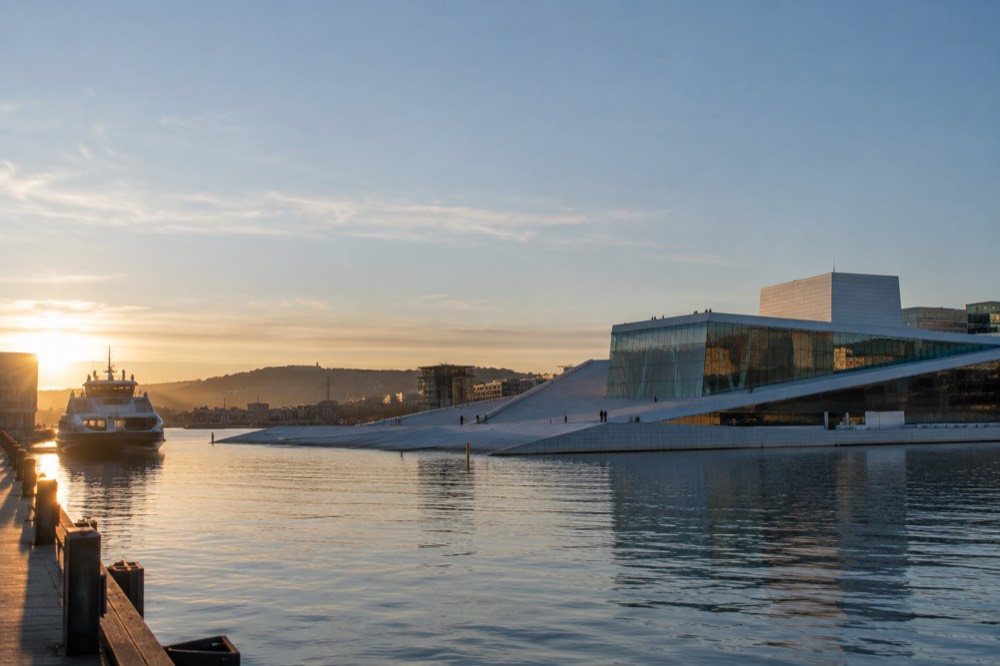
Start at 09:00 on the Opera House roof, which is free and needs no ticket, then walk the harbor front west past Rådhusbrygge to Aker Brygge in about 20 minutes. This single stretch gives you the city's most photographed architecture, the City Hall, the ferry piers and the fjord-side promenade without spending a krone. Coffee here is where budget discipline dies, so decide before you order.
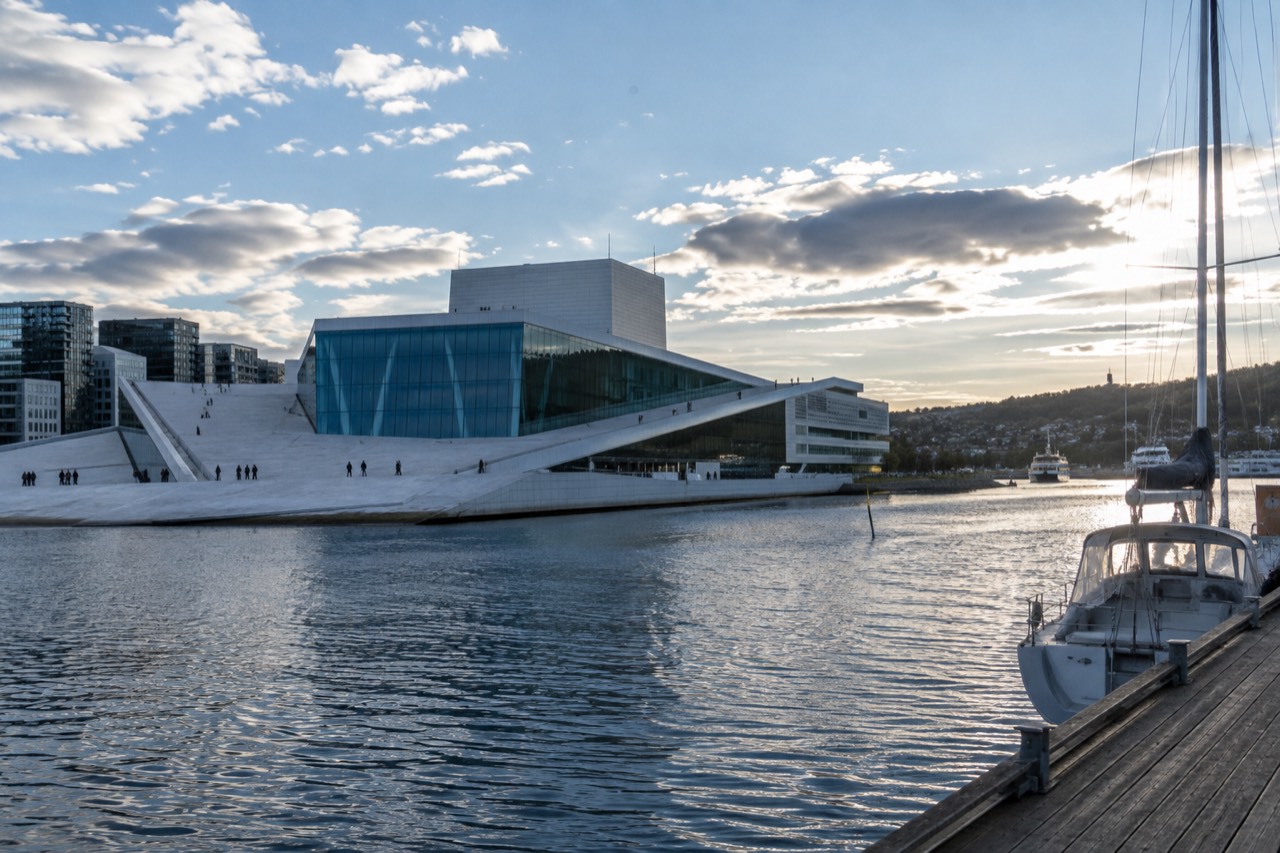
The Opera House, Operahuset, was designed to be walked on, and the sloping marble roof is the best free view in central Oslo, looking back across the water at the Barcode district and the MUNCH museum in Bjørvika. There is no ticket, no queue and no closing time for the roof itself. From the top you can see the whole morning's route laid out: the harbor basin, the City Hall towers, and the pier where the Bygdøy ferry leaves.
Walking west along the water you pass Oslo City Hall, where the Nobel Peace Prize ceremony is held, and reach the piers at Rådhusbrygge. This is where the geography gets genuinely confusing and where most guides quietly mislead their readers. The Bygdøy museum ferry leaves from Rådhusbrygge 3 and is a private seasonal service: it is included with the Oslo Pass but ordinary Ruter tickets are NOT valid on it. The island ferries to Hovedøya and Gressholmen leave from Aker brygge, a different pier a few hundred meters away, and those ARE ordinary Ruter lines that ride on a normal zone 1 ticket. Two piers, two operators, two ticket rules. Getting this wrong costs you a fare or a missed boat.
| Stop | What it is | Cost | Time needed |
|---|---|---|---|
| Opera House roof | Walkable marble roof, harbor views | Free | 20-30 min |
| Harbor front to Aker Brygge | Waterfront promenade past City Hall | Free | 20 min walk |
| Bygdøy ferry (Rådhusbrygge 3) | Seasonal boat, 14 Mar - 4 Oct 2026 | ~70 NOK one way, free with Oslo Pass | 10 min to first stop |
| Bus 30 to Bygdøy | Year-round Ruter service | Ordinary Ruter ticket | ~15 min |
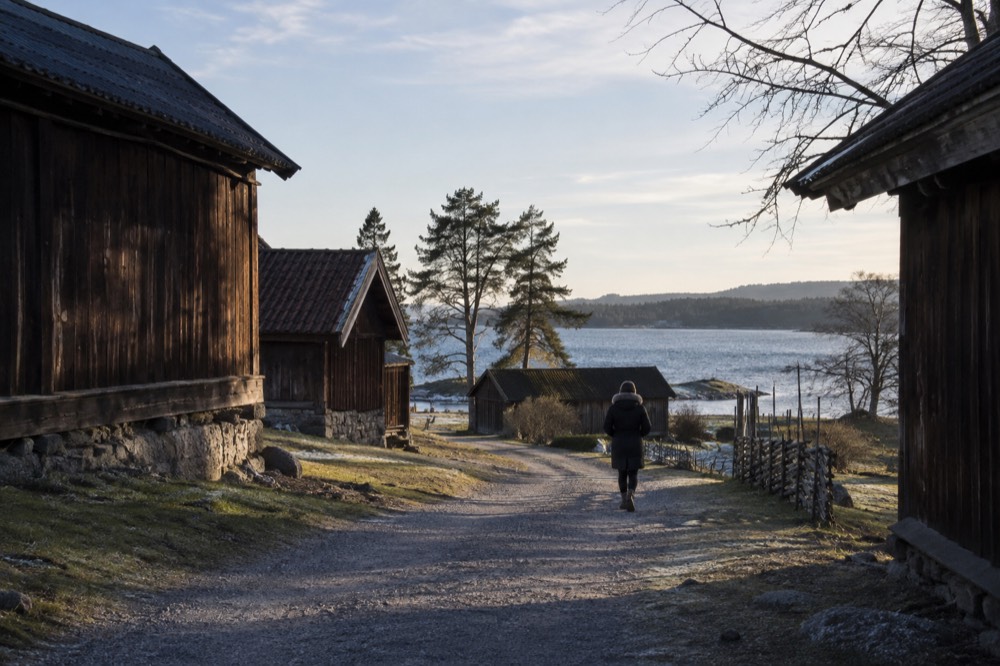
If you are doing the day without a tour, this is the moment to decide your museum lane. The Bygdøy peninsula holds the Kon-Tiki Museum, the Fram Museum, the Norwegian Maritime Museum and the Norwegian Museum of Cultural History, all covered by the Oslo Pass. The National Museum in the city center holds The Scream and other Edvard Munch icons, and it is the right choice in bad weather or when the ferry is out of season. Doing both properly in one day is not realistic; doing one properly is.
For travelers who would rather buy the whole day in one transaction, the full-day bus and fjord combination is the standard answer, and it exists precisely because this logistics puzzle defeats people.
The combination tour covers the city sights by bus and finishes with a fjord cruise, which replaces both the transport planning and the separate boat booking. It is not the only way to do the day, and later sections of this plan assume you are self-guiding, but for a one-day visitor, a cruise passenger on a short port call, or anyone who would rather not read a Ruter zone map on vacation, it is the honest shortcut. Our one day in Oslo from the cruise port guide covers the tighter port-call version of the same question.
Late Morning: Bygdøy's Museums, and the Combo Ticket That Saves Real Money
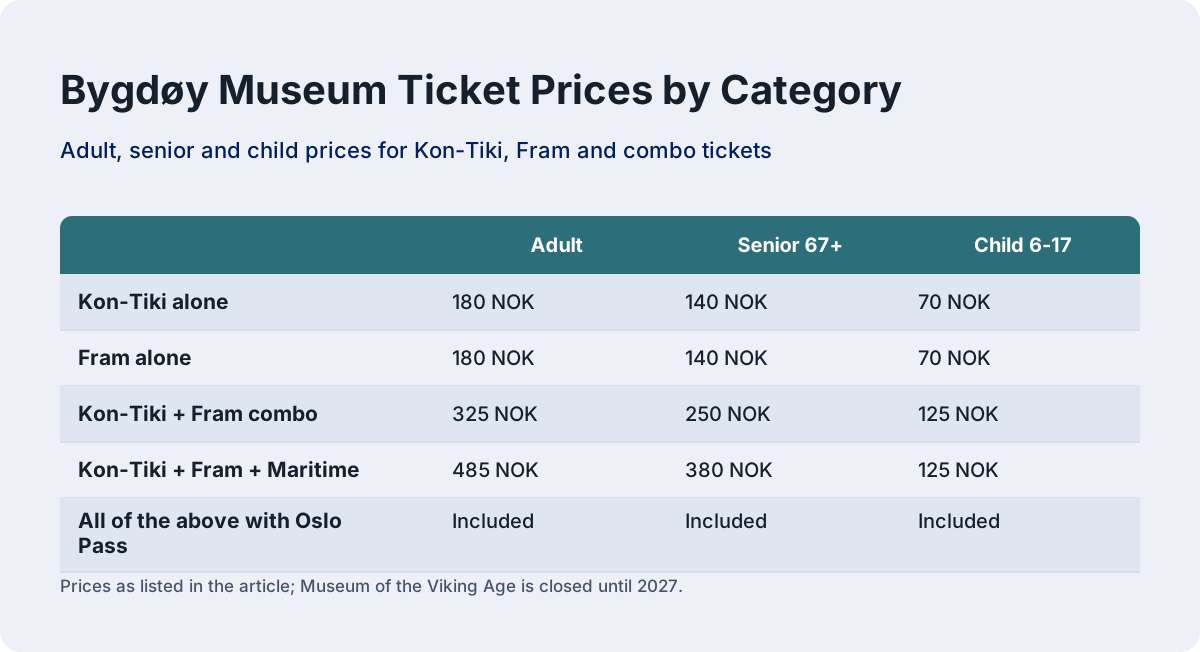
Give Bygdøy two and a half hours, not four. The Kon-Tiki and Fram museums sit together at the Bygdøynes pier, adult entry is 180 NOK each, and a combination ticket for both plus the Maritime Museum is 485 NOK, well under the three bought individually. With an Oslo Pass every one of them is already covered, so pass holders should skip the combo desk entirely and walk straight in.
The Kon-Tiki Museum holds the balsa raft Thor Heyerdahl sailed across the Pacific, and the Fram Museum holds the strongest polar ship in the world, the vessel that carried both Nansen and Amundsen into the Arctic ice. They are a three-minute walk apart at the Bygdøynes pier, and they pair naturally: one is about proving a theory, the other about surviving the proof. Both are walk-through-able in 60 to 90 minutes each if you keep moving, and both are genuinely good with kids because the ships are the exhibits.
One thing you must not plan around: the Museum of the Viking Age, the former Viking Ship Museum, is closed and has been since 2021. The museum's own site says it will reopen as the Museum of the Viking Age in 2027, and no month has been confirmed. Search listings still sell entry to it, and those listings are selling a closed building. Some Viking-age objects are viewable at the Historical Museum in central Oslo, and Viking Planet, a VR-based Viking experience near the harbor, is the bookable substitute; our why the Oslo Viking museum is closed page covers the whole story.
| Bygdøy ticket | Adult | Senior 67+ | Child 6-17 |
|---|---|---|---|
| Kon-Tiki alone | 180 NOK | 140 NOK | 70 NOK |
| Fram alone | 180 NOK | 140 NOK | 70 NOK |
| Kon-Tiki + Fram combo | 325 NOK | 250 NOK | 125 NOK |
| Kon-Tiki + Fram + Maritime | 485 NOK | 380 NOK | 125 NOK |
| All of the above with Oslo Pass | Included | Included | Included |
The arithmetic in that table is the reason the Oslo Pass conversation exists. Three Bygdøy museums bought individually, Kon-Tiki and Fram at 180 NOK each plus the Folkemuseum at 200 NOK, come to 560 NOK against a 24-hour adult pass at 580 NOK that also carries you on every Ruter tram, metro, bus and island ferry for the day, plus the Bygdøy ferry, plus the airport if you are leaving on the Vy train. One more museum anywhere in the city and the pass has paid for itself. Our is the Oslo Pass worth it breakdown runs the full numbers across trip lengths.
If your one day falls between October and March, or you simply prefer art to expedition boats, the National Museum is the city-center alternative. It holds The Scream alongside Munch's other major works and a deep Norwegian collection, and it is covered by the Oslo Pass. MUNCH, the striking waterfront museum at Bjørvika, costs 280 NOK at the door, 200 NOK after 18:00, and 100 NOK for under-25s, with under-18s free. A one-day visitor usually has to choose between the National Museum and MUNCH, not both, and the tie-breaker is simple: The Scream lives at the National Museum, the architecture and the view live at MUNCH.
Midday: Lunch Without the Tourist Tax
Lunch is where a Norway day quietly ruins its budget, because food and non-alcoholic drink run 33 percent above the European average on Statistics Norway's 2025 price-level survey. The fix is the Norwegian everyday standard: a baguette, a wrap or a slice of pizza from a bakery or deli, or a supermarket hot-counter meal, eaten outdoors if the weather allows. Save the sit-down restaurant for dinner, when it is actually worth the money.
Oslo's lunch culture is grab-and-go by design, not by poverty. Bakeries across the center sell filled baguettes and wraps through the late morning, and the city's food halls, including Mathallen in the Vulkan area, offer sit-down variety at food-truck prices rather than restaurant prices. Our Oslo cheap eats guide lists the reliable options by neighborhood. What to avoid on a one-day budget is the harbor-front restaurant row at Aker Brygge itself, which is lovely and priced for the view.
Alcohol is the other budget line worth a sentence, because it is not a rounding error in Norway. Alcohol and tobacco cost more than double the European average on the same SSB survey, wine and spirits are sold only through the state monopoly Vinmonopolet, which closes early on Saturdays and all day Sunday, and supermarkets sell beer only up to 4.7 percent ABV with a fixed evening cut-off. A single beer with lunch can cost what the whole lunch cost. The price of beer in Oslo page has the detail; the one-day version is: drink it at dinner if at all, and buy it at the airport duty-free on arrival if you plan to drink at all regularly.
Timing matters too. Norwegian museums run 10:00 to 17:00 or 18:00 through most of the year, so a 12:30 lunch inside a museum café is quiet and a 14:30 one is not. Eat at 12:00 sharp, be back in a gallery or on a boat by 13:00, and the afternoon stays yours.
Afternoon: Vigeland Park, and the Choice Between Art and Altitude
Give the afternoon to Vigeland Park, which is free, open 24 hours a day all year, and holds more than 200 sculptures across 80 acres; it is Oslo's most visited sight and costs nothing. If the sky is clear and you have the energy, add Holmenkollen by metro Line 1, 15 to 20 minutes from the center, for the ski jump and the view from the hills. Doing both needs about four hours door to door.
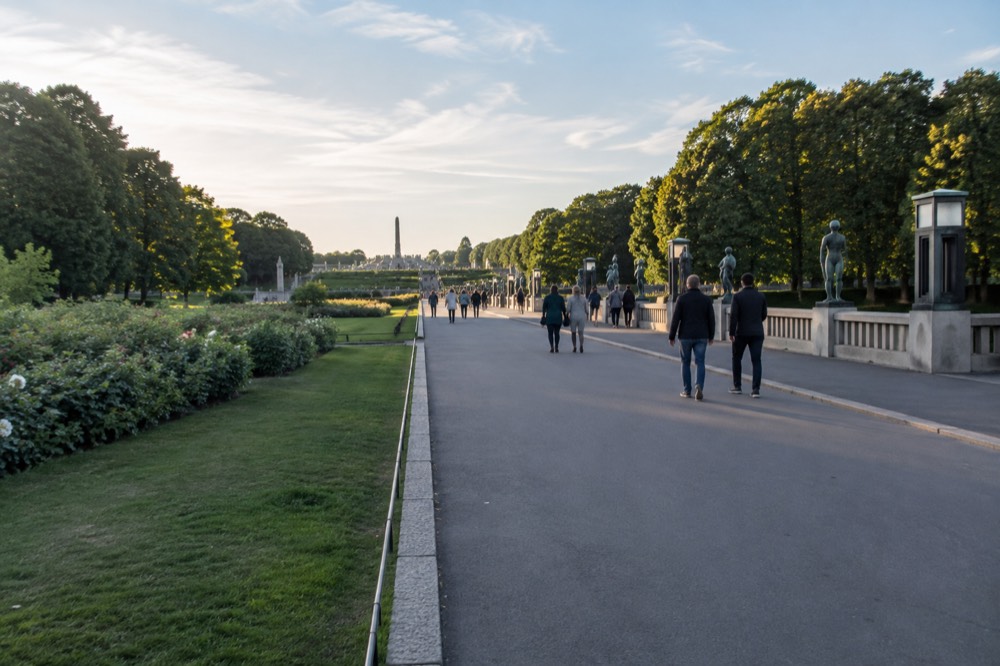
Vigeland Park, also called Frognerparken, is not a museum and behaves like nothing else in the city. Gustav Vigeland's figures, the Monolith at the center of it all, the angry boy, the stone circles of human life from birth to death, are arranged along a formal axis that you walk from end to end. There is no entry fee, no ticket, no gate that closes. The separate Vigeland Museum beside the park costs 120 NOK and holds the plaster originals, and it is worth it only if the park has already hooked you; our Vigeland Park guide covers what to look for in the sculptures.
The park sits in Frogner, a 15-minute tram ride west of the center, and it pairs naturally with a walk through one of Oslo's prettiest neighborhoods. If you would rather have a guide than a map, the Vigeland Park guided art walk turns the free park into a 90-minute explained experience, which is the only bookable way to spend money there at all.
Holmenkollen is the alternative or the add-on. The ski jump tower and museum cost 195 NOK adult, and the metro ride up on Line 1 to the Holmenkollen stop is an ordinary zone 1 ticket, the whole metro network sits inside zone 1. The view from the top of the tower takes in the city, the fjord and, on a clear day, a long way into Sweden. The honest warning: there is no standalone bookable ski jump ticket on any platform this site uses, because the only honest booking routes are the combination tours that bundle it with other sights. More of these guides are collected on Oslo Travel Guide.
The half-day bus tour that covers Holmenkollen and Vigeland together is the practical answer for visitors who want both without the metro-and-tram choreography, and it is the middle option of the three tours this plan keeps recommending, for good reason: it is the only reliable way to reach both in one half-day without a car.
For a self-guided afternoon, the sequencing that works is tram to Vigeland Park by 14:00, 90 minutes in the park, then metro Line 1 from Majorstuen up to Holmenkollen for 16:00, tower and view by 17:00, and metro back down in time for an evening boat. In winter, flip it: Holmenkollen in the early afternoon light, the park at dusk, because after 15:30 in December the park is a dark place and the ski jump is not much brighter.
| Afternoon lane | Cost | Time | Best when |
|---|---|---|---|
| Vigeland Park only | Free | 2 hours | Any season, any budget |
| Vigeland + Holmenkollen self-guided | 195 NOK tower + Ruter fares | 4 hours | Clear sky, good shoes |
| Half-day bus tour, both sights | From the tour listing | 3 hours | Short on time or energy |
| National Museum instead | Included with Oslo Pass | 2-3 hours | Rain, cold, or art-first day |
Early Evening: The Oslofjord from the Water
Get on the water before dinner: a 90-minute silent electric boat cruise with audio guide is the city's single best-reviewed activity, and a 2-hour wooden sailing-ship cruise is comparably priced for a completely different experience. In summer, book the 18:00 or 19:00 departure and the fjord is still in full light; in winter, take the earliest slot. The fjord is the reason Oslo exists where it does, and seeing it only from the shore is seeing half the city.
The Oslofjord is not a dramatic fjord in the postcard sense; it is an island-studded arm of water, and its character is quiet: green islands, wooden cabins, swimming rocks, and the city receding behind you in minutes. The boats leave from the piers at Rådhusbrygge and Aker brygge, the same waterfront you walked in the morning, which makes the evening cruise the natural bookend to the day.
The choice between boats is real, not cosmetic. The silent electric boats run low, quiet and close to the water, with recorded audio commentary, and they are the default recommendation for most visitors. The traditional wooden sailing ship is a two-hour trip on a restored vessel, no engine noise when the sails go up, and it attracts a different crowd: slower, more romantic, more of an occasion. Both cost from the mid-forties in USD. The premium guided silent boat is the higher-end version of the electric trip with a live guide, and the shrimp-buffet evening cruise is the dinner-and-boat answer, a Norwegian institution rather than a generic dinner boat.
If you would rather not book anything, the public island ferries are a genuine substitute: lines B1 and B2 leave from Aker brygge on an ordinary Ruter ticket, and Hovedøya with its ruined Cistercian abbey is 10 minutes away. Our Oslo islands guide covers the full island-hopping version, which is a whole-day activity in itself and the better plan if you have two days rather than one. For one day, the 90-minute cruise or the ferry round-trip to Hovedøya is the right size.
One seasonal note that matters for planning: the Bygdøy ferry runs only from 14 March to 4 October 2026, and the summer-only island lines to Langøyene run roughly May through September. In the dark months the water is still there but the scheduled options thin out, and the cruise boats become the reliable way onto it.
Evening: Dinner, a Themed Walk, or Just the Long Light
Plan dinner for 19:00 or later, Norwegian hours, and pick one evening activity rather than two: a themed evening walk through the city's myths and legends, a food tour if dinner IS the activity, or simply the waterfront in summer's long light, where the sun sets at 22:43 on 21 June. In winter the evening belongs indoors, and the myths-and-legends walk earns its slot from October to March.
Norwegians eat late by American standards, and restaurants fill from 19:00. The one-day visitor's mistake is booking a 17:30 dinner to catch an 18:00 something, which is the wrong order of operations. Do the boat or the walk first, eat at 19:30, and let the evening run long. Our best restaurants in Oslo and where to eat in Oslo guides sort the options by budget and neighborhood.
The evening walk is the sleeper product of the Oslo roster. The myths-and-legends tour runs two hours through the old town and the city core after dark, and it is the product Oslo genuinely needs in the dark season, when the sun sets mid-afternoon and the evening yawns. For a summer one-day visitor it is a harder call, because the long light competes with it: sitting outside at Aker Brygge at 21:30 in June, in daylight, is itself the activity.
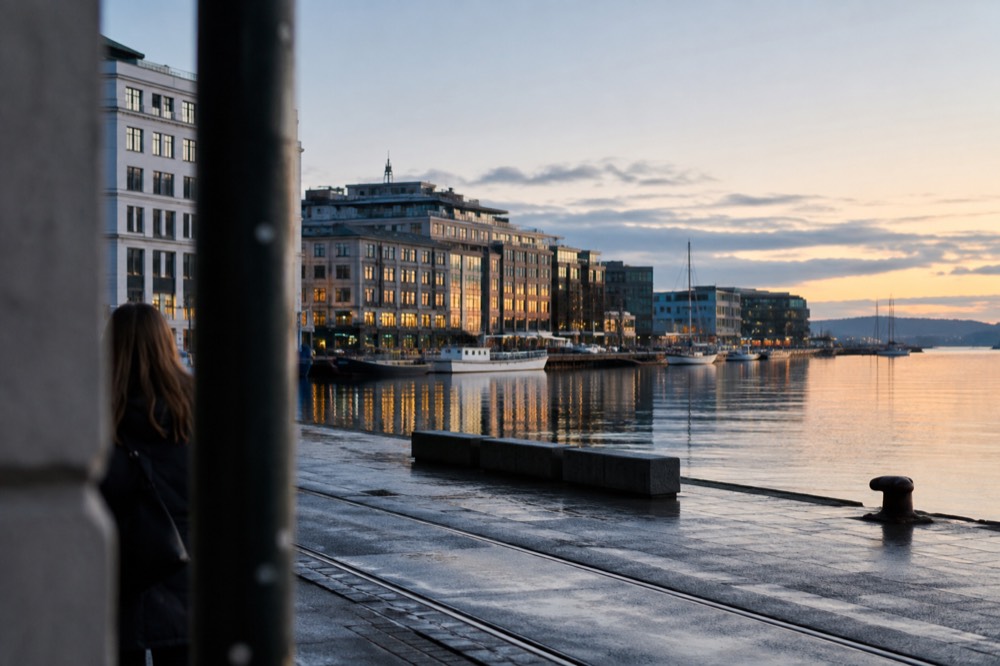
If food is the evening's purpose, the city-center Norwegian food walk is the strongest of the three food tours, covering hidden-gem food stops across three hours. The Grünerløkka neighborhood food walk covers the trendiest district, and the street-food walk is the third format. All three are covered on our Oslo food and drink tours overview; for one day, the honest advice is that a food tour replaces dinner, not precedes it, so book it for the evening and eat light at lunch.
And the simplest evening, the one that costs nothing: walk the harbor front from Aker Brygge back toward the Opera House. In summer it is twilight at 23:00. In winter it is dark at 16:00 and the same walk is lamplit and cold and still worth doing, properly dressed, because the city's relationship with the water is the thing you came to understand.
What One Day in Oslo Actually Costs
A self-guided day on the Oslo Pass runs the 580 NOK pass plus your food; without the pass, three Bygdøy museums alone come to 560 NOK at the door before any transport. The big variables are dinner and alcohol, not transport or entry: public transport and museums are where Oslo is genuinely reasonable, and restaurants and bars are where SSB's finding that Norway is Europe's sixth most expensive country lands on your wallet.
The table below is the honest version of a day's budget, using entry prices read off the venues' own sites and the Oslo Pass prices from the city tourist board. Dinner is deliberately left as a check-the-venue line rather than a number, because no verified per-item restaurant price exists in this site's research, and a made-up average would be worse than an honest blank.
| Line item | With 24h Oslo Pass | Without pass |
|---|---|---|
| Oslo Pass adult 24h | 580 NOK | Not bought |
| Museums (Kon-Tiki, Fram, Folkemuseum) | Included | 560 NOK |
| Holmenkollen tower + museum | 195 NOK | 195 NOK |
| Bygdøy ferry round trip | Included | ~140 NOK |
| Ruter rides, rest of day | Included | Ordinary fares |
| Lunch, bakery or deli | Check the counter | Check the counter |
| Dinner, mid-range restaurant | Check the venue's menu | Check the venue's menu |
| Fjord cruise, 90 min | Tour price | Tour price |
Read that table with the pass arithmetic in mind: the pass wins on any day with three or more paid entries or a Bygdøy ferry round-trip, and loses on a day that is mostly free sights, of which Oslo has a surprising number. The free things to do in Oslo guide lists them: the Opera House roof, Vigeland Park, the harbor front, the Botanical Garden, Ekebergparken sculpture park, and the islands on an ordinary ferry ticket.
What the table cannot tell you is the dinner line, and that is where the real money goes. Statistics Norway's 2025 comparison puts food and non-alcoholic drink 33 percent above the European average and alcohol more than double, so a restaurant dinner with wine is the line that decides whether the day felt expensive. The honest planning move is to pick the restaurant from our where to eat in Oslo guide, read its own menu online, and budget from the actual prices rather than from an average a guide invented.
The Honest Trade-Offs: What You Skip on a One-Day Visit
You skip at least two of these four: the National Museum, MUNCH, the Akershus Fortress, and a second Bygdøy museum, because one day cannot hold them all. What you should not skip is the water and the park: the fjord cruise and Vigeland Park are the two experiences that exist nowhere else, and everything museum-shaped has a better version in another Scandinavian capital.
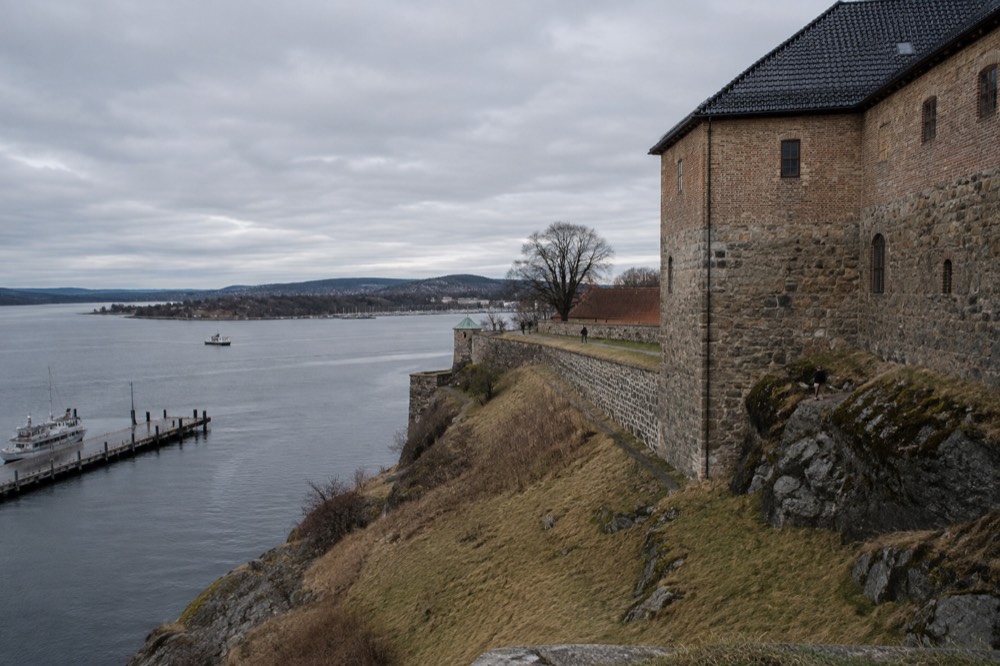
Akershus Fortress is the most common casualty and the most defensible one. The castle and grounds are worth two hours, the Resistance Museum inside the complex is one of the city's most affecting, and a one-day visitor who tries to add it usually ends up with 40 rushed minutes and regret. If WWII history is your thing, the themed occupation-history walk covers the 1940-45 years in more depth than a fortress visit would, and it is a better use of the same afternoon slot.
The second trade-off is depth versus coverage on Bygdøy. Two museums properly beats three museums at a trot. Kon-Tiki plus Fram is the classic pairing, both at the same pier, and the combo ticket at 325 NOK for the pair is the value move without a pass.
The third is the weather call. Oslo's normals put August as the wettest month at 103 mm, ahead of November's 85, which surprises most visitors: a summer day can be a rain day, and the plan needs a rainy-day variant ready. That variant is museums morning and afternoon, Paradox Museum for the interactive hour if you are with kids, and the fjord cruise anyway, because the boats run in rain and the islands in mist are their own kind of beautiful. Our rainy day in Oslo guide is the full version.
One Day in Oslo: Summer Versus Winter
In summer, run the plan as written and put the fjord cruise late, because 21 June gives you 18 hours 50 minutes of daylight and the sun sets at 22:43. In winter, invert it: museums and indoor sights in the pale middle of the day, the waterfront and any boat at the earliest workable hour, and an evening themed walk, because 21 December gives you 5 hours 53 minutes and darkness by 15:11. The same skeleton works in both; only the clock changes.
The winter version deserves its own honesty. There is no midnight sun in Oslo, at 59.91 N that is geography, not marketing, and the winter days are short enough that a bad plan wastes half of one. But winter Oslo has products summer does not: snowshoeing in Nordmarka, a torchlit forest walk with a campfire, and the learn-to-ski half-day, which is a thing Oslo can genuinely offer as a capital city. The Oslo in winter guide is the full seasonal plan.
Summer's trap is different: overconfidence. Eighteen hours of light invites an itinerary with eleven items, and the day still only has one body in it. The discipline in summer is the same as in winter, one corridor, one museum cluster, one park, one boat, with the difference that everything can run two hours later and dinner can happen outdoors at 21:00.
| Summer (Jun-Aug) | Winter (Nov-Feb) | |
|---|---|---|
| Daylight | 15 h 38 m to 18 h 50 m | 5 h 53 m to 9 h 14 m |
| Last usable cruise slot | 19:00-20:00 | 15:00-16:00 |
| Bygdøy ferry | Running (to 4 Oct) | Not running, use bus 30 |
| Best add-on | Island ferry to Hovedøya | Torchlit forest walk or snowshoeing |
| Normal mean temp | 15.3-17.7 °C | -2.3 to -1.4 °C |
| Rain risk | August wettest, 103 mm | Moderate, 46-85 mm |
Shoulder seasons split the difference. May and September are arguably the best one-day months: the ferries are running, the crowds are thinner, and the temperatures, 11.4 °C and 12.2 °C on the normals, are walking weather. Our best time to visit Oslo guide runs the full monthly comparison.
Common Questions About One Day in Oslo
Is one day enough for Oslo?
One day is enough for a very good Oslo visit: the harbor, one museum cluster, Vigeland Park and a fjord cruise all fit. It is not enough for the city's full depth, the islands, Akershus Fortress and MUNCH all need a second day, and two or three days is the comfortable answer if you have them.
What is the best one-day itinerary for Oslo?
Opera House roof at 09:00, Bygdøy museums (Kon-Tiki and Fram) until lunch, a bakery lunch, tram to Vigeland Park for the afternoon, metro up to Holmenkollen if energy allows, and a 90-minute fjord cruise before a late dinner. That sequence follows the city's geography and wastes almost no transit time.
Is the Oslo Pass worth it for one day?
Usually yes. The 24-hour adult pass is 580 NOK, three Bygdøy museums alone come to 560 NOK at the door, and the pass adds every Ruter ride, the Bygdøy ferry and the Vy airport train. If your day is mostly free sights, the park, the waterfront, the islands on a normal ticket, skip it.
Can you see the Viking ships in Oslo?
No. The Museum of the Viking Age, the former Viking Ship Museum, is closed and will reopen in 2027, with no month confirmed. Some Viking-age objects are at the Historical Museum in central Oslo, and Viking Planet is the bookable VR-based substitute near the harbor.
What should I skip if I only have one day?
Skip Akershus Fortress, skip one of the two big art museums, and skip a third Bygdøy museum. Keep the water and Vigeland Park: the fjord cruise and the sculpture park are the two things this city offers that nowhere else does.
Is Oslo too expensive for a one-day visit?
Not for the day itself. Transport and museums are reasonable by European capital standards, and the biggest free sights, the Opera House roof and Vigeland Park, cost nothing. The expense lands on dinner and alcohol, where Norway runs 33 percent above the EU average for food and more than double for alcohol, so budget those two lines deliberately.
The last word on this plan: Oslo Travel Guide exists because this city rewards homework, and a one-day visit is where homework pays fastest. Decide your museum lane before you land, know which pier your ferry leaves from, and put the boat in the slot the daylight allows, and one day will feel like more than it should.