Where to Eat in Oslo: A Practical Food Guide
Oslo's food scene rewards planning: the good rooms are booked, the cheap ones are hidden, and the alcohol rules quietly shape every dinner. Here is where to eat, what to order, and what it will cost.
Short answer
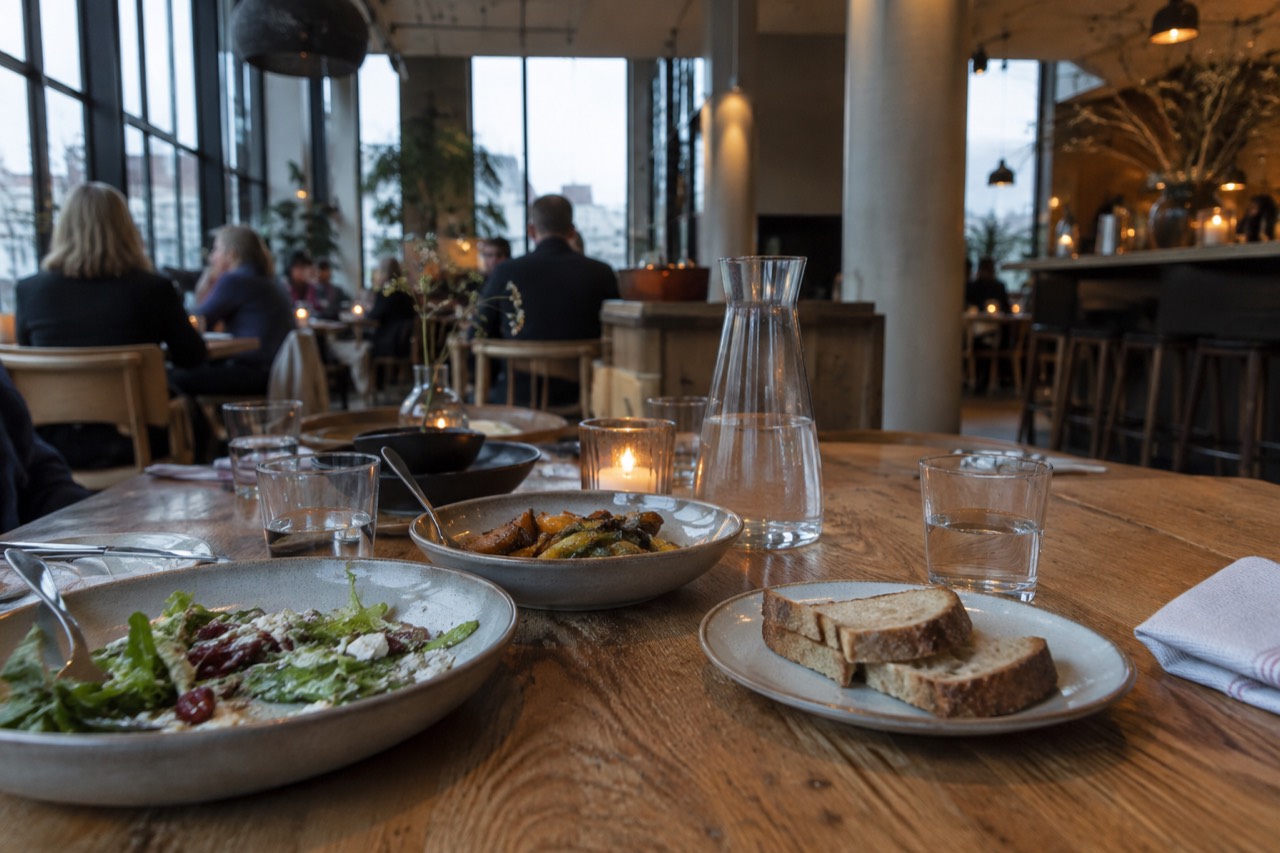
Eat in Grünerløkka for neighborhood restaurants and coffee, Vulkan and Mathallen for variety, Aker Brygge for waterfront tables, and the city center for classic Norwegian. Expect around 200-300 NOK for a main course at dinner, and know that wine lives at Vinmonopolet, not supermarkets.
Oslo is the sixth most expensive city-country combination in Europe by Statistics Norway's 2025 price-level survey, and food is a big part of that: household food prices sit 33% above the European average. That number scares people off, but it is an average, not a sentence. The city's restaurants run from long tasting menus to 60 NOK pølser from a kiosk, and the gap between a bad expensive meal and a good cheap one is mostly information. This guide is that information: which neighborhoods feed you well, which dishes are actually Norwegian, what things cost in the currency you will be paying, and how the country's alcohol rules quietly shape every dinner you will have here.
One framing fact before the neighborhoods. Norway is in the Schengen Area but not in the European Union, it uses the krone rather than the euro, and it sits outside EU VAT, which is why duty-free shopping on arrival into Oslo Airport is a real option for visitors. Every price in this article is in NOK, because NOK is what you will actually be charged, and every card terminal in the city will handle it without a fuss. Cash is close to unnecessary in Norwegian restaurants.
Where to Eat in Oslo by Neighborhood?
The four areas that matter are Grünerløkka for independent restaurants and coffee, Vulkan and Mathallen for an indoor food hall, Aker Brygge and Tjuvholmen for waterfront tables, and the city center for classic Norwegian rooms. Each has a distinct personality and a distinct price band, and the best eating trip uses two or three of them rather than camping in one.
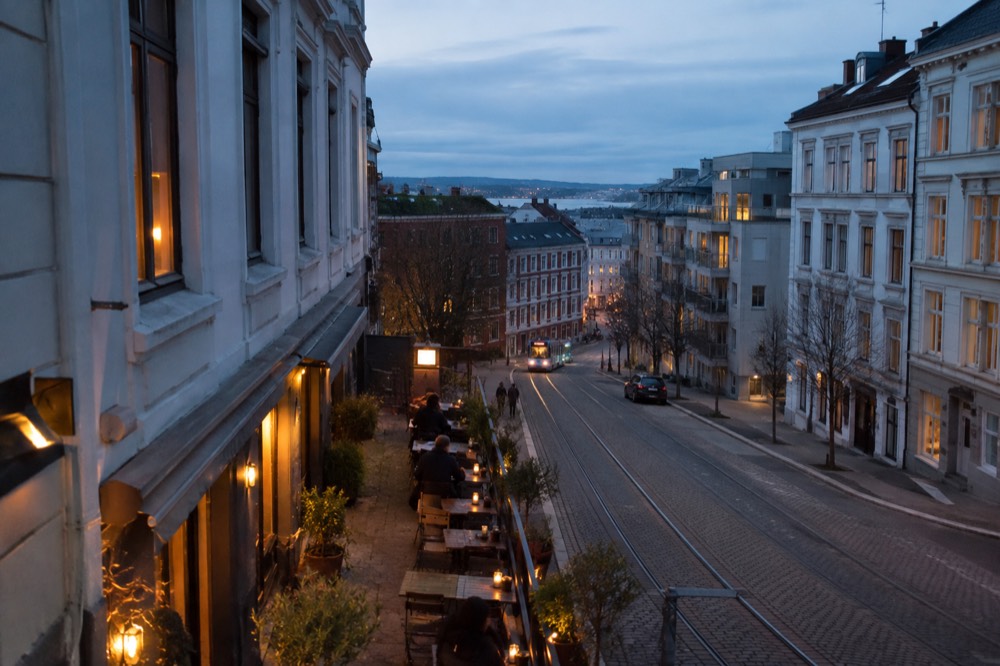
Start in Grünerløkka, the old workers' district east of the river that is now the city's densest strip of small restaurants, bakeries and coffee bars. This is where Oslo's younger chefs open their first rooms, and where a Tuesday dinner feels like a neighborhood event rather than a tourist service. The streets around Thorvald Meyers gate are the spine of it. If you want one decision made for you, our Grünerløkka neighborhood guide maps the blocks worth walking.
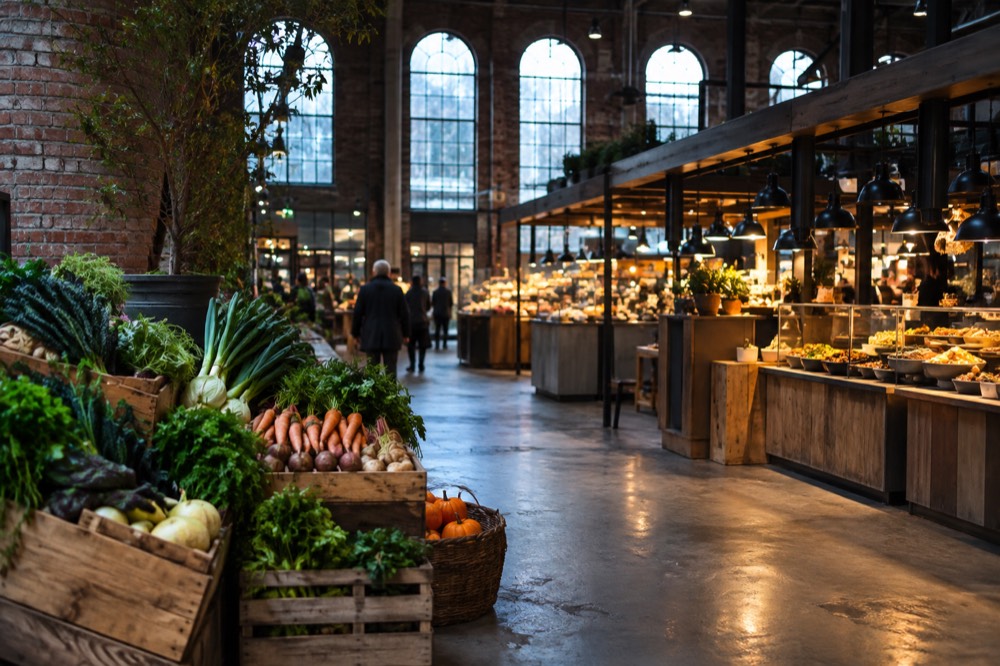
Cross the river at Vulkan and you reach Mathallen, Oslo's food hall: two dozen counters selling everything from Norwegian shellfish to tacos, under one roof in a converted industrial building. It is the single best answer to "we all want something different", and it is a five-minute walk from Grünerløkka proper. Our Mathallen food hall guide covers which counters earn their queue.
On the water, Aker Brygge and Tjuvholmen hold the terrace restaurants, the seafood rooms and the summer crowds. Prices run higher here because you are partly paying for the fjord view, and the honest question is whether the kitchen matches the setting. Some do. Our Aker Brygge guide separates the ones that do from the ones that do not.
The center, meaning Karl Johans gate and the blocks behind it, holds the classic Norwegian rooms: long-established restaurants serving fish, game and the old dishes, plus the cluster around the Oslo street food scene that keeps late hours and low prices.
Here is the same picture in table form, with the honest trade-offs:
| Area | What it does best | Typical main course | Best for |
|---|---|---|---|
| Grünerløkka | Independent kitchens, bakeries, coffee | 220-300 NOK | Neighborhood dinners, brunch |
| Vulkan / Mathallen | Food hall counters, variety | 120-250 NOK | Groups who disagree, quick lunches |
| Aker Brygge / Tjuvholmen | Waterfront terraces, seafood | 300-400 NOK | Long summer evenings |
| City center | Classic Norwegian rooms, street food | 180-400 NOK | First night, late eats |
What to Eat in Oslo?
Order the dishes Norway actually does well: brown-cheese waffles, fresh shrimp on bread, Arctic fish like skrei and halibut, reindeer and elk game, brun saus med kål, and the cinnamon skillingsboller from any bakery worth its oven. Skip generic international food, which Oslo does competently but not better than anywhere else, and put your money on seafood and game.
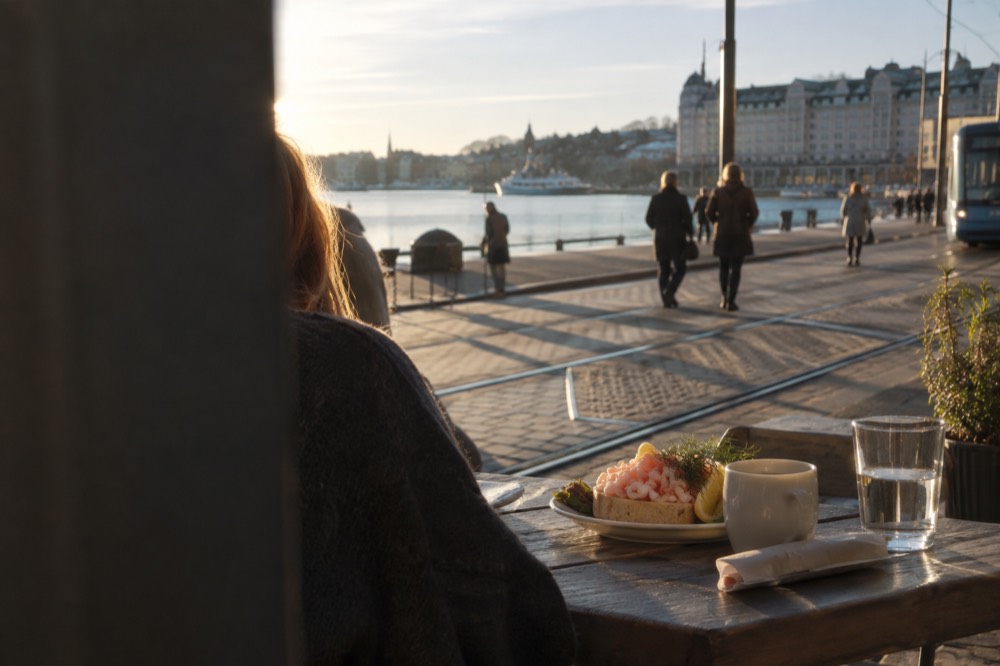
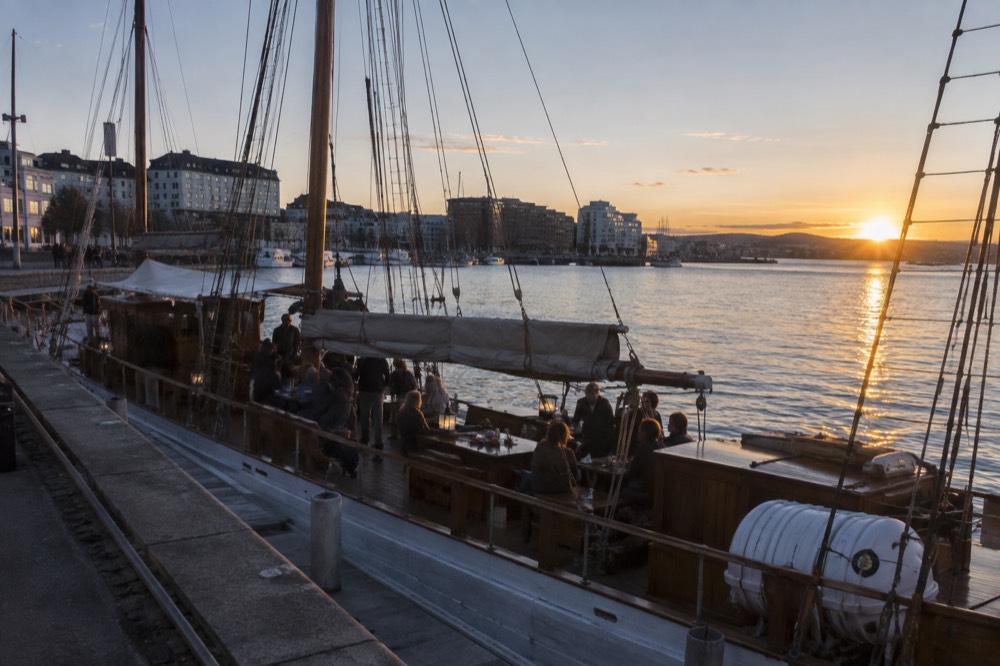
Norwegian cooking is built on cold water and cold land, and the national plate reflects it. Skrei, the migratory cod that arrives in Norwegian waters between January and April, is the fish Norwegians themselves wait all year for; halibut, langoustine and mackerel fill the rest of the season. Shrimp bought loose and eaten on bread with mayonnaise and lemon, ideally by the water, is less a recipe than a national ritual, and the shrimp-buffet boats that cruise the Oslofjord on summer evenings are that ritual with a table laid.
On land, the game is the story: reindeer and elk appear on menus all year, usually with root vegetables and a dark sauce, and brun saus med kål, the brown sausage with cabbage dish, is the old-school winter plate. The bakery counter matters too: skillingsboller, the large Norwegian cinnamon bun, is breakfast, and brown cheese, the caramel-flavored brunost on a waffle, is the snack most visitors are surprised to like.
The honest way to taste several of these in one evening without a single reservation is a guided food walk. The Grünerløkka Neighbourhood Food Walk runs two and a half hours through the district's kitchens, and it is the only strong Grünerløkka product in the city's tour set.
| Dish | What it is | When it is best |
|---|---|---|
| Skrei (Arctic cod) | Migratory cod, firm white flesh | January to April |
| Reinsdyr / elg | Reindeer or elk, usually with roots and dark sauce | Autumn and winter menus |
| Brun saus med kål | Brown sausage with stewed cabbage | Winter comfort food |
| Ferske reker | Fresh shrimp on bread, mayonnaise, lemon | Summer, by the water |
| Skillingsboller | Large Norwegian cinnamon bun | Any bakery, any day |
| Brunost on waffle | Caramel-brown cheese on a fresh waffle | Café snack, any season |
How Much Does Eating Out in Oslo Cost?
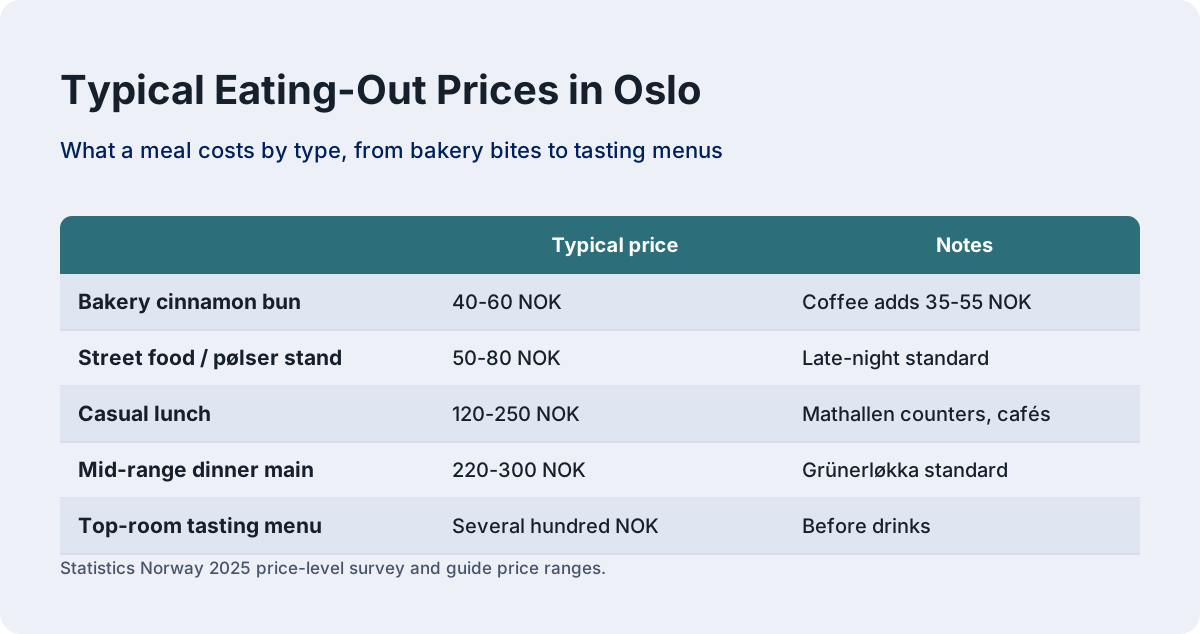
Expect roughly 60-120 NOK for a bakery or street bite, 120-250 NOK for a casual lunch, 220-300 NOK for a main course at a mid-range dinner, and several hundred NOK per person at the top rooms before drinks. Alcohol is the budget breaker: it is more than double the European average in Norway, and a restaurant beer or a glass of wine can cost as much as your main course.
The numbers behind this come from Statistics Norway's 2025 price-level survey: food and non-alcoholic drinks run 33% above the European average, and alcohol and tobacco more than double it. That second figure is why the same dinner feels wildly different with and without a drink. A family of four can eat a full Mathallen lunch for what two glasses of wine cost at a waterfront terrace.
The counterweight is that Norway's service culture includes the tip: service is in the price, and tipping is voluntary rounding, not an expectation. Card terminals may prompt, but nobody will look twice at a flat no. Our tipping in Oslo guide covers the norms in detail.
| Meal type | Typical price | Notes |
|---|---|---|
| Bakery cinnamon bun | 40-60 NOK | Coffee adds 35-55 NOK |
| Street food / pølser stand | 50-80 NOK | Late-night standard |
| Casual lunch | 120-250 NOK | Mathallen counters, cafés |
| Mid-range dinner main | 220-300 NOK | Grünerløkka standard |
| Top-room tasting menu | Several hundred NOK | Before drinks |
Where Can You Eat Cheaply in Oslo?
The reliable cheap eats are supermarket delis and bakery counters for under 100 NOK, street-food stands and pølser kiosks for 50-80 NOK, Mathallen's cheaper counters at lunch, and the city's street-food halls for big plates under 150 NOK. Add the free tap water, which is excellent, and a cheap day of eating in Oslo is genuinely possible.
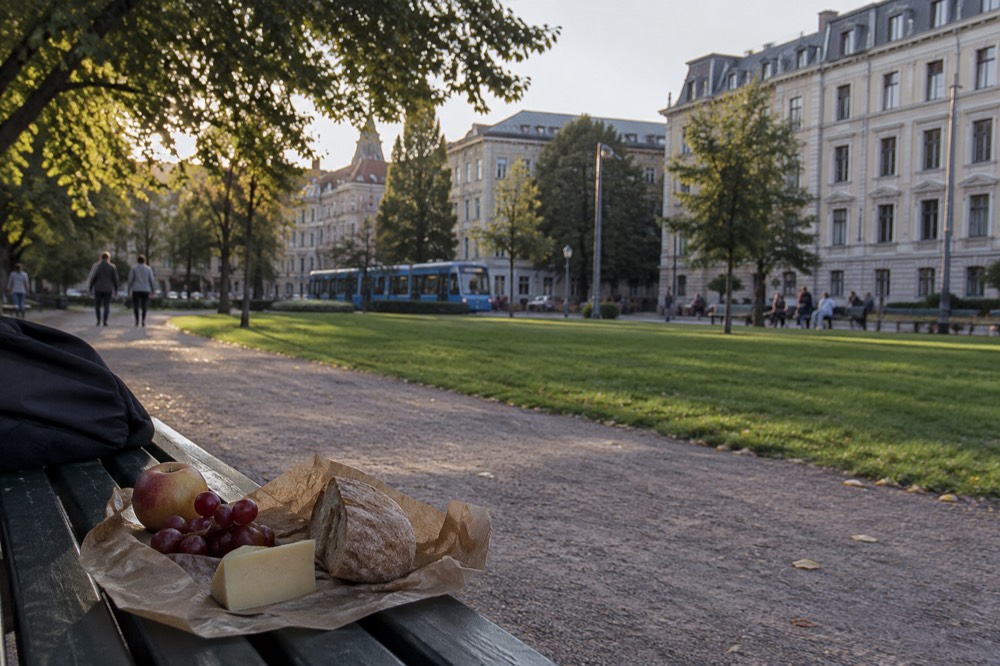
The cheapest food in Norway is not a secret restaurant, it is the supermarket. Rema, Kiwi and Coop sell bread, cheese, cured meats and ready salads at prices locals actually pay, and a supermarket picnic in a park is a fully respectable lunch. The bakery chains do a coffee and a bun for the price of a coin. Oslo's tap water is among the best in the world and always free in restaurants if you ask for a glass of water, which quietly removes the bottled-water line from every bill. Our Oslo on a budget guide and the cheap eats roundup go deeper on this.
One rule matters more than any list: buy your alcohol in advance if you drink. Supermarkets sell beer and cider only up to 4.7% ABV, with a fixed evening cut-off on sales, and everything stronger lives at Vinmonopolet, the state monopoly, which closes early on Saturdays and all day Sunday. A restaurant wine bill is the single fastest way to double a meal's cost.
Which Oslo Restaurants Are Worth Booking Ahead?
Book ahead for the well-known seafood rooms on Aker Brygge and Tjuvholmen, the established Grünerløkka kitchens on weekend evenings, and any Michelin-level table, which can need weeks of notice. Walk-ins work fine at Mathallen counters, bakery cafés and street-food halls, and midweek tables are easier everywhere.
Oslo is not a walk-in city on Friday and Saturday nights. The good mid-range rooms in Grünerløkka and Vulkan fill their seats by reservation, and the top rooms, the ones that carry the city's Michelin recognition, book out early. If a specific restaurant is the reason for your trip, reserve before you fly. If it is not, the food-hall and street-food layers of the city will feed you well with no planning at all, and our best restaurants in Oslo guide names the rooms that earn a reservation.
The evening cruise with a shrimp buffet is the one dinner that combines eating with sightseeing without feeling like a tourist trap: three hours on the fjord, a Norwegian institution rather than a generic dinner boat, and it sells out in summer. Check availability early if it is on your list. The rest of the planning pages sit on Oslo Travel Guide. The rest of the planning pages sit on Oslo Travel Guide.
Where Do Locals Actually Eat in Oslo?
Locals eat in Grünerløkka and Vulkan on weeknights, brunch in St-Hanshaugen and Frogner on weekends, and drink coffee everywhere, all day. They buy their wine at Vinmonopolet before dinner, not at the restaurant, and they treat the island ferries and park benches as dining rooms in summer.
The local pattern is worth copying because it is cheaper than the visitor pattern. Norwegians meet for coffee rather than drinks, and the city's café culture is strong enough that we have a whole Oslo coffee guide and a brunch guide for it. Weekend brunch in Oslo is a long, social meal, not a fuel stop.
The other local habit is the pre-dinner Vinmonopolet run. Because restaurant alcohol carries the double-the-European-average markup, plenty of locals drink at home first and eat out after, or skip the restaurant entirely for a picnic. In summer the whole city migrates outdoors: shrimp and beer on the piers at Aker Brygge, or a ferry to Hovedøya or Langøyene with a bag of food. Our Oslo islands guide covers the ferry routes, which run on ordinary transport tickets.
When Is the Best Season for Eating in Oslo?
Summer is the eating season: long evenings with the sun setting at 22:43 in late June, shrimp by the water, and every terrace open. Winter has its own case, with game menus, brun saus med kål and candlelit rooms, but August is the wettest month on the 1991-2020 normals at 103 mm, so pack a rain plan alongside the terrace plan.
The daylight swing in Oslo is enormous, from 18 hours 50 minutes of daylight on 21 June down to 5 hours 53 minutes on 21 December, and the eating culture follows it. In June the terraces at Aker Brygge stay full well past what feels like a normal dinner hour because it is still light at ten at night. In December, dinner starts early and happens indoors, and the restaurants lean into it: game, root vegetables, dark sauces and candles. Both versions of the city eat well; they just eat differently.
The practical seasonal notes are few but real. August carries the highest normal rainfall of any month, 103 mm, so a July or early-August terrace plan should have an indoor fallback. And if you are visiting in the dark months, the evening myths-and-legends walks and torchlit forest experiences are the products built for that season, but for food specifically, winter is when the game menus are at their best.
Is Oslo Good for Coffee and Bakeries?
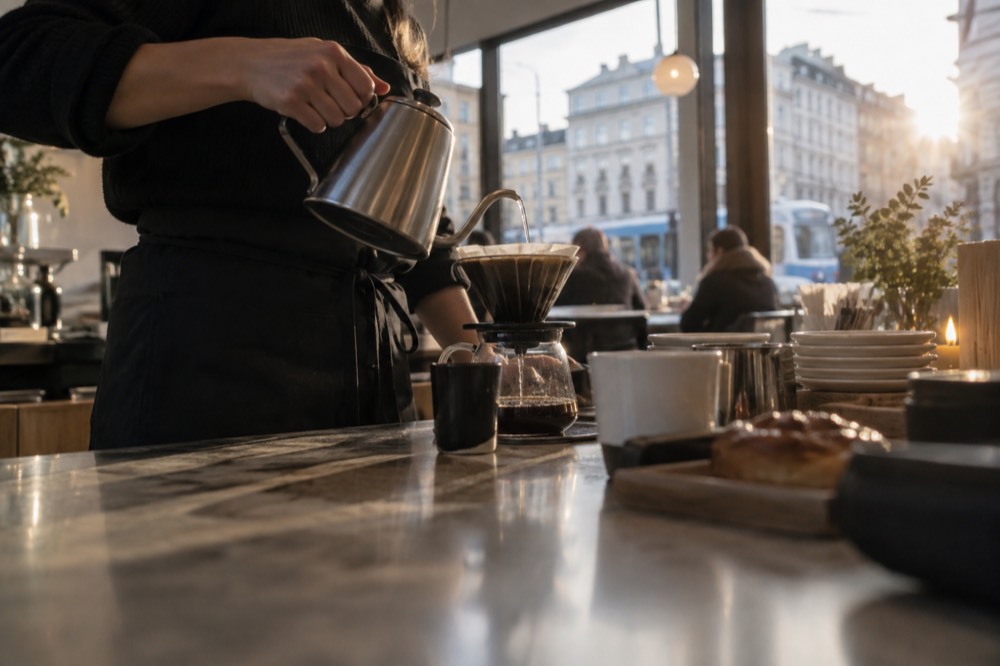
Yes, genuinely: Oslo is one of Europe's best coffee cities, with a dense independent roastery scene, world-class bakeries, and a café culture where sitting for an hour with one cup is normal. Coffee is also the cheapest good thing in the city, typically 35-55 NOK a cup.
The roasteries here take beans seriously, and the bar is high across the whole city, not just in two famous cafés. Bakeries are the same: the Norwegian skillingsboller, cardamom buns and sourdough loaves are reasons to plan mornings around them, and a coffee plus a pastry is the best value breakfast in Oslo. This is also the honest budget tip of the whole guide: two people can have an excellent bakery breakfast for under 200 NOK total, in a country where a restaurant breakfast can cost that per head.
Can You Drink Beer in Oslo Without Going Broke?
You can, but you have to know the rules: supermarket beer stops at 4.7% ABV and cuts off at a fixed evening time, everything stronger is sold only at Vinmonopolet which closes on Sundays, and bar prices carry the double-the-European-average alcohol markup. The cheapest legal route is supermarket beer drunk at home or in a park where permitted.
Norway's alcohol system is not decoration, it shapes every evening in the city. A guided walk that explains it while you drink is genuinely useful rather than a novelty, and the Beer and Culture Walk does exactly that, three hours through the city's drinking culture with the rules explained along the way.
If you are planning a full trip around Norwegian food and drink, oslotravelguide.com has the complete set of eating, drinking and planning guides, each built on the same verified prices and official sources as this one.
What Food Experiences Are Worth Booking in Oslo?
The food experiences that earn their price are the guided food walks, the fjord evening cruise with shrimp buffet, and the neighborhood food tours, because they solve the two problems Oslo eating poses: where the good rooms are, and how the alcohol rules work. Generic sightseeing tours with a snack included are not worth the markup.
A food walk is the fastest way to learn a district's kitchens, and the city-center version covers the classic Norwegian products the Grünerløkka walk skips. If you want a single evening that combines eating and the fjord, the shrimp-buffet cruise is the Norwegian answer and the one locals recommend to visitors.
For the full decision between the city's food and drink products, the three below cover the neighborhood walk, the fjord dinner and the beer culture angle between them.
Common Questions About Where to Eat in Oslo
What to eat in Oslo?
Order what Norway does best: Arctic fish like skrei and halibut, fresh shrimp on bread in summer, reindeer and elk game in winter, brun saus med kål, and a skillingsboller cinnamon bun from any good bakery. Skip generic international food, which Oslo does competently but not exceptionally, and spend your budget on seafood and game instead.
Where to eat in Oslo on a budget?
Supermarket delis, bakery counters, street-food stands and the cheaper Mathallen counters keep meals under 150 NOK. Tap water is free and excellent everywhere, supermarket beer is far cheaper than bar beer, and a park picnic is a fully respectable lunch in this city.
Where do locals eat in Oslo?
Locals eat weeknight dinners in Grünerløkka and Vulkan, weekend brunch in St-Hanshaugen and Frogner, and coffee all day everywhere. Many buy wine at Vinmonopolet before dinner rather than paying restaurant markups, and in summer they eat shrimp by the fjord or picnic on the islands.
Can you buy wine in supermarkets in Oslo?
No. Supermarkets sell beer and cider only up to 4.7% ABV, with a fixed evening cut-off. Wine and spirits are sold only at Vinmonopolet, the state monopoly, which closes on Sundays and public holidays and early on Saturdays. Restaurant wine carries Norway's double-the-average alcohol markup.
Is tipping expected in Oslo restaurants?
No. Service is included in menu prices, and tipping is a voluntary round-up of roughly 5-10% for good service, not an expectation. Card terminals may prompt for a tip, and declining is completely normal.
What is the best area for a first dinner in Oslo?
Grünerløkka for an independent neighborhood kitchen, or Aker Brygge if you want the fjord view with your meal. Book ahead on weekends either way, because the good rooms fill by reservation on Friday and Saturday nights.