Is the Oslo Pass Worth It? The Honest Math for 2026
The Oslo Pass costs 580 NOK for 24 hours, and three Bygdøy museum tickets alone cost 560 NOK at the door. That is the whole question in one line, and the rest of this guide does the arithmetic properly.
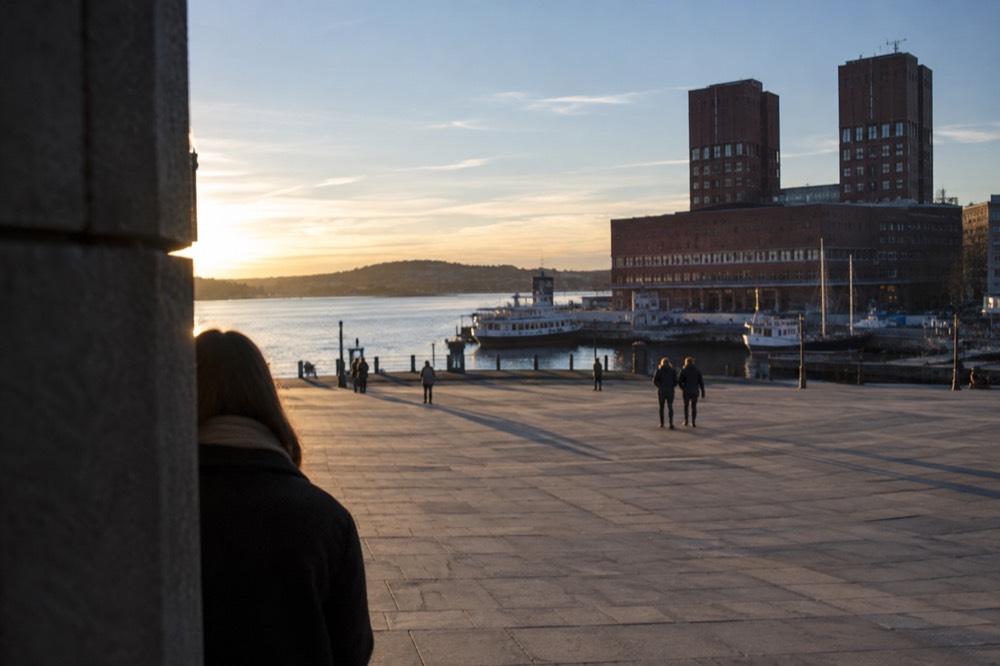
Short answer
The Oslo Pass is worth it if you visit three or more paid attractions in a day and use public transport between them. The 24-hour adult pass costs 580 NOK, covers over 30 museums, and includes the Vy airport train, the Bygdøy ferry and all Ruter zones. It is not worth it for slow travelers who visit one museum a day.
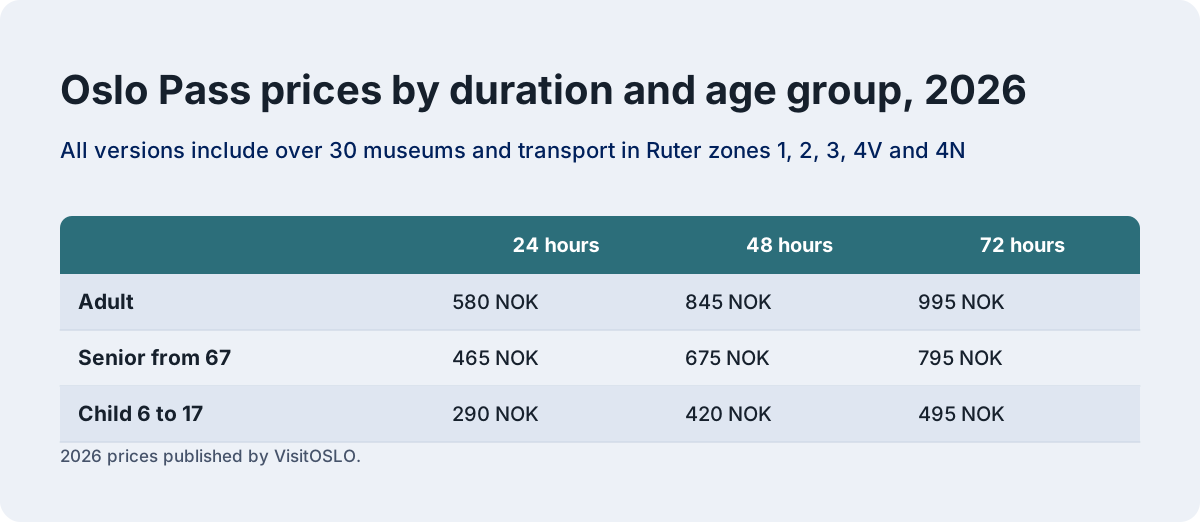
The Oslo Pass is the kind of product that gets bought on instinct and regretted on arithmetic. It promises "over 30 museums" and "all public transport," which sounds like a lot until you sit down and count what you would actually pay at the door. That counting is what this page does. The pass is run by VisitOSLO, the city's own tourist board, and its 2026 prices are published plainly: 580 NOK for 24 hours, 845 NOK for 48 hours, 995 NOK for 72 hours, for an adult.
The short version, and the honest one: the pass is a volume product. If you are the kind of visitor who does two museums before lunch, it will save you real money, and the savings compound fast. If you drift, linger, and do one paid thing a day, it will quietly cost you more than walking up to each counter. Everything below is the difference between those two travelers, worked out with the actual door prices.
What Does the Oslo Pass Cost and What Do You Get?
An adult 24-hour pass costs 580 NOK, a 48-hour pass 845 NOK, and a 72-hour pass 995 NOK, and every version includes free entry to over 30 museums and attractions plus free public transport across Ruter zones 1, 2, 3, 4V and 4N. Seniors from 67 pay 465, 675 and 795 NOK, and children aged 6 to 17 pay 290, 420 and 495 NOK. Under-6s enter most attractions free anyway, so a small child rarely needs one. A 20 percent student discount exists, but only in person at the Oslo Visitor Centre with the right ID, not online.
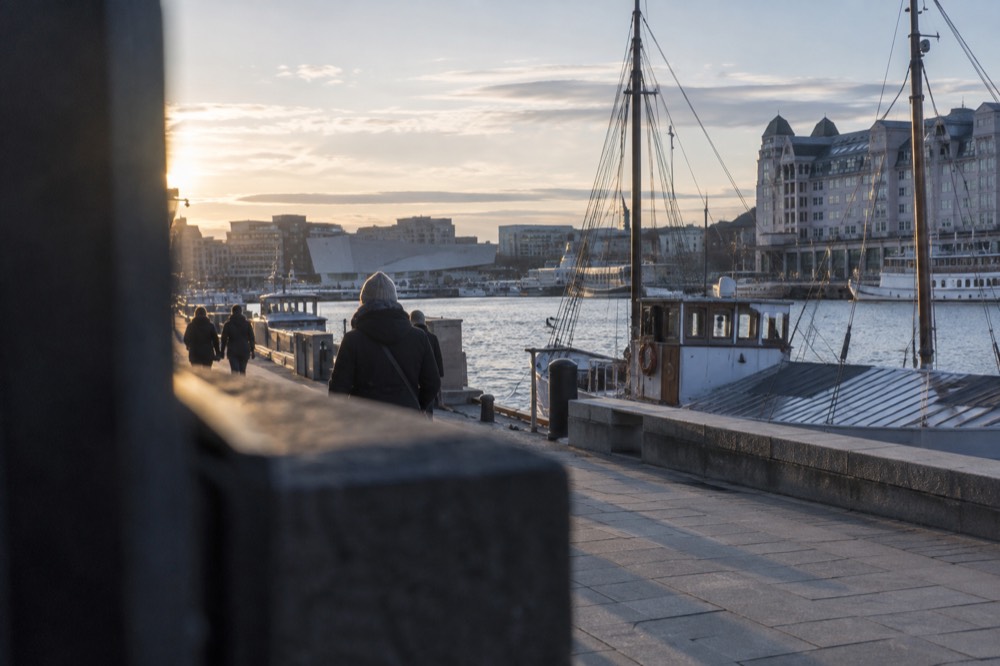
The transport coverage is broader than most visitors realize, and it is the part of the pass that does the quiet heavy lifting. Zones 1 through 4V and 4N cover the entire metro network, all trams and buses in the city, the island ferries in the Oslofjord, and, the detail most guides get wrong, the Vy trains to and from Oslo Airport Gardermoen. Flytoget, the separate airport express company, is not included, and neither is the Flybussen coach.
VisitOSLO's own wording on what is included is worth reading closely: public transport in those zones is covered "including transport to and from Oslo Airport Gardermoen with public trains operated by VY." That single sentence is worth 268 NOK to anyone arriving by plane, because the Flytoget alternative costs exactly that for a one-way adult ticket. The Vy train is about three minutes slower, at roughly 23 minutes to Oslo S, and rides on an ordinary Ruter ticket.
The pass also covers the Bygdøy museum ferry, the seasonal shuttle from Rådhusbrygge 3 to the museum peninsula. That ferry is run by a private operator, ordinary Ruter tickets are not valid on it, and a one-way fare is around 70 NOK paid on board, so a museum day on Bygdøy with the pass saves the ferry fare twice on top of the entries. We cover the full transport picture in our getting around Oslo overview.
Is the Oslo Pass Worth It for a Museum-Heavy Day?
Yes, decisively, if you visit three or more paid attractions in a single day, because three ordinary Bygdøy museum tickets alone total 560 NOK against a 580 NOK pass that also carries all your transport for free. Add a fourth stop, or the Bygdøy ferry, or a single metro ride, and the pass is already ahead before lunch. The failure mode is the opposite day: one museum, a long lunch, a wander through a free park, and the pass loses money without ever feeling like it did.
Here is the honest door-price table, every figure read off the venue's own site. This is the arithmetic the decision actually rests on.
| Attraction | Adult door price | Notes |
|---|---|---|
| MUNCH | 280 NOK | 200 NOK after 18:00; under-25s 100 NOK; 17 and under free |
| Norsk Folkemuseum | 200 NOK | Children 0 to 17 free |
| Fram Museum | 180 NOK | Children and students 70 NOK |
| Kon-Tiki Museum | 180 NOK | Family ticket (2 adults, 5 children) 400 NOK |
| Astrup Fearnley Museet | 180 NOK | Under-20s free |
| Nobel Peace Center | 180 NOK | Children 0 to 17 free |
| Ski Museum and Holmenkollen tower | 195 NOK | Combination of museum and jump-tower access |
| Vigeland Museum | 120 NOK | The park itself is free, always |
| Bygdøy combo: Kon-Tiki + Fram | 325 NOK | Saves 35 NOK over two door tickets |
| Bygdøy combo: Kon-Tiki + Fram + Maritime | 485 NOK | Saves 55 NOK over three door tickets |
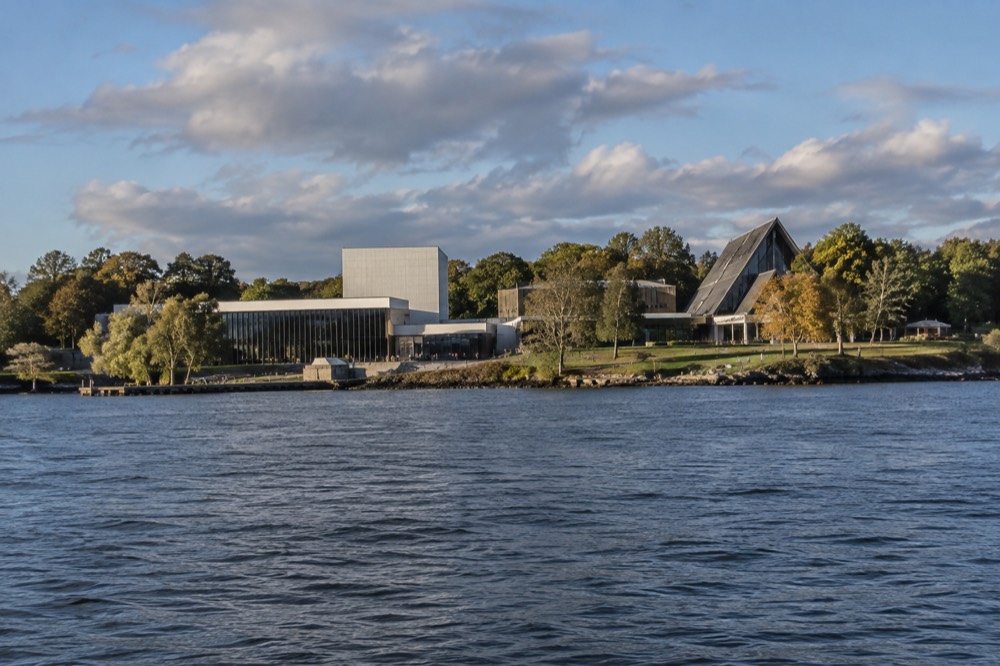
Read that table as a menu. A serious Bygdøy day, Kon-Tiki plus Fram plus the Maritime Museum, is 485 NOK at the counter even with the museums' own combination ticket. Add the round-trip Bygdøy ferry, at roughly 70 NOK each way, and then any metro or tram ride in the city, and the total is past the 580 NOK pass price with zero city transport counted. This is why the pass and Bygdøy belong together; our Bygdøy peninsula guide lays out the full day.
The same logic scales up over two and three days. A 48-hour pass at 845 NOK breaks even against roughly four to five museum entries; a 72-hour pass at 995 NOK against about five to six. Anyone planning a full Oslo museum day plus a second day of sights will clear those bars without trying, and the transport inclusion becomes pure margin.
There is a way to test the water before committing a full pass day, and it costs nothing. The largest free walking tour in the city runs about two hours, covers the center, and is tip-based, so it pairs naturally with a pass day on which you want your first impressions for free.
The trio above is deliberately mixed: a free orientation walk, a guided art walk through a park that is otherwise free to enter, and the single best-reviewed museum ticket in the city. Between them they represent the three postures a visitor can take toward the pass question, spend nothing, spend on interpretation, or spend on entry.
When Does the Oslo Pass Break Even, Exactly?
The 24-hour pass breaks even at 580 NOK of door prices plus transport, which in practice means three paid attractions in a day, or two paid attractions plus the Bygdøy ferry round trip and a couple of transit rides. The 48-hour pass at 845 NOK needs about four to five entries across two days, and the 72-hour pass at 995 NOK needs five to six across three. Anything below that and you have pre-paid for enthusiasm you did not have.
The cleanest way to see it is a worked example. Here are four realistic visitor days, priced both ways with the door figures from the table above.
| Day type | Door-price components | With 24h pass | Verdict |
|---|---|---|---|
| Bygdøy intensive: Kon-Tiki, Fram, Maritime combo, ferry round trip | 485 NOK plus about 70 NOK each way by ferry | 580 NOK | Pass wins once the ferry is added, plus any city transit free |
| Art day: MUNCH plus Astrup Fearnley, tram rides | 280 NOK plus 180 NOK plus transit | 580 NOK | Door wins unless you add a third or fourth stop |
| Classic day: Folkemuseum, Fram, Bygdøy ferry, metro to Vigeland | 200 NOK plus 180 NOK plus ferry plus metro | 580 NOK | Pass wins, and the park is free either way |
| Slow day: one museum, Opera House roof, harbor wander | 180 to 280 NOK | 580 NOK | Door wins comfortably |
Notice the pattern: it is not the famous museums that decide the question, it is the third and fourth stops. Two entries almost never justify a 24-hour pass on their own, because even the priciest pairing in the table, MUNCH plus one more, sits well under the pass price. Three almost always do, because three ordinary entries sit right at the pass price before a single tram ride is counted.
The transport inclusion is what turns "roughly break even" into "clearly ahead." A day that includes the airport Vy train, or the Bygdøy ferry, or a ferry out to Hovedøya, stacks paid rides on top of paid entries, and the pass absorbs all of it. Our Ruter tickets guide covers what ordinary tickets cost when you do not have a pass.
One genuinely under-used angle: the pass covers the guided walk product at Vigeland Park is not needed for entry, since the park is free, but the pass does cover the Vigeland Museum next door at 120 NOK. If your day already includes two paid museums, that third stop is effectively free money under the pass.
When Is the Oslo Pass Not Worth It?
The pass is a poor buy for slow travelers, families with young children, and anyone whose itinerary is mostly free sights, because Oslo's best-loved attractions, Vigeland Park, the Opera House roof, the harbor islands' beaches and the city's parks, cost nothing at all. Children under 18 enter many major museums free regardless of the pass, and under-6s ride public transport free too, so a family pass purchase often duplicates freebies.
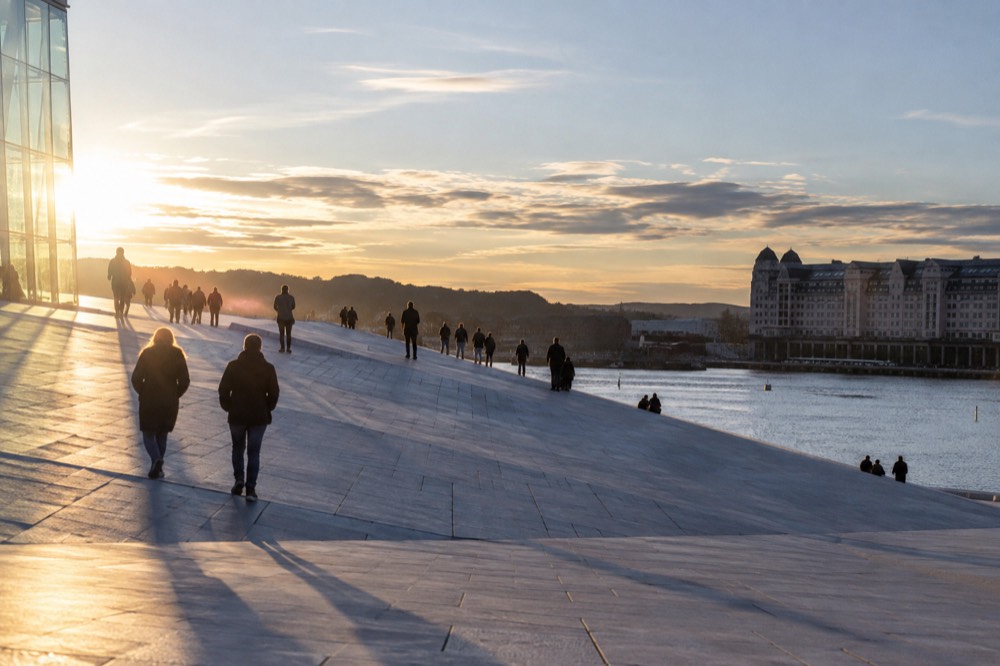
Be specific about who loses money here. A couple who visit one museum a day over three days, walk everywhere in the center, and spend their afternoons in Vigeland Park and on the Opera House roof will pay for two 72-hour passes, 995 NOK each, against door prices of only a few hundred kroner a day. That is a large loss, bought for flexibility they never used. More of these guides are collected on Oslo Travel Guide. More of these guides are collected on Oslo Travel Guide.
The same applies to a winter city-break visitor who is mostly here for atmosphere, the harbor, the Christmas market if it is December, and one or two indoor museums as bad-weather backup. Oslo's free list is genuinely deep, and our free things to do in Oslo page is not a consolation prize, it is a real itinerary.
If you already know your days will be light on paid entries, the better first move costs nothing up front. The largest free walking tour in the city, tip-based and about two hours long, gives you the center and a local guide's overview before you commit a single krone to a pass.
There is also a middle category of visitor the pass neither wins nor loses for: the two-museum-a-day traveler who walks a lot. For them the decision is a coin toss, and the tie-breaker should be convenience. A pass removes the need to buy Ruter tickets at all, and it removes the queue at museum counters. If that convenience is worth a small premium to you, buy it; if it is not, do not.
Oslo Pass or Single Tickets and the Airport Train?
For transport alone the pass is rarely worth it, because a visitor would need an implausible number of rides to reach 580 NOK on ordinary fares, but the airport Vy train changes the math, since it is fully included and Flytoget costs 268 NOK one way. If you land, take the Vy train in, do a museum day, and fly out within the pass window, the airport legs alone can carry half the pass price.
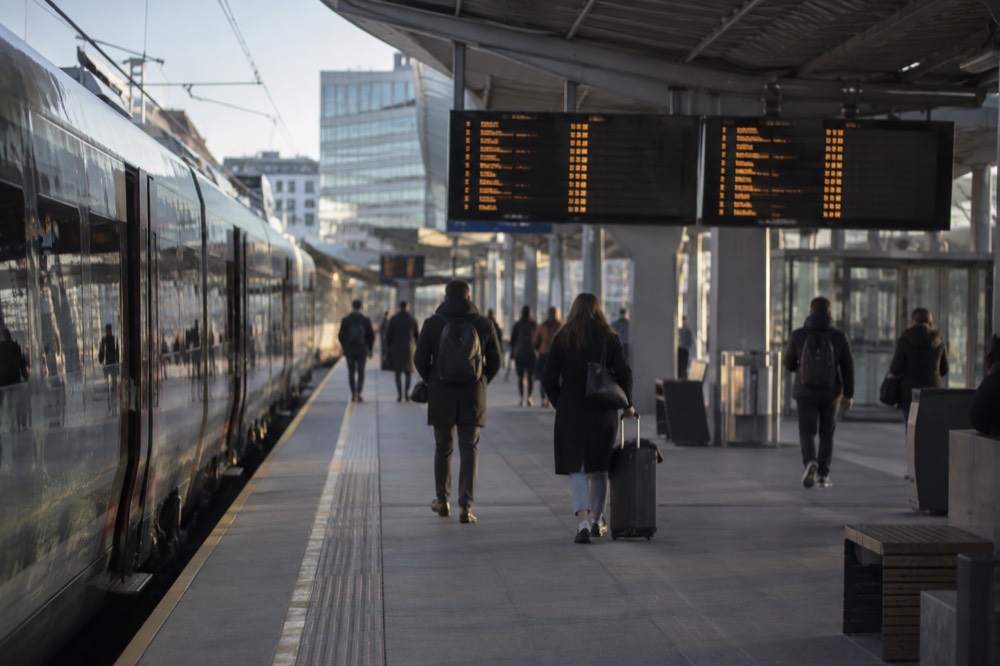
The mechanism is worth spelling out because it is the single most valuable practical fact on this site. The Vy regional trains that call at Oslo Airport are ordinary Ruter-zone trains. A Ruter ticket covering zone 1 through zone 4N is valid on them, no airport supplement, and the Oslo Pass covers them outright. Flytoget is a separate company, faster by about three minutes, and charges 268 NOK for an adult single. Our Flytoget vs Vy comparison works through the full decision, and the airport to city centre guide covers the rest of the options.
The island ferries are the other quiet win. The B1 line to Hovedøya, Gressholmen and the other Oslofjord islands is an ordinary Ruter service from Aker Brygge, covered by a normal ticket and by the pass. A day that pairs a museum morning with an island afternoon is exactly the shape of day the pass was built for, and our Oslo islands guide maps the routes.
| Transport item | Without pass | With pass |
|---|---|---|
| Vy airport train, one way | Multi-zone Ruter fare | Included |
| Flytoget airport express, one way | 268 NOK | Not included |
| Bygdøy ferry, one way | About 70 NOK | Included |
| Island ferry B1 to Hovedøya | Ordinary Ruter fare | Included |
| Metro, tram, bus in the city | Ordinary Ruter fare | Included |
One caution on the airport point: the pass clock starts when you activate it, not when you buy it. If you arrive at 10:00 and do not plan a museum until the next morning, activating the pass at the airport wastes half its value on a train ride you could have paid for separately. Activate it when the dense part of your stay begins.
How Do You Get the Most Out of an Oslo Pass?
Cluster your paid sights into pass days and leave the free ones for the gaps, activate the pass the morning of your first museum-heavy day, and use the included Bygdøy ferry and island ferries as sightseeing rather than just transport. The pass counts each museum once per 24-hour period, so a 48-hour pass gives you two cracks at the calendar, not two visits to the same building.
The practical shape of a good pass day is well established. Morning on Bygdøy, ferry or bus 30 out, two or three museums, ferry back. Afternoon in the center or at Vigeland Park, which costs nothing and needs no booking, and an evening at MUNCH if it is a Wednesday through Saturday, when the museum stays open until 21:00 and the after-18:00 door price drops, though with a pass the entry is covered either way. Our one day in Oslo itinerary is built around exactly this rhythm.
Two mistakes to avoid. First, buying the pass for a day that is really a shopping and eating day; Oslo's retail and restaurants are where the city is genuinely expensive, and no pass touches them. Second, buying a 72-hour pass for a three-day visit without checking whether your days are actually dense enough; a 48-hour pass plus one day of walking is often the cheaper combination, and you can decide on the ground.
The chart above is the whole article in one picture. The pass sits flat at 580 NOK no matter what you do with your day, and your door-price total moves up or down depending on how many counters you walk up to. The question is simply which side of that line your plans fall on, and only you know your own pace.
Common Questions About the Oslo Pass
Is the Oslo Pass worth it?
It is worth it if you will visit three or more paid attractions in a day and use public transport between them. At 580 NOK for 24 hours, three typical museum entries plus a ferry or metro ride already clears the price. It is not worth it for slow travelers doing one paid thing a day, since Oslo's parks, the Opera House roof and the islands cost nothing.
Does the Oslo Pass cover the airport train?
It covers the Vy trains between Oslo Airport Gardermoen and the city, which take about 23 minutes. It does not cover Flytoget, the separate airport express, which charges 268 NOK for an adult single. The Vy option is roughly three minutes slower and rides on the pass.
Does the Oslo Pass include the Bygdøy ferry?
Yes. The seasonal museum ferry from Rådhusbrygge 3 is included with the pass, even though ordinary Ruter tickets are not valid on it. The ferry runs from 14 March to 4 October; outside that window, Ruter bus 30 serves the museums and is covered by the pass.
Is the Oslo Pass worth it for families?
Often less than expected. Children under 18 enter many major museums free regardless, including Norsk Folkemuseum, the Nobel Peace Center and MUNCH, and under-6s ride public transport free. A child pass at 290 NOK for 24 hours only pays off if the children visit several paid attractions in a day.
Can you buy the Oslo Pass on arrival in Oslo?
Yes, it is sold at the Oslo Visitor Centre among other places, and buying in person is the only route to the 20 percent student discount for under-30s with the right ID. Digital versions are also available and let you choose when the pass activates.
Does the Oslo Pass cover MUNCH?
Yes, MUNCH is among the covered attractions, and its adult door price is 280 NOK, one of the highest single entries in the city, which makes it a strong contributor to break-even. Under-25s pay 100 NOK and 17-and-unders enter free, so young visitors gain less from the pass here.
If you are still weighing the overall budget rather than just this one product, the numbers behind the pass sit inside a bigger picture: as the team at oslotravelguide.com lays out elsewhere, Norway is the sixth most expensive country in Europe, and where the money actually goes in Oslo, alcohol and restaurants versus museums and transport, is what decides every value question like this one.