Day Trips from Oslo: The Best Options by Train, Boat and Bus
Oslo is one of the few European capitals where a full fjord day trip, a museum peninsula and an island swim all sit inside the day-trip radius. Here is what actually works, what it costs, and what needs a booking.
Short answer
The best day trips from Oslo are the Sognefjord and Flåm railway round trip (15.5 hours, bookable), the Oslofjord islands by public ferry (from about 42 NOK per crossing), Bygdøy's museum peninsula, and the towns Drøbak and Fredrikstad, both reachable by public transport in under two hours.
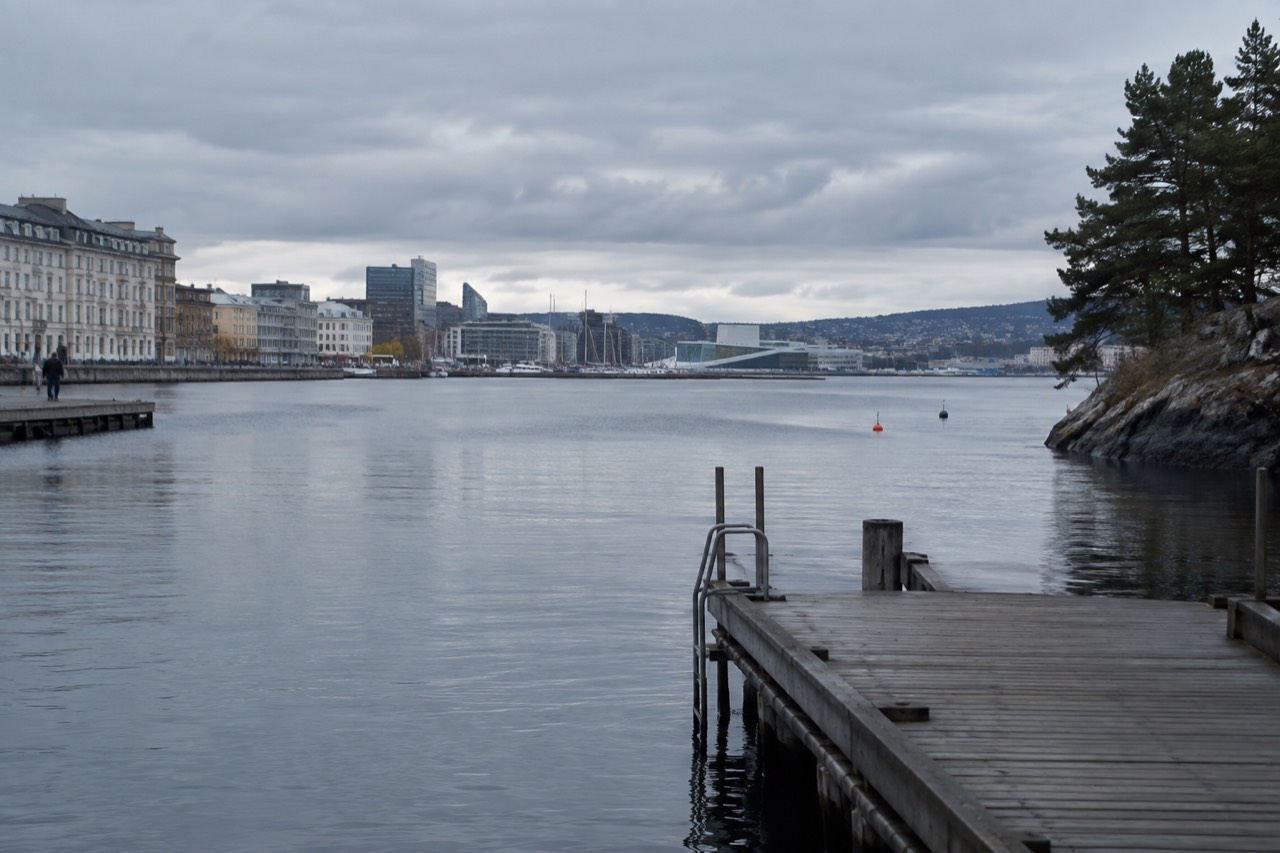
Oslo sits at the innermost end of the Oslofjord, ringed by forest and stitched together by trains, ferries and metro lines that ordinary residents use every day. That geography is the reason the city punches above its weight as a base: you can be on a car-free island in twenty minutes, at a mountaintop trailhead in thirty, or standing on a fjord pier in Flåm before lunch. Most first-time visitors underestimate how much of Norway is reachable on a day ticket, and overestimate how much needs a car.
This guide covers the trips that genuinely work as day trips: the long fjord expedition to the Sognefjord and the Flåm railway, the Oslofjord islands that ride on an ordinary Ruter ticket, the Bygdøy museum peninsula, and the coastal and inland towns you can reach by train or bus. Costs are given in NOK where you pay in NOK, tour prices come from the live listings, and every transport claim is drawn from the operators' own published material. For the wider city itself, start with things to do in Oslo and work outward from there.
What Are the Best Day Trips from Oslo?
The best day trips from Oslo split into four groups: the full-day fjord expedition to the Sognefjord and Flåm railway, the half-day Oslofjord island hops that ride on a public transport ticket, the Bygdøy museum peninsula twenty minutes from City Hall, and the historic towns Drøbak and Fredrikstad on the coast. A fifth group, the inland train trips toward Lillehammer and the forests of Nordmarka, fills out a second week. Each one is doable without a car.
The honest starting point is travel time, not postcard appeal. Oslo's day-trip radius is generous but not infinite: the Sognefjord trip consumes a full fifteen and a half hours, while the islands take as little as half a day and leave room for dinner back in the city. Planning around that spread, rather than trying to stack two big trips in one day, is what separates a good Oslo itinerary from a rushed one. If you are still fixing the length of your stay, our guide on how many days in Oslo is the companion piece to this page.
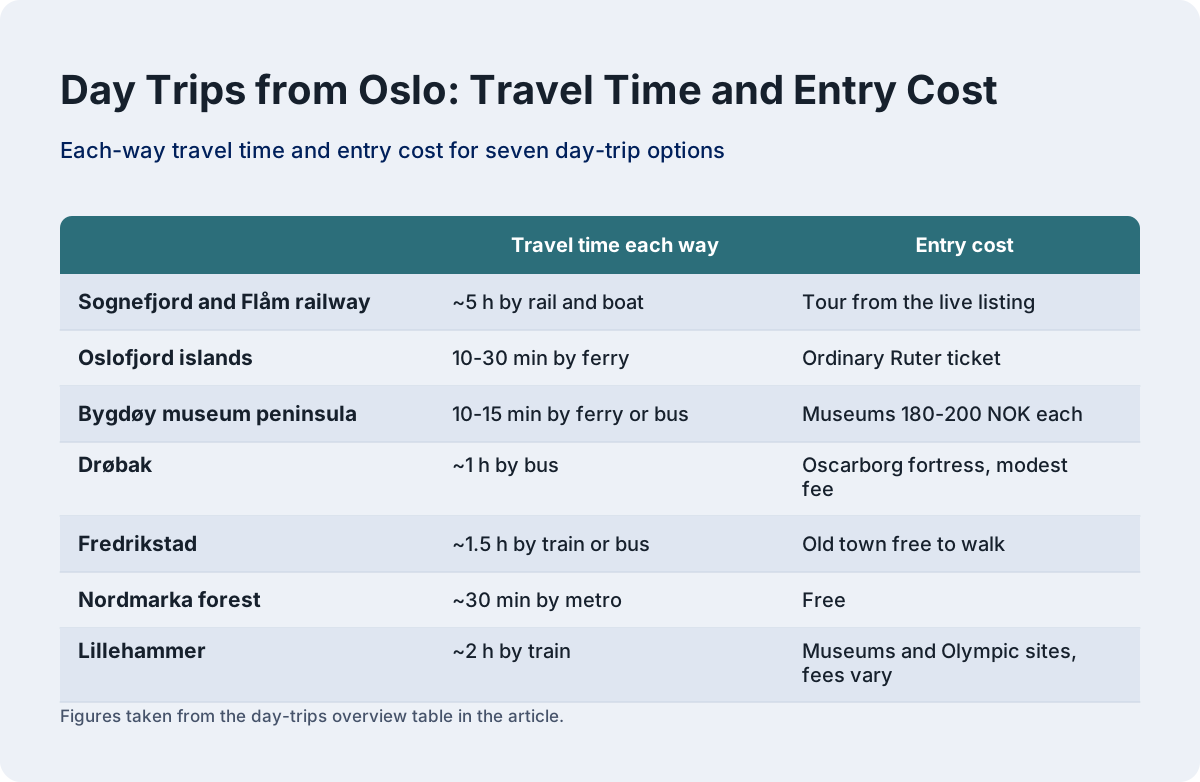
Here is the whole field at a glance, with realistic door-to-door times and what each trip costs at the entry level.
| Day trip | Direction | Travel time each way | Entry cost | Best for |
|---|---|---|---|---|
| Sognefjord and Flåm railway | Northwest | ~5 h by rail and boat | Tour from the live listing | The full Norwegian fjord day |
| Oslofjord islands (Hovedøya, Langøyene) | South, in the fjord | 10-30 min by ferry | Ordinary Ruter ticket | Swimming, ruins, free nature |
| Bygdøy museum peninsula | West, in the fjord | 10-15 min by ferry or bus | Museums 180-200 NOK each | A dense museum half-day |
| Drøbak | South on the fjord | ~1 h by bus | Oscarborg fortress, modest fee | A small wooden-house town |
| Fredrikstad | South, near the border | ~1.5 h by train or bus | Old town free to walk | Norway's best-preserved fortress town |
| Nordmarka forest | North | ~30 min by metro | Free | Hiking and cross-country trails |
| Lillehammer | North, inland | ~2 h by train | Museums and Olympic sites, fees vary | A full inland town day |
Two of those rows deserve their own sections below, and two of them barely count as day trips at all, which is exactly their charm. The islands and Nordmarka are so close that locals use them on weekday evenings, and that local scale is the thing most visitors miss.
Can You Do a Real Fjord Day Trip from Oslo?
Yes, but only one fits in a single day: the Sognefjord and Flåm railway circuit, a round trip of about fifteen and a half hours that takes in one of Norway's longest fjords and its most famous mountain railway. It is a long, committed day with an early start, and it is the only trip from Oslo that delivers the classic deep-fjord scenery people picture when they book Norway.
The route runs from Oslo by train to the mountains, down the Flåm railway to the Aurlandsfjord, a branch of the Sognefjord, and back across the high country to the capital. The booked version is the Sognefjord and Flåm railway round trip, a private full-day tour that handles the train connections, the fjord cruise legs and the timing in one package. Doing the same circuit independently is possible with rail tickets bought separately, but the connections are tight and the day is long enough that a missed link is a real risk, not a theoretical one.
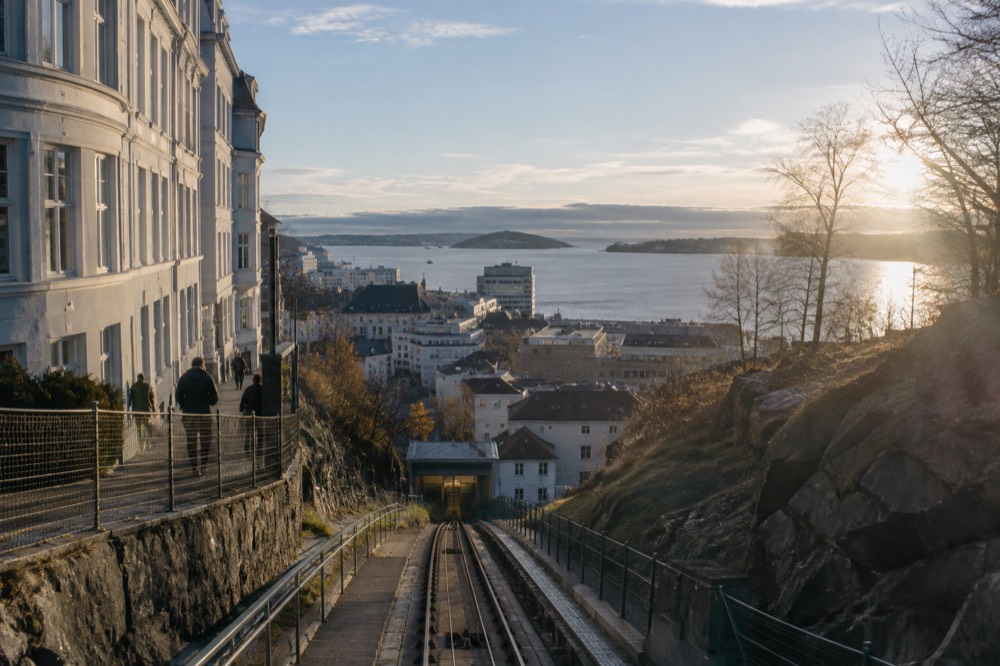
The trade-off is honest and worth stating plainly: you spend the whole day traveling for a few concentrated hours of fjord and valley scenery. Travelers who want the fjord experience without the fifteen-hour day have a genuinely good alternative inside Oslo itself. The Oslofjord cruise guide compares the city's own boat trips, from a ninety-minute silent electric cruise to a full-day five-island tour, and for many visitors a half-day on the inner fjord plus an evening in the city beats a marathon day northwest.
For the full picture on the classic circuit, our Norway in a Nutshell guide breaks the route down stage by stage, and the Flåm railway guide covers the mountain line itself.
The trio above is the practical shortlist for the fjord question. The Sognefjord trip is the full-day expedition, the island-hopping tour is the ferry-and-foot version that stays inside the Oslofjord, and the silent electric cruise is the ninety-minute sampler for a day when you also want museum time. Choosing between them is mostly a question of how much of your day the water is allowed to take.
If the full fjord day is what you came for, the private round trip is the one to check first, since it is the only version where every connection is somebody else's problem.
One planning note that matters more than any packing list: the Sognefjord day starts early and ends late, and in midsummer that works in your favor, with the sun setting after 22:00. In winter the same trip runs largely in darkness at either end, and the deep-fjord legs are short-daylight legs too. The Oslo daylight hours guide has the month-by-month numbers, and they should shape which trips you book for which dates.
Which Day Trips Need No Booking at All?
The Oslofjord islands, Bygdøy, Nordmarka and the coastal towns of Drøbak and Fredrikstad all work on ordinary public transport, bought on the day, with no tour, no reservation and no minimum spend. The island ferries B1 and B2 are Ruter lines, so a normal zone 1 ticket covers the crossing, and bus 30 runs to Bygdøy year-round on the same ticket.
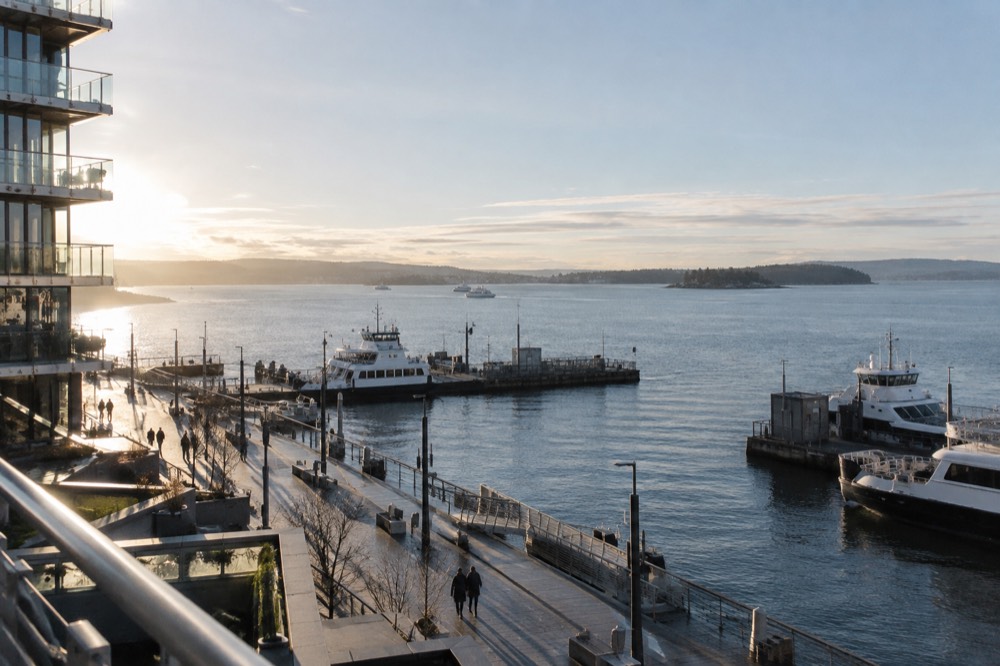
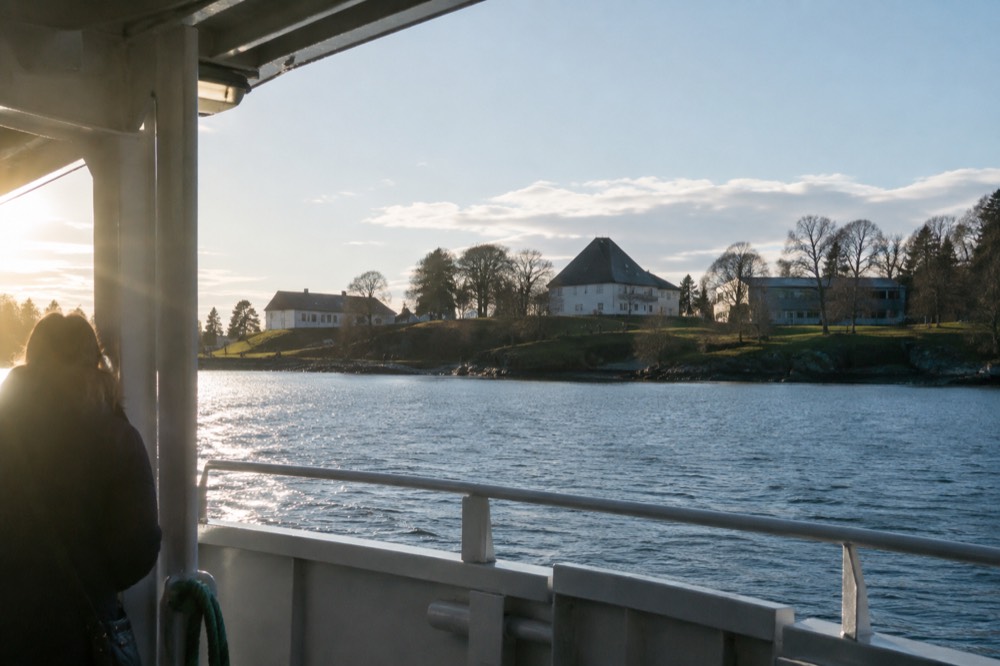
The islands are the standout. Lines B1 and B2 leave from the Aker brygge pier area and stop at Hovedøya with its ruined Cistercian abbey, at Gressholmen and Bleikøya, and in summer at Langøyene, the swimming and camping island at the fjord's mouth. An ordinary Ruter ticket covers every crossing with no surcharge, and the Oslo islands guide covers the individual characters of each one, from Hovedøya to Langøyene. Check the seasonal timetable before you commit: the summer schedule runs to the end of August, the autumn schedule into October, and the B2 line to Langøyene is a summer-only service.
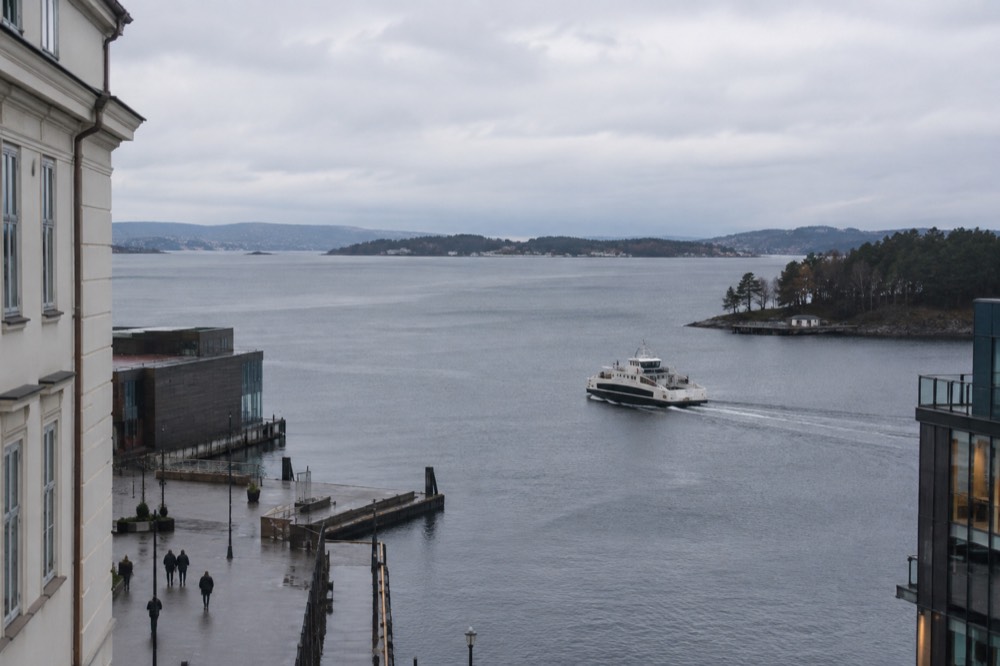
Bygdøy is the other no-booking classic, with a wrinkle most guides get wrong. The museum ferry from Rådhusbrygge 3 runs only from mid-March to early October, and Ruter tickets are not valid on it, though the Oslo Pass covers it. The island ferries are the opposite: Ruter lines from Aker brygge. Two different systems, two different piers, two different ticket rules, and mixing them up is the most common transport mistake in the city. Out of ferry season, bus 30 runs to the museums year-round. The Bygdøy guide has the full breakdown, and the Oslo ferries guide covers both systems side by side.
If you would rather have the island day led than self-directed, the ferry-and-foot island hopping tour is the bookable version of exactly this trip, with a guide and the walking legs planned for you.
Whether you go led or on your own, the islands and the peninsula make a natural pairing with the fjord expedition above, and some visitors use the quiet days to recover from the long ones. That recovery logic is also why the private Sognefjord circuit is worth its price for many travelers: it concentrates the one unmissable fjord day into a single, well-managed block instead of leaving you to rebuild it from timetables on a tired morning.
Drøbak and Fredrikstad round out the no-booking group. Drøbak is a small wooden-house town on the fjord's western shore about an hour south by bus, home to the Oscarborg fortress that sank a German warship in 1940. Fredrikstad, roughly ninety minutes away by train or bus, has the best-preserved fortified old town in Scandinavia, a star-shaped grid of cobbled streets you can walk in an afternoon. Both are covered in detail in the Drøbak guide and the Fredrikstad guide, and neither needs anything from you but a ticket and a free day.
What Can You Reach by Train from Oslo in a Day?
By train you can reach Lillehammer to the north in about two hours, Fredrikstad and the Swedish border towns to the south in under two, Gothenburg in under four, and the mountain junctions of the Flåm route in three to five. The long-distance lines are run by Vy, and the airport and local trains integrate with Ruter's zone system, which is the detail that saves money on the shorter legs.
The sleeper fact here is the airport-train mechanics, because they generalize. Vy's local trains to and from Gardermoen are ordinary Ruter-zone trains: a Ruter ticket covering zone 1 through zone 4N is valid on them, and the Oslo Pass covers them outright. Flytoget, the dedicated airport express at 268 NOK one way, is a separate company and is not covered by either. The same logic, ordinary zonal tickets on mainline trains, applies to several short day-trip legs out of the capital. The Flytoget vs Vy guide and the Ruter tickets guide cover the mechanics in full.

For the inland day trips, the practical shortlist looks like this.
| Train day trip | Line | Rough time each way | What the day holds |
|---|---|---|---|
| Lillehammer | Vy north | ~2 h | Olympic sites, Maihaugen museum town, lake walks |
| Fredrikstad | Vy south | ~1.5 h | Fortress old town, riverside galleries |
| Gothenburg (Sweden) | Vy cross-border | ~3.5-4 h | A full Swedish city day, needs an early start |
| Flåm route junctions | Vy mountain line | 3-5 h | The Sognefjord day trip's rail stages |
| Oslo to Bergen legs | Bergensbanen | Day trip not realistic | See the Oslo to Bergen train guide |
The Bergen line deserves a flag of its own: it is one of the great rail journeys in Europe, but it is not a day trip from Oslo, and trying to make it one is the single most common itinerary error in the city. Treat it as a transfer day between two cities, and see the Oslo to Bergen train guide for the planning. The Stockholm line is similar, and the Oslo to Stockholm train guide covers when the rail day is worth it versus flying.
Which Day Trips Work in Winter?
In winter the fjord islands stay reachable on the year-round B1 ferry, Nordmarka turns into a groomed cross-country ski network reached by metro, and the torchlit forest walk and guided snowshoeing tours become the signature booked day trips. The Sognefjord circuit runs but in short daylight, and Drøbak and Fredrikstad are quiet, cold and perfectly walkable.
Nordmarka is the winter headline. The forest north of the city is groomed for cross-country skiing by Skiforeningen, and the trailheads sit at the top of metro line 1, so a ski morning costs a zone 1 ticket and whatever rental gear you need. The Nordmarka guide and the skiing near Oslo guide cover the trails, and the Oslo in winter guide frames the whole season.
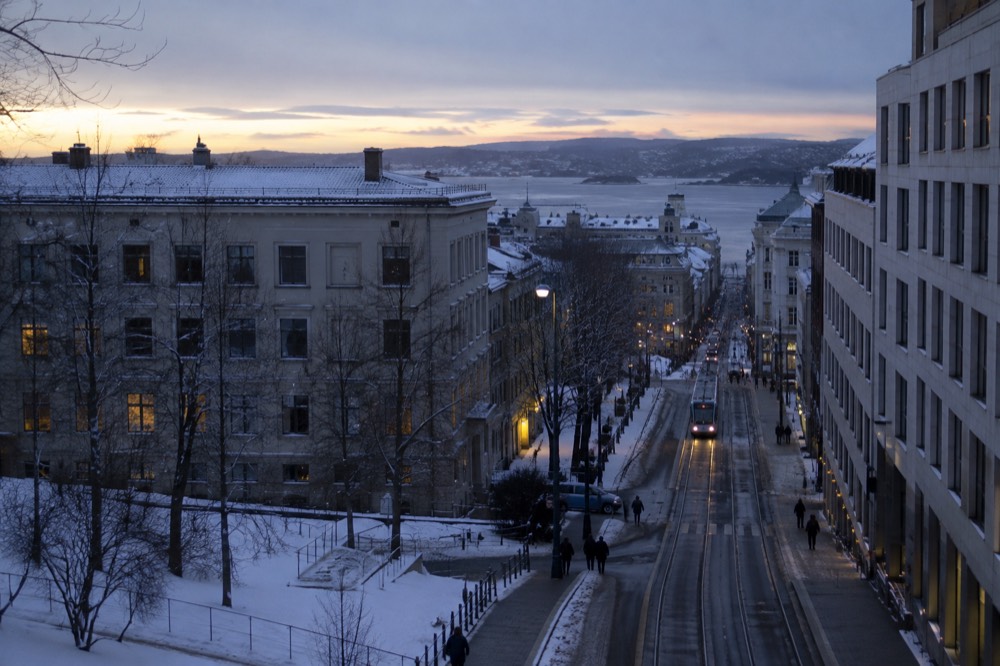
The booked winter experiences are genuinely Oslo-specific rather than generic cold-weather product. The torchlit forest walk with a campfire runs three and a half hours inside the city limits, and guided snowshoeing in Nordmarka covers the same forest for visitors without ski legs. There is even a learn-to-ski half-day, the kind of product that only makes sense in a capital with a metro line to a ski hill. Between them, the Oslo winter day trips guide maps which of these fit a short winter break.
One thing you should not book from Oslo in any season: a northern lights tour. None exists on any platform this site covers, because Oslo at 59.9 N sits well south of the auroral zone, and a sighting here needs a strong geomagnetic storm, a clear sky and a dark spot, a combination that arrives a handful of times a year. The honest position is in the northern lights in Oslo guide: if the aurora is the goal, Tromsø is a separate trip, and the Oslo to Tromsø guide covers how to build it.
How Much Do Day Trips from Oslo Cost?
A no-booking day on the islands or in Nordmarka costs little beyond a transport ticket and lunch, a museum day on Bygdøy runs roughly 560 NOK in admissions across three museums, and the booked day trips run from the mid-forties in dollars for a ninety-minute fjord cruise to over a thousand for the private Sognefjord circuit. The Oslo Pass changes the Bygdøy maths: three museums plus transport comes close to the 580 NOK 24-hour pass price on its own.
The pass arithmetic is worth doing out loud. Kon-Tiki and the Fram Museum each charge 180 NOK at the door, and Norsk Folkemuseum charges 200 NOK, so three museum entries total 560 NOK before you have traveled anywhere. The 24-hour adult pass at 580 NOK covers all three, the transport in zones 1 through 4N, the Bygdøy ferry in season and the island ferries, so a dense museum day effectively makes the pass free. The Oslo Pass guide and the is the Oslo Pass worth it guide run the full break-even tables.
| Day-trip budget item | Typical cost | Notes |
|---|---|---|
| Ruter zone 1 ticket | Price shown in the Ruter app | Covers island ferries, bus 30, metro to Nordmarka |
| Oslo Pass, 24 h adult | 580 NOK | 30+ museums, zones 1-4N, Vy airport trains |
| Oslo Pass, 72 h adult | 995 NOK | Worth it only on dense itineraries |
| Kon-Tiki Museum | 180 NOK | Family ticket 400 NOK |
| Fram Museum | 180 NOK | Combination ticket with Kon-Tiki 325 NOK |
| Norsk Folkemuseum | 200 NOK | Children 0-17 free |
| Bygdøy ferry, one way | ~70 NOK | Oslo Pass valid, Ruter tickets not |
| Booked fjord cruise, 90 min | From the live listing | Silent electric boat with audio guide |
| Sognefjord private round trip | From the live listing | Full day, all connections handled |
The pattern across the whole table is consistent with how Oslo's costs actually break down, which the is Oslo expensive guide covers in depth: transport, museums and the outdoors are close to normal European prices, while restaurant meals and anything alcoholic are where the budget bleeds. A day trip with a thermos and a packed lunch is the cheapest day in Norway; the same day with two café stops and a beer can cost as much as a museum pass.
How Do You Choose Between the Fjord Options?
Choose the Sognefjord circuit if the deep fjord is the reason you booked Norway, choose the island-hopping tour if you want nature and swimming inside a half-day, and choose the ninety-minute electric cruise if you want the water without giving up your museum day. The three are not competitors so much as three different sizes of the same idea, and the honest chooser is your remaining daylight and your legs.
The ninety-minute silent electric cruise is the default first boat for most visitors: it is Oslo's single best-reviewed activity on any platform, it runs from the city-center piers, and it leaves your afternoon intact. The guided premium version doubles the time on the water for visitors who want commentary rather than an audio guide. The island-hopping tour is the ferry-and-foot option, three hours and change of walking and crossing that no other Norwegian city can replicate, because no other capital has a swimming-and-camping island archipelago on an ordinary bus ticket.
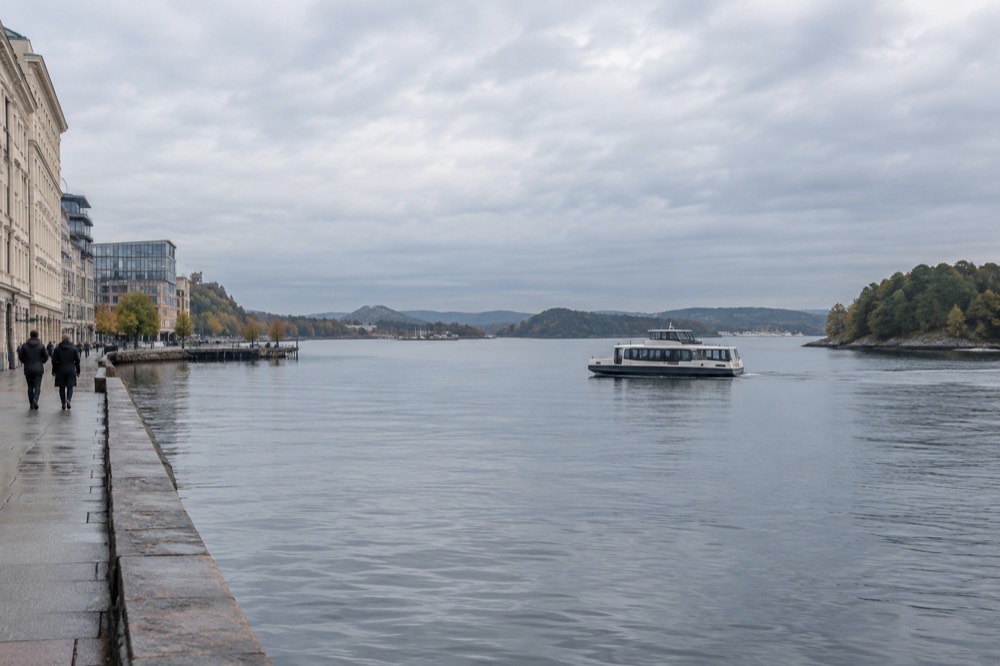
For a longer comparison of every boat in the harbor, including the wooden sailing ship and the shrimp-buffet evening cruise, the Oslofjord cruise guide is the complete decision page. If you have already decided that a short cruise is the right size, the electric boat is the one to check.
One last framing thought before the shortlist. The whole of this page rests on a fact that is easy to state and easy to forget: Oslo is a capital where the fjord, the forest and the islands sit on the ordinary transport network, the same tickets commuters use. That is the editorial spine of everything on Oslo Travel Guide, and it is why a day trip here can cost the price of a bus ticket or the price of a private fjord expedition, with a dozen honest steps in between.
Common Questions About Day Trips from Oslo
What is the best day trip from Oslo?
The Sognefjord and Flåm railway round trip is the best single day trip from Oslo if you want classic Norwegian fjord scenery, at the cost of a full fifteen-and-a-half-hour day. For a shorter day, the Oslofjord islands on the public B1 ferry and the Bygdøy museum peninsula are the strongest half-day options, and both cost almost nothing beyond a transport ticket.
Can you visit a fjord from Oslo in one day?
Yes. The Sognefjord circuit reaches the Aurlandsfjord, a branch of one of Norway's longest fjords, and returns to Oslo the same evening. Inside the city itself, the Oslofjord is a working fjord you can be out on within twenty minutes of your hotel, on everything from a ninety-minute electric cruise to a full-day five-island boat tour.
Do the Oslofjord island ferries cost extra?
No. The island ferries B1, B1X and B2 are ordinary Ruter lines, so a standard zone 1 ticket covers the crossing with no surcharge. The Bygdøy museum ferry is a different system entirely: Ruter tickets are not valid on it, though the Oslo Pass is, and it runs only from mid-March to early October from Rådhusbrygge 3.
Is the Oslo to Bergen train a day trip?
No. The Bergen line takes roughly seven hours each way and is one of Europe's great rail journeys, but it belongs in an itinerary as a transfer day between the two cities, not as a round trip from Oslo. If you want a rail day trip, Lillehammer to the north or Fredrikstad to the south both fit comfortably inside a day.
Are there northern lights tours from Oslo?
No, and none exists on any booking platform this site covers. Oslo sits at 59.9 degrees north, well south of the auroral zone, and a sighting here requires a strong geomagnetic storm, a clear sky and a dark spot away from the city. If the aurora is your goal, Tromsø is a separate trip, and it is worth planning as one.
Do I need a car for day trips from Oslo?
No. Every trip in this guide runs on trains, ferries, buses or the metro, and the day-trips-without-a-car guide covers the same field for visitors who never get behind a wheel. A car helps only for the smaller inland villages off the rail lines, and even there the train-plus-bus combinations usually work.