Oslo Car Rental: When to Hire, When to Skip, and What It Costs
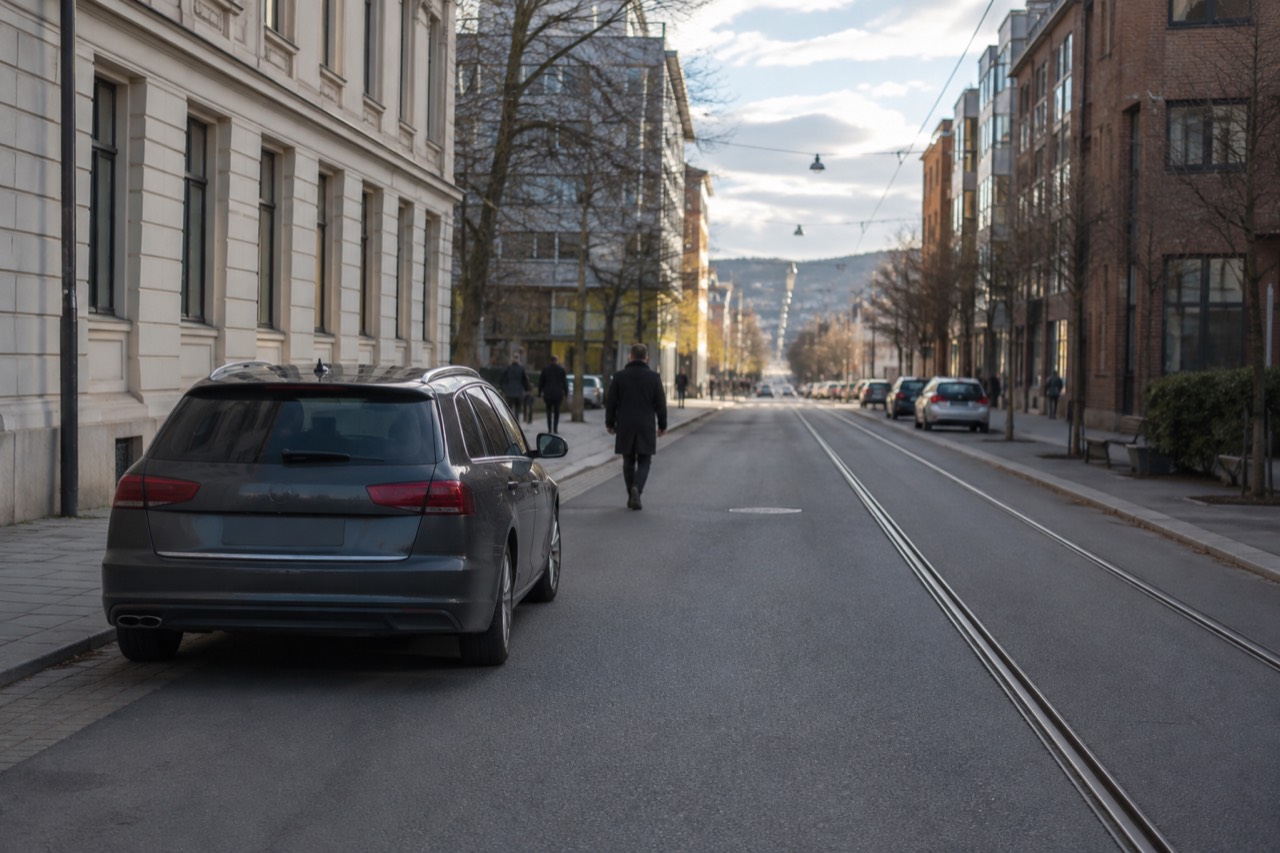
Most visitors to Oslo never need a car. The city runs on a metro, tram and ferry network that reaches the museums, the islands and the forest edge, and the airport train lands you downtown in twenty minutes. A rental car earns its keep only for a handful of regional day trips, and this guide separates the two cases honestly, with the real costs of each.
Short answer
Skip the car if you are staying inside Oslo: a 24-hour Oslo Pass is 580 NOK and covers over 30 museums plus Ruter transport in zones 1 through 4N, including the Vy airport train. Hire one only for regional day trips such as Drøbak, Fredrikstad or Hadeland Glassverk, where public transport runs thin and the driving is the point.
Do You Even Need a Rental Car in Oslo?
For the city itself, almost never, and the reason is structural rather than a matter of taste. Oslo's entire metro network sits inside Ruter zone 1, the trams thread the center, the Bygdøy museums are served year-round by bus 30, and the Oslofjord island ferries ride on an ordinary Ruter ticket from Aker brygge. Add a walkable core between Karl Johans gate, Aker Brygge and Grünerløkka, and a car becomes a liability: you pay for it hourly while it sits in a paid bay. The honest answer is that a rental car in Oslo is a regional tool, not a city one.
The question that actually matters is what you plan to do after Oslo. If your itinerary is the city plus maybe a fjord cruise, you can do the whole thing on foot, tram and boat. Our getting around Oslo guide breaks down every ticket type, and the one day in Oslo itinerary runs entirely without a car. Even the airport transfer is a solved problem: the airport to city centre guide compares the trains, coaches and taxis in detail.
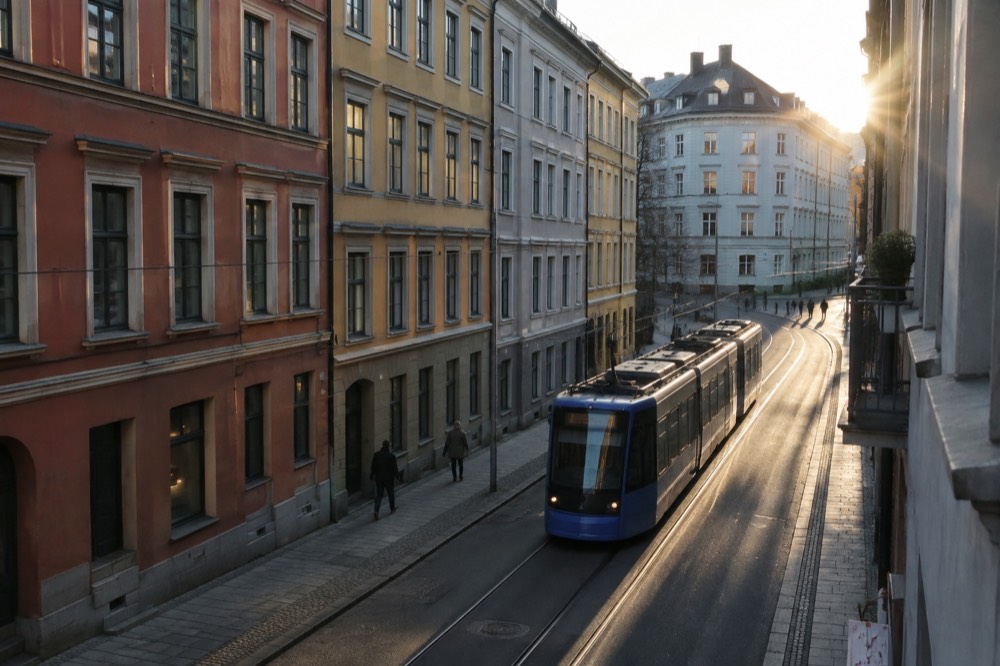
There is a real exception, and it is worth naming early. Travelers with mobility needs, families hauling small children and winter kit, or anyone planning three or more regional stops in one day genuinely benefit from a car. For everyone else, the money is better spent on the pass, the trains and one or two good tours. Norway's transport is expensive by European standards, but it is dense, punctual and, in the capital, unusually complete.
What an Oslo Car Rental Actually Costs to Run
The daily rate is the small part of the bill, and the running stack behind it is where budgets actually sink. Oslo's toll ring charges every entry by plate, city-center parking is among the costliest line items in a Norwegian trip, and fuel sits behind Europe's high tax wall. Statistics Norway's 2025 price-level survey puts Norwegian household prices 28.6 percent above the EU average, with food 33 percent above and alcohol and tobacco more than double the European mean. A car does not escape those numbers, it concentrates them.
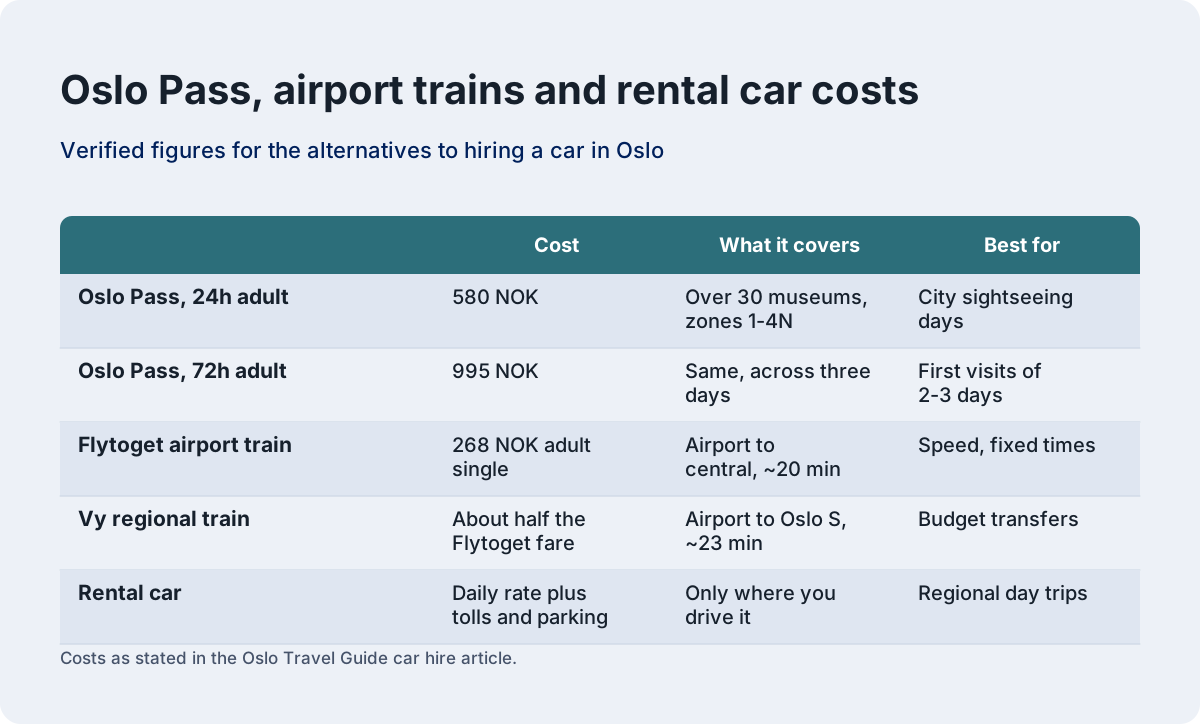
The comparison below uses verified figures for the alternatives, because that is where a rental decision is really made. The airport trains alone show the spread: Flytoget charges 268 NOK adult one-way, while Vy's ordinary trains cover the same run in roughly 23 minutes for about half that, and the Oslo Pass includes the Vy airport train outright but never Flytoget. That asymmetry, transport included versus transport excluded, is the pattern to watch across every option in the table.
| Option | What it costs | What it covers | Best for |
|---|---|---|---|
| Oslo Pass, 24h adult | 580 NOK | Over 30 museums, Ruter zones 1–4N, Vy airport trains, Bygdøy ferry | City sightseeing days |
| Oslo Pass, 72h adult | 995 NOK | Same, across three days | First visits of 2–3 days |
| Flytoget airport train | 268 NOK adult single | Airport to central stations, ~20 min | Speed, fixed times |
| Vy regional train | About half the Flytoget fare | Airport to Oslo S, ~23 min | Budget transfers |
| Rental car | Daily rate plus tolls, fuel, parking | Only where you drive it | Regional day trips |
Tolls and parking deserve a plain sentence each, because they surprise people. Oslo charges a toll ring on vehicles entering the city, registered automatically by plate, with the invoice following the rental company back to you, usually with an admin fee attached. City parking is metered, zone-priced and enforced, and free street parking in the center is effectively nonexistent. If a hotel advertises parking, check whether it is included or billed per night, because that line alone can exceed the rental rate.
Where to Pick Up a Rental Car in Oslo
You have two realistic pickup points, Gardermoen airport or the city center, and the right one depends on the shape of your trip. The airport desks sit inside the terminal complex at Oslo Lufthavn, 50 km from town, which suits arrivals who want the car from minute one, especially for itineraries heading straight to the regions. City-center desks cluster around the station area and suit travelers who arrive by train, spend days in Oslo car-free, and only then collect a car for the regional leg. That order, city first and car second, is usually the cheaper and calmer sequence.
The airport decision has its own money trap, and it is the same one from the table above. Flytoget is the fastest way into town but it is a private operator at 268 NOK adult one-way, while Vy's trains make the same run in about 23 minutes and the Oslo Pass covers them, including the airport leg. The Flytoget versus Vy guide works through the trade-off in full, and the Oslo airport guide covers the terminal layout, including where the rental desks and the train platforms sit relative to each other.

One practical note on timing: collect the car the afternoon before a big driving day, not the morning of it. Norwegian rental desks close early on weekends, the airport is a 23-minute train ride from the center even when everything runs, and a morning collection eats the quietest driving hours of the day. Returning is the mirror image: drop the night before an early flight and take the train in, rather than gambling a departure on a 50 km road at dawn.
Driving in Oslo: Rules, Tolls and Parking
Norwegian driving rules are strict, sober and lit, and the differences from American defaults are worth learning before you collect the keys. Headlights must be on at all times, in every season, on every road. The drink-driving limit sits far below most of Europe, so the workable rule for a visitor is simply none before driving, full stop. Speed limits are posted, enforced by cameras, and lower than most Americans expect. Inside Oslo itself, expect bus lanes you must never enter, tram priority at every junction, and cyclists with legal right of way in a city that takes cycling seriously.
The table below is the short version of what actually changes behind the wheel here. None of it is exotic, but several items catch visitors from countries where the defaults run the other way, and the fines are not small. Treat it as a pre-drive checklist rather than a legal reference, and check the road authority's current rules before you travel. Other pages covering the same trip are gathered on Oslo Travel Guide.
| Rule | What it means for you |
|---|---|
| Headlights always on | Automatic in most cars; do not disable, even in summer daylight |
| Very low drink-drive limit | Zero alcohol before driving is the only safe planning rule |
| Bus lanes | Never enter, even briefly to pass; cameras are common |
| Tram priority | Trams are bigger than you and have precedence; check mirrors at junctions |
| Toll ring | Plate-registered charges on city entry, billed via the rental company |
| Paid parking | Zoned meters, strict enforcement, near-zero free street parking centrally |
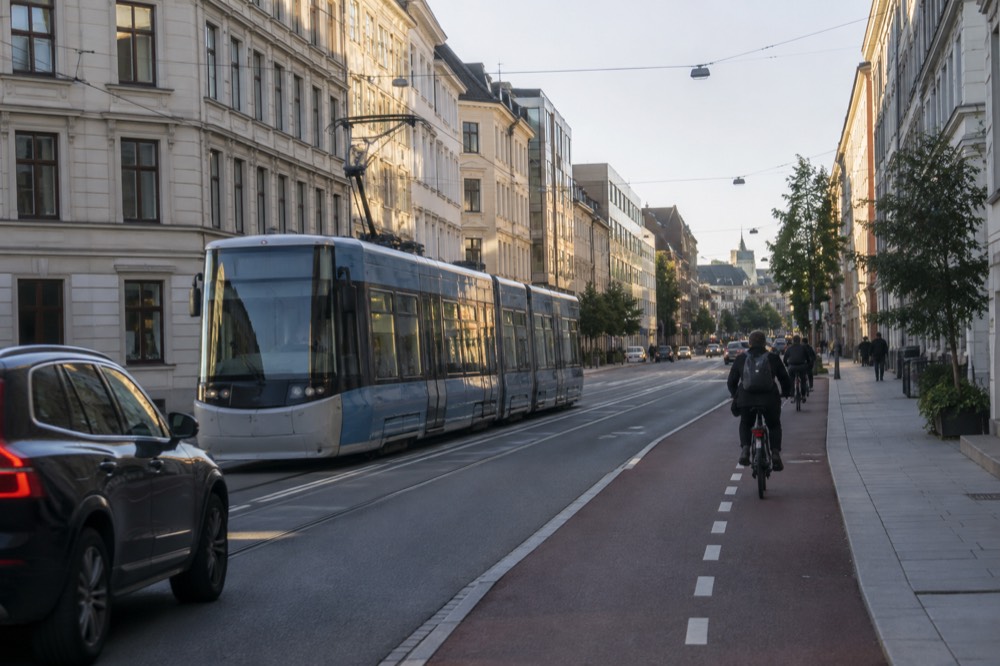
Parking strategy matters more than parking luck. The reliable pattern is to book accommodation with parking included on its own terms, or to use a structured car park at the edge of the center and walk, tram or metro from there, since the whole metro network is inside zone 1. If you are day-tripping out and back, the cheapest day is often the one where the car never enters the toll ring at all: leave early, drive the region, return in the evening, and let the hotel's arrangement handle the night.
Winter Driving Around Oslo: What Changes
Between roughly October and Easter, a winter car is not optional, it is the whole plan, and the season rewrites both the equipment and the schedule. Rental fleets in Norway switch to winter tires in the cold months, and you should confirm that in writing at booking, because a summer-tired car on Norwegian winter roads is both dangerous and, in the wrong conditions, a legal problem. Daylight compresses hard: on 21 December Oslo gets 5 hours 53 minutes of light, with sunrise at 09:18 and sunset at 15:11, so plan driving inside the bright window and treat the rest of the day as city time. There is no midnight sun effect here in winter any more than in summer; what there is, is dark.
The upside is that winter is when a car is most tempting and often most justified. The Oslo in winter guide covers the city season, and the skiing near Oslo guide and Nordmarka guide cover the forest trails, which are groomed and reported live by Skiforeningen. Metro line 1 reaches Frognerseteren at the forest edge without a car at all, which is worth knowing before you assume the skis require one. The honest split: skiing inside Nordmarka does not need a car, skiing across several regional resorts in a week does.
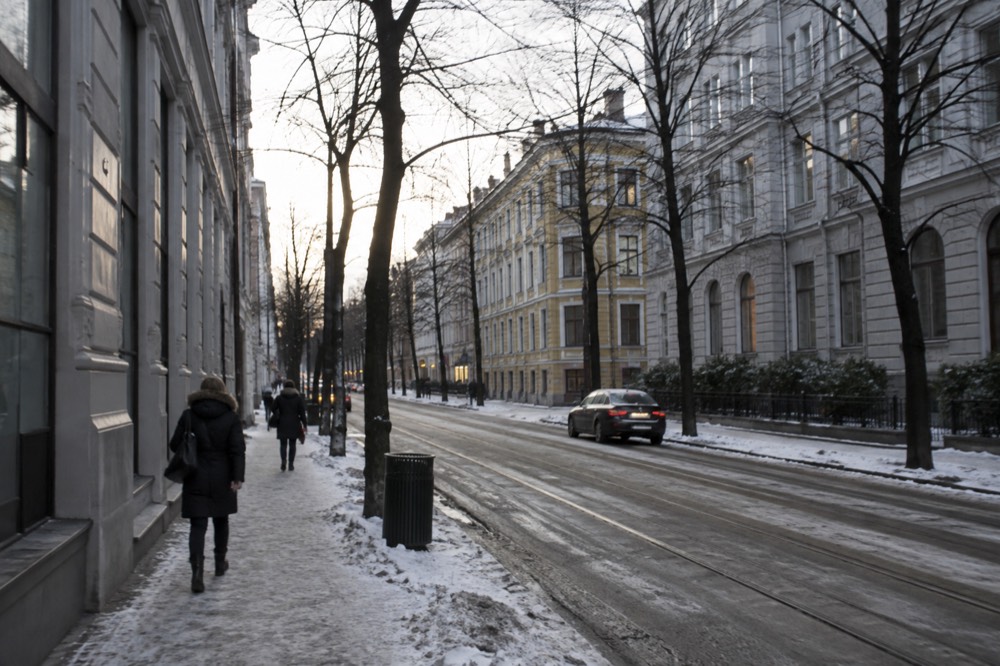
Two winter specifics to carry. Studded tires carry their own fee schedule in Oslo, aimed at cutting airborne dust, and that fee flows through the rental invoice like the tolls do, so ask the desk how it is handled. And mountain weather moves faster than the forecast app suggests; check yr.no, which is MET Norway's own service, the same source the country's official normals come from, before any drive out of the bowl the city sits in. If the forecast turns, the trains and the winter day trips without a car guide are the fallback that keeps the day alive.
The Day Trips Where a Car Genuinely Wins
A car wins where the public network thins out and the stops stack up, and that describes the coastal and inland loops south and west of the city better than anywhere else within reach. Drøbak along the fjord, Fredrikstad's old fortified town, Hadeland Glassverk's glassworks, and the long run toward Gothenburg all reward a set of wheels, because they combine into rounds that no single train ticket serves well. A car adds the ability to leave the main road, stop where the fjord or the forest looks right, and set your own clock. That is the entire case for the rental, and it is a real one. The day trips from Oslo guide is the full catalogue, with and without a car.
The table pairs each drive with its dedicated guide, which carries the detail this page deliberately does not duplicate. Read it as a shortlist rather than a schedule: two of these in one day is a full day, and three is a mistake, because Norwegian distances read short on the map and run long on the road.
| Day trip | Why a car helps | Full guide |
|---|---|---|
| Drøbak | Coastal road stops and bays that buses pass by | Drøbak day trip guide |
| Fredrikstad | Old town plus surrounding coast in one loop | Fredrikstad guide |
| Hadeland Glassverk | Inland route with lake and forest stops en route | Hadeland Glassverk guide |
| Gothenburg | Border run where a car beats fixed train times | Oslo to Gothenburg guide |
| Regional hiking | Trailheads beyond the metro's reach | Hiking near Oslo guide |
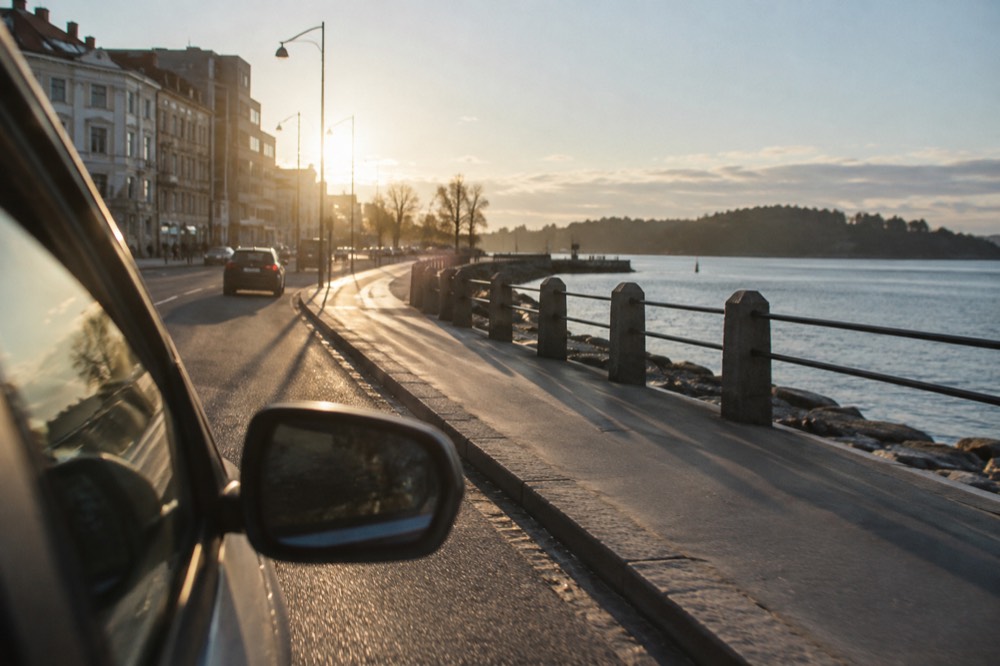
One trip deserves the opposite advice. The classic fjord-sightseeing run inside the Oslofjord is better by boat than by any road, because the shoreline is the view and the roads sit behind it. The silent electric fjord cruise with audio commentary is the city's single best-reviewed activity, and it covers the inner fjord without a single toll, parking bay or winter tire. If the fjord is the reason you were considering a car, take the boat instead and save the wheels for the inland day.
When to Skip the Car: Oslo's Car-Free Wins
Every headline sight in Oslo is reachable without a car, and several are effectively unreachable with one, which flips the usual rental logic on its head. The Bygdøy museum peninsula is the clearest case: bus 30 serves it year-round on an ordinary Ruter ticket, and in season the museum ferry runs from Rådhusbrygge 3, included with the Oslo Pass, though note that ordinary Ruter tickets are not valid on that ferry, it is its own system. The islands make the same point more strongly: the B1 and B2 ferries leave from Aker brygge, ride on a regular Ruter ticket, and reach Hovedøya and Langøyene, none of which a car can touch. The Bygdøy guide lays out the full peninsula plan.
Back on land, Vigeland Park is free and open around the clock, the Opera House roof is a free public walk, and the whole stretch is threaded by trams. The Kon-Tiki Museum and the Fram Museum sit together at Bygdøynes, walkable from the same pier, and a car adds nothing but a parking search to that day. The free things to do in Oslo guide and things to do in Oslo round out the car-free case.
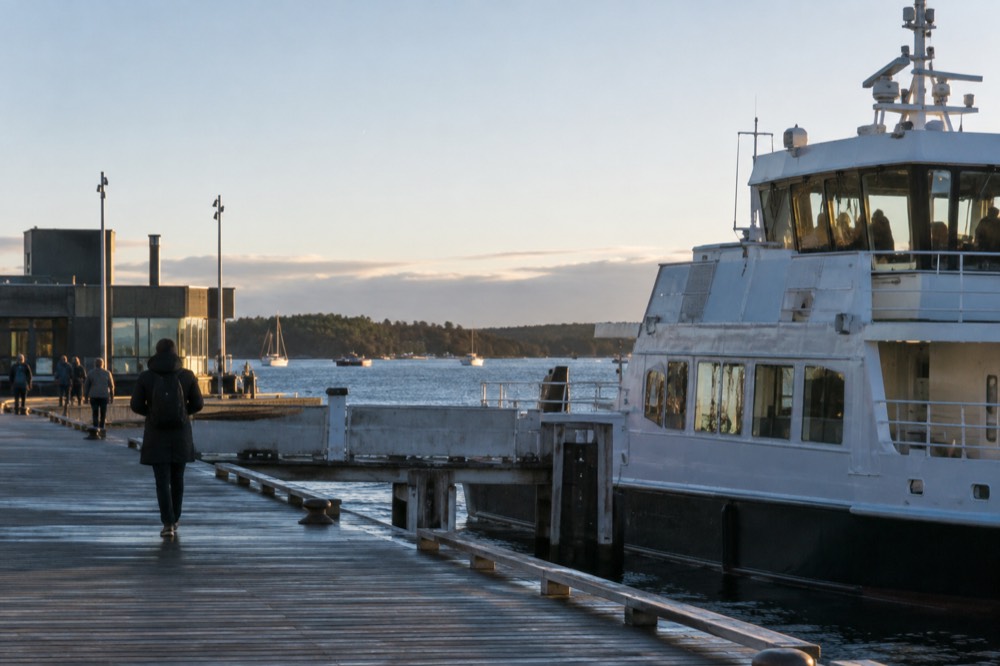
For the Bygdøy museums themselves, a ticket beats a drive too. The Kon-Tiki entry ticket is the best-reviewed museum ticket in the city, and pairing it with the Fram Museum next door makes a half-day that no car could improve, only complicate. This is the pattern to internalize: in Oslo, the bookable products and the public network between them cover almost everything, and the car is the regional exception rather than the rule.
Even eating well does not require wheels. The Grünerløkka neighborhood food walk covers the district's food culture on foot, and Grünerløkka is precisely the kind of dense, tram-served neighborhood where a car would only slow you down. Between that and the city-center food options in the where to eat in Oslo guide, the culinary case for a rental car in this city is close to zero.
The full picture, then, is a two-tool trip. Inside the ring road, the pass, the ferries and your own feet do everything, and the is Oslo expensive guide shows where the money genuinely goes when you let them. Outside it, on the coastal and inland loops, a hired car is not a luxury but the only tool that fits. As the planning desk at Oslo Travel Guide puts it to every reader: buy the car for the map, not for the city.
Common Questions About Car Hire in Oslo
Do I need a car in Oslo as a first-time visitor?
No. The metro, trams, buses and ferries cover every headline sight, the Bygdøy museums are served by bus 30 year-round, and the Oslo Pass bundles over 30 museums with transport in zones 1 through 4N. A car only pays off for regional day trips beyond the network.
Is it easy to drive in Oslo for an American?
The mechanics are easy: automatics are widely available and roads are well signed. The adjustments are behavioral, headlights always on, very strict drink-driving rules, tram priority, bus lanes and camera enforcement, plus a toll ring and scarce central parking that make driving inside the city more trouble than it is worth.
Should I rent a car at Oslo Airport or in the city center?
Collect at the airport if the car is for the regional leg from minute one. Collect in the city if you will spend days in Oslo first, which is usually cheaper and calmer. The airport is 50 km out, so a morning collection before a flight-day drive can eat your best driving hours.
What extra costs come with an Oslo rental car?
Beyond the daily rate: toll-ring charges billed through the rental company with an admin fee, zoned paid parking, high-taxed fuel, and in winter a studded-tire fee where applicable. Ask the desk at pickup how tolls and fees are invoiced so nothing arrives as a surprise months later.
Can I use the Oslo Pass instead of renting a car?
For the city, yes, completely. The pass covers Ruter zones 1 through 4N, including Vy trains to and from Gardermoen, the Bygdøy ferry in season, and the island ferries from Aker brygge. It does not cover Flytoget, and it cannot follow you into the regions, where the car keeps its role.
Is winter driving around Oslo safe for visitors?
Safe, if the car is on winter tires and you respect the daylight. Confirm winter tires in writing at booking, drive inside the bright window, since 21 December offers under six hours of light, and check yr.no before any regional drive. Metro line 1 reaches the Nordmarka forest edge without a car at all.