Drøbak Day Trip from Oslo: The Fjord-Side Town South of the City
Drøbak is the small Oslofjord town that Oslo residents escape to, and it packs a fortress, a Christmas tradition and a waterfront walk into a day trip that needs no car.
Short answer
Drøbak is a small town on the east side of the Oslofjord, reachable from central Oslo in under an hour by bus or boat. Plan on a half-day to a full day: the fortress, the waterfront, the aquarium and the Christmas house are the draws, and the trip pairs naturally with a fjord cruise or island hopping.
Drøbak Day Trip from Oslo: The Fjord-Side Town South of the City
Drøbak is the answer to a question every Oslo visitor eventually asks: what does the Oslofjord actually look like once you leave the city? The waterfront you see from Aker Brygge is the fjord's working edge, and the small town of Drøbak, on the fjord's eastern shore south of the city, is where the water widens, the islands thin out and the shoreline starts to feel genuinely coastal.
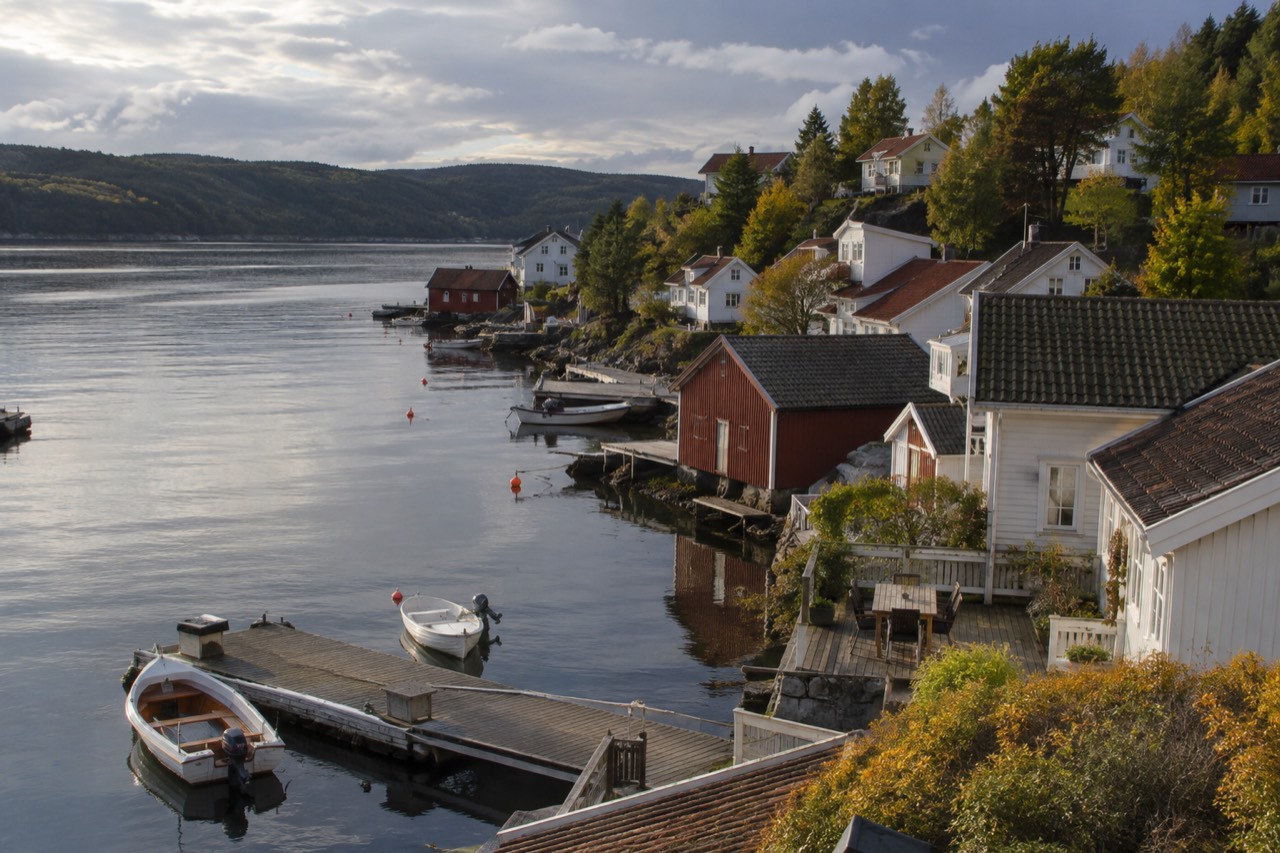
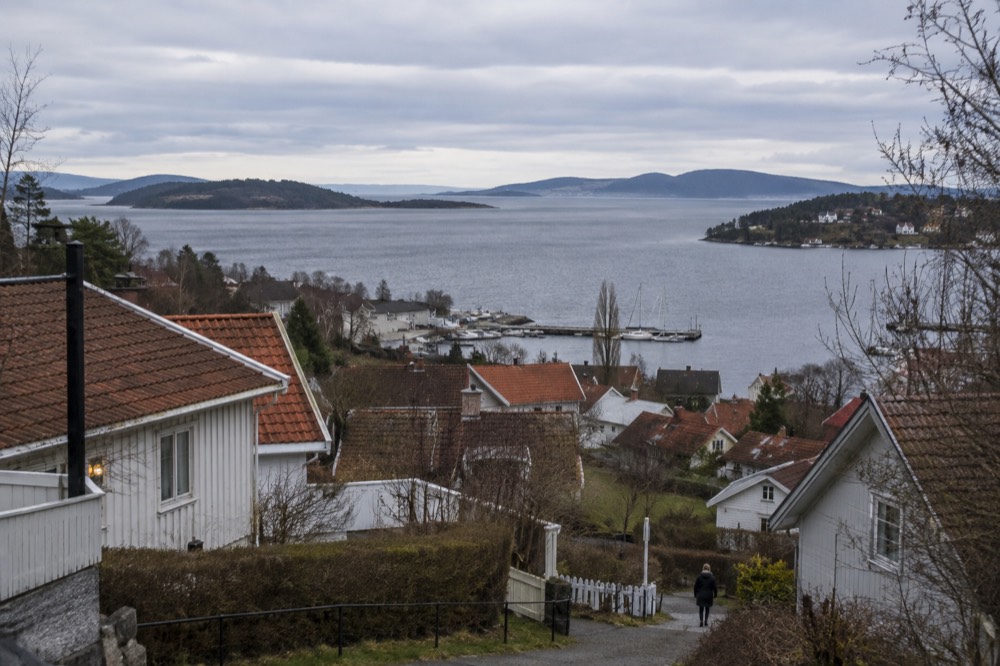
The town is small enough to walk end to end and interesting enough to fill a day. There is a fortress with a wartime story, a modest aquarium, a Christmas tradition that has made the town a year-round destination for Norwegian families, and a harbor-front stretch of wooden houses that photographs well in every season. This guide covers how to get there, what to do, what it costs, and how to decide between Drøbak and the other fjord day trips competing for your time.
What Is Drøbak and Why Make the Trip?
Drøbak is a small fjord-side town on the eastern shore of the Oslofjord, south of Oslo, known for its fortress, its aquarium, its Christmas house and its wooden-town waterfront. It works as a day trip because it delivers the fjord-village feel inside an hour of the capital, without a car, and it combines easily with a boat trip on the water that defines it. Most visitors give it half a day to a full day.
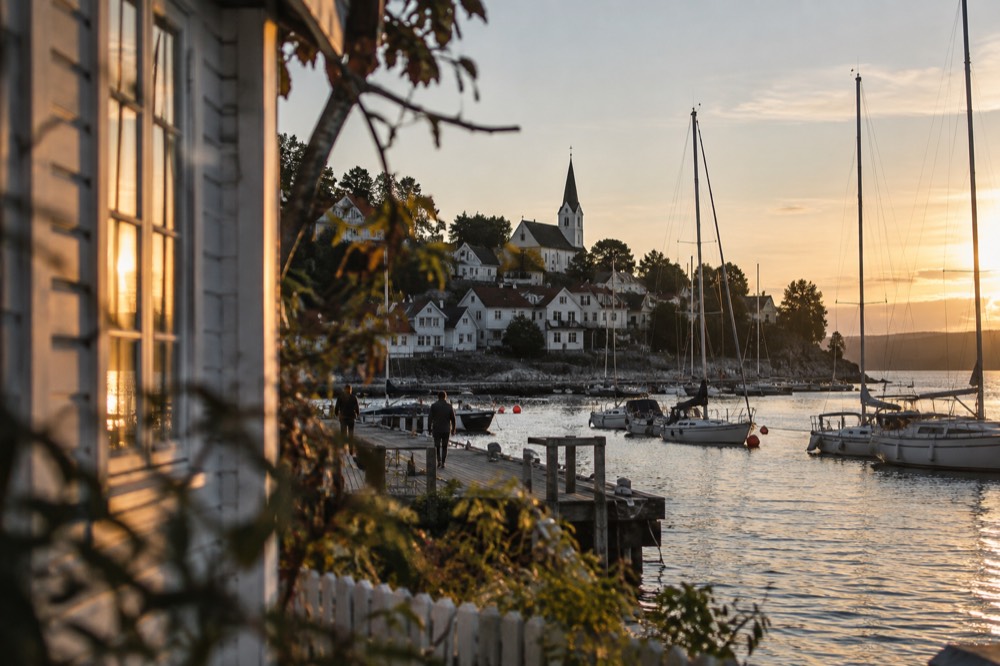
The town's identity is built on three things. The first is the narrowest point of the Oslofjord, which is why the fortress sits where it sits: this stretch of water is the fjord's front door, and the fortress at Drøbak was built to hold it. The second is the sea itself, which shows up in the town's boatyards, its fish smokehouse and its small aquarium. The third is Christmas, which deserves its own explanation and gets one further down the page.
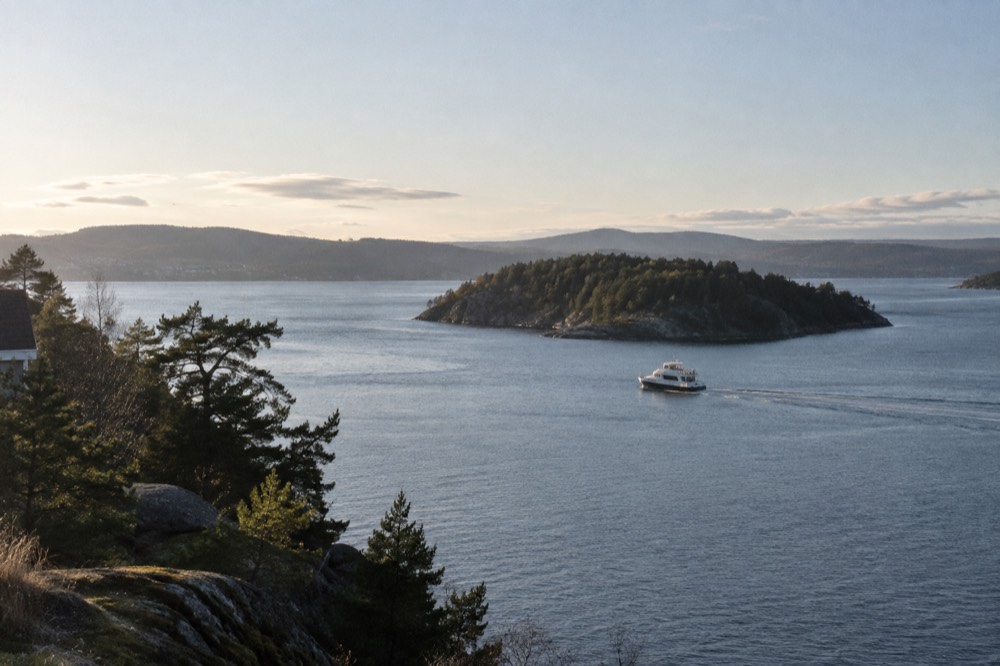
What Drøbak is not is a fjord of cliffs and waterfalls. The Oslofjord is a low, wooded, island-dotted fjord, not the western Norway fjord of postcards. If you want vertical walls of rock, that is a different trip, and the section on choosing between Drøbak and the fjord boats covers the honest comparison, including the full-day option that reaches the Sognefjord. For what it is, a gentle coastal town with a fortress and a harbor, Drøbak delivers more per hour of travel than almost anywhere else within reach of the city.
The town also sits inside the same climate and daylight regime as Oslo, which matters more than visitors expect. The same MET Norway normals that give Oslo a July mean of 17.7 °C and an August rainfall of 103 mm apply here, and the same daylight swing from 5 h 53 m in late December to 18 h 50 m in late June shapes what a day trip can hold. Our page on Oslo weather by month covers the full picture.
How Do You Get to Drøbak from Oslo?
Drøbak is reachable from central Oslo by public bus in under an hour, with frequent departures through the day, and in summer it can also be reached by boat on the Oslofjord. No train serves the town, so the decision is between the bus, which runs year-round, and the seasonal boat, which turns the journey itself into the excursion. A car is unnecessary.
The bus is the practical default. Public buses run south from Oslo through the eastern shore settlements, and the ride is short enough that Drøbak works even as a half-day trip. Buy tickets through the Ruter app before boarding, because on-board purchase costs more, exactly as it does on the city's buses and boats. A single ticket's validity runs 60 minutes for one zone and grows by 30 minutes for each additional zone purchased, so check the zone count in the journey planner rather than counting zones by hand.
The boat is the memorable option, and it is where the two-ferry confusion that trips up most Oslo visitors begins. The public island ferries, lines B1, B1X and B2, are Ruter services that depart from Aker Brygge and ride on an ordinary ticket, with no surcharge. The Bygdøy museum ferry is a different operator entirely, departing from Rådhusbrygge 3 on the other side of the harbor, and Ruter tickets are not valid on it. Drøbak sits beyond both systems' regular range, so a boat trip to the town means an excursion product or a chartered route rather than a commuter ferry.
Before you lock in the transport, a few current facts worth knowing:
If you are weighing a guided boat day against going to Drøbak under your own steam, the honest framing is that they solve different problems. The island-hopping tour covers the Oslofjord's closest islands on foot and by ferry, which Drøbak does not offer, while a bus-and-boat combination product covers the city and the water in one ticket. The selection below shows the three ways this site's readers most often book that decision.
The island-hopping tour deserves a specific mention here because it is the Oslo-specific thing the fjord makes possible and nowhere else in this product set does: ferry-and-foot island hopping across the Oslofjord's islands, which sits at 4.8 across 3,296 reviews and runs 195 minutes. If Drøbak appeals because of the water rather than the town, that tour is the closer fit, and it leaves from the piers you would pass on any Drøbak boat day.
For the return, the same bus runs back toward the city through the evening, and the last departures are late enough that dinner in Drøbak before heading back is a realistic plan. Check the timetable in the Ruter app on the day, because seasonal adjustments shift both the frequency and the last departure, and the app is also where the correct fare for the zones crossed is calculated automatically.
What Should You Actually Do in Drøbak?
The core Drøbak day is the fortress, the aquarium, the Christmas house and the waterfront walk, in roughly that order of fame. The fortress and its museum absorb a couple of hours, the aquarium is small and family-friendly, the Christmas house is the town's signature oddity, and the harbor-front walk ties them together. Add a meal by the water and the day is full.
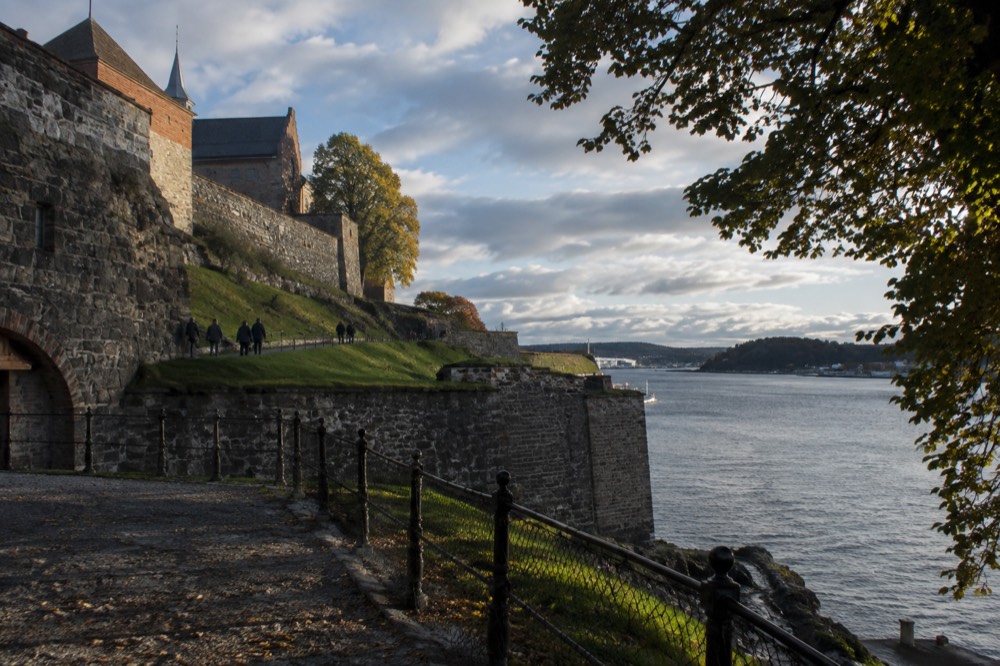
The fortress is the town's serious sight. It sits on the narrowest point of the fjord and is best known for its role during the Second World War, when its guns engaged a German warship in the opening hours of the invasion of Norway. The story is told in the fortress museum, and it is the kind of history that a general city walking tour skips entirely. Oslo has a themed walk covering the occupation years in the capital, rated 5.0 across 81 reviews, which pairs well if the fortress visit leaves you wanting the rest of that story.
The aquarium is small, and that is its charm: it is a local institution focused on the fjord's own life rather than a national-scale collection. Families with children will get an hour out of it, and it makes a good rainy-alternative to the waterfront walk, which is exposed to the weather the fjord serves up. On that subject, our rainy day in Oslo guide covers the indoor options back in the city if the weather closes in on the whole day.
The Christmas house is the odd one. Drøbak has adopted Christmas as a civic identity, with a shop and tradition that runs all year, and Norwegian families make the trip for it regardless of season. In December the whole lean goes festive, and the town is one of the places Oslo residents speak of when they talk about a proper Christmas atmosphere. If you are visiting in December, read our Oslo in December guide for how a Drøbak stop fits the wider city program.
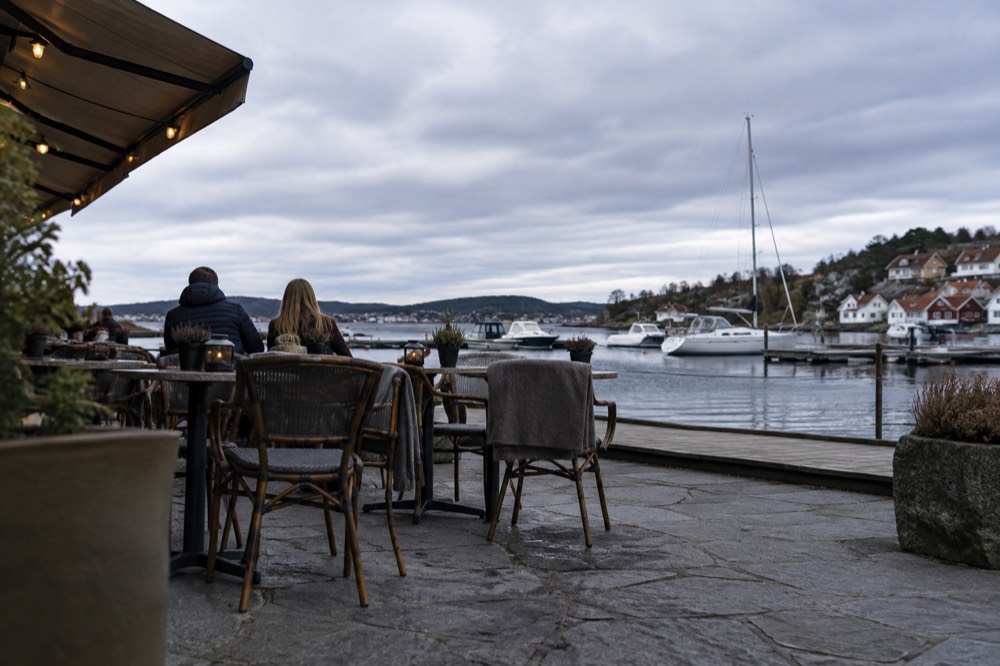
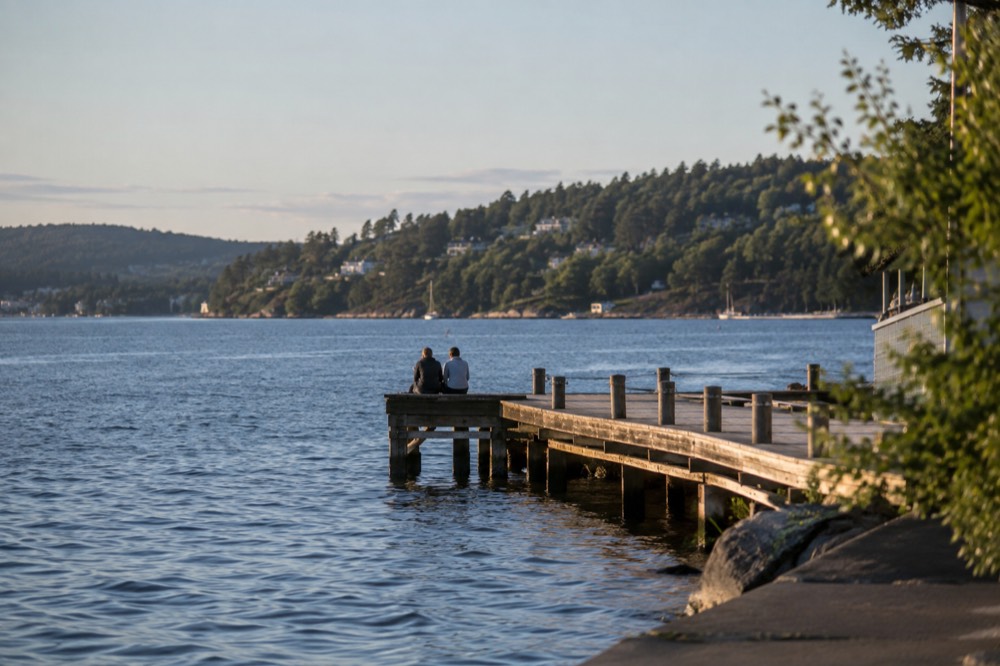
The waterfront walk needs no ticket and no plan. The harbor-front stretch of wooden houses, boat sheds and small shops is the town's best free hour, and it faces west across the fjord, which makes late afternoon the best time for it. In summer that window is enormous: the sun sets at 21:09 on 15 August and at 22:43 on the solstice, so the light holds for hours after the fortress closes.
If the Drøbak day leaves you wanting more of the water, the escalation path is clear. The five-island full-day boat tour covers the Oslofjord's islands over six hours, and beyond that, the question stops being about the Oslofjord at all. The Sognefjord roundtrip with the Flåm railway is the best-reviewed same-day answer to the Norway-in-a-Nutshell question every Oslo visitor asks, a private full-day trip of 15 hours 30 minutes rated 4.6 across 87 reviews. It is a serious commitment of a day, and it is the right one only if western fjord scenery is the actual goal of your trip.
How Much Does a Drøbak Day Trip Cost?
A Drøbak day trip is one of the cheaper Oslo excursions, because the town itself charges little: the waterfront is free, the bus fare is a normal Ruter-zone ticket, and the fortress and aquarium carry modest local admission. The Oslo Pass does not change the Drøbak maths much, but it covers the transport zones and the city museums you pair with the trip, so it is worth running the numbers against your wider itinerary.
The transport side is simple. Ruter tickets scale with zones crossed, the app calculates the correct fare, and the 30-day zone 1 pass fell from 805 to 655 NOK on 3 May 2026, which matters only if your stay is long enough to consider one. Single, 24-hour and 7-day fares are published in the Ruter app and its linked price sheet, and buying on board costs more, so do not.
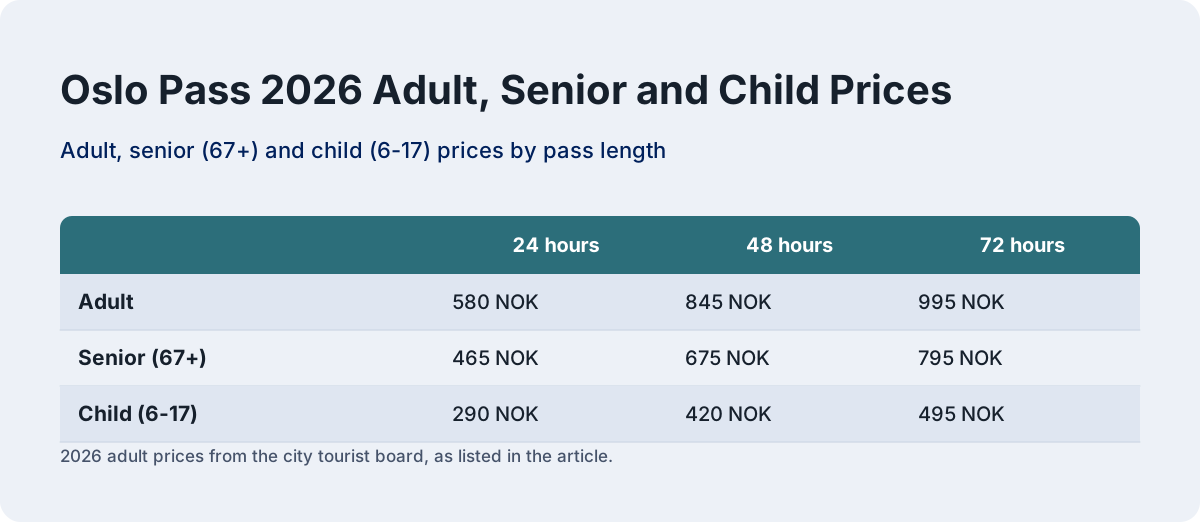
The Oslo Pass is the item worth a table, because whether it pays depends entirely on what else you do around the Drøbak day. Here are the 2026 adult prices from the city tourist board:
| Pass | Adult | Senior (67+) | Child (6–17) |
|---|---|---|---|
| 24 hours | 580 NOK | 465 NOK | 290 NOK |
| 48 hours | 845 NOK | 675 NOK | 420 NOK |
| 72 hours | 995 NOK | 795 NOK | 495 NOK |
The pass includes free entry at over 30 museums and attractions, public transport in zones 1, 2, 3, 4V and 4N, the Bygdøy ferry and the island ferries, and the Vy trains to and from Oslo Airport Gardermoen, though not Flytoget or Flybussen. Three Bygdøy museums alone at full price come to 560 NOK against a 580 NOK 24-hour pass, so a museum-heavy city itinerary plus a Drøbak day is exactly the profile where the pass earns its price. Our is the Oslo Pass worth it page runs the full break-even maths.
For reference, here is what the major Oslo museums charge at the door, all figures from the venues' own sites:
| Museum | Adult | Concessions |
|---|---|---|
| MUNCH | 280 NOK (200 NOK after 18:00) | Under 25: 100 NOK, 17 and under free |
| Norsk Folkemuseum | 200 NOK | Children 0–17 free, students 140 NOK |
| Fram Museum | 180 NOK | Children and students 70 NOK |
| Kon-Tiki Museum | 180 NOK | Children 6–17: 70 NOK, seniors 140 NOK |
| Nobel Peace Center | 180 NOK | Children 0–17 free, students 100 NOK |
| Vigeland Museum | 120 NOK | Park itself free, open 24 hours |
Food in Drøbak follows Norwegian pricing, and Norwegian pricing is the thing to be realistic about. Statistics Norway's 2025 comparison puts the country sixth most expensive in Europe, with household prices 28.6% above the EU average, food 33% above, and alcohol and tobacco more than double the European average. A café lunch is manageable; a beer with it is where the bill climbs. Our is Oslo expensive guide covers where the money genuinely goes and where the city is not unusually dear.
Drøbak in Winter: Is the Christmas Town Worth It?
Drøbak in winter is quieter, darker and more atmospheric than in summer, and the Christmas tradition is the reason to time a visit for late November or December. Daylight is the constraint: the sun rises at 09:04 and sets at 15:49 in mid-January, so the day compresses into about six and three-quarter hours, and the plan has to fit inside it.
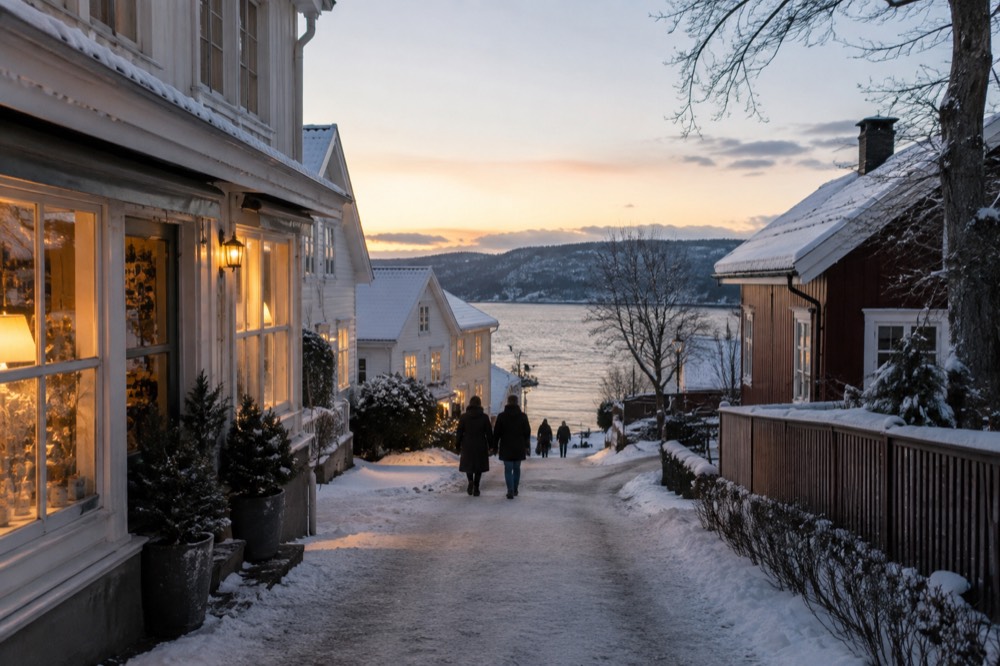
The Christmas season is Drøbak's peak of identity. The town's festive tradition draws Norwegian families through December, and the harbor and main street carry the lights and stalls you would expect of a place that has made this its brand. It is a small-town version of the Christmas experience, which is precisely its appeal against the city's larger program at the Oslo Christmas market.
Winter also changes what a day trip can hold. With under six hours of daylight around the solstice, the fortress, the Christmas house and the waterfront walk need sequencing rather than drifting, and the aquarium becomes more than a rainy-day fallback. The upside is that the fjord in winter, low sun over dark water and snow on the shore, is a scene the summer visitor never sees. Other pages covering the same trip are gathered on Oslo Travel Guide. Other pages covering the same trip are gathered on Oslo Travel Guide.
The wider winter context is worth knowing. Oslo's coldest months on the 1991 to 2020 normals are January at −2.3 °C mean and February at −2.0 °C, and recent observed winters have run colder than that, with a low of −17.2 °C recorded in January. Pack for it, and read our Oslo in winter guide for the full cold-season picture, including the forest and snowshoe options that only exist in these months.
Drøbak or the Oslofjord Islands: Which Fjord Day Should You Pick?
Choose Drøbak for a town: fortress, aquarium, Christmas house, shops and a proper sit-down meal. Choose the Oslofjord islands for the water itself: swimming beaches, monastery ruins, ferry hopping and free camping on Langøyene, all on an ordinary Ruter ticket from Aker Brygge. They are different products, and the honest answer is that many visitors can do both across a long stay.
The islands deserve their own serious look, because they are the Oslofjord experience most visitors underuse. Here is what the public ferry network actually runs:
| Line | Serves | Season |
|---|---|---|
| B1 | Hovedøya, Lindøya øst, Gressholmen, Bleikøya, Nakholmen, Lindøya vest | Year-round, reduced off-summer |
| B1X | Aker brygge to Hovedøya express | Summer extra, every 20 minutes |
| B2 | Hovedøya, Gressholmen, Langøyene | Seasonal, summer timetable |
All of them depart from Aker Brygge, not Rådhusbrygge, and all ride on an ordinary Ruter ticket or an Oslo Pass with no surcharge. Hovedøya carries the ruined Cistercian abbey, and Langøyene is the swimming and camping island. The summer timetable runs 4 July to 30 August 2026, with the autumn timetable from 31 August to 18 October, so shoulder-season visitors should check what is running before promising anyone a beach day.
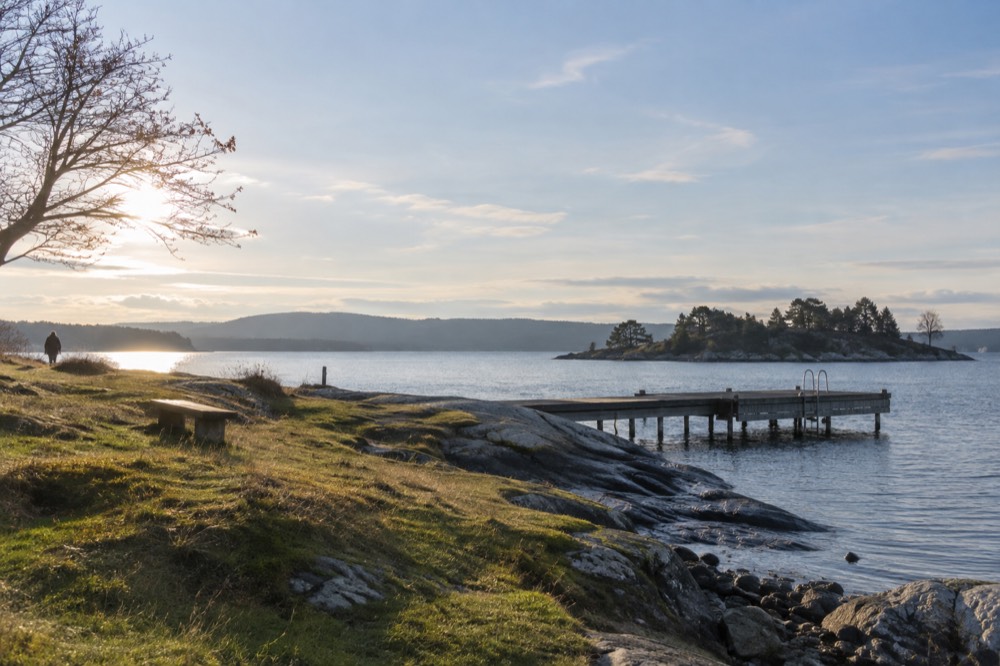
The guided version of the island day is the ferry-and-foot tour, which covers the islands with a guide and structure rather than leaving you to the timetable. It runs 195 minutes, sits at 4.8 across 3,296 reviews, and is the strongest fit for visitors who want the islands without the planning overhead.
If neither of those is the answer because you want the big fjord, the comparison stops being local. The private Sognefjord trip with the Flåm railway is a 15-and-a-half-hour day rated 4.6 across 87 reviews, and it is the best-reviewed same-day route to the fjord scenery Norway is famous for. That is a different league of commitment, but it is also a different league of scenery, and our Norway in a Nutshell guide covers the routing in full.
For a lighter version of the water, the hop-on hop-off bus covers the city's landward sights at 4.1 across 2,559 reviews and pairs with a fjord cruise if you want the city and the sea in one structure rather than planning each leg yourself.
When Is the Best Time to Visit Drøbak?
Late May through early September is the best window for a Drøbak day trip, with long daylight, open boat options and the full harbor life of the town. December is the second-best window for the Christmas tradition specifically, accepting short days. Midwinter is the weakest time: daylight bottoms out at 5 h 53 m on 21 December, and the summer ferry options are months away.
The daylight table drives this more than temperature does. Here is what the sun actually does across the year, from MET Norway's sunrise data for Oslo's latitude:
| Date | Sunrise | Sunset | Day length |
|---|---|---|---|
| 15 Jan | 09:04 | 15:49 | 6 h 45 m |
| 15 Mar | 06:34 | 18:19 | 11 h 45 m |
| 15 May | 04:40 | 21:48 | 17 h 08 m |
| 21 Jun | 03:53 | 22:43 | 18 h 50 m |
| 15 Aug | 05:31 | 21:09 | 15 h 38 m |
| 15 Oct | 07:55 | 18:08 | 10 h 13 m |
| 21 Dec | 09:18 | 15:11 | 5 h 53 m |
Two cautions from the climate record. August is Oslo's wettest month on the 1991 to 2020 normals at 103 mm, not November as most visitors assume, so pack for rain even in high summer. And there is no midnight sun here: Oslo and Drøbak sit at 59.9 N, well south of the Arctic Circle, so late June gives deep twilight overnight rather than a sun that never sets. Our Oslo midnight sun page explains the latitude honestly.
July's normal mean of 17.7 °C is mild rather than hot, and the fjord water is cooler still, typically 15 to 20 °C in the swimming months. Swimming in Drøbak is possible but bracing; the islands' beaches, especially Langøyene, are the stronger swimming play.
How Does a Drøbak Day Fit a Longer Oslo Itinerary?
A Drøbak day slots most naturally into a four-day-or-longer Oslo stay, as the fjord-and-town counterweight to two days of city museums and one day of Bygdøy or the islands. On a one- or two-day visit it is usually the wrong call, because the city's own sights outcompete it, and the islands deliver the water closer to hand.
The sequencing that works: day one for the center and the Opera House roof, which is free to walk, day two for Bygdøy's museums, day three for the islands or Drøbak, and a fourth day for the forest or a longer fjord trip. Our 3 days in Oslo and 4 days in Oslo itineraries lay out the full versions, and our how many days in Oslo page answers the length question directly.
The one combination to avoid is stacking Drøbak and a long fjord product on consecutive days without a rest day between. The Sognefjord roundtrip runs 15 hours 30 minutes, and a full Drøbak day on either side of it makes for two consecutive long days. Split them with a museum day or a slow harbor day, and both trips land better.
Whatever the length of your stay, the planning resources on this site are built to be combined rather than read alone. The things to do in Oslo list is the master index, and the day trips from Oslo guide places Drøbak among the other options, from Fredrikstad to Hadeland Glassverk, so you can weigh the whole set before committing a day.
If the fjord is the real reason you are reading this, the three products below are the ones this site's readers book most around a Drøbak decision: the full Sognefjord day for the big scenery, the island-hopping tour for the Oslofjord's own islands, and the hop-on hop-off bus for the city pairing.
Common Questions About Drøbak
Is Drøbak worth a day trip from Oslo?
Yes, if you want a fjord-side town rather than more city sights. The fortress, the aquarium, the Christmas house and the waterfront walk fill a relaxed day, and the trip needs no car. If you only care about the water itself, the Oslofjord islands are closer and cheaper.
How do I get to Drøbak from Oslo without a car?
Take the public bus south from Oslo; the journey takes under an hour and tickets are bought through the Ruter app, where the correct zone fare is calculated automatically. No train serves the town. In summer, boat options exist through excursion products rather than the commuter ferries.
What is Drøbak famous for?
Drøbak is known for its fortress on the narrowest point of the Oslofjord and its role during the Second World War, for its small fjord aquarium, and for a Christmas tradition that runs all year through the town's Christmas house.
Is Drøbak good in winter?
It can be, especially in December for the Christmas atmosphere, but daylight is the constraint: around six and three-quarter hours in mid-January, with sunrise at 09:04 and sunset at 15:49. Sequence the fortress, Christmas house and waterfront walk inside that window.
Drøbak or the Oslofjord islands: which is better?
Drøbak for a town experience with a fortress and meal stops. The islands for beaches, ruins and ferry hopping on an ordinary Ruter ticket from Aker Brygge. Many visitors with four or more days do both, on separate days.
Does the Oslo Pass cover Drøbak?
The Oslo Pass covers public transport in Ruter zones 1, 2, 3, 4V and 4N, which applies to the bus toward Drøbak, plus over 30 museums and attractions in the city. It does not change the town's own admissions much, so run the pass maths against your wider itinerary first.