Oslo Museum Day Itinerary: The Best Museums in One Day
Oslo has more than 30 museums covered by the Oslo Pass, spread across two clusters: the Bygdøy peninsula and the city center. A well-planned day covers three or four of them without rushing, and the math on the pass is easier than most visitors expect.
Short answer
A realistic Oslo museum day pairs two Bygdøy museums, such as Kon-Tiki at 180 NOK and Fram at 180 NOK, with one downtown museum. The Oslo Pass at 580 NOK for 24 hours covers over 30 museums plus the ferries and buses between them, which makes it the cheapest way to do the day.
Oslo packs more than 30 museums into a compact capital, and the city's own tourist board sells a pass that covers nearly all of them. The catch is geography: the best-known cluster sits on the Bygdøy peninsula, a ferry or bus ride from the center, while the art museums stand downtown. A museum day here is a routing problem before it is a taste problem, and the difference between a good day and a frantic one is usually whether you booked the peninsula museums in a sensible order.
This itinerary solves the routing first, then spends the money wisely. It works in every season, it survives rain, and it leaves room for the fjord, because no visitor to Oslo should spend an entire day indoors when the water is right there.
What Does the Perfect Oslo Museum Day Look Like?
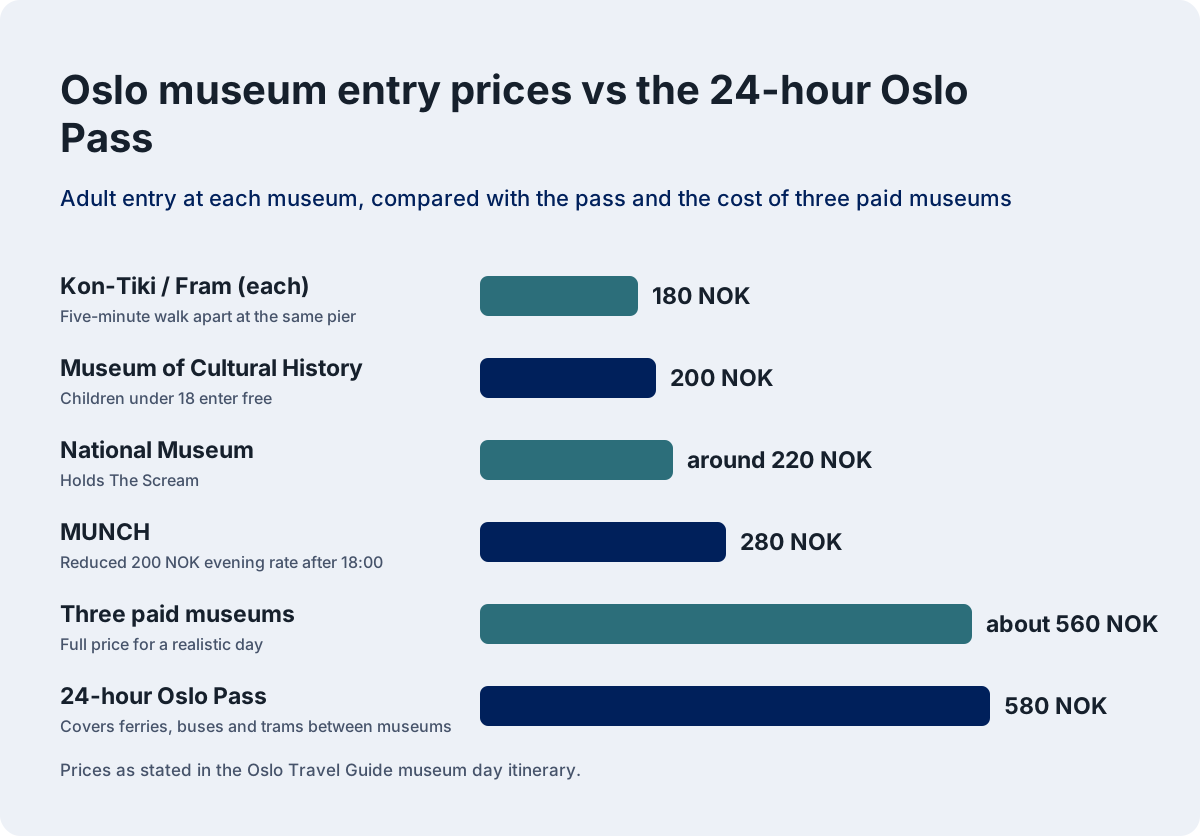
A realistic one-day plan covers three or four museums: two on Bygdøy in the morning, one downtown in the afternoon, and the Opera House roof, which is free, at the end of the day. Entry for three paid museums runs about 560 NOK at full price, which is almost exactly what a 24-hour Oslo Pass costs at 580 NOK, and the pass also covers every ferry, bus and tram between them.
The shape of the day matters more than the specific museums. Bygdøy's museums sit in two clusters around two different piers, so the order you visit them in determines whether you walk 15 minutes between clusters or backtrack. Downtown, the National Museum and MUNCH are a 15-minute walk apart along the waterfront, and both stay open into the evening on most days, which is why they belong in the afternoon.
Start early. The Bygdøy ferry and the museums both open around 10:00 in the main season, and the first hour is the quietest at Kon-Tiki and Fram, the two most popular buildings on the peninsula. By early afternoon the tour groups arrive, and by mid-afternoon you want to be back on the water heading downtown, where the art museums run later hours and the light on the Opera House roof is at its best.
Which Museums Should You Actually Pick?
Pick two of the three big Bygdøy museums, Kon-Tiki, Fram or the Norwegian Museum of Cultural History, then one downtown art museum, the National Museum or MUNCH. Kon-Tiki and Fram are a five-minute walk apart at the same pier, which makes them the default pair, and both charge 180 NOK adult entry at the door.
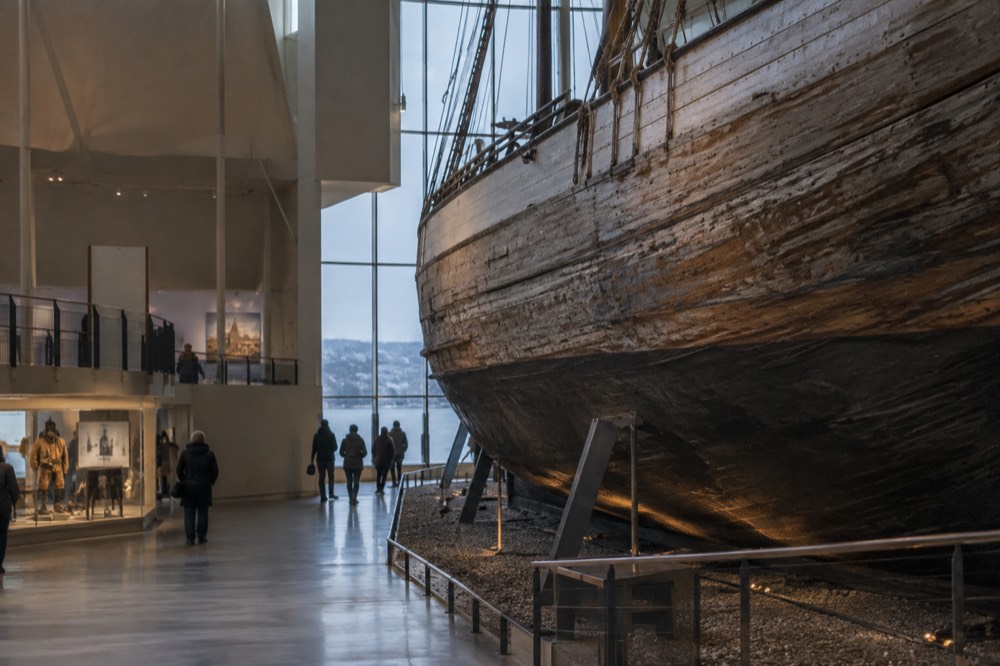
The Bygdøy peninsula holds the museums most visitors come to Oslo for. Kon-Tiki houses the balsa raft Thor Heyerdahl sailed across the Pacific, and it is the best-reviewed museum ticket in the city, holding a 4.5 rating across 1,116 reviews. Fram, next door, is the complete polar ship that carried explorers further north and further south than any vessel before it, and its 4.6 rating across 562 reviews reflects a building built around walking onto the ship itself.
The Norwegian Museum of Cultural History, at the other pier, is the open-air option: more than 150 historic buildings including a stave church moved from Gol, spread across the peninsula's slopes. It charges 200 NOK for adults and children under 18 enter free, which makes it the family choice. The one thing you cannot see on Bygdøy right now is the Viking ships: the Museum of the Viking Age is closed for rebuilding and reopens in 2027, and the honest substitute is Viking Planet downtown, a VR-based Viking experience at 30.68 USD from.
For the downtown half, the choice is between the National Museum, which holds The Scream among its collection and charges around 220 NOK, and MUNCH, the waterfront museum dedicated to Edvard Munch, at 280 NOK with a reduced 200 NOK evening rate after 18:00. Both stay open late most days of the week. Our full Oslo museums overview ranks every museum in the city if you want to go deeper than this one-day route.
The trio above is deliberate. The Kon-Tiki ticket is the anchor of the Bygdøy morning, and the two fjord boats are what you do with a spare 90 minutes or two hours if the weather is good, because a museum day in Oslo that never sees the fjord is a day half spent.
How Do You Get to Bygdøy and What Does It Cost?
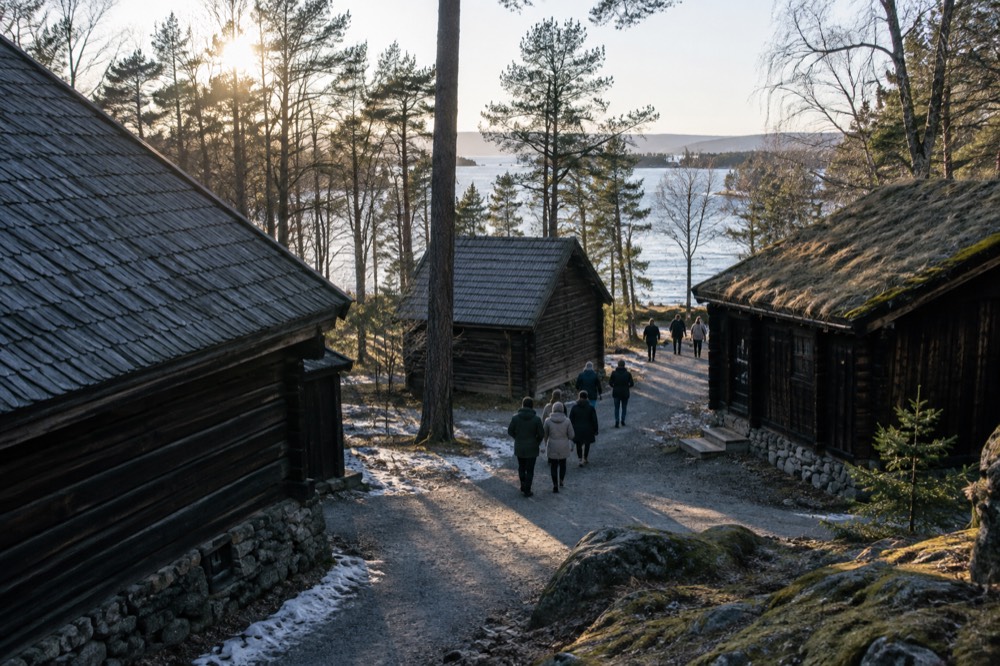
Take the ferry from Rådhusbrygge 3 to Bygdøynes for the Kon-Tiki and Fram cluster, or bus 30 from the National Theatre, which runs year-round. The ferry costs about 70 NOK one way, is included with the Oslo Pass, and does not accept ordinary Ruter tickets, while bus 30 rides on a normal Ruter ticket or the pass.
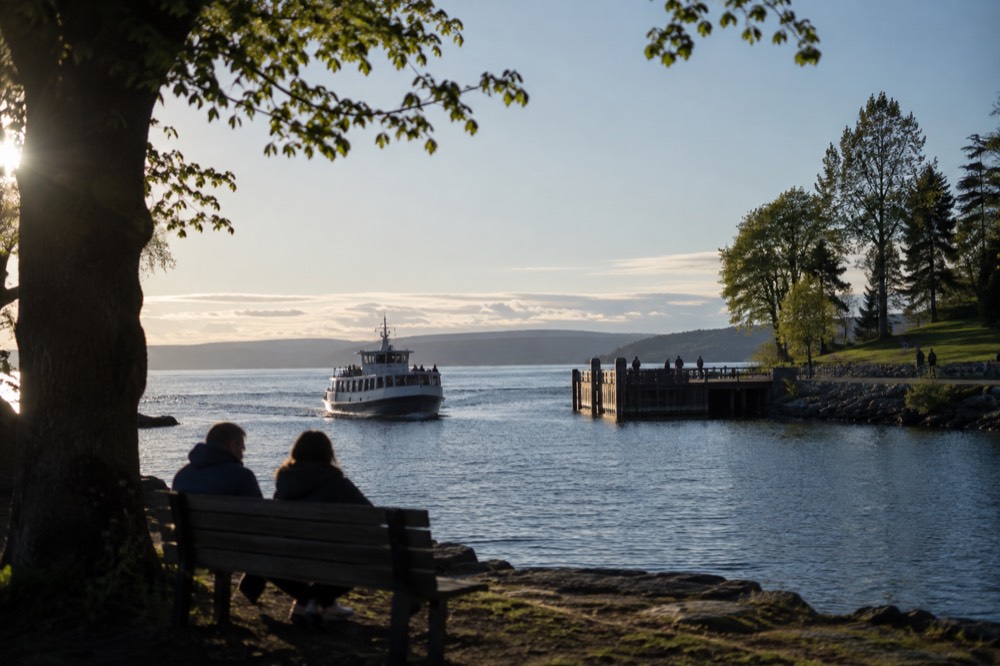
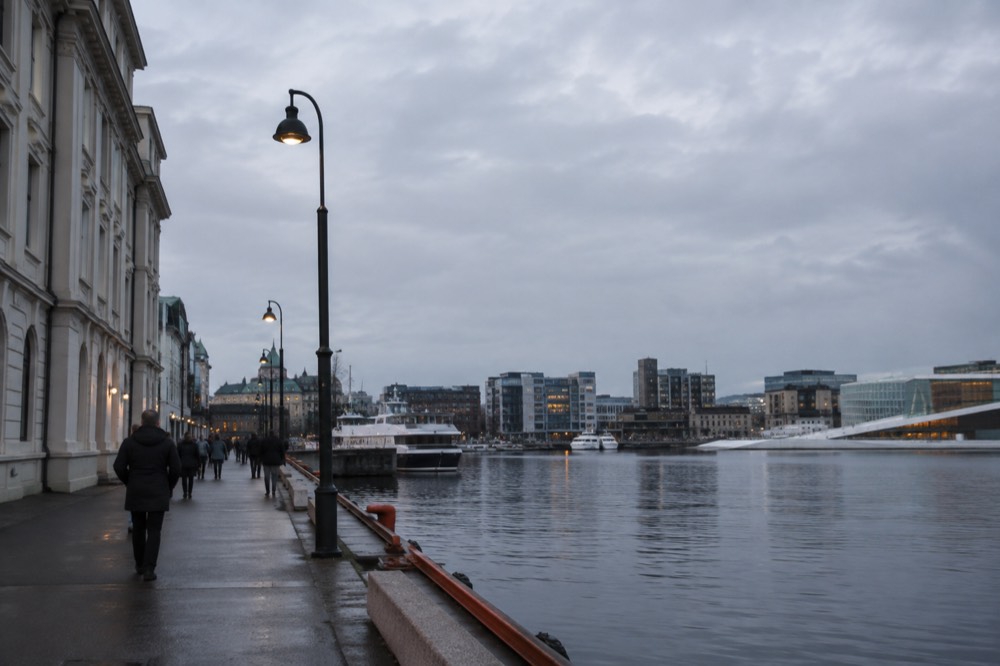
The two boat systems in Oslo confuse almost every first-time visitor, so get this straight before you travel. The Bygdøy museum ferry is a private seasonal service run from Rådhusbrygge 3, Platform F, by City Hall pier. It runs from 14 March to 4 October, departs every 20 minutes, takes 10 minutes to the first stop and calls at Dronningen first, then Bygdøynes. An Oslo Pass covers it. A standard Ruter ticket does not, which is the single most common mistake visitors make at that pier.
The island ferries to Hovedøya and Gressholmen are a completely different system: they are ordinary Ruter lines, they leave from Aker brygge, and a normal zone 1 ticket covers them. Two different piers, two different ticket rules. Do not merge them.
The ferry stops split the museums neatly. Dronningen serves the Norwegian Museum of Cultural History and Oscarshall. Bygdøynes serves Kon-Tiki, Fram and the Norwegian Maritime Museum, which stand together at the water's edge. The walk between the two clusters takes roughly 15 to 25 minutes along the peninsula paths, which is why you should do one cluster fully before moving.
Out of season, from October to March, the ferry stops running and Ruter bus 30 becomes the only sensible route. It leaves from the National Theatre area, reaches the museum stops in about 15 minutes, and runs all year on an ordinary ticket. Our Bygdøy peninsula guide covers the full year-round picture, and the Oslo ferries guide explains the island boats if you want to add Hovedøya's abbey ruins to a longer trip.
| Option | Route | Cost | Notes |
|---|---|---|---|
| Bygdøy ferry | Rådhusbrygge 3 to Dronningen/Bygdøynes | ~70 NOK one way | Seasonal, 14 March to 4 October, Oslo Pass valid, Ruter tickets not valid |
| Bus 30 | Nationaltheatret to Bygdøy museum stops | Ordinary Ruter zone ticket | Year-round, about 15 minutes |
| Island ferries B1/B2 | Aker brygge to Hovedøya, Gressholmen, Langøyene | Ordinary Ruter zone ticket | Different system, different pier |
| On foot | Rådhusbrygge 3 to Bygdøynes | Free | About 45 to 60 minutes, mostly waterfront |
What Order Should You Visit the Museums In?
Take the first ferry of the morning to Bygdøynes, do Kon-Tiki first while it is quiet, then Fram next door, then either the Maritime Museum or the walk to Dronningen for the Cultural History Museum, then the ferry back and a downtown art museum after 15:00, when the peninsula crowds have peaked and the city museums are still open.
The sequencing logic is simple. Kon-Tiki is the most popular ticket on the peninsula and fills fastest, so it goes first. Fram is 40 meters away, so it goes second regardless of preference. If your third museum is the Cultural History Museum, take the ferry one stop from Bygdøynes back to Dronningen rather than walking, then ferry onward to the city from there. If your third is the Maritime Museum, it is beside the same pier and needs no transport at all.
A realistic timetable for a summer Saturday, using the published 2026 hours:
| Time | Stop | Notes |
|---|---|---|
| 09:30 | Ferry from Rådhusbrygge 3 | First departures, every 20 minutes |
| 09:45 | Bygdøynes pier | 10-minute crossing |
| 10:00 | Kon-Tiki Museum | Opens 10:00 in main season, quietest hour |
| 11:15 | Fram Museum | Five-minute walk, same pier |
| 12:45 | Lunch at Bygdøynes or ferry to Dronningen | Cafe options at both clusters |
| 13:30 | Norwegian Museum of Cultural History | Open 10:00 to 17:00, children free |
| 15:30 | Ferry back to the city center | Dronningen to Rådhusbrygge 3 |
| 16:00 | National Museum or MUNCH | Both open into the evening most days |
| 18:30 | Opera House roof | Free, no ticket, best light |
Two adjustments for winter. The ferry does not run, so bus 30 carries the whole morning, and the museums close earlier, typically 17:00, which pushes the downtown museum to the front of the day and the peninsula to the afternoon. The Oslo in winter guide covers the seasonal trade-offs in full.
Is the Oslo Pass Worth It for a Museum Day?
Yes, for any day with three or more paid museums. Two Bygdøy museums plus one downtown museum cost about 560 NOK at the door against a 580 NOK 24-hour pass, and the pass adds every bus, tram, metro and ferry in zones 1 through 4N, so the transport comes free at the margin. With four museums the pass saves real money.
The 2026 adult prices from the city tourist board are 580 NOK for 24 hours, 845 NOK for 48 hours and 995 NOK for 72 hours, with children aged 6 to 17 at roughly half and seniors from 67 paying 465 NOK for the day. The pass covers entry at more than 30 museums, each visitable once per 24-hour period, plus the Bygdøy ferry and all Ruter transport including the Vy airport trains. Everything else covered here is indexed on Oslo Travel Guide. Everything else covered here is indexed on Oslo Travel Guide.
The break-even table makes the case better than prose:
| Museum plan | Museums visited | Door price per museum | With 24-hour Oslo Pass |
|---|---|---|---|
| Two museums | Kon-Tiki + Fram | 180 NOK each | Pass costs more, but adds all transport |
| Three museums | Kon-Tiki, Fram + National Museum | 180, 180 and 220 NOK | Roughly break even, transport included |
| Three museums | Kon-Tiki, Fram + MUNCH | 180, 180 and 280 NOK | Pass saves money plus transport |
| Four museums | Add Cultural History Museum | 200 NOK | Pass saves clearly, ferry included |
The pass also covers the Bygdøy ferry, which is otherwise about 70 NOK each way and cannot be paid with a Ruter ticket, so a ferry-based museum day adds another 140 NOK to the no-pass column. The full analysis, including the airport-train angle and where the pass is sold, is in our Oslo Pass guide, and the question of whether it beats single tickets across a whole trip is handled separately in is the Oslo Pass worth it.
One warning that matters: the pass is not sold on the major booking platforms despite what some listings imply. The honest routes are the tourist board's own site and a small number of official resellers.
What About the National Museum and MUNCH Downtown?
The National Museum holds The Scream and charges about 220 NOK for adults, with under-18s free, while MUNCH charges 280 NOK, dropping to 200 NOK after 18:00, with under-25s at 100 NOK and under-18s free. Both sit on the waterfront, a 15-minute walk apart, and both keep evening hours on most days.
The National Museum, which the city brands as the home of Norwegian art from the romantic period onwards, stands in its Bjørvika building and holds the world's largest collection of Norwegian art, including Munch's The Scream. It is the flagship, and the only entry ticket sold for it starts at 23.69 USD. Our National Museum guide covers what to see in what order.
MUNCH, the purpose-built museum further along the water at Bjørvika, is dedicated to a single artist and holds versions of his major works across 13 floors. The evening pricing is genuinely useful for a museum day: after 18:00 the adult ticket falls from 280 to 200 NOK, and the building stays open to 21:00 Wednesday through Saturday. The MUNCH guide has the full hours and what is on each floor.
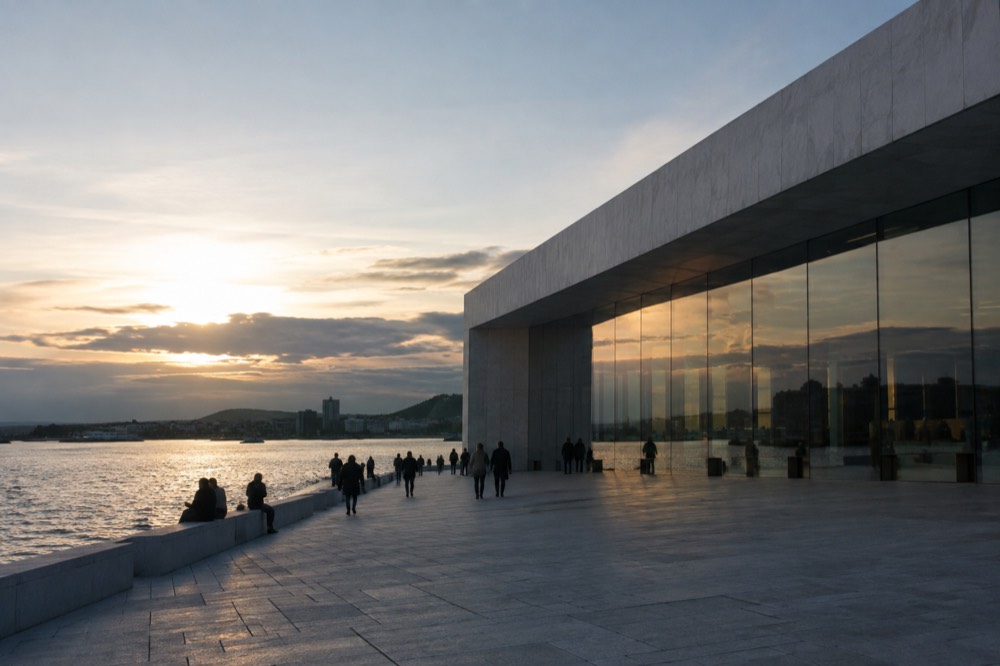
If your museum day falls on a Monday or Tuesday, check both museums' calendars before committing. MUNCH closes only on 1 May and runs long hours the rest of the year, while the National Museum's late evenings are limited to specific weekdays. Neither closes on Mondays in the main season, which is unusual for European capitals and one of Oslo's quiet advantages.
What If It Rains or You Run Out of Time?
On a rainy day, swap the Cultural History Museum's outdoor buildings for the Norwegian Maritime Museum beside Bygdøynes, or cut Bygdøy to one museum and add Viking Planet or the Paradox Museum downtown, both fully indoors. If time collapses, drop to two museums, Kon-Tiki plus one art museum, and finish on the Opera House roof, which costs nothing.
Rain changes the peninsula math more than any other factor. The Cultural History Museum is mostly outdoors, more than 150 buildings spread across open ground, and loses much of its appeal in steady rain. Kon-Tiki and Fram are fully indoors and a few steps from the pier, so they survive any weather. The Maritime Museum, also at Bygdøynes, is the indoor third option on the peninsula.
Downtown, the two best bad-weather additions are Viking Planet, the VR-based Viking experience that stands in while the Museum of the Viking Age is closed until 2027, and the Paradox Museum of interactive illusions, which is the strongest family ticket in the city center. Viking Planet starts at 30.68 USD from and the Paradox Museum at 30.04 USD from, both bookable in advance. The full rainy-day playbook, including cafes and the aquarium-free reality of central Oslo, is our rainy day in Oslo guide.
On time, the honest cut is this: Kon-Tiki plus Fram is a complete Bygdøy morning, the ferry back is itself a sightseeing trip, and one downtown museum plus the Opera House roof makes a full day without anything feeling rushed. Three museums done well beats five done at a jog.
Where Should You Eat on a Museum Day?
Eat lunch at Bygdøynes, where the museum cluster has cafes, or take the ferry back and eat at Aker brygge, which has the widest choice within ten minutes of both piers. For dinner, stay downtown near the art museums, where the Barcode district and Bjørvika hold most of the mid-range options within walking distance of MUNCH.
Bygdøy itself is thin on food. The museums run small cafes, adequate for a sandwich and a coffee but not a destination, and the peninsula has little else outside the main season. The better move is to treat the ferry crossing back as the lunch transfer: Aker brygge's waterfront restaurants are a short walk from Rådhusbrygge 3, and the street-food hall Mathallen in Grünerløkka is a tram ride away if you want the cheap, varied option. Our where to eat in Oslo guide maps the whole city, and Oslo cheap eats covers the budget end.
| Meal | Best option | Area | Notes |
|---|---|---|---|
| Morning coffee | Cafe at Bygdøynes pier area | Bygdøy | Before the 10:00 museum opening |
| Lunch | Aker brygge restaurants | Waterfront | Ten minutes from Rådhusbrygge 3 |
| Budget lunch | Mathallen food hall | Grünerløkka | Tram 11 or 12 from the center |
| Early dinner | Barcode district | Bjørvika | Between the National Museum and MUNCH |
| Evening | Opera House roof walk | Bjørvika | Free, no ticket, best at sunset |
One alcohol note worth carrying into any Oslo day: wine and spirits are sold only at Vinmonopolet, the state monopoly, which closes on Sundays and early on Saturdays, and supermarket beer stops at a fixed evening cut-off. A restaurant beer is where the city's prices bite hardest, since alcohol and tobacco run at more than double the European average on Statistics Norway's 2025 price comparison. The price of beer in Oslo guide explains the whole system.
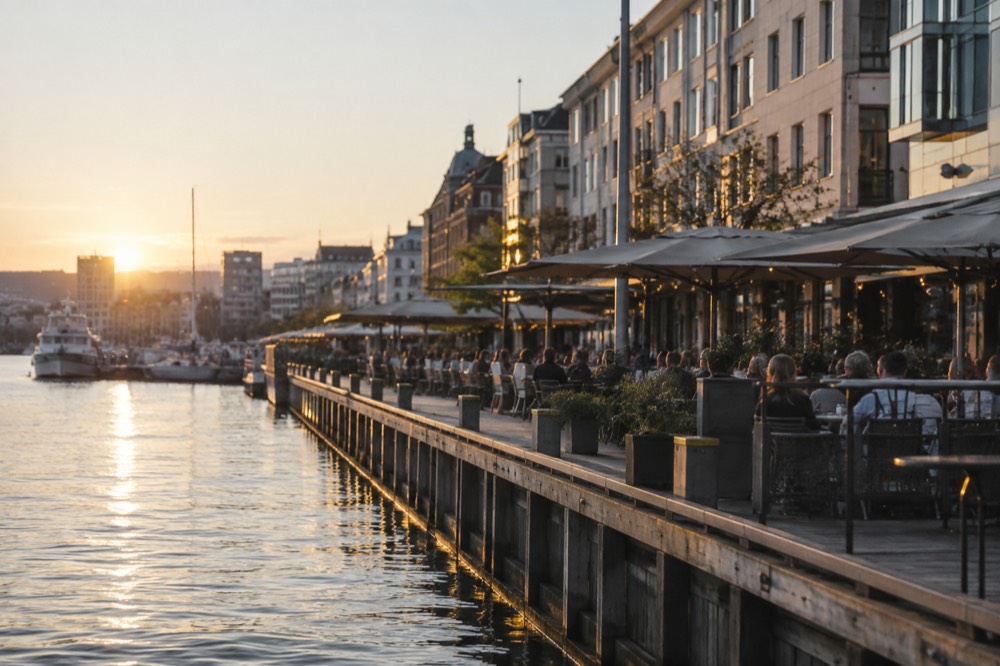
The evening finish writes itself. The Opera House roof is a public slope, free and open around the clock, and from the top you can see straight down the fjord the ferries have been crossing all day. It is the right place to end a museum day, and it costs nothing, which after 580 NOK of pass feels like the city apologizing.
Common Questions About an Oslo Museum Day
Can you do Oslo museums in one day?
Yes. Two Bygdøy museums in the morning plus one downtown art museum in the afternoon is a full but comfortable day. Kon-Tiki and Fram are at the same pier, the ferry between the peninsula and the center takes ten minutes, and both downtown art museums keep evening hours, so three museums is realistic and four is possible with an early start.
Is the Oslo Pass worth it for museums?
For a day with three or more paid museums, yes. Three typical entries at 180 to 280 NOK each come to about the price of a 580 NOK 24-hour pass, and the pass adds all buses, trams, metro and the Bygdøy ferry, which ordinary Ruter tickets do not cover. With only two museums, single tickets are cheaper.
Which Oslo museum is the best?
By review volume, the Kon-Tiki Museum ticket is the best-rated museum entry in the city at 4.5 across 1,116 reviews. Fram, next door, rates 4.6 and is the stronger building for polar-history fans. For art, the National Museum holds The Scream and is the flagship collection.
Is the Viking Ship Museum open in Oslo?
No. The Museum of the Viking Age has been closed since 2021 for rebuilding and will reopen in 2027. Until then, Viking-age objects are displayed at the Historical Museum in the city center, and Viking Planet, a VR-based experience downtown, is the bookable substitute.
How do I get to the Bygdøy museums?
Take the seasonal ferry from Rådhusbrygge 3, which runs 14 March to 4 October, costs about 70 NOK one way and is included with the Oslo Pass but not with ordinary Ruter tickets. Outside the ferry season, bus 30 runs year-round from the National Theatre on a normal Ruter ticket.
What is the cheapest Oslo museum day?
Walk the Opera House roof and Vigeland Park, both free and open around the clock, and add one paid museum. The Vigeland sculpture park is free 24 hours a day, and children enter the Norwegian Museum of Cultural History and both major art museums free, so family days cost far less than the adult math suggests.