Oslo Nightlife: Bars, Clubs and Late Evenings in the Norwegian Capital
Oslo's nightlife is smaller, quieter and more expensive than most European capitals, but the evenings are long in summer and genuinely dark in winter, and the city has a handful of experiences, from a shrimp-buffet fjord cruise to a torchlit myths-and-legends walk, that no other city sells.
Short answer
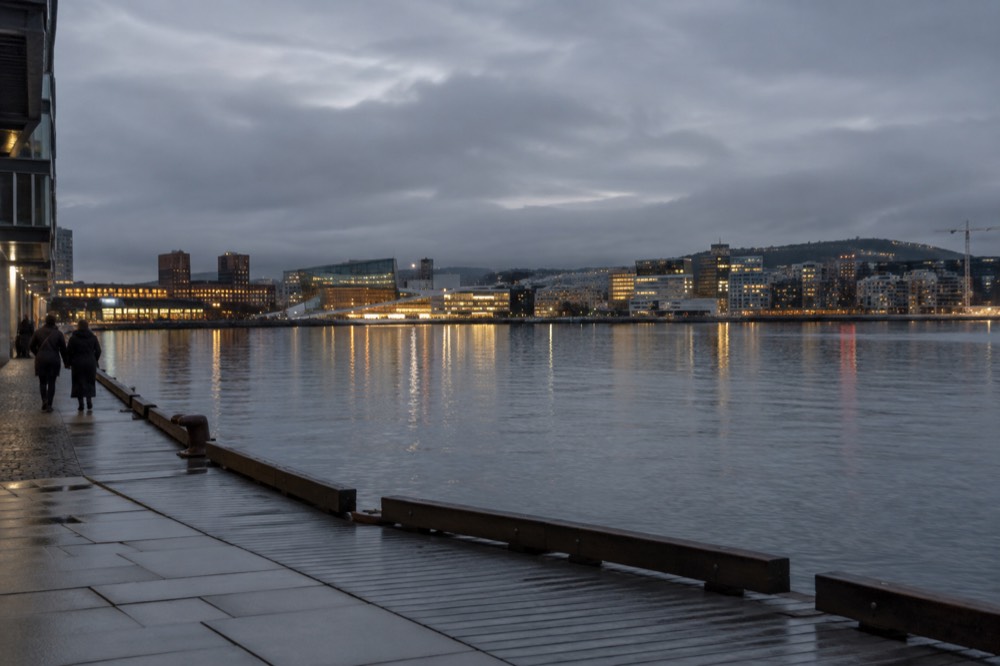
Oslo has a real but modest nightlife scene concentrated in Grünerløkka, Aker Brygge, Tjuvholmen and Vulkan. Alcohol is heavily taxed, with prices more than double the European average, so many locals pre-drink before going out. Clubs exist but the scene winds down earlier than in Berlin or Copenhagen, and the strongest evening products are fjord cruises and themed walks.
Oslo Nightlife: Bars, Clubs and Late Evenings in the Norwegian Capital
Oslo sits at 59.91 degrees north, which shapes its evenings more than any bar list ever will. In late June the sun sets at 22:43 and it never gets properly dark, so the waterfront fills with people who have no intention of going home. In late December the sun sets at 15:11, and by 18:00 the city feels deep into the night. Nightlife here is seasonal in a way southern European capitals simply are not, and any honest guide has to start there.
The second thing that shapes Oslo nightlife is price. Statistics Norway's 2025 purchasing-power survey puts alcohol and tobacco at more than double the European average, and food and non-alcoholic drinks 33 percent above it. A night out in Oslo is a budgeting decision, not an impulse. That is why this guide spends as much time on what things cost, and on the free and cheap structures around the edges, as on where to go.
What Is Oslo's Nightlife Actually Like?
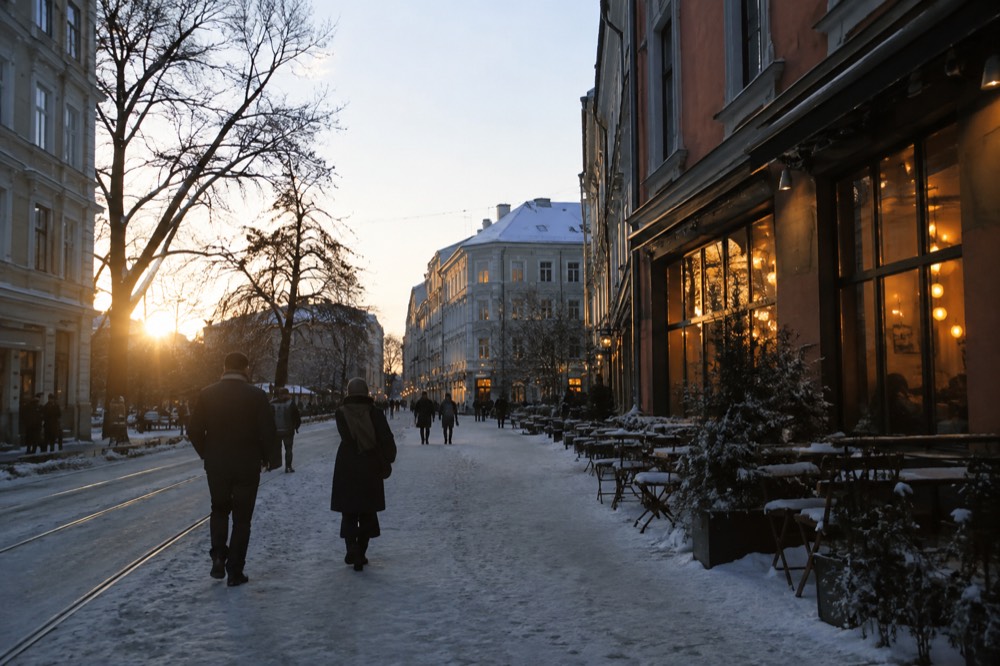
Oslo's nightlife is compact, early-finishing by southern European standards, and heavily weighted toward bars rather than clubs. The scene clusters in a handful of neighborhoods within tram or walking distance of the centre, the legal closing times are earlier than in Berlin or Madrid, and the combination of high alcohol prices and long dark winters has produced a strong culture of guided evening activities, from fjord cruises to history walks, that sit outside the bar economy entirely. That last point is the one most guides miss. In a city where a night of drinking costs what a decent hotel night costs elsewhere, the evening economy diversifies. Museums run late openings, boats run evening cruises, and themed walking tours do brisk business from October to March. A visitor who does not drink, or does not want to spend a week's beer budget in one night, is not excluded from Oslo's evening life. The rest of this guide covers the neighborhoods, the costs, the alcohol rules and the bookable alternatives in turn. For a broader look at the city after dark, see our guide to Oslo at night.
The core going-out areas are Grünerløkka east of the river, the Aker Brygge and Tjuvholmen waterfront to the southwest, and the Vulkan and Grünerløkka-adjacent strip around the Akerselva river. Karl Johans gate and the streets around it carry the tourist-facing bars, which are the most expensive and least interesting. Locals largely avoid them, and so should you.
Summer changes the whole picture. On 21 June Oslo gets 18 hours and 50 minutes of daylight, with sunset at 22:43 and sunrise at 03:53, and the hours between are twilight rather than true night. People sit outside until well past midnight in T-shirts. In deep winter the same city offers under six hours of daylight, and the evening starts, psychologically, at 16:00.
Is Oslo Good for Clubbing?
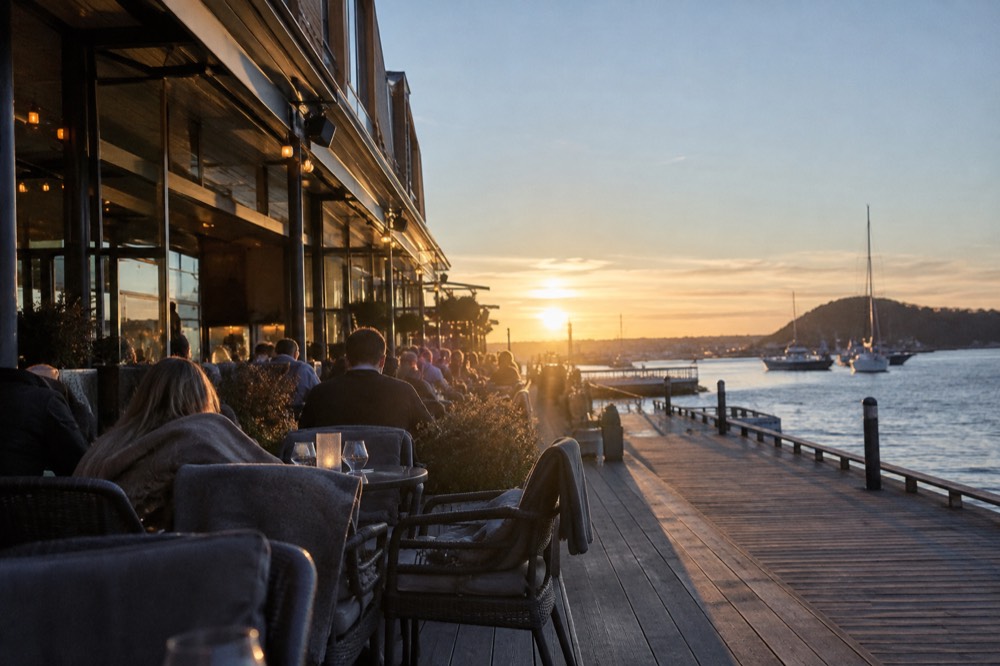
Honestly, only moderately. Oslo has real clubs and a genuine electronic music scene, but the clubbing culture is smaller and more restrained than in Copenhagen, Stockholm's bigger venues or Berlin's anything-goes sprawl. Cover charges and drink prices are high, the venues are scattered rather than concentrated in one nightlife district, and the scene runs strongest on Fridays and Saturdays, with weekday clubbing thin. If clubbing is the main purpose of your trip, Oslo will not ruin you, but it will not be the headline either. The city's strengths after dark lie elsewhere: in bars with serious beer culture, in waterfront terraces, and in the guided evening experiences covered later in this guide. Norwegians who want a big clubbing weekend often treat it as a domestic trip to a festival or a trip abroad, and the local scene reflects that.
What Oslo does do well is small-venue culture. Bars double as listening rooms, breweries pour their own beer, and the neighborhoods east of the river support a dense strip of small places within walking distance of each other. The craft beer movement took hold here the way it did across Scandinavia, and a guided route through it exists precisely because the rules around buying alcohol are confusing enough to need a local.
That is where the Beer and Culture Walk earns its place. It runs three hours, it is rated a perfect 5.0, and it is built around the thing that actually makes Oslo's drinking culture distinctive: the state monopoly, the supermarket strength limits and the tax structure that shapes every menu in the city. A guide who can explain why the system looks like this, while walking you through it, is worth more than a list of bar names that may have changed by next season.
The three products above are the ones this site's editors would actually point a visitor at for an evening in Oslo: the beer walk for the drinking culture, the myths-and-legends walk for the dark-season atmosphere, and the shrimp-buffet cruise for the fjord at dusk. Between them they cover the range from budget to mid-price, and none of them depends on a club being open.
Where Should You Go Out in Oslo?
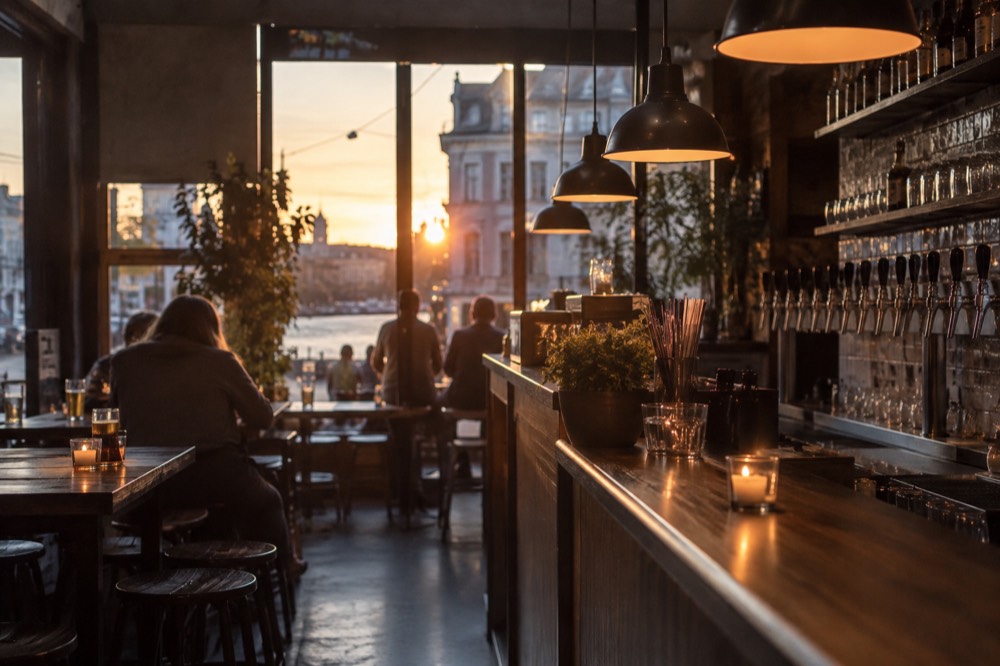
The four areas to know are Grünerløkka for bars and small venues, Aker Brygge for waterfront drinking, Tjuvholmen for the sleeker beach-adjacent strip, and Vulkan for the converted-industrial scene by the river. Karl Johans gate is where tourists drink, Grünerløkka is where the city drinks, and the waterfront is where everyone goes when the light is good. Each area has its own character and price band, and they are close enough that a single evening can touch two of them. The table below gives the practical comparison, including how each area connects to the centre. Public transport runs on ordinary Ruter tickets across all of it, and the metro, trams and buses are covered by the same fare system, which our guide to getting around Oslo explains in full.
| Area | Character | Best for | Getting there |
|---|---|---|---|
| Grünerløkka | Old workers' district, now the city's densest bar strip | Craft beer, small venues, people-watching | Tram from the centre, or a 20-minute walk |
| Aker Brygge | Rebuilt waterfront with a wide promenade | Terraces, evening fjord views, dinner-then-drinks | Walk from City Hall, or the island ferry piers nearby |
| Tjuvholmen | Beach-adjacent modern quarter behind Aker Brygge | Slicker bars, the Astrup Fearnley museum area | Continues on foot from Aker Brygge |
| Vulkan | Converted industrial buildings by the Akerselva river | Breweries, food halls, a younger crowd | Walk north from the centre along the river |
| Karl Johans gate | The main ceremonial street | One drink for the view of the Parliament and Palace | Central, everything walks from here |
Grünerløkka deserves its own paragraph because it is the answer to most "where do locals go" questions. It sits east of the Akerselva, it is where the city's coffee roasters and vintage shops concentrate by day, and by night the same streets carry the bar traffic. Our Grünerløkka neighborhood guide covers the daytime side, and the Vulkan area guide covers the food-hall-and-brewery end of the river strip. The Akerselva itself is worth knowing about for another reason: it is the river you can paddle through the middle of the city on an urban packraft tour, one of the more unexpected products sold here.
The waterfront is the other half of the equation. Aker Brygge and Tjuvholmen face the Oslofjord, and in summer the terraces stay full until the light finally goes. This is also where the evening boats leave from, which matters if you are planning the shrimp-buffet cruise covered below. Our Aker Brygge guide and Tjuvholmen guide cover both quarters in detail, including the swimming spots at Tjuvholmen that turn the area into a daytime destination too.
One planning note that catches visitors out: the two ferry systems on the waterfront are different, and neither is a nightlife option as such, but the piers matter for evening plans. The Bygdøy museum ferry leaves from Rådhusbrygge 3 and does not accept ordinary Ruter tickets, while the island ferries B1 and B2 leave from Aker Brygge and do. If your evening ends near one of them, it is worth knowing which pier you are standing on. Our Oslo ferries guide has the full breakdown.
What Does a Night Out in Oslo Cost?
More than almost anywhere in Europe, and the reason is tax rather than greed. Norway is the sixth most expensive country in Europe on Statistics Norway's 2025 price-level survey, with alcohol and tobacco more than double the European average and food 33 percent above it. A single night of bar drinking in Oslo can cost what a full weekend costs in Prague or Lisbon, which is why locals pre-drink at home and why the duty-free shop on arrival is a genuine part of Norwegian travel culture. The honest way to plan is to budget in Norwegian kroner, expect museum-grade prices at the bar, and lean on the parts of the evening economy that are free or nearly free. Our Oslo trip cost guide does the full arithmetic for a whole stay, and the price of beer in Oslo page covers the single most-asked question in this space.
| Evening spending category | Level vs European average | What this means in practice |
|---|---|---|
| Alcohol in bars | More than double the EU average | Pre-drinking is normal; rounds are generous gestures |
| Food and non-alcoholic drinks | 33% above the EU average | Dinner out is a real line in the budget |
| Museums and attractions | Not unusually expensive | Late openings are a cheap evening option |
| Public transport | Not unusually expensive | Getting home does not hurt |
| The outdoors | Free | Parks and the waterfront cost nothing |
The last three rows are the compensation. Oslo's museums are not the expensive part of the city, transport is not either, and the outdoors is free. MUNCH, for instance, charges 200 NOK for evening entry after 18:00 against 280 NOK in the daytime, and it stays open until 21:00 Wednesday to Saturday, which makes it one of the best-value late evenings in the city. The Opera House roof is free to walk on at any hour. Vigeland Park is open 24 hours a day, all year, no ticket, and it is genuinely atmospheric at night. Our free things to do in Oslo guide collects the rest of that list.
For drinking specifically, the numbers are stark enough that a guided tour can actually be the economical choice. A three-hour beer and culture walk with several tastings, at the from-price, compares well against buying the same drinks individually at Oslo bar prices, and it comes with the explanation of the system thrown in. That is unusual, and it is why this site rates the product so highly.
How Do Norway's Alcohol Rules Affect a Night Out?
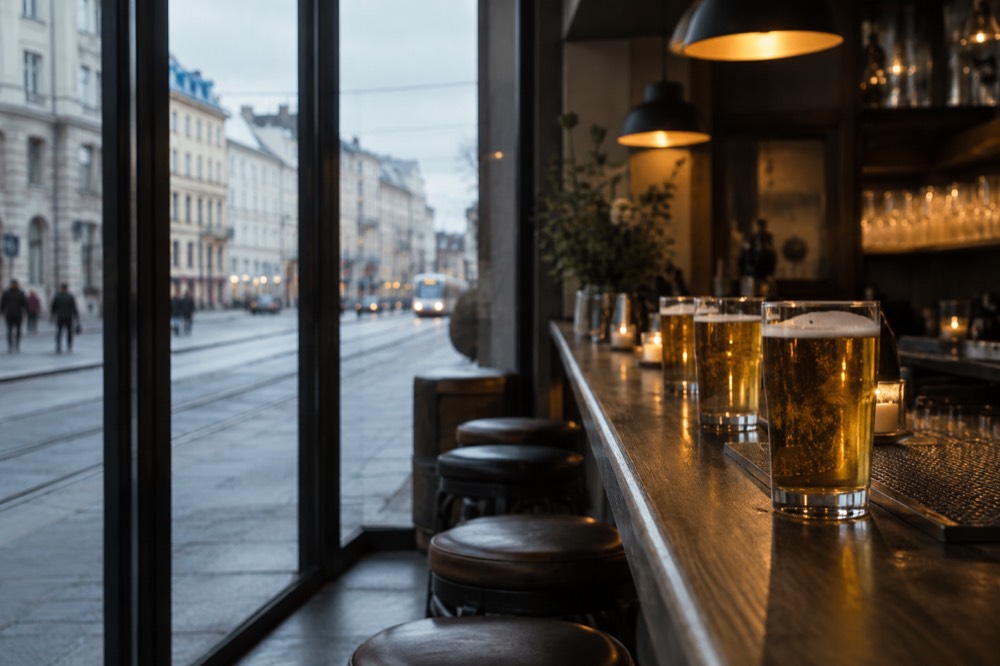
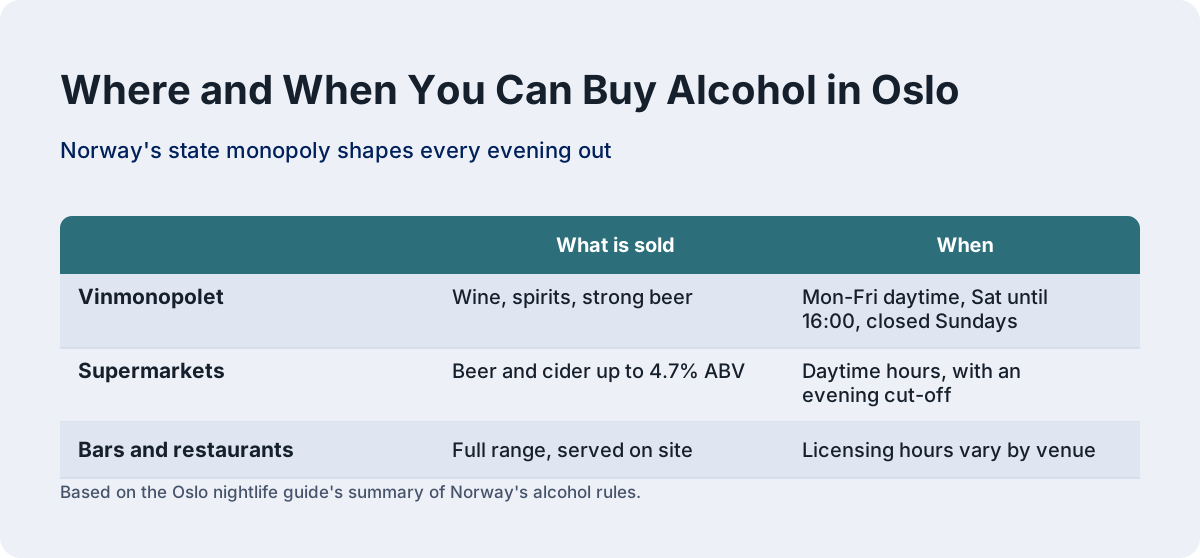
Norway runs a state alcohol monopoly, and it changes the shape of every evening. Wine and spirits are sold only through Vinmonopolet shops, which close early on Saturdays and are closed all day Sunday and on public holidays, while supermarkets sell only beer and cider up to 4.7 percent ABV, with a legally set evening cut-off on those sales. Bars and restaurants are the exception: they serve the full range, at prices that reflect the tax. The practical consequences for a visitor are specific. If you want to drink in a park or at your accommodation, you buy within the monopoly's hours or you do not buy at all. Sunday is the day that catches people out: no Vinmonopolet, no supermarket beer after the cut-off, and bars only. Arriving at the airport, the duty-free allowance is genuinely useful, and because Norway is in Schengen but not in the EU customs union, the rules arriving from an EU country differ from what many travelers expect. Our Oslo currency and cash guide covers the money side of that.
| Where you can buy | What is sold | When |
|---|---|---|
| Vinmonopolet | Wine, spirits, strong beer | Mon-Fri daytime, Sat until 16:00, closed Sundays and holidays |
| Supermarkets | Beer and cider up to 4.7% ABV | Daytime hours, with an evening cut-off |
| Bars and restaurants | Full range, served on site | Licensing hours vary by venue |
The monopoly is also why the Beer and Culture Walk exists as a product at all. A guide who can walk you past the state system, explain the tax structure and take you to the places that work within it is solving a real problem, not just pouring drinks. The tour runs three hours with a perfect 5.0 rating, and it is the single best-value way to understand what you are paying for at every other bar you visit on the trip. The rest of the planning pages sit on Oslo Travel Guide. The rest of the planning pages sit on Oslo Travel Guide.
Tipping, for the record, is not part of the alcohol economy here. Service is included in Norwegian prices, and while rounding up or something in the 5 to 10 percent range for good service is common, it is voluntary and card terminals may simply prompt you. Our tipping in Oslo page covers the norm in full, including restaurants and taxis.
What Can You Do in Oslo in the Evening Besides Bars?
More than the nightlife reputation suggests. The strongest evening products in Oslo are a three-hour fjord cruise with a shrimp buffet, a two-hour myths-and-legends history walk through the dark-season streets, late museum openings at MUNCH until 21:00, and the simple free option of the waterfront and the parks in the long summer light. Together these cover travelers who do not drink, families, and anyone who wants an evening that is not priced by the glass. The two bookable products in that list are worth a closer look, because both are genuinely Oslo-shaped rather than generic.
The evening cruise with shrimp buffet is a Norwegian institution rather than a tourist novelty. It runs three hours on a traditional boat, and the buffet is the fjord-shrimp version rather than a generic dinner, which is exactly the point: Norwegians have been eating cold shrimp and bread on boats in this fjord for generations, and the product leans into it. The cruise is rated 4.5 across more than two thousand reviews, it leaves from the central waterfront piers, and in summer it catches the light that does not properly end. For more on the boats themselves, our Oslofjord cruise guide covers the full range of fjord products, from the silent electric boats to the island-hopping tours.
The myths-and-legends walk is the dark-season counterpart. It runs two hours in the evening, it is rated 4.8 across more than five hundred reviews, and it exists because Oslo from October to March is a city of long nights, and a history walk about the city's darker stories fits that season in a way a daytime highlights tour cannot. Between the two of them, plus the beer walk, a visitor can fill three distinct evenings without entering a club.
Beyond the tours, the free options are real. The Opera House roof is a public space, walkable at any hour, and it is where the city goes to watch the water. The waterfront promenade from Aker Brygge to Tjuvholmen is a walk that costs nothing and improves with the light. And in winter, the city's own streets under snow are the attraction; our Oslo in winter guide covers that season end to end.
When Is the Best Season for Oslo Nightlife?
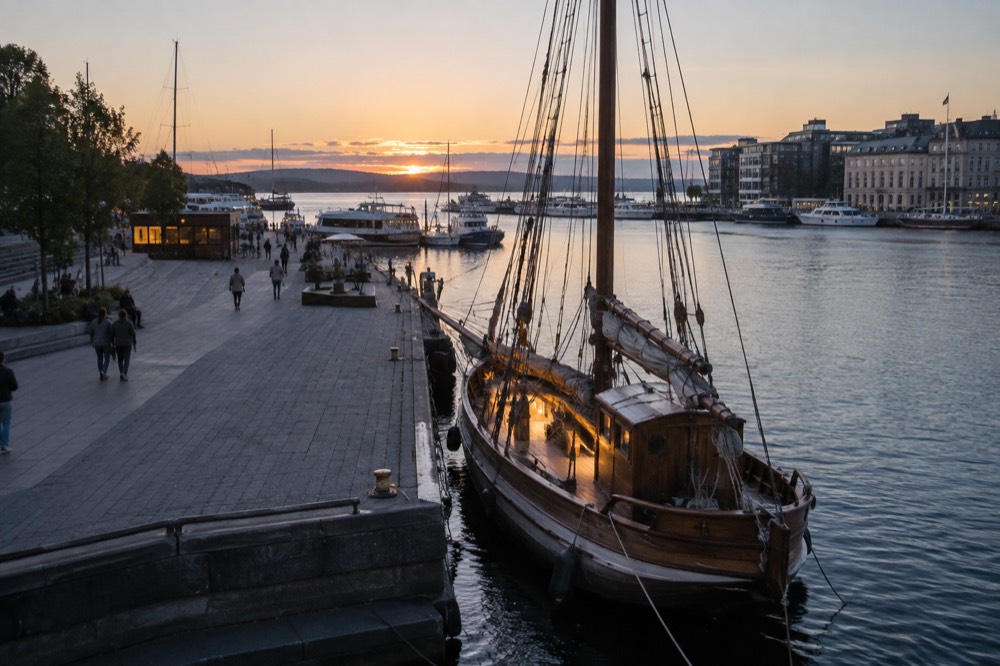
June and July, if you want the outdoor terrace version, and December if you want the dark, cozy version. The deciding factor is daylight: Oslo swings from 18 hours and 50 minutes of it on 21 June to 5 hours and 53 minutes on 21 December, a factor of more than three, and the nightlife follows the light. Summer evenings run late and outdoors, winter evenings start early and move indoors, and both are legitimate ways to experience the city. What does not exist is midnight sun: Oslo is at 59.91 degrees north, well south of the Arctic Circle, so the late-June night is deep twilight rather than a sun that never sets. Any guide implying otherwise is wrong. Equally, the winter darkness is the season's feature, not a bug, and the myths-and-legends walks and torchlit forest experiences exist precisely because of it.
| Date | Sunset | Day length | What evenings feel like |
|---|---|---|---|
| 21 Jun | 22:43 | 18 h 50 m | Twilight all night, terraces full past midnight |
| 15 Aug | 21:09 | 15 h 38 m | Long warm evenings, the last of the outdoor season |
| 15 Oct | 18:08 | 10 h 13 m | Dark by dinner, indoor season begins |
| 21 Dec | 15:11 | 5 h 53 m | Under six hours of daylight, evenings start at 16:00 |
One weather note that surprises people: August is Oslo's wettest month on the 1991 to 2020 normals, at 103 mm, not November or any of the winter months. The terrace season peaks in July, which has a normal mean temperature of 17.7 degrees, and the outdoor drinking culture follows that curve closely. Our Oslo weather by month and best time to visit Oslo guides carry the full tables if you are choosing dates around this.
How Late Do Things Stay Open in Oslo?
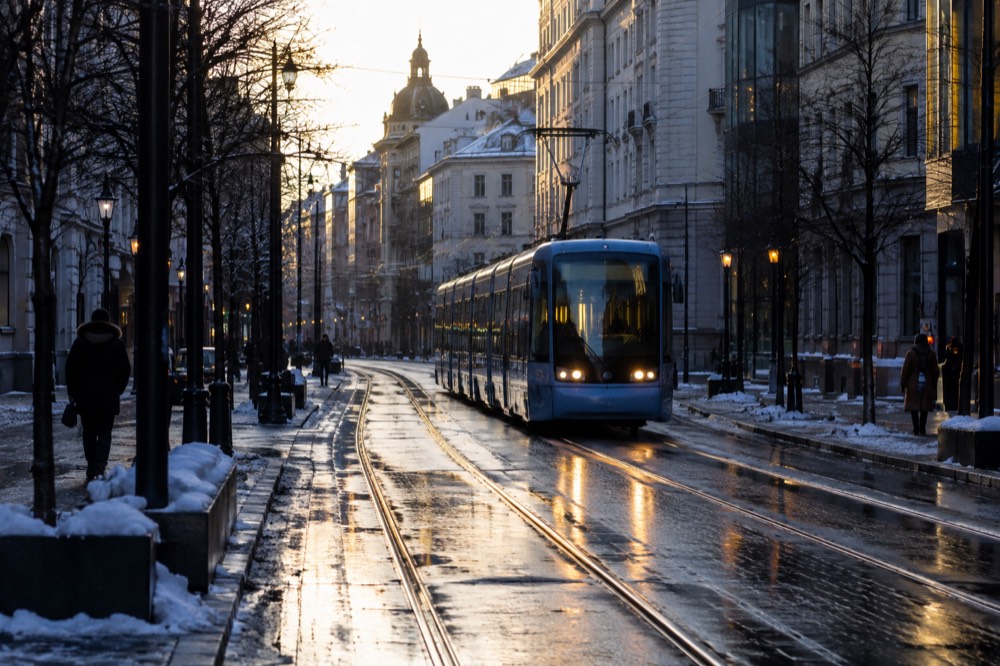
Bars in Oslo typically close earlier than in the major clubbing capitals of continental Europe, with most venues winding down in the small hours rather than running to dawn, and the club scene concentrated on Friday and Saturday nights. Exact hours vary by venue and by license, so check each venue's own page before planning a late night. The practical end of an Oslo night is often set by the last tram rather than the last call. Public transport runs late on the busiest corridors but thins out, and taxis are available but expensive. This is one of the reasons the guided evening products work so well here: they have fixed, published schedules, they end at a sensible hour, and they do not depend on the venue-hours lottery. The evening cruise, the beer walk and the myths walk all run to a timetable you can plan a whole evening around.
The transport point deserves a sentence of its own. Ruter's night coverage exists on core lines, but it thins out, and a taxi ride across the city at 02:00 will not be cheap. Planning your night around the neighborhood you are staying in, or around a hotel near a tram line, is the local move. Our where to stay in Oslo guide is built around exactly that kind of practical trade-off.
Should You Book Anything in Advance for an Oslo Night Out?
Yes for the guided evening products, and no for the bars. The evening cruise with shrimp buffet, the beer and culture walk and the myths-and-legends walk all have finite capacity and run on schedules, so booking ahead is the difference between the evening you planned and an alternative. Bars and clubs do not take bookings in any normal sense, and club door policies are ordinary. The one thing worth booking early in summer is anything on the water, because the fjord products are the city's most popular activities and the boats fill. The three products below are the ones this site's editors recommend for an Oslo evening, covering the drinking culture, the dark-season history and the fjord at dusk, at three different price points.
All three book with free cancellation, so the usual advice about committing early applies less forcefully here than it does for, say, a Sognefjord day trip. But summer capacity on the fjord boats is real, and the evening shrimp cruise in particular is a Norwegian institution that fills with locals as well as visitors. Booking a few days ahead in July is the sensible floor.
For the rest, the city rewards low expectations and good planning. Oslo will not give you a Berlin night. It will give you a fjord at 22:00 in a twilight that never quite ends, a beer culture shaped by a century of state policy, a museum open until 21:00, and a walk through the dark streets of a city that spends half the year learning to like the dark. That is a better trade than it sounds.
Common Questions About Oslo Nightlife
Is Oslo good for clubbing?
Only moderately. Oslo has real clubs and a genuine electronic music scene, but the clubbing culture is smaller and more restrained than in Copenhagen, Stockholm or Berlin, with high cover charges and drink prices, scattered venues, and a scene that runs strongest on Fridays and Saturdays. The city's evening strengths lie in bars, waterfront terraces and guided evening experiences.
Where do locals go out in Oslo?
Mostly Grünerløkka and the Vulkan area by the Akerselva river, plus the Aker Brygge and Tjuvholmen waterfront in summer. Karl Johans gate carries the tourist-facing bars, which locals largely avoid.
How expensive is a night out in Oslo?
Very, by European standards. Alcohol and tobacco in Norway cost more than double the European average on Statistics Norway's 2025 price-level survey, and food runs 33 percent above it. Locals commonly pre-drink before going out, and the duty-free shop on arrival is a genuine part of travel culture.
Can you buy alcohol on Sunday in Oslo?
Not in shops. Vinmonopolet, the state monopoly, is closed every Sunday and on public holidays, and supermarkets stop selling beer at the legally set evening cut-off. Bars and restaurants serve the full range on Sundays, at bar prices.
What is there to do in Oslo in the evening besides bars?
Plenty: a three-hour fjord cruise with a shrimp buffet, a two-hour myths-and-legends history walk, late openings at MUNCH until 21:00, and the free options of the Opera House roof, the waterfront promenade and Vigeland Park, which is open 24 hours a day all year.
Does Oslo have midnight sun in summer?
No. Oslo is at 59.91 degrees north, well south of the Arctic Circle, so the late-June night is deep twilight rather than a sun that never sets. The sun sets at 22:43 on 21 June and rises at 03:53, and it never gets properly dark, but that is not midnight sun.