Oslo on a Budget: A Full City Break Without the Painful Bill
Oslo has a reputation for emptying wallets, and partly it deserves it. But the things that make the city expensive are narrow: alcohol, restaurants and taxis. Museums, public transport and the outdoors range from cheap to free, and a disciplined visitor can see a great deal of the city for far less than the guidebook fear suggests.
Short answer
A budget day in Oslo costs roughly 580 NOK with an Oslo Pass, which covers transport plus entry to over 30 museums, or less without one if you stick to free sights like Vigeland Park and the Opera House roof. The expensive parts are alcohol, restaurants and taxis: alcohol and tobacco run at more than double the European average. Skip those and the city softens fast.
Norway is the sixth most expensive country in Europe on Statistics Norway's 2025 price-level survey, and households there face prices 28.6% above the EU average. That is the honest starting point for any budget guide to its capital, and pretending otherwise would not help you.
But the average hides a split that matters enormously to a visitor. Food runs 33% above the European average and alcohol and tobacco cost more than double it, while museums, public transport and the outdoors, the three things Oslo is actually best at, are priced like a mid-range European city or not priced at all. A traveler who eats from supermarkets, walks, and spends on the one or two museums that matters will find Oslo manageable. A traveler who orders wine with dinner three nights running will not.
This itinerary is built around that split. It assumes three days, a preference for walking, and a willingness to treat the fjord, the forests and the sculpture park as the main attractions, which is honestly what they are. For the full list of paid and free options, see everything to do in Oslo, and for a deeper cut of the zero-cost side, our free things to do in Oslo guide goes further than this page can.
How Expensive Is Oslo, Really?
Oslo is expensive in specific, avoidable categories and ordinary in the rest. Statistics Norway's 2025 comparison puts overall household prices 28.6% above the EU average, food 33% above, and alcohol and tobacco at more than double the European average. Museums mostly charge 120 to 280 NOK, public transport is zone-based and modest, and the city's biggest attractions, Vigeland Park, the Opera House roof and the entire Oslofjord, cost nothing at all.
The useful way to think about it is that Oslo charges heavily for nightlife and lightly for daylight. The price of a restaurant meal with drinks is where the city earns its reputation, and the state alcohol monopoly, Vinmonopolet, is the visible edge of that policy: it is the only place to buy wine and spirits, it closes early on Saturdays and stays shut all day Sunday, and supermarkets sell only beer and cider up to 4.7% ABV with a fixed evening cut-off. None of that is a problem for a visitor who buys picnic supplies and treats a restaurant dinner as a deliberate, budgeted event rather than a default.
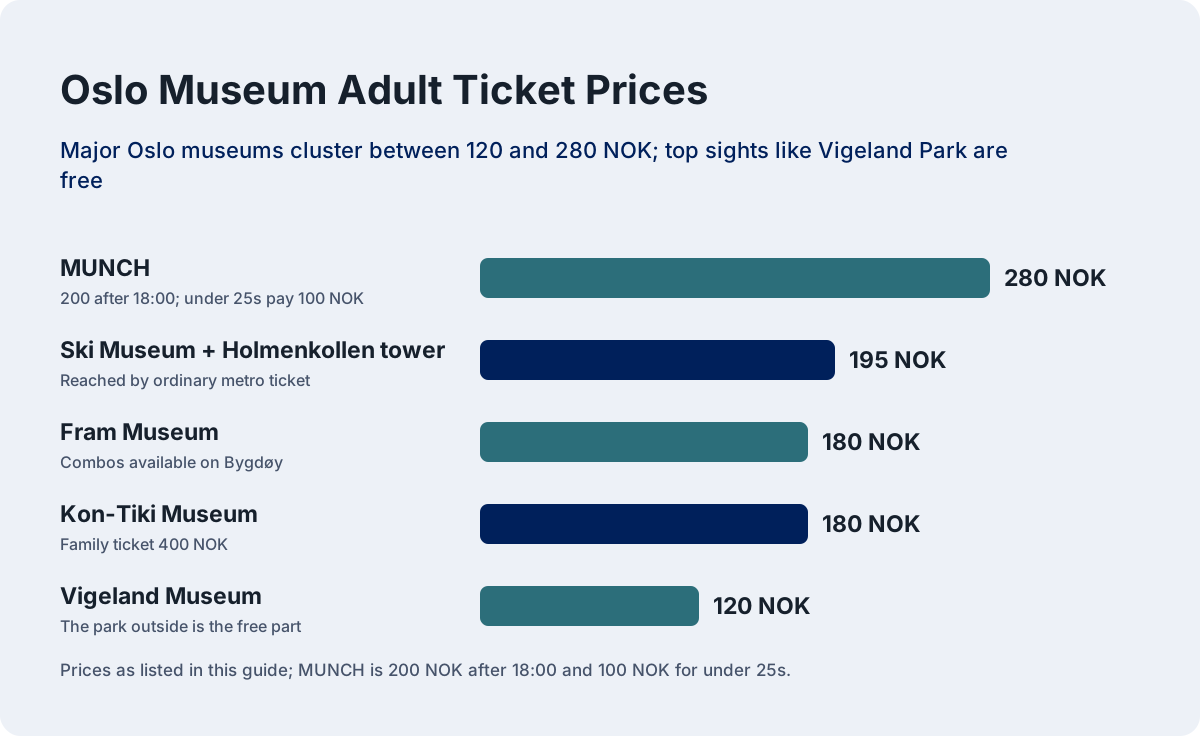
Where the money genuinely does not go: museums. The major ones cluster between 120 and 280 NOK, and several of the best sights in the city are free. Here is what the paid landscape actually looks like:
| Attraction | Adult price | Budget note |
|---|---|---|
| Vigeland Park | Free, open 24 hours | The city's most visited sight costs nothing |
| Opera House roof | Free, public access | Walk on it any time |
| MUNCH | 280 NOK (200 after 18:00) | Under 25s pay 100 NOK |
| Fram Museum | 180 NOK | Combos available on Bygdøy |
| Kon-Tiki Museum | 180 NOK | Family ticket 400 NOK |
| Vigeland Museum | 120 NOK | The park outside is the free part |
| Ski Museum + Holmenkollen tower | 195 NOK | Reached by ordinary metro ticket |
The pattern is consistent: even the paid entries are the price of a sandwich and a coffee in a northern European capital, and the free list is not filler. It includes the single most visited attraction in Norway.
What Does a Budget Day in Oslo Look Like?
A realistic cheap day runs: free walking tour in the morning, supermarket or food-hall lunch, one paid museum or a fjord island in the afternoon, and a picnic dinner with the late evening light. On foot, with an Oslo Pass covering transport and museum entry, the cash outlay beyond the pass itself can stay under 300 NOK. Without the pass, swap the museum for Vigeland Park or the Opera House roof and the day is nearly free.
The backbone of the cheap day is the free walking tour scene. The largest free walk in the city, the Free Highlights Walking Tour, runs about two hours, is tip-based, and carries 2,150 reviews at a 4.68 rating, which makes it by far the biggest budget product in Oslo on any platform. It covers the central highlights, the Opera House, the harbor, Akershus Fortress from the outside, Karl Johans gate, and it doubles as an orientation session that saves you a day of wandering. There are also smaller themed free walks, including a contrasts walk that splits the city into rich and poor, east and west, and a locals-led option rated 4.73.
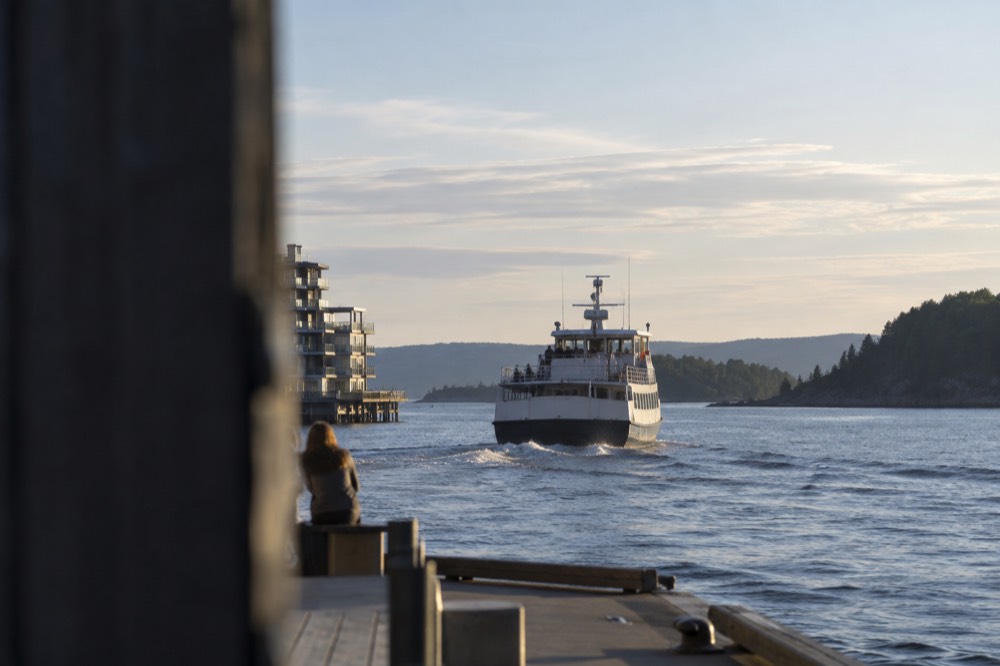
Afternoons belong to the fjord. The island ferries from Aker brygge are ordinary Ruter services, lines B1, B1X and B2, and they ride on a normal zone 1 ticket or an Oslo Pass with no surcharge. Hovedøya, ten minutes off the pier, has a ruined Cistercian abbey and swimming coves; Langøyene, on the seasonal B2, is the swimming and camping island. This is the Oslo-specific free afternoon: a capital city where the public transit system is also a ferry network to uninhabited islands.
The evening costs nothing by design. In June the sun sets at 22:43 and it never gets properly dark, so the long light evening on a pier at Aker brygge or on the Opera House roof is itself the entertainment. Our Oslo at night guide covers the paid end of the evening; the free end is simply being outside at the hour most cities have already gone dark.
Is the Oslo Pass Worth It on a Budget?
For a museum-heavy day, yes, and the arithmetic is not close. Three Bygdøy museums at full price total 560 NOK, against a 24-hour adult pass at 580 NOK that also includes all Ruter transport in zones 1 through 4N, the Bygdøy ferry, and the island ferries. The pass also covers the Vy train to and from Oslo Airport Gardermoen, but not Flytoget and not Flybussen. If your day is museums and boats, the pass wins; if it is parks and islands, skip it.
The 2026 prices from the city tourist board:
| Pass | Adult | Senior 67+ | Child 6-17 |
|---|---|---|---|
| 24 hours | 580 NOK | 465 NOK | 290 NOK |
| 48 hours | 845 NOK | 675 NOK | 420 NOK |
| 72 hours | 995 NOK | 795 NOK | 495 NOK |
The pass includes entry to over 30 museums and attractions, each once per 24-hour period, plus public transport across Ruter zones 1, 2, 3, 4V and 4N. The airport clause deserves its own sentence because most guides state it wrong: the pass covers the train to and from Gardermoen, but only the public trains operated by Vy. Flytoget, the dedicated airport express at 268 NOK each way, is a separate company and is not included. Taking the Vy train instead, about 23 minutes against Flytoget's 20, is the single biggest transport saving available to an arriving visitor, and it is covered in detail in our Flytoget vs Vy comparison.
The honest counter-case: a visitor whose day is Vigeland Park, the Opera House roof, a fjord island and a walk through Grünerløkka will spend almost nothing on attractions, and a pass buys them transport they could have bought as a single zone 1 ticket. We run the full break-even scenario, including the 48 and 72-hour cases, in is the Oslo Pass worth it. The short version is that two museum-heavy days or one museum day plus airport trains make the pass pay for itself.
What Can You Do in Oslo for Free?
More than in almost any comparable capital: Vigeland Park with over 200 sculptures is free and open 24 hours a day all year, the Opera House roof is free public space, Akershus Fortress grounds are free to walk, the Botanical Garden is free, and the Oslofjord islands ride on an ordinary transit ticket. The city's most visited sight costs nothing, and the second most famous view, from the Opera House roof, is a staircase.
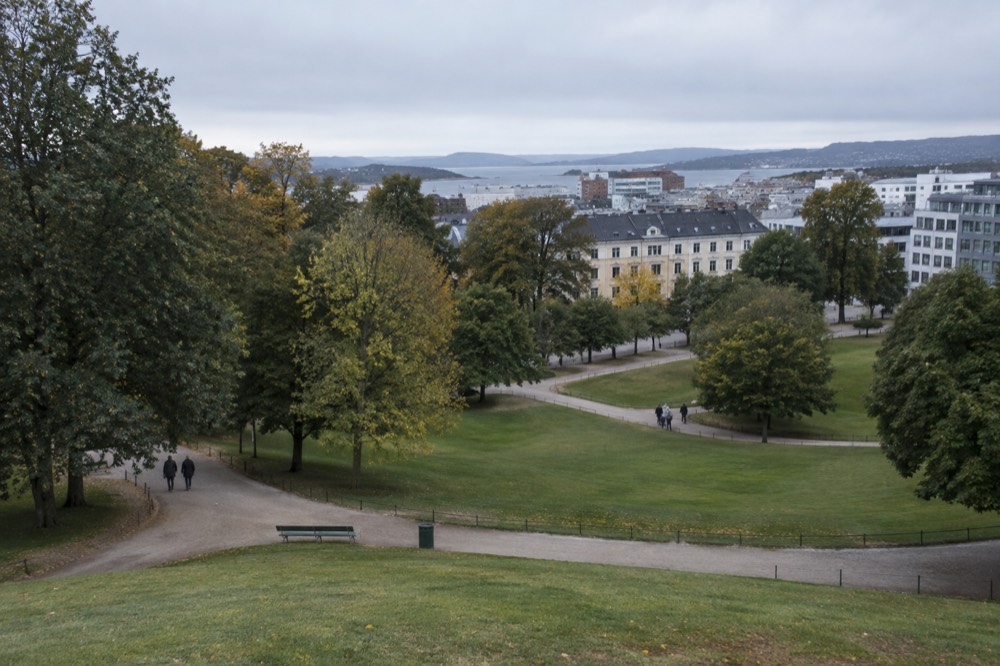
Vigeland Park is the anchor. It is genuinely free, genuinely always open, and it holds the densest concentration of public sculpture anywhere in Norway, arranged along a formal axis that ends at the Monolith, a single carved column of human figures. Gustav Vigeland's work rewards a slow walk, and because the park sits inside Frogner, it pairs naturally with a wander through one of Oslo's prettiest neighborhoods. The park is covered in depth in our Vigeland Park guide; the separate Vigeland Museum beside it charges 120 NOK and is a different thing entirely.
Because the park is free, the only bookable way to spend money on it is a guided art walk, and the best-reviewed one, a 90-minute guided tour of the sculptures at a 4.9 rating, is worth considering if you want the iconography explained rather than just admired.
The rest of the free list, quickly: the Akershus Fortress grounds, with views over the fjord, cost nothing to enter (the museums inside charge); the Botanical Garden at Tøyen is free; Ekebergparken, the sculpture forest on the hill east of the center, is free and has the best panorama of the Oslofjord and the Opera House; and the harbor promenade from Aker brygge to Tjuvholmen is a free walk through the city's newest architecture. For the complete set, the free things to do in Oslo page is the dedicated answer.
How Do You Eat Cheaply in Oslo?
Buy picnic food from supermarkets, use the food halls at lunch, and treat restaurant dinners as a budgeted event. Grocery prices are high by European standards, food runs 33% above the EU average, but a supermarket picnic costs a fraction of a restaurant meal, and alcohol is where the real money goes: it is more than double the European average, which is why the duty-free shop on arrival is a genuinely rational stop.

The structural facts first, because they shape every meal decision. Supermarkets sell beer and cider only up to 4.7% ABV, and stop at a fixed evening cut-off. Anything stronger requires Vinmonopolet, the state monopoly, which keeps short weekday hours, closes early on Saturdays and is shut all day Sunday and on public holidays. If you want wine with a picnic on a Sunday, you needed to buy it on Friday. This is not a quirk to work around; it is the single largest cost lever in the city. Everything else covered here is indexed on Oslo Travel Guide. Everything else covered here is indexed on Oslo Travel Guide.
For eating out on a budget, the practical tiers look like this:
| Strategy | What it is | Where |
|---|---|---|
| Supermarket picnic | Bread, cheese, toppings, supermarket beer | Any Rema 1000, Kiwi or Coop |
| Food hall grazing | Cheaper than a sit-down restaurant, sit-down quality | Mathallen in Vulkan, street-food stalls |
| Lunch specials | Norwegian restaurants often price lunch well below dinner | City center, weekdays |
| One splurge dinner | Budget it deliberately, order the set menu | Anywhere |
Mathallen, the indoor food hall in the Vulkan area, is the budget traveler's friend: you can assemble a serious meal from Norwegian producers at counter prices rather than table-service prices, and the surrounding Grünerløkka neighborhood is the cheapest interesting part of the center to wander. Our Grünerløkka guide covers the district, and Oslo cheap eats handles the food question in full.
One more habit worth importing: Norwegians do not tip as a rule. Service is included in prices, and rounding up or something in the 5 to 10% range for genuinely good service is voluntary. Card terminals may prompt; you are free to decline. Budget travelers should not treat the prompt as an obligation.
How Do You Get Around Oslo Cheaply?
Walk, and use Ruter's zone system only when you must. Central Oslo is compact and walkable, the entire metro network sits inside zone 1, and a single zone 1 ticket is valid for 60 minutes from activation. The island ferries are ordinary Ruter services from Aker brygge, the seasonal Bygdøy ferry is included with the Oslo Pass but not with Ruter tickets, and bus 30 reaches Bygdøy year-round on a normal fare.
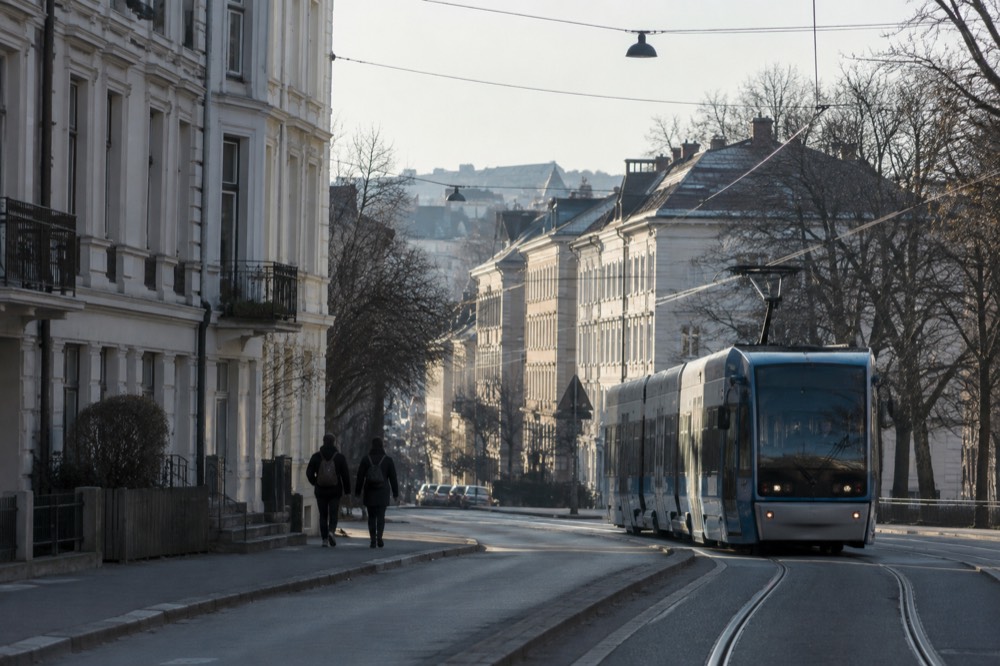
The zone system is simpler than it looks and cheaper than visitors expect if you respect it. Central Oslo is zone 1, and the metro, trams, most buses and the island ferries all live inside it. The airport is zone 4N, a detail worth getting right because an automated read of the operator's own zone map once returned the wrong answer; the national transit data platform confirms 4N. Ticket prices scale with zones crossed, and the operator's own advice is to let the journey planner count zones rather than doing it by hand. Buy in the app: on-board purchases, where available at all, cost more.
The two boat systems are where visitors lose money through confusion. The Bygdøy museum ferry, seasonal from mid-March to early October out of Rådhusbrygge 3, is a private service: Ruter tickets are not valid on it, though the Oslo Pass is, and a one-way fare runs about 70 NOK. The island ferries B1, B1X and B2 from Aker brygge are ordinary public transit on an ordinary ticket. Two different piers, two different ticket rules, one easy mistake. Our Oslo ferries guide keeps them straight.
For the airport, the decision is between Flytoget at 268 NOK for a 20-minute run, and the Vy regional trains, which take about 23 minutes and cost roughly half as much, or nothing at all on an Oslo Pass. The Oslo airport to city center guide runs the full comparison. Taxis are the one transport category where the budget answer is simply: do not, except in genuine need.
Which Museums Are Worth the Money on a Budget?
On a tight budget, pick two: one art museum and one Bygdøy museum. The National Museum holds The Scream and costs about 220 NOK, MUNCH charges 280 NOK with a 200 NOK evening rate after 18:00 and 100 NOK for under-25s, and on Bygdøy the Kon-Tiki and Fram museums pair on a 325 NOK combination ticket that undercuts buying both separately. The Museum of the Viking Age is closed until 2027 and no budget should include it.
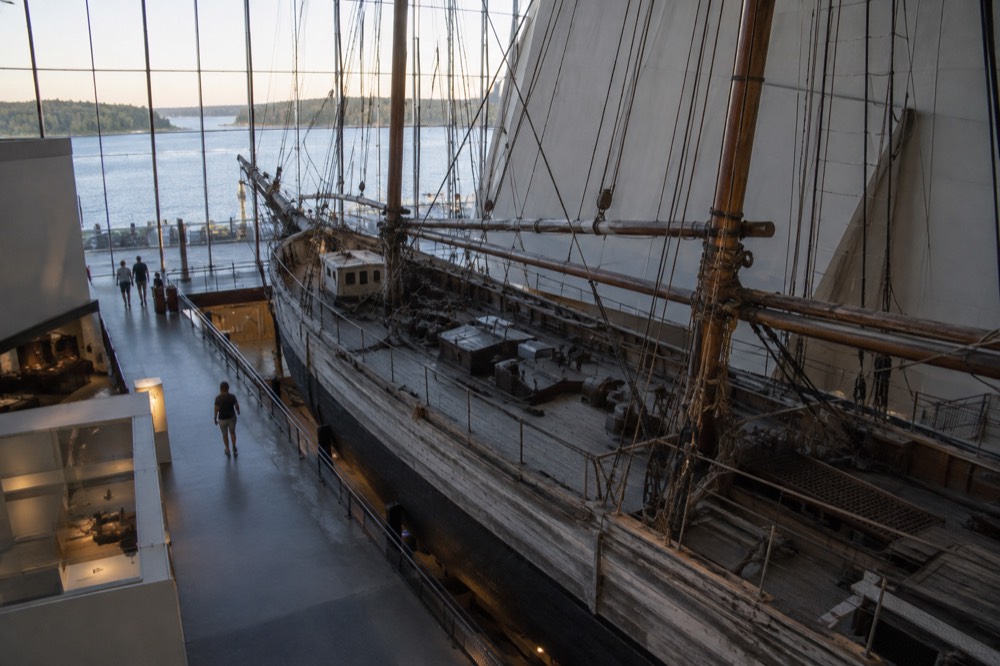
The Bygdøy peninsula is the museum district, and the combination tickets are the budget mechanism. From the Kon-Tiki Museum's own pricing:
| Ticket | Adult | Senior | Child/Student |
|---|---|---|---|
| Kon-Tiki alone | 180 NOK | 140 NOK | 70 NOK |
| Kon-Tiki + Fram | 325 NOK | 250 NOK | 125 NOK |
| Kon-Tiki + Fram + Maritime Museum | 485 NOK | 380 NOK | 125 NOK |
Kon-Tiki is the anchor: Thor Heyerdahl's balsa raft, the actual vessel that crossed the Pacific, in a building on the water it could have sailed from. It is the best-reviewed museum ticket in Oslo on either platform, 4.5 across 1,116 reviews, and at 180 NOK it is priced like the others while being the one people remember. Check availability before you go, since timed entry applies in peak season.
Fram, next door, holds the ship that went furthest north and furthest south of any wooden vessel, and the two museums together make a half-day. The third combination partner, the Norwegian Maritime Museum, is the weakest of the three for a short visit. Note what is missing from the peninsula: the former Viking Ship Museum is closed and will reopen as the Museum of the Viking Age in 2027, and the Viking Planet, a VR-based Viking experience in the center, is the honest substitute in the meantime, covered in our Museum of the Viking Age page.
On the art side, the choice is between the National Museum, which holds The Scream among its collection, and MUNCH, the purpose-built waterfront museum for Edvard Munch's work. MUNCH's evening pricing, 200 NOK after 18:00 against 280 NOK in the daytime, is a genuine budget lever: the museum stays open until 21:00 from Wednesday to Saturday, and an evening visit moves the fjord-view windows into the cheap tier. The MUNCH guide and the National Museum guide cover both in full.
What Does a Three-day Budget Itinerary Look Like?
Day one: free walking tour, harbor and Opera House, evening on the roof. Day two: Bygdøy museums on the combination ticket, reached by bus 30, with the pass covering the ferry in season. Day three: Vigeland Park in the morning, a fjord island in the afternoon, Grünerløkka and Mathallen in the evening. With an Oslo Pass, the total attraction and transport spend is the pass price plus food; without it, the paid items are the combination ticket plus ordinary transit fares.
The shape of the three days, with the spending attached:
| Day | Morning | Afternoon | Evening | Paid items |
|---|---|---|---|---|
| 1 | Free walking tour, city center | Opera House roof, harbor walk, Akershus grounds | Picnic at Aker brygge | Tips for the guide |
| 2 | Bus 30 or ferry to Bygdøy | Kon-Tiki + Fram on the combo ticket | Supermarket dinner | 325 NOK combo, transit |
| 3 | Vigeland Park and Frogner | Ferry to Hovedøya, abbey ruins, swimming | Mathallen, Grünerløkka | Transit, food-hall dinner |
Day two is the expensive day by design, so the others can be nearly free. If you are traveling in the Bygdøy ferry season, mid-March to early October, the boat from Rådhusbrygge 3 is the better arrival and is covered by the Oslo Pass; outside that window, bus 30 runs year-round from the center on an ordinary ticket. The museums cluster at two piers, Dronningen for the cultural history museum and Bygdøynes for Kon-Tiki, Fram and the Maritime Museum, and the walk between them along the peninsula shore takes about 20 minutes.
Day three is the day that makes Oslo unusual among expensive capitals. Vigeland Park in the morning costs nothing and takes two hours to see properly; the ferry to Hovedøya is a ten-minute ordinary transit ride; and the ruined abbey, the swimming coves and the forest paths on the island are all free. Our Hovedøya guide covers the island, and the Oslo islands guide extends the idea to Langøyene and the rest of the archipelago.
If you have more than three days, the 3 days in Oslo itinerary and its neighbors handle the full-length versions, and the cheapest extension of all is a metro ride to the forest edge at Sognsvann or Frognerseteren, both inside zone 1, where marked trails begin immediately.
Common Questions About Oslo on a Budget
How much money do you need per day in Oslo?
On a disciplined budget, roughly 580 NOK per person buys a full day with an Oslo Pass covering transport and museum entry, plus food costs on top. Without the pass, a day built on free sights, walking and supermarket food can come in well under that, with the main variable being whether you enter a paid museum or attraction.
What is free in Oslo?
Vigeland Park, the Opera House roof, the Akershus Fortress grounds, the Botanical Garden, Ekebergparken sculpture park, the harbor promenade and the Deichman library are all free. The Oslofjord islands ride on an ordinary transit ticket, and the free walking tours are tip-based.
Is food expensive in Oslo?
Yes, food runs about 33% above the European average on Statistics Norway's comparison, and restaurant dining pushes the day's cost up sharply. Supermarket picnics, food-hall counters and weekday lunch specials are the standard budget workarounds.
Is alcohol really that expensive in Oslo?
Alcohol and tobacco cost more than double the European average in Norway. Wine and spirits are sold only through Vinmonopolet, which closes early on Saturdays and is shut on Sundays, and supermarkets sell only beer and cider up to 4.7% ABV with an evening cut-off.
Do you need a car in Oslo on a budget?
No. Central Oslo is walkable, the metro, trams and island ferries sit in zone 1, and the museum peninsula is served by bus 30 year-round. A car adds parking and fuel costs in one of Europe's dearest countries for both.
Is the Oslo Pass good value for a budget trip?
It is good value exactly when your day is museum-heavy. Three Bygdøy museums cost 560 NOK at full price against a 580 NOK 24-hour pass that also includes all transport in zones 1 through 4N, the Bygdøy ferry and the Vy airport trains. For a parks-and-islands day, ordinary tickets are cheaper.