Where to Stay in Oslo: The Best Neighborhoods for Every Trip
Oslo is a small capital where the neighborhood you pick shapes the whole trip. This guide walks through every area worth booking a bed in, what each one costs in practice, and how the city's transit grid ties them together.
Short answer
First-time visitors should stay in Oslo sentrum, the center between the Opera House and the Royal Palace, where nearly everything is walkable and every metro line converges. Grünerløkka suits food and nightlife lovers, Frogner is quieter and museum-rich, and Tøyen and Grønland keep budgets intact. Aker Brygge and Tjuvholmen deliver the waterfront at a premium.
Where Should You Stay in Oslo on a First Visit?
Stay in Oslo sentrum, the compact downtown core that runs from the Opera House and Bjørvika in the east to the Royal Palace grounds in the west. Everything a first-time visitor names, from Karl Johans gate to the MUNCH museum, sits inside a 25-minute walk of it, and all six metro lines plus the main tram routes converge on Stortinget and Nationaltheatret. You trade space and price for location, and on a short first trip that trade is almost always worth it.
Oslo's center is unusually honest about what it is. The sentrum grid is small, walkable, and anchored by two big public spaces: Karl Johans gate, the processional street running from Central Station up to the Royal Palace, and the regenerated harbor at Aker Brygge and Tjuvholmen. Pick a bed anywhere between those two poles and you will barely touch a ticket machine for the sights.
The center also splits into recognizably different pockets even though it is all one district on a map. The Barcode rows in Bjørvika, east of the station, put you beside the Opera House and MUNCH in glass towers that went up in recent years. Vestkant, west around the palace, is calmer, leafier, and closer to Frogner's museums. Sentrum proper, between the two, is where most of the hotels actually are, stacked around the station and the harbor.
What the center is not: atmospheric. Much of it is twentieth-century commercial architecture and modern glass, and the nightlife thins out early on weeknights compared with the east side. If your trip is four days or longer, or food and bars are the point, read on before you book the obvious hotel.
What Are the Best Neighborhoods in Oslo to Stay In?
Oslo has six areas that genuinely earn a hotel booking: sentrum for first-timers and sightseeing, Aker Brygge and Tjuvholmen for the waterfront, Frogner for museums and quiet, Grünerløkka for food, bars and character, Tøyen and Grønland for budget stays, and Majorstuen for a residential base with fast metro access. Each has a distinct personality, a distinct price band, and a distinct kind of traveler it suits, and the sights are reachable from all of them.
Here is the honest summary before the detail. Oslo's neighborhoods divide east and west of the Akerselva river, and the division is real: the west, Frogner and Majorstuen, is calmer, pricier and more residential; the east, Grünerløkka, Tøyen and Grønland, is younger, louder and cheaper. The center straddles both and suits the shortest trips.
| Neighborhood | Character | Best for | Transit anchor |
|---|---|---|---|
| Oslo sentrum | Commercial core, all sights in walk range | First visits, one-night stays | Oslo S, Stortinget, Nationaltheatret |
| Barcode / Bjørvika | Glass towers, Opera House, MUNCH | Architecture fans, opera-goers | Oslo S, Jernbanetorget |
| Aker Brygge / Tjuvholmen | Regenerated harbor, restaurants | Waterfront dining, summer trips | Aker brygge tram stops |
| Frogner | Leafery, museums, embassies | Museum trips, quiet nights | Nationaltheatret, bus 30 |
| Grünerløkka | Cafés, bars, vintage shops | Food, nightlife, long weekends | Olaf Ryes plass, Grünerløkka trams |
| Tøyen / Grønland | Multicultural, cheapest beds | Budget trips, students | Tøyen metro, Grønland tram |
| Majorstuen | Residential, shopping streets | Families, apartment stays | Majorstuen hub |
Two of these deserve a special note. Frogner puts you within walking distance of the Vigeland sculpture park, which is free, open 24 hours a day, all year, and one of the few sights in any European capital that costs nothing at all; our page on Vigeland Park covers it in full. And Barcode, despite looking like a business district, is now one of the most convenient addresses in the city for the Opera House roof, which is also free to walk on.
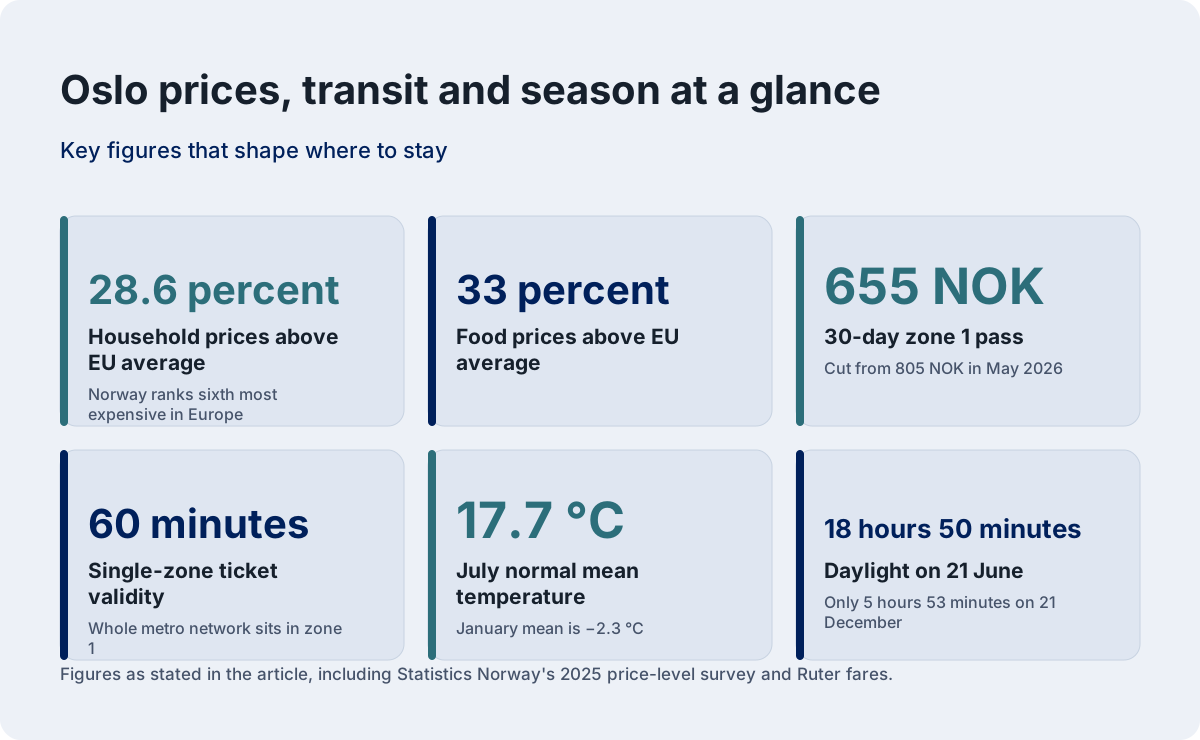
A word on how Oslo prices itself, because it shapes every booking decision. Norway is the sixth most expensive country in Europe on Statistics Norway's 2025 price-level survey, with household prices 28.6 percent above the EU average and food 33 percent above. Hotels follow. What does not follow is everything outside your hotel: museums, public transport and the outdoors are not unusually expensive by European standards, and much of the best of Oslo, from Vigeland Park to the Opera House roof to the harbor islands, costs nothing. Budget for the room, not the days.
Is Grünerløkka the Best Area for Food and Nightlife?
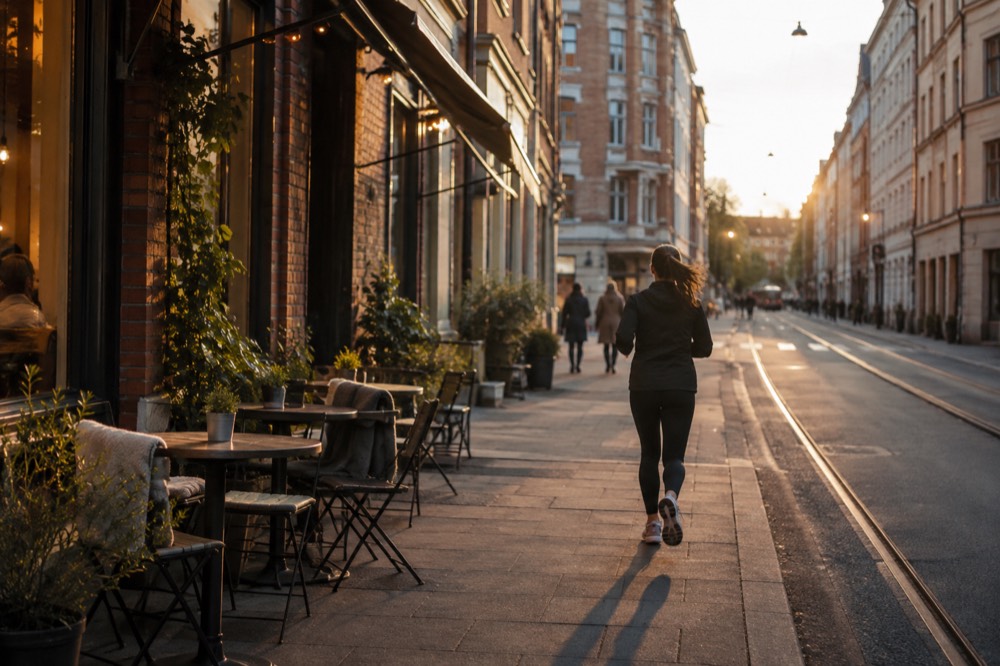
Yes, and it is not close. Grünerløkka, the old workers' district east of the Akerselva river, concentrates more cafés, bars, independent shops and restaurants per block than the rest of the city combined, and it keeps them open late. It is Oslo's equivalent of a Brooklyn or Shoreditch, minus the scale, and it is where the city's own residents go out on Friday nights. Stay here if evenings matter as much as mornings.
The neighborhood runs along the river from Grünerløkka torv up to Olaf Ryes plass, with the food hall Mathallen Oslo at the Vulkan end. Streets like Markveien and Thorvald Meyers gate carry the weight of the café and bar scene, and the river itself, with its waterfalls and old industrial buildings, is one of the more photogenic walks in the city. Our Grünerløkka area guide goes deeper on specific streets and stops.
The trade-offs are real. Grünerløkka is where Oslo's noise complaints live, so a street-facing room on a weekend night is a choice, not an accident. And the district has no metro station: you are on trams, which run frequently but more slowly, or your own feet. The walk to Karl Johans gate takes about 20 minutes along the river, which most people end up enjoying more than they expect.
For food specifically, the neighborhood rewards a stay of three nights or more. The Grünerløkka food culture walking tour, a 2.5-hour walk through the district's food scene, is the strongest bookable introduction to what the area eats, and it ends near Mathallen, which is exactly where an evening should. Our where to eat in Oslo guide picks up the restaurant question across the whole city.
If you would rather learn the center before committing to a district, the cheap guided walk of central Oslo is the natural companion: two hours, a local guide, and a route that ends with you knowing exactly which streets feel like home. It is the same walk this page recommends as a pressure-test before you book.
Where Should Families Stay in Oslo?
Majorstuen and Frogner, on the west side, are the strongest family bases: both are residential, quiet at night, and sit on or near fast transit, with Majorstuen offering a major metro and tram hub and Frogner giving walkable access to the Vigeland Park playgrounds and the museums on Bygdøy bus routes. Families staying longer than a weekend should also consider an apartment in Grünerløkka near the river, which trades calm for space and self-catering.
The practical case for the west side is the transport. Majorstuen station is a junction where several metro lines and trams meet, which means one seat to nearly everywhere, and the Frogner side is served by bus 30, the year-round public bus to the Bygdøy museum peninsula. Families planning the museum-heavy days that Oslo does well, the Fram, Kon-Tiki and cultural history museums, should read our Oslo with kids guide for the full itinerary logic.
Self-catering matters more here than in most capitals because of the alcohol and restaurant arithmetic. Alcohol and tobacco in Norway cost more than double the European average, and restaurant meals run well above it too, while supermarket food is merely expensive. A family that eats breakfast in the apartment and picnics at lunch cuts a meaningful share of the trip's cost without lowering the quality of the days. Supermarkets sell beer and cider only up to 4.7 percent ABV, and wine and spirits exist only at Vinmonopolet, the state monopoly, which closes early on Saturdays and all day Sunday, a schedule worth planning around.
One caution that applies to family bookings anywhere in the city: Oslo's hotel stock skews modern and business-oriented, and the big new openings cluster in the center. The Clarion Hotel The Hub, the largest in the Choice portfolio at 810 rooms, opened centrally in 2026, and Hobo Hotel Oslo followed in late 2025. Both are central options; neither is a neighborhood experience.
Where Is the Cheapest Place to Stay in Oslo?
Tøyen and Grønland, east and northeast of the center, carry the city's cheapest beds, followed by the eastern end of Grünerløkka and the area around Oslo S. Grønland in particular mixes hostels, budget hotels and immigrant-owned food shops whose prices undercut the rest of the city, and it sits on a tram line ten minutes from the center. The trade is atmosphere rather than safety or distance: these are scruffier, livelier districts, and they are where Oslo's own students live.
Budget travelers should be clear-eyed about what "cheap" means in the sixth most expensive country in Europe. The room will cost more than its equivalent in Berlin or Prague whatever you do; the savings come from choosing the district where everything around the room costs less too. Grønland's grocers, bakeries and kebab shops are the cheapest eating in the city center's reach, and the Oslo on a budget guide maps the free sights that make the expensive city survivable.
Tøyen's case is the botanical garden, a large, free green space beside the old Munch museum site, plus a metro station that puts you three stops from the center. The MUNCH museum itself has since moved to Bjørvika, but the neighborhood retains the gardens and the botanic calm. Our Tøyen and Grønland area guide covers the district in detail.
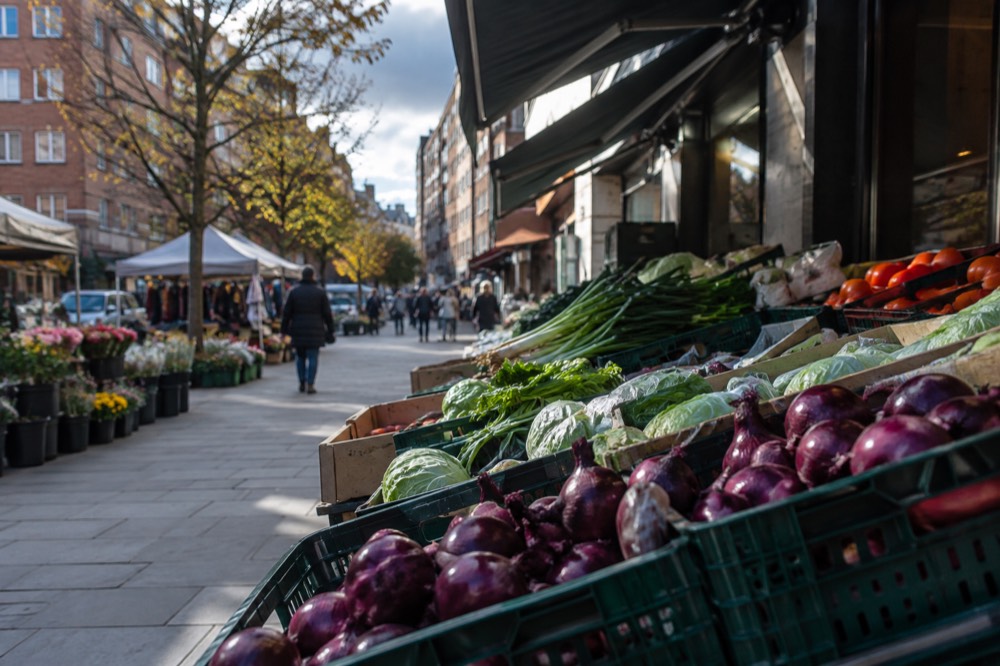
The budget question is also a transit question, and this is where Oslo is genuinely kind to the skint. The whole metro network sits inside Ruter zone 1, a single-zone ticket is valid for 60 minutes from activation, and the 30-day zone 1 pass was cut from 805 to 655 NOK in May 2026, a real reduction announced by Ruter itself. Even on a short trip, the arithmetic of staying one stop further out and riding in is worth doing rather than guessing at.
Is the Waterfront at Aker Brygge and Tjuvholmen Worth the Premium?
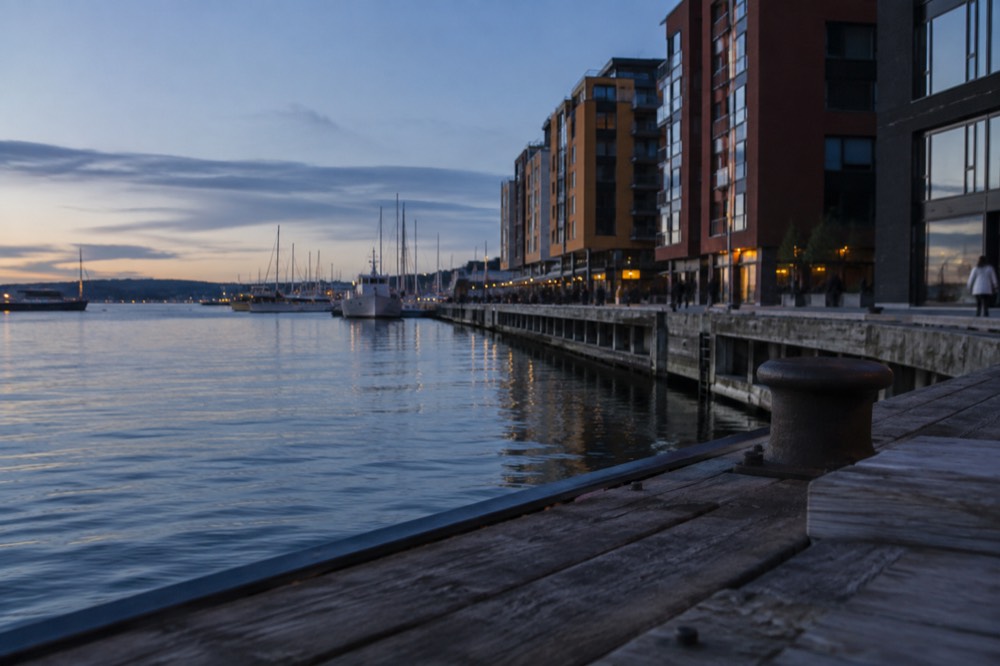
For a summer trip, often yes. Aker Brygge's converted warehouses and Tjuvholmen's newer apartment blocks put you directly on the Oslofjord, beside the city's densest strip of waterside restaurants and the Astrup Fearnley museum, with the island ferries and the Bygdøy ferry within a short walk of your door. For a winter trip the premium buys you wind off the water and dark evenings, and the same money goes further in Frogner or Grünerløkka.
The waterfront's practical advantage is the piers. The island ferries B1, B1X and B2 leave from Aker brygge on ordinary Ruter tickets, and the seasonal Bygdøy museum ferry leaves from Rådhusbrygge 3 nearby, included with the Oslo Pass but not with a standard Ruter ticket. Those are two different systems from two different piers, and staying between them means the harbor islands, the beaches of Langøyene and the whole museum peninsula start within a few minutes' walk. Our Aker Brygge and Oslo islands pages cover both.
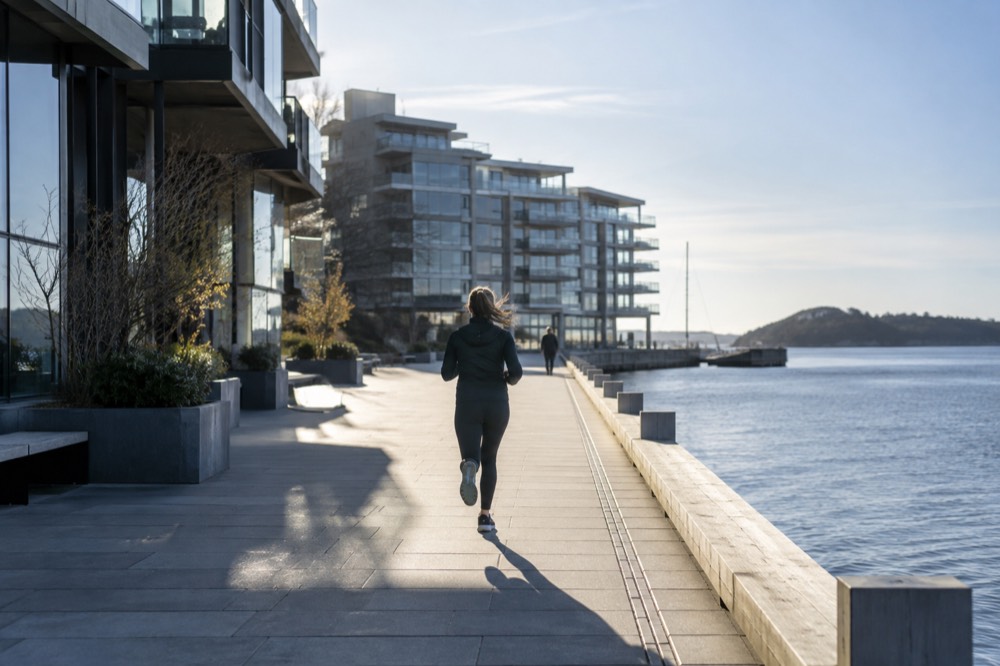
The honest downside is food prices. The Aker Brygge restaurant strip is where the harbor view is billed into the menu, and Norway's restaurant price level is already the wrong end of the European table. Eat one celebratory meal on the water by all means, then walk ten minutes inland for the rest; the Oslo cheap eats guide lists where.
Seasonality deserves a number, because the waterfront sells summer and Oslo's summer is short. The swing in daylight runs from 5 hours 53 minutes on 21 December to 18 hours 50 minutes on 21 June, when the sun sets at 22:43 and never properly gives way to darkness. July's normal mean temperature is a mild 17.7 °C. In January it is −2.3 °C. The same balcony that justifies the premium in June is a different proposition in the dark months.
How Do You Get Around from Each Area?
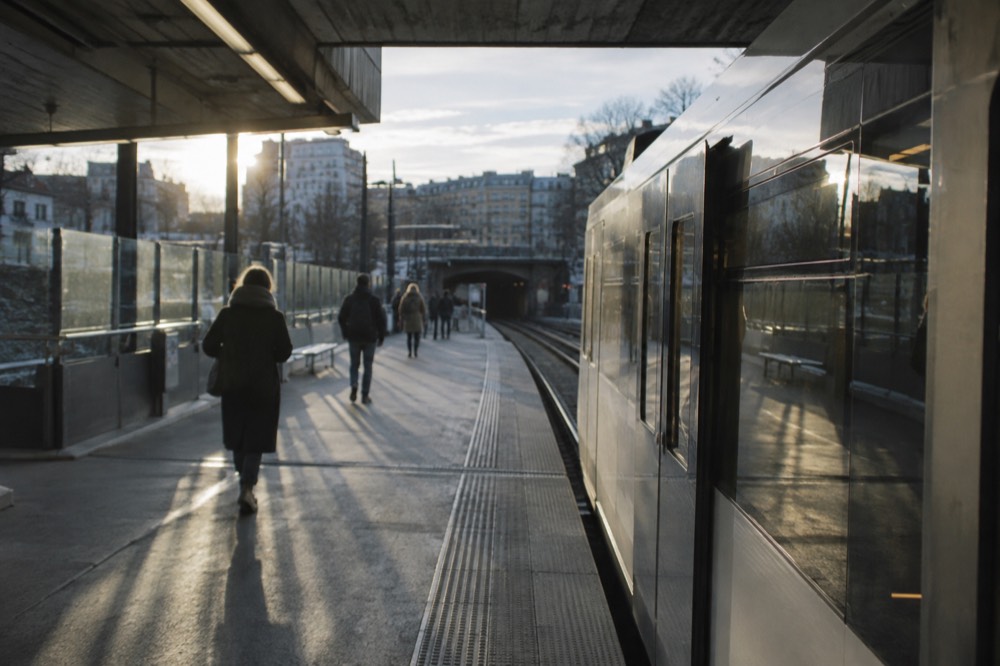
Every neighborhood in this guide sits inside Ruter zone 1, the single central zone that covers the entire metro network, all trams and the island ferries, so no base in Oslo requires a commuter's budget or a complicated ticket. The center is walkable end to end in about 30 minutes; the east and west districts all sit on tram or metro lines that converge downtown in 10 to 20 minutes. The only trip that needs planning is the airport, and even that is a single train from Oslo S.
Here is what the connections look like from each base, using the lines a visitor actually rides. Times are the ones the operators themselves publish for the central stretches.
| From | To | Line | Typical time |
|---|---|---|---|
| Majorstuen | Nationaltheatret (center) | T-bane lines 1-5 | About 5 min |
| Nationaltheatret | Holmenkollen | T-bane line 1 | 15-20 min |
| Grünerløkka (Olaf Ryes plass) | Stortinget | Tram 11 or 12 | About 10 min |
| Tøyen | Stortinget | T-bane lines 3-5 | About 5 min |
| Nationaltheatret | Bygdøy museums | Bus 30 | About 15 min |
| Oslo S | Oslo Airport Gardermoen | Flytoget | About 20 min |
| Oslo S | Oslo Airport Gardermoen | Vy regional train | About 23 min |
| Aker brygge | Hovedøya island | Ferry B1 | About 10 min |
The airport row is worth a sentence of its own, because it is the single most valuable money fact in Oslo and most guides get it wrong. The Oslo Pass covers the train to and from Gardermoen, but only the Vy-operated trains, not the Flytoget airport express. Flytoget costs 268 NOK adult one way and takes about 20 minutes; the Vy regional train takes about 23 minutes and rides on an ordinary multi-zone Ruter ticket at roughly half the price. Three minutes for 134 NOK is a decision each visitor can make for themselves. Our Flytoget vs Vy comparison covers it fully.
For visitors staying put for two or three days and museum-hopping, the Oslo Pass changes the arithmetic of where you sleep, because it bundles transport with entry. The 2026 prices, from the city tourist board's own price page:
| Oslo Pass | 24h | 48h | 72h |
|---|---|---|---|
| Adult | 580 NOK | 845 NOK | 995 NOK |
| Senior (67+) | 465 NOK | 675 NOK | 795 NOK |
| Child (6-17) | 290 NOK | 420 NOK | 495 NOK |
The pass covers entry at over 30 museums and attractions, all Ruter transport in zones 1 through 4N including the airport Vy trains and the island ferries, and the Bygdøy ferry. Three Bygdøy museums at full price come to 560 NOK against a 580 NOK 24-hour pass that also carries you there and back, which is why the break-even question has a real answer. Our is the Oslo Pass worth it guide runs the numbers for each trip length.
Should You Stay on Bygdøy or Outside the Center?
Bygdøy itself, the museum peninsula, is the wrong place for most visitors to sleep: it is a quiet residential peninsula with minimal hotel stock and no metro, and its ferry only runs from mid-March to early October. Staying outside the center in general, though, is a sound choice for trips of four days or more, with Majorstuen west and Grünerløkka east offering better value and more life than sentrum, both inside the same single transit zone.
The Bygdøy logic deserves spelling out because it trips people up. The peninsula holds the Fram Museum, the Kon-Tiki Museum, the cultural history museum and the Norwegian Maritime Museum, all covered by the Oslo Pass and all reachable by bus 30 year-round, but it is a place you visit, not a place you base. The Museum of the Viking Age, the peninsula's former anchor, has been closed since 2021 and will reopen in 2027, per the museum's own statement, with no month attached; until then the Viking Planet in the center is the bookable Viking experience. Our Museum of the Viking Age page tracks the reopening.
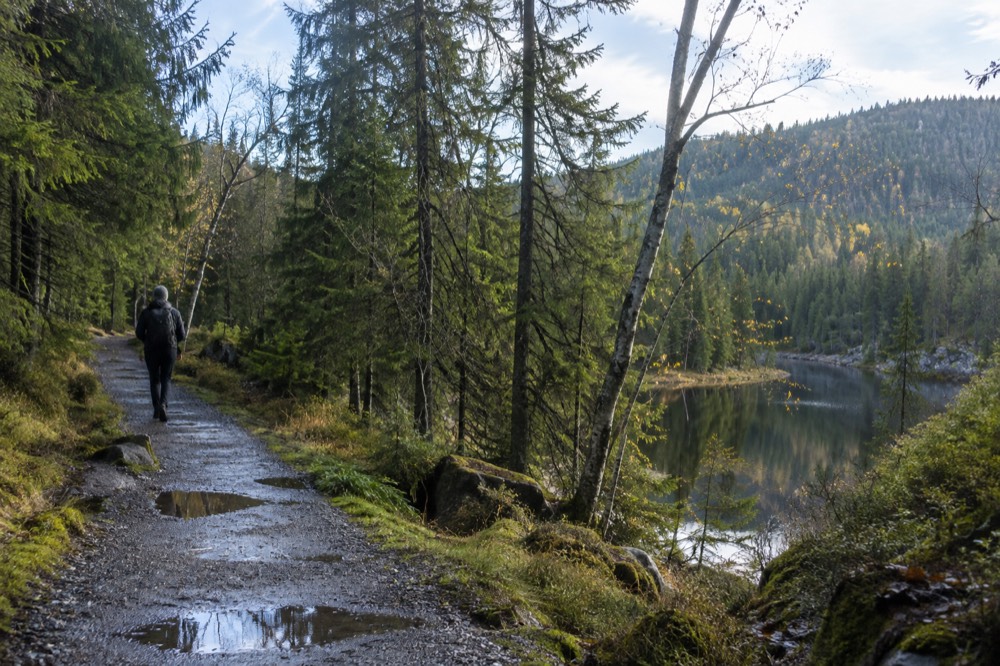
The one out-of-center exception worth taking seriously is the north. The T-bane's line 1 terminates at Frognerseteren on the edge of Nordmarka, the forest that begins inside the city limits, and an apartment around Majorstuen or Holmenkollen puts hiking trails, ski routes and the Holmenkollen ski jump within minutes of the door. For a winter trip built around snow rather than museums, that northern base beats the harbor. The Nordmarka and skiing near Oslo guides cover what that looks like.
What About a First Night Near the Station?
Staying near Oslo S for a first or last night is a defensible budget move, not a compromise to apologize for. The station area puts you on the airport trains, every long-distance route and most of the transit grid, and the walkable center begins immediately outside. The district around the station is the least charming part of a not-very-charming-at-night city center, but for a late arrival or an early departure it beats a 20-minute ride from anywhere with more character.
The station's own future is in flux, which is worth knowing if you book a long stay nearby. The "Nye Oslo S" redevelopment has been in public consultation through 2026, and Ruter has ongoing works on several tram and metro lines into the west of the city, so expect scaffolding and occasional diversions rather than a finished quarter. None of it affects the basics: Flytoget and the Vy trains to Gardermoen leave from here, and the Oslo airport to city centre guide covers the full set of options including the private transfer alternative.
For travelers using the station as a base, the free walking tour scene is the efficient way to convert a short stay into a real one. The largest free walk in the city runs about two hours from the center, tip-based, and it covers more ground than a first-timer would manage alone before lunch. Our Oslo free walking tours guide compares the four main options, including a locals-led walk and a themed contrasts walk that splits east and west Oslo, which is exactly the geography this page has been describing.
So Which Area Should You Actually Book?
Book sentrum for one or two nights and for first trips, Aker Brygge or Tjuvholmen for a summer waterfront stay, Frogner for museums and quiet, Majorstuen for families and apartment trips, Grünerløkka for food and nights out, and Tøyen or Grønland when the budget leads. Every one of them sits in the same single transit zone, so the choice is about atmosphere and price, not access.
The only genuinely wrong answer is booking far outside the city to save money the transit runs will quietly take back.
One way to pressure-test the decision before you pay: walk the district on your first afternoon. The budget central walking tour, a two-hour guided walk with a local guide, is the cheapest credible orientation in the city and ends with you knowing exactly which streets feel right, which is more than any hotel photo tells you. The Oslo guided tours overview places it among the other formats, from the small-group capped walk to the private options.
Whichever area wins, the underlying arithmetic of an Oslo stay is the same. The room is the expensive line; the city around it is more generous than its reputation, with free museums-by-park, a free opera roof, free islands a ferry ticket away and a transit system that just got cheaper. As the planning desk at Oslo Travel Guide puts it after running these numbers across every district: choose the neighborhood for your evenings, buy the pass for your days, and let the T-bane handle the rest.
Common Questions About Where to Stay in Oslo
What is the best area to stay in Oslo for first-time visitors?
Oslo sentrum, the downtown core between the Opera House and the Royal Palace. Nearly every major sight is within a 25-minute walk, all six metro lines converge on Stortinget and Nationaltheatret, and the airport trains leave from Oslo S at its eastern edge. You pay more and get less space than in the outer districts, but on a short first trip the location saves time every single day.
Is Grünerløkka a good place to stay?
Yes, if food, bars and neighborhood character are priorities. Grünerløkka concentrates Oslo's café and nightlife scene along Thorvald Meyers gate and Markveien, with the Mathallen food hall at the Vulkan end. It is louder at weekends, has no metro station, and sits about 20 minutes' walk or a short tram ride from the center, which most visitors consider a fair trade.
Where is the cheapest place to stay in Oslo?
Tøyen and Grønland, northeast of the center, carry the cheapest beds and the cheapest food shops, and both sit on tram or metro lines about ten minutes from downtown. Norway is the sixth most expensive country in Europe, so "cheap" is relative, but these districts are where Oslo's students live, and the prices around the room drop along with the room itself.
Is it better to stay near the Oslofjord waterfront or in the city center?
In summer, the waterfront at Aker Brygge and Tjuvholmen is worth the premium: harbor restaurants, the Astrup Fearnley museum and the island and Bygdøy ferries all sit at the door. In winter the same money buys wind and darkness, and the center or the west side serves you better. The two areas are a ten-minute walk apart, so you lose little either way on access.
Can you stay on Bygdøy near the museums?
Not really. Bygdøy is a quiet residential peninsula with minimal hotel stock and no metro, served by bus 30 year-round and by a seasonal ferry that runs only from mid-March to early October. It works as a day trip destination for the Fram, Kon-Tiki and cultural history museums, not as a base. The Museum of the Viking Age there is closed until 2027.
Do you need a car to stay outside central Oslo?
No. Every neighborhood worth booking in Oslo sits inside Ruter zone 1, the single central zone covering the entire metro network, all trams and the island ferries. Even the airport is a single train ride from Oslo S, and the Oslo Pass covers the Vy trains there. A car in Oslo costs money all day and is a liability at the sights.