Barcode Oslo: What to See, Eat and Do in the Bjørvika Waterfront District
Barcode Oslo is the strip of narrow towers between the Opera House and Sørenga, and it packs an art museum, a flagship library, a food hall and a seawater pool into a few hundred meters of waterfront. Here is what to see, what it costs and how long to give it.
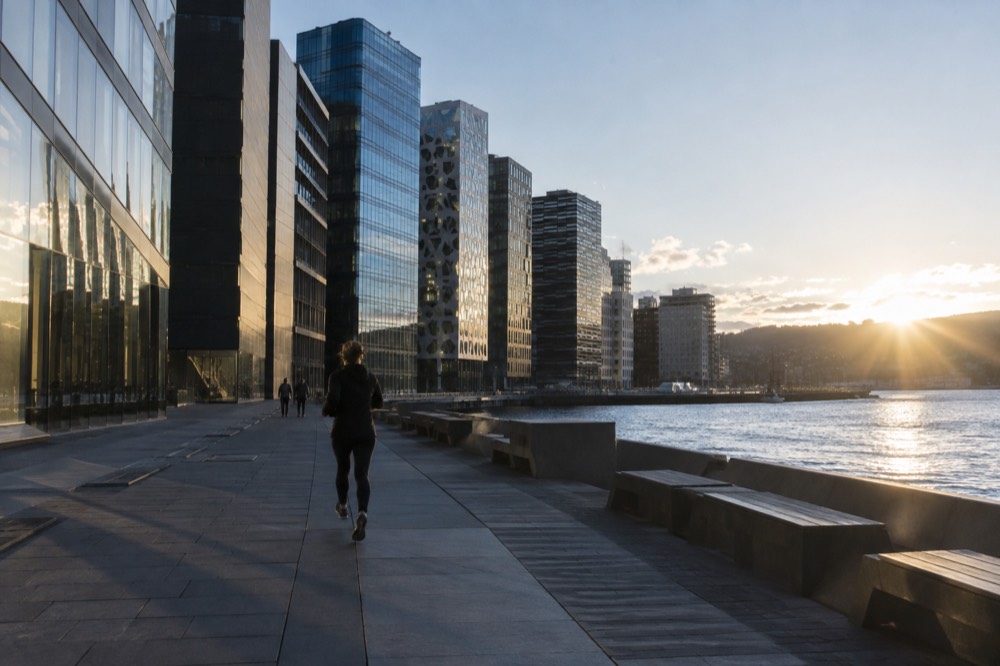
Short answer
Barcode Oslo is a row of narrow high-rise buildings on the Bjørvika waterfront, between the Opera House and the Sørenga seawater pool. Highlights include MUNCH at 280 NOK, the free Deichman library and the free Opera House roof. Most visitors need two to four hours, and the district is a 10 minute walk from Oslo Central Station.
What Is the Barcode Oslo District?
Barcode Oslo is the name given to a planned row of narrow, differently sized towers on the Bjørvika waterfront, immediately east of the Opera House, built on land that was a container port for most of the twentieth century. The name comes from the skyline itself: the buildings stand like the bars of a barcode, with deliberate gaps between them so that everyone inside keeps a view of the fjord.
It carries three of the city's biggest public attractions: MUNCH, the Deichman main library and the Sørenga seawater pool.
The row sits on what used to be the working harbor of Bjørvika, where containers and cargo sheds stood until the city decided to extend downtown onto the water. The redevelopment plan that produced the Barcode required every tower to be narrow rather than wide, which is why the district looks like a comb rather than a wall. The gaps between the buildings are the whole point: they preserve sightlines from the older city down to the Oslofjord, and they create the canyon-like lanes between the towers that give the district its character.
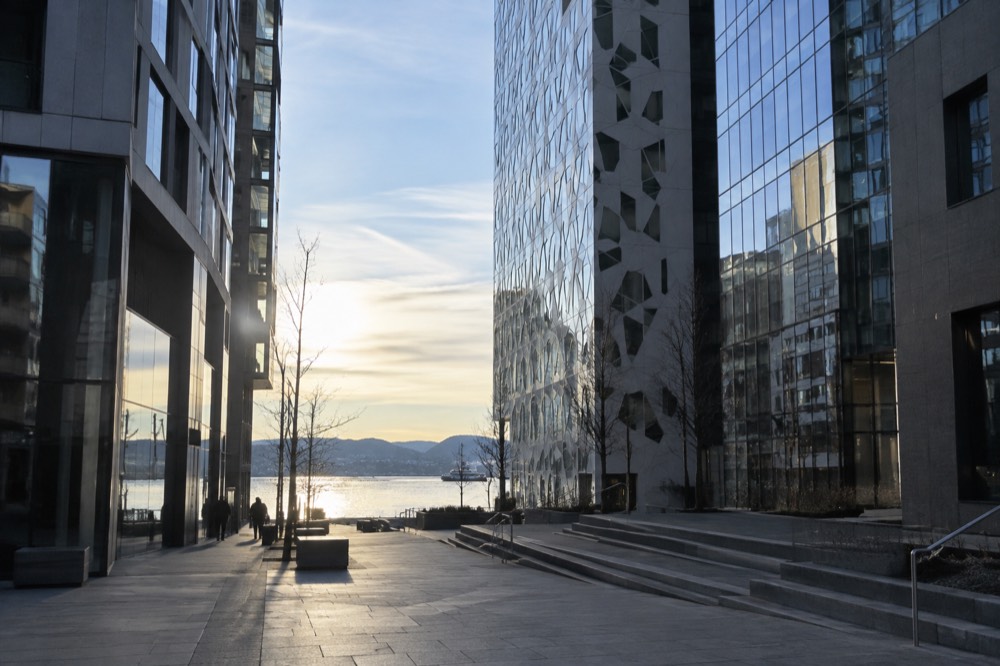
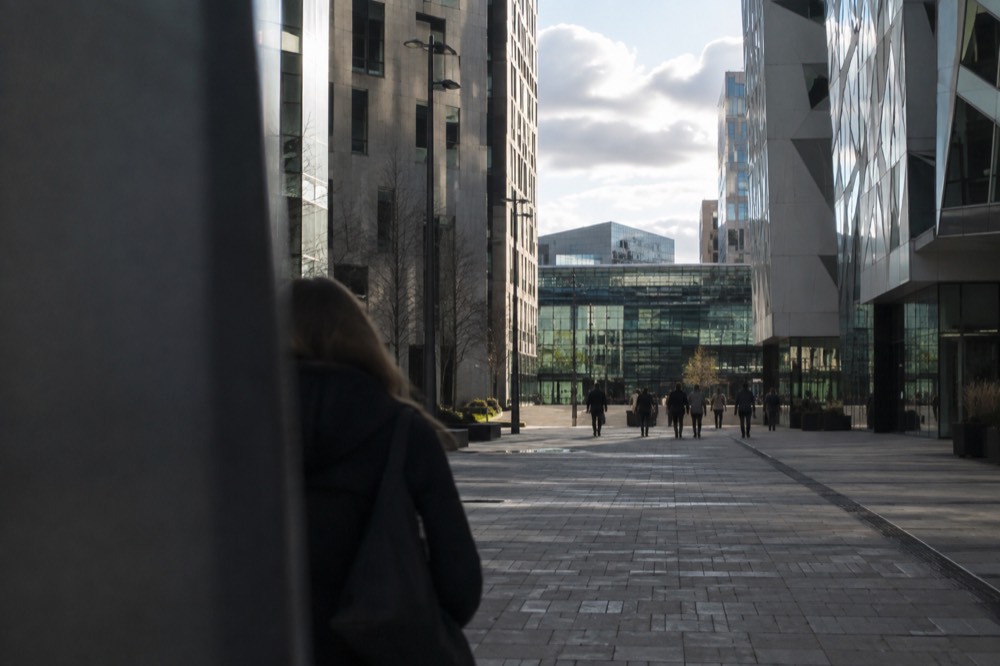
Visitors often arrive without knowing the name and leave using it. You walk out of the Opera House, look left, and there the towers are. The district runs a few hundred meters from the water's edge back toward the central station area, and everything in this guide sits within a ten minute walk of everything else in it. That compactness is its main practical virtue.
The district is also the clearest single answer to what modern Oslo looks like. The city's older face is wooden houses and brick warehouses; the Barcode is glass, steel and angled roofs, and the contrast is deliberate. If your image of Oslo stops at Viking ships and ski jumps, this strip will update it in an afternoon.
What to See in Barcode Oslo: Museums, the Library and the Roof
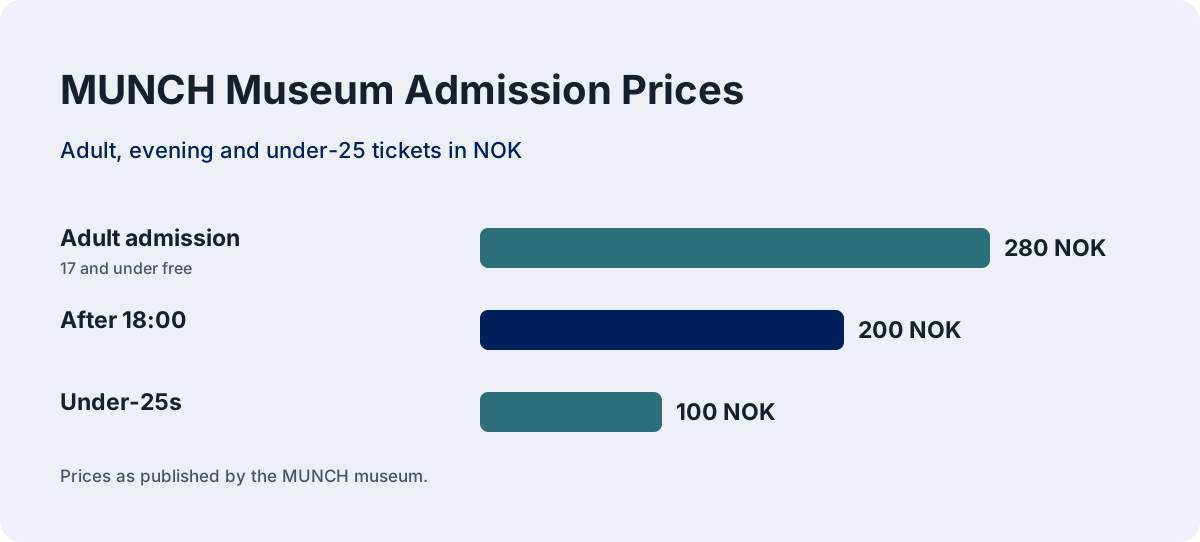
The three headline sights inside Barcode are the MUNCH museum, the Deichman main public library and the Opera House roof walk, and two of the three are free. MUNCH charges 280 NOK for adults, 200 NOK after 18:00, and 100 NOK for under-25s, with 17 and under free. The Deichman library is free to enter, and the Opera House roof is a public, ticketless slope you can walk up at any hour. A full sweep of all three takes about half a day.
Start with the roof, because it costs nothing and orients you. The western edge of the district is the Opera House, and its sloping marble roof is open to walk on. From the top you look back along the Barcode towers and out across the Oslofjord, and you understand the layout in one glance. The surface is marble, so it is slippery in rain or ice: wear shoes with grip, and keep small children close on the slope.
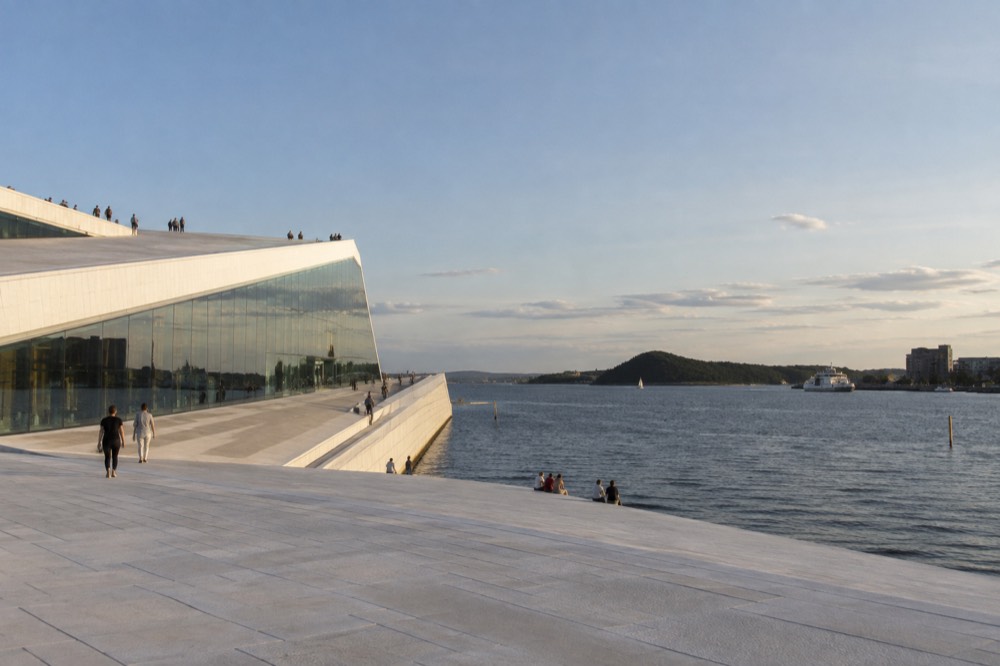
MUNCH is the district's anchor attraction. The museum holds the world's largest collection of Edvard Munch's work, including versions of The Scream, spread over more than ten floors of gallery space. The building itself, a 13 story tower with a twisting top, is the tallest structure in the row. The museum publishes its hours as 10:00 to 18:00 Sunday through Tuesday and 10:00 to 21:00 Wednesday through Saturday, closed only on 1 May. The evening ticket is the quiet bargain here: after 18:00 the adult price drops from 280 to 200 NOK, and late-week openings mean you can see the collection at night.
The Deichman library, at the head of the row nearest the station, is Oslo's main public library and one of the most impressive public interiors in Scandinavia. It is free, it stays open into the evening, and it contains a film library, recording studios, sewing machines and an amphitheater of bookshelves that has become one of the most photographed rooms in the city. You do not need to be a resident to use it. Walk in, ride the escalators, and look up.
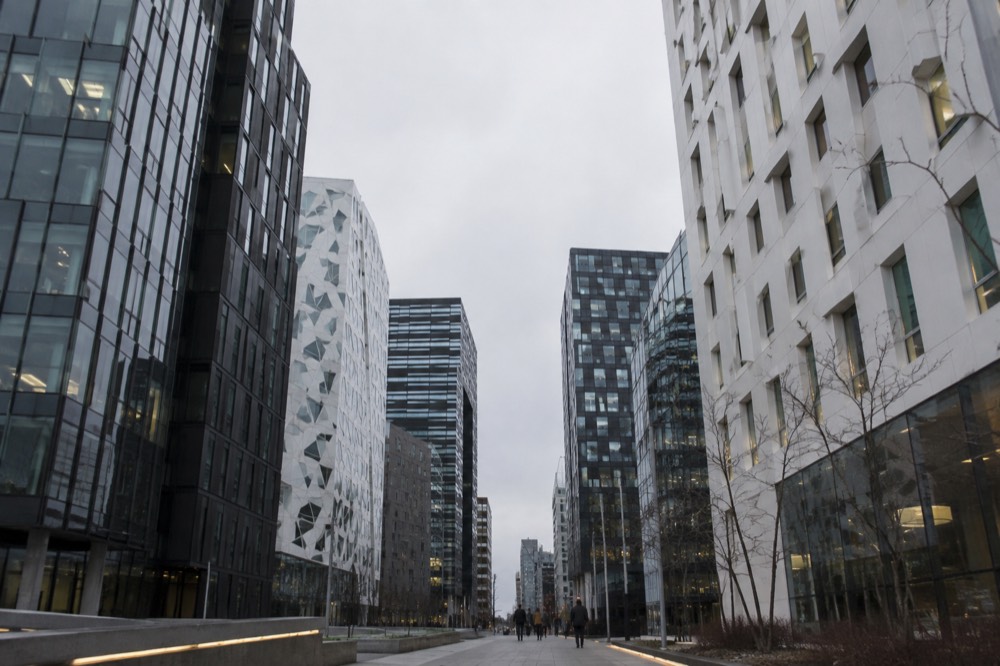
Between the towers, the district rewards aimless walking. The lanes between the buildings hold public art, pocket parks and the odd unexpected view down to the water, and the seawater pool at Sørenga sits at the southern end of the strip, where the Barcode meets the fjord on a boardwalk. If you are building a first-day plan, our one day in Oslo itinerary slots the Opera House and this district into the afternoon neatly.
For anyone weighing the district against the rest of the city's waterfront sights, the things to do in Oslo overview puts Barcode in context against Bygdøy, Aker Brygge and the islands.
Eating and Drinking in the Barcode Buildings
Barcode Oslo eats well above its size, because the towers were planned with ground-floor restaurants and bars facing the water, and the office population keeps them honest on weekdays. Expect a strip of eateries running from the Opera House to Sørenga, plus the food hall at the Vulkan side of the river a metro stop away.
Dinner mains in this part of Oslo commonly run from around 250 NOK upward, check the room, and alcohol is where the bill climbs: Norway's alcohol prices are more than double the European average on Statistics Norway's 2025 comparison.
The ground floors of the towers were deliberately reserved for food and drink, so the restaurant strip is continuous rather than scattered. On a weekday lunchtime the area fills with office workers, which is the best signal of where the food is good and fairly priced: places that survive on a local weekday crowd cannot coast on tourist location. Evenings are quieter, and weekend evenings quieter still, though the museums and the library pull visitors through later in the week when MUNCH stays open to 21:00.
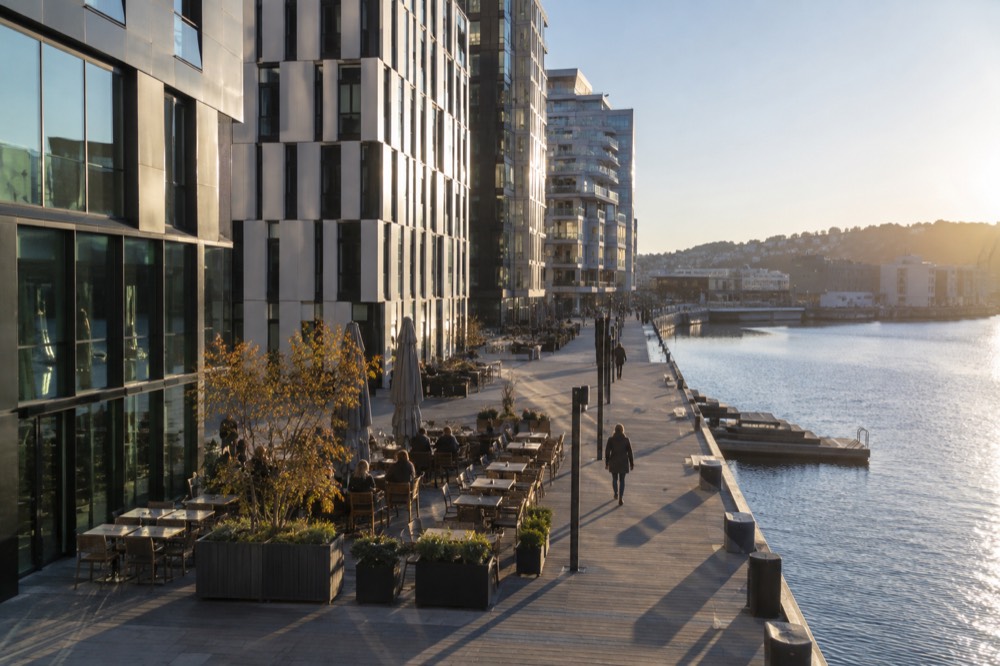
The walk south ends at Sørenga, where the boardwalk and the seawater pool are fringed with more food options, and where you can eat with the fjord in front of you. In summer the seawater pool area becomes the district's social center. Water temperatures in July and August typically sit between 15 and 20 °C, which locals swim in happily and visitors test with one foot first.
The honest planning note is about alcohol. Wine and spirits are sold only through Vinmonopolet, the state monopoly, which closes on Sundays and public holidays and early on Saturdays, and supermarket beer stops at 4.7% ABV. Bar prices carry the markup: that is the single biggest line on a Barcode dinner bill. Our price of beer in Oslo page breaks the numbers down, and the is Oslo expensive guide covers the full cost picture.
A guided route makes particular sense for the drinking side of the district, because Norway's alcohol rules are unusual enough that a local explanation saves real money and confusion. The Beer and Culture Walk runs three hours through the city's drinking history and current bar scene, rated 5.0 across its review base, and it turns the driest-seeming subject in Norway into one of the more useful evenings in the city.
Is Barcode Oslo Worth Visiting at Night?
Yes, and for many visitors night is the best time to see it. MUNCH stays open until 21:00 Wednesday through Saturday, the Deichman library keeps evening hours, the restaurants and bars fill the ground floors with light, and the towers themselves are lit against the dark fjord. In summer the sky never gets properly dark, with the sun setting at 22:43 in late June and the gap filled by twilight, while in winter the district lights carry the evening because darkness falls by mid afternoon.
The summer version is the famous one. At Oslo's latitude the late-June sunset sits at 22:43 and sunrise at 03:53, and the hours between are deep twilight rather than true night. That means an evening walk from the Opera House roof, along the Barcode lanes, out to the Sørenga boardwalk, happens in usable light at 11 pm. There is no midnight sun in Oslo, the city is too far south for that, but the long blue evening is close enough for most purposes.
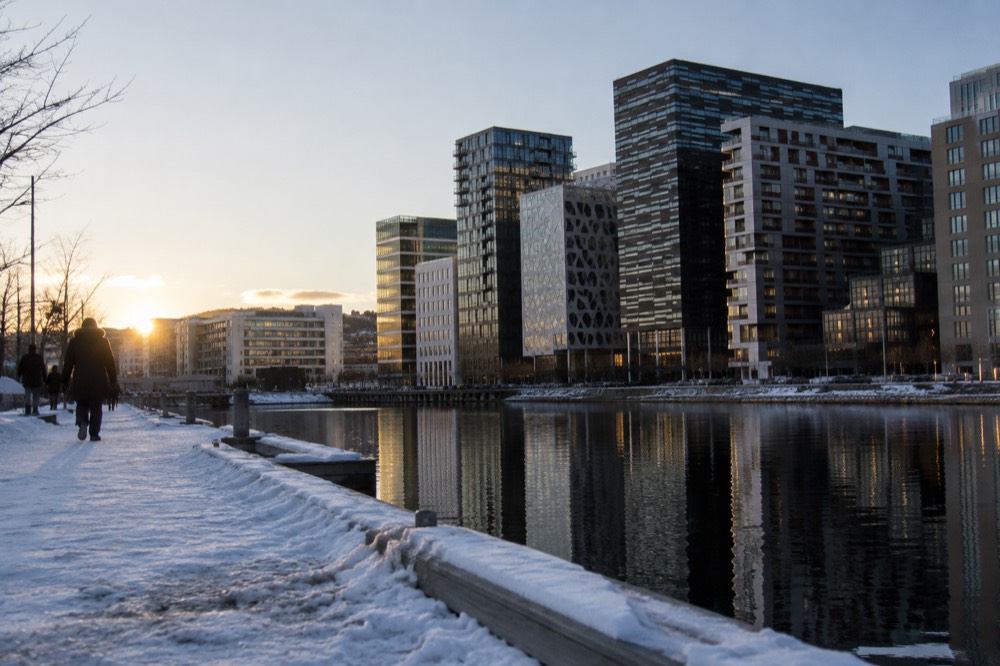
Winter inverts the experience. In late December the sun is up for under six hours, rising at 09:18 and setting at 15:11, so by the time MUNCH opens the light is already failing and by the time it closes the district is fully dark. That is not a reason to skip it: the towers, the lit library atrium and the fjord reflections are a genuinely atmospheric winter walk, and the museums are the honest answer to a cold evening. Our Oslo at night guide covers the wider city after dark.
One evening format fits this district unusually well. The Myths and Legends evening walking tour runs two hours through central Oslo's darker stories, rated 4.8 across 510 reviews, and it is the kind of product Oslo genuinely needs from October to March, when the evenings are long and the outdoor sights are cold. It pairs naturally with a MUNCH evening ticket on a Wednesday or Thursday.
For a bigger night out on the water itself, the evening fjord cruise with shrimp buffet is a Norwegian institution rather than a generic dinner boat: three hours on the Oslofjord with a shellfish buffet, rated 4.5 across 2,115 reviews. It departs from the central piers, which puts a Barcode afternoon and a fjord evening into one seamless day without crossing the city.
How to Get to Barcode Oslo
Barcode Oslo is a 10 minute walk from Oslo Central Station, which is the whole transport answer for most visitors: exit the station toward the fjord and the towers are directly ahead. The district is inside Ruter zone 1, so any ordinary single ticket, day pass or Oslo Pass covers trams and buses to the nearest stops. From Oslo Airport, the Vy train covers the run in about 23 minutes and an Oslo Pass includes it, while Flytoget takes about 20 minutes at 268 NOK and is not covered.
The geography could hardly be simpler. The Barcode strip stands between the central station and the water, so every approach from the station is downhill and visible. The Deichman library sits at the station end, the Opera House at the fjord end, and the walk between them is under ten minutes at a stroll. Anyone staying in central Oslo will likely reach the district on foot without planning transport at all. The full index of guides sits on Oslo Travel Guide. The full index of guides sits on Oslo Travel Guide.
The transport fact worth knowing is the airport one, because most guides get it wrong. The Oslo Pass covers public transport in zones 1, 2, 3, 4V and 4N, which includes the trains to and from Oslo Airport Gardermoen, but only the Vy-operated trains: Flytoget, the separate airport express company at 268 NOK adult one-way, is excluded. The Vy train is about three minutes slower and roughly half the price. The full breakdown, including the Ruter zone logic, is on our Oslo airport to city centre page and the Flytoget vs Vy comparison.
| Route to Barcode | Time | Cost | Notes |
|---|---|---|---|
| Walk from Oslo S | 10 min | Free | Exit toward the fjord, towers ahead |
| Vy train from Gardermoen | ~23 min | Roughly half of Flytoget | Ruter zones 1 to 4N, Oslo Pass covers it |
| Flytoget from Gardermoen | ~20 min | 268 NOK adult single | Not covered by the Oslo Pass |
| Tram or bus, central stops | Minutes | Ordinary zone 1 ticket | District is inside zone 1 |
Barcode vs Aker Brygge: Which Waterfront Should You Choose?
Choose Barcode for architecture, modern art and the library; choose Aker Brygge for eating, shopping and the island ferries. They are both rebuilt harbor districts within a 15 minute walk of each other, so the real answer is that you visit both, but they do different jobs: Barcode is the cultural strip, Aker Brygge is the social one, and it is Aker Brygge's pier that the Ruter island ferries B1 and B2 leave from, not any pier in Bjørvika.
The two districts are often confused because guidebooks photograph them interchangeably, but their content differs. Aker Brygge, the former shipyard west of the City Hall, concentrates restaurants and shops around its boardwalk, and its piers host both sightseeing boats and the public island ferries. Barcode concentrates the museums and the library, and its waterfront is given over to the Opera House and the Sørenga pool. If you have one evening, eat at Aker Brygge and walk to Barcode for the views; if you have one afternoon, do the reverse.
| Barcode (Bjørvika) | Aker Brygge | |
|---|---|---|
| Character | Architecture, museums, library | Restaurants, shops, boardwalk |
| Anchor sights | MUNCH, Deichman, Opera House roof | Waterfront dining, boat piers |
| Free entry | Library, Opera roof, Sørenga boardwalk | Boardwalk and pier access |
| Ferries | Sightseeing boats from nearby piers | Island ferries B1, B1X, B2 (Ruter) |
| Best time | Afternoon into evening | Lunch, dinner, boat departures |
The ferry detail matters more than it looks. The public island ferries to Hovedøya, Gressholmen and Langøyene depart from the Aker Brygge side and ride on an ordinary Ruter ticket, while the Bygdøy museum ferry is a different operator entirely from Rådhusbrygge 3, seasonal, and not covered by Ruter tickets, though the Oslo Pass does cover it. Our Oslo ferries guide keeps the three systems straight, and the Aker Brygge page covers that district in full.
Best Free Things to Do in Barcode Oslo
The free list in Barcode is unusually strong: the Opera House roof, the entire Deichman library, the Sørenga boardwalk and seawater pool access, the public art between the towers and the waterfront walk itself all cost nothing. Add the free walking tours that cover central Oslo, tip-based, and a visitor can spend a full day in and around the district without buying a single ticket beyond coffee.
The Opera House roof deserves its own paragraph because visitors under-rate it as a "quick photo" and leave too soon. It is a full public space, open around the clock, and the top gives the best free view of the Barcode towers themselves: you see the barcode effect properly only from the western side. In the evening the roof becomes one of the city's best free viewpoints, and in winter it becomes an ice rink of a different kind, so treat the marble with respect.
The library is the second free centerpiece. Beyond the famous bookshelf amphitheater, Deichman loans films, hosts exhibitions and lets anyone use its reading rooms. It is the single best rainy-day free option in this part of the city, and our rainy day in Oslo guide leans on it. The Sørenga seawater pool at the district's southern tip is free public access, with July and August water temperatures typically between 15 and 20 °C, and the boardwalk connecting it to the Opera House is a walk worth doing in itself.
For the budget framing, the free things to do in Oslo page places the district in the wider free list, and Oslo on a budget covers the money strategy. The short version: this district gives away more per square meter than almost anywhere else in the city.
How Much Time Do You Need in Barcode Oslo?
Most visitors need two to four hours in Barcode Oslo: one to two hours for MUNCH, 30 to 45 minutes for the Deichman library, 20 minutes on the Opera House roof and the rest for the lanes, the boardwalk and something to eat. Add an evening fjord cruise or a guided walk and the district comfortably fills a half day plus an evening, which makes it the densest single stop on many Oslo itineraries.
The museum is the variable. MUNCH spreads its collection over more than ten floors, and visitors who care about the paintings routinely spend two hours; visitors who mainly want The Scream and the view can do it in one. The library rewards 30 unhurried minutes, longer if it is raining. The roof, the lanes and the Sørenga boardwalk together take about an hour of walking, and that hour is the part people remember in photographs.
| Sight | Time needed | Cost |
|---|---|---|
| Opera House roof | 20-30 min | Free |
| Deichman library | 30-45 min | Free |
| MUNCH | 1-2 hours | 280 NOK adult, 200 NOK after 18:00 |
| Barcode lanes and public art | 30-45 min | Free |
| Sørenga boardwalk and pool | 45-60 min | Free access |
| Meal in the district | 1-2 hours | Mains from around 250 NOK, check the room |
If you are allocating days rather than hours, the district slots into day one of almost any plan. The 2 days in Oslo and 3 days in Oslo itineraries both route through Bjørvika on the first afternoon, and the Oslo cruise port day guide makes Barcode the natural first stop for cruise passengers, since the walk from the cruise terminals lands you at the Opera House before anything else.
Common Questions About Barcode Oslo
What is the Barcode in Oslo?
The Barcode is a row of narrow, differently sized towers on the Bjørvika waterfront east of the Opera House, built on former container-port land. The name comes from the skyline's resemblance to a barcode, with deliberate gaps between the buildings preserving views of the Oslofjord.
How do I get to Barcode Oslo from the city centre?
Walk. The district starts about a 10 minute walk from Oslo Central Station: exit toward the fjord and the towers are directly ahead. Everything in the district is inside Ruter zone 1, so trams and buses on ordinary tickets serve the nearest stops.
How much does it cost to visit Barcode Oslo?
Walking the district, the Opera House roof, the Deichman library and the Sørenga boardwalk are all free. The main paid sight is MUNCH at 280 NOK for adults, dropping to 200 NOK after 18:00, with under-25s at 100 NOK and 17 and under free.
Is MUNCH worth visiting?
For most visitors, yes. It holds the world's largest Munch collection, including versions of The Scream, across more than ten floors. The evening ticket after 18:00 at 200 NOK is good value, and the museum stays open until 21:00 Wednesday through Saturday.
What is the best time of day to visit Barcode Oslo?
Late afternoon into evening. You can tour MUNCH, watch the light change over the fjord from the Opera House roof, and in summer enjoy twilight past 22:00, since the late-June sunset is at 22:43. In winter the district's lights carry the evening after dark falls by mid afternoon.
Can you swim near Barcode Oslo?
Yes. The Sørenga seawater pool sits at the southern end of the district, with free public access. July and August water temperatures typically run between 15 and 20 °C, which is bracing rather than warm.