Oslo Weather by Month: A Practical Planning Guide
Oslo swings from five hours of daylight in December to nearly nineteen in June, and from minus two to plus seventeen on the monthly normals. Here is what that actually means for a trip, month by month.
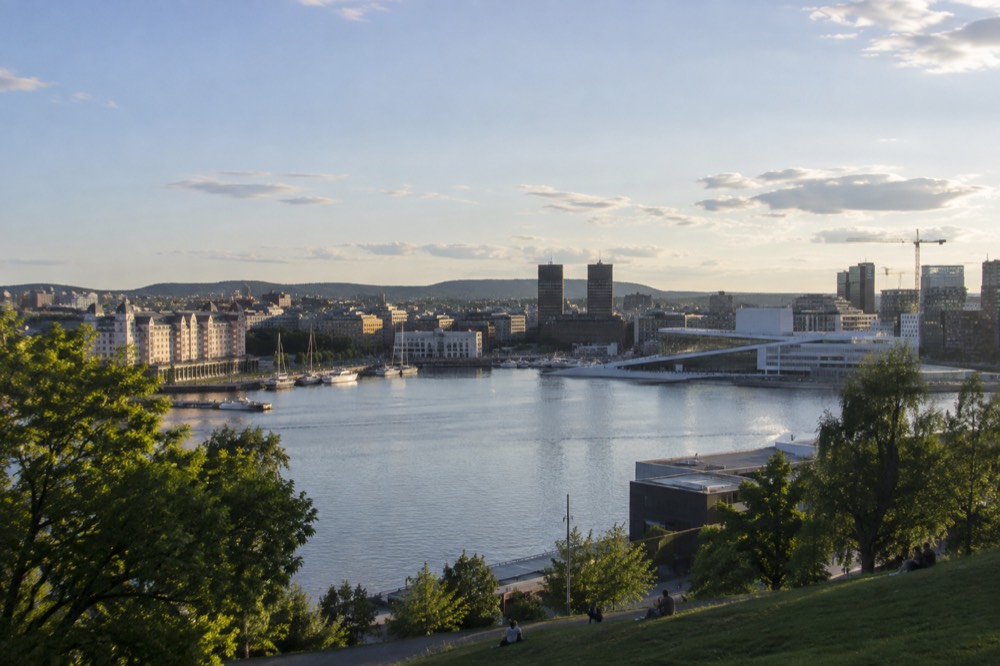
Short answer
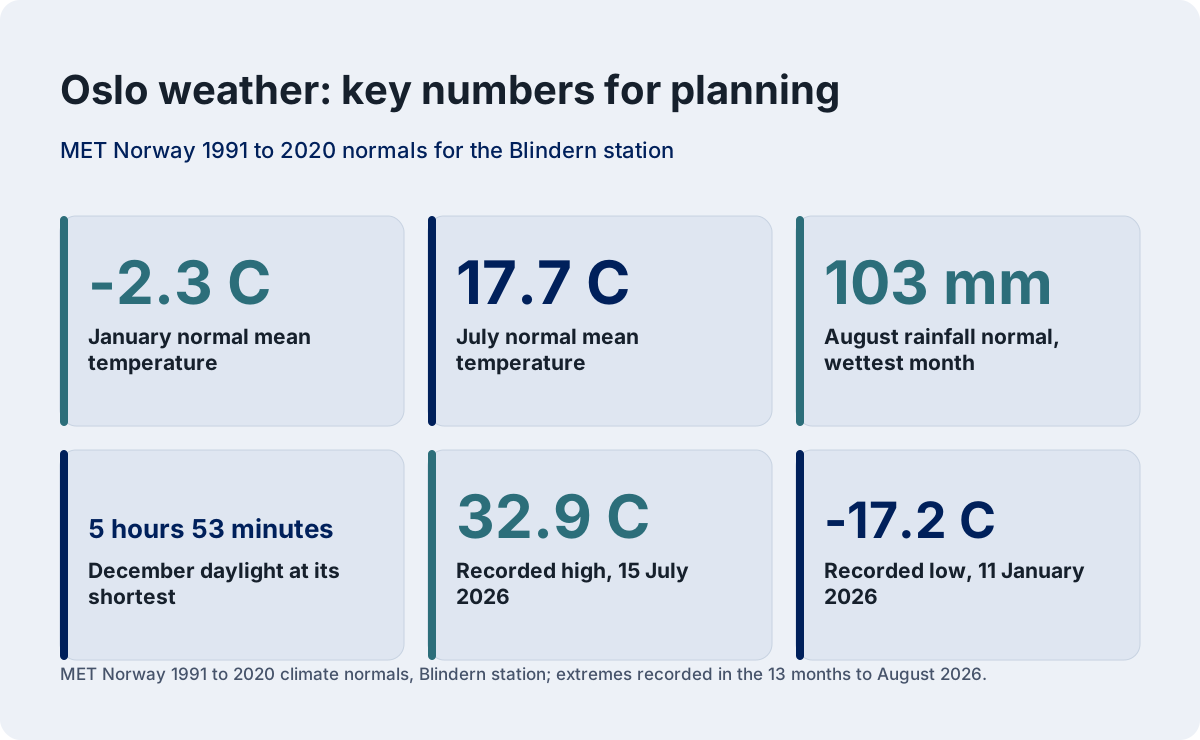
Oslo's monthly normal temperatures run from -2.3 C in January to 17.7 C in July, with rainfall fairly evenly spread, August is the wettest month at 103 mm. Daylight swings from 5 h 53 m in December to 18 h 50 m in June, so the month you pick shapes your trip more than any forecast.
Oslo sits at 59.91 degrees north, which changes the weather conversation more than most visitors expect. The city gets a genuine winter, a mild summer, and a daylight swing so large that the same street can feel like two different cities in December and June. MET Norway's official 1991 to 2020 climate normals for the Blindern station in Oslo give the honest baseline, and this guide works from those numbers rather than from impressions.
What the normals show is a continental-influenced city, not the mild, damp coastal Norway many people picture. January's normal mean is -2.3 C (about 28 F), July's is 17.7 C, and rain falls somewhere in the city in every single month. August, not November, is the wettest month on the 30-year normals at 103 mm, a fact that contradicts almost every casual summary of Oslo's climate. The sections below take each planning question in turn: what the year looks like, month by month, what rain and snow actually do to your itinerary, how daylight shapes everything, and what to pack.
What Is the Weather Like in Oslo?
Oslo has four genuinely distinct seasons, with monthly normal temperatures running from -2.3 C in January to 17.7 C in July, a 20-degree spread that is larger than most European capitals see. Rainfall is spread across the year rather than concentrated in one season, and August is the wettest month at 103 mm on the 1991 to 2020 normals. The bigger planning factor is daylight, which swings from 5 hours 53 minutes in late December to 18 hours 50 minutes in late June.
Those normals come from MET Norway's statistics for the Blindern station, the reference weather station for the city. A "normal" is the 30-year average, which is what you should plan around, since any individual week can sit several degrees either side of it. In the 13 months to August 2026, Blindern recorded a high of 32.9 C on 15 July 2026 and a low of -17.2 C on 11 January 2026, which tells you the realistic range at the edges. The winters are cold enough for snow and for the city's ski trails to function, and the summers are mild rather than hot, with July's normal of 17.7 C closer to a pleasant spring day in much of southern Europe than to a Mediterranean summer.
The mix matters as much as the averages. Oslo's summer precipitation normal of 80 mm in June and 87 mm in July means rain is a normal part of a summer visit, usually as showers rather than all-day drizzle. Winter is drier on paper but darker in practice. If you want the deeper version of the daylight numbers, see the Oslo daylight hours guide, which has the full sunrise and sunset tables.
| Month | Normal mean temp | Normal precip | What it feels like |
|---|---|---|---|
| Jan | -2.3 C | 58 mm | Proper winter, short days |
| Feb | -2.0 C | 46 mm | Cold, slowly brightening |
| Mar | 1.3 C | 41 mm | Late winter, snow possible |
| Apr | 6.2 C | 48 mm | Unstable spring |
| May | 11.4 C | 60 mm | Green, breezy, bright evenings |
| Jun | 15.3 C | 80 mm | Mild summer, long light |
| Jul | 17.7 C | 87 mm | The warm month |
| Aug | 16.5 C | 103 mm | Warm but the wettest month |
| Sep | 12.2 C | 82 mm | Calm, early autumn |
| Oct | 6.6 C | 93 mm | Wet, leaves, first chill |
| Nov | 2.2 C | 85 mm | Grey, dark, cold rain |
| Dec | -1.4 C | 54 mm | Dark afternoons, snow likely |
What Is Each Month in Oslo Actually Like?
March through May is the season with the biggest week-to-week swings, June through August is mild with rain built in, and December through February is a real winter that rewards preparation. September is the city's quietest good-weather month at a 12.2 C normal, and October tips into wet autumn at 93 mm. Every month has something that works in its favor, and something that does not.
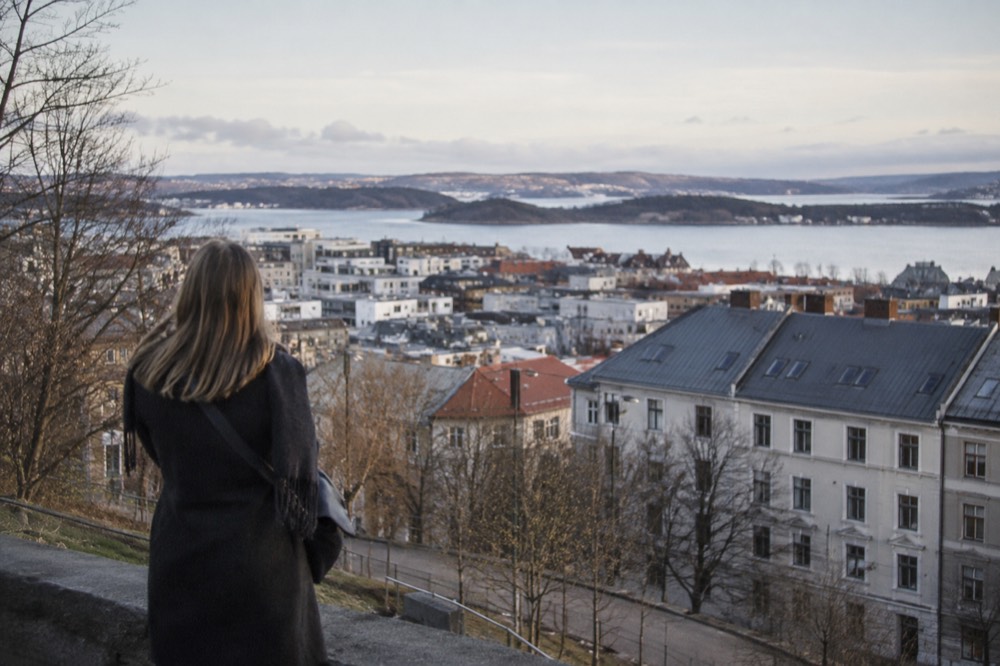
January and February are the deep of it. The 09:04 sunrise and 15:49 sunset in mid-January leave under seven hours of daylight, and the -2 C normals come with the possibility of much colder snaps, as the -17.2 C reading in January 2026 shows. The compensation is that this is the season the Norwegians get outside anyway: the torchlit forest walks, the snowshoeing in Nordmarka, and the cross-country trails all function properly. March is still winter at a 1.3 C normal, but the light comes back fast, nearly two and a half hours more daylight by mid-month than mid-February, which locals describe as the month the city exhales.
April is the gamble month: 6.2 C on the normals, but April snow and April warmth are both entirely normal, sometimes in the same week. May at 11.4 C is when Oslo turns green and the fjord islands become a real day out, and the 21:48 sunset in mid-May makes evenings long enough to feel like a bonus day. June, July and August are the warm core, and we treat summer in its own section below. September at 12.2 C is arguably the most underrated month: settled, quiet, and still bright until 19:38 in mid-month. October and November are the grey pair, with 93 mm and 85 mm of rain and a sun that sets before 18:10 by late October. December's -1.4 C normal and 54 mm of precipitation usually arrive as snow, and the Oslo in December guide covers what the dark season is actually good for, from the Christmas market to the cosy indoors.
| Month | Best for | Main drawback |
|---|---|---|
| Jan | Winter atmosphere, snow activities, low crowds | Under 7 h daylight, cold snaps |
| Feb | Ski trails, dark-season evenings | Cold, dark mornings |
| Mar | Longer light, still wintry | Unsettled, slush risk |
| Apr | Shoulder prices, empty museums | Weather whiplash |
| May | Green city, long evenings, island ferries | Breezy, showers |
| Jun | Peak daylight, mild warmth | 80 mm rain normal |
| Jul | Warmest water and air | Peak crowds, rain normal |
| Aug | Warm sea, summer events | Wettest month, 103 mm |
| Sep | Calm, quiet, golden light | Cooling fast |
| Oct | Autumn color in the forests | Wet, shortening days |
| Nov | Indoor culture, cozy season | Grey, dark, damp |
| Dec | Christmas market, snow, saunas | 5 h 53 m daylight |
A wet day in Oslo is a food-walk day more often than a lost day. The Grünerløkka food and culture walking tour runs about 2 hours 30 minutes, moving between eateries in the city's most interesting neighborhood, and rain barely touches it. Reviews put it at 4.5 across 249 reviews, and the operator allows cancellation before your date, which matters when you are booking around a forecast you cannot trust a week out.
When Is the Best Month to Visit Oslo?
For most visitors it is June through August if warmth and long days are the priority, and May or September if fewer crowds and lower prices matter more. June 15 to July 15 is the sweet spot for daylight, with 17 to 18 hours of it and sunset after 21:30. September offers the best weather-to-crowd ratio of the whole year, and February to March is the pick if winter activities are the reason for the trip.
The honest answer is that the best month depends on what you came for, and the best time to visit Oslo guide breaks the trade-offs down in full. Weather-wise, the summer months deliver the mild temperatures and the long light, but they also carry the two wettest normals of the year in July (87 mm) and August (103 mm), plus the peak crowds at the museums and on the fjord boats. May gets you most of the light, sunset at 21:48 by mid-month, with noticeably fewer people and a 11.4 C normal that is fine for walking everywhere.
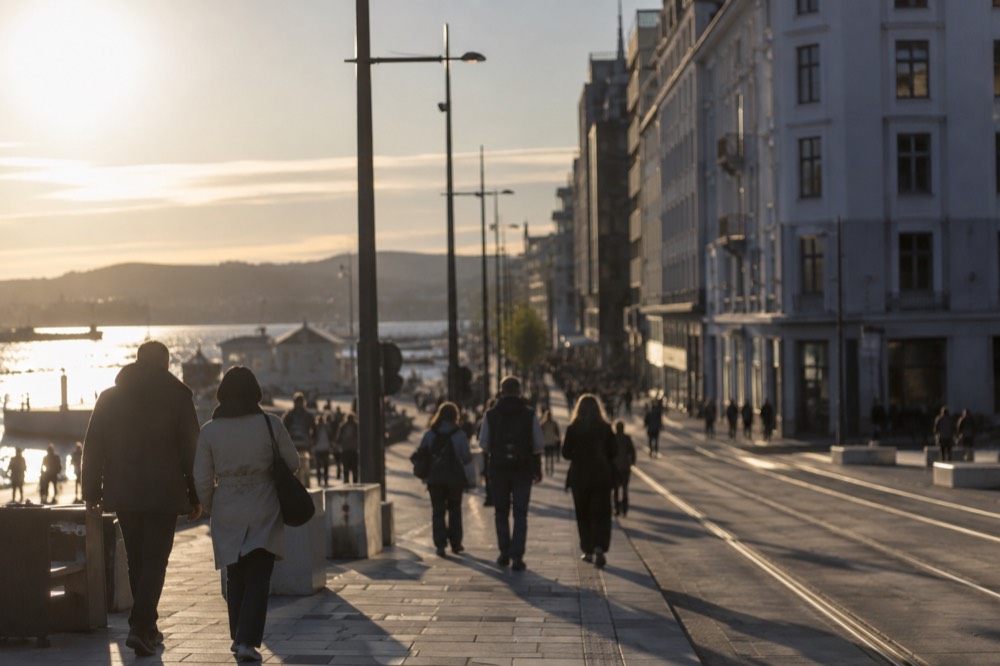
September is the connoisseur's answer. The 12.2 C normal is still comfortable, the summer timetable for the island ferries runs into late August and autumn sailings continue after, and the city empties of its biggest tour groups. The sea is also at its warmest early in the month, a lag effect that makes early September better for swimming than the air temperature suggests.
If winter is your reason, aim for February or early March rather than December or January. The snow is reliable, the ski season in Nordmarka is in full swing, and you get six to nine hours of daylight instead of under six, which is the difference between seeing the city and seeing streetlights. The Oslo in winter guide covers the full cold-season program.
Is Rain a Problem in Oslo?
Rain falls in every month in Oslo, between 41 mm and 103 mm on the normals, and August is the wettest month of the year, not November or any winter month. Summer rain tends to come as showers you can wait out, while October and November deliver longer, greyer wet spells. Rainproof shoes and a real rain jacket matter more than an umbrella, which Oslo's wind makes marginal.
The August number deserves emphasis because it is the exact opposite of the folk wisdom about Scandinavian weather. MET Norway's normals for Blindern put August at 103 mm, ahead of October's 93 mm and November's 85 mm, and well ahead of February's 46 mm. If you book an August trip around fjord boats and island beaches, build in indoor alternates, and do not treat a rainy August forecast as unusual.
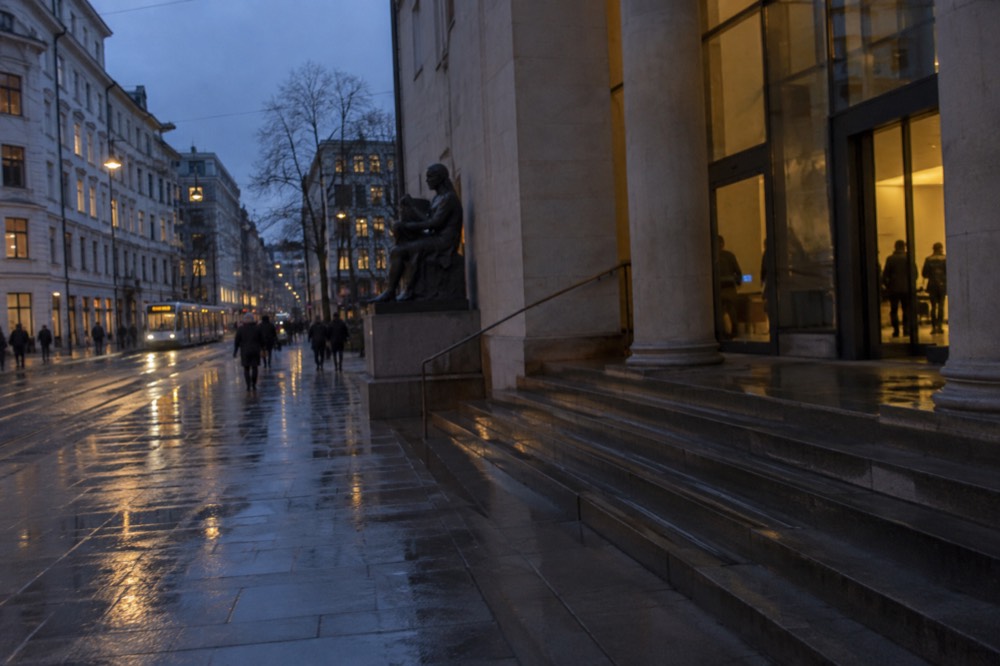
What rain changes practically is the boat schedule more than anything else. The Bygdøy museum ferry and the island ferries run in most conditions but a storm will suspend them, and the museum peninsula is far more pleasant dry. On a wet day the indoor set, MUNCH, the National Museum, the Paradox Museum and the Kon-Tiki and Fram museums on Bygdøy, carries a whole itinerary, and the rainy day in Oslo guide has the full plan. Between the museums, a food tour is the wet-weather product that actually improves in rain, since you are moving between warm rooms and eating the whole way.
One structural note on the numbers: precipitation normals tell you how much water falls, not how many hours it falls in, and Oslo's summer rain is often concentrated into short, heavy bursts. A day with 10 mm in an August thunderstorm can be bright for the other ten hours. Do not cancel anything on a forecast alone.
| Season | Rain pattern | What it interrupts | What still works |
|---|---|---|---|
| Dec to Feb | Light, often snow | Little, winter is indoor-heavy | Museums, saunas, snow activities |
| Mar to May | Showers, changeable | Picnic plans | Museums, walks, forests |
| Jun to Aug | Short heavy bursts | Boat days occasionally | Everything between showers |
| Sep to Nov | Long grey spells | Viewpoints, islands | Museums, food walks, cafes |
How Cold Does Oslo Get in Winter?
Oslo's winter monthly normals sit between -2.3 C in January and -1.4 C in December, but cold snaps run far below that: the 13 months to August 2026 recorded a low of -17.2 C at Blindern on 11 January 2026. Snow is normal rather than exceptional, and the city is built for it, with groomed ski trails inside the city limits. The cold is dry rather than damp, which makes it easier to dress for than a wet oceanic winter.
The Norwegian winter is the season the locals lean into rather than endure. The metro Line 1 runs to Frognerseteren at the edge of Nordmarka, where Skiforeningen grooms cross-country trails, and the whole apparatus of a winter capital, from the ski museum at Holmenkollen to the saunas, works at full tilt from January to March. Snow depth varies year to year and no verified average figure for the city center is published in the site's research, so plan on snow being present in a normal January and February rather than on a specific depth.
Dressing for -10 C in dry air is a solved problem: wool base layers, a real insulated coat, and shoes with grip. What genuinely catches visitors is the darkness rather than the temperature. On 21 December the sun rises at 09:18 and sets at 15:11, so the practical day for sightseeing outdoors is roughly 10:00 to 14:30. Compress your outdoor plans into that window and hand the afternoons to museums, and the dark season stops being a problem. The Oslo snow guide has more on what winters actually deliver.
Winter is also the season the forest products shine. Guided snowshoeing in Nordmarka runs 3 hours 30 minutes, is rated 4.8 across 191 reviews, and turns a cold forecast from a liability into the point of the trip.
How Much Daylight Does Oslo Get?
Oslo's daylight swings from 5 hours 53 minutes on 21 December to 18 hours 50 minutes on 21 June, a more than threefold change across the year. In late June the sun sets at 22:43 and rises at 03:53, and the gap between is bright twilight, so it never gets properly dark. In late December it is dark before most people finish work, and there is no midnight sun in Oslo at this latitude.
These are MET Norway sunrise API figures for Oslo's exact coordinates, and they are the single most under-used planning numbers for this city. The practical consequence is that the same two-week vacation feels enormous in June and compressed in December, not because of temperature but because of usable hours. A June visitor gets outdoor evenings that effectively never end: the sky over the Oslofjord at 23:00 in midsummer is a deep blue, not a black. A December visitor gets a four-and-a-half-hour core of daylight and needs to plan around it deliberately.
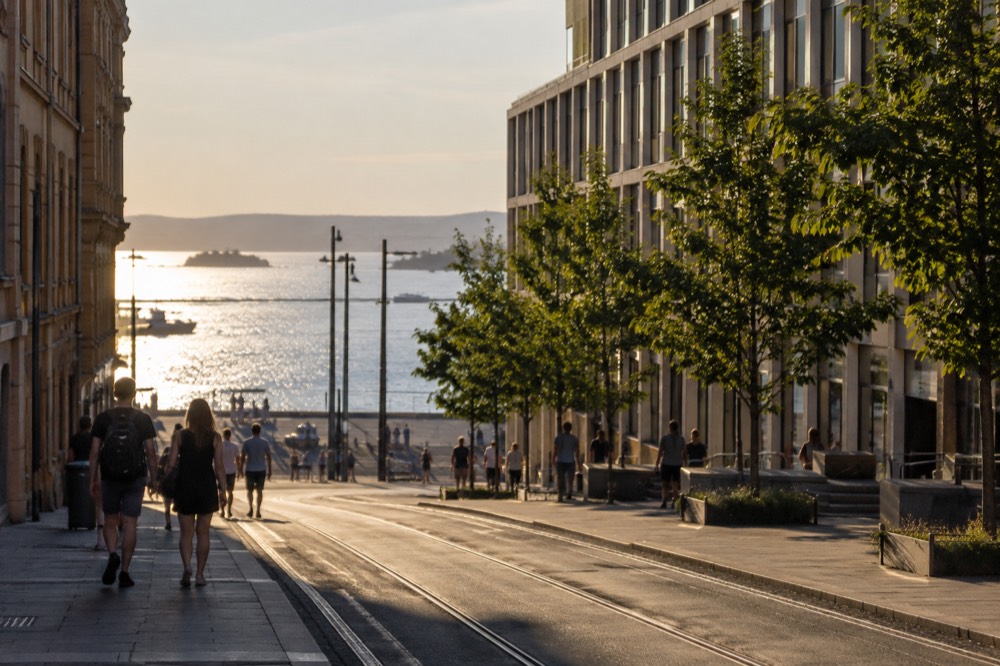
The transitions are fast, faster than most visitors expect. Between mid-February and mid-March the city gains two and a half hours of daylight, and the same speed runs in reverse between mid-August and mid-October. April through August is the window where daylight stops being a constraint entirely, with 14 hours 34 minutes on 15 April growing to the June peak. Midnight sun requires latitude above about 66.5 N and Oslo is at 59.91 N, well south of it.
The 22:43 June sunset is also why the evening products in Oslo are built the way they are, and why an evening fjord cruise in summer is a daylight activity even at 19:00. It runs 3 hours with a shrimp buffet, is rated 4.5 across 2,115 reviews, and in July you board and return in full evening light.
| Date | Sunrise | Sunset | Day length |
|---|---|---|---|
| 15 Jan | 09:04 | 15:49 | 6 h 45 m |
| 15 Feb | 07:54 | 17:08 | 9 h 14 m |
| 15 Mar | 06:34 | 18:19 | 11 h 45 m |
| 15 Apr | 06:00 | 20:34 | 14 h 34 m |
| 15 May | 04:40 | 21:48 | 17 h 08 m |
| 21 Jun | 03:53 | 22:43 | 18 h 50 m |
| 15 Aug | 05:31 | 21:09 | 15 h 38 m |
| 15 Oct | 07:55 | 18:08 | 10 h 13 m |
| 21 Dec | 09:18 | 15:11 | 5 h 53 m |
Is Oslo Warm Enough for Swimming in Summer?
July's normal mean of 17.7 C makes Oslo a mild-summer city, and the Oslofjord's water typically reaches 15 to 20 C in July and August, which locals swim in happily but warm-water visitors may find bracing. The best swimming window is late July through early September, when the sea has accumulated the summer's heat. Official spots like Sørenga, Huk and the islands are free and public.
The lag between air and water is the useful detail. The warmest air month is July, but the warmest water weeks usually run later, into August and early September, because the sea stores heat. That aligns with the island season: the Ruter ferry lines to Hovedøya, Gressholmen and Langøyene run their summer timetables from early July to late August, and Langøyene is the swimming and beach island among them. A regular zone 1 ticket covers the ferries, the same ticket you would use on a tram.
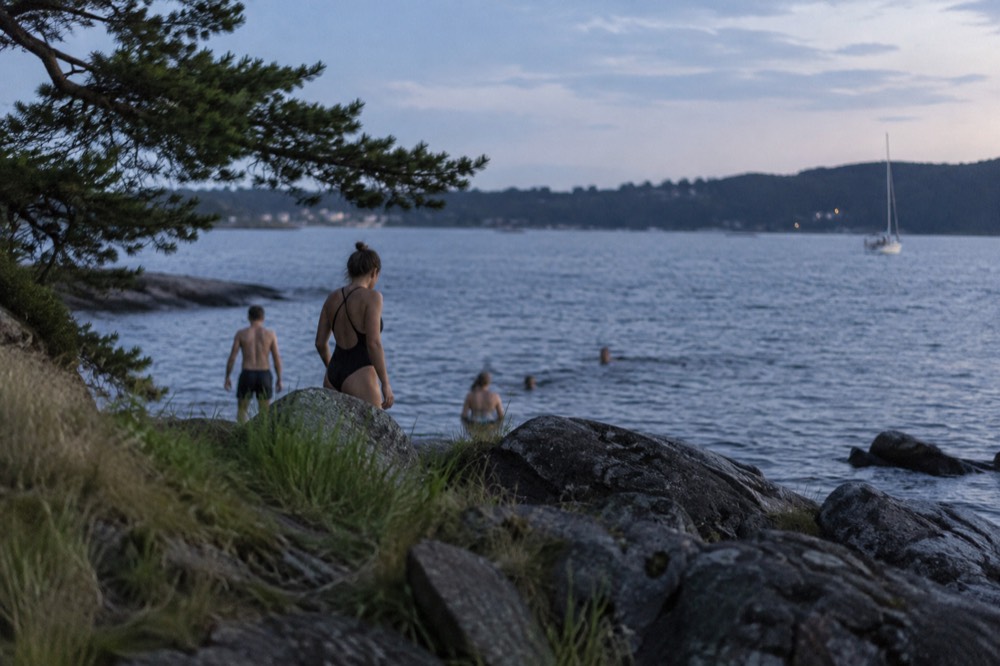
July can also genuinely heat up. The 32.9 C reading on 15 July 2026 was the hottest day of the last 13 months, and days in the high twenties happen most summers. On those days the city's answer is the water, the Oslo beaches guide maps the official bathing spots, and the opera house roof becomes an evening gathering point. Air conditioning is far less universal in Norwegian buildings than in American ones, so a hot day is felt more than the number suggests.
June deserves a caveat: the sea is still cold, often in the low teens, whatever the air is doing. June is a month for long evenings and walking, not for swimming, unless you are the kind of swimmer who was going to swim anyway.
What Should I Pack for Oslo's Weather?
Pack layers for any season except midsummer, waterproof shoes year-round, and a real insulated coat from November through March. The normals range across 20 degrees, and day-to-day swings are wider, so no single outfit covers an Oslo week. Wool is the local answer to both winter cold and summer evenings, which can drop toward 10 C even in July.
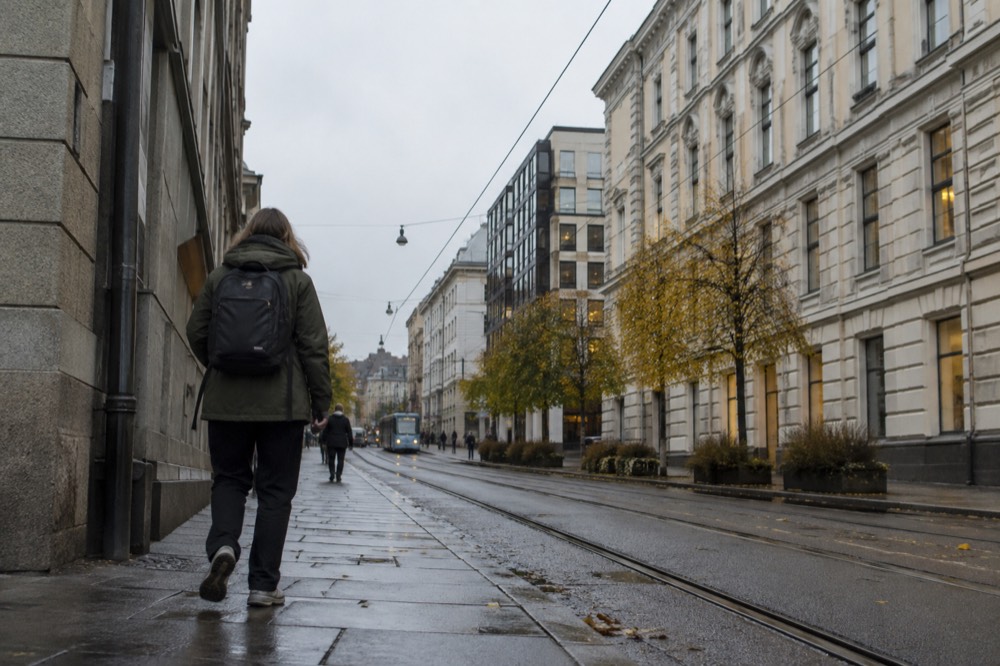
The shoe advice is the most practical item on the list. Oslo is a walking city, the is it a walkable city question gets a strong yes, and rain hits the pavement in every month of the year. Wet cobblestones in Gamle Oslo and packed gravel in the forest parks punish thin-soled sneakers. Something waterproof with grip covers the fjord islands, Bygdøy, and a nordic winter in one purchase.
| Season | Must-bring | Skip | Extra |
|---|---|---|---|
| Dec to Feb | Insulated coat, wool layers, grippy boots | Light jackets | Reflective gear for dark afternoons |
| Mar to May | Rain shell, warm mid-layer | Shorts | Sunglasses, the low sun is sharp |
| Jun to Aug | Light layers, rain shell, swimwear | Heavy coat | Eye mask for the light nights |
| Sep to Nov | Waterproof shoes, warm layers | Umbrellas as primary | Compact umbrella as backup |
Two details specific to the latitude. First, the summer light: a hotel room without blackout curtains is bright from 04:00 in June, and an eye mask is the cheapest fix in your bag. Second, the low winter sun: at a few degrees above the horizon in January, glare off snow and water is real, and sunglasses in a Nordic winter are not a joke item. Both cost almost nothing and both get mentioned by travelers who did not bring them.
Does the Weather Change Which Oslo Activities to Book?
Yes, more than in most cities: the fjord boats and island ferries depend on decent summer conditions, the forest and snow products need winter, and the walks and museum visits are weather-proof in any month. June through August is the window for the water, January through March for the snow, and the museum peninsula plus the food and beer walks carry every other week of the year.
The seasonal logic is clean once you see it. The silent electric fjord cruise and the wooden sailing ship cruise are warm-season classics, though they run across a long season. The island hopping tours live on the summer ferry timetables. The snowshoeing, the torchlit forest walk and the learn-to-ski half-day are winter-only products that make a cold forecast into an asset. The museums, the indoor-focused walks and the evening history tours run year-round, which is why every rainy-day plan in this guide routes to them.
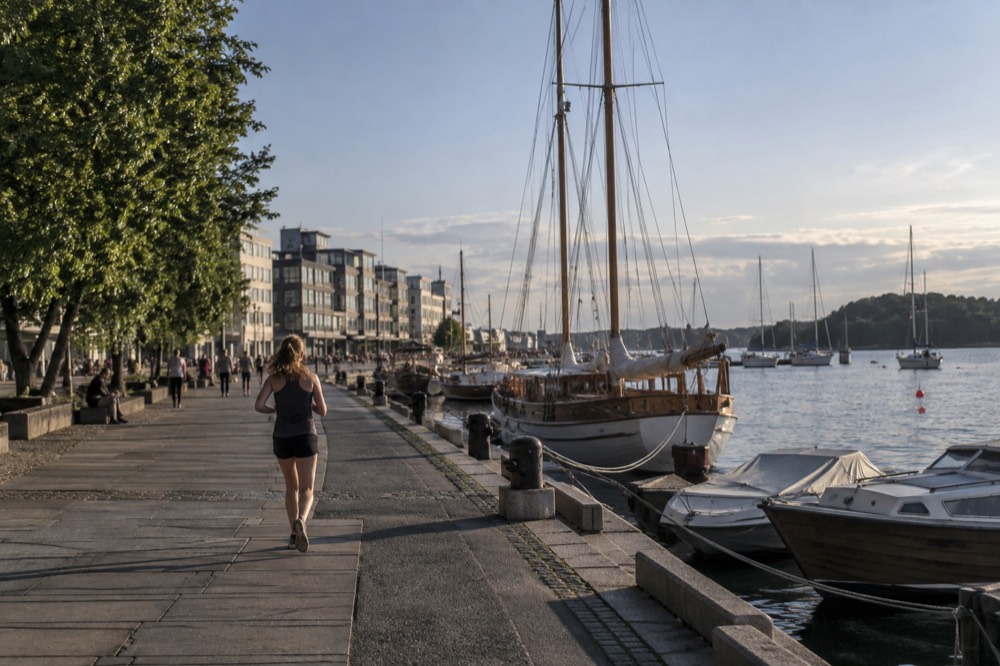
Booking around weather works best with a cancellation policy you can actually use, and the operators on this site's roster generally allow cancellation before the date, some with pay-later options, so a forecast-dependent plan is not a locked-in plan. Book the weather-dependent things with a margin: put the fjord cruise on day two rather than day one of a summer trip, so a storm on arrival day does not cost you the water. For a full seasonal breakdown of what is running when, the things to do in Oslo overview is the master list, and for what the boats themselves involve, the Oslo ferries guide separates the two systems every visitor confuses, the Ruter island ferries and the Bygdøy museum ferry.
One weather fact that shapes the evening plans in particular: the beer and culture walk is the indoor-plus-pub product that turns a cold or wet evening into the best part of the day, and Norway's alcohol rules make a guided walk genuinely useful rather than a novelty. For the seasonal planning overview, see the Oslo Travel Guide homepage.
Common Questions About Oslo Weather by Month
What is the coldest month in Oslo?
January, with a normal mean of -2.3 C at the Blindern station, marginally ahead of February at -2.0 C. Cold snaps run far below the normal: the low in the 13 months to August 2026 was -17.2 C, recorded on 11 January 2026.
What is the wettest month in Oslo?
August, at 103 mm on the 1991 to 2020 normals, ahead of October at 93 mm and November at 85 mm. This contradicts the common assumption that a winter month is the wettest; Oslo's rain is spread across the whole year.
What is the warmest month in Oslo?
July, with a normal mean of 17.7 C, followed by August at 16.5 C. Extremes go much higher: 32.9 C was recorded on 15 July 2026, but a normal July is mild rather than hot.
Does it snow in Oslo?
Yes, snow is normal in Oslo from December through March. December's normal of -1.4 C and 54 mm of precipitation typically arrives as snow, and January and February are colder. No reliable average snow-depth figure is published for the city center, so plan on snow being present in midwinter without counting on a specific depth.
How many hours of daylight does Oslo get?
Between 5 hours 53 minutes on 21 December and 18 hours 50 minutes on 21 June. In late June the sun sets at 22:43 and rises at 03:53 with twilight rather than true darkness in between. There is no midnight sun in Oslo; that requires latitude above about 66.5 N and Oslo is at 59.91 N.
What is the best month to visit Oslo?
June through August for warmth and long days, May or September for fewer crowds at a comfortable 11.4 C and 12.2 C normal respectively, and February or March if winter activities are the goal. August is the wettest month, so build indoor alternates into a summer trip.