Coffee Shops in Oslo: A Practical Guide to the City's Coffee Culture
Oslo drinks more coffee per person than almost any city in Europe, and the coffee shop scene has the roasteries, the vocabulary and the price level to prove it. This guide covers where to go, what to order, what it costs and how the city's cafe culture actually works.
Short answer
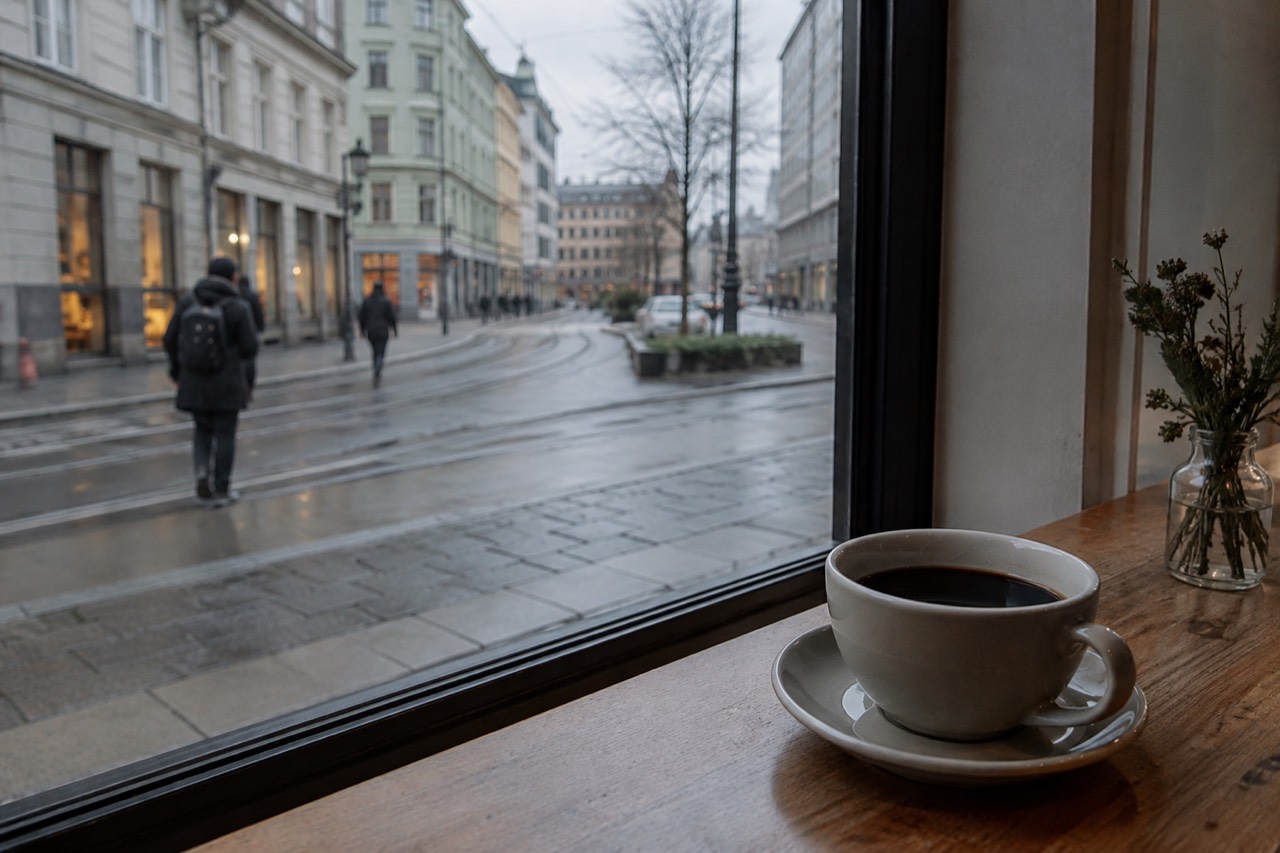
Oslo is one of Europe's most serious coffee cities, with a dense cluster of roasteries and independent espresso bars concentrated in Grünerløkka, plus solid options across the centre. Coffee is a daily habit rather than a treat, served mostly as filter or espresso. Prices are high in NOK terms like everything in Norway, but a cafe visit remains one of the cheaper ways to spend a cold, dark Oslo afternoon.
Oslo is a city that runs on coffee the way some cities run on cars. Norwegians consistently rank among the world's heaviest coffee drinkers per capita, and the capital has built a cafe culture to match: small roasteries, strict espresso standards, and a national habit of drinking coffee black at home and in offices long before the specialty wave arrived. The result is a city where a bad cup is genuinely hard to find and a great one is rarely more than a few blocks away.
This guide covers the practical side of coffee shops in Oslo: which neighborhoods to head for, what the Norwegian menu words mean, what a cup costs in a country where Statistics Norway puts food and non-alcoholic drink prices 33 percent above the European average, and how coffee fits into a day of sightseeing. Because Oslo is expensive, the guide is honest about where the money goes and where it does not.
Why Is Oslo Such a Serious Coffee City?
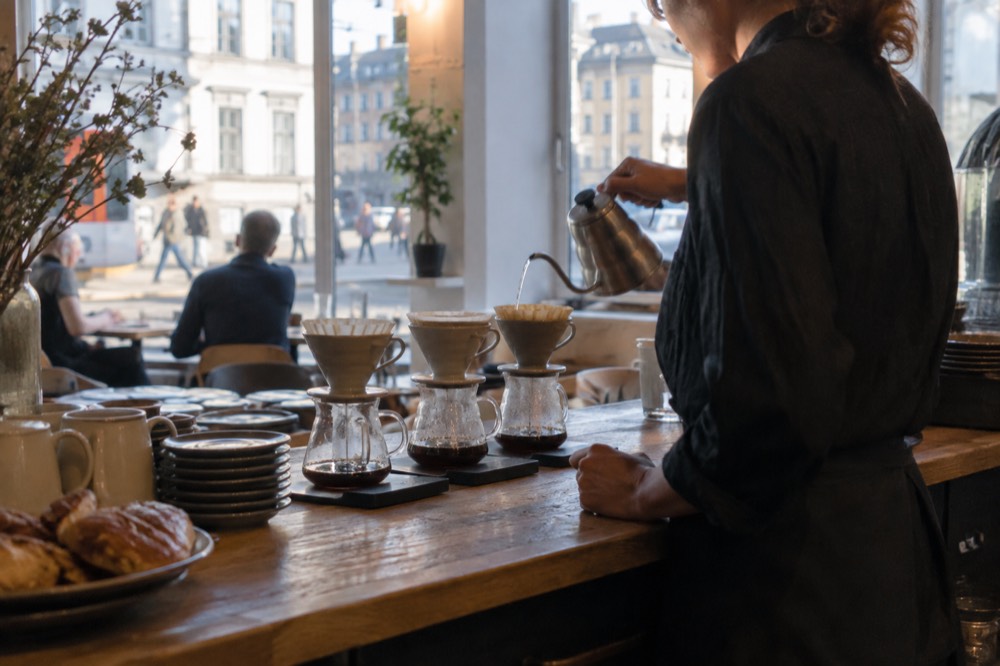
Norwegians drink coffee daily at one of the highest per-capita rates in the world, and Oslo's cafe scene reflects that: the city has a high density of independent roasteries and espresso bars relative to its size, the dominant style is light-roast filter coffee, and coffee is treated as an everyday staple rather than a luxury. The cold, dark winters reinforce the habit, and the country's restrictive alcohol rules push social life toward cafes. The historical root is simple: coffee arrived in Norway as a trade staple and became the default hot drink of a tea-free nation. The modern layer is a light-roast, Nordic-style specialty scene that Oslo helped define, where roasteries roast pale and brew delicate, fruit-forward filter coffee that tastes nothing like the dark Italian style many visitors expect. That flavor profile surprises people on their first cup: Oslo coffee is often brighter, more acidic and more tea-like than what most American palates are used to.
The social side matters too. Norway's alcohol prices, more than double the European average on Statistics Norway's 2025 price-level comparison, make an evening cafe visit the affordable night out. And with the Oslo winter delivering under six hours of daylight in late December, a bright warm cafe is not a lifestyle choice but a survival strategy. The city's cafes are accordingly built for sitting, with long tables, power outlets and unhurried staff.
For first-time visitors, this is one of the easiest cities to explore on foot between cafes, and the same walkable layout that makes one day in Oslo productive makes a self-guided coffee crawl effortless.
Which Neighborhoods Have the Best Coffee Shops in Oslo?
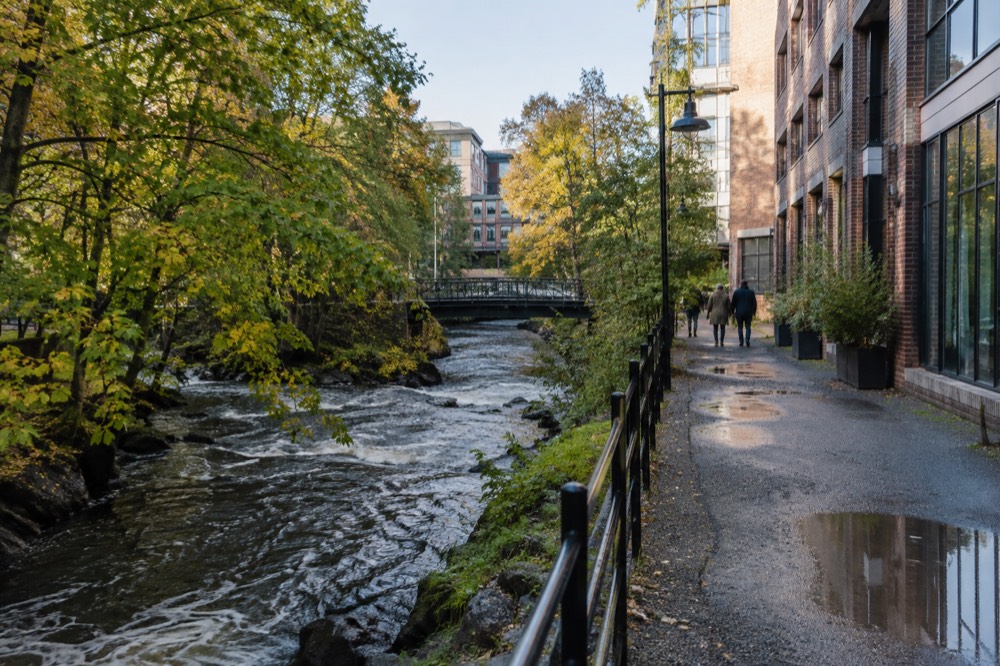
Grünerløkka is Oslo's coffee heartland: the former industrial district east of the Akerselva river holds the densest cluster of roasteries and independent espresso bars in the city. The city centre around Karl Johans gate and the Aker Brygge waterfront carries the chains and solid hotel-adjacent cafes, while Frogner and Majorstuen offer quieter, more residential cafe scenes. Tøyen and Grønland are the up-and-coming edge. Each area has a distinct character, and the honest advice is to pick one or two rather than try to cover them all. Grünerløkka rewards a slow morning with a riverside walk between stops, since the Akerselva river path connects the district to the city centre in about twenty minutes on foot. The centre is where you will end up anyway if you are ticking off the Opera House, the Royal Palace or the National Museum.
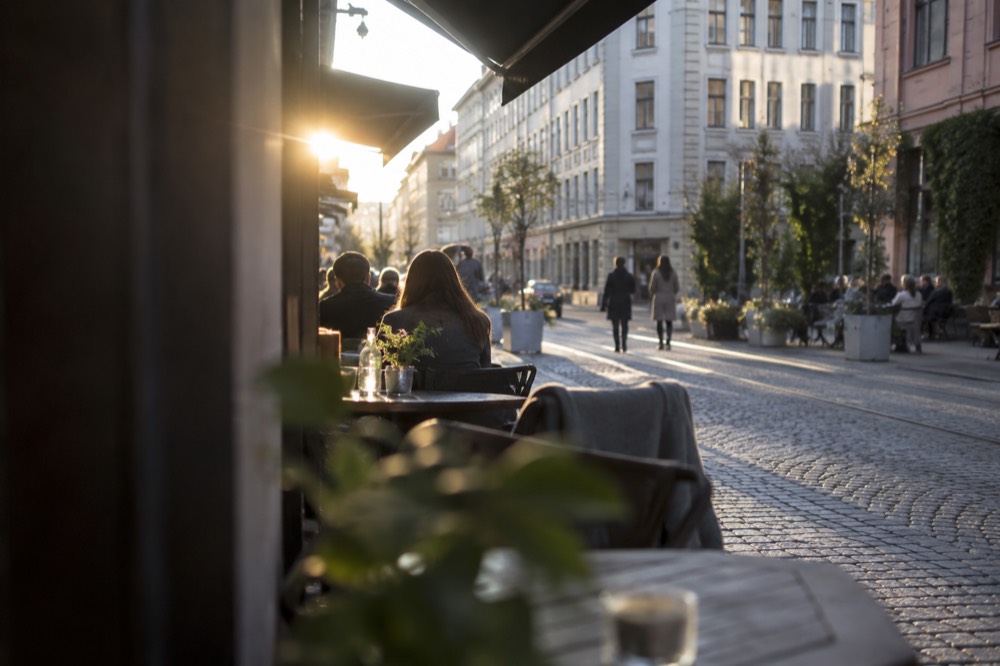
The table below summarizes what each area offers a visitor planning a coffee-focused wander. Districts are listed roughly in the order a first-timer would encounter them.
| Area | Coffee character | Best for | Getting there |
|---|---|---|---|
| Grünerløkka | Roasteries, independents, brunch cafes | A half-day coffee crawl | Walk from centre via Akerselva, or tram |
| Oslo Sentrum | Chains, bakery cafes, hotel bars | Quick stops between sights | Central, everything walkable |
| Aker Brygge / Tjuvholmen | Waterfront cafes, museum-adjacent | Coffee with a fjord view | Walk from City Hall |
| Frogner / Majorstuen | Residential, quieter, classic bakeries | A local-paced morning | Tram or metro west |
| Tøyen / Grønland | Cheaper, more student-driven scene | Budget-conscious exploring | Metro to Tøyen |
| Vulkan / Sagene | Modern riverside cafe cluster | Design and riverside walks | Walk north from Grünerløkka |
If you are building a day around the district, our Grünerløkka neighborhood guide covers the restaurants, street art and market hall around Mathallen, which sits right in the middle of the coffee action. And if the crawl turns into a full weekend, the weekend in Oslo itinerary slots a Grünerløkka morning in neatly.
Coffee aside, the same neighborhoods carry most of the city's eating, and the best restaurants in Oslo cluster in the same postcodes. A day that starts with filter coffee in Grünerløkka and ends with dinner in the same district is the standard local Saturday.
Between cafes, the trio of bookable walks below is a good way to keep the day structured, and all three end near further coffee.
What Should You Order in an Oslo Coffee Shop?
Order filter coffee, called "kaffe" or "filterkaffe", if you want the local default: most Oslo roasteries brew light-roast filter that is bright and fruit-forward, and many cafes serve it bottomless. An espresso or "espresso" works everywhere, a "kanelbolle" is the cinnamon bun that comes with it, and "melkekaffe" is the milky Norwegian home style. Baristas speak excellent English and menus are usually bilingual. The vocabulary is small but useful. Norwegian cafe menus are shorter than American ones: you will rarely find a syrup-driven drink list, and asking for a large flavored latte may get you a polite blank stare. What you get instead is precision, and often a choice of two or three single-origin filter coffees brewed by the cup.
| Norwegian | English | What to expect |
|---|---|---|
| Filterkaffe | Filter coffee | Light roast, often single origin, sometimes refillable |
| Melkekaffe | Coffee with milk | The everyday home style |
| Kanelbolle | Cinnamon bun | The standard cafe pairing |
| Skillingsbolle | Cinnamon bun (Trøndelag style) | Regional variant, richer |
| Kaffe med kaker | Coffee with cakes | Afternoon set in traditional cafes |
| Kakao | Hot chocolate | The reliable cold-weather alternative |
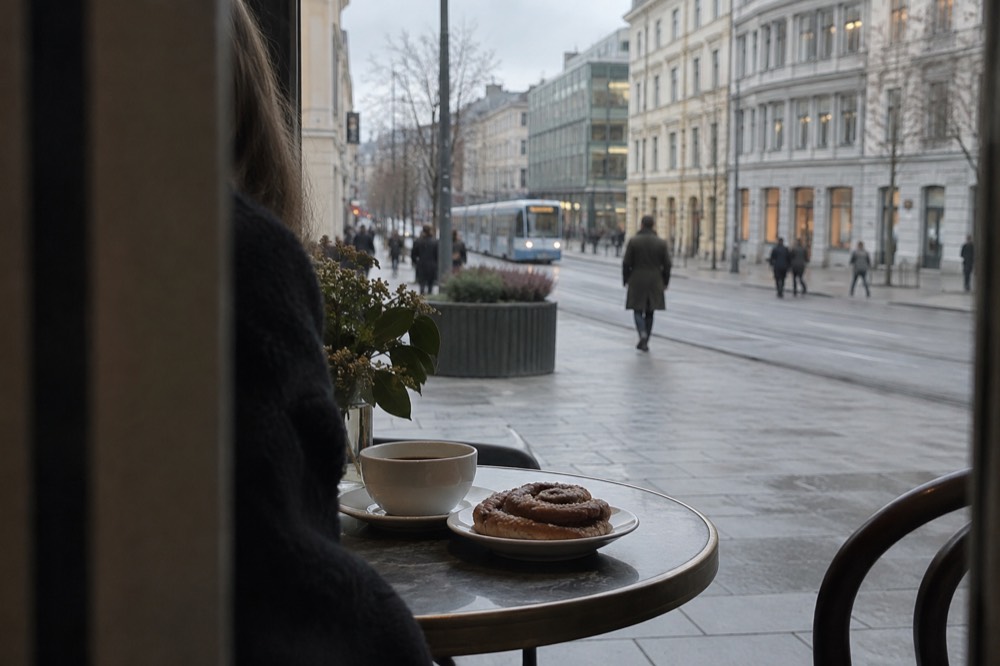
The pairing rule is real: a kanelbolle with your coffee is as close as Norway gets to a national snack ritual, and every bakery-cafe in the city sells them. If you are exploring the city's food scene more broadly, the Oslo street food guide covers the cheaper end of eating out, and the where to eat in Oslo overview sorts the city by meal and budget.
One practical note: Norwegians drink their coffee hot and their tap water cold, and both are excellent. The water question comes up often enough that we cover it separately in can you drink tap water in Norway, and the short answer is yes, everywhere.
If the afternoon opens up after your coffee stop, the Kon-Tiki Museum on the Bygdøy peninsula is the best-reviewed museum ticket in Oslo, and the museum cluster there makes an easy half-day.
How Much Does Coffee Cost in Oslo?
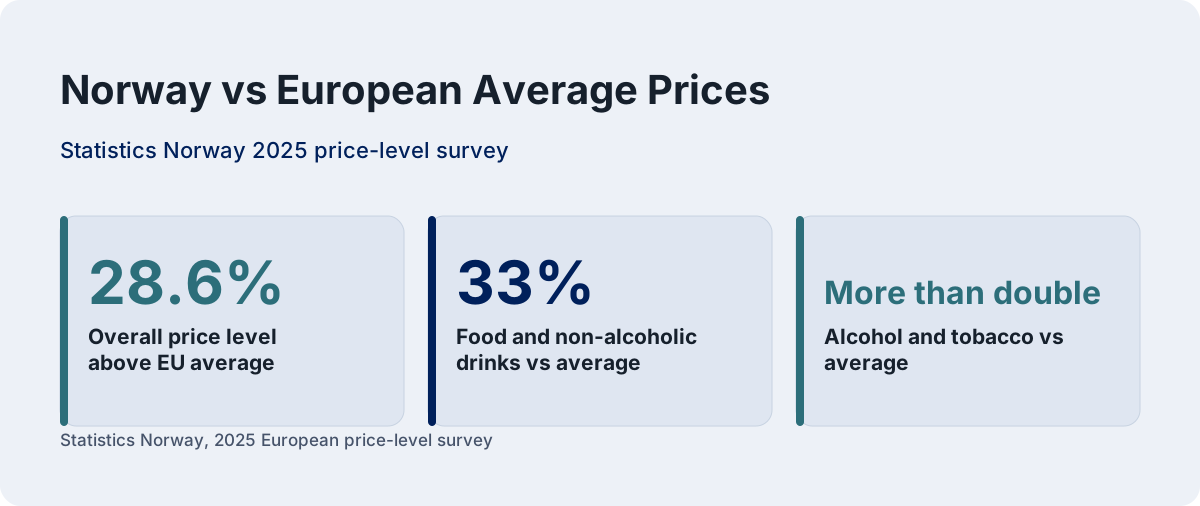
Coffee is not the thing that makes Oslo expensive: Statistics Norway's 2025 European price-level survey puts food and non-alcoholic drinks 33 percent above the EU average and alcohol and tobacco at more than double, so a cafe visit costs more than in most of Europe but far less than a bar. The honest framing is that a coffee shop is one of the cheapest warm seats in the city, and it is the alcohol and restaurant line items that strain a budget. The verified numbers behind that framing come from the national statistics office rather than any single cafe menu, and they are worth knowing before you plan a budget. The same survey ranks Norway as the sixth most expensive country in Europe overall, with household price levels 28.6 percent above the EU average.
| Cost category | Norway vs European average | Source |
|---|---|---|
| Overall price level | 28.6% above EU average | Statistics Norway, 2025 survey |
| Food and non-alcoholic drinks | 33% above average | Statistics Norway, 2025 survey |
| Alcohol and tobacco | More than double the average | Statistics Norway, 2025 survey |
| Museums and public transport | Not unusually expensive | Verified admission prices across Oslo venues |
What this means for a coffee drinker is straightforward. A cup in Oslo costs more than the same cup in Berlin or Lisbon, and no honest guide will pretend otherwise. But the gap between a cafe and a bar in Oslo is enormous, because the alcohol markup is where the Norwegian price level really bites. Visitors who shift their social spending from bars to cafes save real money, which is exactly what many locals do. For the full budget picture, the is Oslo expensive breakdown itemizes where the money goes, and the Oslo on a budget guide lists the genuinely free things, including free things to do in Oslo like Vigeland Park.
Chains or Independents: Where Should You Get Coffee in Oslo?
Choose independents in Grünerløkka and Vulkan if you want the coffee Oslo is known for, since the light-roast roastery scene is where the city's reputation was built. Choose the chains, meaning the bakeries and coffee bars dotted through the centre and every transport hub, when you need speed, a seat and a bathroom between sights. Both serve a decent cup by international standards, because the national baseline is high. The chain landscape in Norway is not quite the American one. Bakery-cafe hybrids dominate the middle market, and they are where office workers grab a kanelbolle at nine in the morning. The independents are where the roasting happens, often on-site, and where the barista will talk to you about the farm the beans came from if the queue is short.
The split matters for planning because opening hours differ. Independent roasteries in Oslo typically open early and close mid-afternoon or early evening, in line with Norwegian retail norms, while the bakery chains run longer and appear at Central Station, the airport and along Karl Johans gate, the main street that connects the station to the Royal Palace. If you are arriving on an early flight and want coffee before your hotel check-in, the station is where you will find it.
For an evening that starts somewhere other than a cafe, the myths-and-legends walk below is a two-hour evening tour of the city's darker stories, and it ends you back in the centre with the night still ahead of you. The rest of the planning pages sit on Oslo Travel Guide. The rest of the planning pages sit on Oslo Travel Guide.
Can You Work or Sit for Hours in an Oslo Cafe?
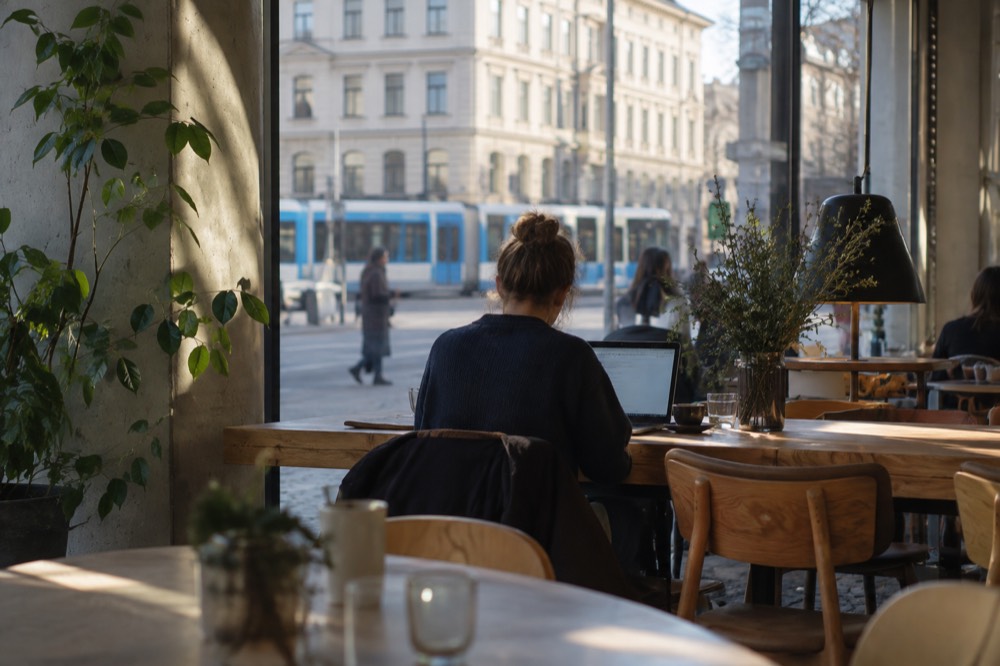
Yes, and it is normal: Oslo cafes are built for long sits, with shared tables, power outlets and staff who will not hurry you, and the culture treats a cafe as a second living room, especially in winter. The practical limits are laptop etiquette on weekends, when cafes fill with brunch crowds, and the early evening closing times common across Norwegian retail. A weekday morning is the easiest time to claim a table for a few hours. The Nordic cafe model was partly built on people staying. Shared wooden tables, newspapers and unlimited filter refills are the norm rather than the exception in the independent places, and the social contract is simple: buy something, do not sprawl over four seats, and no one will bother you. Weekend brunch is the exception, when tables turn over fast and a laptop looks out of place.
The brunch scene deserves its own mention, since it overlaps heavily with the coffee scene in Grünerløkka and Vulkan. The Oslo brunch guide covers where the weekend crowds actually go. For a slower start, the traditional alternative is a hotel or bakery cafe in the centre, which open earliest.
If you are traveling solo and want structure around the slow mornings, the solo travel Oslo guide is built around exactly this rhythm, and the city's compact scale means your hotel is rarely more than a tram ride from the best coffee.
How Does Coffee Fit Into a Day of Sightseeing?
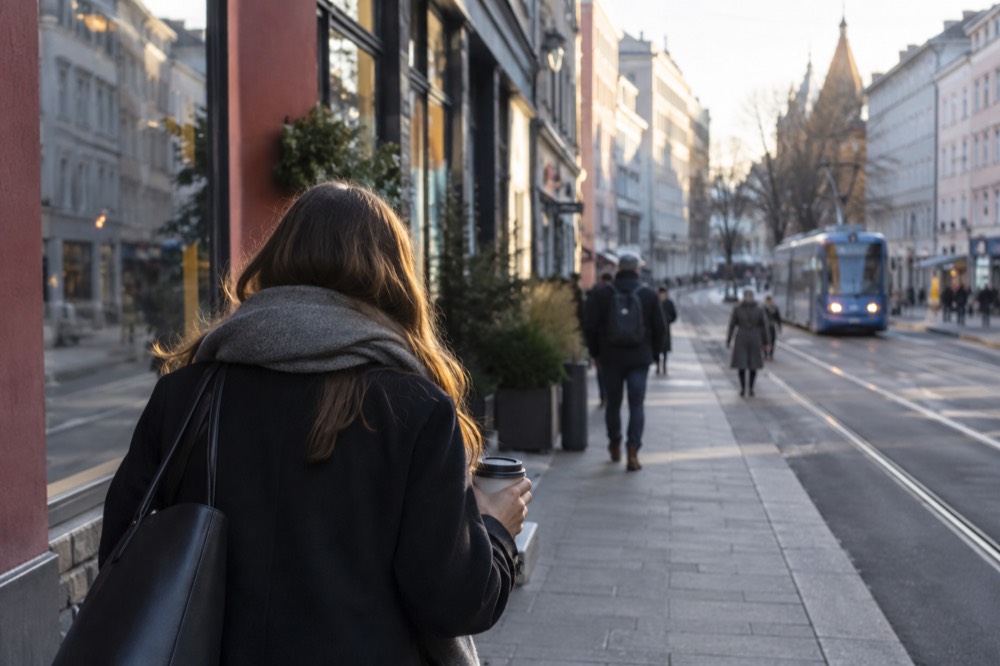
Coffee stops slot naturally between Oslo's sights because the city is compact and walkable: the Opera House to Karl Johans gate to the Royal Palace walk passes cafes continuously, Grünerløkka sits a riverside walk from the centre, and the museum peninsula at Bygdøy has cafe options at its museums. Plan one proper sit-down stop per half-day rather than grab-and-go cups, because the sit-down is the point. The classic sightseeing spine runs from the waterfront at the Opera House up Karl Johans gate to the Royal Palace, and it is lined with cafes the whole way. East of the river, the Akerselva path turns a coffee crawl into a nature walk. West, the Vigeland Park in Frogner is free, open around the clock, and a short tram ride from the Majorstuen cafe strip.
The seasonal angle is worth a sentence, because it changes the experience. Summer days stretch to nearly nineteen hours of daylight, so an evening cafe terrace is pleasant well past nine. In December the sun is down before most museums close, and the cafe becomes the destination rather than the pause. The monthly picture is in the Oslo weather by month guide, and the best time to visit Oslo overview weighs daylight against crowds.
| Season | Daylight feel | Coffee shop role |
|---|---|---|
| December to February | Under 7 hours of daylight at the low point | The destination: warm, bright, social |
| March to May | Rapidly lengthening, 12 to 17 hours | Terrace season begins |
| June to August | 18+ hours, light late into the night | Evening outdoor seats, slow fjord-adjacent afternoons |
| September to November | Shortening fast, wetter | Crawl weather, cinnamon bun season |
Coffee, Alcohol Rules and the Norwegian Evening
Norway's alcohol rules shape its coffee culture directly: wine and spirits are sold only through the state monopoly Vinmonopolet, which closes early on Saturdays and all day Sunday, and supermarket beer sales stop at a fixed evening cut-off, so the late-evening social default in Oslo is a cafe, not a bar. Alcohol costs more than double the European average, while coffee does not, and the price gap has built a city of evening cafe-sitters. The monopoly is a fact of Norwegian life that visitors encounter fast. Vinmonopolet stores keep short weekday hours, close by mid-afternoon on Saturdays and do not open at all on Sundays or public holidays. Supermarkets sell only beer and cider up to the low strength limit, and stop selling it at a fixed time each evening. The practical consequence for a visitor is that spontaneous late-evening wine buying is impossible, and the bar bill is steep.
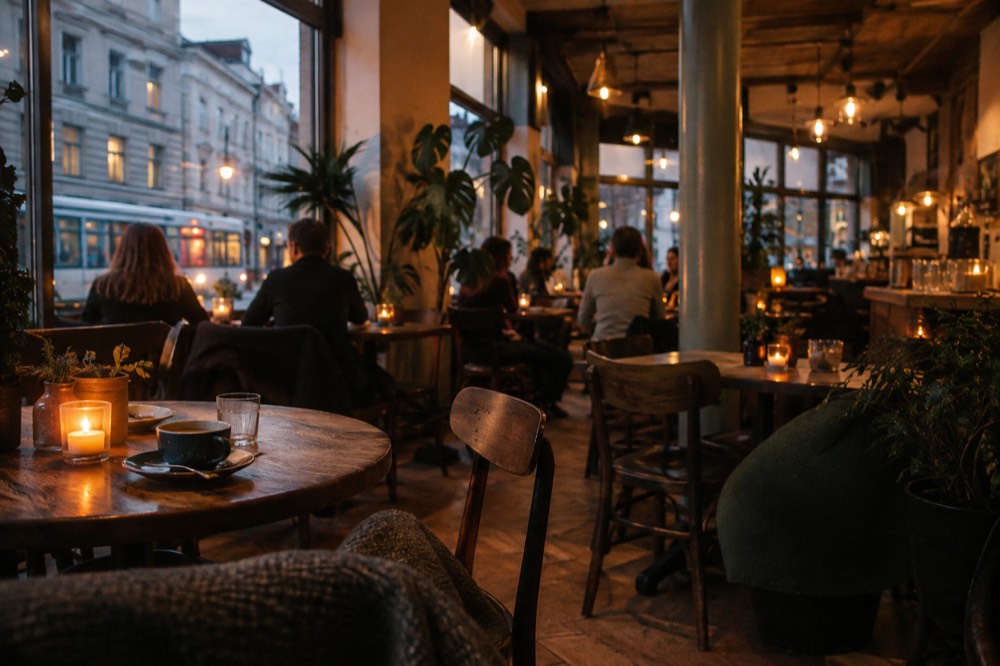
Coffee shops fill the gap. It is entirely normal in Oslo to meet friends at a cafe at eight in the evening, and no one reads it as an alcohol-free compromise. The price logic explains it: the same evening that costs a round of drinks at Norwegian bar prices costs a fraction of that over coffee. The price of beer in Oslo guide covers the alcohol side in detail, and the Oslo nightlife guide covers where the drinking happens when it does.
For visitors who want a guided evening that is not a bar crawl, the themed history walks are the strongest option, and the Vigeland art walk below pairs the city's most visited free sight with the kind of slow, guided pace that ends, naturally, near coffee.
A Sample Coffee-Focused Day in Oslo
A realistic coffee day starts with filter and a kanelbolle in Grünerløkka, walks the Akerselva river path into the centre by mid-morning, passes the Opera House and Karl Johans gate with a second stop, takes a tram west to Frogner for Vigeland Park in the afternoon, and finishes with an evening cafe sit near the waterfront. It costs almost nothing beyond the coffee itself, because the walking, the river path and the park are all free. The structure works because Oslo's geography cooperates. The river runs north to south through the east of the city, the sights cluster within a couple of kilometers of the centre, and the tram and metro network reaches everything a visitor wants, all inside Ruter zone 1. A single transit ticket is valid for sixty minutes from activation in one zone, which covers most hops between coffee stops.
If you would rather anchor the day around one big sight, the Bygdøy museum peninsula works well: the Kon-Tiki and Fram museums sit together at the Bygdøynes pier, the ferry from Rådhusbrygge 3 is included with an Oslo Pass but takes no ordinary Ruter ticket, and bus 30 runs year-round on a normal transit fare. Full details are in our Bygdøy guide, and the Kon-Tiki Museum guide covers the museum itself.
Before the final word, the trio below is worth one more look if you have not booked anything for the trip: the museum ticket, the evening walk and the art walk are the three most reliable pairings with a day built around cafes, and all three sit within easy reach of the coffee neighborhoods this guide covers.
Common Questions About Coffee Shops in Oslo
Is Oslo known for coffee?
Yes. Norway ranks among the world's highest per-capita coffee consumers, and Oslo's light-roast roastery scene is internationally recognized. The city helped define the Nordic style of coffee, which favors pale roasts and delicate filter brewing.
How much does a coffee cost in Oslo?
More than in most of Europe, in line with Norway's overall price level: Statistics Norway puts food and non-alcoholic drinks 33 percent above the EU average. Coffee is still far cheaper than alcohol, which runs at more than double the European average.
What is a kanelbolle?
A Norwegian cinnamon bun, and the standard companion to a cup of coffee in any Oslo cafe or bakery. Ordering one with filter coffee is the most local thing you can do at the counter.
Can you sit and work in Oslo coffee shops?
Yes. Long sits are normal and cafes are designed for them, with shared tables and power outlets. Weekday mornings are easiest; weekend brunch crowds make laptops awkward and tables scarce.
Do Oslo coffee shops take cards?
Yes, and card payment is the norm across Norway. Many cafes do not handle cash at all, so plan to pay by card everywhere, including small purchases.
Where is the best neighborhood for coffee in Oslo?
Grünerløkka, east of the Akerselva river, has the densest cluster of roasteries and independent espresso bars. The centre is more chain-driven, and Frogner and Majorstuen offer quieter residential scenes.