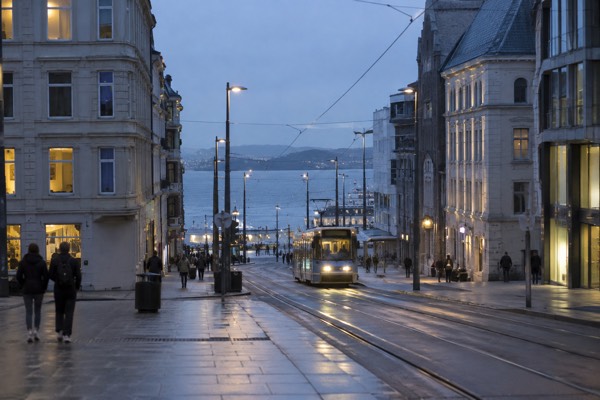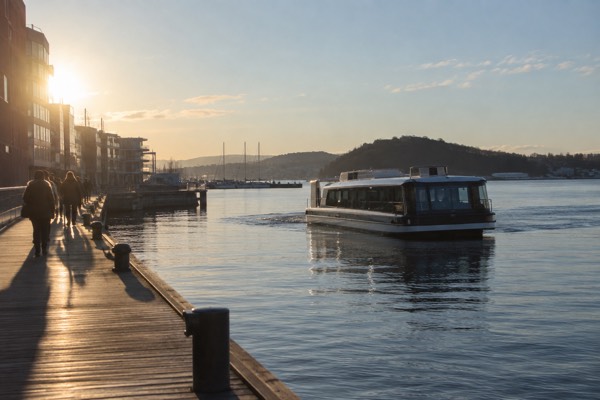
Silent Electric Boat, Audio Guide
Oslo’s single best-reviewed activity on either platform; the silent electric fjord cruise is the default first thing a visitor does.
from $46.29per person
Check availability →
Oslo rewards a specific kind of visitor: one who wants water, forest, world-class museums and long summer evenings without the crowds of Europe's bigger capitals. This guide covers everything worth your time and money, in the order you should actually do it.
Short answer
The best things to do in Oslo are the silent electric fjord cruise (from $46.29, 4.5 across 6,664 reviews), a day on the Bygdøy museum peninsula, the free Vigeland sculpture park, walking the Opera House roof, and the Ruter island ferries to Hovedøya and Langøyene. The Oslo Pass at 580 NOK for 24 hours covers the museums and every train, tram and ferry in zones 1 through 4N.
Oslo is a capital built around water and forest, and almost everything worth doing here uses one or the other. The city sits at the head of the Oslofjord at 59.91 N, which means summer days stretch past 18 hours of daylight while December offers fewer than six. Planning around that swing matters more than planning around crowds: Oslo is not a queue-for-everything city, and its headline sights, the Opera House roof, Vigeland Park, the fjord itself, are either free or cheap by Norwegian standards.
Norway is in the Schengen Area but not in the European Union, prices are in Norwegian kroner, and the cost profile is uneven in a way that works in a visitor's favor. Statistics Norway's 2025 price-level survey puts the country sixth most expensive in Europe, with food 33% above the EU average and alcohol more than double, but museums, public transport and the outdoors sit far closer to normal European pricing. Vigeland Park costs nothing. The Oslo Pass is 580 NOK for 24 hours. The expensive parts of Oslo are restaurants and bars, and this guide says plainly where to spend and where not to.
The best things to do in Oslo, ranked by how much they deliver for the time and money, are the fjord cruise, the Bygdøy museum peninsula, Vigeland Park, the Opera House roof, the island ferries, Grünerløkka's food scene, MUNCH and the National Museum, and, in winter, the forest at Nordmarka. Six of those nine are free or under 200 NOK. A first visit of three days covers all of them without rushing.
That list is not a menu of maybes. It is roughly the order a first-time visitor should work through, and the rest of this guide takes each one in turn with the prices, transport details and booking decisions attached. Oslo's compactness does half the work: the Opera House, MUNCH, Akershus Fortress and the Aker Brygge piers are all inside a 20-minute walk of each other, and the T-bane puts the forest inside 30 minutes of the city center.
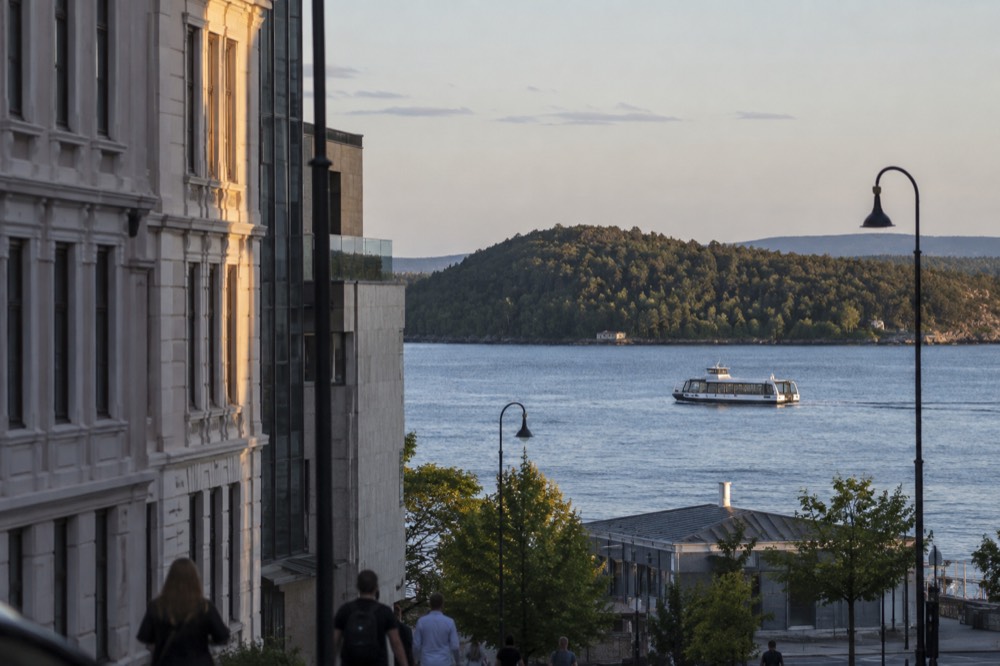
The one structural fact to hold onto: Oslo splits its sights between the water and the museums, and the best days here alternate them. A morning on Bygdøy, an afternoon on the fjord. A museum morning, an island afternoon. The city is small enough that a rigid plan is unnecessary, but the alternation is what keeps three days from feeling like one long museum corridor.
Yes, and it is the single best thing to do in Oslo. The silent electric boat cruise runs 1 hour 30 minutes, from $46.29, rated 4.5 across 6,664 reviews, making it the city's best-reviewed activity on either platform. Every departure passes the Opera House, Akershus Fortress and the island chain, and the boats are genuinely silent, so the trip feels like sightseeing rather than a shuttle.
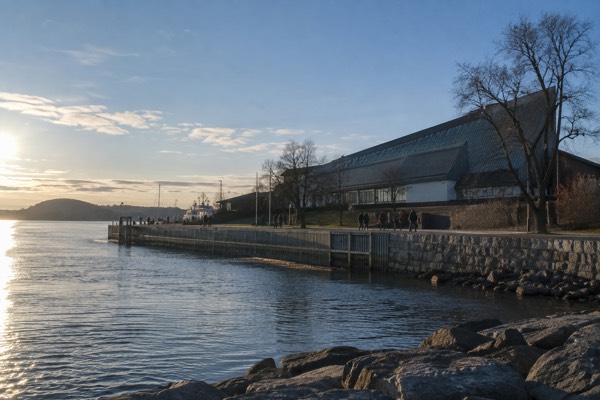
Oslo is the only European capital where the fjord starts at the city hall, and the water is not a backdrop here, it is the main street. The electric boats leave from the piers by the Opera House and Aker Brygge, and the route threads the narrow northern end of the Oslofjord between Hovedøya and the mainland before turning back past the fortress. Because the vessels are electric and near-silent, the commentary, when it runs, is actually audible, and the shoreline, forested islands, wooden houses, seabirds, reads completely differently from the deck of a loud diesel launch.
There are several ways onto the water and they are genuinely different products, not price tiers of the same trip:
| Trip | Format | Duration | Best for |
|---|---|---|---|
| Silent electric boat, audio guide | Sightseeing cruise | 1h 30m | The default first fjord trip |
| Traditional wooden sailing ship | Sailing ship cruise | 2h | Wind, canvas, a slower feel |
| Guided premium silent boat | Guided sightseeing | 2h | Live guide, smaller group |
| Evening cruise with shrimp buffet | Dinner cruise | 3h | An evening meal on the water |
| Island ferries B1/B2 | Public Ruter ferry | Hop on, hop off | Islands on an ordinary ticket |
The wooden sailing ship version is the one visitors tend to underrate: it is a completely different experience from the electric boats, with sails, rigging and a two-hour loop, and it costs almost the same. The evening shrimp-buffet cruise is a Norwegian institution rather than a generic dinner boat, a three-hour summer evening trip where the peel-your-own shrimp tray is the point. If you only take one boat, take the electric cruise; if you take two, make the second the sailing ship on a clear evening.
The practical detail most guides miss: the public island ferries are a Ruter service from Aker Brygge, while the Bygdøy museum ferry is a separate private boat from Rådhusbrygge 3 that does not accept Ruter tickets, only the Oslo Pass. Two different piers, two different ticket rules, and mixing them up costs a wasted walk. The full breakdown lives on the Oslo ferries explained page.
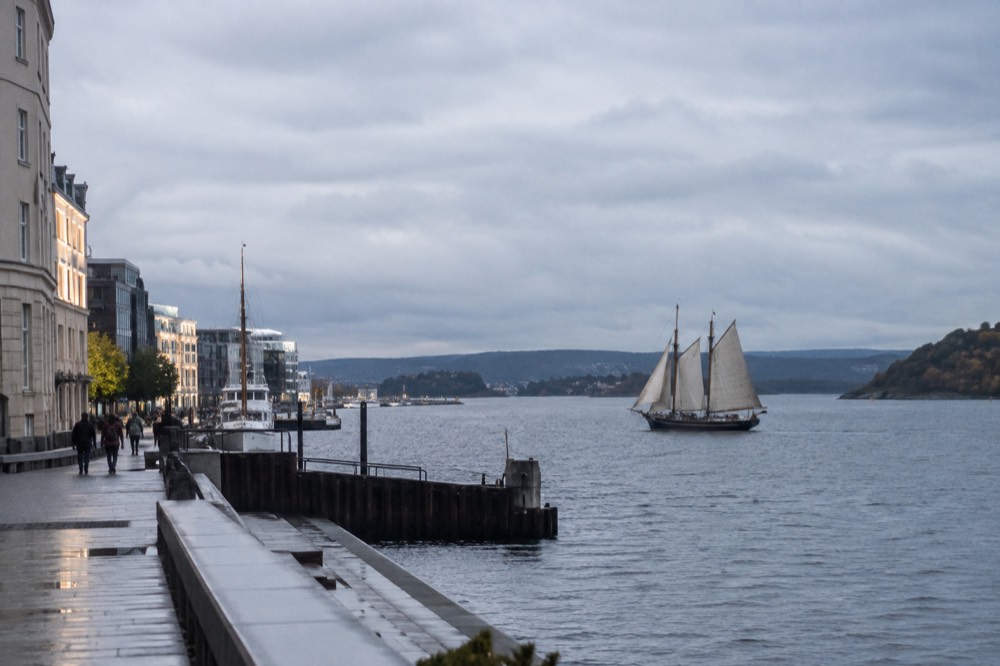
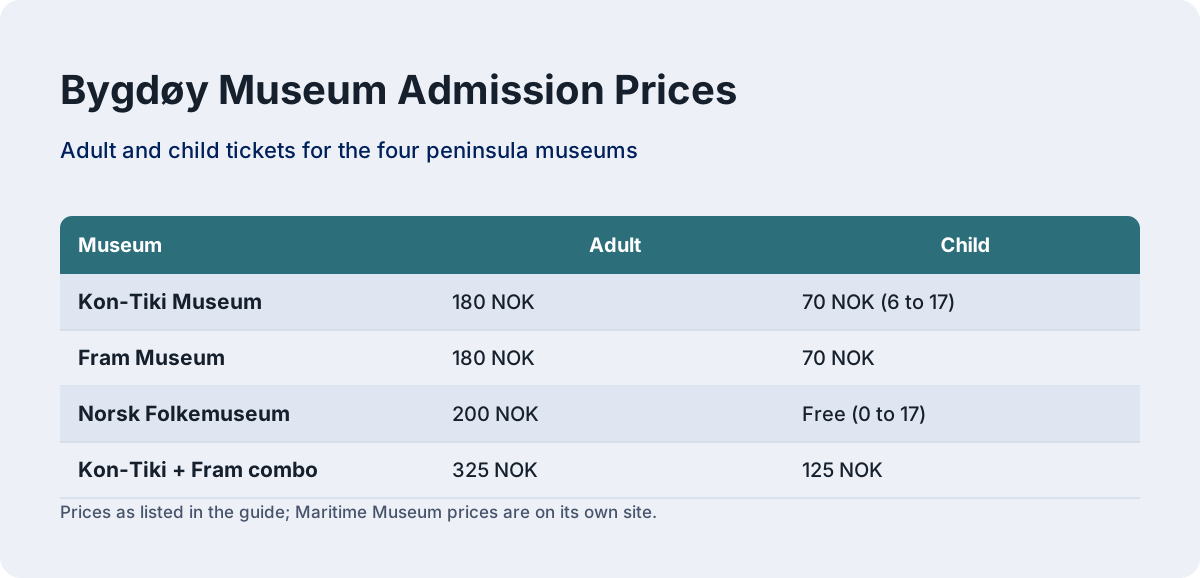
Yes. Bygdøy is the museum peninsula, and a full day there covers the Kon-Tiki Museum, the Fram polar ship museum, the Norwegian Maritime Museum and the open-air Norwegian Museum of Cultural History, all within a 20-minute walk of each other. Adult admission runs 180 to 200 NOK per museum, and the Kon-Tiki and Fram combination ticket costs 325 NOK, cheaper than buying the two separately.
Bygdøy is where Oslo keeps its explorer history. The Kon-Tiki Museum holds Thor Heyerdahl's balsa raft from the famous Pacific crossing and the papyrus boats from later expeditions, and it is the best-reviewed museum ticket in the city on either platform, at 4.5 across 1,116 reviews from $19.86. The Fram Museum next door is built around the complete original polar ship, the strongest pairing on the peninsula: the two sit together at the Bygdøynes pier and share a combination ticket.
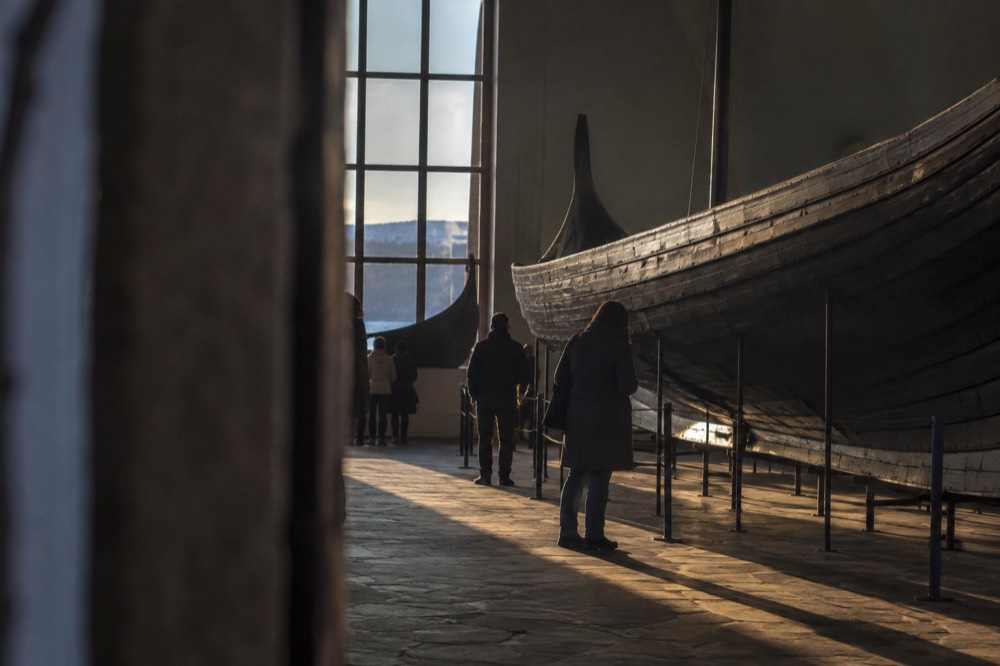
The one thing you cannot do on Bygdøy is see the Viking ships. The former Viking Ship Museum closed in 2021 and will reopen as the Museum of the Viking Age in 2027, per the museum's own statement, with no month confirmed. Until then, Viking-age objects are viewable at the Historical Museum in the city center, and Viking Planet, the VR-based ticketed attraction, is the bookable substitute. The full story is on the Museum of the Viking Age page.
Getting there is a decision with a season attached. The museum ferry runs from Rådhusbrygge 3, Platform F, every 20 minutes, roughly 14 March to 4 October, stopping at Dronningen (for the Folk Museum) then Bygdøynes (for Kon-Tiki, Fram and the Maritime Museum), about 10 minutes across, free with the Oslo Pass but not with a Ruter ticket. Out of season, Ruter bus 30 runs to the museums year-round on an ordinary ticket. The whole peninsula, piers, paths, museums, is covered in depth on the Bygdøy guide.
| Bygdøy museum | Adult | Child | Notes |
|---|---|---|---|
| Kon-Tiki Museum | 180 NOK | 70 NOK (6 to 17) | Open all year |
| Fram Museum | 180 NOK | 70 NOK | Oct to Apr 10:00 to 17:00, May to Sep 09:30 to 18:00 |
| Norwegian Maritime Museum | see site | see site | Adjacent to Kon-Tiki |
| Norsk Folkemuseum | 200 NOK | Free (0 to 17) | Open-air, at Dronningen |
| Kon-Tiki + Fram combo | 325 NOK | 125 NOK | Best value on the peninsula |
More than in almost any comparable capital. Vigeland Park is free and open 24 hours a day, year-round, with over 200 sculptures. The Opera House roof is free to walk on. Akershus Fortress grounds are free. The Oslofjord islands cost only an ordinary Ruter ferry ticket. The palace grounds, the Botanical Garden and the river walk along Akerselva are all free, which is why Oslo's cost problem is restaurants and bars, never sightseeing.
Vigeland Park is Oslo's most visited sight and it costs nothing. Gustav Vigeland's sculpture arrangement, the Monolith at its center, the angry boy, the life-cycle columns, is one of the largest sculpture ensembles in the world by a single artist, and the park never closes and never charges. The separate Vigeland Museum across the road is paid, at 120 NOK, and the two are worth keeping apart in every sentence. The Vigeland Park guide covers what the sculptures actually depict, which is far more interesting than the photo stop suggests.
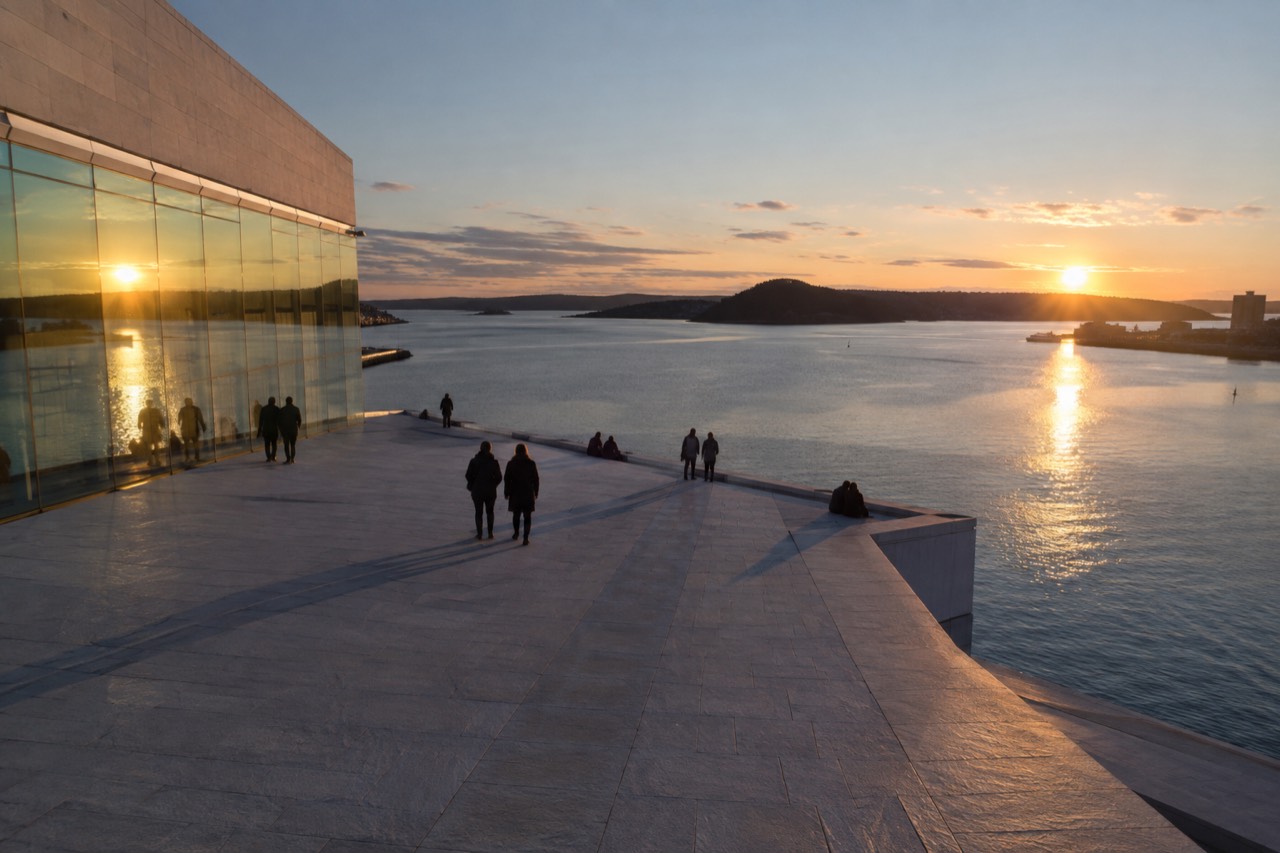
The Opera House is the other free icon. The building's marble roof slopes straight down to the water and is designed to be walked: you climb it as you would a hill, and the top gives the best free view in the city back across the fjord to the islands. No ticket, no queue, open whenever you feel like climbing. On a summer evening the roof is where half of Oslo is. The Opera House page has the angles and the photography spots.
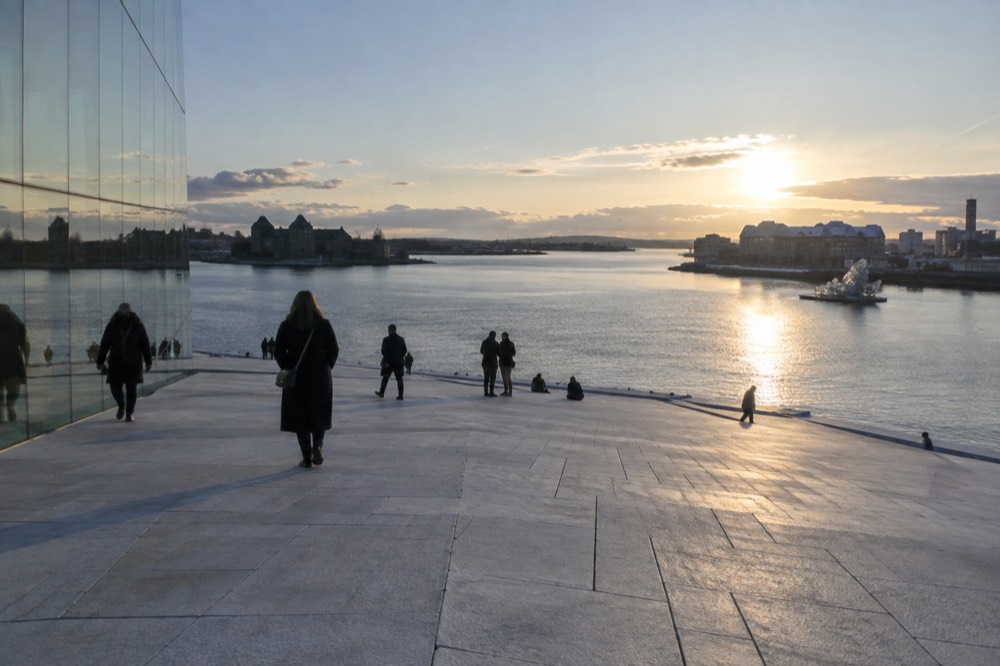
The free list runs long enough to build whole days on, and the free things to do in Oslo page itemizes it fully. The short version:
| Free sight | What it is | Time needed |
|---|---|---|
| Vigeland Park | 200+ sculptures, open 24/7 | 1 to 2 hours |
| Opera House roof | Walkable marble rooftop | 30 minutes |
| Akershus Fortress grounds | Medieval fortress and grounds | 1 hour |
| Botanical Garden | At Tøyen, by the Munch area | 1 to 2 hours |
| Akerselva river walk | Waterfall-to-fjord river trail | Half a day |
| Palace grounds and Karl Johans gate | Park and processional street | 1 hour |
The Akerselva river walk deserves the plug. The river drops through Grünerløkka from the hills to the fjord past waterfalls, old industrial yards converted into studios and cafés, and the stretch is the closest thing Oslo has to a locals' promenade. It is also the spine of the east-side neighborhoods that the Grünerløkka guide covers, and it ends within sight of the Opera House, which makes it a natural free afternoon.
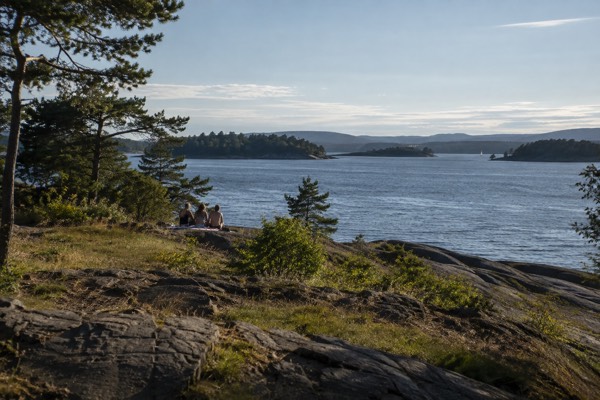
Yes, and it is the Oslo-specific thing the fjord makes possible that almost no visitor plans for. The Ruter ferries B1 and B2 leave from Aker Brygge on an ordinary ticket and reach Hovedøya, Gressholmen, Bleikøya, Nakholmen and Langøyene, islands with a ruined Cistercian abbey, swimming beaches and forest paths. Hovedøya's abbey ruins are 10 minutes from the city center.
This is the quiet highlight of an Oslo summer. Hovedøya, the first stop, holds the ruins of a 12th-century Cistercian monastery in a meadow, ringed by swimming coves and shallow water warm enough by July, when the fjord typically runs 15 to 20 °C. Gressholmen and Bleikøya are small and wooded. Langøyene, on the summer-only B2 line, is the swimming and camping island, with the best beaches in the city limits. More of these guides are collected on Oslo Travel Guide. More of these guides are collected on Oslo Travel Guide.
The ferry-and-foot island hopping tour packages exactly this, with a guide, at 195 minutes, from $42.63, rated 4.8 across 3,296 reviews, and there is a full-day five-island version at 6 hours for visitors who want to give it a whole day. But the honest point is that the islands are a public transport destination: a Ruter ticket and the timetable from Aker Brygge get you there independently, and the tour adds commentary and logistics rather than access.
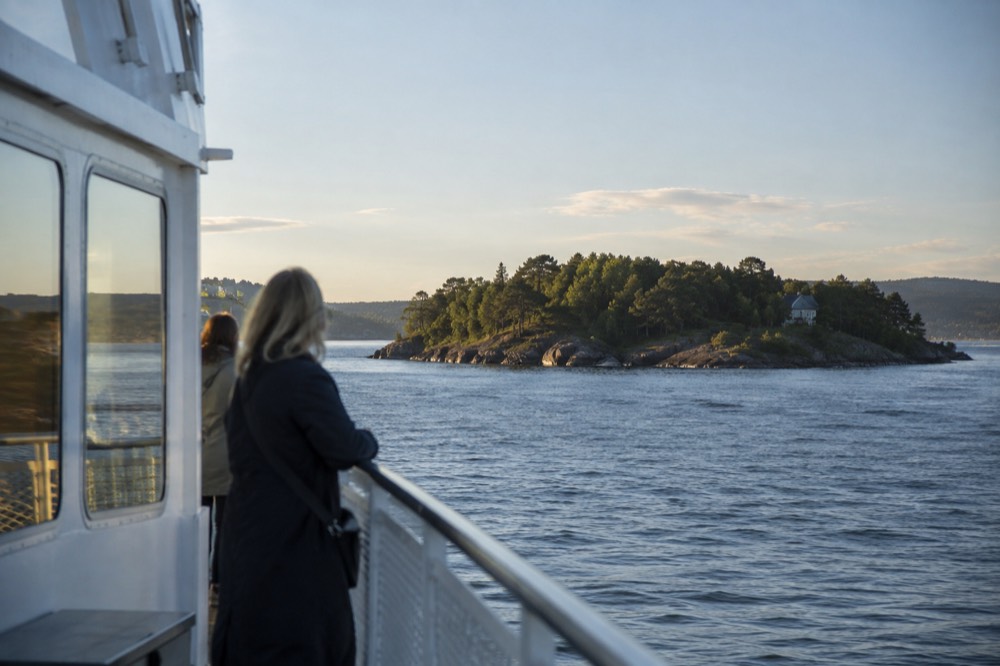
Season matters. B1 runs year-round on a reduced off-season frequency; B2 to Langøyene is summer-only, with the summer timetable running early July to end of August and the autumn timetable through mid-October. Check the live timetable in the Ruter app before committing an afternoon to a far island, and note again that these ferries leave from Aker Brygge, not the City Hall pier where the Bygdøy boat goes. The Oslo islands guide has island-by-island detail.
Restaurant food in Oslo is genuinely expensive: Statistics Norway's 2025 survey puts food 33% above the EU average and alcohol more than double, so the money goes furthest at street-food stalls, food halls and self-catered picnic supplies. The neighborhoods that reward a food walk are Grünerløkka and the Vulkan food hall area, and a guided food tour costs from $175.47 with the neighborhood walk and from $188.41 with the city-center one.
The cost problem is specific: sit-down dinners and bar drinks. The workaround is equally specific. Mathallen, the food hall by the river in Vulkan, sells everything from reindeer plates to cinnamon buns at counter prices rather than table prices, and the stalls at the street-food end of the market are the cheapest credible hot meals in the center. The Oslo cheap eats guide and the street food page itemize where the money actually goes furthest.
The Grünerløkka food and culture walk is the strongest way to spend a food budget in the city: 2 hours 30 minutes through the neighborhood's cafés, bakeries and stalls, from $175.47, rated 4.5 across 249 reviews. The city-center Norwegian food walk is the alternative, 3 hours, from $188.41, rated 4.7, and the street-food walking tour is a third format at 4.9. All three are more expensive than eating independently, and all three are cheaper than the same number of sit-down dinners once drinks are counted.

Alcohol is the one line item where planning changes the bill outright. Vinmonopolet, the state monopoly, is the only place to buy wine and spirits, closed Sundays and public holidays and closing early on Saturdays, with hours varying by store. Supermarkets sell beer and cider only, up to 4.7% ABV, and stop at a fixed evening cut-off. Norway sits outside EU VAT, so arriving visitors can buy at duty-free on the way in, which Norwegians themselves do routinely. The price of beer in Oslo page has the detail.
MUNCH and the National Museum are the two headline art museums, at 280 NOK and roughly 220 NOK adult respectively, with under-25s paying 100 NOK at both and under-18s free at the National Museum. The National Museum holds The Scream. MUNCH holds the world's largest Edvard Munch collection and charges 200 NOK after 18:00. Both are covered by the Oslo Pass.
The National Museum, on the waterfront by Aker Brygge, is Norway's flagship art institution and the only place in Oslo where The Scream hangs permanently, alongside the other Munch icons and a Nordic collection that runs from the medieval to the modern. The entry ticket sold on the platforms is the only bookable ticket for it.69, rated 4.7 across 191 reviews. MUNCH, the purpose-built museum in Bjørvika by the Opera House, is the city's most recognizable contemporary building after the Opera itself, and its evening rate makes it the natural after-dinner museum on a Wednesday through Saturday, when it stays open to 21:00.
The rest of the museum map is strong but selective. The Nobel Peace Center, the Astrup Fearnley contemporary collection at Tjuvholmen, the Historical Museum's Viking-age objects while the Bygdøy building is shut, the Resistance Museum at Akershus, and the National Theatre's building on Karl Johans gate round out the center. The Oslo museums guide ranks them properly; the short answer for a two-museum visit is the National Museum plus MUNCH, and for a one-museum visit, the National Museum.
| Museum | Adult | Under 25 | Oslo Pass |
|---|---|---|---|
| MUNCH | 280 NOK (200 after 18:00) | 100 NOK | Yes |
| National Museum | ~220 NOK | 100 NOK | Yes |
| Kon-Tiki | 180 NOK | 70 NOK | Yes |
| Fram | 180 NOK | 70 NOK | Yes |
| Nobel Peace Center | 180 NOK | 100 NOK (students) | Yes |
| Astrup Fearnley | 180 NOK | Free under 20 | Yes |
This is where the Oslo Pass maths starts working. A 24-hour adult pass at 580 NOK against three Bygdøy museums at 560 NOK full price is already close to break-even before a single tram ride, and the pass also covers the Bygdøy ferry, the island ferries and the Vy airport train. The is the Oslo Pass worth it page runs the full break-even table by itinerary type.
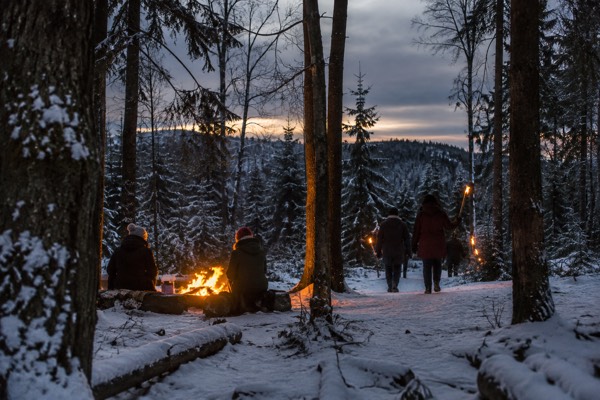
Winter Oslo runs on the forest and the dark. The T-bane reaches Nordmarka's groomed ski trails in about 30 minutes, guided snowshoeing runs from $103.24, a torchlit forest walk with a campfire costs from $91.64, and the city itself gets an evening myths-and-legends walking tour that exists precisely because the dark season lasts from October to March. Korketrekkeren's toboggan run opens when the snow arrives.
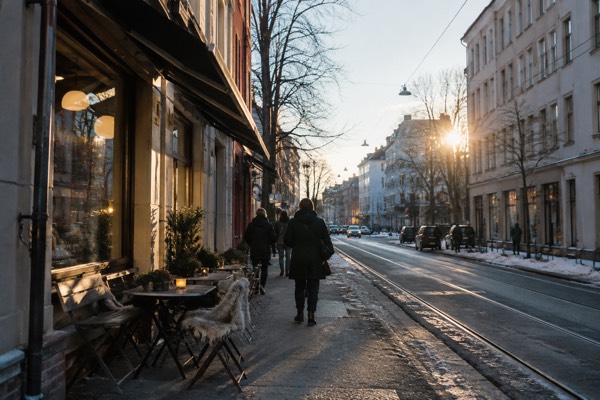
The inversion to understand: winter is not the season to avoid in Oslo, it is the season the city is built for. December daylight bottoms out at 5 hours 53 minutes, with sunrise at 09:18 and sunset at 15:11, and Oslo answers that with candles in every window, the Christmas market on Karl Johans gate's square, and a metro line that ends at Frognerseteren, where the forest and the toboggan run start. The Oslo in winter and Oslo in December pages cover the season in full.
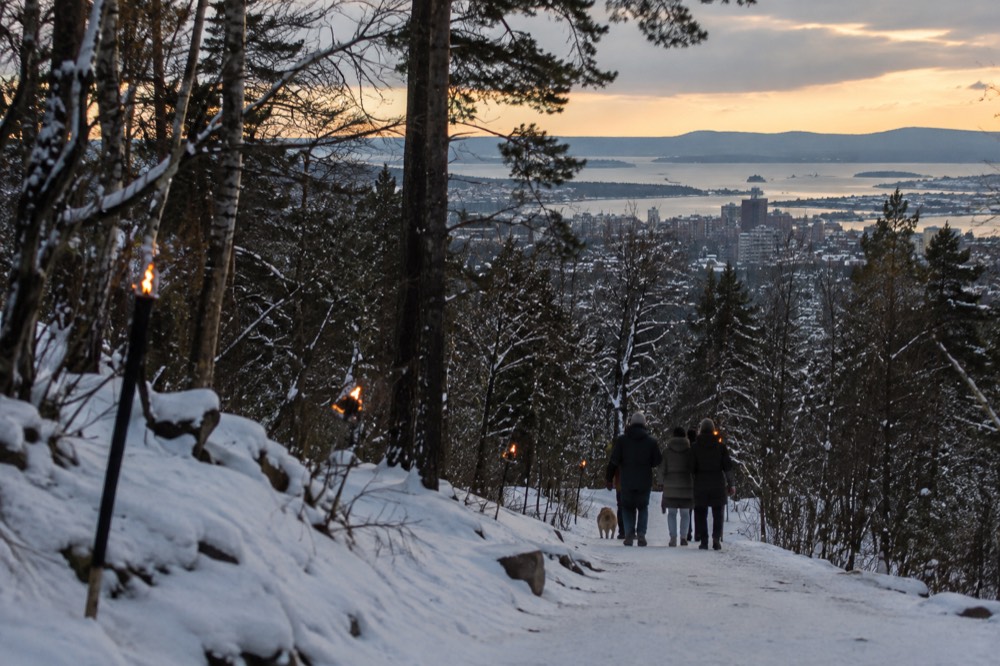
The bookable winter products are genuinely unusual for a capital. The learn-to-ski half-day, from $113.04, rated a perfect 5.0 across 93 reviews, makes Oslo the only European capital where a first ski lesson is a half-day city activity: the rental, the lesson and the lift access sit inside the city's own ski area at Oslo Vinterpark, reached by metro. Guided snowshoeing in Nordmarka, from $103.24 at 4.8, and the torchlit campfire walk, from $91.64 at 4.7, are the two forest formats, and both include gear.
One thing winter Oslo is not: a northern lights destination. Oslo sits at 59.9 N, well south of the auroral zone, and a sighting here needs a strong geomagnetic storm, a clear sky and a dark spot, a combination that comes around a handful of times a year. No aurora tour operates from Oslo on any platform this site covers. Tromsø is the separate trip, and the northern lights in Oslo page explains the honest position.
Three days covers the essentials well: day one for the center and the Opera House, day two for Bygdøy and a fjord cruise, day three for Grünerløkka, Vigeland Park and an island or a museum. Four days adds the forest and a relaxed pace. Skip, without guilt: the hop-on hop-off bus unless mobility demands it, a second art museum if art is not your reason for coming, and any rushed fjord-and-fortress combo day that squeezes Bygdøy into two hours.
The itinerary pages carry the day-by-day detail: one day in Oslo for cruise passengers and layovers, 2 days, 3 days and up to 5 days, each built around the alternation principle from the top of this guide. The how many days in Oslo page answers the length question directly, and the honest floor is two full days, one for the center and one split between Bygdøy and the water.
The season table is the planning tool that matters most, because Oslo's activity set changes completely between June and December:
| Period | Daylight | Normal temp | What the season is for |
|---|---|---|---|
| May to June | 15 to 18 h 50 m | 11 to 15 °C | Islands, boats, long evenings |
| July to August | 15 h 38 m to 18 h | 17.7 °C peak | Swimming, festivals, note August is the wettest month at 103 mm |
| September to October | 10 to 13 h | 6 to 12 °C | Museums, forest color, fewer crowds |
| November to March | 6 to 10 h | -2 to 2 °C | Snowshoeing, skiing, torchlit walks, Christmas market |
| April | 14 h 34 m | 6.2 °C | Snow in the forest, spring in the city |
Two practical notes that close the loop. First, families should know the city is unusually good for children: the free Folk Museum entry for under-18s, the Paradox Museum's interactive illusions at from $30.04, the climbing park day ticket, and the islands' shallow swimming make an easy family set, covered on the Oslo with kids page. Second, budget travelers should read Oslo on a budget alongside this guide: the free core here is large enough that a cheap Oslo trip is a real thing, provided the money goes to groceries and museum passes rather than restaurant dinners.
Whatever the season, the booking order is the same: the fjord cruise first, because it is the activity that defines the city and the one most worth securing a seat on, then the Bygdøy combination, then everything else flexes around the weather.
The silent electric fjord cruise. It is the city's best-reviewed activity on either platform, 4.5 across 6,664 reviews, from $46.29, and it delivers the Oslofjord, the Opera House, Akershus Fortress and the islands in 90 quiet minutes.
Yes. Day one covers the center: the Opera House roof, Karl Johans gate, Akershus and an evening at Aker Brygge. Day two splits between Bygdøy's museums in the morning and a fjord cruise or island ferry in the afternoon. Three days is the comfortable pace; two is enough to see the essentials.
Vigeland Park, open 24 hours year-round; the Opera House roof; Akershus Fortress grounds; the Botanical Garden; the Akerselva river walk; and the palace grounds. The Oslofjord islands cost only an ordinary Ruter ferry ticket.
No. The former Viking Ship Museum closed in 2021 and will reopen as the Museum of the Viking Age in 2027, per the museum's own statement, with no month confirmed. Viking-age objects are viewable at the Historical Museum in the city center meanwhile, and Viking Planet is the bookable substitute.
Yes, if you pack for it. December offers under six hours of daylight, but the forest offers skiing, snowshoeing and a torchlit campfire walk inside the city limits, the Christmas market runs through December, and the museums are quieter than in summer.
It pays for itself if you visit three or more covered museums in a day, since the 24-hour adult pass at 580 NOK sits against 560 NOK for three Bygdøy museums alone, and it adds every tram, metro, the island ferries and the Vy airport train. For a museum-light itinerary, ordinary Ruter tickets are cheaper.
This is a starting shortlist of the best-reviewed options, not the whole list. Answer a question below and it rebuilds around you.
The fjord starts at the foot of the city, so a boat is the shortest route to the view Oslo is known for. The choices separate cleanly: a 90-minute audio-guided loop, a two-hour wooden sailing ship, a silent electric boat, island hopping past the summer houses, or a three-hour evening cruise built around a shrimp buffet. One long-day option runs out to Sognefjord and the Flam Railway.
Who it suits: Anyone who wants to see the city from the water, and anyone travelling with people who would rather sit than walk. When: Busiest May to September; the shrimp-buffet evening boats and the silent electric boats run the longest season.
Oslo’s single best-reviewed activity on either platform; the silent electric fjord cruise is the default first thing a visitor does.
Oslo · Ferry-and-foot island hopping is the Oslo-specific thing the fjord makes possible and nowhere else in this set
Ferry-and-foot island hopping is the Oslo-specific thing the fjord makes possible and nowhere else in this set covers it on foot.
from $42.63per person Check availability →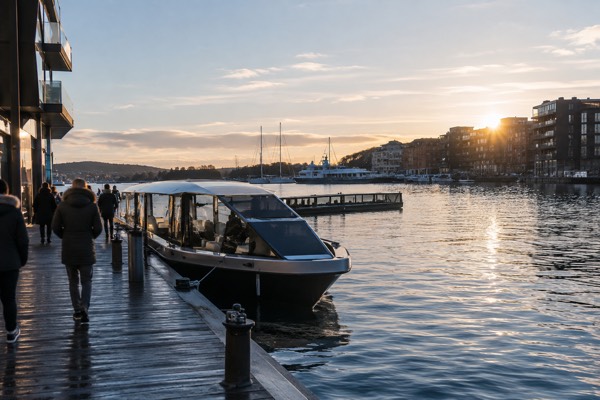
Oslo · Premium silent-boat cruise: the guided, higher-end counterpart to the audio-guide cruise.
Premium silent-boat cruise: the guided, higher-end counterpart to the audio-guide cruise.
from $74.29per person Check availability →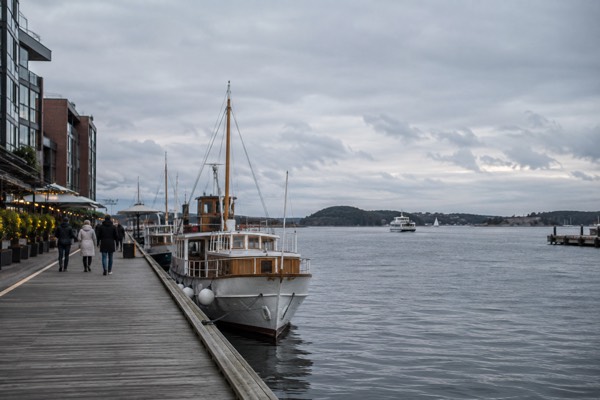
Oslo · Full-day, five-island version of the fjord trip for visitors with a whole day to give it.
Full-day, five-island version of the fjord trip for visitors with a whole day to give it.
from $91.51per person Check availability →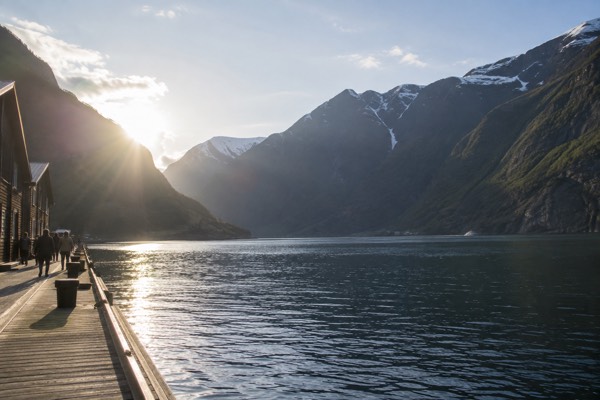
Oslo · The Norway-in-a-Nutshell question every Oslo visitor asks; this is the best-reviewed same-day answer.
The Norway-in-a-Nutshell question every Oslo visitor asks; this is the best-reviewed same-day answer.
from $1,060.98per person Check availability →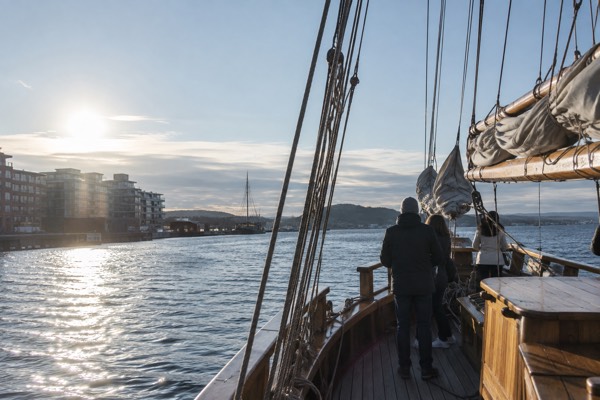
Oslo · The wooden sailing-ship version of the fjord trip, a completely different experience from the electric boats;
The wooden sailing-ship version of the fjord trip, a completely different experience from the electric boats; 6,000+ reviews.
from $46.19per person Check availability →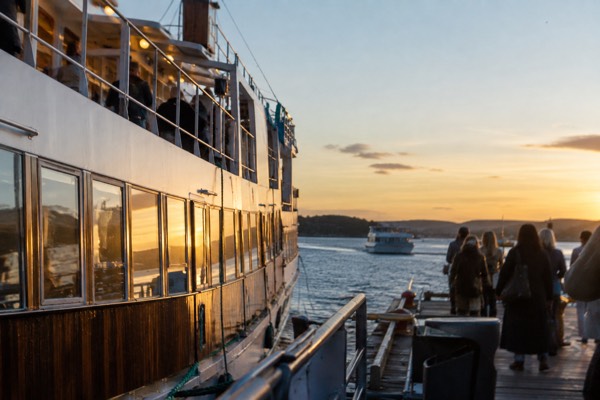
Oslo · The shrimp-buffet evening cruise is a Norwegian institution, not a generic dinner boat.
The shrimp-buffet evening cruise is a Norwegian institution, not a generic dinner boat.
from $90.22per person Check availability →Oslo's museums are unusually specific: a balsa raft that crossed the Pacific, a polar ship built to freeze into the ice on purpose, and the room that holds The Scream. Tickets here are timed entry rather than tours, so they slot around whatever else the day holds. Note that the Museum of the Viking Age is closed and reopens in 2027, so Viking Planet is the honest substitute.
Who it suits: Rainy days, short winter afternoons, and anyone who would rather read a label than follow a guide. When: Year-round, and the obvious answer between November and March when the light goes early.
The best-reviewed museum ticket in Oslo on either platform and the anchor of a Bygdøy day.
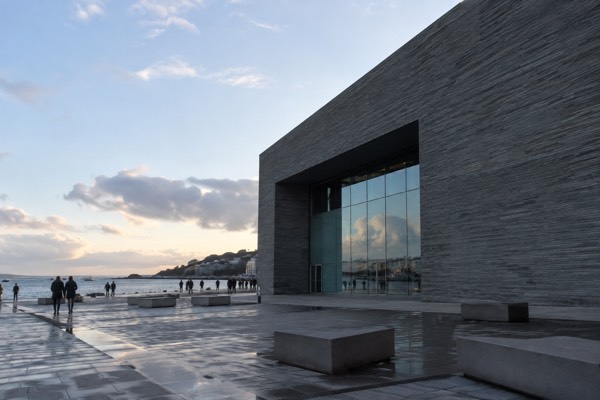
Oslo · The National Museum is Oslo’s flagship art museum (it holds The Scream) and this is the only entry ticket sold
The National Museum is Oslo’s flagship art museum (it holds The Scream) and this is the only entry ticket sold on either platform.
from $23.69per person Check availability →
Oslo · The family-outdoor slot; a day ticket rather than a guided tour, which nothing else in the set covers.
The family-outdoor slot; a day ticket rather than a guided tour, which nothing else in the set covers.
from $44.68per person Check availability →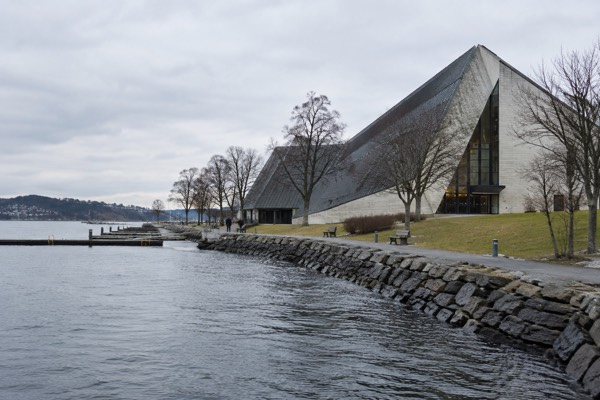
Oslo · The polar-ship museum; the second half of Bygdøy and the strongest pairing with Kon-Tiki.
The polar-ship museum; the second half of Bygdøy and the strongest pairing with Kon-Tiki.
from $19.86per person Check availability →
Oslo · The Viking answer while the Museum of the Viking Age is shut until 2027 - this is what actually sells.
The Viking answer while the Museum of the Viking Age is shut until 2027 - this is what actually sells.
from $30.68per person Check availability →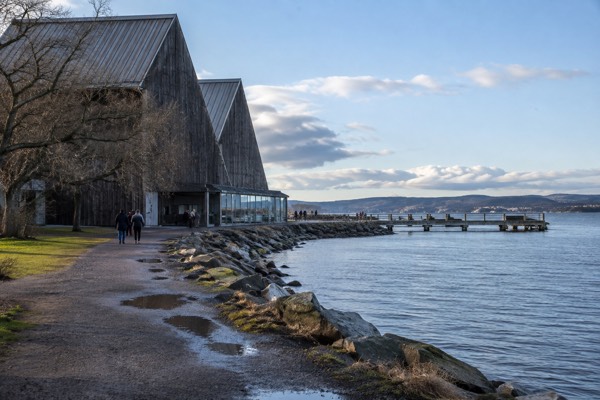
Oslo · Oslo’s strongest rainy-day / family ticket; consistently the best-selling non-Bygdøy museum.
Oslo’s strongest rainy-day / family ticket; consistently the best-selling non-Bygdøy museum.
from $30.04per person Check availability →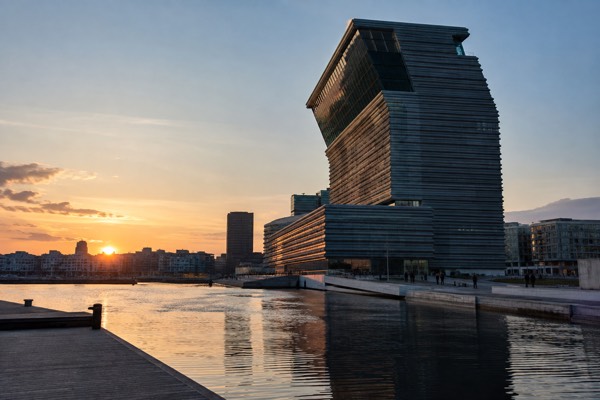
Oslo · MUNCH is the one museum a first-time visitor names, and this is the only bookable route to it
MUNCH is the one museum a first-time visitor names. This is the only bookable entry route to it, so it is the ticket to hold if the pass is not paying for itself.
from $49per person Check availability →Five walks run on a pay-what-you-like basis through GuruWalk: nothing is charged up front and the guide takes whatever you hand over at the end. Most run about two hours and cover the harbour, the Opera House, Karl Johans gate and the palace. These are complete tours, not teasers for a paid upgrade, and they are not our product, which is why GuruWalk is named on every one.
Who it suits: First mornings, tight budgets, and anyone who wants the city explained before committing money to it. When: Departures thin out in deep winter, so check the date you want rather than assuming a daily run.
By far the largest free walk in Oslo (2,150 reviews) and the default budget answer for the whole city.
Free to join, you decide the tip at the end.
See this free tour on GuruWalk →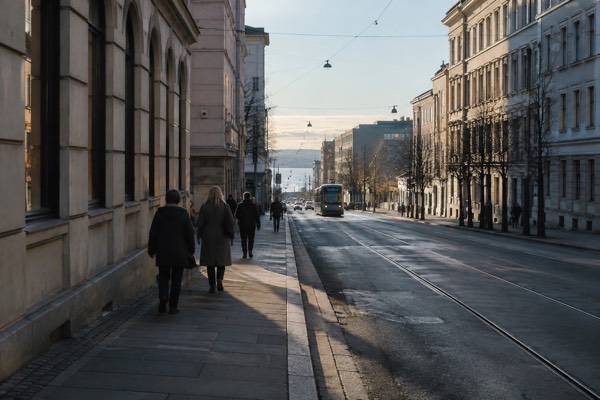
Oslo · Highest-rated of the Oslo free walks at 4.73; a locals-led alternative to the big operator.
Highest-rated of the Oslo free walks at 4.73; a locals-led alternative to the big operator.
Free to join, you decide the tip at the end.
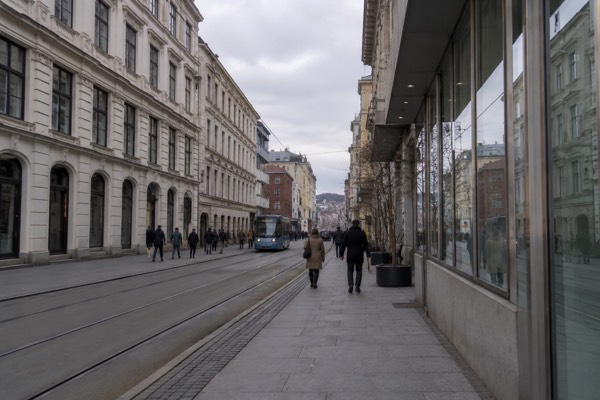
Oslo · A smaller orientation walk, useful as a second free option when the big one is full.
A smaller orientation walk, useful as a second free option when the big one is full.
Free to join, you decide the tip at the end.
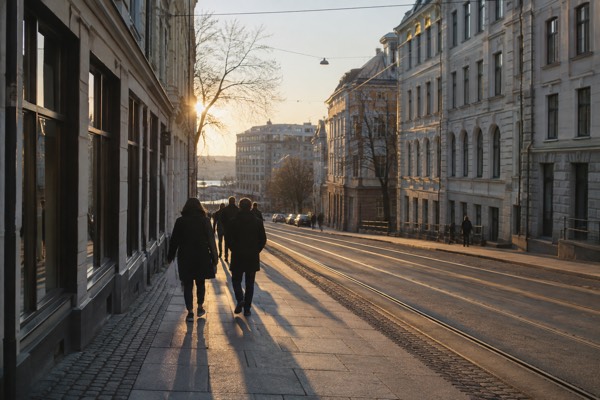
Oslo · Pairs the walk with a written local guide; the only free walk here with a takeaway.
Pairs the walk with a written local guide; the only free walk here with a takeaway.
Free to join, you decide the tip at the end.
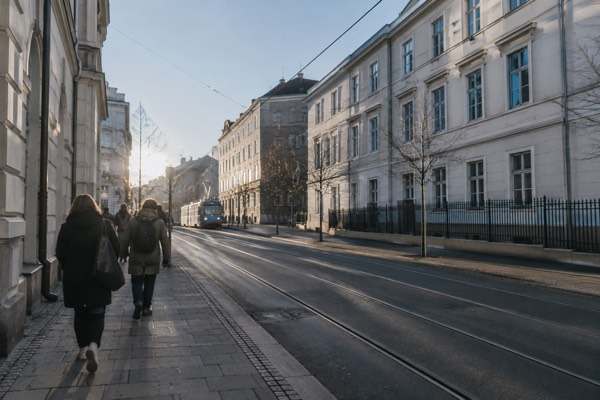
Oslo · A themed free walk (rich/poor, east/west Oslo) rather than another highlights loop.
A themed free walk (rich/poor, east/west Oslo) rather than another highlights loop.
Free to join, you decide the tip at the end.
The cheapest paid product on this site is a two-hour guided walk through the centre. From there the walks specialise: Vigeland Park with someone who can explain the sculptures, an evening route through the city's myths, a small-group version capped at ten, a private guide who will run anywhere from two to six hours, and one occupation-history walk covering 1940 to 1945.
Who it suits: Readers, repeat visitors, and anyone who wants the story behind the buildings rather than a list of them. When: Year-round on foot; the myths-and-legends evening walk suits the dark half of the year best.
Cheapest credible guided walk in Oslo at $16 with 1,600+ reviews; the budget entry point.
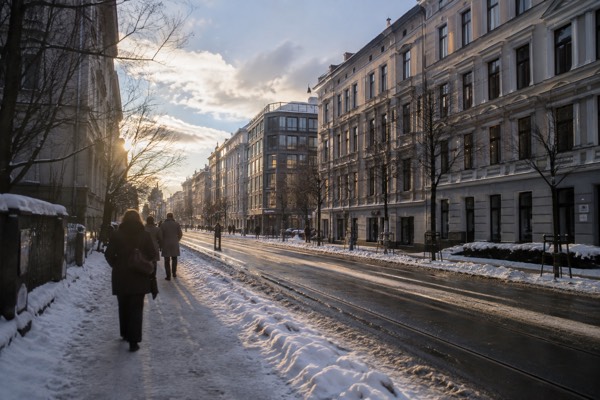
Oslo · Perfect 5.0 over 81 reviews on the occupation years, the part of Oslo’s history the general walks skip.
Perfect 5.0 over 81 reviews on the occupation years, the part of Oslo’s history the general walks skip.
from $331.07per person Check availability →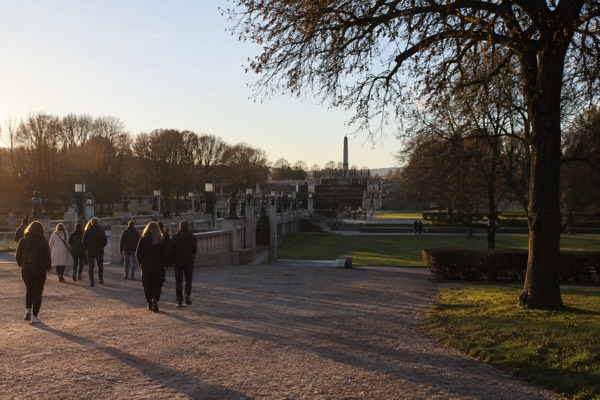
Oslo · Vigeland is free to enter, so a guided art walk is the only bookable way to monetise Oslo’s most visited sight
Vigeland is free to enter, so a guided art walk is the only bookable way to monetise Oslo’s most visited sight.
from $52.20per person Check availability →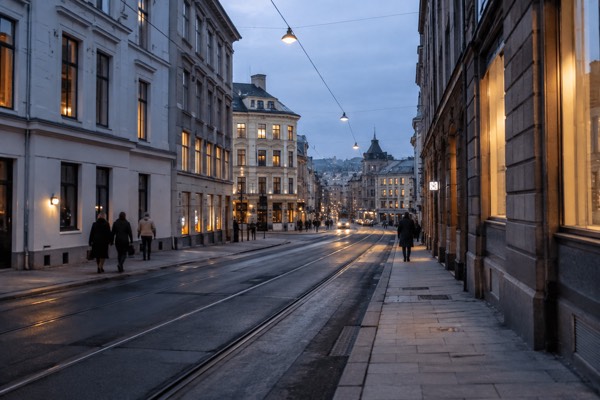
Oslo · Capped at ten people and rated 4.9; the middle option between the cheap group walk and a private guide.
Capped at ten people and rated 4.9; the middle option between the cheap group walk and a private guide.
from $68.57per person Check availability →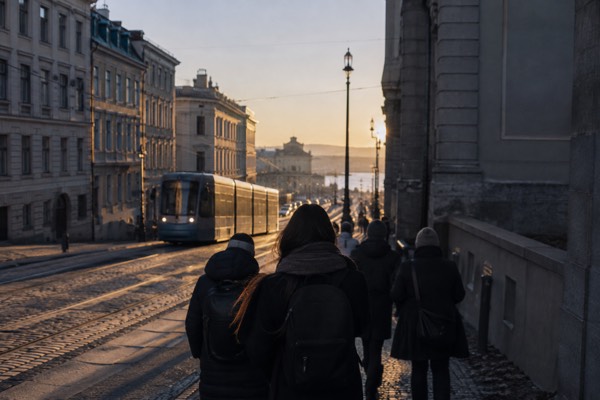
Oslo · Evening myths-and-legends walk: the dark-season product Oslo genuinely needs from October to March.
Evening myths-and-legends walk: the dark-season product Oslo genuinely needs from October to March.
from $43.06per person Check availability →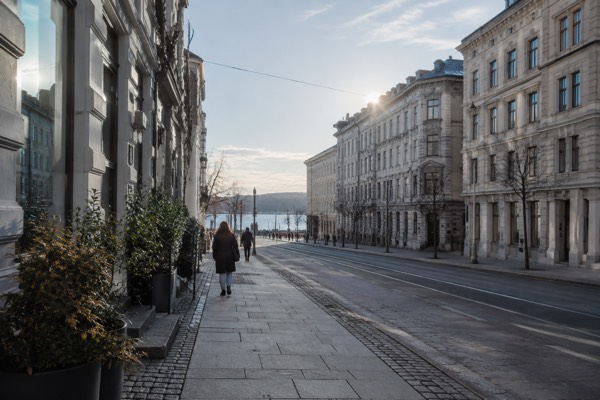
Oslo · Best-reviewed flexible private walk, 2-6 hours, for visitors who will not join a group.
Best-reviewed flexible private walk, 2-6 hours, for visitors who will not join a group.
from $69.60per person Check availability →This is the priciest shelf on the site and the prices are real: food tours here start around $169 and run to $214. What they buy is several sit-down stops rather than samples on the street, usually across Grunerlokka and the centre. Given what Norwegian restaurant prices do to a budget, a tour that feeds you properly across three hours is closer to a meal than to an activity.
Who it suits: Evenings, couples, and anyone who has read that Oslo is expensive and wants to eat well anyway. When: Year-round, mostly indoors between stops, which makes them work in bad weather.
The neighbourhood food walk, distinct from the city-centre one, and the only strong Grünerløkka product.
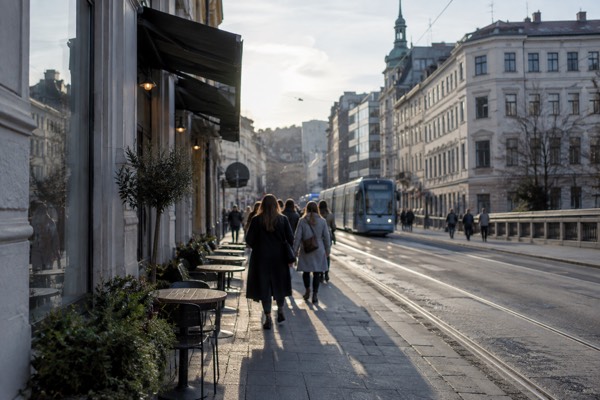
Oslo · Norway’s alcohol rules make a guided beer walk genuinely useful, not just a novelty.
Norway’s alcohol rules make a guided beer walk genuinely useful, not just a novelty.
from $214.24per person Check availability →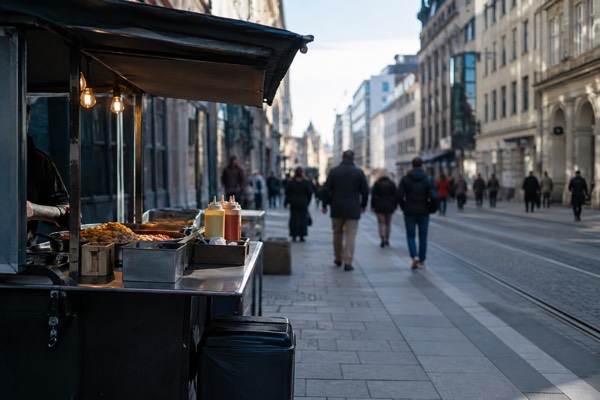
Oslo · A third food format (street-food focused, 4.9) that neither of the other two food tours covers.
A third food format (street-food focused, 4.9) that neither of the other two food tours covers.
from $168.84per person Check availability →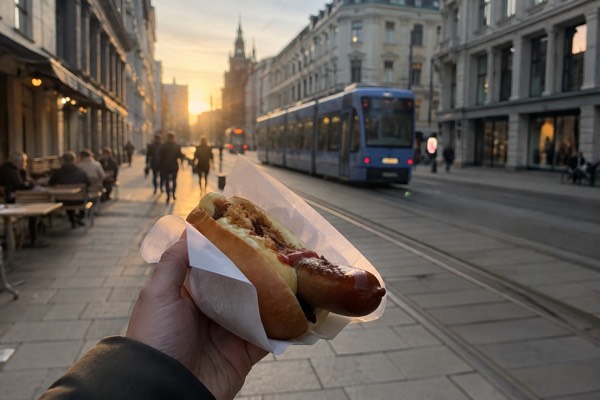
Oslo · The city-centre Norwegian food walk; the strongest food product that is not neighbourhood-specific.
The city-centre Norwegian food walk; the strongest food product that is not neighbourhood-specific.
from $188.41per person Check availability →The metro runs to the treeline, which is why these exist. A torchlit winter walk ends at a campfire, a guided snowshoe route goes further in, and a beginner ski session teaches the thing Norwegians assume everyone can already do. In summer the same instinct produces a fjord-view hike with waffles cooked in the forest and a packraft descent of the Akerselva through the middle of the city.
Who it suits: Walkers, winter visitors, and anyone who wants to see what Oslo does with the forest on its doorstep. When: Snowshoeing and the skiing lesson need real snow; the fjord-view hike and the packraft run in the warm half.
Torchlit winter forest walk with a campfire; the signature Oslo winter experience inside the city limits.
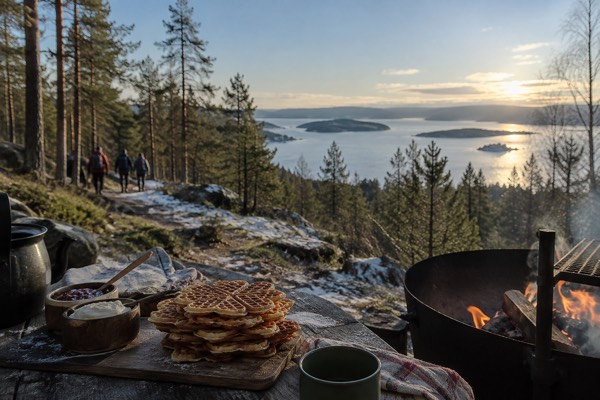
Oslo · Fjord-view forest hike with a chef-cooked waffle stop; a perfect 5.0 across 211 reviews.
Fjord-view forest hike with a chef-cooked waffle stop; a perfect 5.0 across 211 reviews.
from $72.78per person Check availability →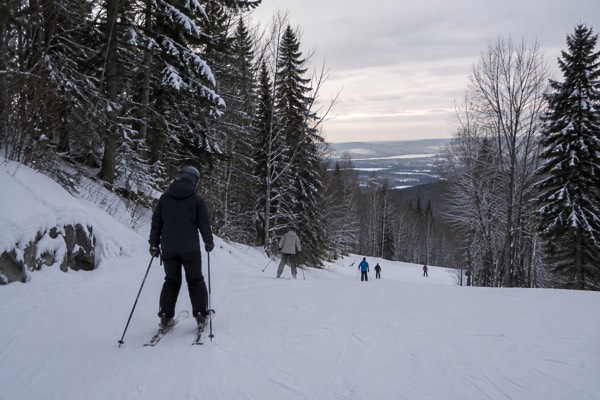
Oslo · Learn-to-ski experience with a perfect 5.0; Oslo is the only European capital where this is a half-day activit
Learn-to-ski experience with a perfect 5.0; Oslo is the only European capital where this is a half-day activity.
from $113.04per person Check availability →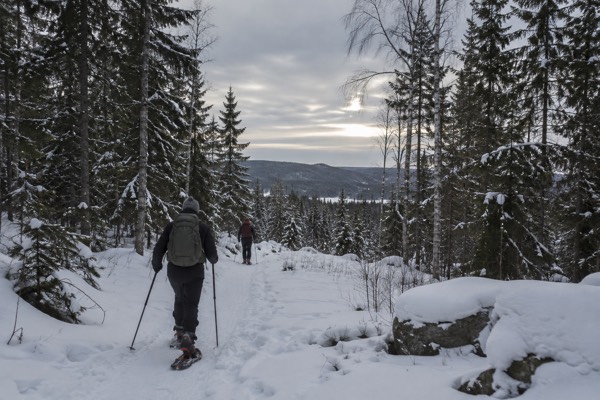
Oslo · Snowshoeing in Nordmarka, the activity that makes an Oslo winter trip worth booking.
Snowshoeing in Nordmarka, the activity that makes an Oslo winter trip worth booking.
from $103.24per person Check availability →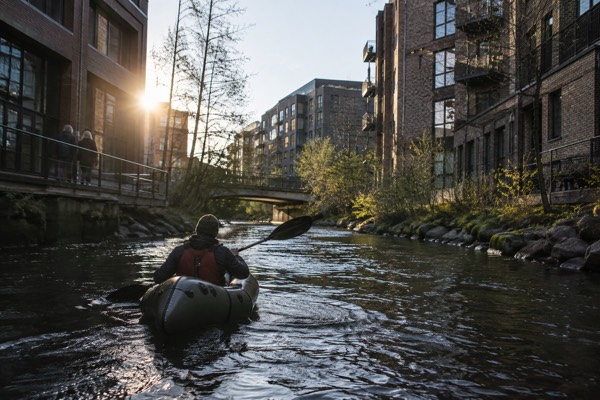
Oslo · Packrafting the Akerselva through the middle of the city: an urban-nature product unique to Oslo.
Packrafting the Akerselva through the middle of the city: an urban-nature product unique to Oslo.
from $77.41per person Check availability →Oslo is compact but its landmarks are not: Holmenkollen sits 350 metres above the centre and Bygdoy is across the water. A bus loop doubles as transport on a first day, a three-hour bike tour covers the waterfront faster than walking, and the combined bus-and-boat tours put the ski jump and the fjord into one booking. A sidecar and a private car sit at the top of the shelf.
Who it suits: First days, tight schedules, limited mobility, and anyone trying to reach Holmenkollen and Vigeland in one go. When: The bike tour is warm-half only; the bus routes run year-round on a reduced winter timetable.
The only credible hop-on hop-off option (Gray Line rates far above the City Sightseeing product); needed for a whole-destination guide.
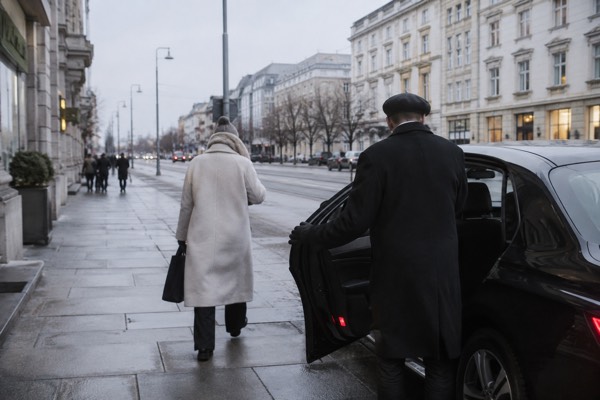
Oslo · The only well-reviewed chauffeured private car tour; the accessibility and bad-weather answer.
The only well-reviewed chauffeured private car tour; the accessibility and bad-weather answer.
from $496.60per person Check availability →
Oslo · 4.9 across 154 reviews; the highest-rated "memorable" product in the city and a genuine kind of its own.
4.9 across 154 reviews; the highest-rated "memorable" product in the city and a genuine kind of its own.
from $292.44per person Check availability →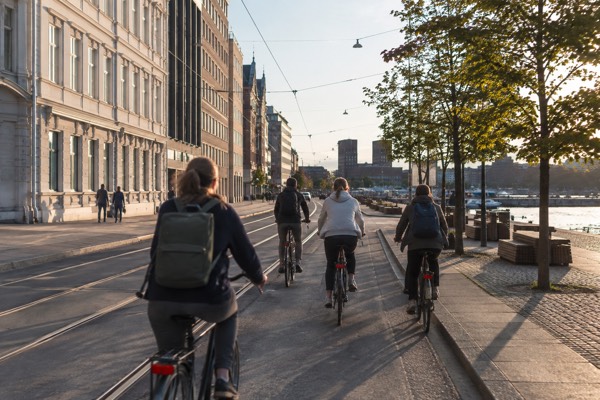
Oslo · Highest-reviewed bike tour in the city and the best warm-season alternative to the bus tours.
Highest-reviewed bike tour in the city and the best warm-season alternative to the bus tours.
from $47.37per person Check availability →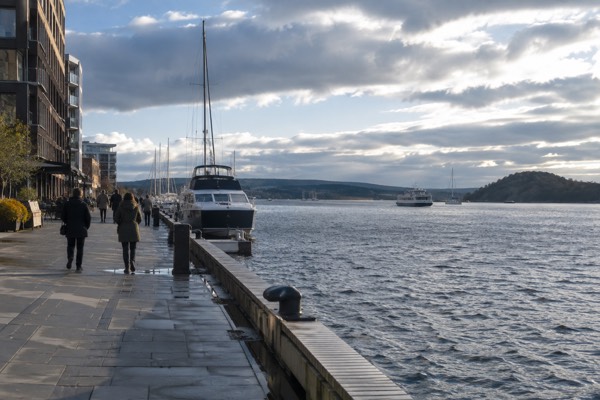
Oslo · The full-day bus + fjord combo, the standard one-day Oslo package for first-timers and cruise passengers.
The full-day bus + fjord combo, the standard one-day Oslo package for first-timers and cruise passengers.
from $161.49per person Check availability →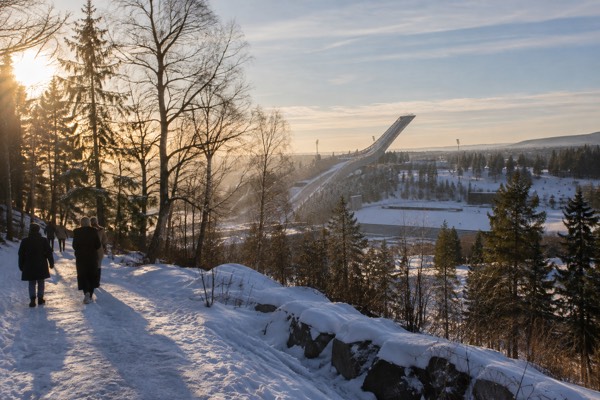
Oslo · The only reliable way to reach Holmenkollen and Vigeland in one half-day without a car.
The only reliable way to reach Holmenkollen and Vigeland in one half-day without a car.
from $64.60per person Check availability →
| Attraction | Best for | Area | Ticket from | Rating |
|---|---|---|---|---|
| Fjord-View Hike, Chef's Waffles | Fjord-view forest hike with a chef-cooked waffle stop; a perfect 5.0 across 211 reviews. | Oslo | $72.78 | ★ 5 |
| Learn-to-Ski Half-Day | Learn-to-ski experience with a perfect 5.0; Oslo is the only European capital where this is a half-day activit | Oslo | $113.04 | ★ 5 |
| Beer and Culture Walk | Norway’s alcohol rules make a guided beer walk genuinely useful, not just a novelty. | Oslo | $214.24 | ★ 5 |
| WWII Occupation History Walk | Perfect 5.0 over 81 reviews on the occupation years, the part of Oslo’s history the general walks skip. | Oslo | $331.07 | ★ 5 |
| Private Chauffeured Volvo, Museums | The only well-reviewed chauffeured private car tour; the accessibility and bad-weather answer. | Oslo | $496.60 | ★ 5 |
| Vigeland Park Art Walk | Vigeland is free to enter, so a guided art walk is the only bookable way to monetise Oslo’s most visited sight | Oslo | $52.20 | ★ 4.9 |
| Retro Motorcycle Sidecar Tour | 4.9 across 154 reviews; the highest-rated "memorable" product in the city and a genuine kind of its own. | Oslo | $292.44 | ★ 4.9 |
| Small-Group Walk, Max 10 | Capped at ten people and rated 4.9; the middle option between the cheap group walk and a private guide. | Oslo | $68.57 | ★ 4.9 |
| Street-Food Walking Tour | A third food format (street-food focused, 4.9) that neither of the other two food tours covers. | Oslo | $168.84 | ★ 4.9 |
| Ferry-and-Foot Island Hopping | Ferry-and-foot island hopping is the Oslo-specific thing the fjord makes possible and nowhere else in this set | Oslo | $42.63 | ★ 4.8 |
| 3-Hour Highlights Bike Tour | Highest-reviewed bike tour in the city and the best warm-season alternative to the bus tours. | Oslo | $47.37 | ★ 4.8 |
| Evening Myths and Legends Walk | Evening myths-and-legends walk: the dark-season product Oslo genuinely needs from October to March. | Oslo | $43.06 | ★ 4.8 |
| Guided Forest Snowshoeing | Snowshoeing in Nordmarka, the activity that makes an Oslo winter trip worth booking. | Oslo | $103.24 | ★ 4.8 |
| Free Walk Led by Locals | Highest-rated of the Oslo free walks at 4.73; a locals-led alternative to the big operator. | Oslo | Free, tip based | Free entry |
| Guided Premium Silent Boat | Premium silent-boat cruise: the guided, higher-end counterpart to the audio-guide cruise. | Oslo | $74.29 | ★ 4.7 |
| Budget Central Walking Tour | Cheapest credible guided walk in Oslo at $16 with 1,600+ reviews; the budget entry point. | Oslo | $15.66 | ★ 4.7 |
| Full-Day Bus Plus Fjord Combo | The full-day bus + fjord combo, the standard one-day Oslo package for first-timers and cruise passengers. | Oslo | $161.49 | ★ 4.7 |
| Torchlit Forest Walk, Campfire | Torchlit winter forest walk with a campfire; the signature Oslo winter experience inside the city limits. | Oslo | $91.64 | ★ 4.7 |
| City-Centre Norwegian Food Walk | The city-centre Norwegian food walk; the strongest food product that is not neighbourhood-specific. | Oslo | $188.41 | ★ 4.7 |
| National Museum, The Scream | The National Museum is Oslo’s flagship art museum (it holds The Scream) and this is the only entry ticket sold | Oslo | $23.69 | ★ 4.7 |
| Urban River Packraft or Kayak | Packrafting the Akerselva through the middle of the city: an urban-nature product unique to Oslo. | Oslo | $77.41 | ★ 4.7 |
| Climbing Park Day Ticket | The family-outdoor slot; a day ticket rather than a guided tour, which nothing else in the set covers. | Oslo | $44.68 | ★ 4.7 |
| Free Highlights Walking Tour | By far the largest free walk in Oslo (2,150 reviews) and the default budget answer for the whole city. | Oslo | Free, tip based | Free entry |
| Free Orientation Walk | A smaller orientation walk, useful as a second free option when the big one is full. | Oslo | Free, tip based | Free entry |
| Free Walk Plus Local Secrets Guide | Pairs the walk with a written local guide; the only free walk here with a takeaway. | Oslo | Free, tip based | Free entry |
| Free Themed Contrasts Walk | A themed free walk (rich/poor, east/west Oslo) rather than another highlights loop. | Oslo | Free, tip based | Free entry |
| Private Walk, 2 to 6 Hours | Best-reviewed flexible private walk, 2-6 hours, for visitors who will not join a group. | Oslo | $69.60 | ★ 4.6 |
| Full-Day Five-Island Boat Tour | Full-day, five-island version of the fjord trip for visitors with a whole day to give it. | Oslo | $91.51 | ★ 4.6 |
| Fram Polar Ship Museum | The polar-ship museum; the second half of Bygdøy and the strongest pairing with Kon-Tiki. | Oslo | $19.86 | ★ 4.6 |
| Private Sognefjord Trip, Flåm Railway | The Norway-in-a-Nutshell question every Oslo visitor asks; this is the best-reviewed same-day answer. | Oslo | $1,060.98 | ★ 4.6 |
| Silent Electric Boat, Audio Guide | Oslo’s single best-reviewed activity on either platform; the silent electric fjord cruise is the default first | Oslo | $46.29 | ★ 4.5 |
| Traditional Wooden Sailing Ship | The wooden sailing-ship version of the fjord trip, a completely different experience from the electric boats; | Oslo | $46.19 | ★ 4.5 |
| Evening Cruise, Shrimp Buffet | The shrimp-buffet evening cruise is a Norwegian institution, not a generic dinner boat. | Oslo | $90.22 | ★ 4.5 |
| Holmenkollen and Vigeland Half-Day | The only reliable way to reach Holmenkollen and Vigeland in one half-day without a car. | Oslo | $64.60 | ★ 4.5 |
| Kon-Tiki Museum Ticket | The best-reviewed museum ticket in Oslo on either platform and the anchor of a Bygdøy day. | Oslo | $19.86 | ★ 4.5 |
| Grünerløkka Neighbourhood Food Walk | The neighbourhood food walk, distinct from the city-centre one, and the only strong Grünerløkka product. | Oslo | $175.47 | ★ 4.5 |
| Viking Planet, VR Movie Included | The Viking answer while the Museum of the Viking Age is shut until 2027 - this is what actually sells. | Oslo | $30.68 | ★ 4.4 |
| Paradox Museum, Interactive Illusions | Oslo’s strongest rainy-day / family ticket; consistently the best-selling non-Bygdøy museum. | Oslo | $30.04 | ★ 4.3 |
| OSL Airport Private Transfer | OSL is 50km out; a private transfer is the practical alternative to the Flytoget. TRANSPORT, not an activity - | Oslo | $57 | ★ 4.3 |
| Gray Line Hop-On Hop-Off Bus | The only credible hop-on hop-off option (Gray Line rates far above the City Sightseeing product); needed for a | Oslo | $37.68 | ★ 4.1 |
| Munch Museum Ticket | MUNCH is the one museum a first-time visitor names, and this is the only bookable route to it | Oslo | $49 | ★ 3.5 |