Price of Beer in Oslo: What You Will Actually Pay
Norway's official statistics put alcohol and tobacco at more than double the European average, and that single number explains most of what happens to your wallet in an Oslo bar. Here is what the real figures say, where the money goes, and what actually helps.
Short answer
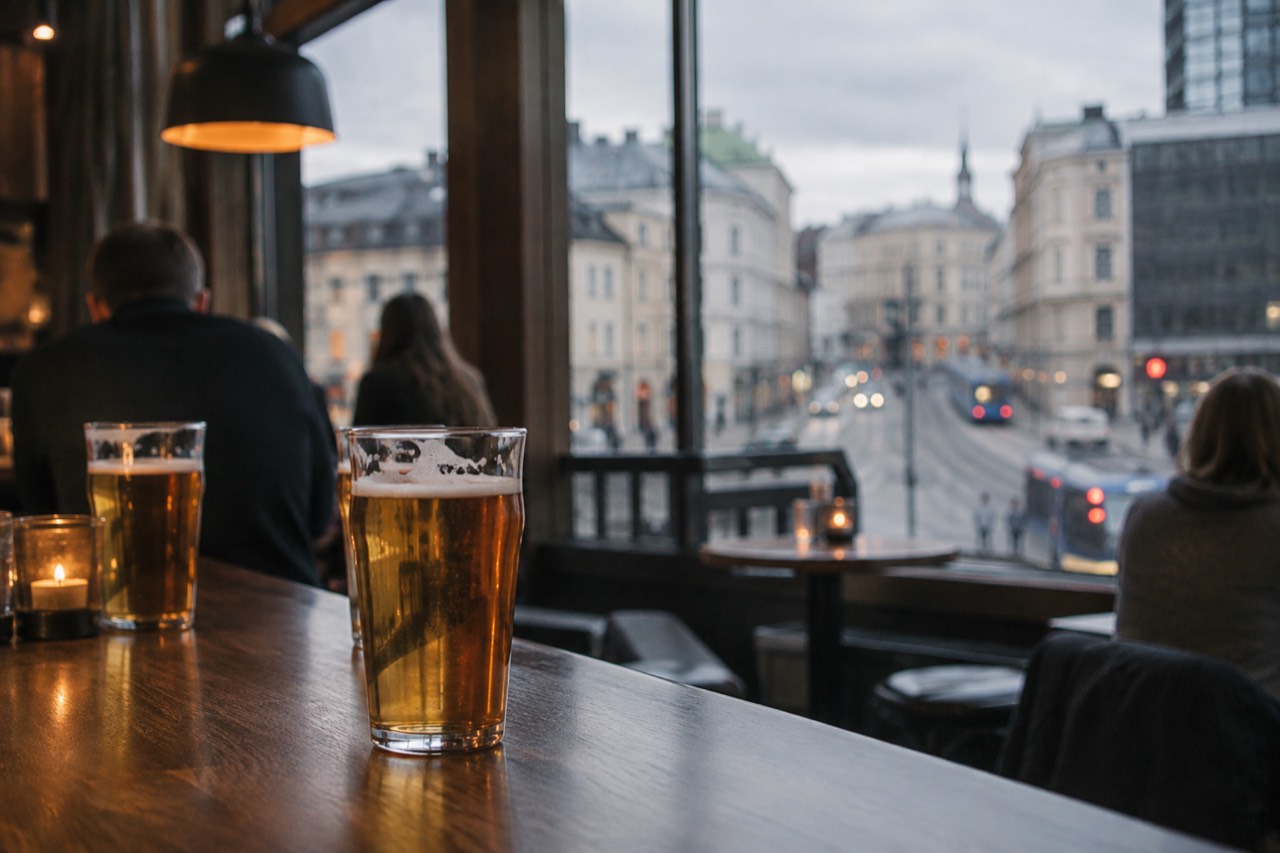
Norway is the sixth most expensive country in Europe, and alcohol and tobacco cost more than double the EU average according to Statistics Norway's 2025 survey. Food and non-alcoholic drinks run 33 percent above the European norm. A beer in Oslo is therefore a planned purchase, not an impulse one, and where you buy it matters more than anywhere else in Western Europe.
Walk into any bar in central Oslo and the same thought arrives within a minute of seeing the drinks list: this costs more than home, and not by a little. That instinct is correct, and it is not your imagination and it is not tourist pricing. Norway is the sixth most expensive country in Europe on Statistics Norway's 2025 price-level survey, and the category dragging hardest on a visitor's budget is the one containing beer. Alcohol and tobacco in Norway cost more than double the European average. That is the honest headline, and everything else on this page hangs off it.
What the survey also says, and what most cost-of-living writeups skip, is that Oslo is not uniformly expensive. Museums, public transport and the outdoors are close to normal European levels, and several of the city's best sights cost nothing at all. The expense is concentrated, and alcohol sits at the sharp end of it. This guide lays out the verified numbers, the rules that shape the price, and the practical ways visitors soften the blow, in the voice of an editorial desk that has read the primary sources rather than a forum thread.
How Much Does a Beer Actually Cost in Oslo?
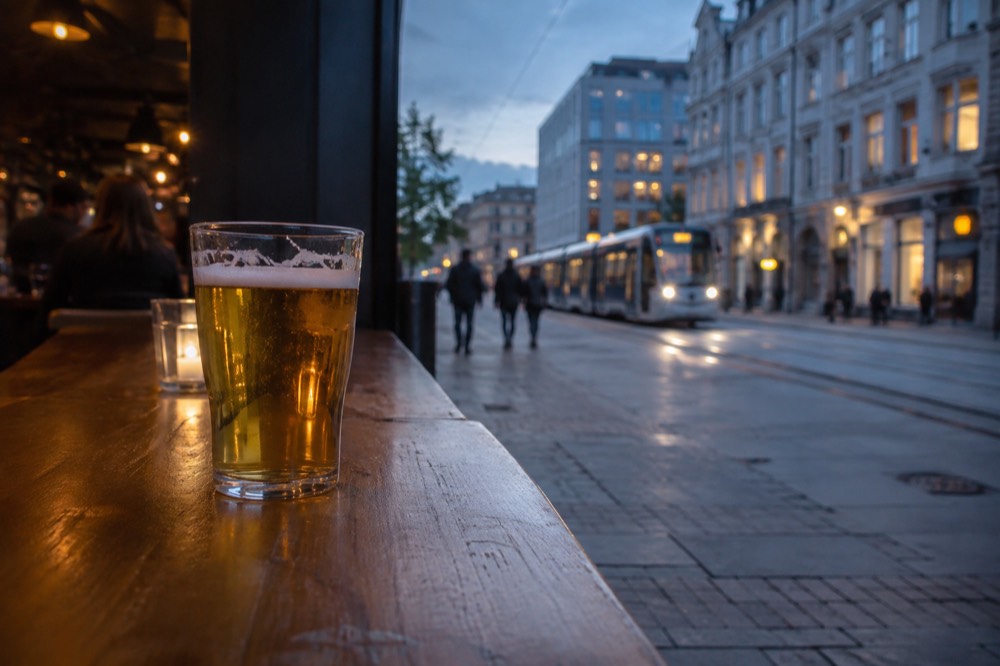
The honest answer is that no official per-pint figure exists, and any site quoting one precise number to the krone is guessing. Oslo's bars publish their prices on their own menus, and Statistics Norway's verified data is an index, not a price list. What the index says is unambiguous: alcohol in Norway costs more than double the European average, so a beer in Oslo will run noticeably above what a visitor from almost any other Western European capital expects. The right way to plan is with that ratio in your head, not with a fake precise number. If a pint in your home city costs the equivalent of 60 to 80 kroner, mentally add at least the same again, and assume the worst in a hotel bar. The planning range that follows from the official price level is roughly double what the same beer costs in most of the EU, with venue type moving you up or down within that band.
The verified numbers behind that framing come from Statistics Norway's 2025 purchasing-power-parity survey, published in June 2026. Relative prices facing Norwegian households sit 28.6 percent above the EU average overall. Food and non-alcoholic drinks are 33 percent above. Alcohol and tobacco are the outlier, at more than double the European average, which is the number that explains both the price of a beer and the queue at the airport duty-free shop on arrival. Denmark is marginally more expensive than Norway for restaurants and hotels, but for alcohol specifically Norway stands essentially alone in Northern Europe.
| Category | Norway vs EU average | What it means for a visitor |
|---|---|---|
| Alcohol and tobacco | More than double | The single biggest budget shock in Oslo |
| Food and non-alcoholic drinks | 33% above | Restaurant meals sting, supermarkets less so |
| Overall household price level | 28.6% above | Norway ranks 6th in Europe |
| Museums and attractions | Near normal European levels | A MUNCH ticket is 280 NOK, Fram is 180 NOK |
| Public transport | Near normal | The Oslo Pass 24h is 580 NOK including Vy airport trains |
The pattern worth internalizing is that Oslo punishes the things you consume and is fair about the things you see. A visitor who drinks little and walks a lot will find the city far gentler on the wallet than its reputation suggests. A visitor who plans two bar rounds a night will feel the full weight of the sixth most expensive country in Europe. For a broader picture of how the city treats a whole trip budget, our guide on whether Oslo is expensive breaks down every major category, and the cheapest ways to eat in Oslo covers the food side of the same problem.
Why Is Beer in Oslo So Expensive?
Beer in Oslo is expensive because Norway taxes alcohol by volume through some of the highest excise rates in Europe, restricts retail sales to a licensed and tightly scheduled network, and runs its wine and spirits through a state monopoly, and each layer adds cost before the beer reaches the glass. Add high wages and a generally elevated price level, and the final bar price lands at more than double the EU average. None of it is a tourist surcharge: locals pay the same. That distinction matters for your planning, because it means there is no clever neighborhood or insider street where beer suddenly costs what it does in Berlin. The tax is the same everywhere in the country, and the retail structure is the same everywhere in the country. What varies is only the venue markup and, to a lesser degree, whether you buy in a bar or a shop.
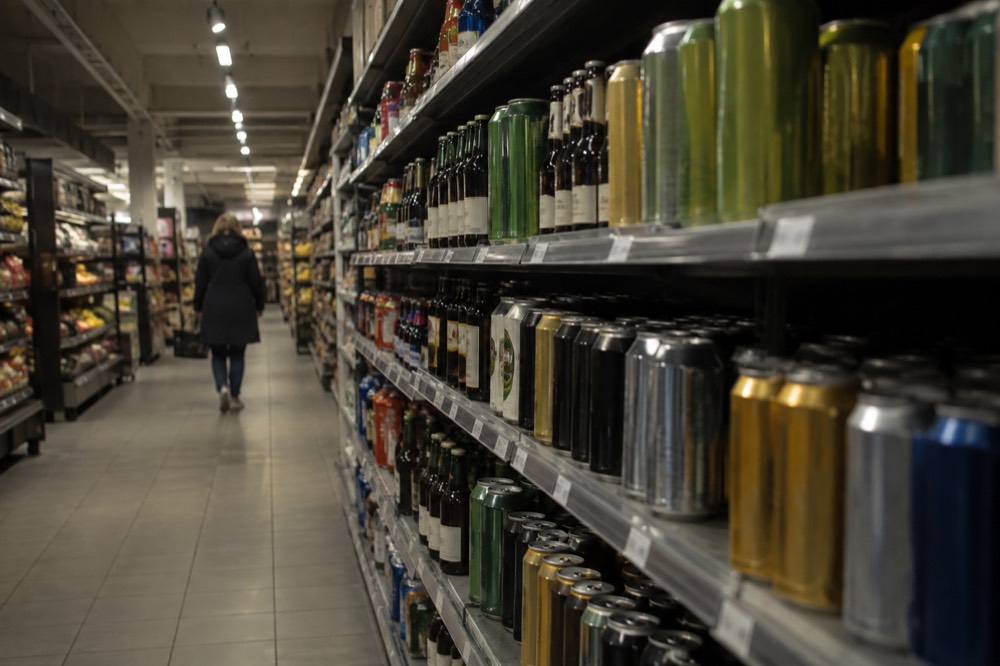
The excise system is the structural core of it. Norwegian alcohol duty is levied per liter of pure alcohol, which means stronger beer is taxed proportionally harder, and the rates are adjusted in the annual budget. On top of the excise sits 25 percent VAT, the standard Norwegian rate, applied after the duty. The retail layer then splits in two: supermarkets may sell only beer below a low strength ceiling and only during limited daytime hours, while anything stronger, plus all wine and spirits, is sold exclusively through Vinmonopolet, the state monopoly. A system built to suppress consumption through price is doing precisely what it was designed to do, and a visitor is simply standing inside the output of that policy.
The monopoly deserves a sentence of sympathy as well as complaint. Vinmonopolet is a legitimate primary source for real prices, because its retail prices are published, national and identical across stores, which makes it one of the few places in Norway where a price comparison is actually meaningful. Its selection is genuinely good, its staff are knowledgeable, and its prices are far below bar prices for the same product. The catch is access: the shops close early on Saturdays, stay shut all day Sunday, and keep weekday hours that vary by store. The practical consequence, which every visitor hits at least once, is that the window for buying anything stronger than supermarket beer closes midafternoon on a Saturday and does not reopen until Monday morning.
If a guided evening sounds like a better use of the money you just saved on bar prices, these are the three most-bookable ways to spend an Oslo evening instead of a second round:
All three are evening products, which is deliberate: the hours when Oslo's bars are at their most expensive are exactly the hours when these run, and a booked evening tends to cost less than an unplanned one.
Where Can You Buy Beer in Oslo?
There are exactly three retail channels: supermarkets, which sell only weak beer within limited daytime hours; Vinmonopolet, the state monopoly, which sells everything stronger plus wine and spirits on a restricted schedule; and licensed bars and restaurants, which charge the most and are the only option after the shops close. There is no fourth option, no convenience-store loophole and no gas-station beer in Norway. Knowing the three channels and their hours is worth more than any price comparison, because in Oslo the question is often not where to buy but whether buying is possible at all. A visitor who understands the schedule plans around it; one who does not spends a Sunday evening discovering that every shop in the city is dry.
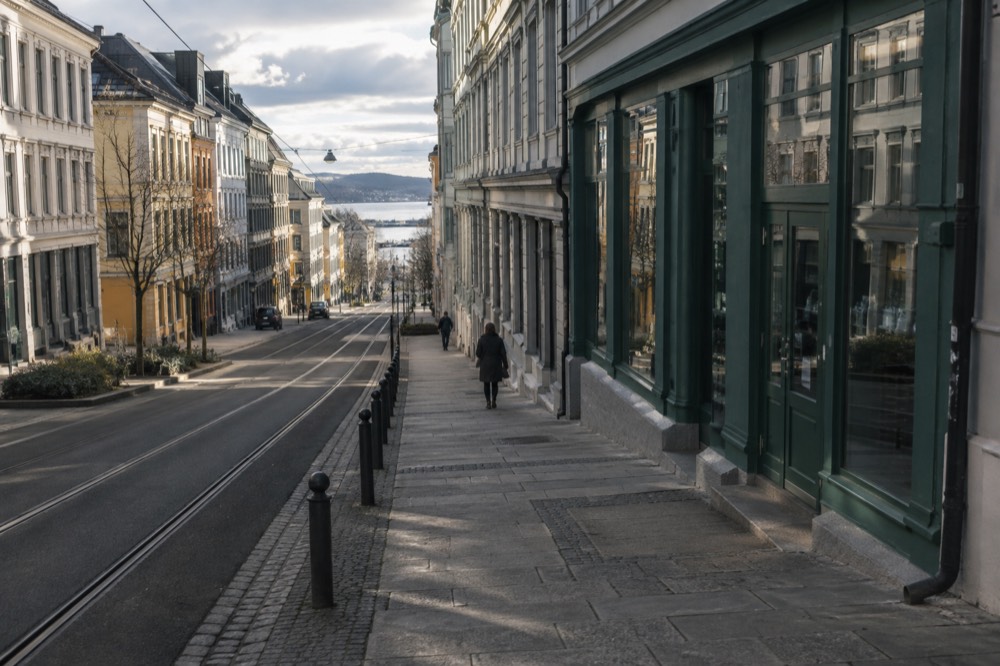
Supermarkets are the cheap end, within the constraints. Grocery chains sell beer only, only below the legal strength ceiling, and only until a fixed evening cut-off after which the chilled cabinets lock, in some stores physically. The cut-off time is set locally, so the honest advice is to treat late afternoon as the deadline rather than trusting a specific hour. Prices in supermarkets are the closest thing Oslo has to normal European beer pricing, and the selection of Norwegian craft cans has improved enormously in recent years, so this is not a compromise on quality, only on strength and timing.
Vinmonopolet is the step up. The monopoly's own practical-information pages confirm the shape of the week: closed every Sunday and on public holidays, and closed additionally on Christmas Eve, 1 May and 17 May. Saturdays close early, and weekday hours vary by store, so the store finder on its own site is the tool to use rather than a remembered schedule. What you get inside is the country's full range of beer, including the strong end of Norwegian craft brewing, at published national prices that no bar in the city can approach for the same bottle.
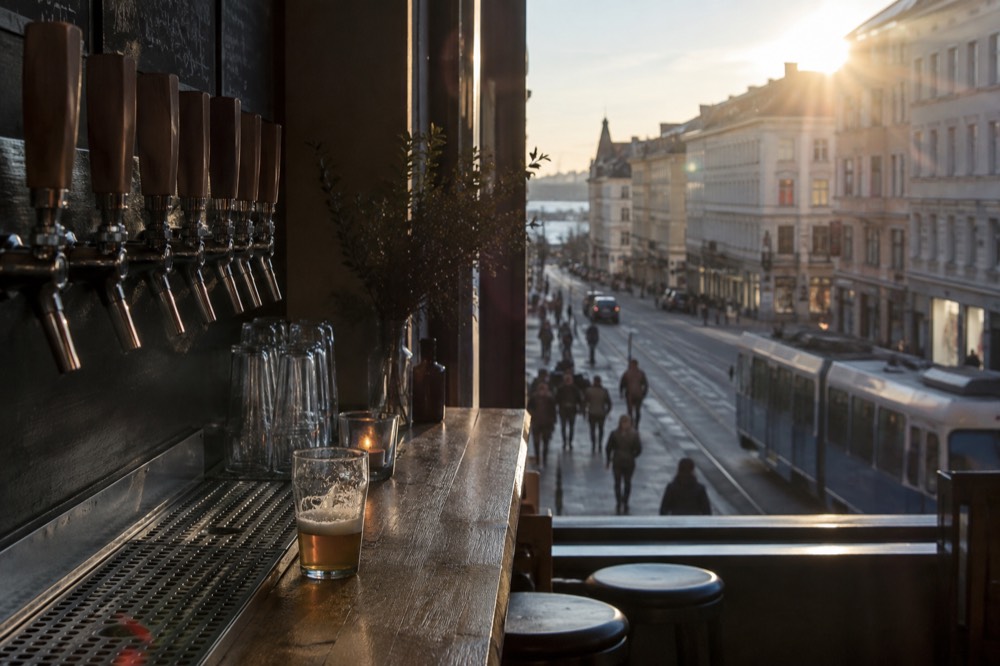
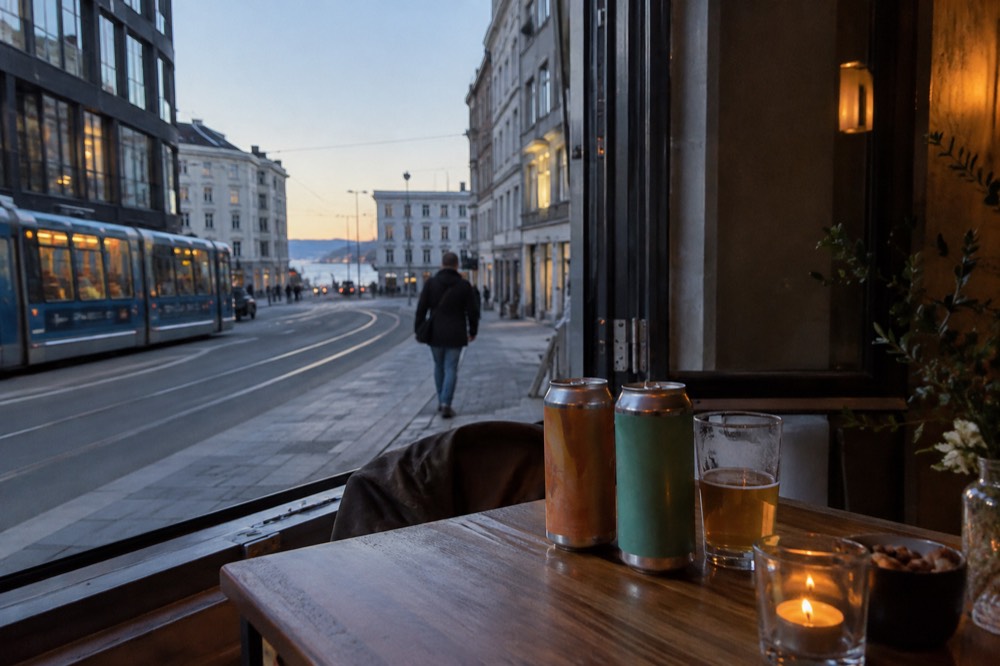
Bars and restaurants are the expensive third channel, and the one that absorbs most visitor spending simply because it is the only one open at night. Venue type moves the price a long way: a neighborhood pub in Grünerløkka and a hotel bar beside Karl Johans gate are selling the same beer at very different numbers. The best bars in Oslo and the wider Oslo nightlife guides sort the city by what each area does well and what a round there tends to cost relative to the average.
| Channel | What it sells | When | Relative cost |
|---|---|---|---|
| Supermarkets | Beer only, below the strength ceiling | Daytime hours, fixed evening cut-off | Cheapest |
| Vinmonopolet | All beer, wine and spirits | Mon to Sat, early Saturday close, shut Sunday | Moderate, published national prices |
| Bars and restaurants | Everything, by the glass or bottle | Licensed evening hours | Most expensive |
| Airport duty-free on arrival | Quotas of beer, wine and spirits | Landing hours only | Far below domestic prices |
The fourth row is the one seasoned visitors use. Norway is in Schengen but not in the EU, and outside EU VAT, which means the duty-free shop on arrival at Gardermoen is a genuine domestic price break rather than a trap, with allowances that apply even when arriving from another EU country. Stocking a few cans or a bottle there is the single most effective cost lever described on this page.
What Are Norway's Alcohol Rules Visitors Get Wrong?
The rules that catch visitors are the schedule, not the law: shops stop selling beer at a fixed evening hour, Vinmonopolet is shut all Sunday, public holidays are dry in the shops, and the strength ceiling means supermarkets carry nothing stronger than weak beer. None of this is posted anywhere a tourist naturally looks, and the penalty for ignorance is simply a beerless evening. There is also a minimum purchase age, enforced by ID checks that are applied to anyone who looks under the threshold, so carry a passport even in middle age. The rules are not hostile; they are just older and stricter than most visitors expect, and they are enforced uniformly rather than at the shopkeeper's discretion.
| Rule | What it means in practice |
|---|---|
| Supermarket strength ceiling | Only weak beer in grocery stores; everything stronger is monopoly-only |
| Evening sales cut-off | Supermarket beer sales stop at a fixed local time, afternoons on Sundays are dry entirely |
| Vinmonopolet Sunday closure | No wine, spirits or strong beer anywhere on Sundays |
| Public holiday closures | The monopoly also shuts on Christmas Eve, 1 May and 17 May |
| ID checks | Carry a passport; Norwegian IDs are the norm for locals |
| Tipping | Service is included; rounding up is voluntary, not expected |
The tipping row belongs in that table because it is the mirror image of the price problem: Norway's prices are brutal and its service culture expects nothing extra. Service is included by law in the prices you see, and rounding up or leaving something like five to ten percent for genuinely good service is common but voluntary. Card terminals may prompt for a tip, and declining is a normal, unremarkable choice. Our full guide to tipping in Oslo covers the same ground for restaurants and taxis.
One more rule worth knowing is that the beer-and-culture scene itself is best understood with a local explaining it, because the rules above are only half the story. The rest is history: Oslo's breweries, the temperance movement that shaped the monopoly, and the craft wave that followed. That is exactly what the Beer and Culture Walk does, three hours with a guide who walks the group through the city's drinking history, and it earns its place on this page because it turns the most confusing part of Norwegian drinking culture into the most interesting part.
Is Beer the Reason Oslo Feels Expensive?
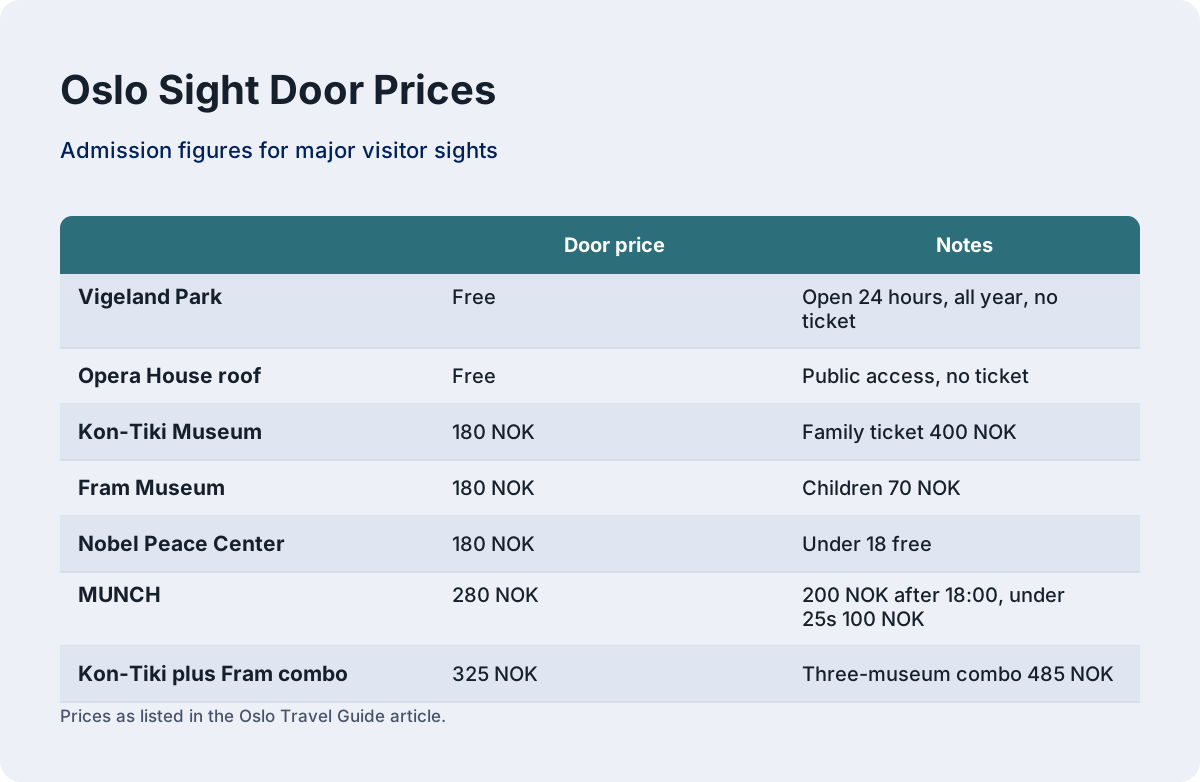
Yes, and measurably so: alcohol and tobacco are the single most above-average category in the Norwegian price basket, at more than double the EU level, while the categories visitors spend the rest of their day on, museums, transport and the outdoors, sit near normal European levels. A visitor's perception of Oslo as a brutally expensive city correlates almost perfectly with how much they drink. The comparison table below makes the point with real, verified door prices. A MUNCH ticket is 280 NOK, the Fram Museum is 180 NOK, the Kon-Tiki Museum is 180 NOK, and Vigeland Park, the city's most visited sight, is free and open around the clock. Set those against a couple of rounds in a center bar and the shape of a Norwegian budget becomes obvious.
| Sight or activity | Door price | Notes |
|---|---|---|
| Vigeland Park | Free | Open 24 hours, all year, no ticket |
| Opera House roof | Free | Public access, no ticket |
| Kon-Tiki Museum | 180 NOK | Family ticket 400 NOK |
| Fram Museum | 180 NOK | Children 70 NOK |
| Nobel Peace Center | 180 NOK | Under 18 free |
| MUNCH | 280 NOK | 200 NOK after 18:00, under 25s 100 NOK |
| Two museum combination, Kon-Tiki plus Fram | 325 NOK | Three-museum combo 485 NOK |
The strategic conclusion is simple: front-load the cheap categories and ration the expensive one. A day built around the Bygdøy museums, a walk across the Opera House roof and an evening ferry ride costs less than a single heavy night out, and the Oslo Pass at 580 NOK for 24 hours covers more than 30 museums plus the transport to reach them, including the Vy trains to and from Gardermoen. The pass does not cover Flytoget, the separate airport express, a distinction worth real money and one most guides get wrong.
For visitors who want the drinking itself to be the experience rather than an incidental cost, the guided options are better value than they first look. The Grünerløkka food and culture walk pairs the neighborhood's bars and kitchens with the stories behind them, and Grünerløkka is where Oslo's own drinking culture actually lives, young, local and far cheaper per round than the center.
How Can You Drink for Less in Oslo?
The four levers that work are buying at the airport duty-free on arrival, drinking supermarket beer inside the legal hours, moving your rounds out of the center to neighborhoods like Grünerløkka, and substituting booked evening activities for unplanned bar time. Everything else, happy hours, specials, loyalty cards, exists but moves the needle modestly against a tax structure that doubles the base price. The order matters: the duty-free shop is the biggest single saving, because it is the one place in the country operating outside the domestic tax level. After that, each lever shaves a smaller slice, and the honest arithmetic is that Oslo never becomes cheap for beer, only less punishing.
The duty-free point deserves its mechanics spelled out, because many visitors wrongly assume it applies only to arrivals from outside Europe. Norway is in the Schengen Area but is not an EU member and sits outside the EU customs union and EU VAT, so duty-free allowances apply to travelers arriving from EU countries too. The shop at Gardermoen is after baggage reclaim, before the train platforms, and the price gap against domestic retail is the widest of any single purchase you will make on the trip. Buy your quota there and the monopoly's Sunday closure stops being a problem.
| Lever | How much it saves | Effort |
|---|---|---|
| Airport duty-free on arrival | Largest single gap vs domestic prices | Minutes, on your walking route anyway |
| Supermarket beer in legal hours | Large vs bar prices | Planning around the cut-off time |
| Neighborhood bars over the center | Moderate | A tram ride |
| Booked evening activities vs bar time | Moderate to large | Booking ahead |
| Vinmonopolet bottles over bar pours | Large for the same product | Daytime errand |
The substitution lever is the one people underestimate. An unplanned Oslo evening drifts toward the nearest bar at precisely the hours when prices are at their steepest, whereas a booked evening has a fixed cost decided in daylight. The street-food walking tour is a strong example: three hours of the city's food and drinking culture with a guide, at a price that a couple of spontaneous center rounds will comfortably match.
What Does a Beer Budget Look Like Across a Whole Trip?
A realistic framework is to budget for beer in Oslo at roughly double your home cost per round, then halve it again for every round you move from a bar to a supermarket purchase, and to treat the airport duty-free shop as a one-time reset that covers your first days. Visitors who apply all three typically report spending on alcohol what they expected to spend before arriving, while those who ignore the structure routinely overspend by half. The exact kroner figures vary by venue and by year, which is why this page works in ratios from the official price-level survey rather than invented per-pint numbers, and why any site promising one precise figure is guessing.
The same logic scales to the whole trip budget. Our Oslo trip cost breakdown allocates every major category with the same sourced approach, and the pattern there matches the pattern here: accommodation and alcohol are where the money goes, museums and transport are where it does not. Visitors cutting costs should cut from the top of that list, not the bottom, because skipping the Fram Museum to save 180 NOK while spending four times that on a single evening's rounds is the most common budgeting error in the city.
One cultural note softens all of this. Norwegians are not heavy bar drinkers by habit; the expensive bar culture coexists with a strong home-and-cabin drinking culture precisely because of these prices, and the pre-party, the vorspiel, is a genuine institution rather than a student workaround. Joining the rhythm rather than fighting it, a couple of supermarket cans with the sunset over the Oslofjord, then one deliberate round somewhere good, is both cheaper and more Norwegian than four rounds in a random center bar. The free things to do in Oslo list pairs well with exactly that plan, and the budget guide to Oslo builds a full low-cost itinerary on the same logic.
As this site, Oslo Travel Guide, keeps repeating across its cost pages: Oslo is expensive where Norway has decided it should be, and fair everywhere else. Beer is the sharpest edge of that policy. Plan around it and the city rewards you.
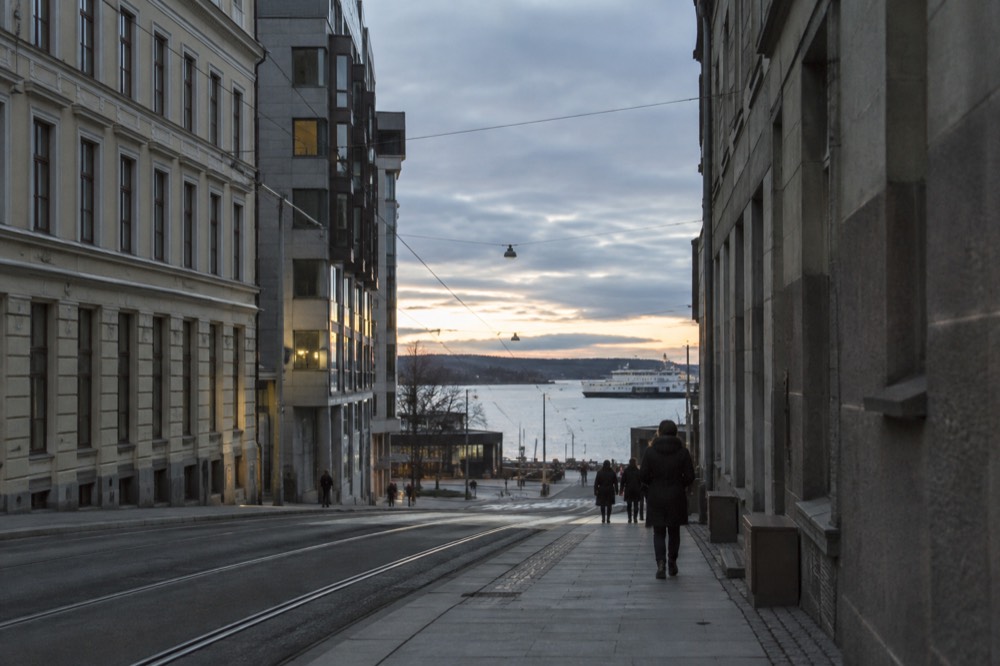
If you would rather put the beer money into one good evening instead of several forgettable ones, these are the three best ways to spend it:
Common Questions About the Price of Beer in Oslo
How much is a pint of beer in Oslo?
No official per-pint figure exists, and bar prices vary widely by venue. The verified benchmark is Statistics Norway's 2025 survey, which puts alcohol and tobacco at more than double the EU average, so expect roughly double what the same beer costs at home, with hotel bars at the top of the range and neighborhood pubs lower.
Why is beer so expensive in Norway?
High per-volume alcohol excise, 25 percent VAT on top, a restricted retail network with limited selling hours, and a state monopoly on wine and spirits all stack cost onto every drink. The general Norwegian price level, 28.6 percent above the EU average for households, sits underneath all of it.
Can you buy beer in supermarkets in Oslo?
Yes, but only beer below a low strength ceiling, and only until a fixed evening cut-off after which sales stop for the day. Wine, spirits and stronger beer are sold only at Vinmonopolet, which is closed on Sundays and public holidays.
Is the duty-free shop at Oslo Airport worth it?
Yes, and more than most visitors realize. Norway is in Schengen but not the EU and sits outside EU VAT, so duty-free allowances apply even arriving from EU countries, and the price gap against domestic Norwegian retail is the widest single saving described on this page.
Do you tip on drinks in Oslo bars?
Service is included in Norwegian prices and tipping is not expected. Rounding up, or leaving something like five to ten percent for good service, is common but entirely voluntary, and card terminals that prompt for a tip can be declined without any awkwardness.
Is Oslo expensive if you do not drink?
Noticeably less so. Alcohol and tobacco are the most above-average category in the Norwegian price basket, while museums, public transport and the outdoors sit near normal European levels, and sights like Vigeland Park and the Opera House roof are free. The city's expensive reputation tracks drinking habits almost exactly.