Oslo Ferries: Bygdøy Boats, Island Ferries, Tickets and Seasons
Oslo runs two completely separate ferry systems from two different piers, and mixing them up is the single most common transport mistake visitors make. This guide separates the Bygdøy museum ferry from the Ruter island ferries, ticket by ticket.
Short answer
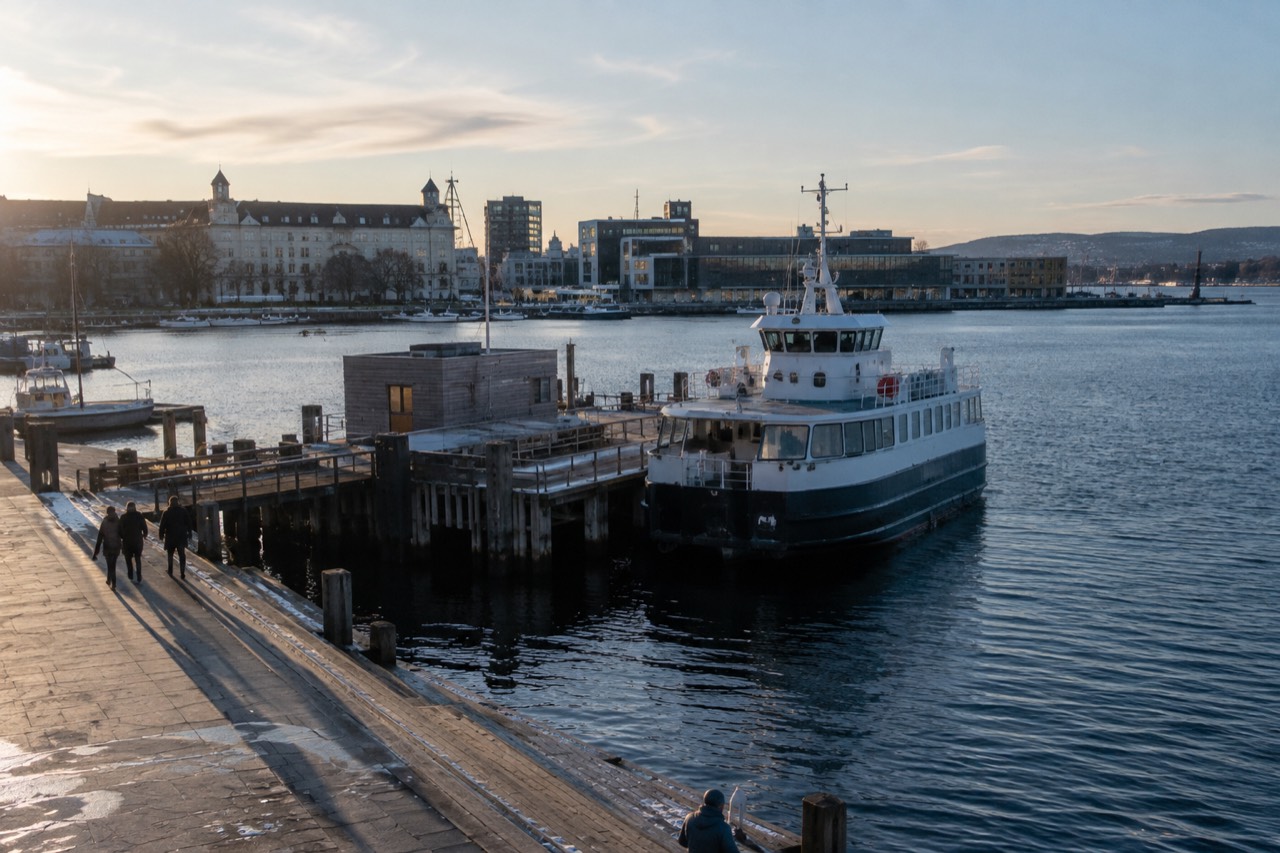
Oslo has two ferry systems. The Bygdøy museum ferry runs seasonally from Rådhusbrygge 3, costs about 70 NOK one way and is included with the Oslo Pass but not with Ruter tickets. The island ferries B1, B1X and B2 are ordinary Ruter lines from Aker Brygge, covered by any valid Ruter ticket or the Oslo Pass.
How Many Ferry Systems Does Oslo Have?
Oslo has two separate ferry systems, and they are run by different operators with different ticket rules. The Bygdøy museum ferry is a seasonal private boat from Rådhusbrygge 3 that no ordinary Ruter ticket covers. The Oslofjord island ferries, lines B1, B1X and B2, are ordinary public transport from Aker Brygge, covered by any valid Ruter ticket and by the Oslo Pass. They leave from different piers, run in different seasons and take you to entirely different places.
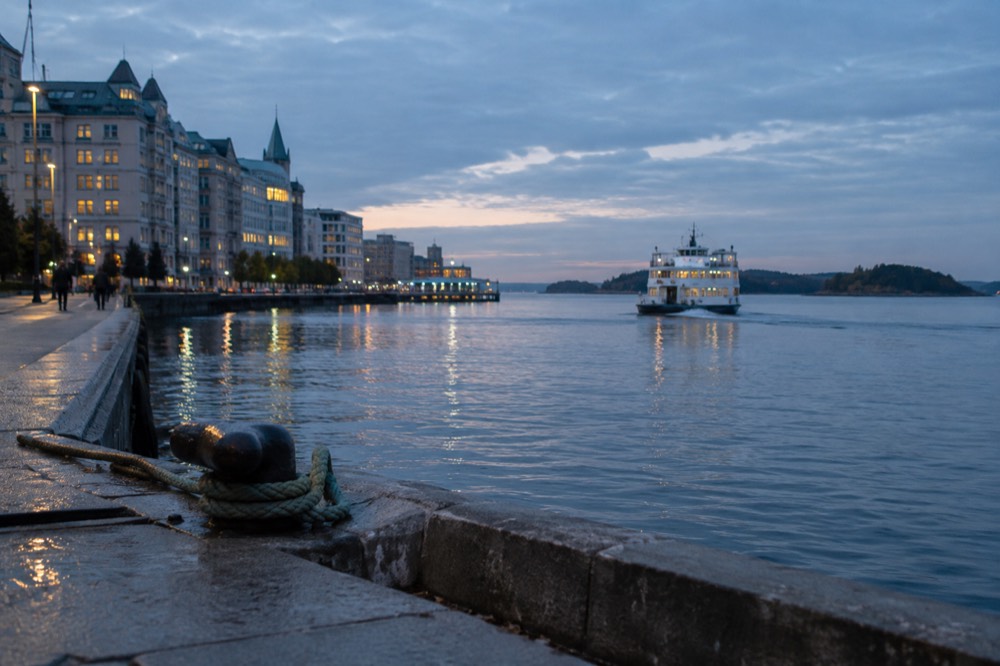
Most guides merge the two into one sentence, and that is how visitors end up waving a Ruter ticket at a Bygdøy ferry crew who cannot accept it. The two systems share a fjord and nothing else.
The Bygdøy boat exists to move people between the city center and the museum peninsula. The island ferries exist because Oslo is one of very few capitals whose city limits include a scattering of swimming, camping and monastery-ruin islands. You will probably use both systems on the same trip, and each one is cheap.
If you are still sketching the wider trip, the itinerary pages on oslotravelguide.com slot a fjord afternoon into most lengths of stay, and the ferry is the cheapest way to get on the water in this city.
Which Ferry Goes to Bygdøy Museums?
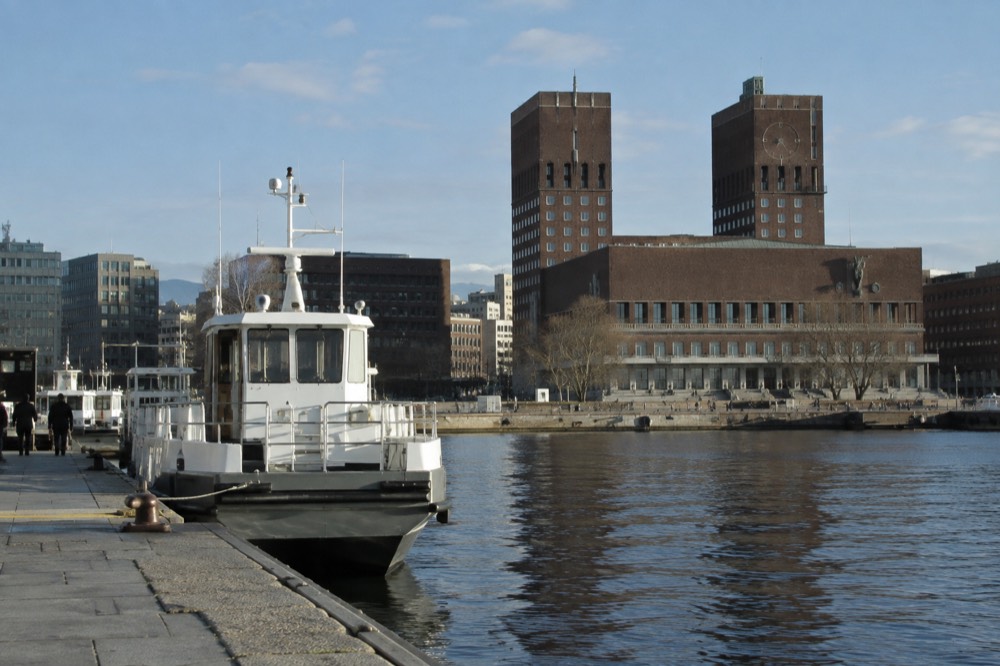
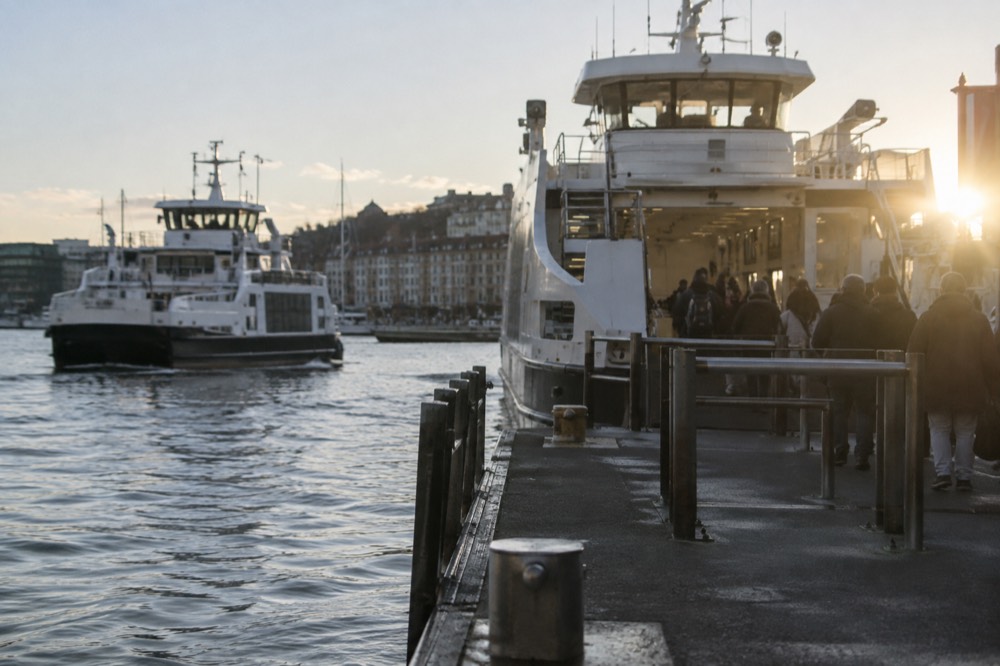
The Bygdøy ferry is a seasonal passenger boat operated by Norway Yacht Charter, running from Rådhusbrygge 3, Platform F, at City Hall. It departs roughly every 20 minutes, takes about 10 minutes to the first stop, and calls at Dronningen and Bygdøynes, the two piers serving the peninsula's museums. A one-way fare is around 70 NOK, slightly more if bought on board. It is included with the Oslo Pass, but Ruter tickets are not valid on it.
Dronningen is the stop for the Norwegian Museum of Cultural History and Oscarshall. Bygdøynes is the stop for the Kon-Tiki Museum, the Fram Museum and the Norwegian Maritime Museum, which sit together in one walkable cluster. The two piers are about 15 to 25 minutes apart on foot along the peninsula paths, so you can land at one and depart from the other.
The season matters more here than on any other route in the city. The operator's own schedule runs the boat from 14 March to 4 October 2026, and outside that window it simply does not sail. Year-round, Ruter bus 30 serves every museum on the peninsula on an ordinary ticket, roughly 15 minutes from Nationaltheatret. That is the fallback, and it is a good one. Our Bygdøy peninsula guide covers the full museum-by-museum day.
One thing worth repeating because so many pages get it wrong: the Museum of the Viking Age on Bygdøy is closed and will reopen in 2027. Do not build a ferry day around it. The Viking Planet in the city center is the substitute while the new building is finished.
Which Ferry Goes to the Oslofjord Islands?
The island ferries are ordinary Ruter public transport lines, and they depart from the Aker Brygge side of the waterfront, not from the City Hall piers. Line B1 circles year-round to Hovedøya, Lindøya, Gressholmen, Bleikøya and Nakholmen. B2 runs in summer to Langøyene, and B1X adds extra summer departures to Hovedøya. Any valid Ruter ticket covers all of them, with no surcharge, and so does the Oslo Pass.
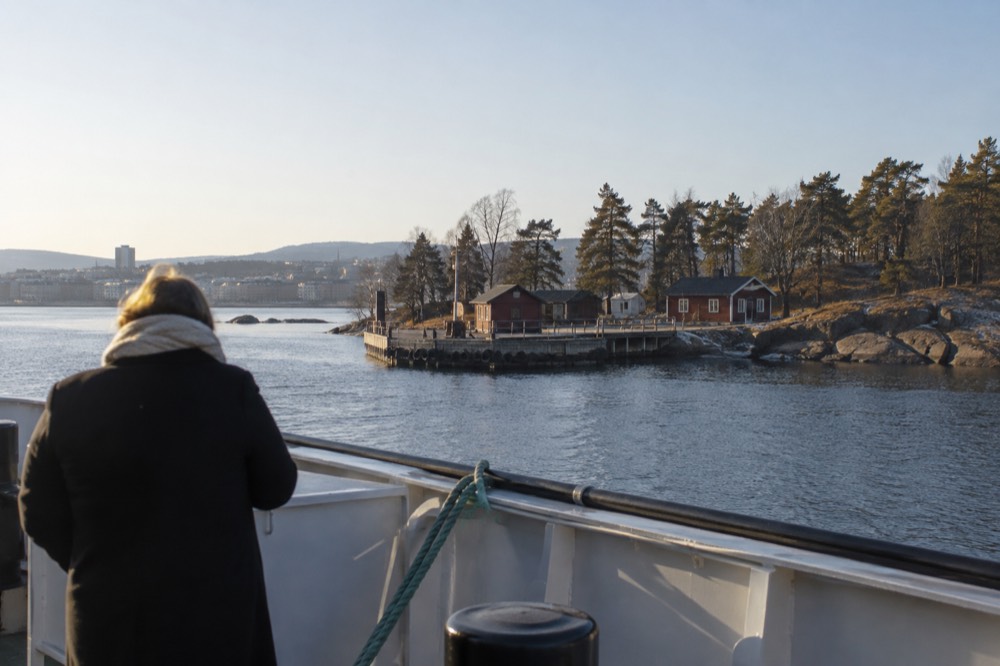
The summer timetable runs from 4 July to 30 August 2026, with an autumn timetable from 31 August to 18 October. Off-season, B1 keeps running at reduced frequency, which makes Hovedøya a genuine year-round destination, 10 minutes from the city's banking district.
Hovedøya carries the ruined Cistercian abbey and easy forest paths. Langøyene is the swimming and camping island, with the best beaches in the set. Lindøya, Bleikøya and Nakholmen are cabin islands, quiet, photogenic and largely residential, so treat them as a slow look rather than an itinerary. The Oslo islands guide goes island by island, including the rules for a summer swim stop.
If a whole day on the water appeals more than ferry hops, the full-day five-island boat tour covers Hovedøya, Gressholmen and more with a guide and none of the timetable anxiety.
How Do the Two Ferry Systems Differ?
The Bygdøy ferry is a private, seasonal, museum-oriented boat from Rådhusbrygge 3 that accepts the Oslo Pass but not Ruter tickets, while the island ferries are year-round Ruter lines from Aker Brygge covered by any ordinary ticket. The two also differ in frequency, in season and in what waits at the far end. One delivers museums, the other delivers islands. The table below is the whole distinction at a glance.
| Bygdøy ferry | Island ferries (B1/B1X/B2) | |
|---|---|---|
| Operator | Norway Yacht Charter (private) | Ruter (public transport) |
| Departure pier | Rådhusbrygge 3, Platform F | Aker Brygge |
| Season 2026 | 14 March to 4 October | B1 year-round; B2 and B1X summer |
| Frequency | Every ~20 minutes | Timetabled; ~20 min peak on B1X |
| Ruter ticket valid? | No | Yes, no surcharge |
| Oslo Pass valid? | Yes | Yes |
| One-way fare | ~70 NOK (more on board) | Ordinary Ruter zone 1 fare |
| Stops | Dronningen, Bygdøynes | Hovedøya, Lindøya, Gressholmen, Bleikøya, Nakholmen, Langøyene |
| What waits there | Museums | Ruins, beaches, forests, cabins |
Notice how the table's two ticket rows never agree. That is the trap. A day that pairs a morning on Hovedøya with an afternoon on Bygdøy needs either two different tickets or one Oslo Pass that covers both.
What Tickets Do I Need for the Ferries?
For the island ferries, buy an ordinary Ruter ticket covering zone 1, the same ticket you would use on a tram, through the Ruter app at the cheapest price. For the Bygdøy ferry, pay the roughly 70 NOK fare on board or at the pier, because Ruter tickets are rejected there. The Oslo Pass covers both systems outright, which is the one product that removes the distinction entirely, and it also covers Vy trains to and from the airport, though not Flytoget.
The app is the default purchase route for Ruter tickets, and buying on board a bus or boat is explicitly the expensive option. Zone 1 covers central Oslo, the whole metro network and every island ferry stop, so a standard central ticket is all an island hop requires. The full index of guides sits on Oslo Travel Guide. The full index of guides sits on Oslo Travel Guide.
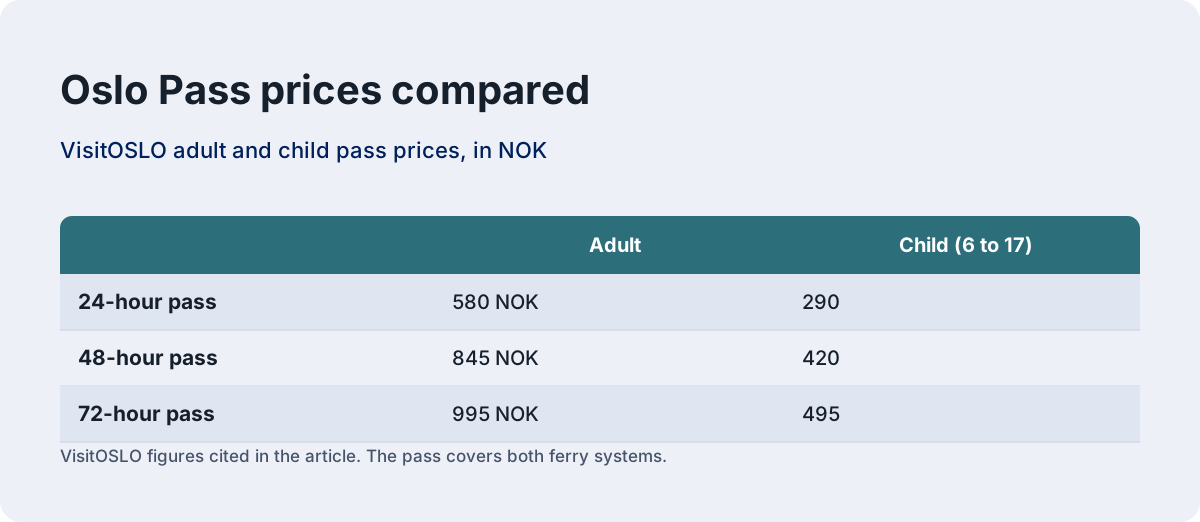
The pass math is worth doing before you buy. VisitOSLO's own figures put the 24-hour adult pass at 580 NOK, the 48-hour at 845 NOK and the 72-hour at 995 NOK, with children 6 to 17 at 290, 420 and 495 NOK. Against that, three Bygdøy museums at full price total 560 NOK, and the pass also carries you to the peninsula and around every island. Our is the Oslo Pass worth it page runs the full break-even table, and the Ruter tickets guide covers zone logic in detail.
When Do the Ferries Run?
The Bygdøy ferry sails only from 14 March to 4 October 2026, roughly every 20 minutes through the daytime, with the exact window narrowing in the shoulder months. The island ferry B1 runs every day of the year to Hovedøya at reduced winter frequency, while the summer-only B2 to Langøyene and the extra B1X sailings run roughly from May through September, with Ruter's published summer timetable running 4 July to 30 August 2026.
Winter visitors are therefore not stranded. Hovedøya stays reachable, and it is a different island in snow: empty paths, frost on the abbey ruins and a genuine excuse to be outdoors on a December day with under six hours of daylight. The Bygdøy museums in winter are a bus 30 trip instead, and the Oslo in winter guide builds the whole cold-season day around that swap.
Which Island Should I Get Off At?
Hovedøya is the default island stop, 10 minutes from Aker Brygge, with monastery ruins, forest paths and swimming rocks, and it is the only island served year-round. Langøyene is the best island for beaches and the one with a summer camping tradition. Gressholmen and Bleikøya are small, quiet and photogenic, while Lindøya and Nakholmen are largely cabin communities, pleasant to look at rather than to tour.
| Island | Ferry line | Best for | Watch out for |
|---|---|---|---|
| Hovedøya | B1, B1X | Abbey ruins, forest paths, swimming, winter walks | Popular; can fill on hot July days |
| Langøyene | B2 (summer) | Best beaches, camping | Seasonal line only |
| Gressholmen | B1 | Quiet nature, views back to the city | Small; an hour covers it |
| Bleikøya | B1 | Photography, calm water | Minimal facilities |
| Lindøya | B1 | Cabin neighborhoods, slow strolls | Residential; respect privacy |
| Nakholmen | B1 | Seclusion, short walks | Little to do beyond the walk itself |
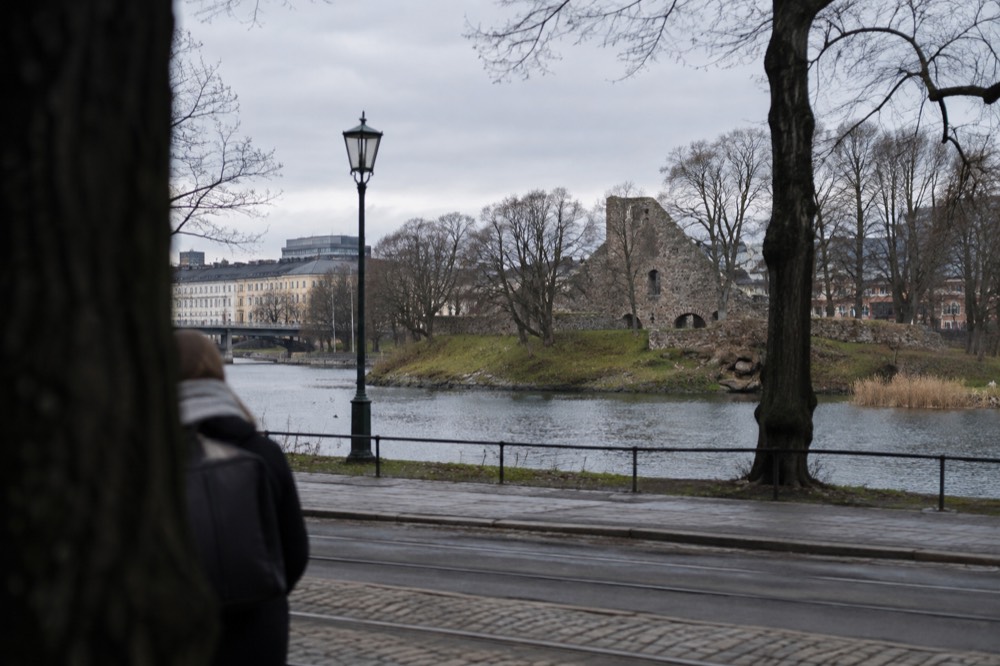
The honest itinerary for one afternoon: take B1 to Hovedøya, walk the ruin and the south shore, re-board for one stop to Gressholmen or stay aboard and be back at Aker Brygge within three hours total. You will have spent a single zone 1 fare, which is the cheapest fjord experience on offer anywhere in this city. The free things to do in Oslo guide counts the islands, the walks and the swimming among the genuinely free attractions.
For a longer version, the Hovedøya page maps the paths and the Langøyene page covers the beach day, including the camping question, which deserves its own sentence: free tent camping for up to two nights in season is the reported tradition on Langøyene, but confirm current rules with the city before you pitch.
Can I Combine Ferries with a Guided Tour?
Yes, and the pairing works in both directions. A ferry-and-foot island hopping tour does the B-route logistics for you with a guide, at 195 minutes from $42.63, while an evening fjord cruise replaces the ferry's commuting function with three hours on the water and a shrimp buffet, from $90.22. If you want the islands themselves, take the public ferry; if you want the fjord as an experience, take a tour.
The distinction is worth stating plainly. The public ferry is transport: it gets you to an island and back on a timetable. The tours are experiences: they interpret, feed and time-manage. Visitors who buy a tour expecting museum access, or a ferry expecting commentary, are disappointed on both counts.
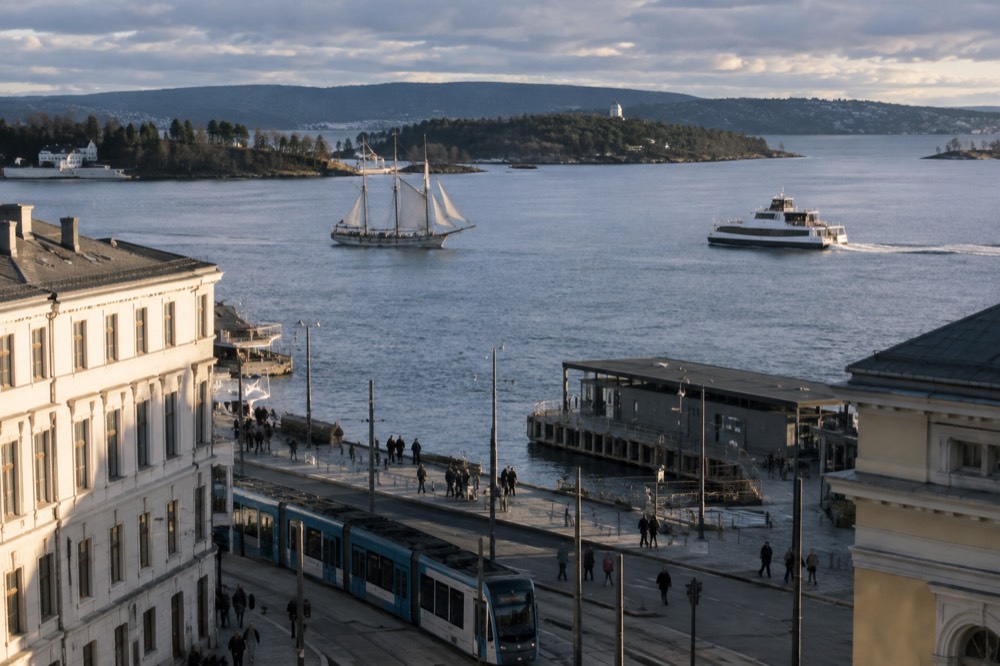
There is also a guided middle option on the water itself: a silent electric boat with audio commentary, and a traditional wooden sailing ship, both around the $46 mark for 90 minutes to two hours. Those sit alongside the island ferries rather than replacing them, and the Oslofjord cruise guide compares all the boat options in one table, including the small-ship and dinner formats.
For a guided version of the island day at the gentle end of the price range, the ferry-and-foot island hopping tour is the natural pick, rated 4.8 across 3,296 reviews. Check availability on the operator's live listing if the idea appeals, since summer dates fill a week or more ahead.
Is the Ferry a Good Way to See the Fjord?
As transport with a view, yes: the crossing to Hovedøya or Bygdøy gives you 10 to 15 minutes of open water, the city skyline behind you and green shores ahead, for the price of a bus ticket. As a fjord experience, no: the ferries shuttle, they do not cruise, and you will not get deep into the Oslofjord. For the fjord itself you need a dedicated boat, and the choices range from electric silence to a full-day five-island loop.
The commuters on the 08:15 B1 are not sightseeing, and that is the charm. You are sharing a working transport route with people going to work, school or a cabin, which is a more honest picture of Oslo than any sightseeing product offers. Sit on the open deck if the weather allows, and keep your ticket for the return.
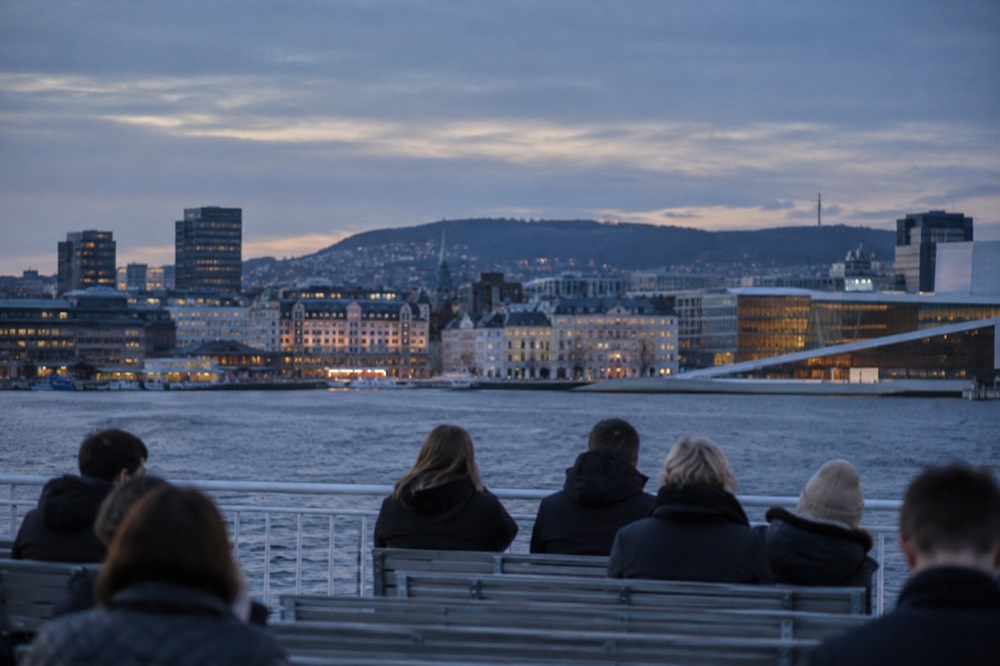
The limit is geography. The island ferries operate inside the inner fjord, minutes from the piers. The Oslofjord proper, the long arm of water the postcards show, needs a boat with range and time. That is the gap the cruise products fill, and it is why the answer to "should I just ride the ferry instead of booking a cruise" is a firm no for the fjord and a firm yes for the islands.
What About Evening and Seasonal Ferry Rides?
The island ferries thin out in the evening, and B2 stops entirely outside summer, so evening water time in Oslo is better bought as a product than waited for as a timetable. The shrimp buffet evening cruise runs three hours from $90.22, and the evening myths-and-legends walking tour pairs two hours of the waterfront and old town with storytelling from roughly $43. Both fill the post-ferry hours better than a commuter deck does after dark.
Summer changes the calculation. With sunset at 22:43 in late June and no real darkness until the small hours, an evening on the water is one of the city's best hours, and the evening boats sell accordingly. In the dark months, from October through March, the evening products shift to the land: the themed history walks exist precisely because Oslo's winter evenings are long and the museums close.
On the alcohol front, Norway's rules matter here. Wine and spirits are sold only at Vinmonopolet, which closes early on Saturdays and all day Sunday, and bar prices reflect that alcohol and tobacco cost more than double the European average on SSB's price-level survey. A guided beer-and-culture walk makes those rules and the city's brewing history the point of the evening rather than an obstacle, which is a genuinely useful format in a city with unusual drinking laws. Check availability if an evening on the quieter side of the waterfront appeals.
The same operator's evening walk is not the only way to spend a post-ferry night, but it is the one that explains the city rather than just walking through it. If a boat sounds better than a bar crawl, the shrimp buffet cruise covers the same waterfront from the water side, and the myths-and-legends walk covers it on foot with the lights on.
Do the Ferries Work for Families and Accessibility?
The ferries are family-friendly and cheap: children under six travel free on Ruter services, children 6 to 17 pay reduced fares, and an Oslo Pass for a child 6 to 17 costs 290 NOK for 24 hours, covering both systems. The boats are walk-on vessels with level boarding at most piers, though island piers are basic, so wheelchair users should check each stop's arrangement with the operator before committing to an island hop.
For a family day, the formula that works is simple. Morning on Hovedøya for the ruins and the swimming rocks, a picnic rather than island café prices, then bus 30 or the ferry to Bygdøy for an afternoon museum. The Oslo with kids guide builds several versions of that day, and the rainy day in Oslo guide covers the indoor swap when the fjord turns grey, which on 103 mm of normal August rain it periodically does.
What Should I Know Before Riding?
Four things: the two systems accept different tickets, so an Oslo Pass is the single solution; the Bygdøy ferry stops in early October, so shoulder-season museum days default to bus 30; island ferries are ordinary Ruter lines, so the app fare is the cheapest; and the piers are a short walk apart, so a badly planned change of plan is a five-minute stroll, not a disaster. Beyond those, the boats are frequent, cash-free friendly and safe.
| Situation | Best move |
|---|---|
| Museums in July, no car | Oslo Pass, ferry to Dronningen or Bygdøynes |
| Museums in November | Bus 30 from Nationaltheatret |
| Islands in any month | Ruter zone 1 ticket or pass, from Aker Brygge |
| Swimming day on Langøyene | B2 in summer only; check the last return sailing |
| Whole fjord, half a day | Guided cruise, not the commuter ferries |
| Wrong ticket at the Bygdøy pier | Buy on board, at the higher onboard fare |
One habit worth adopting: photograph the departure board when you land on an island. The last sailings of the day are the only number that matters once you are off the boat, and a missed last ferry on Gressholmen is a long, cold wait or an expensive private ride.
If you are still weighing the boat options against each other, these three cover the evening waterfront from three angles: a guided walk with the drinking culture explained, a storytelling walk through the old town, and the classic shrimp buffet on the water.
Common Questions About Oslo Ferries
Do Ruter tickets work on the Bygdøy ferry?
No. Ruter tickets are not valid on the Bygdøy ferry, which is a private seasonal boat. It accepts its own fare, around 70 NOK one way, or the Oslo Pass. The Ruter island ferries are the opposite: any valid Ruter ticket covers them.
Where do the Oslo island ferries leave from?
From the Aker Brygge side of the waterfront, on the public Ruter lines B1, B1X and B2. The Bygdøy museum ferry is the one that leaves from Rådhusbrygge 3 at City Hall. Guides frequently swap the two piers, so check the pier name, not just the destination.
Does the Oslo Pass cover the ferries?
Yes, both systems. The pass covers the Bygdøy ferry and the Ruter island ferries, plus public transport in zones 1, 2, 3, 4V and 4N, including Vy trains to and from Oslo Airport Gardermoen. It does not cover Flytoget or Flybussen.
Can you camp on the Oslo islands?
Langøyene has a tradition of free tent camping for up to two nights in season, reached by the summer-only B2 ferry. Confirm the current rules with the city before you go, and plan around the last return sailing of the day.
Do the ferries run in winter?
The island ferry B1 runs all year to Hovedøya at reduced frequency. The Bygdøy ferry does not, running only from mid-March to early October; in winter, bus 30 serves the Bygdøy museums on an ordinary Ruter ticket.
Is the ferry the best way to see the Oslofjord?
As a cheap ride with a view, yes. As a fjord experience, no: the ferries shuttle inside the inner fjord. For the fjord itself, take a sightseeing cruise, a sailing-ship trip or a full-day island tour, all compared in the Oslofjord cruise guide.