Oslo Museums: The Complete Guide to What to See, What It Costs and How to Plan It
Oslo packs more than 30 museums into a compact capital, from polar ships and Viking-age objects to The Scream. This guide sets out the verified prices, the hours, the Bygdøy peninsula logistics and the honest maths on the Oslo Pass.
Short answer
Oslo's best museums are the Kon-Tiki and Fram museums on Bygdøy at 180 NOK each, MUNCH at 280 NOK and the National Museum, which holds The Scream. Three Bygdøy museums at full price total 560 NOK against a 580 NOK 24-hour Oslo Pass that also includes transport, so the pass usually wins on a heavy museum day.
Oslo is one of Europe's smallest capitals by population and one of its densest by museums. The city runs a museum ecosystem that most visitors underestimate: polar expedition ships, a sculpture park that never closes, three separate Viking-age collections, and a national gallery that holds the most famous scream in art history. The Kon-Tiki Museum, at 180 NOK adult entry, anchors the peninsula, and its ticket is the best-reviewed museum entry in the city, as the Kon-Tiki Museum guide sets out in detail.
The catch is logistics. Oslo's museums are split between a peninsula reached by seasonal ferry, a waterfront cluster, and a handful of buildings scattered through the center, and the price structure rewards planning. Three museums on Bygdøy bought separately cost 560 NOK at full price. A 24-hour Oslo Pass costs 580 NOK and includes those museums plus every tram, bus and ferry you would use to reach them. That margin is the difference between a pass and a stack of receipts, and this guide does the maths for you.
One closure frames everything: the Museum of the Viking Age on Bygdøy has been shut since 2021 and will reopen in 2027, so any plan built around seeing the Viking ships needs rewriting. The honest substitutes are the Historical Museum in the center and Viking Planet, and both are covered below.
What Are the Best Museums in Oslo?
The strongest single museum day in Oslo combines the Kon-Tiki and Fram museums on Bygdøy, which sit beside each other and cost 180 NOK each at the door. In the center, the National Museum holds The Scream and MUNCH holds the largest Edvard Munch collection in the world at 280 NOK adult entry. For history, Akershus Fortress and its Resistance Museum are the anchor, and Vigeland Park is free, open 24 hours and needs no ticket at all.
Rankings are personal, but the review data is not. The Kon-Tiki entry ticket carries the highest rating of any museum ticket sold in the city, and the Fram Museum pairs with it so naturally that the two museums sell a joint ticket at 325 NOK. The National Museum is the flagship art institution: it consolidated the national gallery, contemporary and decorative arts collections into one waterfront building, and it holds a version of The Scream alongside Munch's Madonna and a substantial international collection.
The depth of the set is what surprises people. Oslo has a dedicated ski museum inside the Holmenkollen ski jump tower, a maritime museum, an open-air cultural history museum with historic buildings moved from across Norway, a museum for the Nobel Peace Prize, and an interactive illusion museum that has become the city's strongest rainy-day family ticket. If your trip overlaps bad weather, the rainy day in Oslo guide ranks the indoor options in order.
A reasonable framework: give Bygdøy a half-day, give art a half-day, and treat everything else as filler chosen by weather and mood. A dedicated museum itinerary with routes and timings is laid out in the Oslo museum day guide.
How Do You Get to the Bygdøy Museum Peninsula?
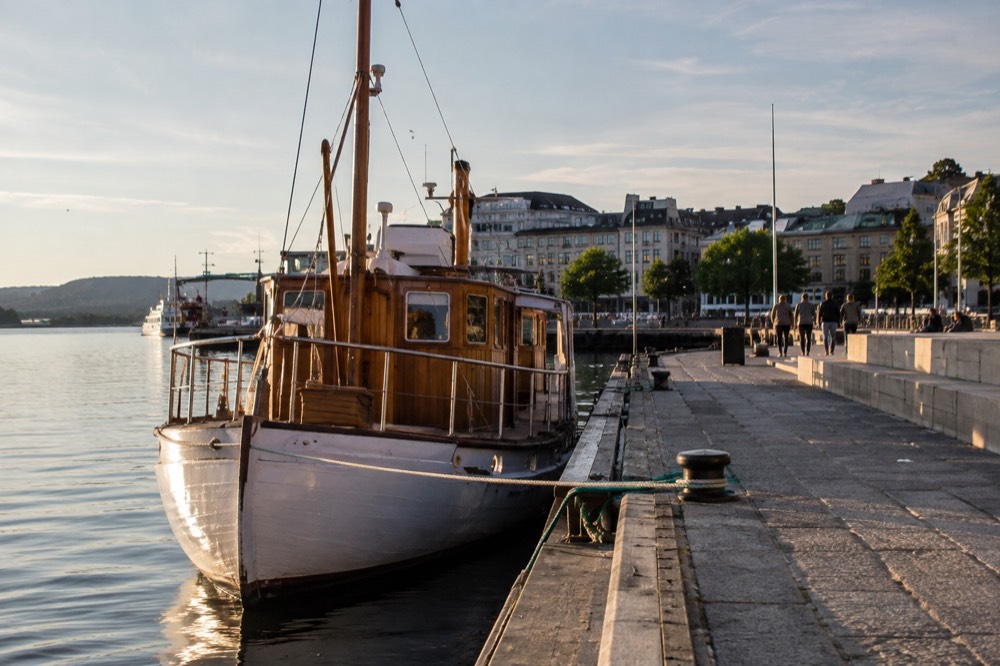
Bygdøy is reached by a seasonal ferry from Rådhusbrygge 3 that runs roughly every 20 minutes, takes 10 minutes to the first stop, and is included with the Oslo Pass but NOT with ordinary Ruter tickets. Out of ferry season, Ruter bus 30 serves the peninsula year-round on a standard ticket. The ferry runs 14 March to 4 October, so outside that window the bus is the only public option.
The ferry detail matters more than it looks. Two different boat systems leave from the City Hall piers, and mixing them up is the most common transport error visitors make in Oslo. The Bygdøy ferry is a commercial service operated by Norway Yacht Charter, and its own site states plainly that Ruter tickets are not valid on it. The Oslo Pass, by contrast, does cover it. The island ferries to Hovedøya and Gressholmen are the opposite: they are ordinary Ruter lines, covered by any valid transport ticket, and they leave from Aker Brygge rather than Rådhusbrygge.
The ferry stops in order are Dronningen, serving the Norwegian Museum of Cultural History, and Bygdøynes, serving Kon-Tiki, Fram and the Maritime Museum. The two piers are connected by a 15 to 25 minute walk along the peninsula paths, so a loop is entirely possible: ferry to Dronningen, walk the peninsula, ferry back from Bygdøynes. The Bygdøy guide maps the full walk.
Bus 30 departs from central stops including Nationaltheatret and reaches the museums in about 15 minutes. It runs all year, which makes it the reliable choice outside the ferry season and a good fallback when the ferry queue is long on a summer weekend.
If you are planning the peninsula around its two flagship museums, the entry tickets can be secured ahead:
The Kon-Tiki ticket is the anchor of a Bygdøy day, and the evening history walk and the Vigeland art walk are the two guided products that pair best with a museum-heavy itinerary, one for the dark hours after the museums close and one for the park that costs nothing to enter.
How Much Do Oslo Museums Cost?
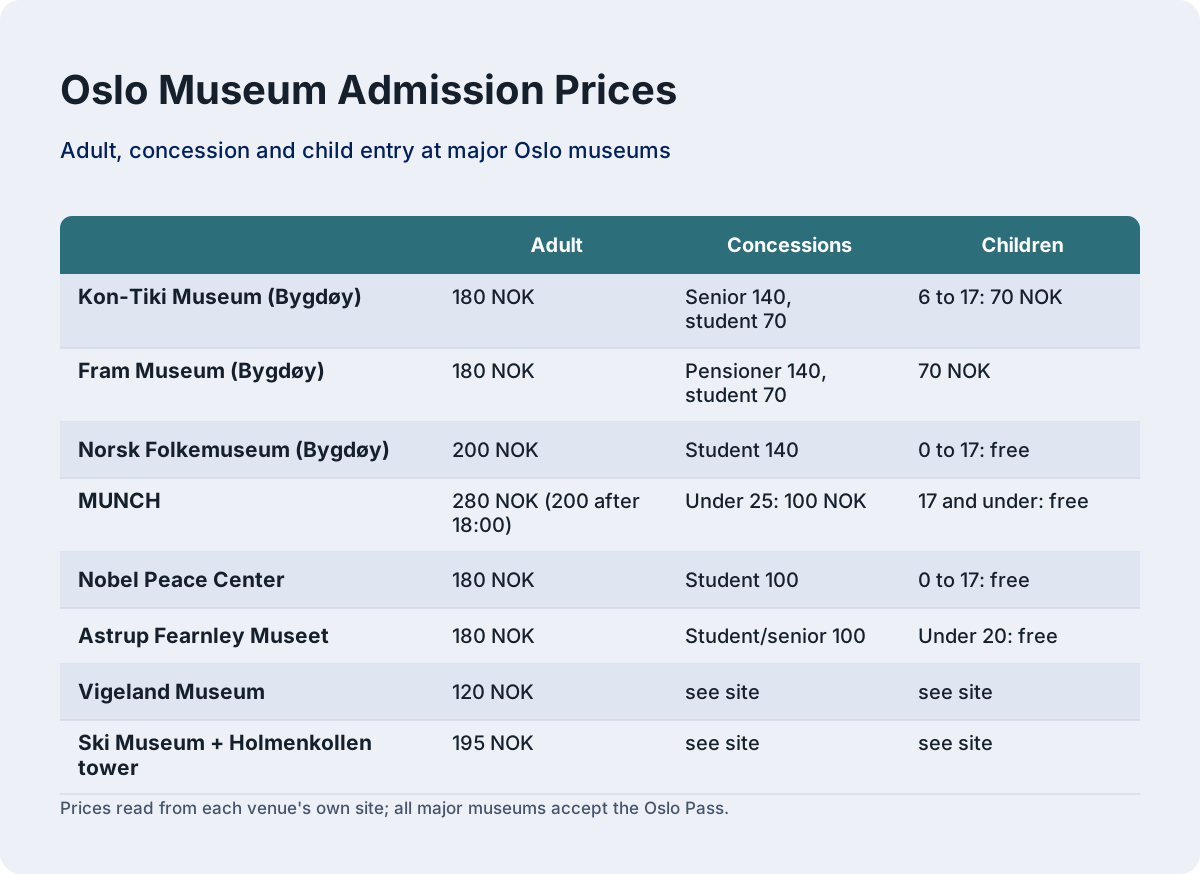
Adult admission at Oslo's major museums runs from 120 NOK at the Vigeland Museum to 280 NOK at MUNCH, with most venues clustered at 180 to 200 NOK. Children are free at several, including MUNCH for 17 and under, the Norsk Folkemuseum for 17 and under and the Nobel Peace Center for 17 and under. Every price below is read from the venue's own site, and all the major museums accept the Oslo Pass.
Here is the verified price picture, venue by venue.
| Museum | Adult | Concessions | Children |
|---|---|---|---|
| Kon-Tiki Museum (Bygdøy) | 180 NOK | Senior 140, student 70 | 6 to 17: 70 NOK |
| Fram Museum (Bygdøy) | 180 NOK | Pensioner 140, student 70 | 70 NOK |
| Norwegian Maritime Museum (Bygdøy) | 180 NOK | see site | see site |
| Norsk Folkemuseum (Bygdøy) | 200 NOK | Student 140 | 0 to 17: free |
| MUNCH | 280 NOK (200 after 18:00) | Under 25: 100 NOK | 17 and under: free |
| Nobel Peace Center | 180 NOK | Student 100 | 0 to 17: free |
| Astrup Fearnley Museet | 180 NOK | Student/senior 100 | Under 20: free |
| Vigeland Museum | 120 NOK | see site | see site |
| Ski Museum + Holmenkollen tower | 195 NOK | see site | see site |
| Viking Planet | 280 NOK equivalent via ticket | see listing | see listing |
The National Museum's own admission price is not published in a machine-readable form and its site blocks automated reading, so check its ticket page directly before budgeting; the Oslo Pass covers it, which sidesteps the question entirely on a pass day.
Combination tickets on Bygdøy are real and worth knowing before you queue:
| Combination ticket | Adult | Senior | Child/Student |
|---|---|---|---|
| Kon-Tiki + Fram | 325 NOK | 250 NOK | 125 NOK |
| Kon-Tiki + Maritime Museum | 325 NOK | 250 NOK | see site |
| Kon-Tiki + Fram + Maritime Museum | 485 NOK | 380 NOK | see site |
| Family ticket, Kon-Tiki (2 adults + 5 children) | 400 NOK |
Note the arithmetic: the joint Kon-Tiki and Fram ticket undercuts buying the two museums separately, and the three-museum ticket at 485 NOK undercuts buying all three at the door. Groups of 10 or more at Kon-Tiki pay 130 NOK per person.
The MUNCH evening window is one of the better value moves in the city: after 18:00, adult admission drops to 200 NOK, and the museum stays open until 21:00 Wednesday through Saturday. Under-25s pay 100 NOK at any hour.
If you would rather lock in the peninsula's flagship entry before you travel, the ticket is bookable with free cancellation:
Is the Oslo Pass Worth It for a Museum Day?
For a heavy museum day the Oslo Pass almost always wins. The 24-hour adult pass costs 580 NOK, and three Bygdøy museums alone at full price total 560 NOK before any transport. The pass also includes the Bygdøy ferry, all Ruter transport in zones 1 through 4N, and the Vy airport trains, so a single day of museums plus getting to them clears the break-even with room to spare.
The pass maths, using the verified prices above:
| Scenario | Full price | With 24-hour pass | Verdict |
|---|---|---|---|
| Two Bygdøy museums + ferry round trip | full price plus ferry | 580 NOK | Pass wins once transport is counted |
| Three Bygdøy museums | 560 NOK | 580 NOK | Break-even before transport |
| Three Bygdøy museums + MUNCH | 840 NOK | 580 NOK | Pass saves 260 NOK |
| MUNCH plus two center museums | above 580 NOK | 580 NOK | Pass wins |
| Vigeland Museum only | 120 NOK | 580 NOK | Buy separately |
The 48-hour pass at 845 NOK and the 72-hour at 995 NOK follow the same logic: the more museums you stack, the wider the margin. Children aged 6 to 17 pay 290 NOK for 24 hours, and since entry is free for children at several venues, a family pass decision usually comes down to the adults. The full breakdown, including the airport train detail most guides get wrong, is in the Oslo Pass guide and the is the Oslo Pass worth it analysis.
One transport nuance from VisitOSLO's own inclusion list: the pass covers public trains operated by Vy to and from Gardermoen, and it does not cover Flytoget. That single sentence is worth 268 NOK to anyone arriving by the wrong train, and the Flytoget vs Vy comparison runs the numbers.
What Art Museums Should You See in Oslo?
The National Museum and MUNCH are the two essential art museums, and they are a short walk apart in Bjørvika. The National Museum holds The Scream and the national art collection, while MUNCH is dedicated entirely to Edvard Munch. Astrup Fearnley on Tjuvholmen is the third stop, a private contemporary art museum where under-20s enter free.
The National Museum consolidated the old National Gallery, the Museum of Contemporary Art and the Museum of Decorative Arts into one building on the waterfront. Its Munch room holds a version of The Scream alongside Madonna, and the collection runs from older European painting to contemporary installations. The National Museum guide covers what to prioritize if you only have two hours.
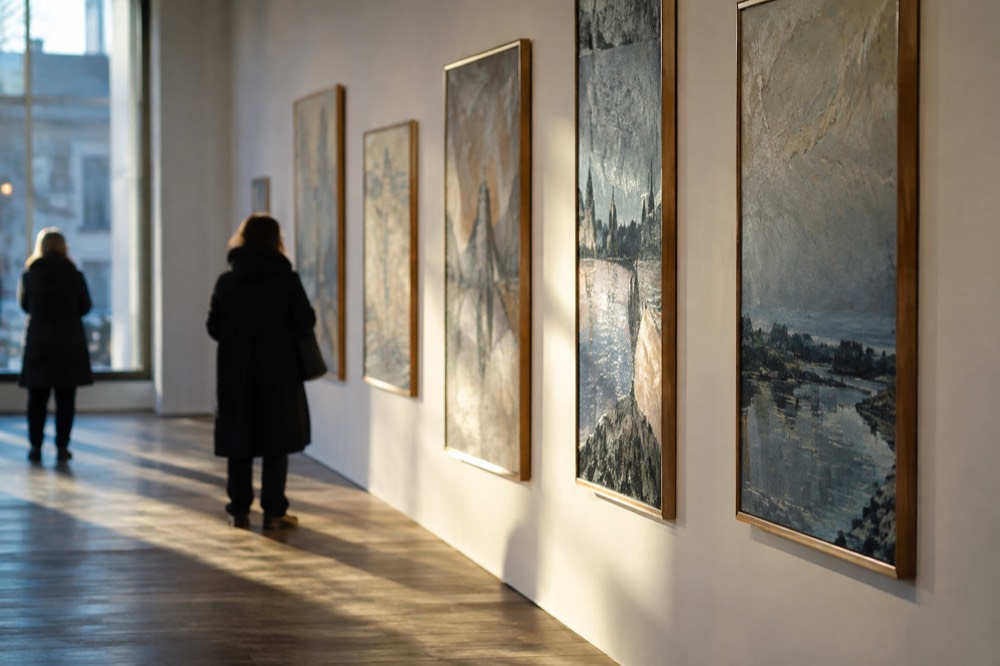
MUNCH moved from its old Tøyen building to a purpose-built structure near the Opera House, and it now brands itself simply as MUNCH. The museum holds versions of The Scream on paper alongside a deep collection of the artist's other work, and the museums rotate which works hang for conservation reasons. The MUNCH museum guide explains the layout and the evening ticket window.
Astrup Fearnley, beside the canals of Tjuvholmen, is the contemporary counterweight, and its reduced-price policy during exhibition changeovers is worth checking before you go.
Where Can You See Viking-Age Objects in Oslo?
The Museum of the Viking Age on Bygdøy is closed and will reopen in 2027, so the Viking ships are off the table for now. The museum's own site directs visitors to the Historical Museum in central Oslo, which displays other Viking-age objects, and Viking Planet, an immersive Viking experience near the City Hall, is the bookable substitute that fills the gap.
The closure has been in place since 1 October 2021, and the museum's official wording is that it "will reopen as the Museum of the Viking Age in 2027." No month has been confirmed. Search volume for the closed building remains enormous, which is why this needs saying plainly: no page should imply you can see the Oseberg ship in Oslo right now. The Museum of the Viking Age page tracks the reopening.
Viking Planet is the honest alternative: a VR-driven Viking experience with an entry ticket that includes the film, rated 4.4 across 790 reviews. It is the best-selling non-Bygdøy museum ticket in the city, which tells you how many visitors are solving exactly this problem. Other pages covering the same trip are gathered on Oslo Travel Guide.
For the deeper history of the city itself, the evening walk is the product that covers what the general tours skip:
The myths and legends evening walk runs two hours through the historic core, and it fills the hours after museum closing time, which in Oslo is early: most venues shut their doors at 17:00.
Beyond the Viking gap, Akershus Fortress hosts the Norwegian Resistance Museum inside the fortress complex, covering the occupation years, and the Akershus Fortress guide covers the site, whose grounds themselves are free to walk.
Which Oslo Museums Work Best for Families and Rainy Days?
The Paradox Museum is Oslo's strongest rainy-day family ticket, an interactive illusion museum where the exhibits are things you do rather than look at. The Fram Museum works brilliantly for children because you board the actual ship, and the Norsk Folkemuseum is an open-air site with historic buildings, farm animals in summer and free entry for under-18s. The Nobel Peace Center rounds out the indoor set with interactive exhibits and free entry for children.
Rain is a planning reality in Oslo: August is the wettest month on the 1991 to 2020 normals at 103 mm, ahead of October's 93 mm, and the museum month that visitors most often need a backup for is the one they least expect.
| Museum | Indoor or outdoor | Child entry | Best age | Time needed |
|---|---|---|---|---|
| Paradox Museum | Indoor | see listing | 6 and up | about 1 hour |
| Fram Museum | Indoor | 70 NOK | 5 and up | 1 to 3 hours |
| Kon-Tiki Museum | Indoor | 70 NOK (6 to 17) | 6 and up | about 1 hour |
| Norsk Folkemuseum | Mostly outdoor | Free, 0 to 17 | All ages | 2 to 4 hours |
| Nobel Peace Center | Indoor | Free, 0 to 17 | 8 and up | 1 to 2 hours |
| MUNCH | Indoor | Free, 17 and under | Teens | 2 hours |
The Fram Museum's boarding experience is the differentiator: the polar ship is fully walkable, from the cargo hold to the bridge, and children treat it as a playground with a story attached. The Fram Museum guide covers what to point out on board.
For families planning a wider itinerary, the Oslo with kids guide balances museums against the fjord, the islands and the parks.
How Should You Plan a Full Museum Day in Oslo?
The efficient museum day splits Bygdøy from the center: take the morning ferry to Dronningen, walk the peninsula past the Folkemuseum to Kon-Tiki, Fram and the Maritime Museum at Bygdøynes, then ferry or bus back for an afternoon at MUNCH or the National Museum, which stay open later than everything else. MUNCH's 18:00 to 21:00 window Wednesday to Saturday is the reason an art museum belongs at the end of the day, not the middle.
A sample structure, using the verified hours:
| Time | Plan | Cost at full price |
|---|---|---|
| 09:30 | Ferry from Rådhusbrygge 3 to Dronningen | included with pass |
| 10:00 | Norsk Folkemuseum, open from 10:00 | 200 NOK |
| 12:00 | Walk the peninsula to Bygdøynes, about 20 minutes | free |
| 12:30 | Kon-Tiki and Fram, joint ticket | 325 NOK |
| 15:00 | Ferry or bus 30 back to the center | included with pass |
| 16:00 | National Museum or MUNCH | 280 NOK at MUNCH |
| 18:00 | MUNCH evening rate if Wednesday to Saturday | 200 NOK |
Bought separately, that day costs well above the price of a 24-hour pass before a single tram or ferry is counted. On a 580 NOK pass it is all included, which is the cleanest possible demonstration of the pass maths above.
Two timing notes from the venues' own hours: the Fram Museum opens at 09:30 from May to September but 10:00 from October to April, and the Kon-Tiki Museum is open all year. The Norsk Folkemuseum closes at 17:00 every day and is shut on 17 May and 24 to 25 December, the second of which will not surprise anyone.
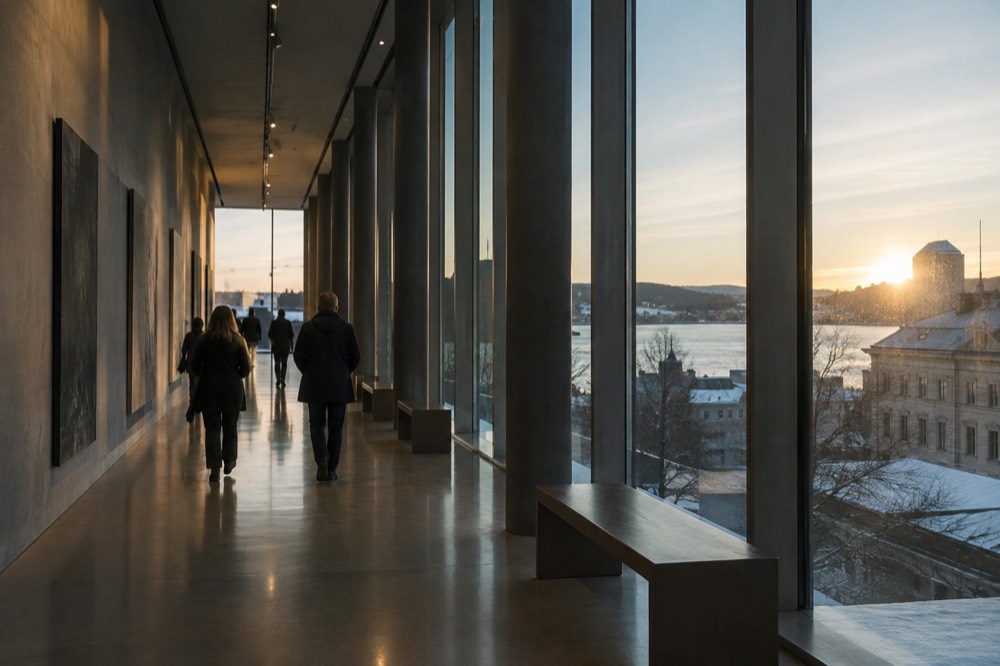
One more planning tool deserves a mention: the sculpture park. Vigeland Park is free, open 24 hours a day, all year, with more than 200 sculptures and no ticket of any kind, and it sits on the tram line to Holmenkollen, where the Ski Museum and jump tower sit at 195 NOK. A guided art walk is the only bookable way to get depth there, since the park itself charges nothing:
The 90-minute guided art walk through Vigeland Park is the bookable layer on a free sight, and it pairs with the Vigeland Park guide for anyone who prefers to walk it solo.
What Else Should You Know Before You Go?
Most Oslo museums close at 17:00, so the day starts earlier than in southern European cities, and Monday is the weakest day for the smaller venues. The Historical Museum and Nasjonalmuseet prices should be checked live before budgeting, since both sites resist automated reading and prices move. Tipping is not expected anywhere in Norwegian service culture, and the currency is the krone, not the euro.
A few practical points that do not fit anywhere else. Norway is in the Schengen Area but not in the European Union: it is an EEA state through EFTA, uses the Norwegian krone, and sits outside EU VAT, so non-resident visitors can claim a VAT refund on qualifying purchases. That last point matters at museum shops, which are among the likelier places a visitor makes a large purchase.
Photography is generally permitted without flash at the major museums, but the Munch works on paper are light-sensitive and the rotation policy exists for conservation reasons, so check the day's display list rather than assuming a specific Scream version is hanging.
If your museum day is part of a longer stay, the itineraries at one day in Oslo through five days in Oslo slot museums into full trip structures, and the master list of everything else the city offers is at things to do in Oslo. This site, Oslo Travel Guide, keeps the prices on this page verified against the venues' own sites on a rolling basis.
For a final sweep of the bookable options, here are the three products that pair best with a museum-heavy Oslo trip:
The Kon-Tiki ticket anchors the Bygdøy morning, the evening history walk covers the hours after 17:00, and the Vigeland art walk turns the free park into a guided hour.
Common Questions About Oslo Museums
What are the best museums in Oslo?
The Kon-Tiki and Fram museums on Bygdøy are the strongest pairing, at 180 NOK each or 325 NOK on a joint ticket. In the center, the National Museum holds The Scream and MUNCH holds the world's largest Munch collection at 280 NOK. The Norwegian Resistance Museum at Akershus Fortress is the best history option, and Vigeland Park is free and open around the clock.
How much do Oslo museums cost?
Adult admission runs from 120 NOK at the Vigeland Museum to 280 NOK at MUNCH, with most major venues at 180 to 200 NOK. Children enter free at MUNCH, the Norsk Folkemuseum, the Nobel Peace Center and Astrup Fearnley. Combination tickets on Bygdøy cut the joint Kon-Tiki and Fram price to 325 NOK.
Is the Oslo Pass worth it for museums?
Usually yes on a heavy museum day. Three Bygdøy museums cost 560 NOK at full price against a 580 NOK 24-hour pass that also includes all Ruter transport, the Bygdøy ferry and the Vy airport trains. Add MUNCH or the National Museum and the pass saves money outright.
Is the Viking Ship Museum in Oslo open?
No. The former Viking Ship Museum closed on 1 October 2021 and will reopen as the Museum of the Viking Age in 2027, with no month confirmed. Until then, Viking-age objects are displayed at the Historical Museum in central Oslo, and Viking Planet is the bookable immersive substitute.
How do you get to the museums on Bygdøy?
During the ferry season, a boat runs roughly every 20 minutes from Rådhusbrygge 3 to Dronningen and Bygdøynes, taking about 10 minutes to the first stop. It is included with the Oslo Pass but not with ordinary Ruter tickets. Outside the ferry season, bus 30 serves the peninsula year-round.
Which Oslo museums are best for kids?
The Fram Museum, where you can board the actual polar ship, and the Paradox Museum, an interactive illusion experience, are the strongest family tickets. The Norsk Folkemuseum is an open-air site with free entry for under-18s, and MUNCH admits children 17 and under free.