Oslo in December: What to Expect, What to Do, and What It Costs
December is Oslo's darkest and most atmospheric month: under six hours of daylight, a city lit by Christmas markets, and a fjord that never freezes. Here is what to plan for, hour by hour.
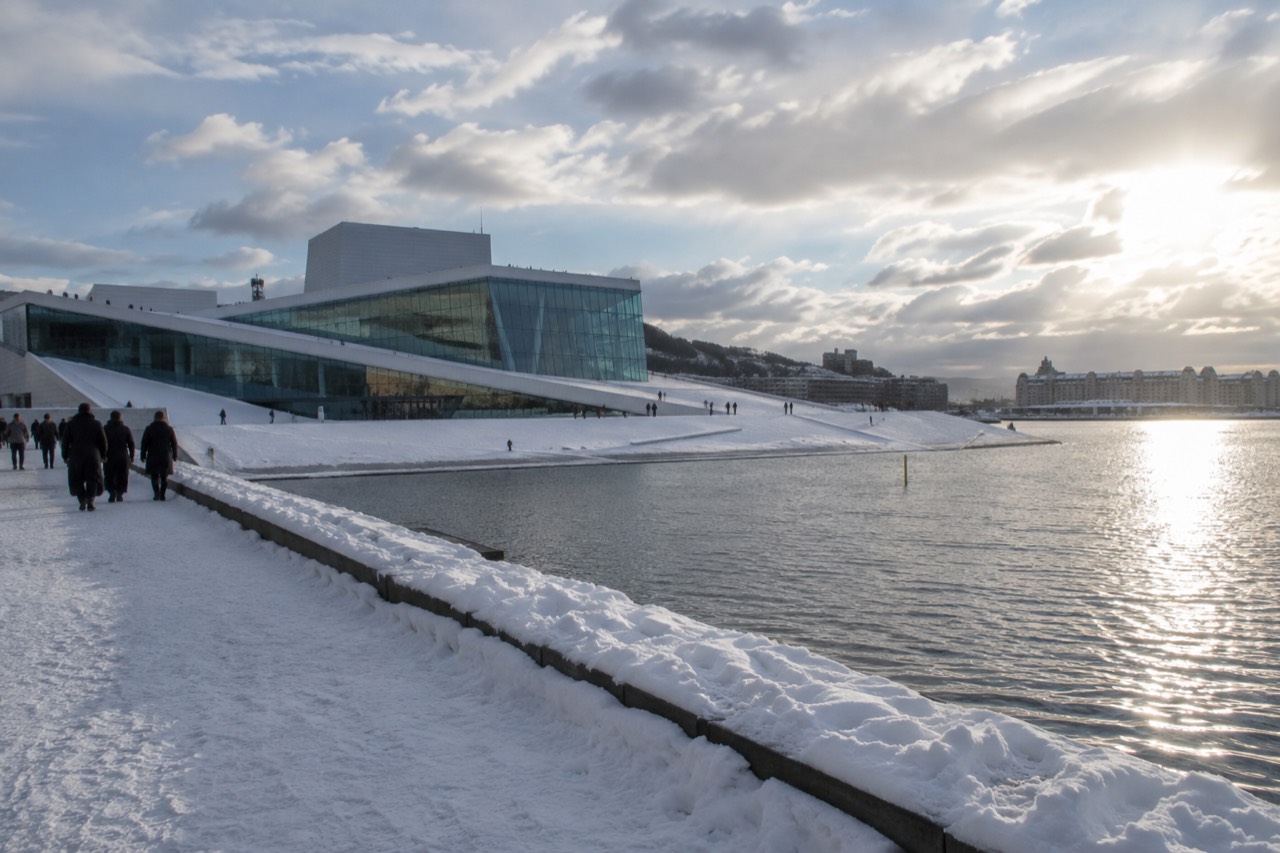
Short answer
Oslo in December means a normal mean temperature of -1.4 C, just 5 hours 53 minutes of daylight on the 21st, and a city running on Christmas markets and candlelight. Museums, fjord cruises and guided walks all operate, the Oslo Pass covers transport and entry, and costs stay highest where alcohol is involved.
What Is Oslo Like in December?
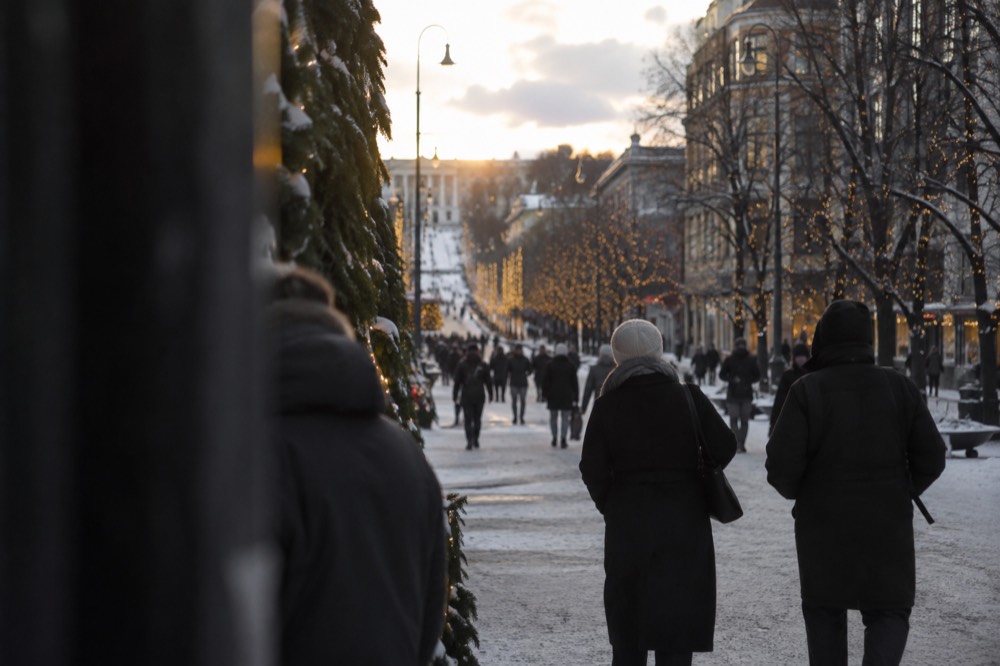
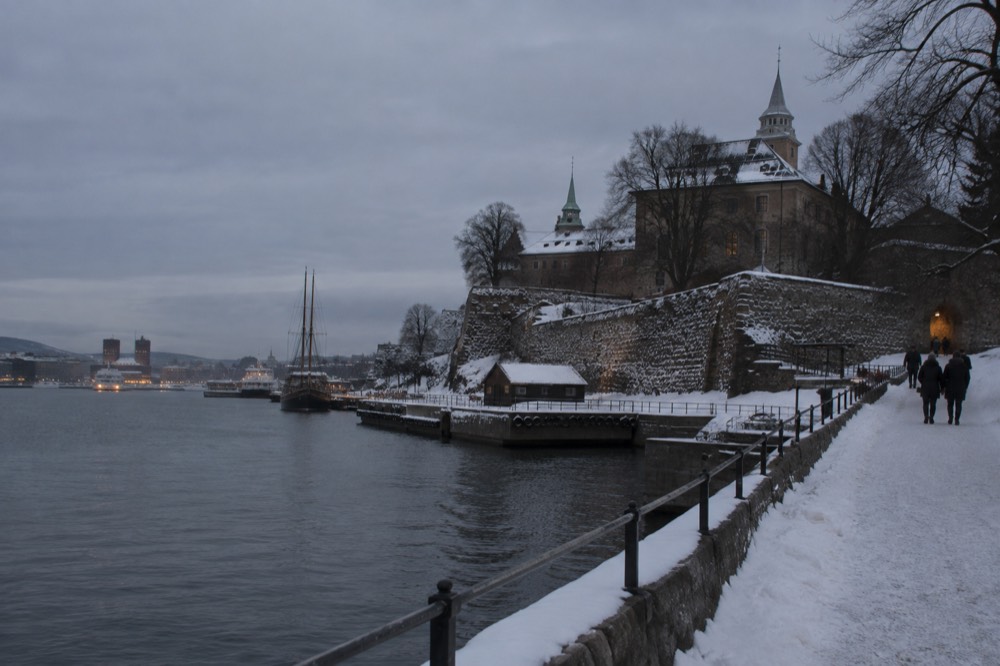
Oslo in December is a dark, calm, candle-lit city fully shifted into winter mode: museums keep normal hours, the fjord stays open for boats, Christmas markets run through the month, and the whole city runs on under six hours of daylight by the solstice. It is quiet compared with summer, genuinely cold rather than brutal, and it is the month where Oslo's indoor and lit-up sides matter more than its parks. Crowds are low and the atmosphere is the actual attraction.
December splits cleanly into two halves. The first three weeks belong to the pre-Christmas period, when the markets, the shopping, and the decorated streets carry the city: Karl Johans gate strung with lights, ice rinks opening, and office workers flowing to after-work drinks in the early dark. From roughly the 26th onward, the holiday period flips the city again: Norwegians leave town for cabin trips, many smaller restaurants close for the week between Christmas and New Year, and the streets go notably empty while the ski trails at Nordmarka fill up.
For a visitor, that rhythm is information, not a warning. The days around December 10 to 20 are arguably the best December window: full Christmas atmosphere, everything open, and the lowest visitor numbers of the market season. The week after Christmas rewards anyone who wants a peaceful museum city and cross-country skiing, but you should expect reduced restaurant hours and book dinners ahead. New Year's Eve in Oslo is a city-wide private fireworks show, loud and unregulated in the Norwegian way, with the best-organized viewing along the waterfront.
One structural fact shapes everything else, so state it plainly: the sun rises at 09:04 and sets at 15:49 in mid-December, and on the 21st Oslo gets 5 hours 53 minutes of daylight. That is not a problem to solve, it is the entire character of the month. Plan each day around one anchor activity in the light window, then hand the afternoons and evenings to markets, museums with late hours, and dinner. If you want a fuller treatment of the seasonal logic, read when to visit Oslo for each season, and if you are weighing December against the deep-winter months, start with Oslo in winter month by month.
How Cold Is Oslo in December, Really?
The normal mean temperature for December in Oslo is -1.4 C, with January and February the only colder months, and the real extremes in the last year hit -17.2 C. Snow is normal but not certain, precipitation runs about 54 mm on the 1991 to 2020 normals, and the coastal-ish climate keeps December around freezing rather than far below it. The practical answer: pack for around -5 to +2 C, wind on the waterfront, and ice underfoot, and you will be dressed correctly.
MET Norway's official normals for the Blindern station put December's mean at -1.4 C against January's -2.3 C, so December is cold but it is not the coldest month. What the normals do not capture, and what recent observations do, is the spread: in the 13 months to August 2026 the station recorded a low of -17.2 C on 11 January 2026, and December days can swing from sleet above zero to a dry -10 C within the same week. Observed December 2025 came in at a mild 2.4 C mean, which tells you the variance is the story, not the average.
What that means for your body, concretely:
- The waterfront and the Opera House roof are wind corridors: the same -2 C feels two classes colder there than in the sheltered center.
- Ice on sidewalks is a real hazard in freeze-thaw weeks; waterproof boots with grip matter more than a heavier coat.
- Darkness plus cold compounds: at 15:30, when the light goes, the temperature usually follows.
The right clothing strategy is layers you can shed indoors, because Norwegian buildings, museums and cafes are heated hard. Thermal base layer, a proper windproof outer, gloves, a hat that covers ears, and shoes you can walk on ice with. Anyone who wants the science of Oslo's weather patterns across the whole year will find it in Oslo weather by month.
This is also where sightseeing logistics start to matter. Walking the outdoor sights in the dark-and-cold window is the wrong plan; a bus with a heated cabin between photo stops is the right one, and that is the honest case for a hop-on product in December. The Gray Line ticket, the only credible hop-on option in the city, runs from $37.68 with a 4.1 rating across 2,559 reviews, and its live listing carries free cancellation, which matters when a December forecast can flip between sleet and blue sky overnight.
How Many Hours of Daylight Does Oslo Get in December?
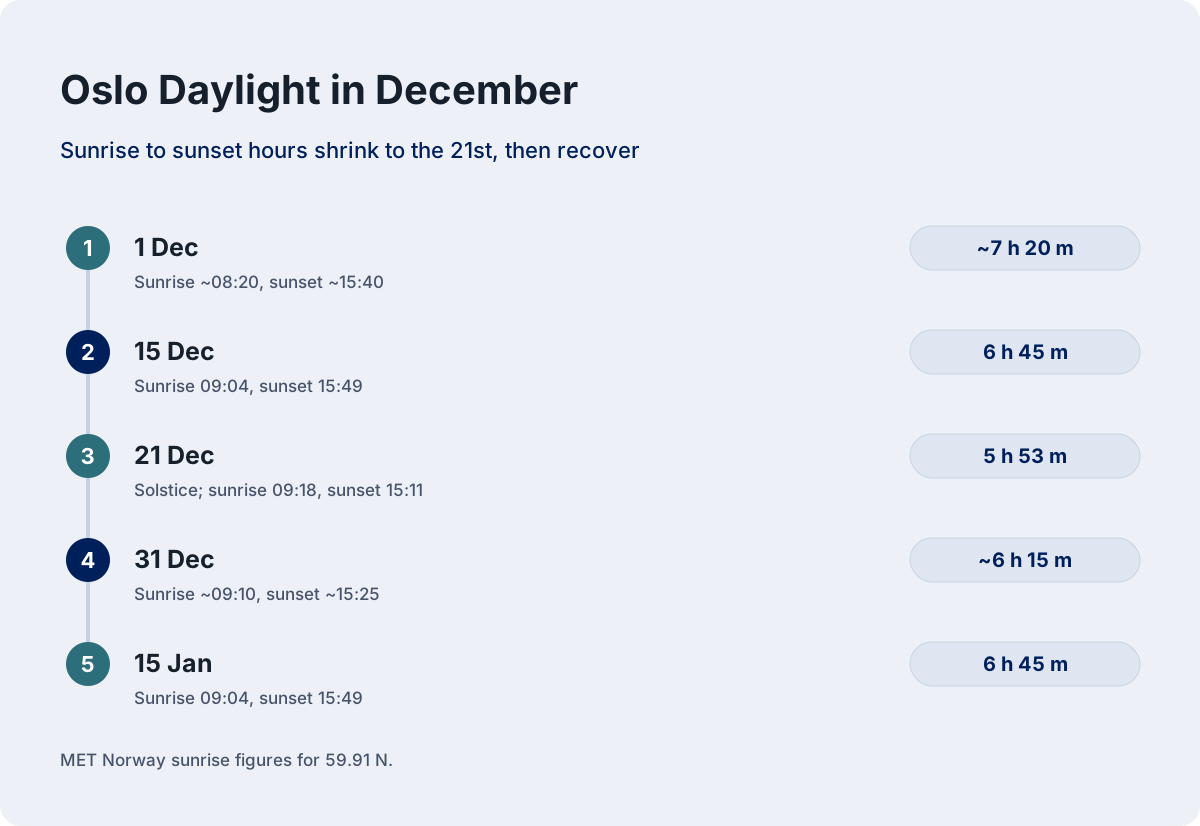
On the December solstice, the 21st, Oslo gets 5 hours 53 minutes of daylight, with sunrise at 09:18 and sunset at 15:11, and by mid-January it is still only 6 hours 45 minutes. The month starts at roughly 6 hours and shrinks steadily until the 21st, then claws back slowly. There is no midnight sun effect in reverse either: the hours around the solstice are dim twilight rather than polar darkness, and the city stays navigable all day.
These are MET Norway's own sunrise figures for 59.91 N, and they deserve a table, because the change is day-by-day visible in a way that surprises visitors from lower latitudes:
| Date | Sunrise | Sunset | Daylight |
|---|---|---|---|
| 1 Dec | ~08:20 | ~15:40 | ~7 h 20 m |
| 15 Dec | 09:04 | 15:49 | 6 h 45 m |
| 21 Dec | 09:18 | 15:11 | 5 h 53 m |
| 31 Dec | ~09:10 | ~15:25 | ~6 h 15 m |
| 15 Jan | 09:04 | 15:49 | 6 h 45 m |
Two planning consequences follow. First, the useful outdoor window is roughly 10:00 to 14:30, and everything you want to photograph should sit inside it. Second, blue hour and night photography are absurdly generous: the city is in usable twilight or lit-dark for most of the afternoon and evening, which is why Oslo's best photo spots work better in December than in July. The full annual daylight swing, from 5 hours 53 minutes to 18 hours 50 minutes, is covered in Oslo daylight hours explained, including the point that must never be fudged: Oslo is far south of the Arctic Circle, so there is no midnight sun here in summer and no full polar night in winter.
What Should You Actually Do in December in Oslo?
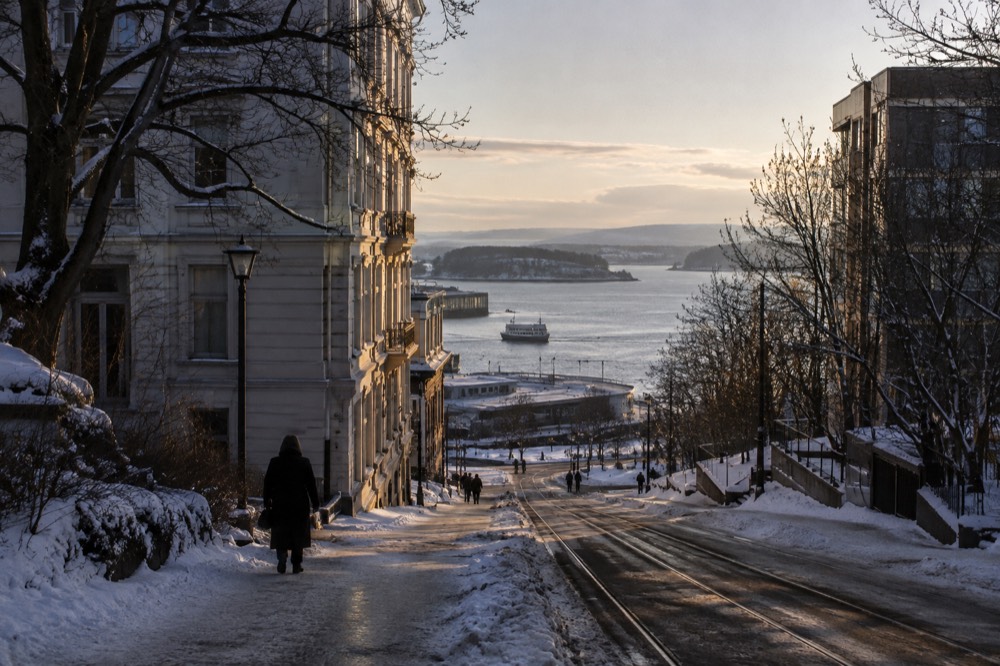
The December shortlist is: a fjord cruise in the low light, one museum-heavy day on Bygdøy or at MUNCH, the Christmas markets in the evening, a winter forest activity if snow allows, and a guided walk or bus tour for the dark hours. Museums run normal December hours, the island ferries still sail, Holmenkollen is at its most atmospheric, and the free and low-cost tier of the city, Vigeland Park and the Opera House roof, is open as always.
Start with the fjord, because it is the thing that works differently in December and still works. The Oslofjord does not freeze at the city, boats run through winter, and a silent electric cruise through the low blue light of a 13:00 December afternoon is a genuinely different product from the same trip in July. The audio-guide electric cruise is the default: 1 hour 30 minutes, from $46.29, rated 4.5 across 6,664 reviews, the single best-reviewed activity in the city on any platform. Dress for the deck, not the cabin, because the cabin is warm and the deck is where December is.
Museums are the second pillar, and December is their best month: Kon-Tiki, Fram, the National Museum and MUNCH all keep full December schedules. MUNCH stays open until 21:00 Wednesday through Saturday, which makes it the perfect post-sunset building: entry is 280 NOK before 18:00 and 200 NOK after, and anyone holding an Oslo Pass walks in on the pass. The National Museum, which holds The Scream, is covered by the same pass, and the pass math in December is favorable because you are indoors more. The pass, transport and the full 2026 price table are laid out in Is the Oslo Pass worth it?
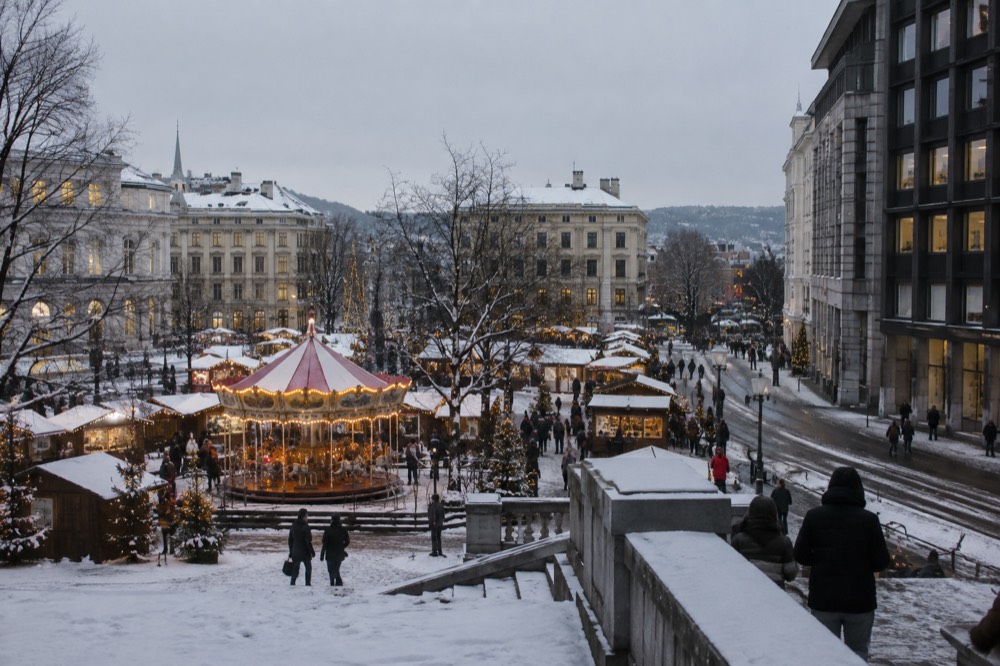
The Christmas market circuit belongs to the evenings, and the market at Spikersuppa on Karl Johans gate is the anchor, with the full circuit, food picks and dates in the Oslo Christmas market guide.
If you are still assembling the skeleton of the trip, Oslo in three days transfers to December almost unchanged, and the broader list of things to do in Oslo is covered on the site's main roundup page.
Is a December Fjord Cruise Worth It?
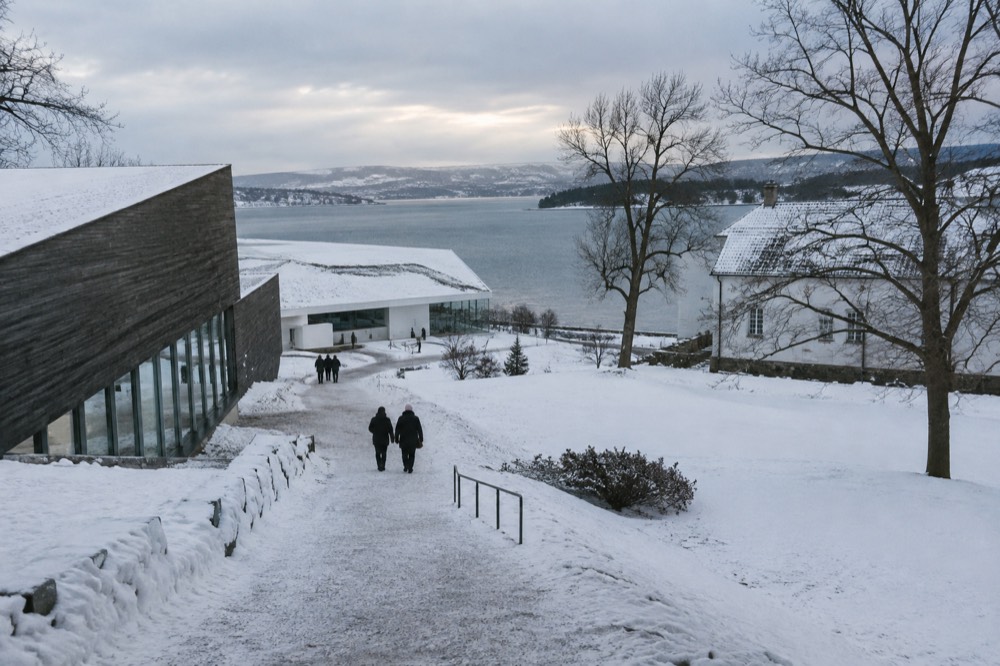
Yes, and it is arguably at its best in December: the water is calm, the boats are uncrowded, the light between 11:00 and 14:00 is a photographer's blue-grey gift, and the trip doubles as a warm cabin with a moving view when the deck gets too cold. The electric boats and the wooden sailing ship both run, the shrimp buffet evening cruise is a colder but cozier proposition, and the price spread runs from about $42 to about $90.
The decision is really about format. The 1 hour 30 minute silent electric boat with audio guide is the safe default and the city's best-reviewed product. The 2 hour traditional wooden sailing ship is the same fjord with a completely different feel: canvas, wood, and a deck that in December means blankets and a cabin drink. The 3 hour evening shrimp buffet cruise is the Norwegian institution version, from $90.22, and in December it is an early-evening boat rather than a sunset one, which suits the season.
| Cruise | Duration | From | Rating | Reviews | December character |
|---|---|---|---|---|---|
| Silent electric boat, audio guide | 1h 30m | $46.29 | 4.5 | 6,664 | Low light, quiet water, warm cabin |
| Wooden sailing ship | 2h | $46.19 | 4.5 | 6,138 | Canvas and blankets, uncrowded |
| Guided premium silent boat | 2h | $74.29 | 4.7 | 2,068 | Live guide, smaller group |
| Evening cruise, shrimp buffet | 3h | $90.22 | 4.5 | 2,115 | Dark fjord, indoor table |
One honest limitation: this site's own decision coverage for fjord boats stays on this page and the fjord cruise guide, because a sister site in the portfolio covers Oslofjord cruises in depth, from the best months to cabin choice, and re-answering that here would just duplicate it. The full rundown of these products lives at Oslofjord cruise options.
What About the Dark Evenings?
December evenings in Oslo are the month's best product: the myths and legends evening walking tour, the late-opening museums, the bars of Grünerløkka, and a Christmas market after dark. The 2 hour evening myths and legends walk is rated 4.8 across 510 reviews and exists precisely for the October-to-March dark season, and the city's late museum hours, MUNCH until 21:00 Wednesday to Saturday, give the evening a cultural spine.
The dark season is not a gap in the program, it is a genre. The themed evening walk through the historic center trades in Oslo's darker stories, and at from $43.06 it is one of the best-rated walking products in the city. A guest review calls it the highlight of a winter weekend, and that tracks with what the tour is designed for: 510 reviews at 4.8 for a product that only really makes sense from October to March.
Beyond the walk, December evenings sort into three buckets. Bars and restaurants, concentrated in Grünerløkka and the center, with the neighborhood itself covered in the Grünerløkka area guide. Late museums, which in practice means MUNCH's Wednesday-to-Saturday 21:00 close. And the lit outdoor city: the market at Spikersuppa, the ice rink, and the waterfront promenade, which at December twilight is one of the better free walks in Europe.
Can You Get Out of the City in December?
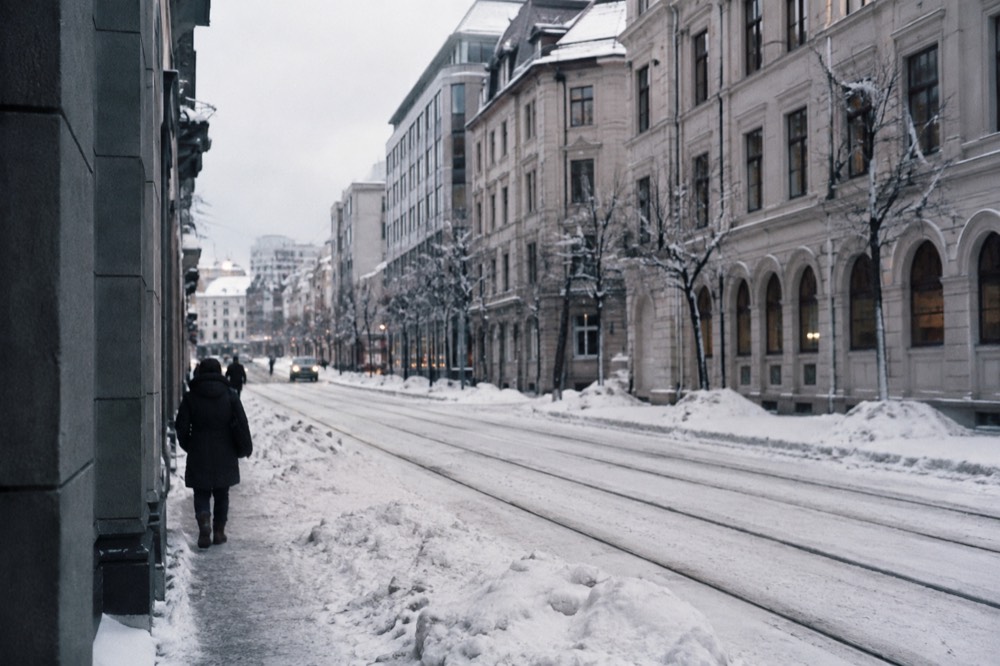
Yes, and December is when Oslo's forest access becomes a genuine attraction: the metro Line 1 to Frognerseteren puts Nordmarka's winter trails about 20 minutes from the center, and a torchlit forest walk with a campfire is the signature winter product, from $91.64 and rated 4.7 across 280 reviews. With snow, guided snowshoeing and even a learn-to-ski half-day are available inside the city limits, which no other European capital offers at this scale.
The torchlit walk is the one to single out. It is a 3 hour 30 minute experience that ends at a campfire, it runs on the dark-season logic that makes it atmospheric rather than miserable, and it is the product most December visitors did not know existed. Snowshoeing in Nordmarka, from $103.24 and rated 4.8, needs snow on the ground, so treat it as conditional and check the booking week. The learn-to-ski half-day, from $113.04, carries a perfect 5.0 across 93 reviews, and Oslo is the only European capital where a first ski lesson is a half-day city activity rather than a trip.
Access is the quiet miracle here. The T-bane's Line 1 runs to Frognerseteren year-round inside a single Ruter zone, and the trails beyond it are groomed by Skiforeningen through the winter. The practicalities, including the metro ride and what each trailhead offers, are in Nordmarka from central Oslo, and the wider winter-sports picture sits in the site's skiing coverage. Holmenkollen belongs on the same line: the ski jump tower and museum at 195 NOK, with the honest booking note that there is no standalone jump ticket on any platform this site uses, only combination products, which is covered in the Holmenkollen ski jump guide.
What Does a December Day-by-Day Plan Look Like?
A workable December skeleton gives the 10:00 to 14:30 light window to the outdoors or the fjord, the mid-afternoon to a museum, and the evening to the markets, a themed walk or late museum hours, spread over three days: day one center and fjord, day two Bygdøy museums, day three forest or Holmenkollen. It inverts the summer itinerary, front-loading light-dependent activities and back-loading everything lit, heated or indoor.
Day one: a morning free walking tour, which in December starts late enough to fit the daylight and costs nothing but a tip, followed by a 13:00 electric fjord cruise, then MUNCH after 18:00 at the 200 NOK evening rate. The free highlights walk is the largest free tour in the city, tip-based, rated 4.68 across 2,150 reviews, and it doubles as orientation for everything later in the trip.
Day two: Bygdøy. The museum peninsula holds Kon-Tiki, Fram, the Norwegian Maritime Museum and the open-air Folkemuseum, and the honest December note is transport: the museum ferry runs only to early October, so in December it is Ruter bus 30, covered by an ordinary ticket and by the Oslo Pass. The former Viking Ship Museum is closed and will reopen as the Museum of the Viking Age in 2027, with Viking-age objects meanwhile at the Historical Museum in the center, a closure covered fully in why the Viking museum closed.
Day three: Nordmarka or Holmenkollen on metro Line 1, or, if the weather breaks, a rainy-day swap using the site's bad-weather guide, which in December is often a snow-day swap and works the same way.
| Day | Light window (10:00-14:30) | Afternoon | Evening |
|---|---|---|---|
| 1 | Free walking tour, center | Electric fjord cruise | MUNCH after 18:00, market |
| 2 | Bus 30 to Bygdøy museums | Kon-Tiki + Fram, combo ticket | Grünerløkka dinner |
| 3 | Metro Line 1, forest walk | Holmenkollen tower | Myths and legends walk |
| Any | Vigeland Park, free | Paradox Museum if icy | Christmas market, Spikersuppa |
What Does December in Oslo Cost?
Count on the Oslo Pass at 580 NOK for 24 hours covering museums plus all Ruter transport including buses to Bygdøy, museum entries of 180 to 280 NOK each at full price, and the big spending risk sitting squarely in restaurants and alcohol, where Norway runs more than double the European average on SSB's 2025 price-level survey. Museums, transport and the outdoors are not unusually expensive; drinking out is.
The pass math in December favors the visitor, because a cold city pushes you indoors and the pass covers entry at over 30 museums plus the transport between them. Three Bygdøy museums alone at full price total 560 NOK against a 580 NOK 24-hour adult pass that also carries the buses there, and the pass covers the Vy trains to and from Gardermoen airport, though not Flytoget, a distinction most guides get wrong and which is unpacked in the site's airport-train comparison.
Everyday costs are where December budgets live or die. On the verified SSB figures, food and non-alcoholic drink run 33 percent above the European average, and alcohol is the outlier at more than double, which is the honest reason a December restaurant evening with wine costs more than the day's museums and transport combined. The detailed breakdown, including where to eat cheaply, is in Is Oslo expensive?, and the practical budget playbook is covered in the site's cost pages.
Tipping, since it always comes up: service is included in Norwegian prices, rounding up or around 5 to 10 percent for good service is common but voluntary, and nobody will chase you for it. Norms rather than rules, laid out in the site's tipping guide.
Is December Actually a Good Time to Visit Oslo?
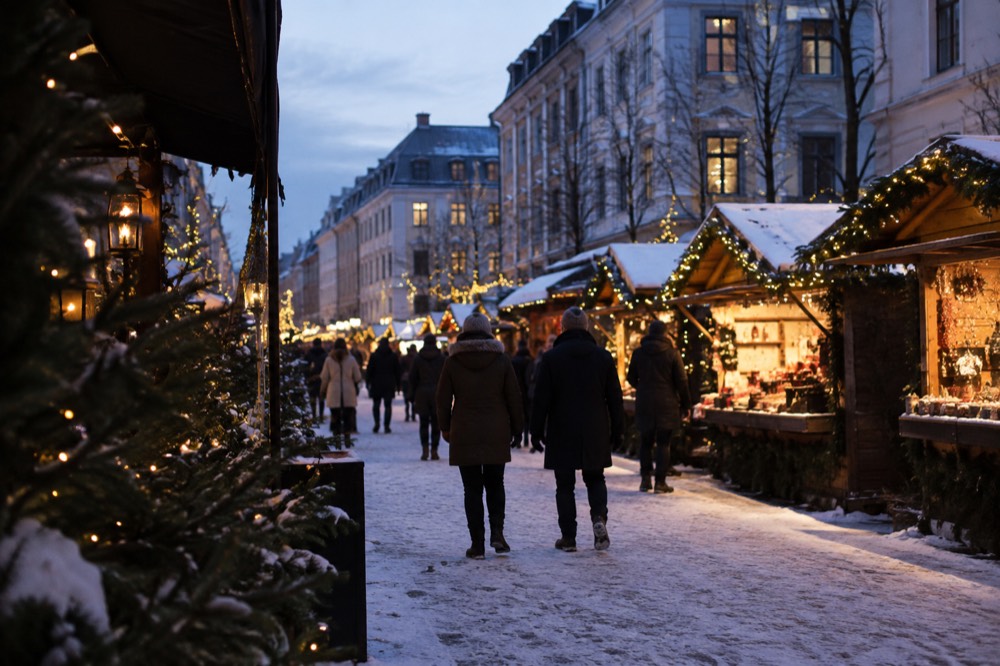
For atmosphere, markets, uncrowded museums and winter activities, December is one of Oslo's best months, and for long daylight, hiking, swimming and the full outdoor city, it is the worst. The trade is explicit: you give up 13 hours of daylight relative to June and gain the coziest, least crowded, cheapest-hotel version of the city outside the market opening week, with the fjord and the forest still fully in play.
The honest verdict depends on what you are buying. A visitor who wants to photograph a Scandinavian capital at Christmas, eat well, do two museums a day and try a torchlit forest walk is getting December's exact product. A visitor who wants to sit outside, walk the islands, or see the city in green is choosing the wrong month, and the site's seasonal guide will say so plainly. The middle case is late December into January: maximum quiet, skiing at its best, but reduced restaurant hours and a city that has packed the markets away.
Two December-specific cautions from the facts, not from vibes. Book the Christmas-market-week hotels early, that is the one demand spike. And if your dates sit between Christmas and New Year, confirm restaurant bookings rather than walking in, because that week is when Oslo's restaurant floor thins out. The upside nobody prices in: the markets, the lights and the dark make December the most photogenic month of the year, as the photo-spots coverage on this site makes clear.
If you are still assembling the whole picture, Oslo Travel Guide holds the site's full planning layer, from neighborhoods to transport, and the compressed one-day version of the city works for a December stopover.
Common Questions About Oslo in December
Is Oslo in December too dark to enjoy?
No. The 21st gives 5 hours 53 minutes of daylight, sunrise 09:18, sunset 15:11, which is short but workable if you front-load outdoor sightseeing into the 10:00 to 14:30 window. The evenings, which arrive early, are the month's product: Christmas markets, late museum hours at MUNCH until 21:00, and themed evening walks built for exactly this season.
How cold is Oslo in December?
The 1991 to 2020 normal mean is -1.4 C, with recent extremes down to -17.2 C in the following January. Expect roughly -5 to +2 C in practice, wind on the waterfront, and ice underfoot. Waterproof boots with grip and layered clothing handle it; Norwegian buildings are heated hard, so the indoor-outdoor cycle is constant.
Does it snow in Oslo in December?
Snow is normal in December but not certain, and the normals table records precipitation (54 mm) rather than snow days, so no verified snow-depth figure can be quoted. December 2025 ran mild at a 2.4 C observed mean. When snow does settle, the forest trails at Nordmarka open up for the winter activities, reachable on metro Line 1.
Is the Oslo Pass worth it in December?
Often yes, because December pushes you indoors and the 24-hour adult pass at 580 NOK covers over 30 museums plus all Ruter transport, including bus 30 to Bygdøy and the Vy trains to and from the airport. Three Bygdøy museums at full price total 560 NOK, so the pass pays for itself on a museum-heavy day. It does not cover Flytoget.
Are things open in Oslo between Christmas and New Year?
Museums and transport run largely as normal, but many smaller restaurants reduce hours or close for the week between Christmas and New Year, and the Christmas markets pack up. It is the quietest visitor week of the winter, best for museums and cross-country skiing, with dinners booked ahead rather than found on the street.
Can you take a fjord cruise in Oslo in December?
Yes. The Oslofjord stays open at the city and boats run through winter, including the 1 hour 30 minute silent electric cruise from $46.29 and the 2 hour wooden sailing ship. December's version is calm water, uncrowded decks and low blue light, with a heated cabin for the cold stretches. Dress for the deck, not the cabin.