Oslo Christmas Market: A Practical December Guide
Oslo's Christmas market is a compact, city-center affair built around an outdoor skating rink, and the honest way to enjoy it is to treat it as one stop in a well-planned December day, not a destination in its own right.
Short answer
The Oslo Christmas market is a small, popular market held in the city center through the Advent season. Entry is free, prices for food and gifts run high by European standards, and the smart plan pairs an hour or two at the stalls with museums, a fjord trip, or a winter forest walk while daylight lasts.
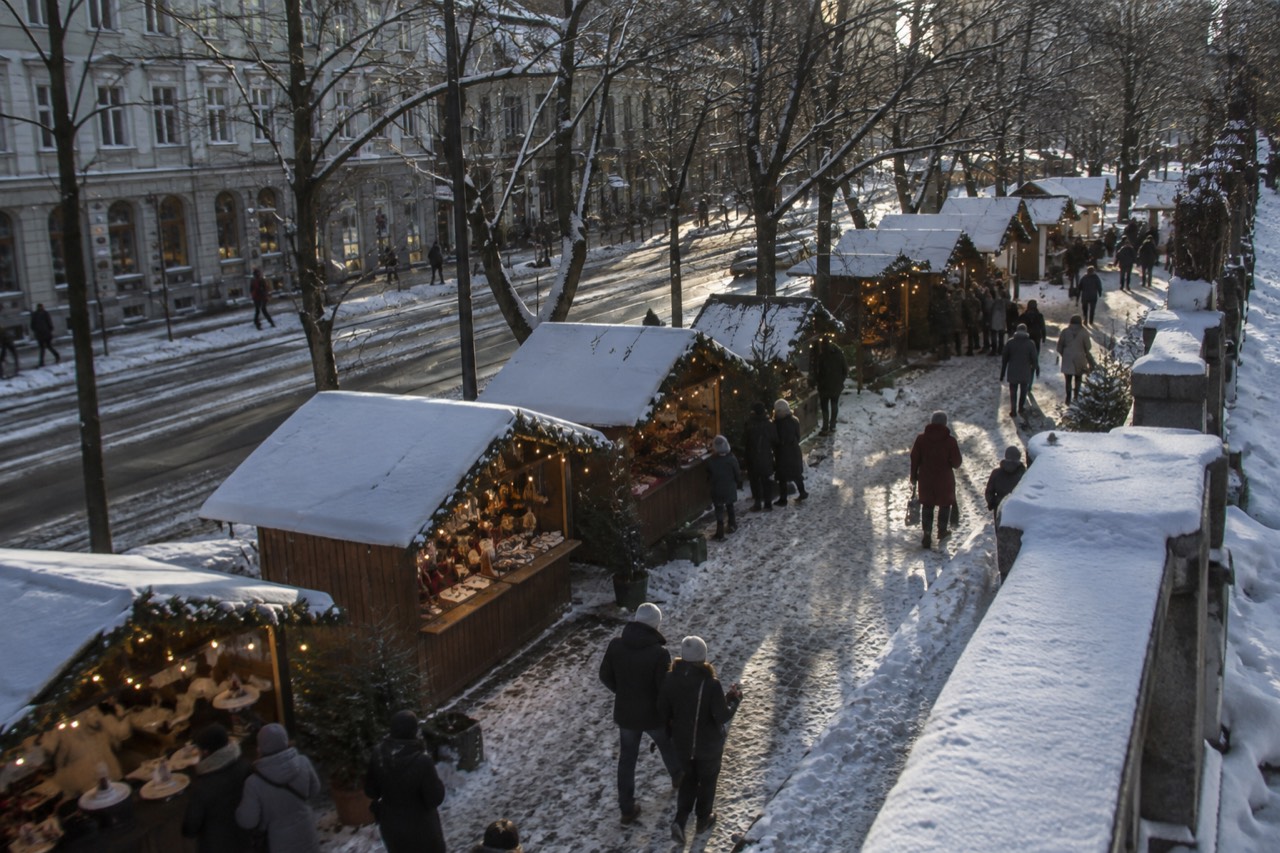
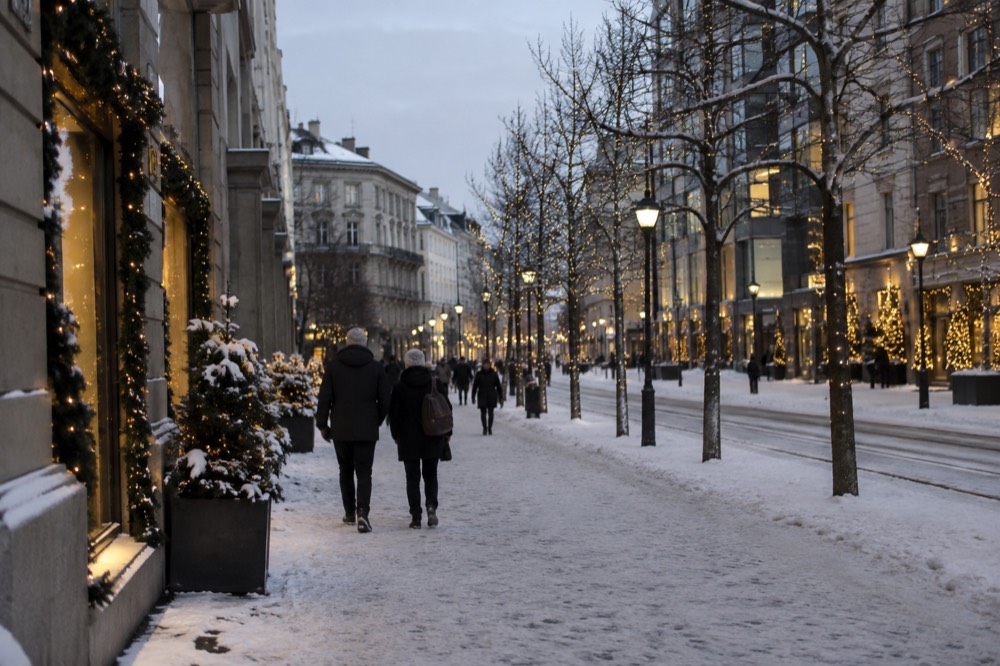
The market in Oslo every December is a modest thing by continental standards, and that is part of its charm. Where German markets sprawl across whole quarters, Oslo concentrates its Christmas into a compact strip of wooden stalls in the city center, wrapped around an outdoor skating rink and backed by the glow of Karl Johans gate. The city around it does the heavy lifting: museums that stay open into the dark afternoons, a fjord that looks its best in early dusk, and forest edges that begin a metro ride from the center.
December is also the month that punishes unplanned visitors. Daylight shrinks to under six hours, temperatures sit below freezing on the normals, and the price of a warming drink reflects Norway's position among Europe's most expensive countries. This guide covers the market itself, what a December day in Oslo realistically costs, and the winter experiences worth booking around it.
Where Is the Oslo Christmas Market and When Does It Run?
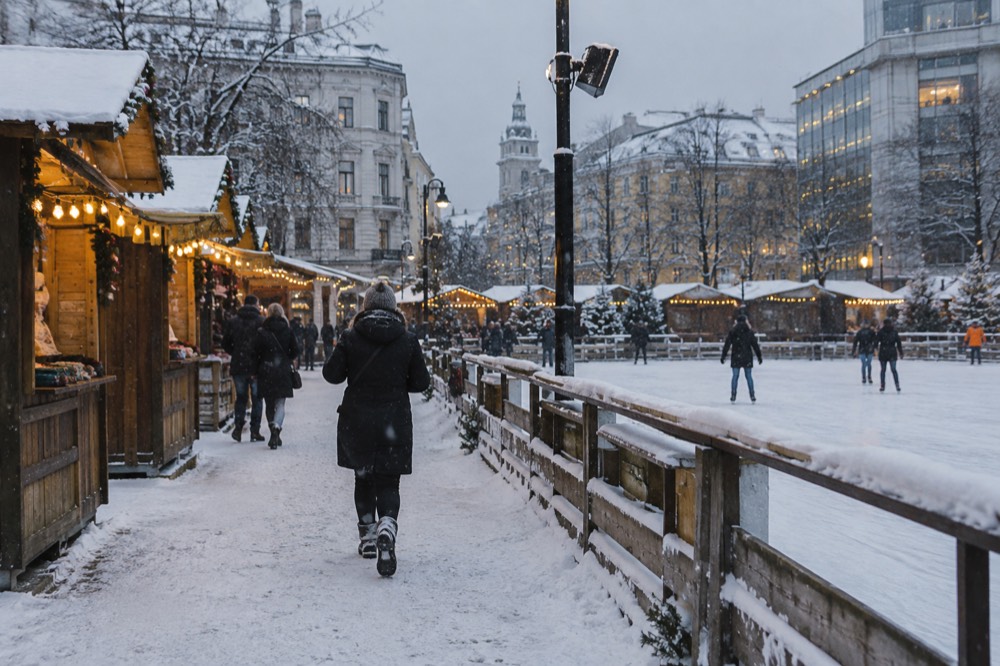
The main Oslo Christmas market sits at Spikersuppa, the outdoor skating rink next to the National Theatre end of Karl Johans gate, and it runs through the Advent season, typically from late November until just before Christmas Eve. Entry is free, the rink beside it is the anchor, and the whole thing is walkable from almost anywhere central in under twenty minutes. Confirm exact dates on the market's own page before building an itinerary around them.
The location is the market's best feature. Spikersuppa sits in the middle of the axis that runs from Oslo Central Station up Karl Johans gate, past the Cathedral and the Parliament building, to the Royal Palace at the top of the hill. A visitor can walk the entire length in about twenty minutes at a December pace, and the market sits almost exactly halfway along it. That makes it easy to fold into a day that also takes in the Cathedral, the Palace grounds, or the National Gallery-adjacent museums without any transport at all.
Smaller satellite stalls and pop-ups appear elsewhere in the city in most years, around Aker Brygge's waterfront and in some of the neighborhood squares further out, but the Spikersuppa strip is the one people mean when they say "the Christmas market." Treat the others as bonuses you stumble across rather than targets.
One honest caveat: this is a market you experience in an hour or two, not a full afternoon. The stall count is modest, and the cold is real. The visitors who enjoy it most arrive around the time the Christmas lights come on, do a slow loop with something hot to drink, skate a few laps if the rink is running, and then move on to a museum, a restaurant, or one of the winter experiences the city does better than any market stall could.
If you want the fullest picture of the city in this season, our longer Oslo in December planning guide covers daylight, weather, and packing in depth, and the general guide to winter in Oslo covers the season as a whole.
The trio above is the shortlist this site would actually book for a December trip: a torchlit forest walk with a campfire, a half-day learn-to-ski session that only a capital this close to its own forest can offer, and a timed museum ticket for the dark afternoons. More on each below.
How Much Does the Oslo Christmas Market Cost?
Entry to the market is free, but everything inside it is priced for one of Europe's most expensive countries: Statistics Norway's 2025 price-level survey puts overall household prices 28.6% above the EU average, with food and non-alcoholic drinks 33% above and alcohol and tobacco more than double the European average. Budget for a market visit the way you would budget for a restaurant stop, not a bargain hunt, and eat before you go if the budget is tight.
The numbers behind that are worth knowing because they shape every December decision in this city. Norway ranked as the sixth most expensive country in Europe on SSB's 2025 purchasing-power comparison. Alcohol is the extreme case, which is why a mug of gløgg or a beer at a market stall costs what a full dinner might cost further south, and why so many arriving visitors stop at the airport duty-free shop before the train into town.
A few verified reference points for planning a December day around the market:
| Item | Typical figure | Note |
|---|---|---|
| Market entry | Free | No ticket, open access |
| Outdoor skating at Spikersuppa | Modest per-session fee | Skate rental extra; confirm current prices on site |
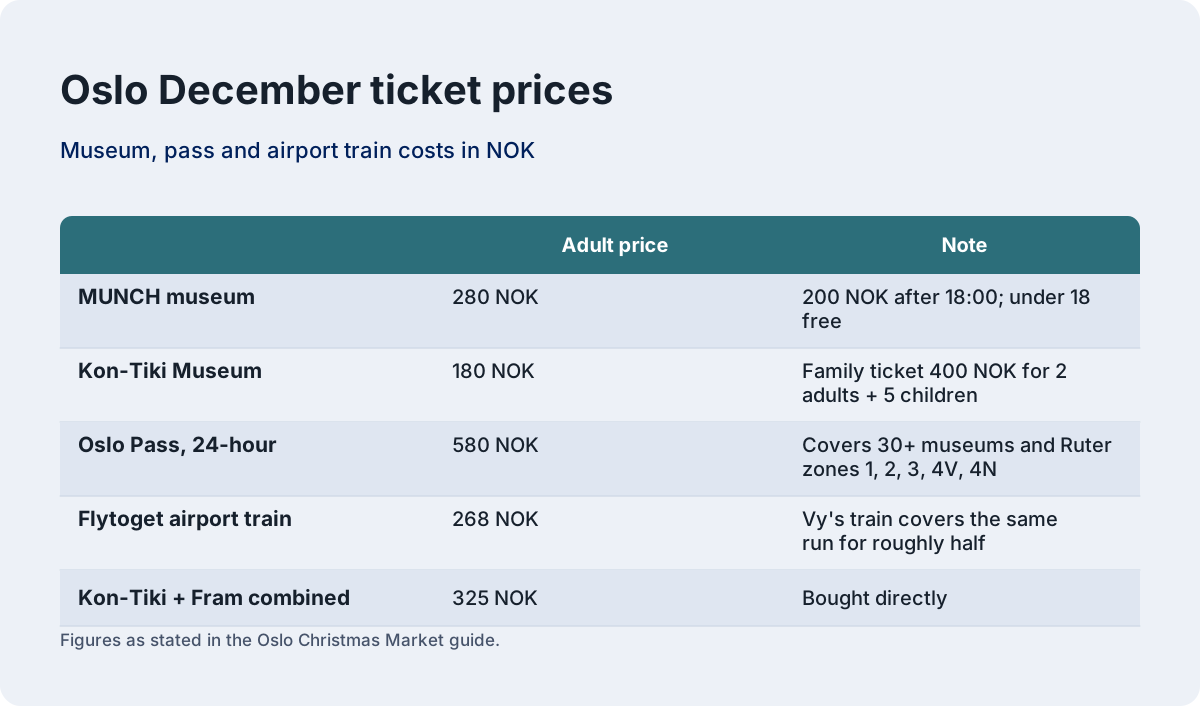
| MUNCH museum, adult | 280 NOK | 200 NOK after 18:00; under 18 free |
| Kon-Tiki Museum, adult | 180 NOK | Family ticket 400 NOK for 2 adults + 5 children |
| Oslo Pass, 24-hour adult | 580 NOK | Covers 30+ museums and all Ruter transport zones 1, 2, 3, 4V, 4N |
| Flytoget airport train, adult single | 268 NOK | Vy's train covers the same run for roughly half |
The pass math is genuinely worth doing in December, because the dark afternoons push visitors indoors. Three Bygdøy museums at full price already total 560 NOK against a 580 NOK 24-hour pass that also carries all your city transport, including the trains to and from the airport if you ride Vy rather than Flytoget. Our is the Oslo Pass worth it page runs the full break-even calculation, and the Oslo Pass guide lists what is covered.
Money in general is Norway's own: the krone, not the euro, and cards are accepted almost everywhere, including market stalls. Norway is in the Schengen Area but not in the EU, in the EEA via EFTA, so duty-free allowances and VAT refunds work differently than they do inside the Union. Our currency and cash guide covers the details.
Before you write the whole trip off as unaffordable, remember where Oslo is not unusually expensive: museums, public transport, and the outdoors, including the market itself and the skating rink, are either free or modestly priced. The damage concentrates in alcohol and restaurants, and those are the two categories a visitor can consciously ration.
What Should You Eat and Drink at the Market?
The market food is classic Norwegian winter fare: grilled sausages, reindeer and elk meat served in flatbread or with mashed peas, goro and pepperkaker cookies, roasted almonds, and gløgg, the Scandinavian mulled wine, with or without alcohol. Prices are high by any standard, portions are generous, and the honest strategy is one or two treats at the stalls and a proper meal elsewhere.
The sausage stand is the workhorse of every Norwegian market, and it is a better deal than most of what surrounds it. Reindeer meat, served in a soft flatbread with lingonberry, is the one item that is genuinely hard to find done well outside Scandinavia, and it is the thing to spend your market food budget on. Sweet options cluster around pepperkaker, the thin ginger cookies, and the caramelized almonds that come in paper cones.
The drink situation deserves a plain warning. A mug of gløgg at a Norwegian market is priced in line with the country's alcohol taxes, and SSB's survey puts alcohol and tobacco at more than double the European average. The non-alcoholic version, often with a raisin and almond floating in it, costs meaningfully less and tastes nearly identical. If you want the alcoholic kind, decide it is a splurge before you order rather than after.
Beyond the market, December is a good month for Oslo's indoor food culture. The Mathallen food hall in Vulkan offers dozens of counters under one roof, and our where to eat in Oslo and cheap eats guides cover the full range from budget to splurge. The price of beer in Oslo page explains exactly why that gløgg costs what it does.
One rule that catches visitors out: the Vinmonopolet state monopoly is the only place to buy wine and spirits for home consumption. It is closed every Sunday and on public holidays, closes early on Saturdays, and hours vary by store. Supermarkets sell only beer and cider up to 4.7% ABV, with a fixed evening cut-off on sales. If you want a bottle for a Christmas gathering, buy it on a weekday.
How Dark and Cold Is Oslo in December?
Oslo in December is genuinely dark: on the winter solstice the sun rises at 09:18 and sets at 15:11, giving 5 hours 53 minutes of daylight, and the normals put the mean temperature at minus 1.4 degrees Celsius (about 29 Fahrenheit) with 54 mm of precipitation. None of this is a reason to skip the city, but it is a reason to plan around light rather than ignore it.
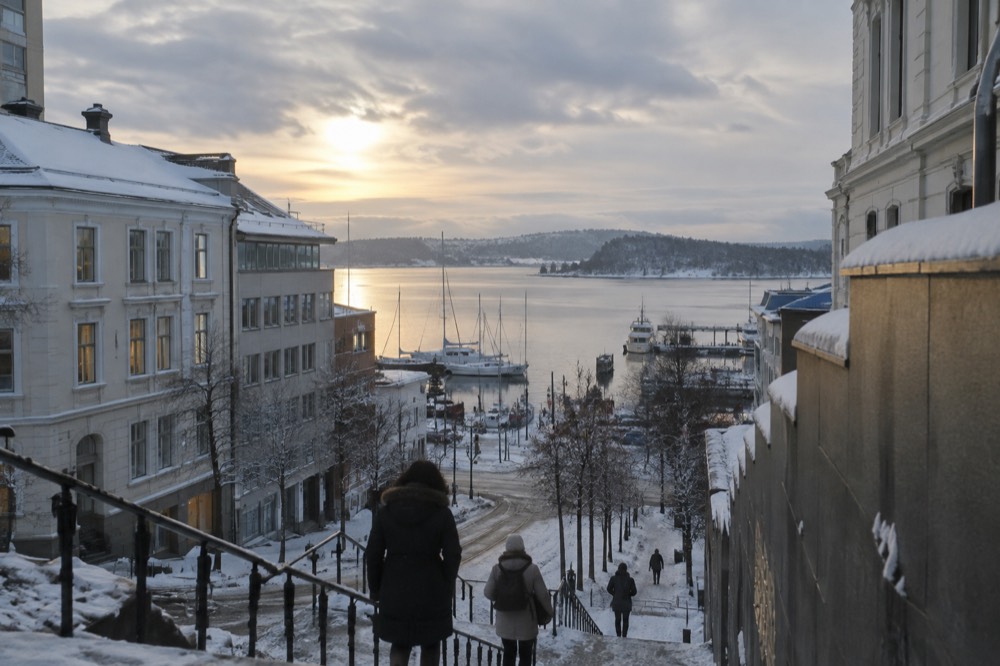
The daylight swing in Oslo is extreme. The same city that gets 18 hours 50 minutes of daylight on 21 June, with the sun setting at 22:43 and never full darkness after, gives you under six hours of light in late December. There is no midnight sun at this latitude, 59.91 N, and there is equally no escaping the short days in winter. The compensation is that a December city looks its best in the two hours either side of noon, when low sun rakes across the Oslofjord and the Christmas lights carry the rest of the day.
| Date | Sunrise | Sunset | Day length |
|---|---|---|---|
| 15 December | ~09:10 | ~15:20 | ~6 h 10 m |
| 21 December | 09:18 | 15:11 | 5 h 53 m |
| 5 January | ~09:05 | ~15:30 | ~6 h 25 m |
| 15 January | 09:04 | 15:49 | 6 h 45 m |
All solstice times are from MET Norway's own sunrise data for Oslo's coordinates, and the pattern they show matters more than the individual numbers: the deepest dark is short, and by mid-January the city is already gaining almost an hour of light back. December visitors who arrive late in the month get measurably more day than those who arrive in the first week.
On temperature, the 1991 to 2020 normals from MET Norway's Blindern station put December's mean at minus 1.4 °C, January at minus 2.3 °C, and February at minus 2.0 °C. Recent winters have swung widely: the 13 months to August 2026 recorded a low of minus 17.2 °C one January day and a high of 32.9 °C the following July. Pack real winter layers, a hat, and shoes with grip, because pavements around the market can be ice-slicked. Precipitation in December averages 54 mm, and August, not a winter month, is actually Oslo's wettest on the normals at 103 mm, a fact that surprises most visitors.
The practical consequence of all this is scheduling. Museums, the MUNCH museum most prominently, stay open into the evening, and that is the correct order of a December day: outdoors at midday, indoors after 15:00, market stalls under the lights from late afternoon. Our Oslo daylight hours and weather by month pages carry the full tables.
What Winter Experiences Are Worth Booking Around the Market?
The three December products this site recommends without hesitation are a torchlit forest walk with a campfire, a half-day learn-to-ski session in the hills above the city, and a pre-booked museum ticket for the dark hours, because Oslo is the only European capital where all three sit inside the city limits. The market fills an evening; these fill a trip.
The torchlit forest walk is the signature one. It runs three and a half hours into the forest edge that begins at the end of a metro line, with torches, a campfire, and the particular silence of a Norwegian winter night. It is the product that most directly answers what visitors from warmer latitudes imagine when they picture a Nordic December, and the reviews run consistently high.
The learn-to-ski half-day is the product that exists nowhere else in quite this form. Oslo's metro climbs from the center into Nordmarka, the forested hill country whose groomed trails are maintained by the Skiforeningen association, and a beginner can be standing on skis within half an hour of leaving the city center. Norway invented this sport as a practical means of travel, and a half-day on a beginner slope is a more authentic Norwegian experience than any market stall.
Museum tickets are the third pillar, and pre-booking one for the late afternoon is the single best scheduling move in December. The Kon-Tiki Museum ticket is the best-reviewed museum entry in the city on either platform, and the museum sits on Bygdøy alongside the Fram Museum, whose ticket pairs with it at a combined 325 NOK bought directly. A full Oslo museum day itinerary covers how to sequence them.
A few December realities to plan around:
| Experience | Duration | Best time of day in December | Why |
|---|---|---|---|
| Christmas market | 1-2 hours | After 16:00 | Lights on, done before the cold bites |
| Torchlit forest walk | 3.5 hours | Late afternoon into evening | Dark is the point |
| Learn-to-ski half-day | 3.5 hours | Morning | Faint daylight on the slopes |
| Museums | 1-3 hours each | After 15:00 | Sunset ends outdoor time |
| Fjord cruise | 1.5-2 hours | Midday | The only light on the water |
The fjord deserves a word even in December. The electric silent boats and the traditional wooden sailing ships run through the winter, and a 90-minute cruise at midday is one of the few ways to see the Oslofjord in what light December offers. Our Oslofjord cruise guide compares the options.
Two things do not exist, and no listing should tempt you to believe otherwise: there are no northern lights tours from Oslo, because the aurora is genuinely rare at 59.9 N and the honest answer is Tromsø as a separate trip, and there are no husky sledding products from the city. Our northern lights in Oslo page takes the honest line on this.
Can You Skate, Ski, and Shop in Oslo at Christmas?
Yes to all three, with caveats: the Spikersuppa rink beside the market rents skates for a modest fee, real cross-country skiing starts at the top of metro Line 1 at Frognerseteren where Skiforeningen grooms the Nordmarka trails, and the city's serious shopping runs from Karl Johans gate to the boutiques of Grünerløkka and the malls at Oslo City and Byporten, all open through December except on the public holidays.
Skating at Spikersuppa is the activity the market was built around. The rink predates the stalls in the affections of locals, and an evening lap under the lights with the Parliament building lit behind you is one of the free-or-cheap December pleasures this city does well. Arrive early evening on a weekday for the shortest rental lines.
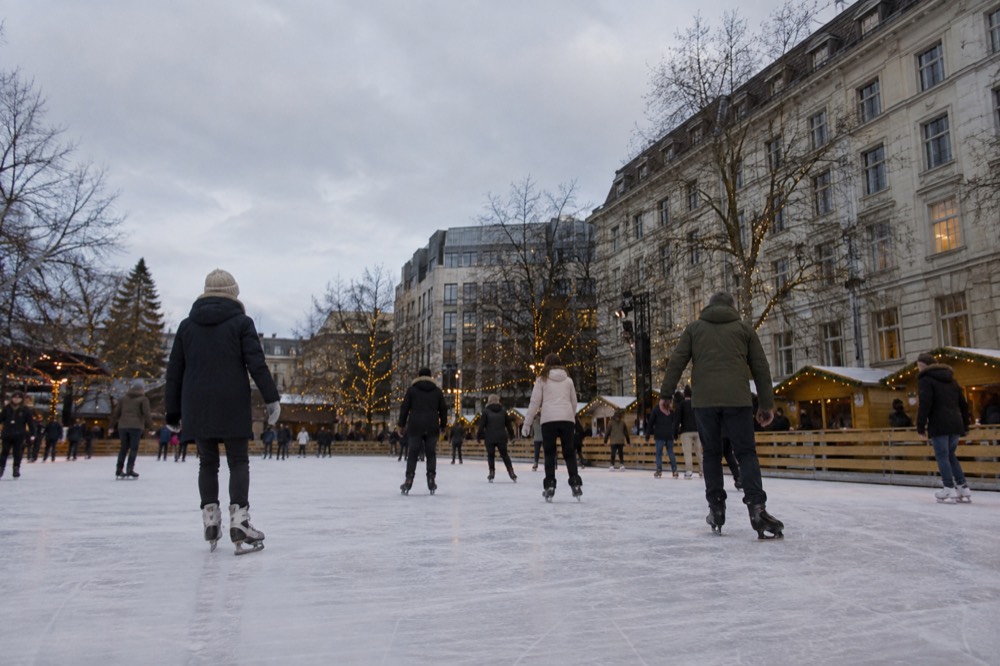
Skiing is the deeper December experience, and Oslo makes it absurdly accessible. Metro Line 1 terminates at Frognerseteren, roughly 15 to 20 minutes from the center, and from the station the groomed trails of Nordmarka begin almost at the platform. Snow depth varies through the season, and Skiforeningen publishes live trail and snow-depth reports that are the correct source for conditions on any given day. For downhill, Oslo Vinterpark at Tryvann sits on the same metro line, and our skiing near Oslo guide covers both disciplines in full.
Shopping is the third pillar, and December is its peak. Norwegian knitwear, wool socks, brown cheese, and trolls remain the honest souvenir list, covered in detail on our Oslo shopping and souvenirs pages. One planning note that matters: Norwegian shops close early on Christmas Eve and stay shut on Christmas Day and Boxing Day, and many close or shorten hours on the Sundays of Advent. The market's own schedule usually extends closer to the holiday than the shops around it, but confirm the final week's hours before promising anyone a shopping day.
| Activity | Where | December access |
|---|---|---|
| Outdoor skating | Spikersuppa rink | Beside the market, skate rental on site |
| Cross-country skiing | Nordmarka from Frognerseteren | Metro Line 1, groomed trails |
| Downhill skiing | Oslo Vinterpark, Tryvann | Same metro line, season-dependent |
| Boutique shopping | Grünerløkka | Walkable or a short tram ride |
| Mall shopping | Oslo City, Byporten | At Oslo Central Station |
What Is the Best One-Day December Plan in Oslo?
Start with daylight outdoors: a midday fjord cruise or the short walk from the Opera House roof down to Aker Brygge, then museums from 15:00 when the sun sets, then the market under its lights from around 16:00, then dinner, and if you have the energy, the torchlit forest walk as the finale. The order exists because of the light, and every element of it can be reached without a car.
The morning belongs to the brightest hours. The Opera House roof is free to walk on and faces directly into the fjord, and the waterfront from there to Aker Brygge is a flat, pleasant 20-minute stroll even in December. A midday fjord cruise fits the same window, and the electric boats run heated cabins with outdoor decks for the brave.
At 15:00 the sun sets and the day pivots indoors. The National Museum, which holds The Scream, and MUNCH are the two flagship art museums, and both sit within reach of the center. MUNCH's evening ticket at 200 NOK after 18:00 is one of the better value moves in the city, and the building itself, with its top-floor views over the Oslofjord, is worth the visit even before the art. Our MUNCH museum guide covers it in full.
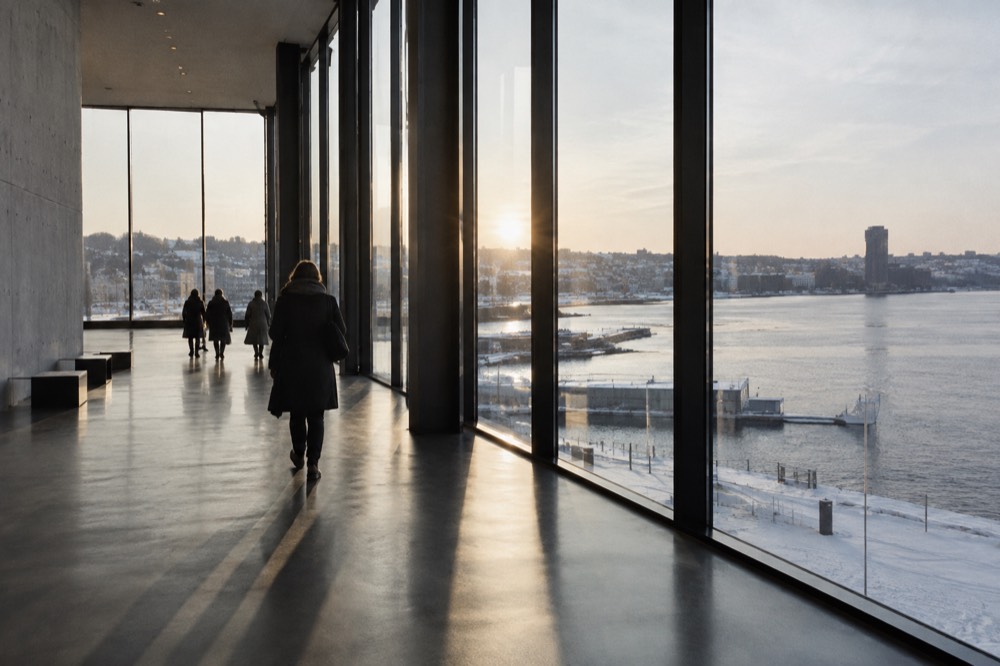
From around 16:00 the market is at its best, lights on and the after-work crowd arriving. An hour there, an hour at the rink, and then dinner. December is high season for Oslo's restaurants, so book ahead, and our best restaurants guide is the place to start.
For visitors with only a stopover rather than a day, the one day in Oslo itinerary compresses the same logic, and the Oslo cruise port day version handles the shore-excursion case, where the market is often the single most requested stop.
What Should You Know Before You Go?
Four things decide whether a December Oslo trip works: the daylight budget, the price level, the Sunday closures, and the airport train choice. Plan the daylight, accept the prices, buy anything essential before Sunday, and take the Vy train rather than Flytoget unless speed is worth double the fare. Each of these has a detail most guides skip.
The airport train detail is the highest-value money fact in this guide. The Oslo Pass covers the train to and from Gardermoen, but only the Vy train, not Flytoget and not the Flybussen coach. Flytoget costs 268 NOK adult one way and covers the run in about 20 minutes; Vy's trains take about 23 minutes and cost roughly half. Both are covered in detail on our Flytoget vs Vy and airport to city pages.
The Sunday closures are the second trap. Beyond Vinmonopolet's Sunday closure, most Norwegian supermarkets operate reduced Sunday hours, and the museum schedule thins as well. A Sunday arrival should be planned around the outdoor sights and the handful of museums that do open, with the market itself usually running.
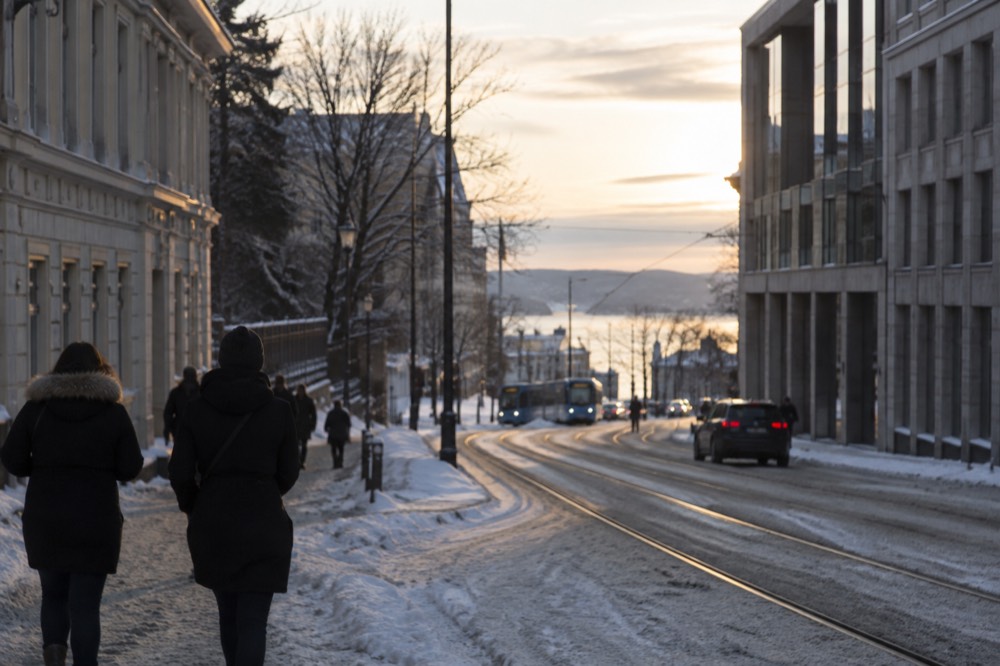
Clothing is the last piece. Layers, a windproof outer, and shoes with real sole grip matter more than the heaviest single coat, because the city involves constant indoor-outdoor transitions: heated museums, cold streets, heated boats, cold platforms. Norwegians dress to shed, and visitors in one enormous parka spend their museum hours sweltering.
A pre-booked Kon-Tiki ticket is the piece of the December plan that removes the most risk: it locks a warm, well-reviewed indoor hour into the part of the day when the weather no longer cooperates, and it pairs naturally with the Fram Museum next door for a full Bygdøy afternoon.
If you are still assembling the trip, the three products this guide keeps coming back to are below: the torchlit forest walk for the evening, the learn-to-ski half-day for the morning, and the museum ticket for the dark hours. Together with the market itself they make a complete December day in Oslo, and every one of them can be checked on its live listing before you commit.
Common Questions About the Oslo Christmas Market
Is the Oslo Christmas market worth visiting?
Yes, with the right expectations. It is compact, free to enter, and atmospheric, best treated as a one-to-two-hour evening stop rather than a full-day destination. Visitors who pair it with skating, museums, and a winter experience like the torchlit forest walk rate their December trips far higher than those who come for the market alone.
When does the Oslo Christmas market open?
The market typically opens in late November and runs through the Advent season until just before Christmas Eve. Exact dates and daily hours shift slightly each year, so check the market's own page for the current season before planning your itinerary around it.
How much does it cost to go to the Oslo Christmas market?
Entry is free. What costs money is everything inside: food, drinks, and skating rental, all priced at Norwegian levels, where SSB's 2025 survey puts overall prices 28.6% above the EU average and alcohol more than double the European average. Budget the visit like a restaurant stop, not a free event.
Is it dark all day in Oslo in December?
No, but daylight is short. On the winter solstice the sun is up from 09:18 to 15:11, 5 hours 53 minutes in total. There is no midnight sun in Oslo at any time of year, and in winter the flip side is real darkness by mid-afternoon, which is why the smart December plan puts museums after 15:00.
Does the Oslo Pass work for the Christmas market?
The market itself is free, so no pass is needed there. Where the pass earns its keep in December is museums and transport: the 24-hour adult pass at 580 NOK covers more than 30 museums plus all Ruter zones, including the Vy trains to and from Gardermoen airport, but not Flytoget.
Can you buy alcohol at the Oslo Christmas market?
Yes, the stalls sell gløgg, the Scandinavian mulled wine, both alcoholic and non-alcoholic, but at prices that reflect Norway's alcohol taxes, more than double the European average on SSB's survey. The non-alcoholic version costs meaningfully less and is the budget move. For bottles to take home, Vinmonopolet is the only shop, and it is closed on Sundays.
For everything this site publishes about the city, start with the things to do in Oslo overview, and for the December specifics our Oslo in December guide is the companion piece to this one. This page was prepared by the editorial desk at Oslo Travel Guide, with every price and figure drawn from the official sources cited in our research files.