Why Is the Oslo Viking Museum Closed?
The Viking Ship Museum on Bygdøy shut in 2021 so a bigger Museum of the Viking Age could be built around its ships. Here is what closed, what replaced it, and what to see until 2027.
Why Is the Oslo Viking Museum Closed?
Why Is the Oslo Viking Museum Closed?
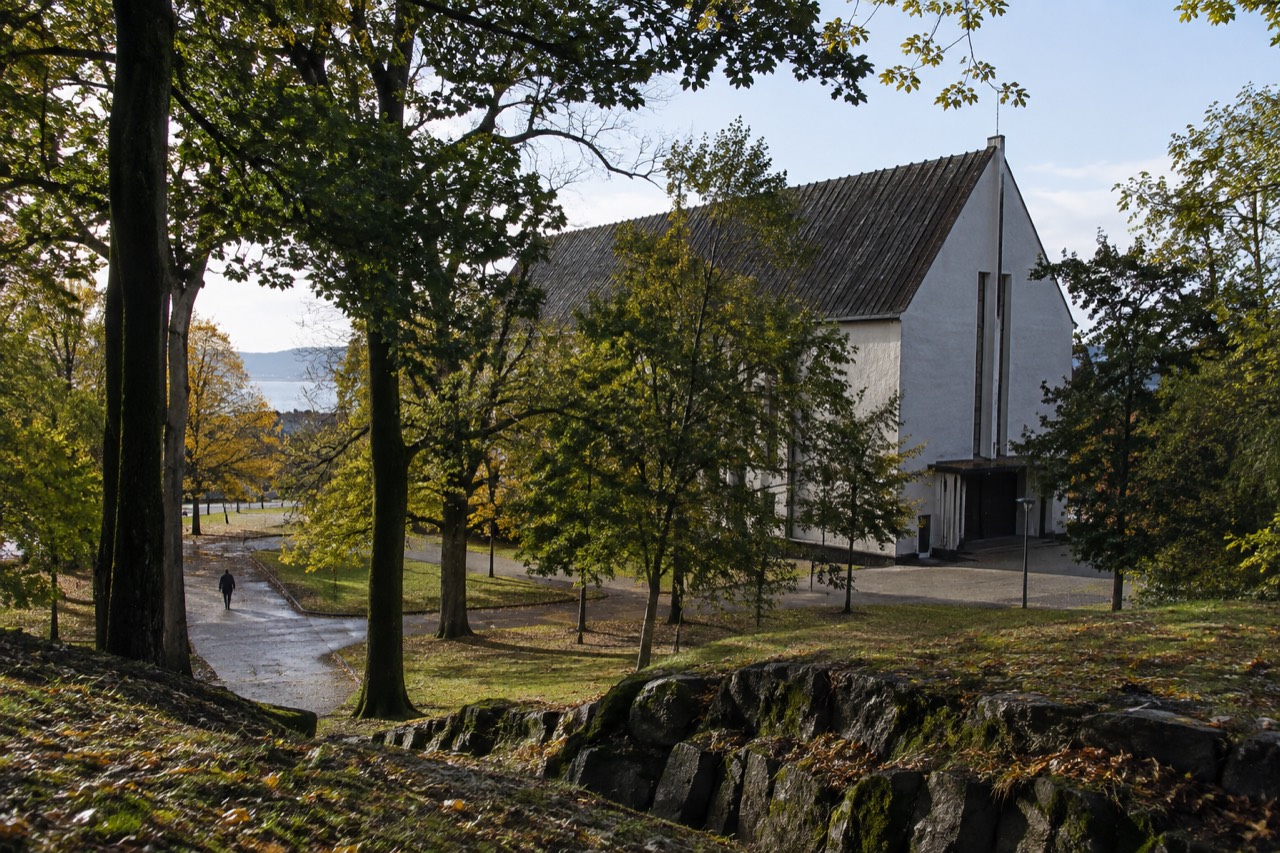
The Viking Ship Museum on Bygdøy closed on 1 October 2021 because the building could no longer hold its own success. The three ninth-century ships, the sledges and the thousands of grave goods needed a purpose-built structure roughly four times larger, so the old museum was emptied and a new Museum of the Viking Age was built around them, with reopening planned for 2027.
The closure catches almost every visitor out, and the numbers explain why it keeps happening. The search phrase for the old museum still carries thousands of searches a month, all of it pointed at a building with a fence around it. People plan their Oslo day around a museum that has not sold a ticket in years, and some of them arrive at the gate before anyone tells them otherwise. The museum's own site now states it plainly: the former Viking Ship Museum is closed, and the page exists mainly to redirect disappointed visitors toward what they can still see.
The old museum was small. It was built for one ship, the Oseberg, and then stretched over the decades to hold two more, the Gokstad and the Tune, plus the sledges, wagons, beds and animals excavated from the same burial mounds. The galleries were tight, the crowd flow was poor, and in peak summer the queue ran down the drive toward the water. The University of Oslo, which runs the museum, decided the honest answer was a new building rather than another patch, and that decision is what a visitor standing at the fence today is actually looking at.
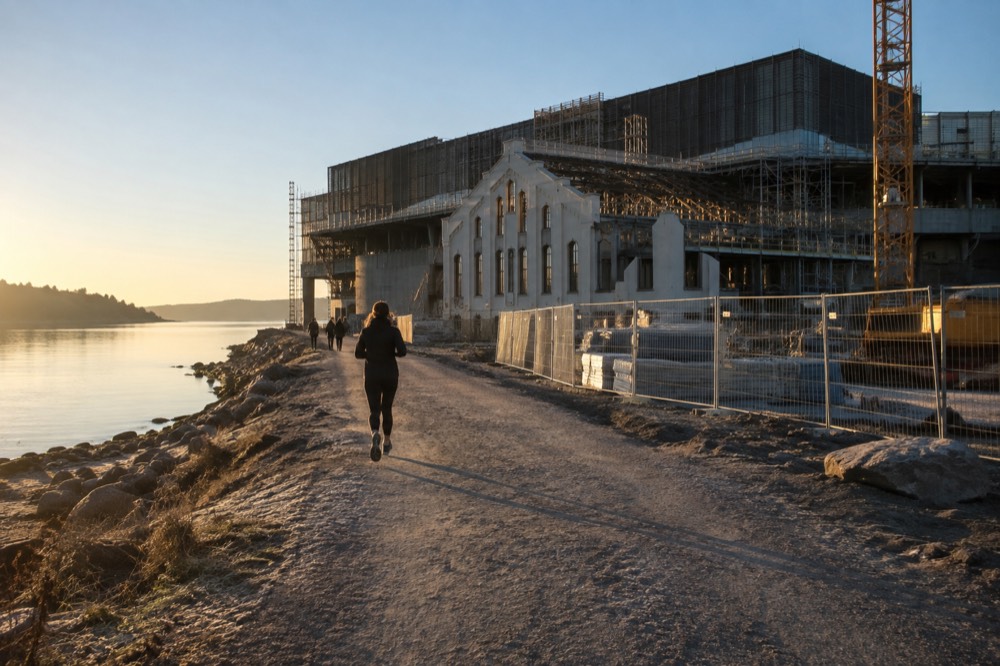
So the closure is not a renovation in the usual sense, the kind where a wing shuts and the rest stays open. It is a demolition of the interior and the construction of an entirely new museum on the same spot, wrapped around the old facade, on a peninsula that also holds the Fram Museum, the Kon-Tiki Museum, the Norwegian Maritime Museum and the Norsk Folkemuseum. The ships never left Bygdøy. They moved a few hundred meters, inside the new structure, and they are being kept in museum-standard conditions the whole time they wait for their galleries.
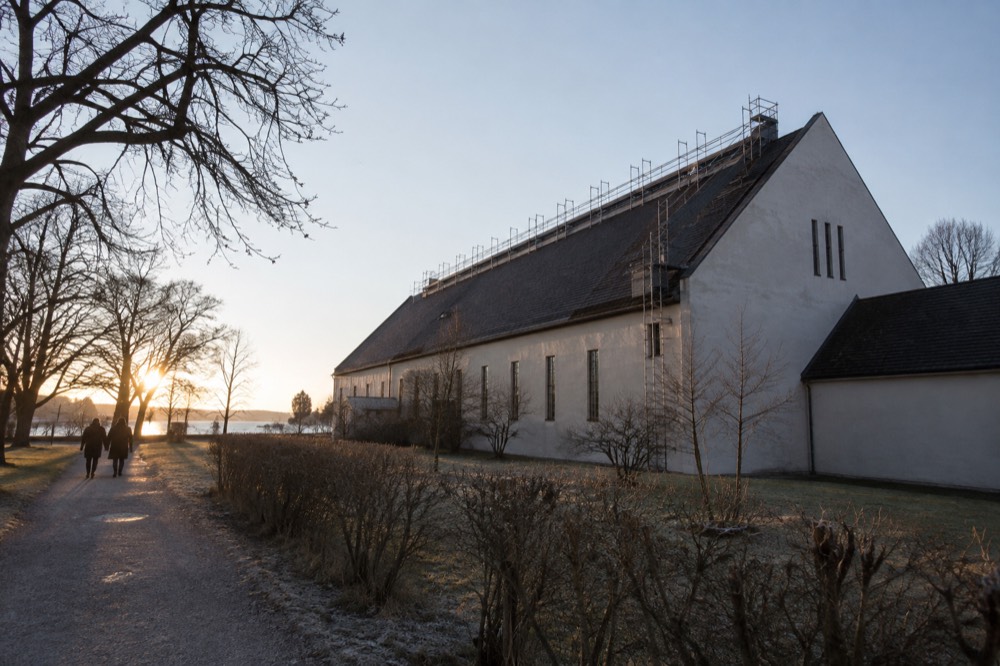
The scale of the project is worth spelling out, because it explains why the closure has taken this long. More than 5,000 objects had to be conserved, documented and moved. The old building itself is protected, which means its shell had to be stabilized and worked around rather than cleared. A purpose-built conservation hall received each ship in turn, in order of size, ending with the largest. None of that can happen with visitors walking through the middle of it, which is the plainest reason the doors shut and stayed shut.
When Will the Museum of the Viking Age Reopen?
The official wording from the museum is that it "will reopen as the Museum of the Viking Age in 2027." No month has been confirmed, and the museum has repeatedly declined to publish one, because funding and the remaining conservation work could still move the date. Any guide quoting a specific opening day is guessing.
The name change matters as much as the date. The old museum was called the Viking Ship Museum because it was, at heart, three ships in a hall. The new institution is the Museum of the Viking Age, a wider brief covering the whole period, its people, its crafts and its reach, with the ships as the anchor rather than the entire story. If you find an old bookmark or an old guidebook, both names point to the same place on Bygdøy.
| Milestone | What happened | Why it matters |
|---|---|---|
| 1 October 2021 | The Viking Ship Museum closes to visitors | The buildings and the collections could not be worked on with the public inside |
| The years after closure | Archaeological and conservation work on the grave goods | Over 5,000 objects conserved, documented and prepared for the move |
| September 2025 | The Oseberg ship is moved into the new structure | The most fragile and most famous of the three ships, moved with a custom support cradle |
| Late 2025 | The Gokstad ship follows | The second of the three burials rehoused |
| February 2026 | The Tune ship is moved | All three ships are now inside the Museum of the Viking Age |
| 2027 | Planned reopening | The museum's own site states the year and no month |
The honest planning advice is to treat 2027 as a year, not a season. Museum projects of this size in Norway have slipped before, and the remaining work includes fitting out more than 5,000 objects into new galleries while the protected old building is rehabilitated around them. If your trip is in the first half of 2027 and the Viking museum is the reason you are going, book the parts of your Oslo plan that exist today, and keep the new museum as a bonus rather than the anchor of the trip. That framing costs you nothing if the museum opens on schedule, and it saves your trip if the date slides.
It is also worth knowing how to check. The museum's own English-language site is the single source that carries the reopening commitment, and it is the page every other guide is paraphrasing, often badly. Read it directly before you lock flights, because a paraphrase published a year ago may already be stale, and the paraphrases are exactly where invented months tend to creep in.
You can read the full story of the site and the rebuild on our page about the Museum of the Viking Age, which is kept updated as the project moves.
What Can You See Instead While It Is Closed?
The Viking answer in Oslo today splits in two: Viking Planet, a purpose-built interactive Viking experience with VR films, covers the story the closed museum used to tell, and the Historical Museum in the city center holds real Viking Age objects that were never on Bygdøy. Neither has the three ships, because the ships are locked inside the building site until 2027.
Viking Planet is the closest thing to a bookable Viking attraction in the city. It sits away from Bygdøy, runs on timed entry, and builds its hour or two around a VR film of a raid, a reconstruction of a hut interior you walk through, and screens covering weapons, ships and daily life. It is a modern experience rather than an artefact collection, and reviews from families are consistently warm, but visitors hoping to stand in front of the Oseberg ship should not confuse the two products. This is the one to book if the closed museum has left a Viking-shaped hole in your itinerary, especially with children in tow, who tend to rate the VR far above a glass case of carved wood.
The Historical Museum, on the same ticketing system as the university museums, is the place to see real Viking Age metalwork, jewellery and weapons in central Oslo while Bygdøy waits. The museum's own site points visitors there explicitly for the period. Its admission price was not confirmed in our latest research pass, so check the venue's own page before you go rather than trusting a number printed in a guide. It is a short walk from the Royal Palace end of the city center, which makes it easy to fold into a day that also takes in Karl Johans gate and the National Museum.
Beyond the Viking period itself, the rest of the Bygdøy peninsula is fully open and unaffected. The Fram Museum, with the whole polar ship inside it, is one of the most immersive museum buildings in the Nordics, and you can walk the deck. The Kon-Tiki Museum, next door, holds the balsa raft Thor Heyerdahl sailed across the Pacific. Both sit at the Bygdøynes ferry stop, a few minutes' walk from each other, and both are covered by the Oslo Pass, which means the peninsula still rewards a half-day even without its headline attraction.
| Alternative | What you get | Where it is | Admission |
|---|---|---|---|
| Viking Planet | VR Viking film, reconstructed hut, interactive displays | Central Oslo, off the peninsula | Ticketed experience, timed entry |
| Historical Museum | Real Viking Age objects, metalwork and weapons | City center, near the Royal Palace | Confirm on the museum's own site |
| Fram Museum | The complete polar ship Fram, plus exhibits | Bygdøynes, Bygdøy | 180 NOK adult |
| Kon-Tiki Museum | Heyerdahl's rafts and the expeditions | Bygdøynes, next to Fram | 180 NOK adult |
| Norsk Folkemuseum | Open-air Norwegian buildings and folk culture, plus some Viking Age items | Dronningen, Bygdøy | 200 NOK adult, children free |
Where Are the Viking Ships Now?
All three ships, the Oseberg, the Gokstad and the Tune, have been moved out of the old galleries and into the new Museum of the Viking Age structure on the same site. They are a few hundred meters from where visitors used to see them, inside a conservation hall the public cannot enter, awaiting the galleries being built around them.
The moves were engineering events in their own right. The Oseberg ship, excavated from a burial mound near Tønsberg, is oak that has been slowly weakening for over a thousand years, and it could not simply be lifted. The team built a custom support cradle, moved it in September 2025, and streamed the operation. The Gokstad ship followed in October and November 2025. The Tune ship, the least complete of the three, went in February 2026, which closed the sequence.
The Oseberg sledges, some of the finest carved wood surviving from the period, moved with the collection. The grave goods, the textiles, the wagons and the animal remains all passed through conservation first, object by object, which is the real reason the project consumed years before a single ship was shifted. Conservation of waterlogged and mineral-preserved wood is slow chemistry, not moving day, and the timetable of the whole rebuild has been set by that work more than by construction itself.
Nothing in the old museum was thrown away or dispersed. Every object from the three burials is accounted for and is destined for the new galleries. The closure emptied the building; it did not dismantle the collection.
Is the New Museum of the Viking Age Worth Planning a Trip Around?
Not yet, and not for 2026. Until the museum names an opening month, the honest move is to build your Oslo trip on what is open today, the fjord, the peninsula museums, the city center, and treat the new Viking museum as a reason to come back. Visitors who anchor a 2026 trip on it will be standing outside a fence.
That said, this is shaping up to be one of the significant museum openings in Northern Europe. A national collection of three ninth-century ships, displayed with modern conservation behind them and four times the floor space, does not exist anywhere else. Norwegians treat these three vessels the way other countries treat crown jewels, and the moving operations were covered as national news, streamed live and discussed for days. When it opens, the museum will be a genuine anchor attraction, and Bygdøy will need a full day rather than a half.
If you are deciding between Oslo and another Nordic capital for a 2027 trip onward, the opening is a real point in Oslo's favor. Check the museum's own site late in 2026 for a confirmed date before you book anything, because our guide to the Museum of the Viking Age can only carry the year the museum has published. Anyone promising more than that is filling a silence with a guess.
How to Visit Viking Oslo Today
Plan a Bygdøy half-day around Fram and Kon-Tiki, add the Historical Museum or Viking Planet in the center for the Viking story, and get to the peninsula by ferry from Rådhusbrygge 3 in season or bus 30 year-round. The Bygdøy ferry takes an Oslo Pass but not a Ruter ticket, and the two systems are separate, which is the detail that catches people out.
The Bygdøy ferry runs only from mid-March to early October, departs from Rådhusbrygge 3 at the City Hall pier, and stops at Dronningen for the Norsk Folkemuseum and at Bygdøynes for the Fram and Kon-Tiki cluster. A regular Ruter ticket is not valid on it, though the Oslo Pass covers it, and the fare is paid to the operator. Outside the ferry season, Ruter bus 30 runs to the museums year-round on an ordinary ticket, which is the answer for anyone visiting between October and March.
On the peninsula, the Kon-Tiki and Fram museums sell a combination ticket that undercuts buying both separately, and the Oslo Pass covers the individual museums. Three Bygdøy museums at full price already comes close to the price of a 24-hour adult pass at 580 NOK, and the pass also carries the transport, which is the arithmetic that makes it worth running for a museum-heavy day. Add the ferry and the pass pays for itself outright.
If you would rather not plan the logistics yourself, the guided options are covered in our overview of Oslo guided tours, including small-group walks and half-day excursions that take in the peninsula and the city center in one ticket. Our pages on the Fram Museum and the Kon-Tiki Museum carry the details for each building.
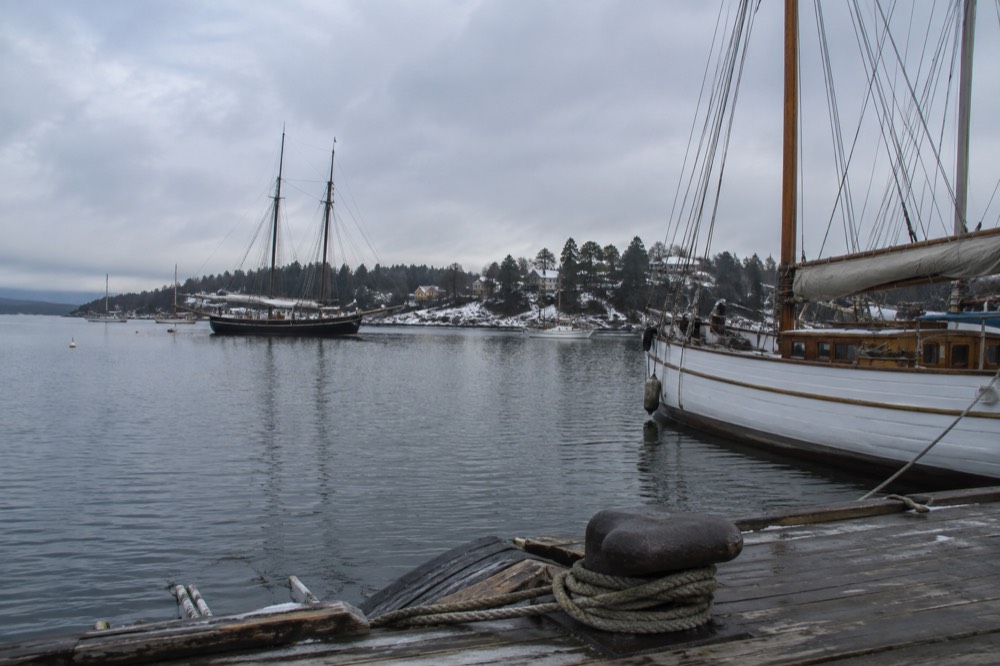
A closing thought for the day: the peninsula sits on the Oslofjord, and the water is the reason any of this is here, from the Viking burials to the polar departures. A fjord cruise after a museum morning is the most Oslo pairing there is, and the traditional wooden sailing ship version gives you the fjord the way it looked to the people who built those ships.
This site, Oslo Travel Guide, keeps the practical pages, the ferries, the passes, the museum hours, current so the closure is the only thing you cannot plan around.
Common Questions About the Viking Museum Closure
why is the oslo viking museum closed?
It closed on 1 October 2021 so a new, much larger Museum of the Viking Age could be built around the three ships and over 5,000 grave goods on the same Bygdøy site. Reopening is planned for 2027.
When will the Museum of the Viking Age reopen?
The museum's own site says 2027 and gives no month. Funding and the remaining conservation work could still move the date, so treat any month you read elsewhere as unconfirmed.
Can you see the Viking ships anywhere in Oslo right now?
No. All three ships are inside the new museum structure, which is not open to the public. The Historical Museum in central Oslo displays other Viking Age objects while Bygdøy is closed.
Is the Museum of the Viking Age the same as the Viking Ship Museum?
Yes, same site and same collection. The old name described the three ships; the new name reflects a wider brief covering the whole Viking Age, with the ships as the centerpiece.
Is Viking Planet a good substitute?
It is a different experience, VR films and interactive displays rather than excavated artefacts, but it is the closest bookable Viking activity in Oslo and reviews from families are consistently strong.
Are the other Bygdøy museums open?
Yes. Fram, Kon-Tiki, the Norwegian Maritime Museum and the Norsk Folkemuseum are all open with normal or seasonal hours, and none is affected by the Viking museum construction.