Oslo Shopping: Where to Shop, What to Buy, and What It Costs
Oslo shopping splits into a handful of distinct districts, from the flagship stores of Karl Johans gate to the independent boutiques of Grünerløkka and the food halls of Vulkan. This guide covers where to go, what is worth buying, when shops are open, and how the VAT refund works for visitors.
Short answer
The main Oslo shopping areas are Karl Johans gate and Oslo City for high-street brands, Grünerløkka for independent boutiques and vintage, Aker Brygge and Tjuvholmen for design and waterfront retail, and Mathallen Vulkan for food. Most shops open around 10:00 and close by 18:00 on weekdays, 17:00 on Saturdays, and Norway's Sunday closing law means almost everything is shut on Sundays.
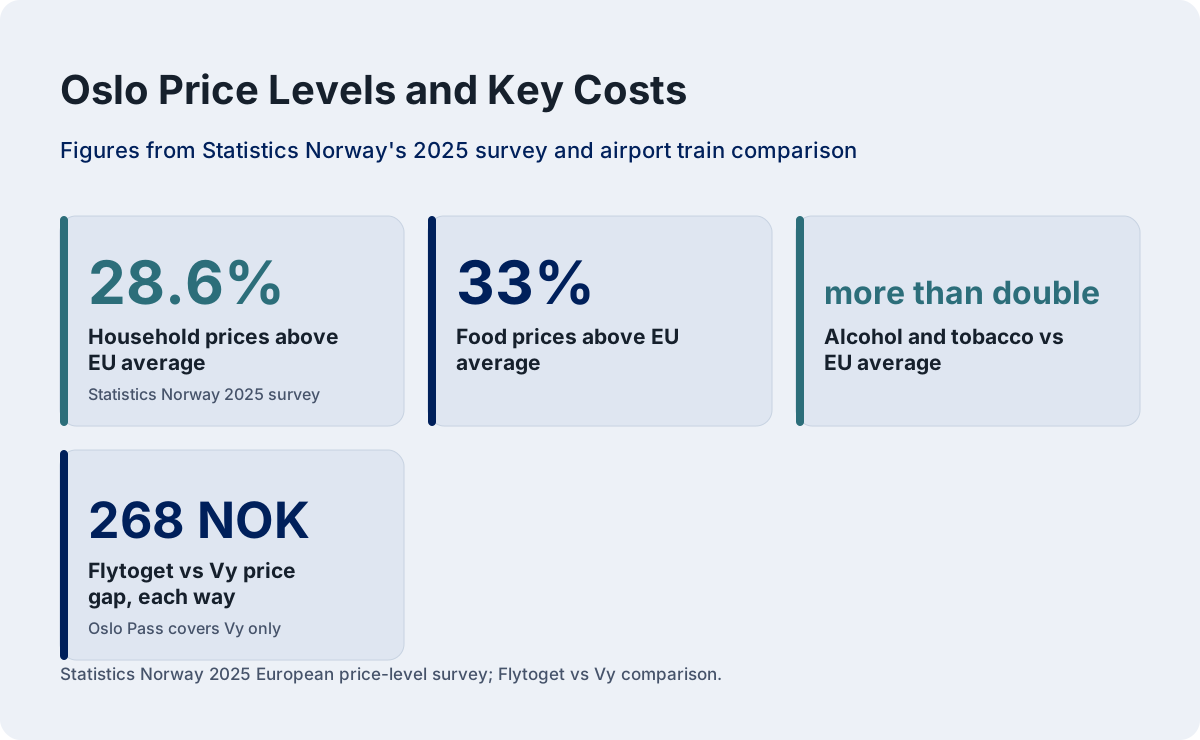
Oslo is not a bargain city, and pretending otherwise helps nobody. Statistics Norway's 2025 European price-level survey puts the country sixth most expensive in Europe, with household prices 28.6% above the EU average and food 33% above it. What Oslo shopping offers instead is quality: Norwegian wool, minimalist homeware, serious outdoor kit, and a food scene that rewards the effort. The city is compact enough that its retail districts sit within a 20-minute walk or a short tram ride of each other, so a single well-planned day covers most of it.
Where Are the Best Shopping Areas in Oslo?
The four districts that matter are Karl Johans gate and the surrounding center for high-street and department-store retail, Grünerløkka for independent boutiques, vintage and streetwear, Aker Brygge and Tjuvholmen for design-focused waterfront shopping, and Vulkan for food. Frogner and Majorstuen add interior design and a calmer, more local pace. Each has a distinct character, and mixing two or three in one day is the standard Oslo shopping itinerary.
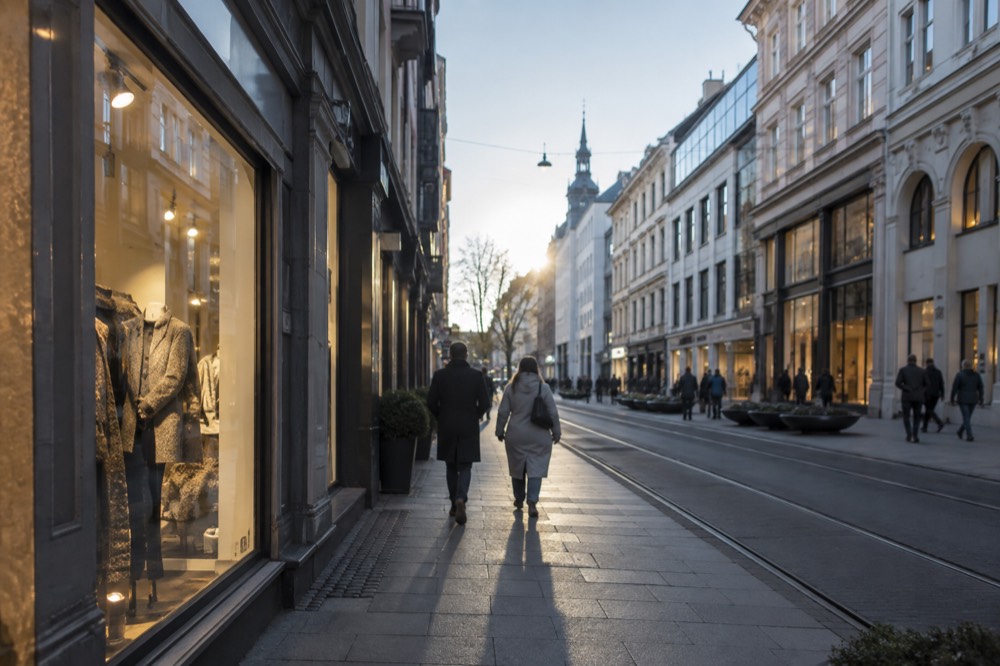
Karl Johans gate, the street running from Oslo Central Station to the Royal Palace, is the city's main artery of retail. The stretch around Karl Johans gate and the side streets toward Egertorget carries the international high-street brands, and the Oslo City and Byporten shopping centers sit directly on top of the central station for anyone arriving by train. This is the least interesting shopping in the city, but it is the most convenient, and on a wet afternoon it is the practical answer.
Grünerløkka, the old workers' district east of the river, is where Oslo's own style lives. The blocks around Markveien and Thorvald Meyers gate are dense with small Norwegian labels, secondhand shops, ceramics studios, and coffee roasters, and the whole area rewards aimless wandering. Our Grünerløkka neighborhood guide covers the streets in detail, and the district pairs naturally with a stop at Mathallen Oslo, the indoor food hall at Vulkan, for edible souvenirs.
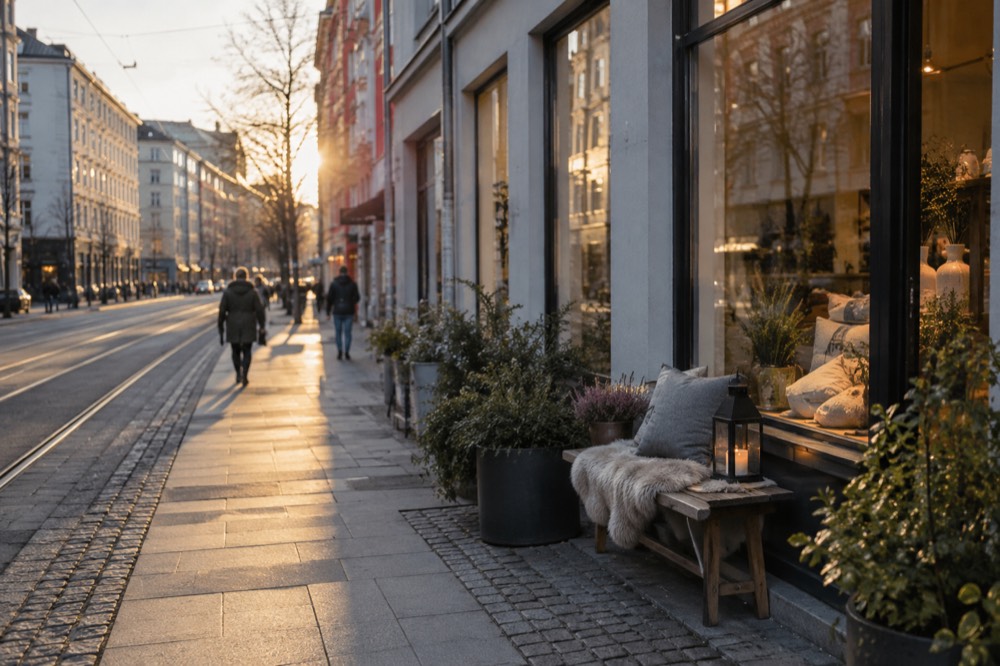
Aker Brygge and Tjuvholmen, the redeveloped waterfront southwest of the center, carry the design and homeware end of the market, with Scandinavian interior brands and galleries concentrated in the old shipyard buildings. The Aker Brygge and Tjuvholmen pages cover the area, and the district is also where the Oslofjord sightseeing boats depart, which makes it the easiest place to bolt a cruise onto a shopping day. The silent electric fjord cruise, the single best-reviewed activity in the city, leaves from the piers here.
Frogner and Majorstuen, west of the palace, are quieter and more residential, with interior design showrooms, bookshops, and a concentration of quality over footfall. Bogstadveien in Majorstuen is the locals' shopping street, the one Oslo residents actually use, and it carries the same brands as the center with less crowding.
| District | What it is best for | Character |
|---|---|---|
| Karl Johans gate / Oslo S | High-street brands, shopping centers | Convenient, busy, international |
| Grünerløkka | Norwegian labels, vintage, ceramics | Independent, walkable, young |
| Aker Brygge / Tjuvholmen | Design, homeware, galleries | Waterfront, polished, expensive |
| Vulkan / Mathallen | Food, ingredients, edible gifts | Indoor, compact, food-focused |
| Majorstuen / Bogstadveien | Everyday retail, bookshops | Local pace, fewer tourists |
What Should You Actually Buy in Oslo?
The goods worth carrying home from Oslo are Norwegian wool knitwear, outdoor and ski equipment, minimalist homeware and ceramics, licorice and chocolate from the supermarkets, and aquavit or gin from Vinmonopolet. Avoid generic souvenir-shop merchandise around the main sights, which is largely imported and priced for cruise traffic. The honest Norwegian purchases are the ones Norwegians themselves buy, and those cluster around wool, wood, and the outdoors.
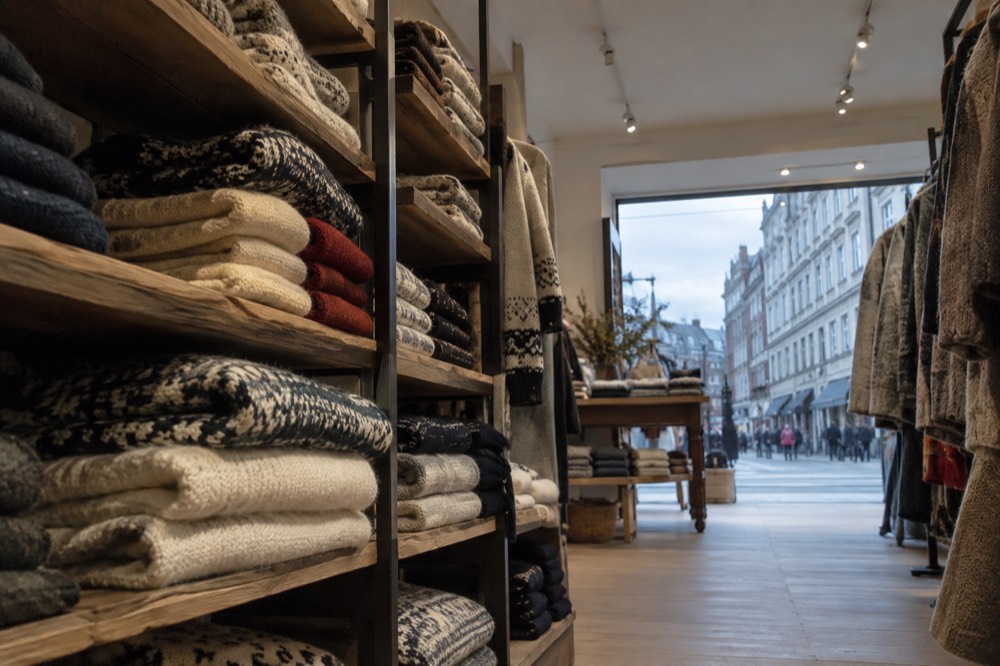
Wool is the headline. Norwegian wool sweaters, mittens, and hats are genuinely expensive but genuinely good, and they are the one category where the price reflects a real domestic industry rather than import markup. Devold and Norrøna are the heritage outdoor labels, and Dale of Norway's knitwear is the classic souvenir that actually gets worn for a decade afterward.
Homeware and ceramics are the second strong category. Scandinavian design needs no introduction, but buying it in Oslo at full Norwegian retail is only worth it for pieces you cannot get at home, small-studio ceramics from Grünerløkka being the best example. For a deeper look at what makes a good gift, our Oslo souvenirs guide runs the full list with prices.
Food gifts are the budget-friendly route. Supermarkets carry quality Norwegian chocolate, licorice, and crispbread at prices far below the gift shops, and Mathallen's stalls sell cured meats, cheeses, and preserved fish that survive a journey home. One rule matters here: anything with alcohol in it means a trip to Vinmonopolet, the state monopoly, because supermarkets sell beer and cider only, and nothing stronger. The monopoly keeps short hours, closes early on Saturdays, and is shut all day Sunday, so plan that visit first.
Museum shops deserve a specific mention. The Kon-Tiki Museum's shop, for instance, carries expedition-themed books and prints you will not find downtown, and pairing a Bygdøy museum morning with a shopping afternoon is a natural day. The Kon-Tiki Museum page covers the visit itself.
When Are Oslo Shops Open?
Oslo shops typically open around 10:00 on weekdays, close at 17:00 or 18:00, shut at 17:00 or earlier on Saturdays, and are closed by law on Sundays. Smaller boutiques often open later and close earlier than the chains, Vinmonopolet closes at 16:00 on Saturdays, and the shopping centers attached to Oslo Central Station keep the longest hours of anything in the city. Thursday is the traditional late-shopping evening.
Sunday closing is the rule that catches most visitors out. Norway's retail trading law closes almost all shops on Sunday, with narrow exceptions for small convenience stores at transport hubs, pharmacies, and tourist-area kiosks. If you land on a Saturday night, do your shopping on Saturday afternoon or accept that Sunday is a museum, park, and fjord day, never a retail one. Our Oslo in winter and seasonal pages carry the same warning because it shapes every itinerary.
| Day | Typical hours | Notes |
|---|---|---|
| Monday to Wednesday | 10:00 to 17:00 or 18:00 | Boutiques may open at 11:00 |
| Thursday | 10:00 to 19:00 or 20:00 | Traditional late-shopping day |
| Friday | 10:00 to 18:00 | Busiest weekday afternoon |
| Saturday | 10:00 to 17:00 | Vinmonopolet closes at 16:00 |
| Sunday | Closed | Almost everything, by law |
Public holidays compress the week further. Shops shut on 17 May, the national day, when the city is entirely given over to processions, and the Christmas, Easter, and Whitsun holidays close retail for consecutive days. Vinmonopolet additionally closes on Christmas Eve, 1 May, and 17 May. Hours vary by store, so check a shop's own site before making a special trip.
How Much Does Shopping in Oslo Cost?
Oslo retail prices run well above the European average: Statistics Norway's 2025 survey puts overall household prices 28.6% above the EU level, food 33% above, and alcohol and tobacco at more than double the average. Clothing and homeware carry the same premium. The offset is that sales tax is already included in every shelf price, there is no tipping culture to budget around, and the outdoor goods that Norway makes best last long enough to amortize the sticker shock.
The honest framing is that Oslo is expensive in some categories and not in others. Alcohol and tobacco are the extreme end, which is why the duty-free shop on arrival is a genuinely rational stop for visitors who drink. Food from supermarkets is dear by European standards but the quality floor is high, and the cheapest good souvenirs in the city are supermarket chocolate and licorice rather than anything sold near the Opera House. Our is Oslo expensive and Oslo trip cost pages break the whole budget down.
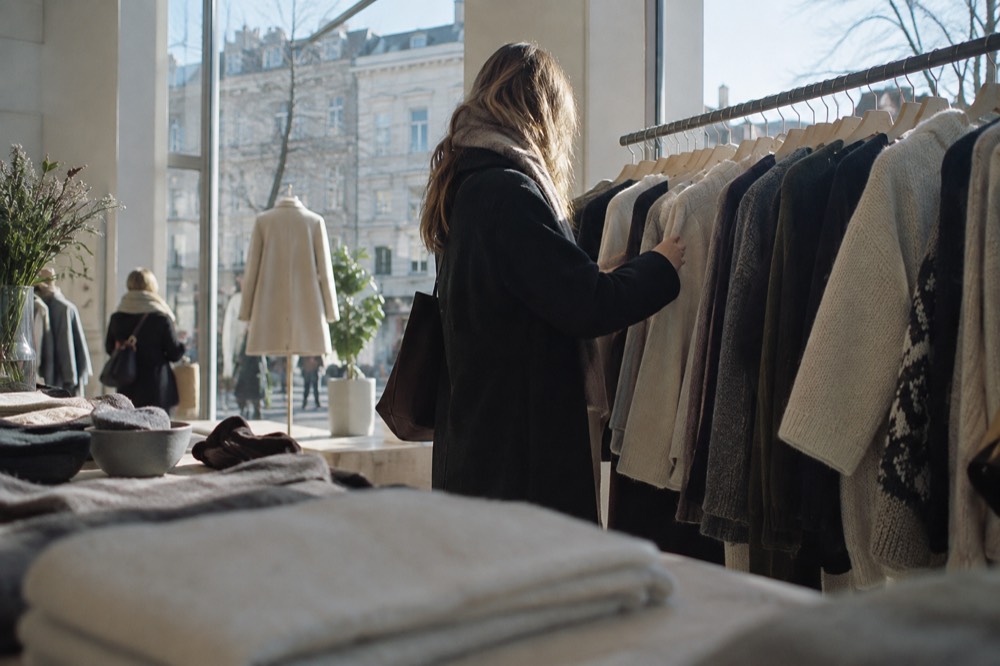
What the price premium buys is labor standards and durability, and that is most visible in the categories Norway is known for. A Norwegian wool sweater costs a lot and is expected to last a very long time. Outdoor equipment is priced close to what the same gear costs elsewhere, because Norwegians buy it as everyday clothing, not as a tourist product. The genuinely bad value is the imported souvenir trinket trade around Karl Johans gate, which carries Oslo pricing on goods that were made nowhere near Norway.
If the spending has drained your energy rather than your budget, the cheapest reset in the city costs nothing at all except the ticket: the Oslofjord cruise from Aker Brygge puts you on the water within minutes of the shops, and free cancellation means you can lock it in before your itinerary firms up.
Can You Get a VAT Refund on Your Oslo Shopping?
Yes, visitors resident outside Norway, including all non-Scandinavian tourists, can claim a VAT refund on goods exported out of the country, because Norway is in the EEA but outside the EU customs union and outside EU VAT. The refund applies to new goods taken home in your luggage, requires a refund form stamped at customs on departure, and does not apply to food, alcohol, hotel bills, or anything consumed in Norway. Minimum purchase thresholds apply per store.
The mechanism matters more than the arithmetic. Participating stores issue the refund paperwork at the till when you show your passport, you get the forms validated at customs when leaving Norway, and the refund is paid afterward, minus a service fee. Airport departure is the standard validation point, so allow extra time before your flight. Goods must be unused and in your possession, not shipped separately. The full index of guides sits on Oslo Travel Guide. The full index of guides sits on Oslo Travel Guide.
The reason the refund exists at all is Norway's constitutional position: in Schengen, not in the EU, in the EEA via EFTA, using the krone rather than the euro. That same position is why duty-free allowances apply even when you arrive from an EU country. Our Oslo currency and cash page covers the payment side, and card acceptance in Norway is close to universal, so cash is barely needed.
| Purchase type | VAT refund eligible? | Notes |
|---|---|---|
| Clothing, knitwear, homeware | Yes, with store paperwork | Must leave the country with you |
| Food and consumables | No | Consumed or perishable |
| Alcohol and tobacco | No | Separate duty-free rules apply |
| Hotel and restaurant bills | No | Services, not exported goods |
Where Should You Shop for Food and Drink?
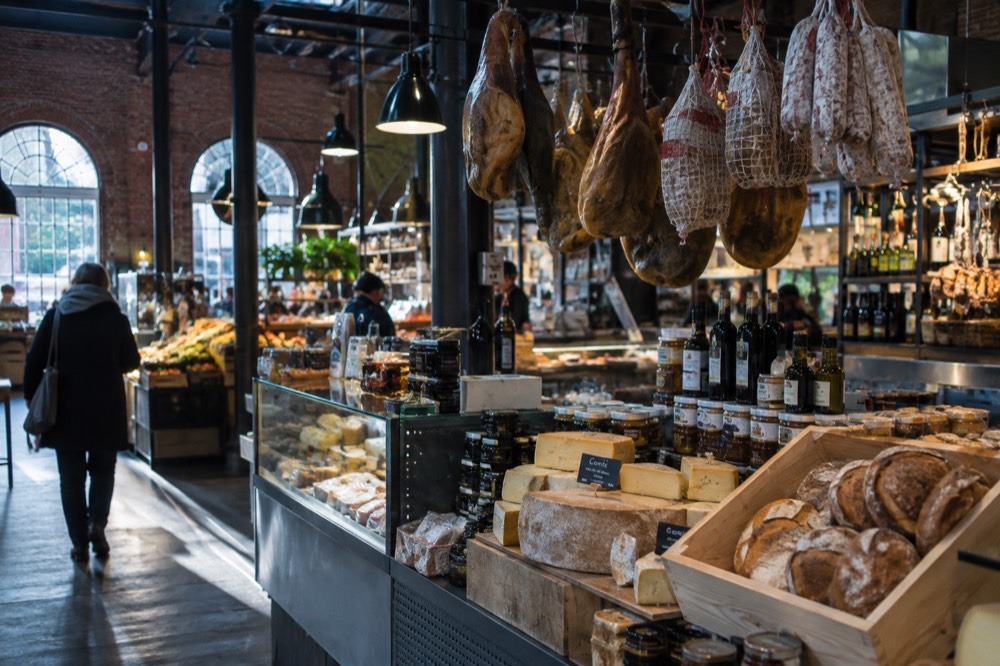
The two food-shopping anchors in Oslo are Mathallen Vulkan, the indoor food hall with Norwegian cheeses, cured meats, and preserves, and the ordinary supermarkets, whose chocolate, licorice, and crispbread are the best-value edible souvenirs in the city. Anything stronger than supermarket beer means Vinmonopolet, the state alcohol monopoly, which keeps short hours, closes early on Saturday, and is shut all day Sunday.
Mathallen, in the old industrial buildings at Vulkan, is the deliberate version of food shopping: specialist stalls, Norwegian producers, and gift-ready packaging. It sits at the top of Grünerløkka, so it slots into the same walk as the boutiques. The supermarkets are the accidental version, and they are better than most visitors expect, because the Norwegian grocery floor for quality is high even where the price is not.
Vinmonopolet needs planning. It is the only place in Norway to buy wine and spirits, hours vary by store, Saturdays end at 16:00, and it is closed every Sunday and public holiday. The store finder on its own site is the reliable way to check a specific branch. Supermarkets sell beer and cider only, within the legal strength limit, and stop selling it at a fixed evening cut-off, so late-evening beer runs fail. A guided food walk is the efficient way to learn what is actually worth eating, and the Grünerløkka food and culture walk is the strongest of them, running through the neighborhood whose shops and stalls you would otherwise be guessing at.
Is There Good Secondhand and Vintage Shopping in Oslo?
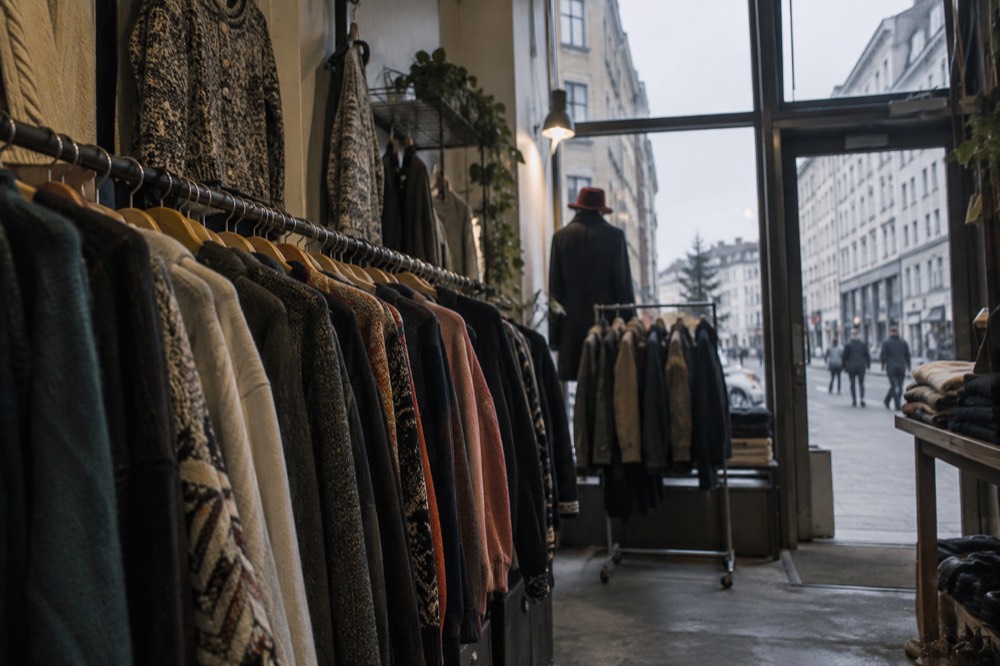
Yes, and Grünerløkka is the center of it, with a dense strip of secondhand clothing shops, vintage stores, and charity shops along Markveien and Thorvald Meyers gate. Oslo's secondhand market is strong because Norwegian consumption habits skew toward buying fewer, better things and reselling them, so the stock tends toward quality wool and outdoor brands at a fraction of retail. Weekday mornings are the best time to dig.
The vintage circuit is genuinely one of the city's better retail experiences, and it is the one category where Oslo shopping undercuts the rest of Europe rather than exceeding it. A used Norwegian wool sweater at secondhand prices is the single best value purchase available in the city, and the turnover in Grünerløkka's shops is fast enough that repeat visits pay off. Fretex, the Salvation Army chain, and the church-run UFF shops are the charity-shop end, cheap and hit-or-miss, while the independent vintage stores price higher but curate.
Beyond clothing, the secondhand logic extends to books and homeware. Oslo's bookshops, several of them in the center and in Frogner, carry English-language stock, and the used-book shelves are a quiet way to spend a rainy hour. The rainy day in Oslo page lists indoor options, including several of these, for the weather that will eventually interrupt a shopping trip.
How Do You Fit Shopping Into an Oslo Itinerary?
Treat shopping as a district activity rather than a standalone one: pair Grünerløkka's boutiques with the food hall and the river walk in one morning, Karl Johans gate with the Royal Palace and National Theatre in another, and Aker Brygge's design shops with a fjord cruise from the adjacent piers. Two half-days covers everything worth buying. Sunday is closed, so shop on weekdays or Saturday.
The compact geography does the work for you. Nothing on this page is more than about 3 km from anything else, and the tram and metro network, covered in our getting around Oslo guide, stitches the districts together on a single ticket. A 90-minute fjord cruise from Aker Brygge slots between the waterfront shops and dinner without breaking the day, and the boats run on a frequent schedule through the season.
For a first visit, the sequence that works is a center-and-palace morning, a Bygdøy museums afternoon with their shops, then a full Grünerløkka and Vulkan day, with Aker Brygge and Tjuvholmen picked up en route to or from the fjord. Our one day in Oslo and Oslo itinerary pages build the same logic into full schedules, and the Oslo Pass covers the museums and the transport between them, though it does nothing for the shopping itself.
One planning note that no first-time visitor expects: the Oslo Pass covers the airport train, but only the Vy service, not Flytoget, and the difference is 268 NOK each way on the express. If you are flying home with a suitcase full of wool, that saving pays for a fair chunk of it. The Flytoget vs Vy page explains the choice.
Common Questions About Oslo Shopping
Are shops open on Sunday in Oslo?
No. Norwegian retail law closes almost all shops on Sunday, with narrow exceptions for small convenience stores at stations, pharmacies, and some kiosks. Plan Sunday for museums, parks, and the fjord instead, and do your shopping on Saturday at the latest.
What should I buy in Oslo?
Norwegian wool knitwear, outdoor and ski equipment, small-studio ceramics and homeware, supermarket chocolate and licorice, and aquavit or gin from Vinmonopolet. Skip the imported trinket souvenirs around the main sights, which carry Oslo prices on goods made elsewhere.
Where is the best shopping in Oslo?
Karl Johans gate and the station centers for high-street retail, Grünerløkka for independent boutiques and vintage, Aker Brygge and Tjuvholmen for design, and Mathallen Vulkan for food. Bogstadveien in Majorstuen is the locals' shopping street.
Can tourists get a VAT refund in Norway?
Yes. Norway is outside the EU customs union and EU VAT, so non-resident visitors can claim a refund on exported goods. The store issues the paperwork, customs stamps it on departure, and the refund is paid later minus a fee. Food, alcohol, and services do not qualify.
Can I buy alcohol in Oslo supermarkets?
Only beer and cider within the legal strength limit. Wine and spirits are sold exclusively through Vinmonopolet, the state monopoly, which closes early on Saturdays and is shut on Sundays and public holidays.
Is shopping in Oslo expensive?
Yes, overall. Statistics Norway's 2025 survey puts household prices 28.6% above the EU average and food 33% above it. The good value categories are supermarket food gifts, secondhand wool and outdoor clothing, and museum-shop items you cannot buy elsewhere.