Oslo Trip Cost: What a Trip Really Costs, in Numbers
Oslo has a reputation for expense that is half earned. Museums, transport and the outdoors are close to normal European prices; alcohol and restaurants are not. Here is the itemized reality.
Short answer
A mid-range day in Oslo is dominated by food and any paid activity, since museums cost 120 to 280 NOK, transport is cheap, and the biggest sights are free. Budget travelers can lean on supermarket food and free sights. The 24-hour Oslo Pass is 580 NOK and covers over 30 museums plus most transport.
Oslo sits sixth on Statistics Norway's 2025 European price-level survey, with household prices 28.6% above the EU average. That single number is why the internet treats the city as a wallet with a moat. But the survey also says food is 33% above average while alcohol and tobacco are more than double, and those are very different problems for a visitor. The honest answer to what an Oslo trip costs is that it depends almost entirely on what you drink.
This page itemizes the real numbers: verified museum admissions, transport fares, the Oslo Pass maths, and a sample three-day budget. Every NOK figure here comes from an official source, the venue's own site, or the operator. For the broader question of whether the city deserves its reputation, see is Oslo expensive, and for the money-saving playbook see Oslo on a budget.
What Does a Trip to Oslo Actually Cost per Day?
A comfortable mid-range day in Oslo is dominated by two lines: food, which Statistics Norway puts 33% above the European average, and any paid activity, since museums cost 120 to 280 NOK and the biggest sights are free. A budget day built on supermarket food and free sights costs a fraction of that. A high-end day with a guided tour and a restaurant dinner can pass 3,000 NOK without effort.
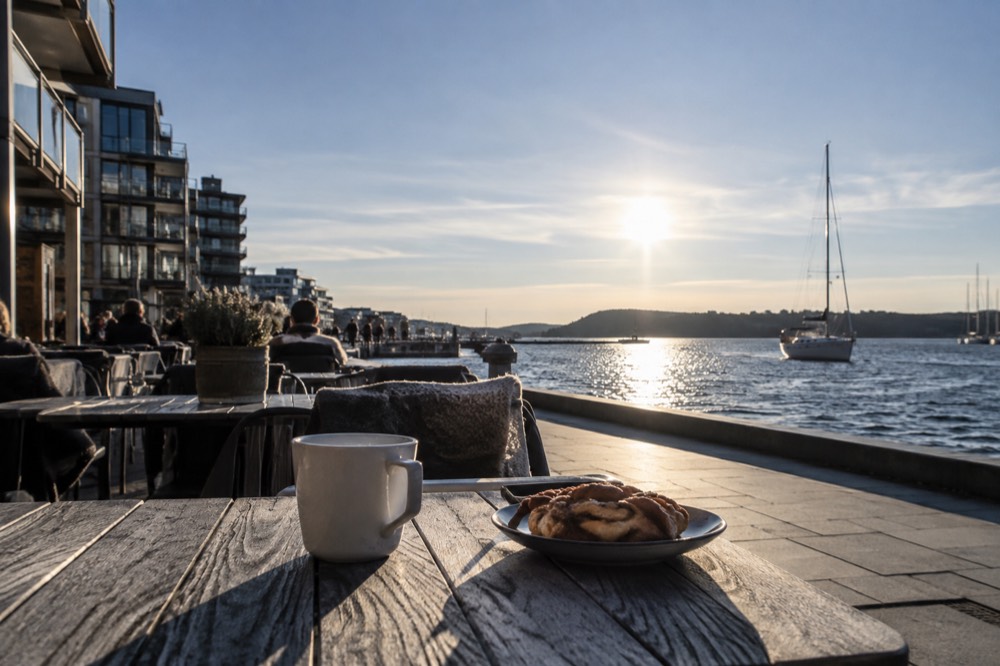
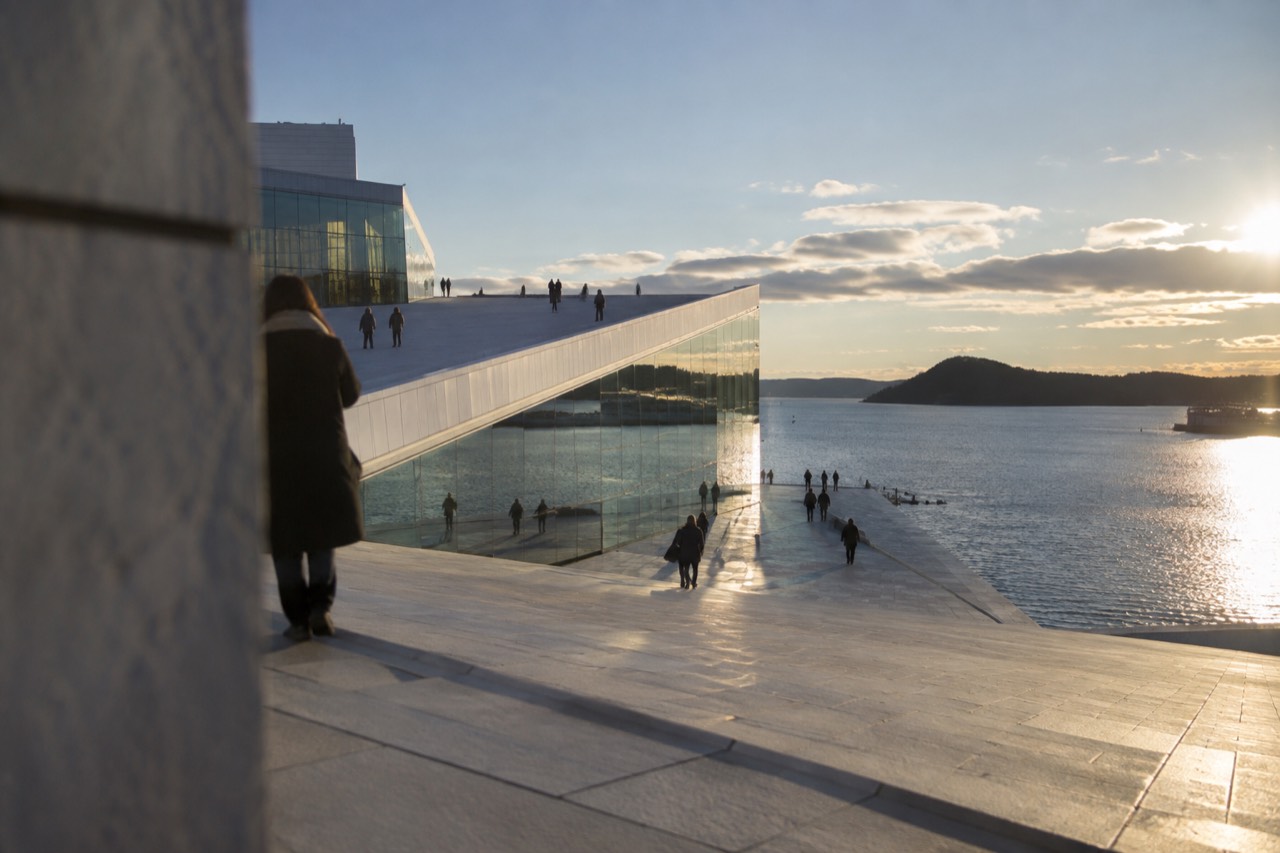
The spread is wide because Oslo's costs are unevenly distributed. The things many visitors assume are expensive, museums and public transport, are priced like any other European capital, and the city's biggest sights, Vigeland Park, the Opera House roof, the Akershus Fortress grounds, the entire Oslofjord shoreline, cost nothing at all. The things that hurt are restaurants with table service and anything alcoholic, where Norway's taxes push prices past most of the continent.
A useful planning frame is to separate your day into three buckets: sights, movement and food. Sights are cheap to free. Movement is cheap if you use Ruter tickets and expensive if you use taxis. Food is where budgets die, and it is the one bucket where a decision, supermarket lunch versus restaurant lunch, changes your daily total by hundreds of kroner.
| Budget tier | What it looks like |
|---|---|
| Backpacker | Free sights, supermarket food, one paid museum or a free walking tour |
| Mid-range | One or two museums, a fjord cruise, casual meals, Ruter day tickets |
| Comfort | Guided tours, a sit-down dinner, drinks, the odd taxi |
| Premium | Private guides, fine dining, hotel-level everything |
Accommodation sits on top of these numbers and varies by season more than almost anything else in the budget. July and the pre-Christmas weeks push rates up; the gray months of January through March are the cheapest window in the city, which lines up with the cheapest flights too. For the timing question in full, see the best time to visit Oslo.
How Much Do Oslo's Museums and Attractions Cost?
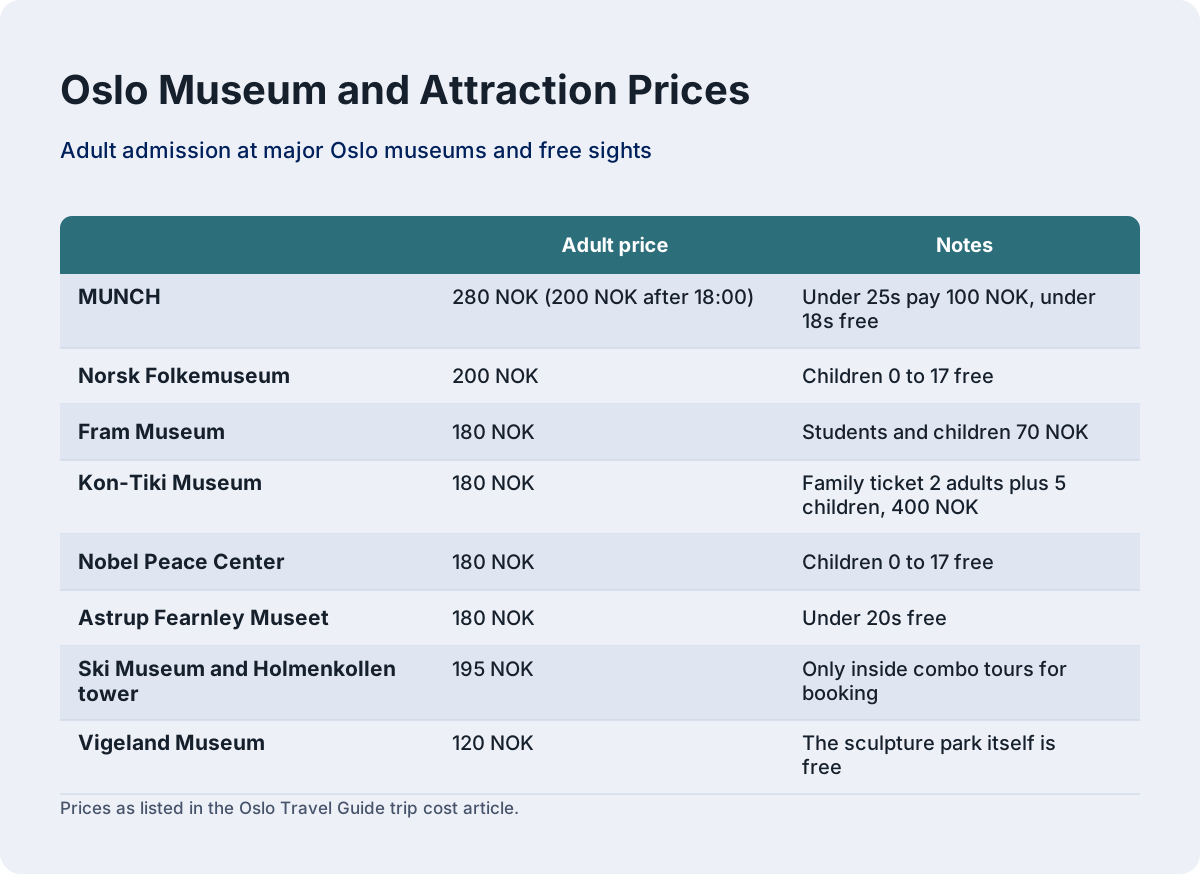
Most major Oslo museums charge between 120 and 280 NOK for an adult ticket: the Fram Museum and Kon-Tiki Museum are 180 NOK each, MUNCH is 280 NOK, and the Vigeland Museum is 120 NOK. Several major sights are free, including Vigeland Park, the Opera House roof and the Botanical Garden. Children get in free at several museums, including Norsk Folkemuseum and the Nobel Peace Center.

Museum admission is where Oslo is genuinely reasonable. The Bygdøy peninsula, the museum district, clusters four paid museums within a 20-minute walk of each other, and the combination tickets are real: Kon-Tiki plus Fram costs 325 NOK for an adult, and Kon-Tiki plus Fram plus the Norwegian Maritime Museum costs 485 NOK. Three separate adult tickets to those three museums would total more than the triple combo saves, and the Oslo Pass can beat all of it, more on that below.
One closure matters for 2026 planning: the Museum of the Viking Age on Bygdøy is shut for rebuilding and will reopen in 2027. The museum's own site directs visitors to Viking-age objects at the Historical Museum in the city center in the meantime, and Viking Planet, the VR-based Viking experience, is the bookable substitute. Do not buy any product that still claims to include the closed museum.
| Attraction | Adult price | Notes |
|---|---|---|
| MUNCH | 280 NOK (200 NOK after 18:00) | Under 25s pay 100 NOK, under 18s free |
| Norsk Folkemuseum | 200 NOK | Children 0 to 17 free |
| Fram Museum | 180 NOK | Students and children 70 NOK |
| Kon-Tiki Museum | 180 NOK | Family ticket 2 adults plus 5 children, 400 NOK |
| Nobel Peace Center | 180 NOK | Children 0 to 17 free |
| Astrup Fearnley Museet | 180 NOK | Under 20s free |
| Ski Museum and Holmenkollen tower | 195 NOK | Only inside combo tours for booking |
| Vigeland Museum | 120 NOK | The sculpture park itself is free |
| Vigeland Park | Free | Open 24 hours, all year |
| Opera House roof | Free | No ticket needed |
Note the pattern in the concessions column: children are free at several of the city's biggest museums, which makes Oslo dramatically cheaper for families than the headline prices suggest. A family of four visiting Norsk Folkemuseum pays for two adults and no one else.
The cheapest structured introduction to the city costs nothing up front. The largest free walking tour in Oslo covers the central highlights in about two hours on a tip basis, and it consistently ranks among the city's most-reviewed activities. Reserving a spot costs nothing and locks in your start time.
If you would rather put money into one deep dive than a broad loop, the guided art walk through Vigeland Park is the model: the park itself is free, so what you are paying for is a guide who can read the sculpture for you. The Kon-Tiki ticket is the other classic spend, the best-reviewed museum ticket in the city and the anchor of a Bygdøy day.
Is the Oslo Pass Worth the Money?
The 24-hour Oslo Pass costs 580 NOK and covers entry to over 30 museums plus public transport across Ruter zones 1, 2, 3, 4V and 4N, including the Vy airport trains and the Bygdøy ferry. The Kon-Tiki plus Fram plus Maritime Museum combo alone costs 485 NOK, so one busy museum day plus the ferry ride to get there already clears the pass price. The maths favor the 24-hour pass for museum-heavy days and the 72-hour pass for a full first visit.
The pass prices for 2026 are 580 NOK for 24 hours, 845 NOK for 48 hours and 995 NOK for 72 hours, with senior and child versions substantially cheaper. Each museum can be visited once per 24-hour period, and the transport inclusion is wider than most guides state: it covers the airport trains operated by Vy, but not Flytoget and not the airport coach. That distinction alone is worth 134 NOK per arrival, since the Vy train takes only about three minutes longer than the express.
| Scenario | Without pass | With 24h pass (580 NOK) |
|---|---|---|
| Bygdøy triple combo: Kon-Tiki, Fram, Maritime Museum | 485 NOK | Included |
| Bygdøy ferry round trip | ~140 NOK | Included |
| Zone 1 transport for the day | Day ticket price, confirm in Ruter app | Included |
| MUNCH | 280 NOK | Included |
The pass is not sold on the major booking platforms; the honest routes are the tourist board's own site and a small number of authorized resellers. The full inclusion list lives on VisitOSLO's pages, and the deeper analysis, including when the pass loses money, is in is the Oslo Pass worth it and the Oslo Pass guide.
Where the pass loses: a day built around free sights, a single museum and walking. If your itinerary is Vigeland Park in the morning, the Opera House roof at noon and a ferry to Hovedøya in the afternoon, the pass buys you almost nothing, because almost everything on that list is free or covered by an ordinary Ruter ticket. The free things to do in Oslo page exists precisely because that list is long.
How Much Does Food Cost in Oslo?
Food is Oslo's biggest budget risk: Statistics Norway's price survey puts food and non-alcoholic drinks 33% above the European average, and alcohol and tobacco at more than double. A restaurant dinner with a drink is the most expensive meal format in the city, while supermarket food, bakery lunches and street food cost a fraction of restaurant prices. The gap between those two strategies is the single largest controllable cost in an Oslo trip.
Restaurants are the expensive end of Norwegian food, and the survey data explains why: restaurants and hotels sit near the top of the European table, marginally cheaper only than Denmark. A casual dinner for two with a beer each can easily reach what a budget traveler spends on everything else in a day. Tipping does not add to this: service is included in Norwegian prices, and rounding up is voluntary, a norm rather than a rule.
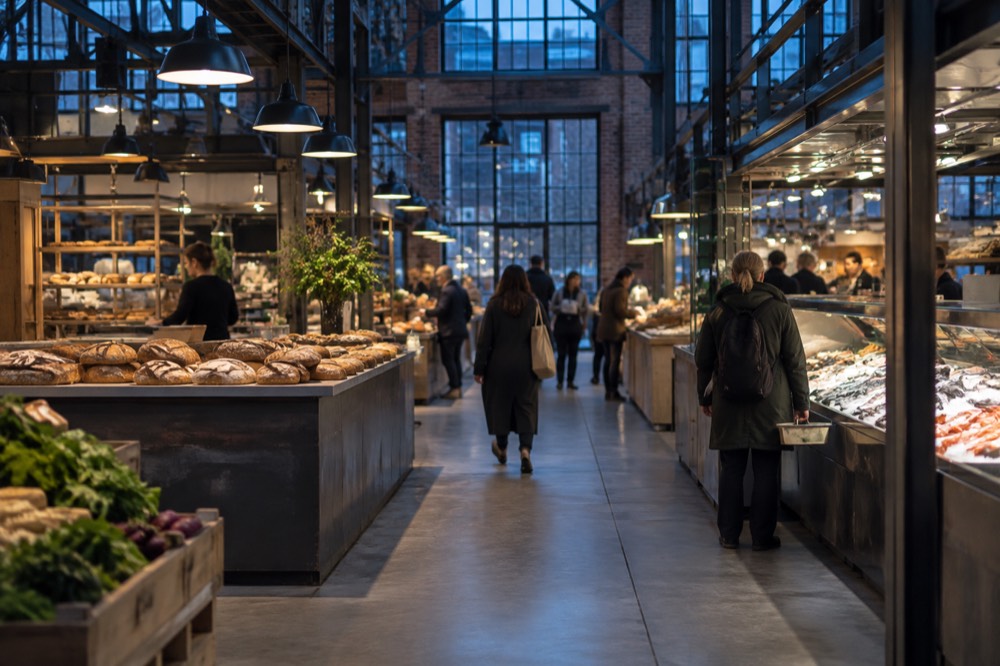
The cheap end is genuinely cheap. Supermarket delis, bakery counters and the city's street-food spots sell filling lunches for a fraction of restaurant prices, and Oslo's tap water is excellent and free everywhere, so drinks are a pure choice rather than a necessity. The dedicated pages go deeper: Oslo cheap eats and where to eat in Oslo cover both ends of the spectrum.
Alcohol deserves its own paragraph because it is the single most distorted price in the country. Wine and spirits are sold only through Vinmonopolet, the state monopoly, which keeps short hours, closes all day Sunday and closes early on Saturdays. Supermarkets sell only beer and cider up to 4.7% ABV, with a fixed evening cut-off on sales. The result is that a beer in a bar costs what a meal costs elsewhere in Europe, which is why the price of beer in Oslo is a question people actually search for.
| Eating strategy | Trade-off |
|---|---|
| Supermarket and bakery | No atmosphere, maximum savings |
| Street food plus one sit-down dinner | The balanced option most visitors land on |
| Café lunches plus restaurant dinners | Comfortable, food becomes a highlight |
| Restaurant every meal plus drinks | Where the "Oslo is brutal" stories come from |
What Does Transport Cost in Oslo?
Central Oslo transport is cheap: a single zone 1 ticket is valid for 60 minutes, the 30-day pass costs 655 NOK after the May 2026 price cut, and the Oslo Pass covers all of Ruter zones 1 through 4N. The airport is the expensive leg: Flytoget costs 268 NOK one way while the Vy train, three minutes slower, is roughly half that and rides on an ordinary multi-zone Ruter ticket. Taxis are the one transport mode to avoid on a budget.
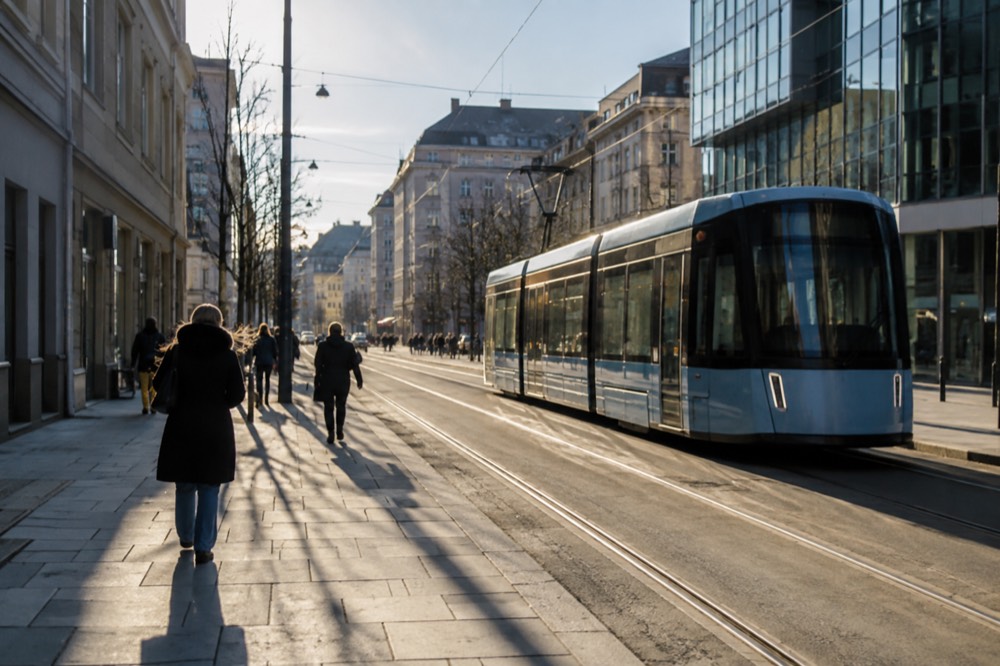
Ruter runs the buses, trams, metro and the Oslofjord island ferries on one ticketing system, and a single zone 1 ticket covers the entire metro network, which reaches from the city center to the forest edge at Frognerseteren and Sognsvann. Tickets bought on board buses and boats cost more than tickets bought in the app, so the app is the default. Exact single and day-ticket prices are published in Ruter's current fare PDF and change with the annual January adjustment; check the app before you buy rather than trusting a number from an older guide. Everything else covered here is indexed on Oslo Travel Guide. Everything else covered here is indexed on Oslo Travel Guide.
The airport decision is the one most visitors get wrong. Flytoget, the airport express, is fast at about 20 minutes to Oslo S and priced at 268 NOK for an adult single. The Vy regional trains take about 23 minutes, run on the same tracks, and accept ordinary Ruter tickets covering zone 1 through zone 4N, at roughly half the point-to-point fare. If you hold an Oslo Pass, the Vy trains are already included and Flytoget is not. The full comparison, including the airport coach, is in Flytoget vs Vy and Oslo airport to city center.
| Transport | Cost | Notes |
|---|---|---|
| Flytoget airport express | 268 NOK adult single | About 20 minutes, every 10 minutes |
| Vy train from Gardermoen | Roughly half the express fare | About 23 minutes, ordinary Ruter zones apply |
| Ruter 30-day pass, zone 1 | 655 NOK | Cut from 805 NOK in May 2026 |
| Island ferries B1 and B2 | Ordinary Ruter ticket | Depart from Aker Brygge |
| Bygdøy museum ferry | ~70 NOK one way | Ruter tickets not valid, Oslo Pass is |
| Bus 30 to Bygdøy | Ordinary Ruter ticket | Runs year-round |
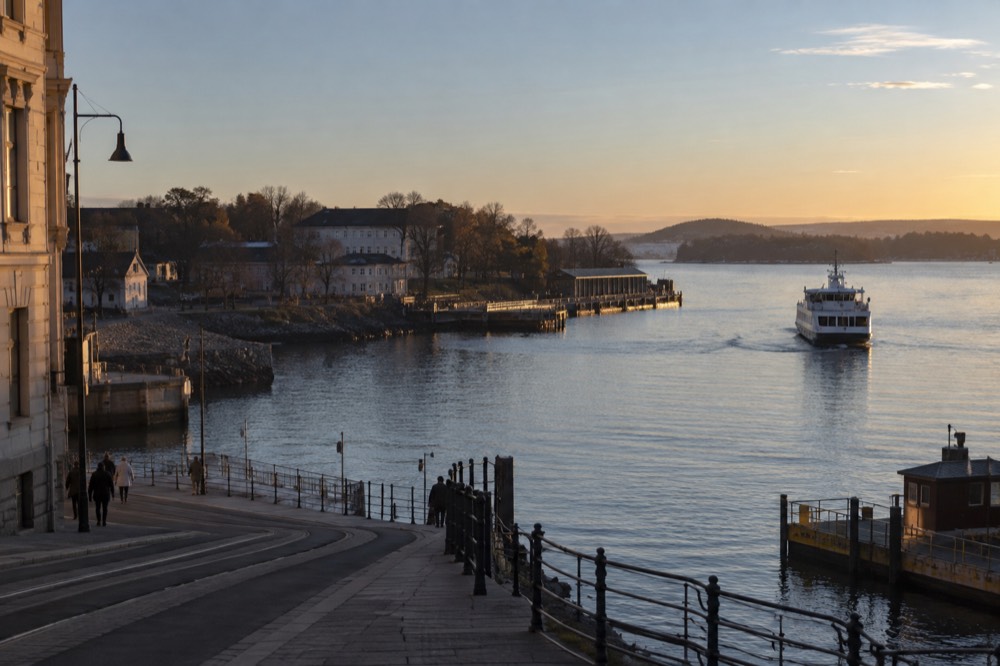
Two ferry systems trip up visitors every summer. The Bygdøy museum ferry leaves from Rådhusbrygge 3, runs only from mid-March to early October, and does not accept Ruter tickets, though the Oslo Pass covers it. The island ferries to Hovedøya, Gressholmen and Langøyene leave from Aker Brygge and are ordinary Ruter services. Different piers, different ticket rules. The details are in Oslo ferries.
How Much Does Accommodation Cost in Oslo?
Accommodation is the hardest line to budget because nightly rates swing sharply with season, but the structural facts help: Oslo's hotel stock grew in 2025 and 2026, including an 810-room opening that added real volume to the central budget, and the city has decided not to charge Norway's new optional visitor levy. Expect the highest rates in July and the weeks around Christmas, and the lowest from January through March.
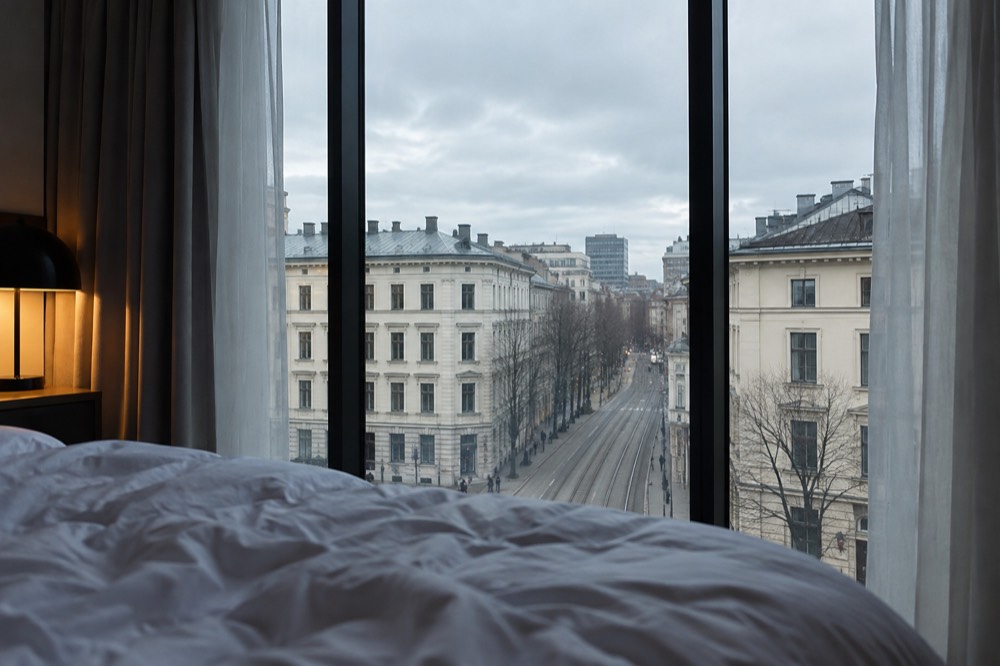
Rather than quote a nightly rate that will be wrong by the time you book, use the shape of the market. Summer and the pre-Christmas period are peak; the winter months outside the holidays are the cheapest window, and they overlap with the cheapest flights and the quietest museums. Location matters more than star rating for a short visit: staying inside the ring of the sentrum and Majorstuen areas puts you within a zone 1 ticket of everything, while outer neighborhoods trade lower rates for daily tram time. The neighborhood-by-neighborhood breakdown is in where to stay in Oslo.
One structural cost that is not in your hotel bill: Norway's national visitor levy framework took effect in July 2026, allowing municipalities to add up to 3% to accommodation prices, but it is opt-in and Oslo has decided against charging it, so no levy line should appear on your bill in the city.
What Does a Sample Three-day Oslo Budget Look Like?
A three-day mid-range Oslo trip for one person, excluding flights and accommodation, is built around the 72-hour Oslo Pass at 995 NOK, one paid tour or cruise, casual meals with one nice dinner, and drinks. The budget version uses free sights, supermarket food and the free walking tour, while the comfort version adds guided tours and restaurant dinners on top of the same pass.

Here is what those three tiers look like laid out as an actual plan, using the verified prices from the sections above. The assumption is three days, one person, no flights, no hotel. Swap any line for its free equivalent and you move down a tier; the free substitutions are the whole game in Oslo, because the city's best sights, the Vigeland sculptures, the Opera House roof, the fortress grounds and the islands, cost nothing.
| Line item | Budget | Mid-range | Comfort |
|---|---|---|---|
| Transport, 3 days | Ruter tickets | 72h Oslo Pass, 995 NOK | 72h Oslo Pass, 995 NOK |
| Museums | Free sights only | Covered by pass | Covered by pass |
| Guided tour or cruise | Free walking tour, tips only | Fjord cruise | Guided walk plus cruise |
| Food, 3 days | Supermarket and bakery | Casual meals plus one nice dinner | Restaurant dinners |
| Extra activity | None | One museum combo or island ferry | Premium tour |
The mid-range column deserves a note on the pass. At 995 NOK for 72 hours, the pass needs roughly one paid museum per day plus ordinary transport movement to break even, and a first visit to Oslo typically delivers more than that: Bygdøy alone holds three covered museums, and the pass carries you there on the ferry. If your three days lean toward free sights and islands instead, drop the pass and buy point-to-point Ruter tickets.
How Do You Keep an Oslo Trip Cheap?
The five levers that matter, in order of impact: eat from supermarkets and bakeries rather than restaurants, drink tap water and buy any alcohol at Vinmonopolet or duty-free rather than in bars, build days around the free sights, use the Vy train and Ruter tickets rather than Flytoget and taxis, and travel in the January to March or September to October windows when both hotels and flights drop. None of these reduce the experience of the city; most of them increase it.
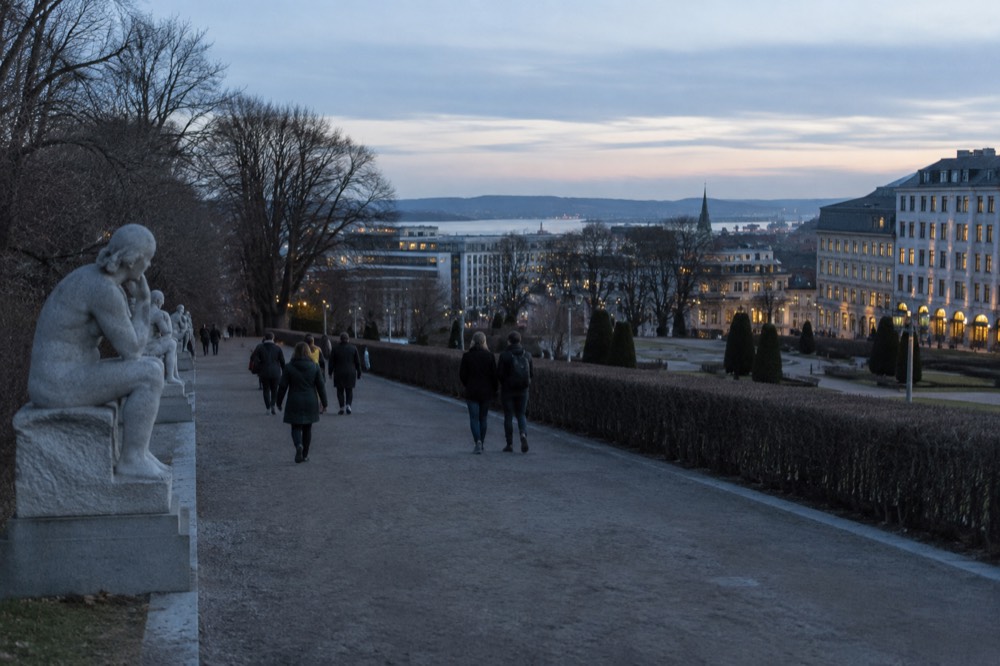
The free layer in Oslo is unusually deep. Vigeland Park holds over 200 sculptures and never closes. The Opera House roof is a public plaza you can walk up at any hour. The Akershus Fortress grounds, the Botanical Garden, the river walk along the Akerselva and the entire island of Hovedøya with its ruined abbey all cost nothing, and the island ferry is an ordinary transit ticket. A visitor who spends three days in Oslo and pays only for food, transport and one museum has not missed the city.
Booking behavior matters too. The free walking tours reserve spots at no cost and run on tips, which makes them the cheapest possible first morning. Museum combination tickets on Bygdøy save real money over separate entries, and the evening ticket at MUNCH, 200 NOK after 18:00 instead of 280 NOK, rewards a late visit to a museum that stays open to 21:00 most days. For the full list of no-cost sights, see free things to do in Oslo.
One paid hour inside that free layer is the Vigeland art walk, a guided reading of the park's sculpture by a guide who knows the symbolism. It is the model for spending well in Oslo: pay for interpretation, not for access, because access to the city's best sights is already free.
What Should You Not Waste Money on in Oslo?
Skip the airport express if you are not in a rush, since the Vy train is three minutes slower for roughly half the fare; skip taxis, which are among Europe's dearest; skip bar alcohol, which carries the double-the-average tax; and skip any product still selling entry to the Museum of the Viking Age, which has been closed since 2021 and is not selling tickets at all. Also skip a standalone Holmenkollen jump ticket, which does not exist as a bookable product outside combination tours.

The Viking point matters because live listings still sell the closed museum, and buying one buys you a confusing morning at a construction site. The museum's own site says it will reopen as the Museum of the Viking Age in 2027, and until then the Viking-age objects on display are at the Historical Museum in the city center. Viking Planet is the bookable Viking experience in the meantime, a VR-based attraction that exists precisely because the ships are off view.
The Holmenkollen point is similar: the ski jump tower and museum are real and visitable, but there is no standalone bookable ticket on the platforms this site works with. The honest booking route is the half-day combination tour that pairs Holmenkollen with Vigeland Park, which is also the only reliable way to reach both without a car in one morning.
On taxis: Oslo's regulated fares are high and the city does not need them. The metro reaches the forest edge, the ferries reach the islands, the trams thread the center, and everything runs on the same ticket. A visitor who masters three Ruter tickets has solved 95% of the transport problem for the price of one airport taxi ride. The system guide is getting around Oslo.
Common Questions About Oslo Trip Cost
How much does a trip to Oslo cost per day?
A mid-range day is dominated by food and any paid activity, since museums cost 120 to 280 NOK, transport is cheap, and the biggest sights are free. Budget travelers lean on supermarket food and free sights. Food and drink choices move the total more than anything else.
Is Oslo expensive for tourists?
Partly. Norway is the sixth most expensive country in Europe, with prices 28.6% above the EU average and alcohol more than double. But museums cost 120 to 280 NOK, transport is cheap, and the city's best sights are free, so a well-planned trip costs far less than the reputation suggests.
Is the Oslo Pass worth buying?
Usually yes for museum-heavy days. The 24-hour pass costs 580 NOK, and the Bygdøy triple museum combo alone costs 485 NOK before the included ferry and transport. If your days lean on free sights instead, skip the pass and buy ordinary Ruter tickets.
What is the cheapest way to get from Oslo Airport to the city?
The Vy regional train, which takes about 23 minutes against the express train's 20 and costs roughly half the 268 NOK express fare, riding on an ordinary multi-zone Ruter ticket. The Oslo Pass covers the Vy trains but not Flytoget.
How much is food in Oslo?
Statistics Norway puts food and non-alcoholic drinks 33% above the European average, and alcohol more than double. Supermarket and bakery eating is the cheap strategy, while restaurant meals with drinks are the most expensive way to eat in the city.
What is the cheapest month to visit Oslo?
January through March, outside the school holidays, when hotel rates and flights both drop and the museums are quiet. July and the pre-Christmas weeks are the most expensive windows. Daylight is short in deep winter, so weigh the savings against the 5 hours 53 minutes of midwinter sun.