Oslo Souvenirs: What to Buy, Where, and What It Costs
Oslo souvenir shopping is easy to get wrong: the tourist strips sell imported trinkets, while the genuinely Norwegian things, wool, chocolate, aquavit, and design, sit in ordinary shops locals use. This guide covers what is worth carrying home, what it really costs, and how the tax system refunds part of your spend.
Short answer
The best Oslo souvenirs are Norwegian wool knitwear, Freia and other Norwegian chocolate, aquavit or gin from Vinmonopolet, brown cheese, and Scandinavian design goods. Prices are high by European standards, but Norway is outside EU VAT, so non-resident visitors can claim a VAT refund on qualifying purchases, which softens the bill on anything above roughly 315 NOK per store.
Souvenir shopping in Oslo is a trap with a very obvious shape. Karl Johans gate and the stalls around the cruise terminals sell a lot of things with Norwegian flags on them that were not made in Norway, at prices set for people with two hours before their ship leaves. The things actually worth carrying home, real wool knitwear, Norwegian chocolate, aquavit, brown cheese, and the country's famously restrained design output, sit in ordinary shops a few blocks away, often for less money.
This guide from Oslo Travel Guide covers what is genuinely Norwegian, what it costs, where to buy it, and the two pieces of Norwegian retail law that change the maths for visitors: the state alcohol monopoly, and the VAT refund that exists because Norway is in Schengen but not in the EU. Norway is the sixth most expensive country in Europe on Statistics Norway's 2025 price-level survey, with food 33% above the European average, so a plan beats browsing.
What Souvenirs Are Actually from Norway?
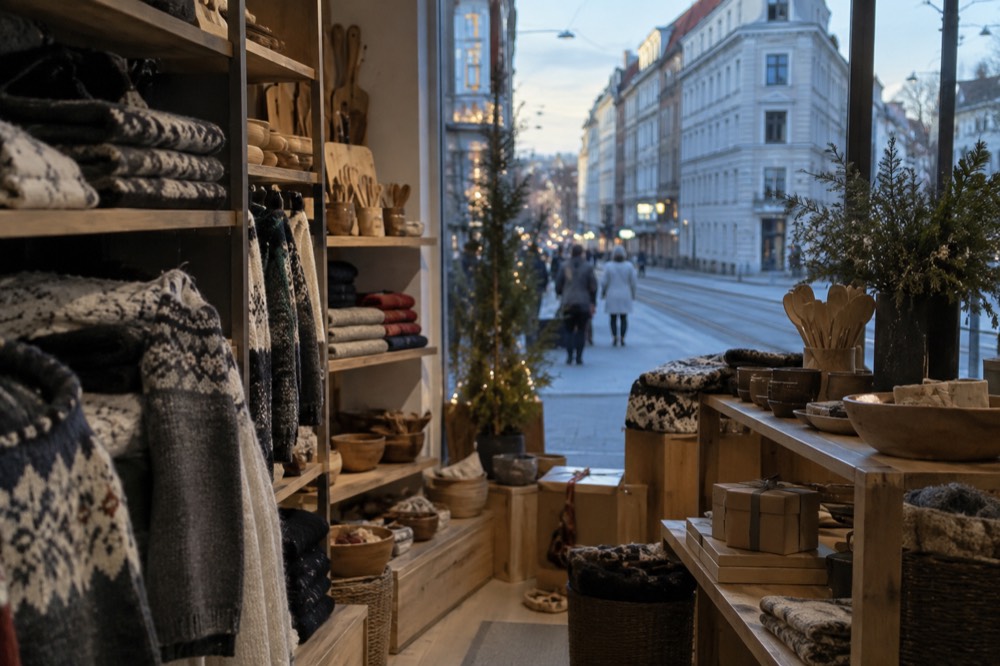
The genuinely Norwegian souvenir list is short and reliable: wool knitwear from Norwegian mills, chocolate from Freia, Nidar or smaller makers, aquavit and gin from Vinmonopolet, brown cheese and jarred cloudberry products from any supermarket, and design objects from Norwegian and Scandinavian brands. Everything else on the tourist strips, the plastic Vikings, the generic fleece, the printed mugs, is imported and sold at a markup. If a label does not say made in Norway, treat it as a memento rather than a product of the country.
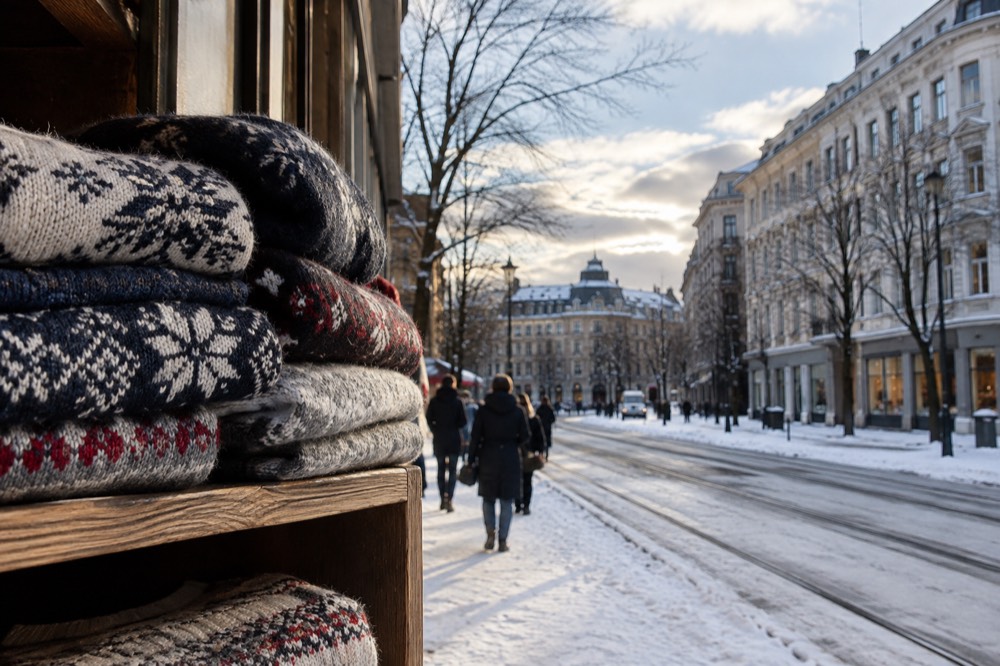
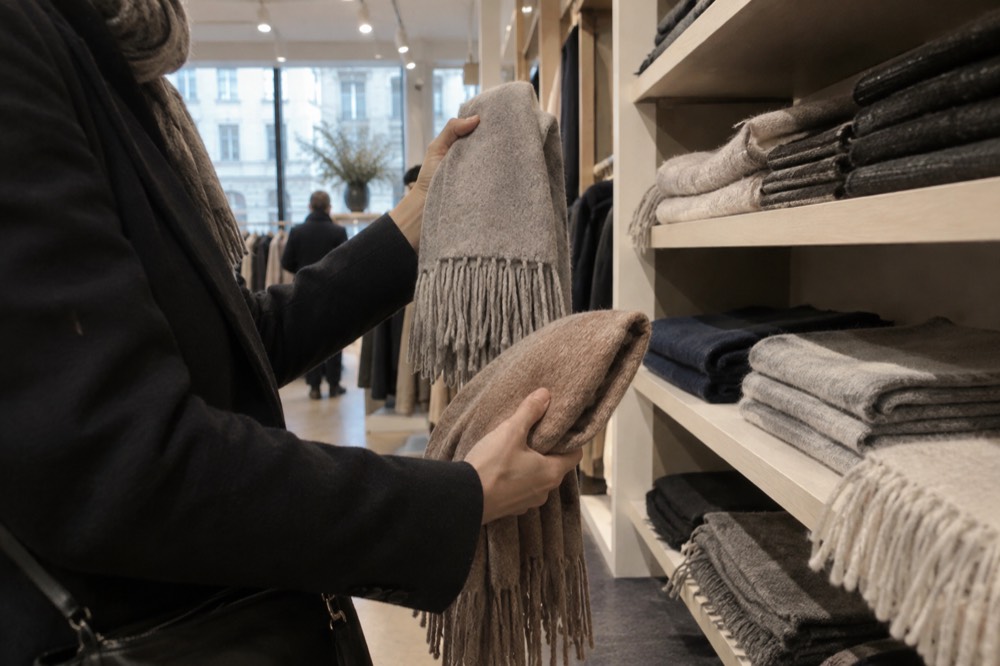
Wool is the headline. Norwegian knitwear, from the big mills and from smaller workshops, is expensive but it is the one souvenir that performs a function for a decade. A traditional patterned sweater bought in Oslo is a real garment, not a costume, and it is the item Norwegians themselves spend money on. Look for a wool content label and a Norwegian origin; blends exist and cost less, and the honest shops label both clearly.
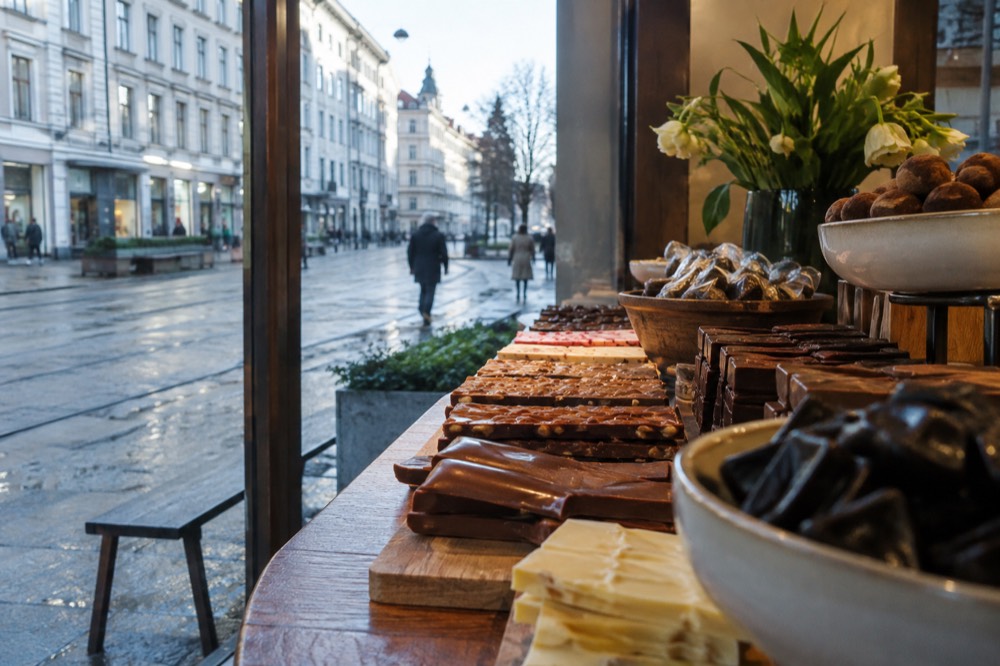
Chocolate is the volume answer. Freia's milk chocolate, the Melkesjokolade bar, is close to a national symbol, and Nidar, the Trondheim counterpart, covers the rest of the traditional range. Small-batch Norwegian chocolate makers have multiplied in recent years and several sell bars that travel well. This is the souvenir that solves the "something for everyone back home" problem, and a supermarket is the cheapest place to buy it.
Alcohol is the souvenir with rules. Aquavit, the caraway-flavored spirit, is the classic bottle to carry home, and Norwegian gin has a strong reputation. But wine, spirits and anything above the supermarket strength limit can only be bought at Vinmonopolet, the state monopoly, which closes early on Saturdays and all day Sunday. Supermarkets sell beer and cider only up to 4.7% ABV, with a fixed evening cut-off. If a bottle is on your list, plan the Vinmonopolet stop on a weekday.
Where Should You Buy Souvenirs in Oslo?
Buy design and homeware in the shops around Grünerløkka and the city center, buy food and chocolate in ordinary supermarkets, buy alcohol only at Vinmonopolet, and treat the Karl Johans gate souvenir strip as a last resort rather than a first stop. The gap between a supermarket and a tourist stall on identical chocolate is real money, and the gap between a design shop and a stall on quality is the difference between an object and landfill. Our Oslo shopping guide maps the retail districts in detail.
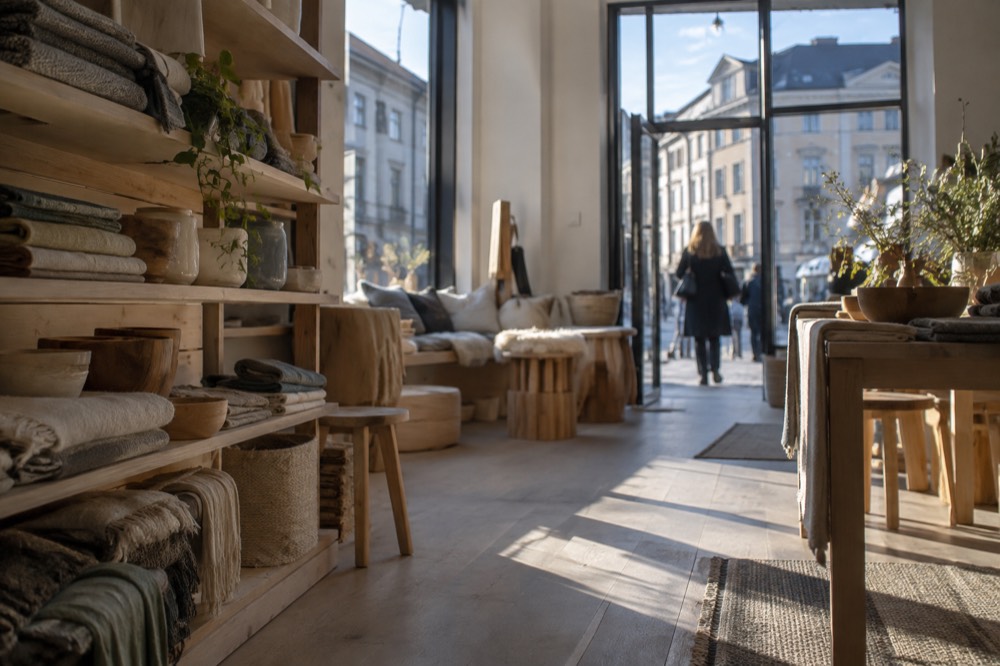
Grünerløkka, the district east of the river, is the design and independent-retail heart of the city. Its streets carry a dense run of Norwegian and Scandinavian interior brands, smaller ceramics studios, and vintage shops, and it is where the Grünerløkka neighbourhood food walk runs, which doubles as a guided introduction to what the district actually sells and eats. Walking it costs nothing until you decide something is worth carrying.
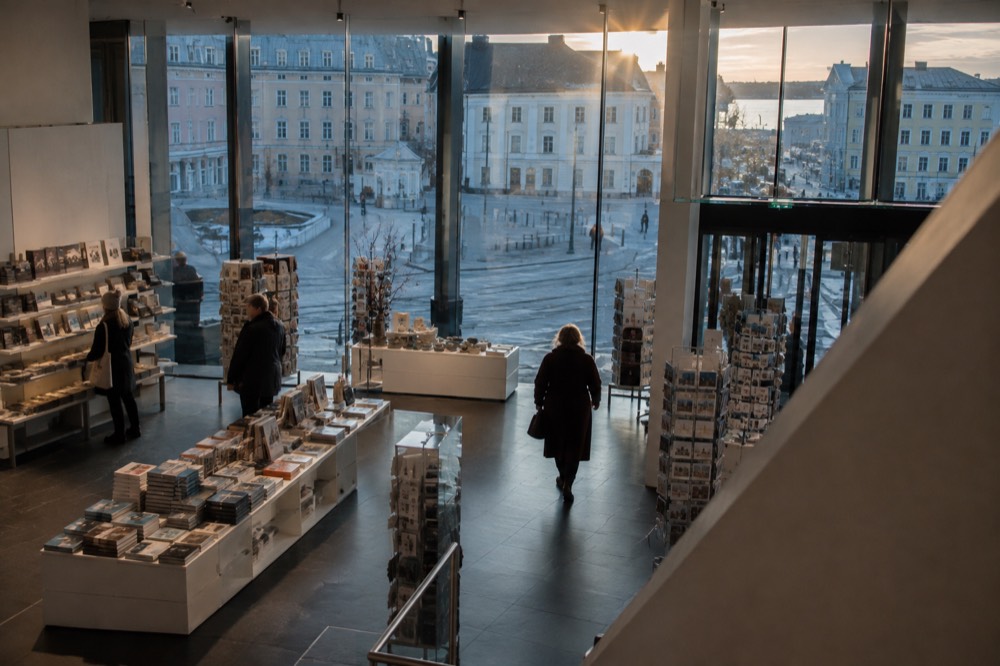
Museum shops are the quiet middle path. The shops at the National Museum, MUNCH, and the Bygdøy museums are curated, and several stock Norwegian design objects and books you will not find on the tourist strip. If a Bygdøy museums day is already in your plan, the shops there do double duty, and the Kon-Tiki Museum shop in particular stocks expedition-themed items tied to the actual collection rather than to a generic Viking fantasy.
Mathallen, the food hall in the Vulkan area, is the place for edible souvenirs that feel deliberate: Norwegian cheese, cured meats, coffee, and small-producer items in gift-ready packaging. Our Mathallen Oslo guide covers the stalls. Prices are food-hall prices, higher than a supermarket, but the packaging and the range are aimed squarely at people taking Norway home in a bag.
The table below is the honest summary of where each category belongs.
| Souvenir category | Best place to buy | Notes |
|---|---|---|
| Wool knitwear | Brand stores, design shops, museum shops | Check the label for Norwegian origin and wool content |
| Chocolate and sweets | Supermarkets | Same products as gift shops at lower prices |
| Aquavit, gin, wine | Vinmonopolet | Closed Sundays, early close Saturdays, bring ID |
| Beer and cider | Supermarkets | 4.7% ABV limit, fixed evening cut-off |
| Brown cheese, cloudberries | Supermarkets, Mathallen | Sealed jars travel well |
| Design and homeware | Grünerløkka shops, museum shops | Look for Norwegian and Scandinavian brands |
| Postcards, prints | Museum shops, bookshops | Skip the cruise-terminal stalls |
| Anything with a plastic Viking | Nowhere | Imported, marked up, not Norwegian |
How Does the VAT Refund Work for Souvenir Shopping?
Because Norway is in Schengen but not in the EU, it sits outside EU VAT, so non-resident visitors can claim a VAT refund on qualifying purchases, typically on single-store spends above a minimum amount, with the refund processed at the airport before you leave. You ask for a refund form at the till when you buy, keep the goods unused and in your hand luggage with receipts, and present them at the refund point at Gardermoen before departure. The minimum spend per store is in the low hundreds of NOK, so one sweater qualifies and one chocolate bar does not.
The mechanics matter more than most guides admit. Not every shop participates, so if the refund is the difference between two shops for the same item, ask before you buy. The goods must leave Norway with you, and the refund point at the airport can ask to see them, so do not pack the sweater into a checked bag before it is stamped. Processing a refund takes minutes, but Gardermoen's morning peaks are real, and our Oslo airport guide covers how much time the airport itself deserves.
The other half of the money picture is what Norway costs in the first place. The price-level research is blunt: household prices 28.6% above the EU average, food a third above, alcohol more than double. The souvenir-relevant reading of that is simple. A Norwegian wool sweater is expensive because Norway is expensive, not because you are being scammed, and the same sweater bought at a stall without a Norwegian label is expensive for no reason at all. The is Oslo expensive page carries the full breakdown.
What Food Souvenirs Survive the Trip Home?
The food souvenirs that travel well are Norwegian chocolate, brown cheese in a sealed tub, cloudberry jam, crispbread, and cured meats in sealed packaging; fresh seafood and anything requiring refrigeration do not, and alcohol is limited by your destination's duty-free allowance. Brown cheese, the caramel-flavored brunost, is the most Norwegian item on any shelf and divides opinion exactly the way a souvenir should. Sealed jars and tubs survive a week in a suitcase without complaint.
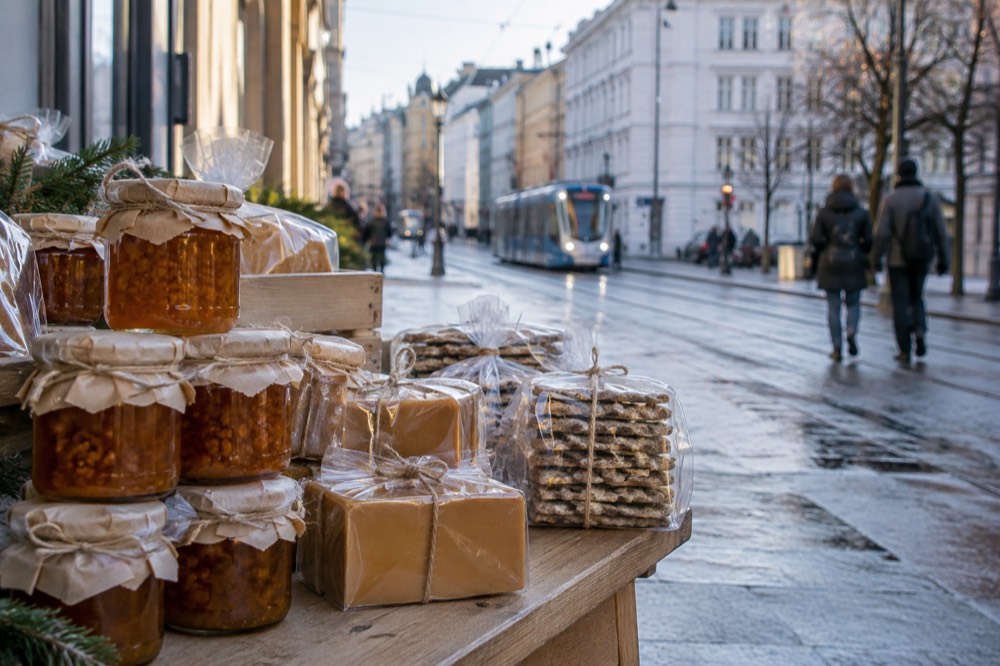
Cheese and meat carry import rules at the far end. The EU allows personal-import quantities of most sealed products from Norway, but rules differ by destination and change, so check your home country's rules before you fill a bag. The safe universal items are chocolate, coffee, jam, and crispbread, none of which excites a customs officer anywhere. Our best restaurants in Oslo page is the place to plan the meals that happen before the souvenir stage.
Coffee deserves its own line. Oslo roasts seriously, the city has one of Europe's strongest coffee cultures, and bags of beans from a city roaster are light, legal everywhere, and used up within a month, which is more than most souvenirs can claim. The Oslo coffee guide lists the roasters whose beans you can buy by the bag.
How Much Should You Budget for Souvenirs in Oslo?
A realistic souvenir budget in Oslo is a few hundred NOK per person for chocolate and small food items, around 1,000 to 3,000 NOK for a proper wool accessory such as a hat, scarf or mittens, and 3,000 NOK and up for a traditional Norwegian sweater, with design objects and spirits filling the range between. Those are planning ranges, not operator promises: prices vary by maker, material, and shop, and the honest way to shop is to compare three shops before committing to the big item.
The budget logic follows the cost structure. Because food runs a third above the European average, the edible souvenirs are the ones where the price gap with home is most visible, but the absolute numbers are still small: a chocolate bar is a chocolate bar, even a Norwegian one. Because alcohol runs at more than double the European average, the aquavit bottle is the single most expensive common souvenir, and the VAT refund matters most on exactly that purchase.
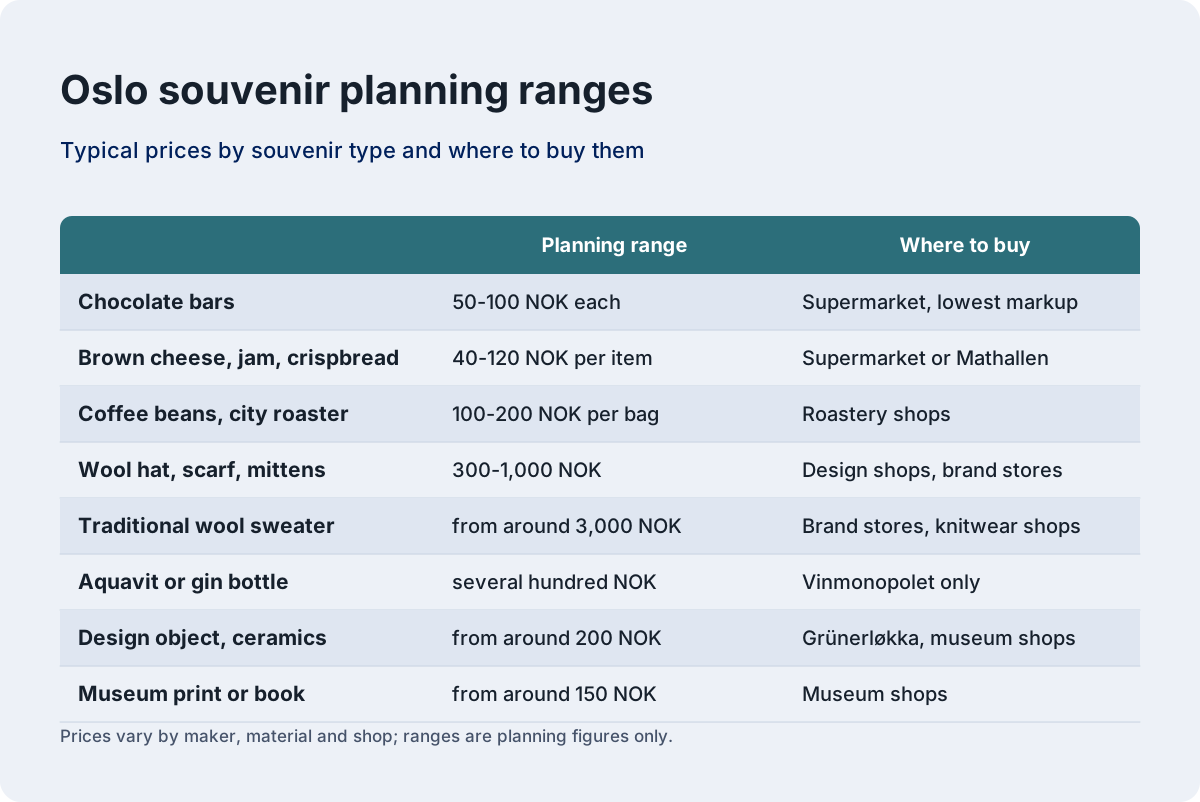
The planning table below turns those structures into a shopping budget.
| Souvenir | Planning range | Where the money goes |
|---|---|---|
| Chocolate bars | 50-100 NOK each | Supermarket, lowest markup |
| Brown cheese, jam, crispbread | 40-120 NOK per item | Supermarket or Mathallen |
| Coffee beans, city roaster | 100-200 NOK per bag | Roastery shops |
| Wool hat, scarf, mittens | 300-1,000 NOK | Design shops, brand stores |
| Traditional wool sweater | from around 3,000 NOK | Brand stores, knitwear shops |
| Aquavit or gin bottle | several hundred NOK | Vinmonopolet only |
| Design object, ceramics | from around 200 NOK | Grünerløkka, museum shops |
| Museum print or book | from around 150 NOK | Museum shops |
Which Museum Shops Are Worth the Visit on Their Own?
The strongest museum shops for souvenirs are the National Museum, MUNCH, Kon-Tiki and the Fram Museum, each stocking items tied to their actual collections, from art books and prints to expedition-themed design, and all reachable on an ordinary museum ticket or an Oslo Pass. The shops at the National Museum and MUNCH lean art and design; the Bygdøy pair lean exploration and polar history. None of them sell the imported flag tat of the tourist strip.
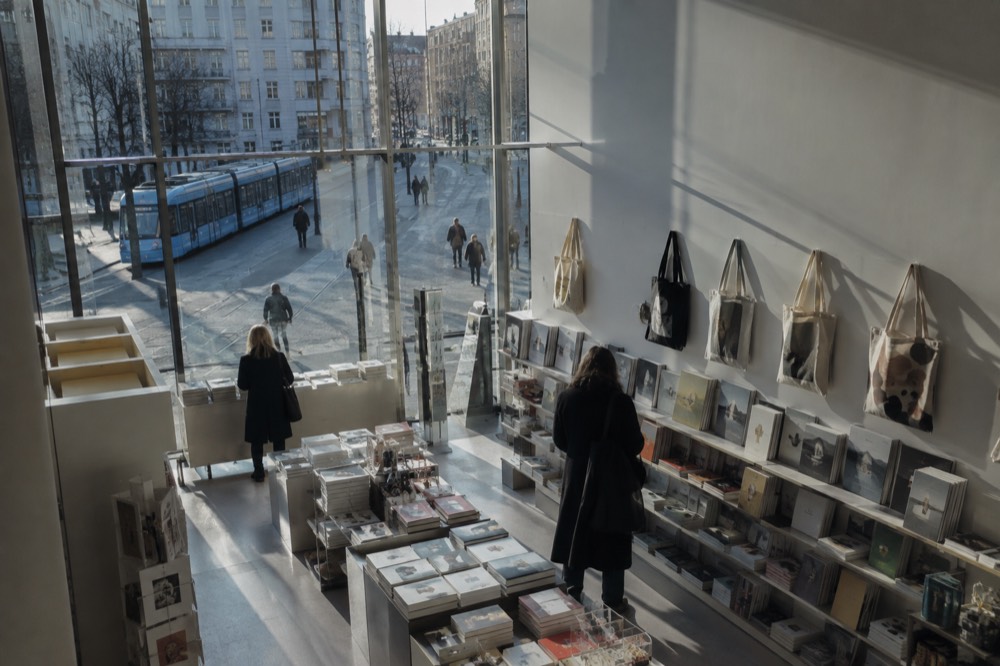
The Bygdøy cluster pairs well as a shopping trip because it doubles as the city's best museum day. The Kon-Tiki Museum shop sits beside the Fram Museum shop, and a combined ticket for the two museums costs 325 NOK for an adult, against 180 NOK each bought separately, which is the kind of arithmetic our Oslo Pass worth-it analysis runs across the whole museum list. A 24-hour pass at 580 NOK covers entry to more than 30 museums plus the transport between them.
For art specifically, the National Museum holds The Scream, and its shop is the natural place for printed matter, while MUNCH, at 280 NOK adult entry with free admission for anyone 17 or under, has a shop whose range follows the museum's single-artist focus. Our National Museum guide and MUNCH guide cover the visits themselves.
| Museum shop | Strength | Museum entry |
|---|---|---|
| National Museum | Art books, prints, design | Oslo Pass covered |
| MUNCH | Munch prints and single-artist range | 280 NOK adult, under-18s free |
| Kon-Tiki | Expedition books and items | 180 NOK adult |
| Fram | Polar history range | 180 NOK adult |
| Norsk Folkemuseum | Norwegian craft and tradition | 200 NOK adult, children free |
| Astrup Fearnley | Contemporary art and catalogues | 180 NOK adult, under-20s free |
What Should You Not Buy in Oslo?
Do not buy the imported flag merchandise on the tourist strips, do not buy anything sold as a Viking ship ticket or Viking ship replica tied to the closed Museum of the Viking Age, and do not plan a Sunday or late-Saturday alcohol purchase, because Vinmonopolet is shut and supermarkets cannot sell you the bottle you wanted. The former Viking Ship Museum on Bygdøy is closed and will reopen as the Museum of the Viking Age in 2027; the honest Viking-themed buy in the meantime is the Viking Planet attraction's own items, or the Historical Museum's Viking-age objects and shop.
The plastic-horned helmets deserve a specific mention, because they are everywhere and they are wrong twice over: Vikings did not wear horned helmets, and the ones on sale here were not made in Norway. If someone on your list wants Viking things, the museum shops sell historically grounded items, and our Museum of the Viking Age page explains what is actually open and where the real objects are while the new building is finished.
The last category to skip is anything you could buy cheaper at home without the suitcase weight. Generic fleece, generic mugs, and generic keychains fail that test. The Norwegian things, wool, chocolate, spirits, design, are not available cheaper elsewhere, which is the entire point of hauling them across an ocean.
How Do You Fit Souvenir Shopping Into an Oslo Itinerary?
Fit souvenir shopping into the last full day, not the departure morning: buy alcohol on a weekday at Vinmonopolet, buy food items the day before you fly, keep receipts and refund forms with the goods in your hand luggage, and leave Gardermoen time for the VAT refund point before security. The failure mode is a departure morning that discovers Vinmonopolet is closed, the refund desk has a queue, and the sweater is already in a checked bag.
A sensible sequence looks like this: design and wool purchases on the Grünerløkka day, when you can comparison-shop across a dozen stores on foot; the Vinmonapolet stop on any weekday afternoon; chocolate and food on the second-to-last evening at any supermarket; and the refund paperwork at the airport with two hours to spare. If the trip is short, our one day in Oslo and 2 days in Oslo itineraries show where a shopping block fits without cannibalizing the sights.
The harbor is where the shopping and the sightseeing genuinely overlap. Aker Brygge's shops sit on the waterfront the whole city faces, and the fjord cruise terminal is a short walk from the design district, which is why the Aker Brygge guide is worth a read before you plan the afternoon. The postcards you buy will show you the water; the cruise shows you the water.
Common Questions About Oslo Souvenirs
What is the best souvenir from Oslo?
Norwegian wool knitwear is the best souvenir from Oslo: it is genuinely made in Norway, it lasts for years, and it is the item locals themselves spend money on. Chocolate from Freia or Nidar is the best low-cost option, and a bottle of aquavit from Vinmonopolet is the classic gift bottle, provided you buy it on a weekday.
Is Oslo good for shopping?
Oslo is good for a specific kind of shopping: Norwegian design, wool, and food. Grünerløkka carries the independent retail, the city center carries the brands, and museum shops carry curated ranges. It is not a bargain city, prices run well above the European average, so go for quality over quantity.
Can tourists get a VAT refund in Norway?
Yes. Norway is in Schengen but not in the EU, so it sits outside EU VAT, and non-resident visitors can claim a VAT refund on qualifying purchases above a minimum spend per store. Ask for the refund form at the till, keep the goods unused with receipts in your hand luggage, and process the refund at Gardermoen before departure.
Where can I buy alcohol in Oslo as a souvenir?
Only at Vinmonopolet, the state monopoly, for wine, spirits, and anything above the supermarket strength limit. It is closed on Sundays and public holidays and closes early on Saturdays. Supermarkets sell beer and cider only up to 4.7% ABV, with a fixed evening cut-off.
What chocolate should I buy in Norway?
Freia Melkesjokolade, the milk chocolate bar, is the closest thing to a national candy and is sold in every supermarket. Nidar covers the traditional range, and several small Norwegian makers sell premium bars that travel well. Supermarkets are the cheapest place to buy all of it.
Are museum shops in Oslo expensive?
Museum shop prices in Oslo are comparable to the same goods in city shops, and the ranges are curated rather than generic. The National Museum and MUNCH shops are strong for prints and books, and the Bygdøy museum shops stock expedition-themed items tied to their collections. Entry to the museums is covered by the Oslo Pass.