Oslo History: A Practical Guide to the City's Past
Oslo's past is not gathered in one building. It is spread across a fortress, a museum peninsula, a sculpture park and a handful of city-center streets, and several of the places that promise it are shut or rebuilt. This guide maps what is genuinely open, what it costs, and how to walk the story in a day.
Short answer
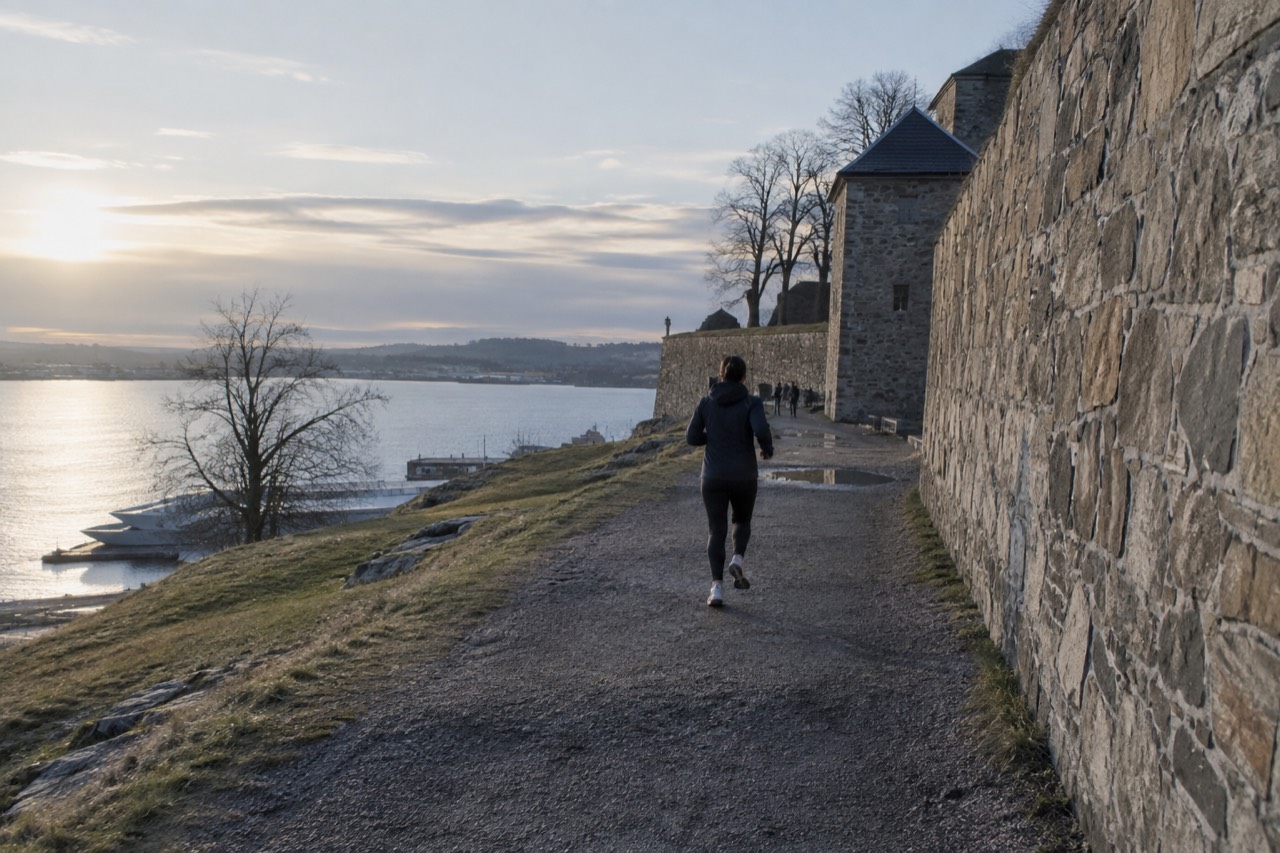
Oslo's history is best seen through its museums and buildings: Akershus Fortress, the Bygdøy museums at 180 to 200 NOK each, and the Vigeland sculpture park, which is free and open around the clock. The Viking Ship Museum is closed until 2027, so the Historical Museum and Viking Planet carry the Viking story for now.
Oslo does not wear its age on its sleeve. The city center is glass and water, the skyline is a ski jump and an opera roof, and the oldest-looking thing most visitors walk past is a fortress that has been rebuilt so many times that its layers argue with each other. The history is here, in quantity, but it is distributed: a peninsula of museums, a fortress at the water's edge, a sculpture park that doubles as a national self-portrait, and a set of streets whose names record who ruled and when.
This guide is the practical map. It tells you which sites carry which era, what each one costs in the currency you will actually pay, which famous attraction is closed and until when, and how to string the whole story into a single day of walking. Where a figure matters, it is here. Where a date is not confirmed, we say so rather than sharpen it.
How Far Back Does Oslo's Story Go?
Oslo's documented past reaches into the Middle Ages, and the city's deepest layer is medieval, but the visible city you can walk today is largely a product of the last two centuries of rebuilding, fire, renaming and expansion. The practical consequence for a visitor is simple and worth stating plainly before anything else: the oldest things worth seeing are not in the oldest-looking buildings. They are in museums, in fortress walls, and in a handful of preserved structures that survived the fires and rebuildings that reshaped the rest. Anyone hoping for a medieval old town on the scale of other European capitals will not find one here, and knowing that in advance changes how you plan the day.
The city has burned and been rebuilt more than once, and each reconstruction moved the center of gravity. What survived, or was deliberately preserved, now does the work of several centuries of street life. The Gol stave church, a medieval wooden church building relocated to the museum peninsula, is the clearest example: the structure is genuinely old, the setting is a museum, and the combination is how Oslo handles most of its deep past. You read the medieval city indoors and walk the modern one outside.
That split is worth embracing rather than fighting. A morning among the museum buildings on Bygdøy, followed by an afternoon walking the waterfront and the fortress, gives you both halves of the story in the right order. The Oslo walking route covers the outdoor half in detail if you want the street-level version first.
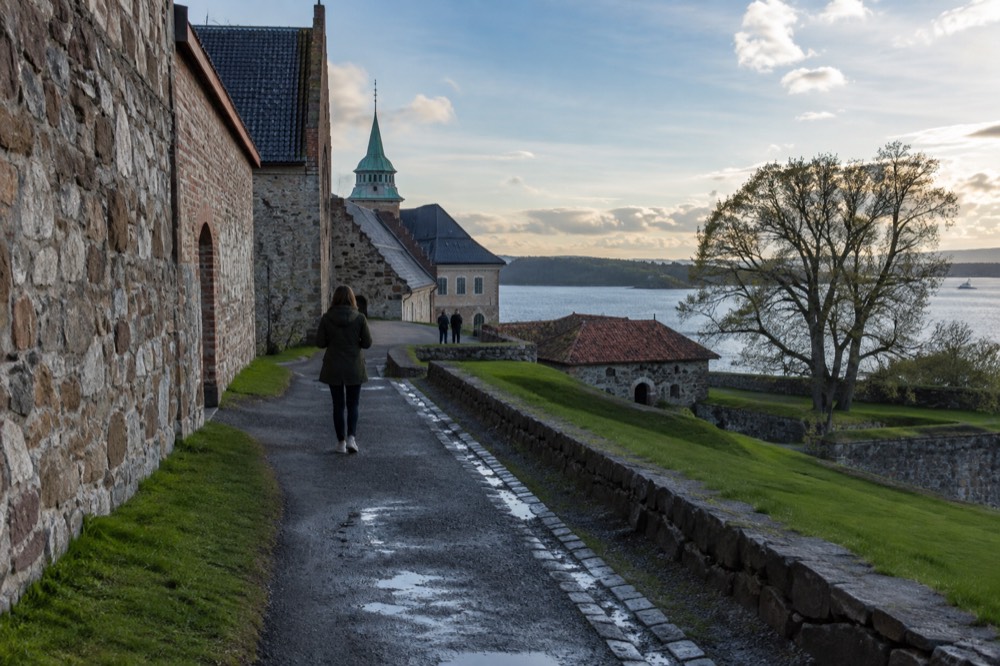
The fortress is the best single place to feel the age of the place. Akershus Fortress has guarded the harbor entrance for centuries, its walls have been reinforced, bombarded and restored across successive eras, and its grounds are open to walk for free. The complex also holds the Resistance Museum, which carries the story of the war years, and the contrast between the medieval defensive architecture and the twentieth-century exhibits inside it is the whole history of the city compressed into one site.
What Happened to the Viking Ships?
The former Viking Ship Museum on Bygdøy closed in 2021 and will reopen as the Museum of the Viking Age in 2027, and until then no visitor can see the famous ships in Oslo, because all three have been moved into the new building that is still under construction. The museum's own site states the closure and the reopening year plainly, and it directs visitors to Viking Age objects at the Historical Museum in the city center in the meantime. This is the single most important planning fact for a history-focused trip, because the closed museum still dominates search results and plenty of itineraries circulating online still send people to a locked gate.
The move itself was an engineering event worth knowing about. The Oseberg ship was moved into the new structure in September 2025, the Gokstad ship followed later that year, and the Tune ship, the last of the three, was moved in February 2026. More than 5,000 objects from the collection still had to be transferred and the old building rehabilitated, which is why the reopening target is the end of 2027 and why the museum commits publicly to the year and nothing more precise. Any itinerary that promises a month is guessing.
For now, the honest substitutes are two. The Historical Museum in central Oslo holds Viking Age objects, including pieces the museum's own site describes as exquisite, and it sits within walking distance of the other city-center sights. Viking Planet, a VR-based Viking experience near the harbor, is the bookable option, and its ticket includes the film. Neither is the ships, and pretending otherwise would be dishonest, but between them a visitor gets a real piece of the story.
Our dedicated page on the Museum of the Viking Age tracks the reopening in detail. If your trip falls before the new building opens, plan the Viking portion of your day around the city center and spend the Bygdøy hours on the museums that are genuinely open.
Here are the three bookable experiences that carry the most history per hour, from the museum anchor to the walks that put the story in the streets:
Where Does World War II Show in the City Today?
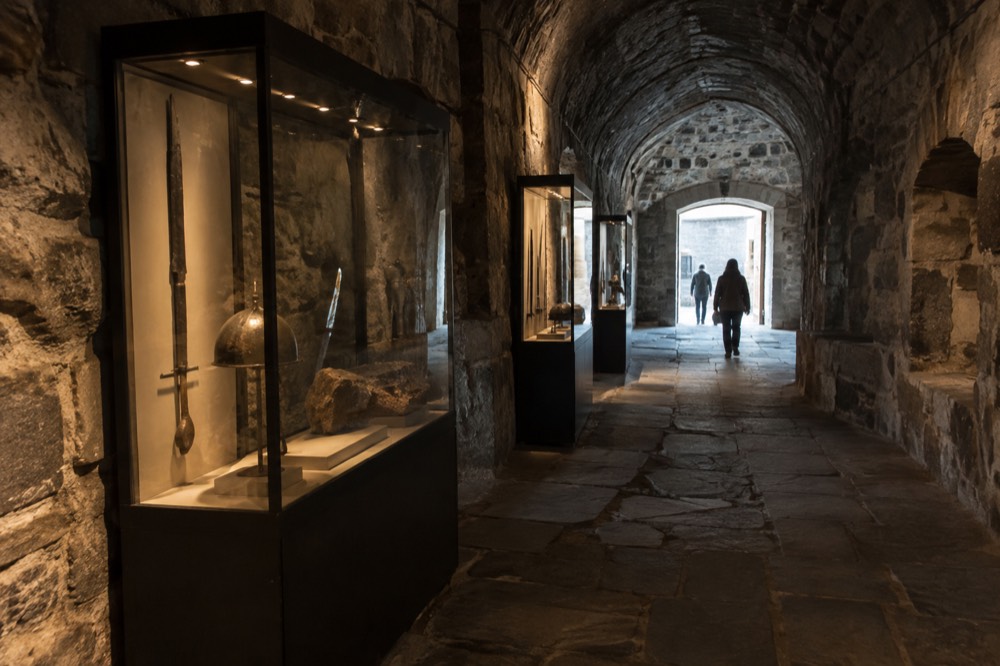
The war years of the occupation left visible marks across Oslo, and the two places that carry them best are the Resistance Museum inside Akershus Fortress and the city-center sites tied to the occupation, which a dedicated themed walking tour covers in detail. The fortress matters doubly here: it was a military installation during the occupation, and the museum inside it documents the Norwegian resistance movement, the sabotage operations and the daily reality of an occupied capital. For many visitors this is the most affecting history in the city, more so than anything medieval, because the buildings and streets involved are the same ones you are walking anyway.
The occupation reshaped everyday life in ways the city still records. Rationing, censorship, deportation and resistance all happened inside the blocks between Karl Johans gate and the waterfront, and the regime's use of existing buildings, rather than new ones, means the geography of the occupation is the geography of the modern city center. A themed walk that moves through these sites with a guide does something self-guided wandering cannot: it names what happened at specific addresses, and it separates the verified events from the legends that grew around them afterward.
The Resistance Museum is the indoor anchor, and it is covered by the Oslo Pass along with the other major museums. Pair it with a walk of the center and you have a complete war-era day. The themed occupation walk below is the strongest bookable version of that second half.
| WWII site | What it shows | Where it is |
|---|---|---|
| Resistance Museum | The Norwegian resistance movement, sabotage and occupation daily life | Inside Akershus Fortress |
| Akershus Fortress grounds | A military site used through the occupation, free to walk | Harbor entrance, city center |
| Karl Johans gate and center | The streets where occupation-era events played out | Main processional street |
| Quay and harbor area | The waterfront that defined wartime supply and control | Between the fortress and City Hall |
A guided evening walk adds a different register again. The myths and legends walk below runs in the dark season, from October to March, and it mixes the older folklore of the city with the darker chapters of its record, which is the version of Oslo's past that a museum case cannot deliver.
Which Museums Tell Oslo's Story Best?
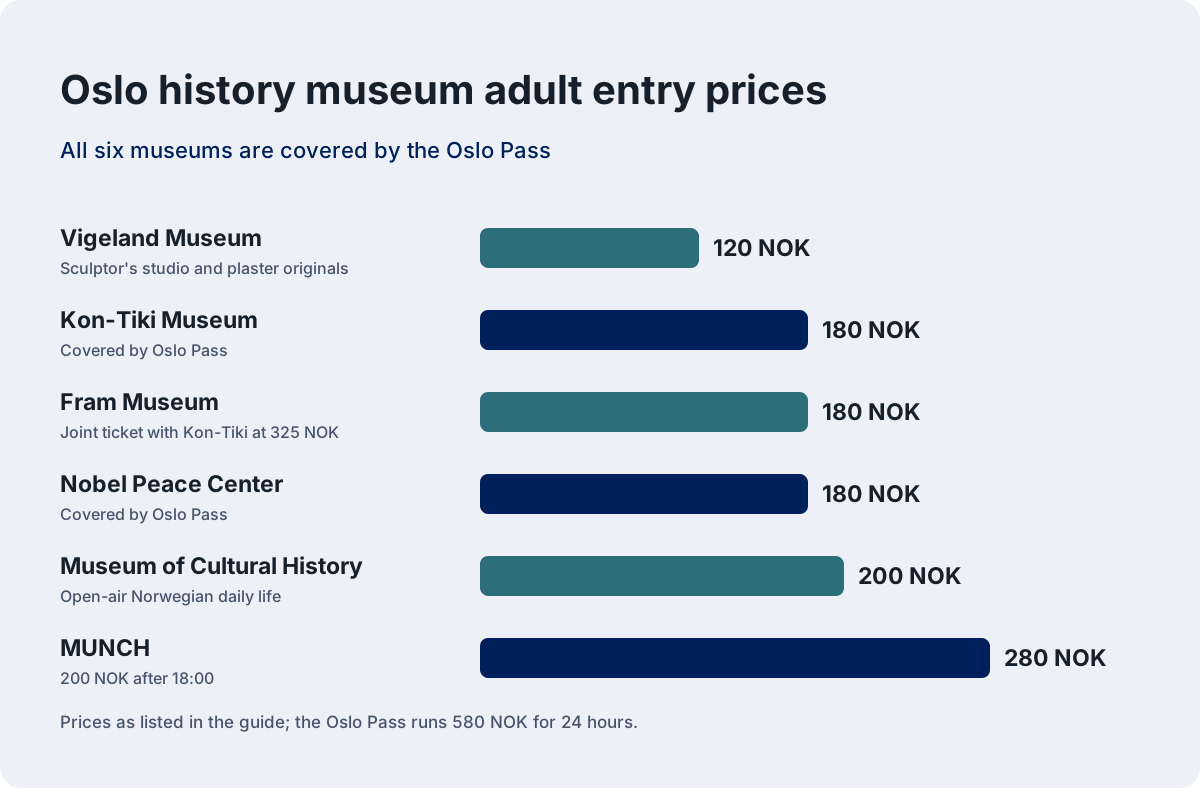
The strongest history museums in Oslo are the Bygdøy cluster, with the Fram Museum and the Kon-Tiki Museum at 180 NOK adult each and the Norwegian Museum of Cultural History at 200 NOK, plus the city-center institutions like MUNCH at 280 NOK and the Vigeland Museum at 120 NOK. Every one of these is covered by the Oslo Pass, which changes the arithmetic considerably: the pass runs 580 NOK for 24 hours, and three Bygdøy museums at full price already total 560 NOK before you add transport. A serious museum day in Oslo is a day where the pass pays for itself, and a casual one is a day where individual tickets are cheaper.
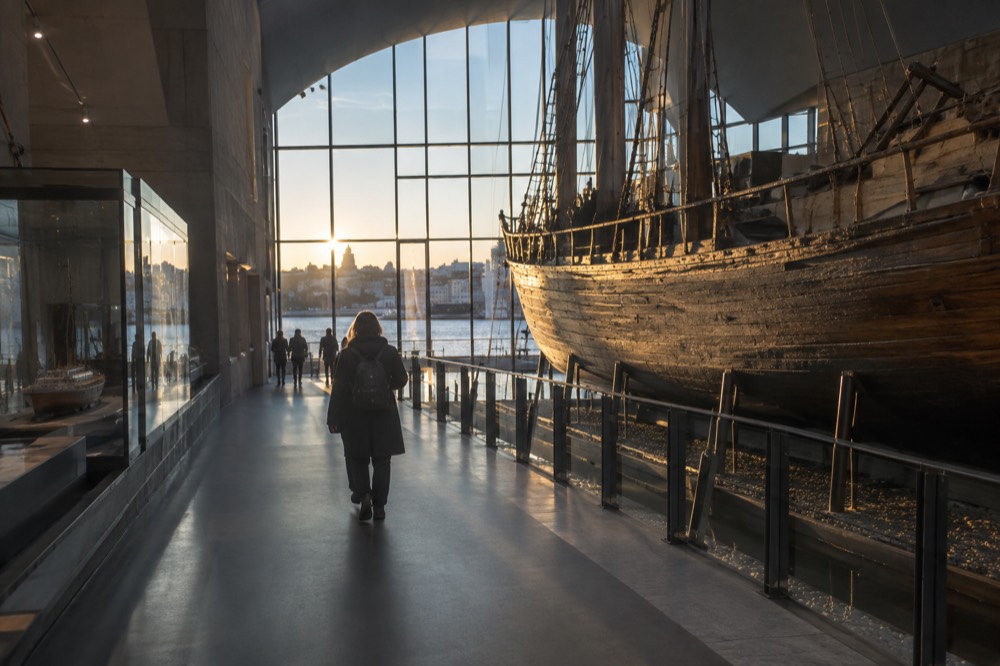
The Bygdøy peninsula is where the maritime and ethnographic history lives. The Kon-Tiki Museum documents Thor Heyerdahl's raft expeditions, the Fram Museum holds the strongest polar-ship story in the world, and the Norwegian Museum of Cultural History spreads centuries of Norwegian domestic and rural life across open-air grounds, including the relocated stave church. The three sit within walking distance of each other, and the Bygdøy guide covers the logistics of getting there, including the seasonal ferry and the year-round bus.
| Museum | What it carries | Adult entry | Oslo Pass |
|---|---|---|---|
| Kon-Tiki Museum | Raft expeditions and expedition history | 180 NOK | Covered |
| Fram Museum | The polar ship and polar exploration | 180 NOK | Covered |
| Norwegian Museum of Cultural History | Centuries of Norwegian daily life, open-air | 200 NOK | Covered |
| MUNCH | The painter and the era he defined | 280 NOK (200 after 18:00) | Covered |
| Vigeland Museum | The sculptor's studio and plaster originals | 120 NOK | Covered |
| Nobel Peace Center | The peace prize and the history around it | 180 NOK | Covered |
Two notes on that table. MUNCH's evening pricing means a post-dinner visit costs 80 NOK less than a daytime one, and under-25s pay 100 NOK at any hour, with 17 and under free. And the Kon-Tiki and Fram museums sell a joint ticket at 325 NOK adult, with a three-museum version including the Maritime Museum at 485 NOK, so check the combination against the pass math before buying anything individually.
The Kon-Tiki ticket is the one worth booking ahead, because it anchors the peninsula day and the time slot shapes everything around it.
The city-center institutions tell a different, more modern story. The National Museum holds the national art collection including The Scream, and its building is itself a statement about how Norway wanted to present its culture to the world. The Nobel Peace Center carries the peace prize's history, which for Oslo is not a side note but a central piece of the city's twentieth-century identity. Children enter both free.
For the full museum landscape, including the smaller and newer entries, the Oslo museums overview is the deeper page. For a single-day plan that mixes museums with the outdoor sights, start from one day in Oslo and swap in the history-heavy stops from this guide.
How Did Oslo Become the City You See Today?
The modern city is the product of a waterfront transformation that is still visibly in progress, with the Opera House, the Barcode district and the MUNCH museum at Bjørvika all built on former industrial harbor land, and the shift from a working port to a cultural waterfront is the defining story of contemporary Oslo. Walking from the central station toward the water makes the sequence legible: the industrial past is documented, the cultural present is stacked along the shore, and the construction cranes mark the parts still in transition. This is history in the making rather than history preserved, and it is the one era of the city you can watch rather than read about.
The Oslo City Hall is the hinge between the older civic city and the modern one. Its interior murals and design encode the ideals of the generation that built it, and it hosts the Nobel Peace Prize ceremony, tying the building directly into the international story the city tells about itself. It sits at the head of the harbor facing the fjord, exactly where the civic and maritime halves of Oslo meet, and it is the natural mid-point of any history walk through the center.
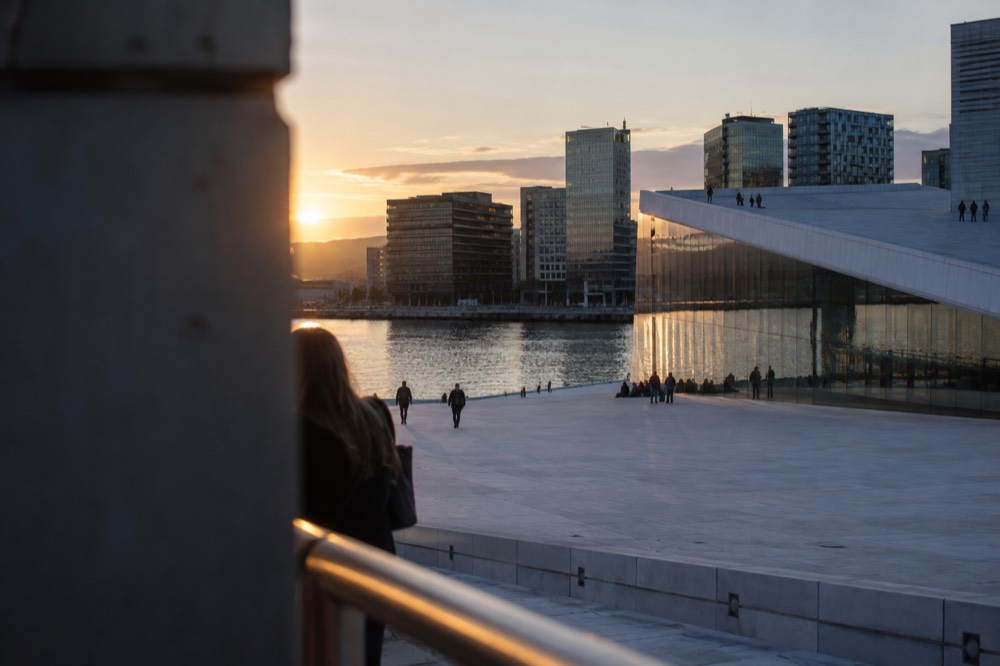
The Barcode district and the Opera House are the newer chapters. The opera's walkable roof, free and open to the public, has become the single most recognizable image of the new Oslo, and it was deliberately built as public space rather than monument. The MUNCH museum's move to Bjørvika consolidated the painter's legacy in a building that anchors the newest stretch of the waterfront, and its adult ticket at 280 NOK, dropping to 200 NOK after 18:00, makes the evening visit the better-value option for anyone whose day is already full.
One piece of context that visitors from outside Europe regularly need: Norway is in the Schengen Area but not in the European Union, an EEA state through EFTA, using the krone rather than the euro. That arrangement shapes the modern city's trade, its customs rules and its duty-free allowances, and it is the political answer to the question of why Oslo feels both very European and distinctly separate. The full index of guides sits on Oslo Travel Guide. The full index of guides sits on Oslo Travel Guide.
What Are the Key Eras, and Where Do You See Each One?
Oslo's history divides into a handful of legible eras, and each one has a specific place where it is best seen, from the medieval structures at the fortress and the stave church to the maritime-expansion era on Bygdøy and the wartime and welfare-state chapters in the city center. Rather than memorizing a timeline, the practical move is to match each era to its site and let the geography organize the chronology. The table below does exactly that, and it is the planning spine of a history-focused visit.
The value of this approach is that it works even with the Viking museum closed. The Viking era still has two honest homes, the deep medieval era has the fortress and the stave church, and every later century has multiple buildings standing. A visitor who spends one day on the peninsula and one in the center will touch every era on this list without ever needing the closed building.
| Era | Where to see it | What you get |
|---|---|---|
| Viking Age | Historical Museum, Viking Planet | Objects and immersive film while the ships wait for 2027 |
| Medieval | Akershus Fortress, Gol stave church | Defensive walls and a wooden church building centuries old |
| Maritime and polar era | Fram Museum, Kon-Tiki Museum | The ships and rafts of Norway's exploration age |
| Rural and domestic history | Norwegian Museum of Cultural History | Open-air buildings, daily life across the centuries |
| World War II | Resistance Museum, city-center sites | Occupation, resistance and the war's street-level record |
| Modern waterfront | Opera House, Barcode, MUNCH, City Hall | The post-industrial cultural city being built now |
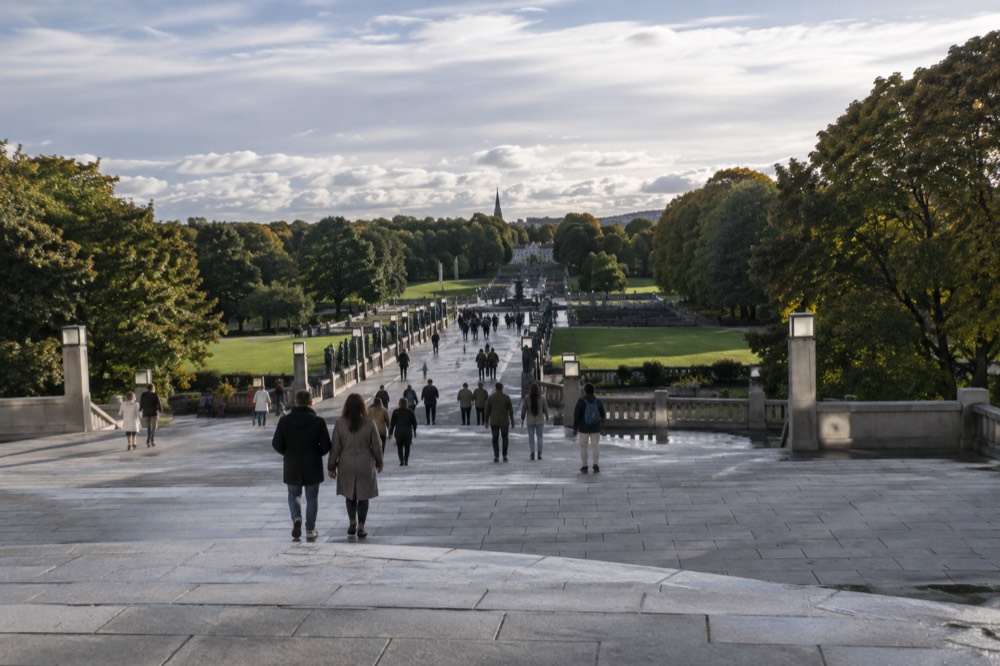
The sculpture park deserves its own line in any era map, because it is both a historical artifact and a living public space. Vigeland Park is free, open 24 hours a day all year, and holds more than 200 sculptures by Gustav Vigeland, the sculptor whose work the city adopted as a kind of national self-portrait. The separate Vigeland Museum, at 120 NOK, holds the studio and the plaster originals, and the two together give you the full artistic chapter of the early twentieth century. A guided art walk is the only bookable way to get the sculptures explained, and it is worth it here because the park's meaning is not self-evident from the stones alone.
How Do You Walk Oslo's History in One Day?
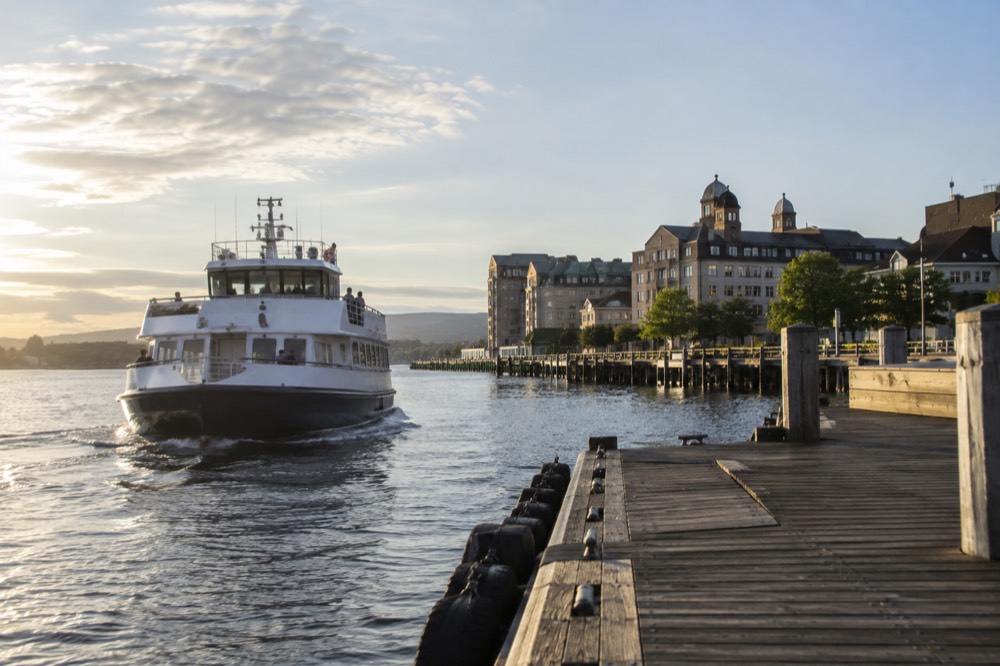
A single well-planned day covers the fortress, the harbor, the City Hall, the Opera House roof and one museum cluster, and the realistic version splits the day between the city center in the morning and Bygdøy after lunch, using either the seasonal ferry or bus 30 to cross. The ferry runs from Rådhusbrygge 3 from mid-March to early October and is included with the Oslo Pass but not with ordinary Ruter tickets, while bus 30 runs year-round on a standard ticket. Outside the ferry season, the bus is the only public option, and it takes about 15 minutes from the center.
The morning belongs to the center. Start at the fortress and the Resistance Museum, walk the harbor front past City Hall, cross to the Opera House roof while your legs are still fresh, and take in the Barcode skyline from the water's edge. Lunch anywhere on that stretch, then move to the peninsula for the museums. The order matters less than the split: the center's history is outdoors and free, the peninsula's is indoors and ticketed, and mixing them across the day keeps the cost and the fatigue both manageable.
| Time | Stop | What it covers | Cost |
|---|---|---|---|
| Morning | Akershus Fortress and Resistance Museum | Medieval walls plus WWII record | Grounds free, museum ticketed |
| Late morning | Harbor front and City Hall | Civic history and the peace prize ceremony site | Free outside |
| Midday | Opera House roof and Barcode | The modern waterfront era | Free |
| Afternoon | Bygdøy museums | Polar, maritime and domestic history | 180 to 200 NOK each, or pass |
| Evening | MUNCH after 18:00 | The painter and his era | 200 NOK after 18:00 |
Budget the day honestly. Museums dominate the spend, the outdoor sights cost nothing, and food is the wildcard in one of Europe's more expensive capitals. Norway sits sixth in Europe on price level overall, with food about a third above the European average and alcohol more than double, so the history day is cheapest where it is outdoors and dearest at dinner. The is Oslo expensive page breaks the whole budget question down with the sourced numbers.
If two days are available, the second belongs to the islands and the deeper neighborhoods. The Oslo islands carry their own layer of the story, from the ruined abbey on Hovedøya to the island communities that grew up within sight of the capital, and the ferries to them are ordinary Ruter services. The Oslo neighborhoods guide maps the east-west divide that shaped the modern city, which is a piece of social history most visitors never get told.
What Should You Not Waste Time On?
The main traps are the closed Viking Ship Museum, which still appears in itineraries and search results despite shutting in 2021, and the assumption that Oslo's history is concentrated in one walkable old town, which it is not. Neither mistake is obvious from a search result, which is why both are still so common. Beyond those two, the honest list is short but worth reading before you commit a day: do not buy a standalone ski jump ticket expecting a history experience, do not plan a northern lights excursion from Oslo, because no such tour exists at this latitude and the aurora is genuinely rare here, and do not treat the whole city as uniformly expensive, because the museums, the transport and the outdoors are the affordable parts while alcohol and restaurants are the costly ones.
The Viking museum trap is worth repeating because it is so common. Search volume for the old name remains enormous, listings that sell entry to the closed building were found live on booking platforms and excluded from this site's roster, and the honest answer until 2027 is the Historical Museum plus Viking Planet. Our page on why the Oslo Viking museum is closed covers the closure in full, including the reopening year as the museum itself states it.
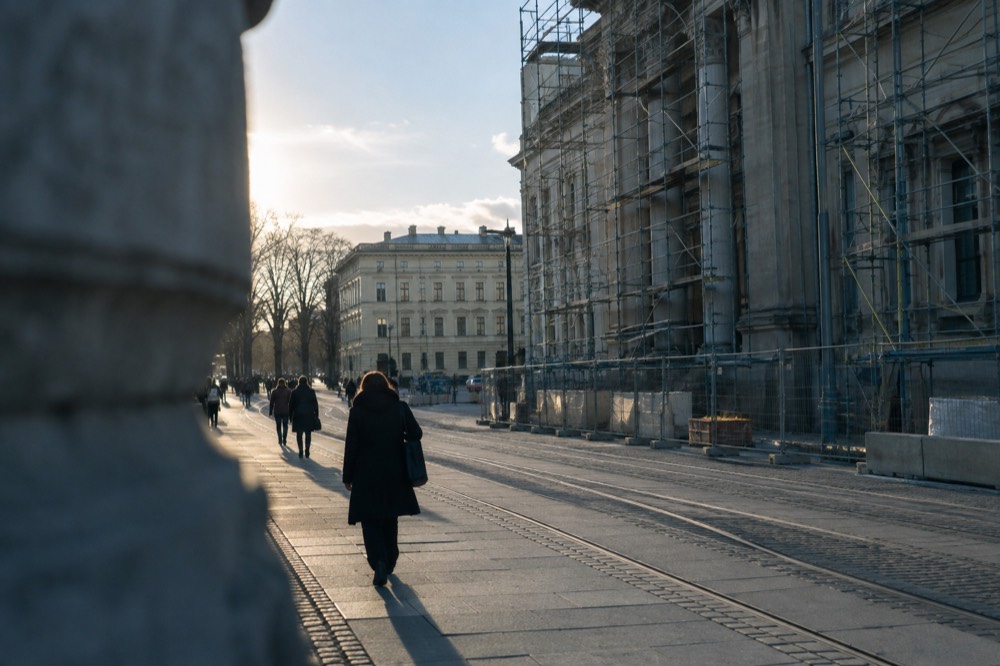
The second trap, expecting an old town, is a planning problem rather than a disappointment. Oslo rewards visitors who structure the day around sites rather than districts, because the historical material is in museums and landmark buildings rather than in preserved street fabric. The itineraries on two days in Oslo and beyond are built on exactly that logic, and they hold up for history-focused travelers better than a generic wandering plan.
A final note on the calendar. If your visit lands on 17 May, Constitution Day, the city becomes a living historical pageant, with processions taking over Karl Johans gate and the whole center given over to celebration. The 17 May in Oslo guide covers it, and note that the state alcohol monopoly closes entirely that day, along with every Sunday, so the practical rhythm of the city changes too.
For the full picture of what the city offers beyond history, the root things to do in Oslo page is the site's master list, and it links out to every themed guide including this one. Where this guide and the master list overlap, the master list is the broader view and this page is the deeper one.
Here are the three history experiences worth one last look before you finalize the plan:
Common Questions About Oslo History
Is the Viking Ship Museum in Oslo open?
No. The former Viking Ship Museum closed in 2021 and will reopen as the Museum of the Viking Age in 2027. All three ships have already been moved into the new building. Until it opens, the Historical Museum in the city center and Viking Planet near the harbor are the honest places to see the Viking story.
What is the oldest thing you can see in Oslo?
The medieval layers of Akershus Fortress and the Gol stave church, relocated to the Norwegian Museum of Cultural History on Bygdøy, are the oldest structures a visitor can stand in front of. The fortress grounds are free to walk, and the stave church is included in the Folkemuseum's ticket at 200 NOK adult.
How many museums do you need for Oslo's history?
Three is the practical answer for one day: one on Bygdøy, the Resistance Museum at the fortress, and one city-center institution. The Kon-Tiki and Fram museums pair naturally at 180 NOK each or 325 NOK joint, and the Oslo Pass at 580 NOK for 24 hours covers all of them plus transport.
Where is Oslo's World War II history?
Mostly at Akershus Fortress, which houses the Resistance Museum, and in the city-center streets where the occupation played out during the war years. A themed walking tour covers the street-level sites with a guide, and the fortress grounds themselves are free to walk.
Is Vigeland Park historical or just scenic?
Both. The park holds more than 200 sculptures by Gustav Vigeland and functions as a public self-portrait of early twentieth-century Norway. It is free and open 24 hours a day, and the separate Vigeland Museum at 120 NOK holds the studio and plaster originals.
Can you see Oslo's history for free?
Substantially, yes. The fortress grounds, the harbor front, City Hall's surroundings, the Opera House roof and Vigeland Park all cost nothing, and several major museums admit children free, with MUNCH free for 17 and under and the Folkemuseum free for all under 18. The ticketed part of the story is the museum interiors.