Oslo Day Tours and Guided Tours: How to Pick the Right One
Oslo packs its best sights into a compact center, a museum peninsula and a fjord, and a well-chosen guided tour saves you the planning. This guide sorts the formats, the prices and the seasons so you book the right one first time.
Short answer
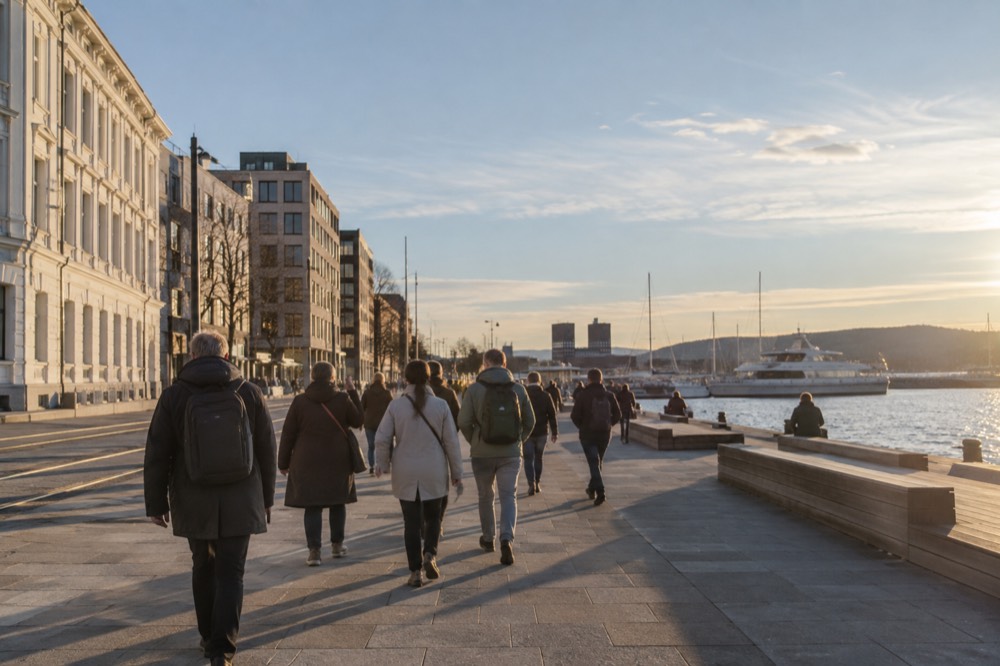
The best first guided tour in Oslo is a central walking tour or a silent electric fjord cruise, both about $46 or less and both highly reviewed. Walking tours cover the compact center on foot, fjord cruises cover the water, and the Oslo Pass at 580 NOK for 24 hours covers over 30 museums plus Vy trains, buses and ferries.
Oslo rewards a guide more than most capitals. The city center is compact enough to walk in a morning, but the stories behind Karl Johans gate, Akershus Fortress and the harborfront are what a local guide actually sells, and the fjord, the forest and the museum peninsula on Bygdøy each need their own logistics. This page compares every guided format you can genuinely book here, what each one costs, and which ones earn their price.
A quick honesty note before anything else. Norway is in the Schengen Area but not in the European Union, it uses the krone (NOK) rather than the euro, and prices below are quoted the way you will meet them: NOK for anything you pay for on the ground in Norway, and USD from-prices for the tours themselves. Every tour figure on this page comes from the live listing, so treat the numbers as the floor, not a quote.
What Kinds of Guided Tours Can You Actually Book in Oslo?
Oslo has five bookable guided formats: walking tours (paid, free-tip and private), fjord cruises (silent electric boats, wooden sailing ships, dinner boats and island hopping), bus tours (hop-on hop-off, half-day landmarks and full-day combos), active tours (bike, snowshoe, ski and packraft), and food and drink walks. Museum entry tickets round out the set. Every one of those exists on a live listing today, and the choice between them is mostly a choice about season and stamina, not quality.
The walking formats are the deepest category. There is a large free highlights walk that runs on tips, a cheap paid central walk, a capped small-group walk, a private walk that stretches from two to six hours, and themed walks covering Viking myths, the WWII occupation years and the east-west contrasts of the city. The free walking tours in Oslo deserve their own reading if budget is the driver.
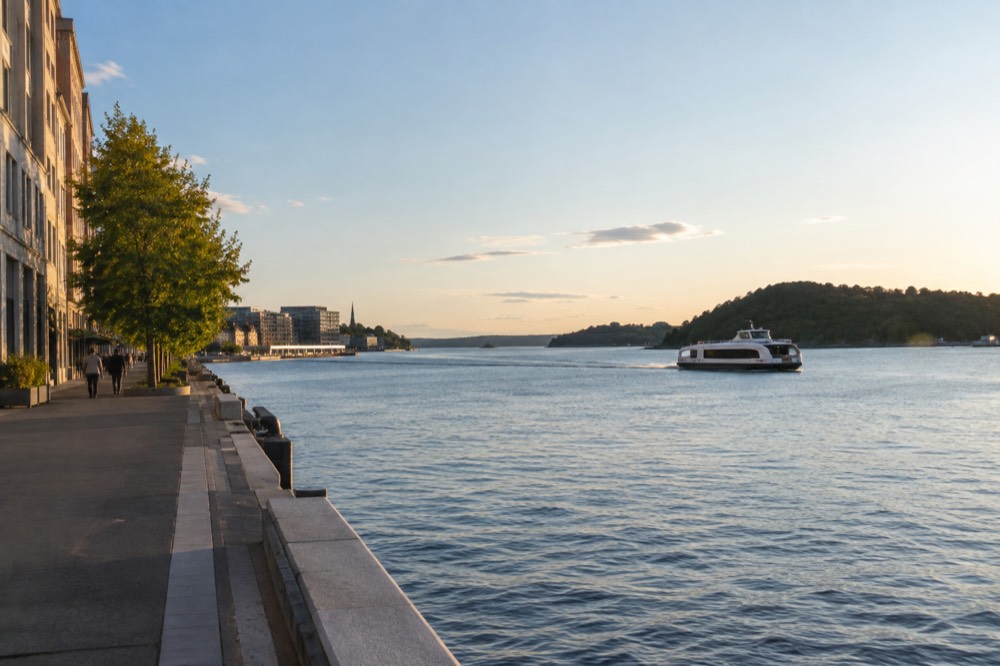
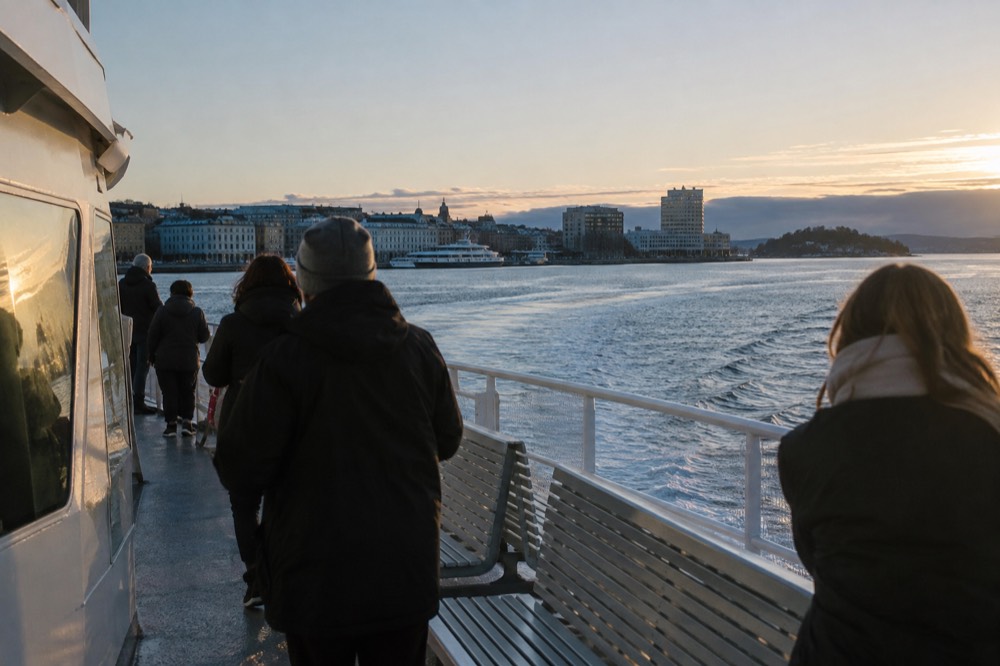
The water formats matter here because Oslo is a fjord city. The silent electric boat with an audio guide is the single best-reviewed activity in the city, the wooden sailing ship is a completely different experience under canvas, and the island ferries let you hop ashore on Hovedøya or Langøyene on an ordinary transport ticket. Our Oslofjord cruise guide breaks down which boat suits which day.
Then there is everything with a pulse. A three-hour highlights bike tour, a learn-to-ski half-day in Nordmarka, guided snowshoeing, a torchlit winter forest walk with a campfire, and packrafting down the Akerselva river through the middle of the city. That last one is genuinely unique to Oslo: very few European capitals let you paddle a river from a grünerløkka neighborhood to the harbor in ninety minutes.
| Format | Typical duration | Best season | Who it suits |
|---|---|---|---|
| Free highlights walk | ~2 hours | All year | Budget travelers, first-timers |
| Paid central walking tour | 2 hours | All year | Anyone wanting a fixed price |
| Small-group walk (max 10) | 3 hours | All year | Visitors who dislike big groups |
| Private walk with a local | 2 to 6 hours | All year | Families, repeat visitors |
| Silent fjord cruise | 1h 30m to 2h | All year (indoor salon) | Everyone, incl. bad weather |
| Wooden sailing ship cruise | 2 hours | May to September | Romantics, photographers |
| Island hopping, ferry and foot | ~3 hours | April to October | Swimmers, nature lovers |
| Bike highlights tour | 3 hours | May to September | Active travelers |
| Bus plus fjord full-day combo | 7h 30m | All year | Cruise passengers, one-day visitors |
| Snowshoe or torchlit forest walk | 3h 30m | December to March | Winter visitors |
Which Oslo Tour Should You Book First If It Is Your Only One?
Book a guided fjord sightseeing cruise if you want the single most reliable experience in the city, or a central walking tour if you want the stories. The premium silent-boat cruise runs two hours with a live guide, the audio-guide version runs ninety minutes, and the budget central walk covers the same streets a private guide would for a fraction of the price. Pair one water tour with one land tour and you have seen the two Oslos: the harbor city and the forest fjord.
The reasoning is simple. Oslo's center is walkable enough that a bus tour adds little inside it, but the fjord is unreachable on foot in any meaningful way, and the guided silent boat is where the city's reviews concentrate. The premium guided version carries a live commentary rather than recorded audio, which matters if you like asking questions.
The budget counterweight is the cheap guided central walk. At under sixteen dollars from-price it is the least expensive credible guided product in the city, and it covers the Opera House, the fortress, Karl Johans gate and the harbor. If your day only has room for one guided thing and money matters, that walk plus a free afternoon in Vigeland Park, which costs nothing and never closes, is a genuinely complete Oslo day.
One more consideration for families: the climbing park day ticket is the outdoor slot nothing else in the roster covers, a full day of guided-access climbing rather than a sightseeing loop, and it pairs well with a morning walk. We come back to it below.
How Much Do Oslo Guided Tours Cost, Really?
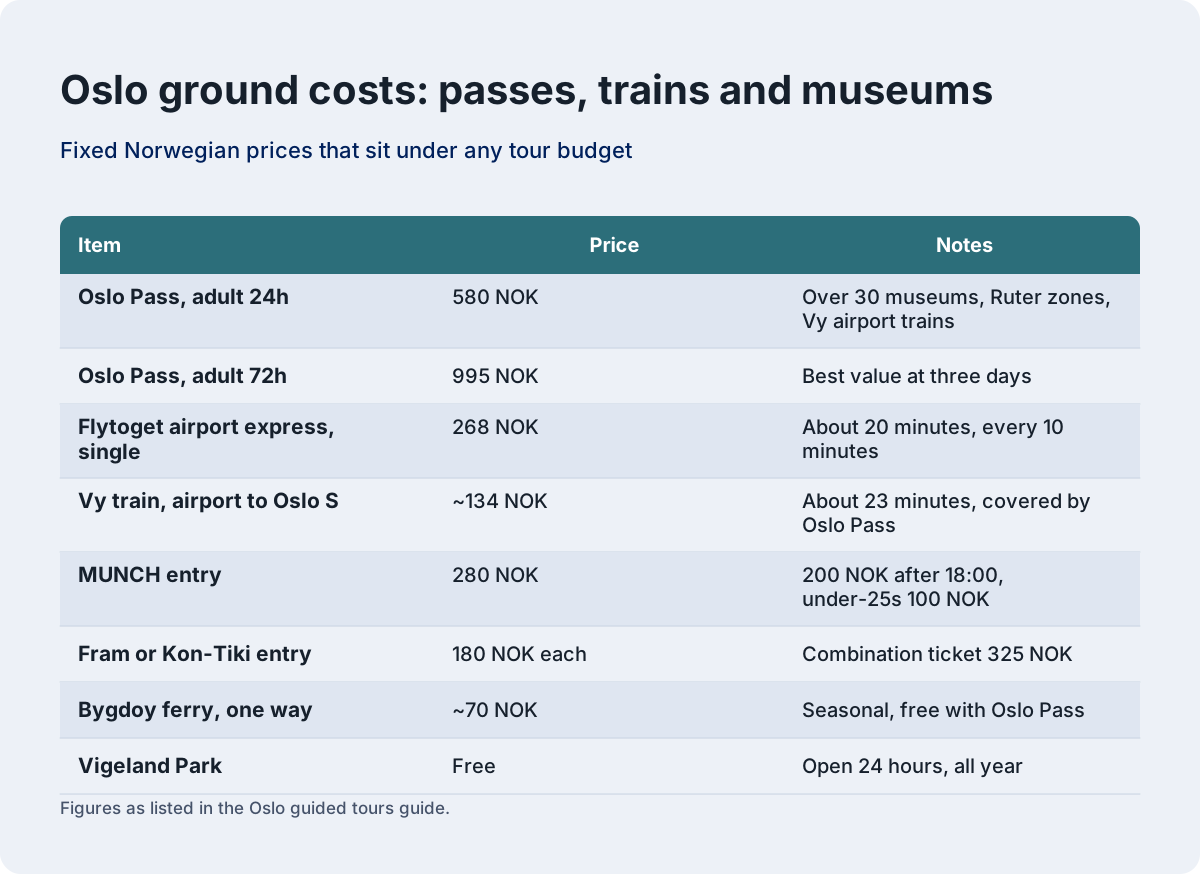
Guided tours in Oslo run from free (tip-based walks) to $292.44 for a two-hour retro motorcycle sidecar tour, with the useful middle between $15.66 and $91.64. Walking tours sit at the bottom of that range, fjord cruises in the middle, full-day combos and private guiding at the top. Norwegian ground costs are a separate axis: the Oslo Pass is 580 NOK for 24 hours, a Flytoget airport ticket is 268 NOK, and museum entries run 120 to 280 NOK each.
The tour prices above are from-prices and they move with season and demand, so treat them as a floor. What does not move much is the Norwegian ground layer, and that is where a day's budget actually leaks. Statistics Norway's 2025 price-level survey puts the country sixth most expensive in Europe, with household prices 28.6 percent above the EU average, food 33 percent above, and alcohol and tobacco more than double the European average. Museums, public transport and the outdoors are the parts of Oslo that are not unusually expensive, and guided tours mostly live in those lanes.
| Cost item | Figure | Notes |
|---|---|---|
| Oslo Pass, adult 24h | 580 NOK | Over 30 museums, Ruter zones 1, 2, 3, 4V, 4N, Vy airport trains |
| Oslo Pass, adult 72h | 995 NOK | Best value at three days |
| Flytoget airport express, adult single | 268 NOK | About 20 minutes, every 10 minutes |
| Vy train, airport to Oslo S | ~134 NOK | About 23 minutes, covered by Oslo Pass |
| MUNCH entry | 280 NOK | 200 NOK after 18:00, under-25s 100 NOK |
| Fram or Kon-Tiki entry | 180 NOK each | Combination ticket 325 NOK |
| Bygdøy ferry, one way | ~70 NOK | Seasonal, free with Oslo Pass, not a Ruter ticket |
| Vigeland Park | Free | Open 24 hours, all year |
The pass arithmetic is worth doing out loud. Three Bygdøy museums at full price is 560 NOK against a 580 NOK 24-hour pass that also carries you there on the seasonal ferry, rides the metro to Holmenkollen, and covers the Vy train from the airport. Two museum-heavy days and the pass wins comfortably; one museum and a fjord cruise and it does not. Our is the Oslo Pass worth it page runs the full break-even.
If your budget only stretches to one paid tour, the honest ranking by value per krone is: a budget central walk, a silent fjord cruise, then everything else. The premium guided silent boat costs more than the audio version and earns it with live commentary, and the full-day bus-plus-fjord combo only makes sense if you have a single day and no wish to plan it yourself.
Are the Free Walking Tours in Oslo Actually Free?
Yes, the free walking tours in Oslo cost nothing to join and the guide works for tips, typically 100 to 200 NOK per person for a good two-hour walk. There are several operators: the largest free walk carries 2,150 reviews, a locals-led alternative rates highest of the group, and a themed contrasts walk covers rich-versus-poor and east-versus-west Oslo rather than repeating the highlights loop. Reserve a spot, turn up, tip in cash or by app.
The free format is the default budget answer for the whole city, and it is genuinely good. The big operator's highlights walk is the largest guided product in Oslo by review count, full stop, paid or free. The locals-led walk is smaller and rates slightly higher. The contrasts walk is the one to pick on a second visit, because it is the only free walk that spends its two hours on the divide between west-end wealth and east-end grit instead of the Opera House.
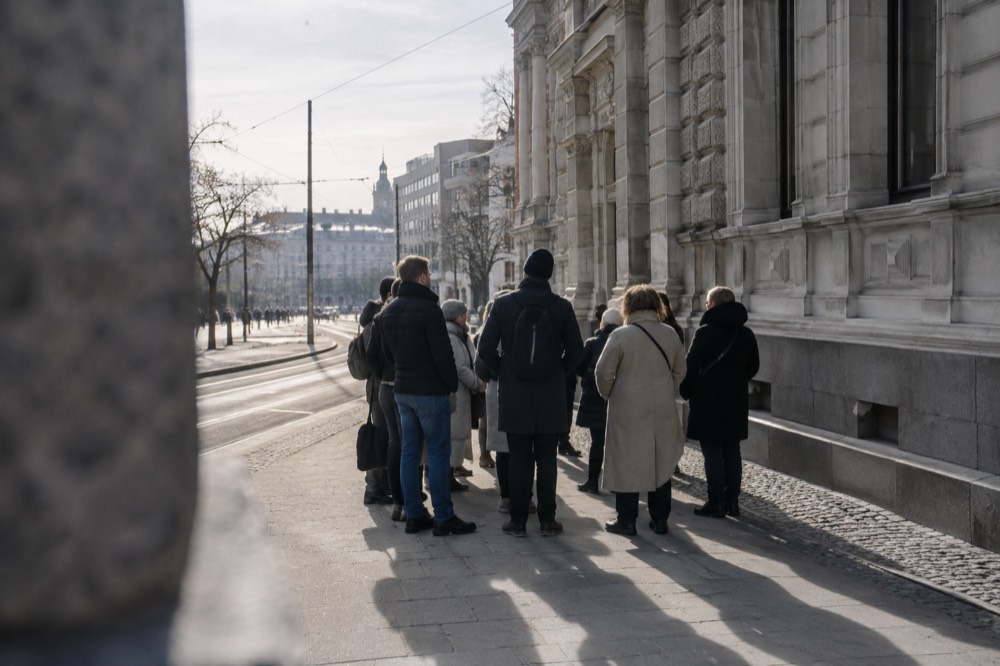
The honest caveat is scheduling. Free walks run fixed daily departures, usually once or twice a day, and they fill in July. If your Oslo window is a single afternoon, a paid walk with a guaranteed seat beats a free walk you cannot get onto. The paid central walk also tends to run smaller groups, which means more chances to ask the guide questions.
For structure, the free walks all start within a few minutes' walk of the central stations and cover the Opera House, Akershus Fortress from outside, Karl Johans gate, the Parliament and the harbor. None of them enter paid museums, so budget separately for any entry you want afterwards.
What Do Bus, Bike and Private-car Tours Add Over Walking?
Bus tours in Oslo earn their price only outside the walkable center: the half-day Holmenkollen and Vigeland tour is the one reliable way to reach both landmarks without a car, and the full-day bus-plus-fjord combo packages the whole city for cruise passengers and one-day visitors. Inside the center, a bike tour covers roughly three times the ground of a walk in the same hours, and a private chauffeured car tour is the bad-weather and accessibility answer.
Start with what the bus is actually for. The hop-on hop-off product is the weakest of the set and the only one we would hesitate over, because central Oslo's sights sit within a fifteen-minute walk of each other. The half-day landmark bus is different: Holmenkollen sits at the top of a metro line and Vigeland Park at the other end of a tram ride, and stitching both into one morning on your own means two ticket machines and a timetable. The bus tour does it in three hours with a guide. Note that there is no standalone Holmenkollen ski jump ticket on any listing; the museum and tower entry at 195 NOK is bought on site, and the combos are the honest booking route, as our Holmenkollen ski jump page explains.
The bike tour is the warm-season sleeper. Three hours on a bike covers the center, the Akerselva river, the new waterfront at Tjuvholmen and the Opera House in one loop, and it rates among the highest of any product in the city. It runs May to September in practice; check the listing for the exact season. The rest of the planning pages sit on Oslo Travel Guide.

At the top of the price range sit two very different products. The retro motorcycle sidecar tour is the novelty: two hours in an open sidecar with a driver-guide, the highest-rated memorable product in the city. The chauffeured private car tour with museum guiding is the practical luxury, and for travelers with mobility limits or a rainy forecast it is the one format that keeps working when everything else is miserable.
For cruise passengers specifically, the full-day bus-plus-fjord combo exists precisely for your case: seven and a half hours that stack a city bus tour, the key photo stops and a fjord cruise into one booking, timed to the ship. Our Oslo cruise port day guide covers the tighter four-hour versions too.
Which Guided Tours Work in an Oslo Winter?
Winter is when Oslo's guided roster is at its most distinctive: guided snowshoeing in Nordmarka, a torchlit forest walk ending at a campfire, and a learn-to-ski half-day that no other European capital offers on its own city limits. On the darkest days, an evening myths-and-legends walk and the silent fjord boats, which have indoor salons, keep working. Daylight is the constraint: Oslo sees 5 hours 53 minutes of daylight on 21 December against 18 hours 50 minutes on 21 June.
The winter products are not consolation prizes, they are the reason to come between December and March. The snowshoe trip runs three and a half hours in Nordmarka, the forest that begins at the end of metro line 1, and the torchlit walk pairs the same forest with a campfire stop. The learn-to-ski experience is a half-day with instruction and a perfect rating, and it works because Oslo Vinterpark sits inside the city's transport zones, not two hours away.
| Winter guided product | Duration | What it is | Best conditions |
|---|---|---|---|
| Guided snowshoeing, Nordmarka | 3h 30m | Guided forest trails, equipment included | Snow on the ground, Dec to Mar |
| Torchlit forest walk, campfire | 3h 30m | Evening walk by torchlight, fire stop | Dark afternoons, any snow |
| Learn-to-ski half-day | 3h 30m | Instruction and rentals at the city ski area | Jan to Mar snowpack |
| Evening myths and legends walk | 2h | Themed city walk after dark | Oct to Mar |
| Silent fjord cruise | 1h 30m to 2h | Heated indoor salon, audio or live guide | Any weather, any month |
Plan around the light, not the cold. On 15 January the sun rises at 09:04 and sets at 15:49; by 15 February the day is two and a half hours longer. A forest trip that starts at 10:00 gets full daylight in February and torchlight in December, and both versions are good, but they are different experiences. Our Oslo in winter and Oslo daylight hours pages carry the full month-by-month table.
One honest boundary: there are no northern lights tours from Oslo, on any platform, because Oslo sits at 59.9 degrees north and the aurora is genuinely rare here. If the lights are the goal, that is a Tromsø trip, and our northern lights in Oslo page explains the geography rather than selling you something that does not exist.
What Do the Guided Food and Drink Tours Cover?
Oslo has three strong guided food walks: a city-centre Norwegian food tour of about three hours, a Grünerløkka neighborhood food and culture walk, and a street-food focused tour, plus a beer-and-culture walk that is genuinely useful in a country with a state alcohol monopoly. Prices sit between $168.84 and $214.24 from-price, which is steep until you count the tastings, and the neighborhood walk is the only strong guided product in Grünerløkka at all.
Food touring in Oslo is expensive in absolute terms and reasonable in context, because restaurant food is one of the genuinely dear layers of the city and a walk bundles six or more tastings with a guide. The city-centre tour is the strongest general option. The Grünerløkka walk doubles as a neighborhood tour of the city's trendiest district, covering Mathallen food hall and the street art, with the eating built in.

The beer walk deserves a specific word because Norway's alcohol rules make it more than a novelty. Wine and spirits sell only through Vinmonopolet, the state monopoly, which closes every Sunday and all public holidays and shuts early on Saturdays, and supermarkets sell beer only up to 4.7 percent ABV with a fixed evening cut-off. A guided walk that knows which bars pour what, and when, saves you a genuinely confusing system. Our price of beer in Oslo page covers the retail side.
For travelers who would rather eat than be guided, the best restaurants in Oslo page does the unguided version of the same ground.
Group Tour, Small Group or Private Guide: Which Fits You?
Choose the standard group walk if you want the cheapest guided hour and do not mind twenty people, the small-group walk capped at ten if you want to ask questions, and a private guide if your time is short, your interests are specific, or you are traveling with kids whose pace is unpredictable. Private walks in Oslo run two to six hours and cost from $69.60, and the flexible-length format means you can extend on the day if it is going well.
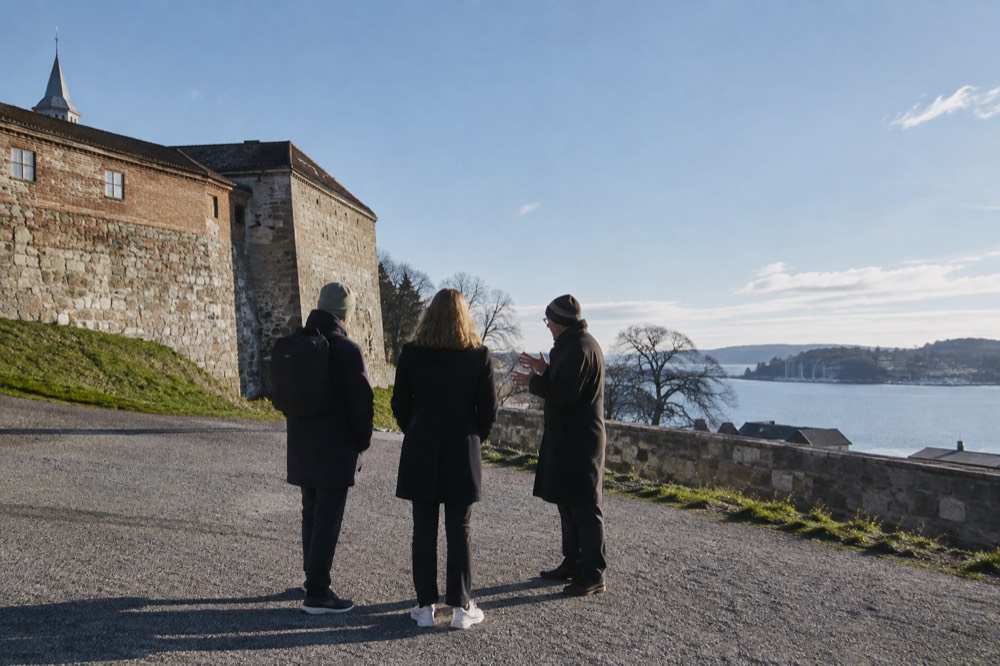
The private format is underrated in Oslo because the city rewards depth. A general group walk gives you the Opera House and the fortress in ninety minutes; a private guide can spend those ninety minutes on the occupation years, the architecture of the Barcode district, or the Munch story instead, then reroute when the weather turns. The occupation-history walk, a themed group product, is the middle path: it spends two and a half hours on the war years, the part of Oslo's past the general walks skip, and it carries a perfect rating from its reviewers.
Families should weigh the climbing park day ticket here too. It is not a walking tour at all, but it solves the same problem a private guide solves, which is keeping children genuinely engaged for a full day, and it does it outdoors with instructors on hand. Pair a short morning walk with an afternoon at the park and you have the most kid-proof guided day in the roster. More ideas live on our Oslo with kids page.
For solo travelers, the group formats double as social time, and the free walks are the most social of all. Our solo travel in Oslo page has the longer version of that argument.
How Do You Book Oslo Tours Without Wasting Money?
Book through the live listing rather than at a hotel desk or a street kiosk, check the cancellation terms before paying, and reserve anything with a fixed departure time, especially free walks and dinner cruises, at least a day ahead in summer. Most Oslo listings carry free cancellation up to 24 or 48 hours before departure, and pay-later options are common, so there is rarely a reason to commit before the forecast is clear.
The pattern that wastes money is booking the wrong format for the weather, not overpaying for the right one. A wooden sailing ship in rain is a bad two hours; the silent electric boat with its indoor salon is the same trip in any weather. Check the forecast at yr.no, MET Norway's own service, two days out when your cancellation window is still open, and swap formats then if needed.
| Booking decision | The cheap route | The expensive trap |
|---|---|---|
| Airport to city | Vy train, ~134 NOK, or Oslo Pass | Flytoget at 268 NOK, or taxi |
| Bygdøy museums | Seasonal ferry with Oslo Pass, or bus 30 | Buying three museum entries at full price |
| Fjord trip | Audio-guide silent boat | Booking a dinner cruise you did not want |
| Free walking tour | Reserve, tip 100 to 200 NOK | No-showing a held spot |
| Alcohol for the room | Supermarket beer under 4.7% | Bar prices, double the European average |
Two practical notes that save real money. The Bygdøy ferry is included with the Oslo Pass but ordinary Ruter tickets are not valid on it, and it runs only from 14 March to 4 October from Rådhusbrygge 3; out of season, bus 30 does the same job on a normal ticket. And the island ferries from Aker brygge are the opposite: they are ordinary Ruter lines, covered by any zone 1 ticket, from a different pier. Mixing up the two piers and the two ticket rules is the most common Oslo transport mistake, and our Oslo ferries page keeps them straight.
Whatever you book, this site, Oslo Travel Guide, keeps the full day-tour roster on one page so you can compare formats side by side rather than piecing them together from a dozen listings. Start with the trio below: the climbing park ticket for a full active day, the premium silent-boat cruise for the fjord, and the budget central walk for the stories.
Common Questions About Oslo Guided Tours
What is the best guided tour in Oslo for first-time visitors?
A guided fjord sightseeing cruise paired with a central walking tour. The premium silent-boat cruise runs two hours with a live guide and the budget central walk covers the Opera House, the fortress and Karl Johans gate on foot. Together they cost under a hundred dollars from-price and cover both halves of the city, the harbor and the streets.
Are free walking tours in Oslo worth it?
Yes. The largest free walk carries 2,150 reviews and the locals-led alternative rates highest of the free formats. They cost nothing to join and guides work for tips, typically 100 to 200 NOK. Reserve ahead in summer, because departures are fixed and they fill.
How much does a guided tour in Oslo cost?
Paid guided tours run from $15.66 for the budget central walk to $292.44 for a retro motorcycle sidecar tour, with most walks and cruises between $42 and $92 from-price. Ground costs are separate: the Oslo Pass is 580 NOK for 24 hours and museum entries run 120 to 280 NOK.
Do I need a guided tour in Oslo, or can I explore on my own?
The center is walkable and Vigeland Park, the Opera House roof and the Akerselva river are free and self-explanatory. Guides earn their price on the fjord, in Nordmarka forest, inside the museums' stories, and on the themed walks covering the occupation years or the city's east-west divide.
Which Oslo tours run in winter?
Guided snowshoeing, a torchlit forest walk with a campfire, a learn-to-ski half-day, an evening myths-and-legends walk, and the silent fjord boats with heated indoor salons. Plan around daylight: Oslo gets 5 hours 53 minutes of it on 21 December against 18 hours 50 minutes on 21 June.
Are there northern lights tours from Oslo?
No. None exist on any platform, because Oslo sits at 59.9 degrees north and the aurora is rarely visible this far south. The honest answer is a separate trip to Tromsø; no Oslo listing can sell you the lights.