Solo Travel in Oslo: A Complete Guide for Traveling Alone in Norway's Capital
Oslo is compact, safe and expensive in the ways that matter least to a solo traveler, which makes it one of the easier European capitals to take on alone.
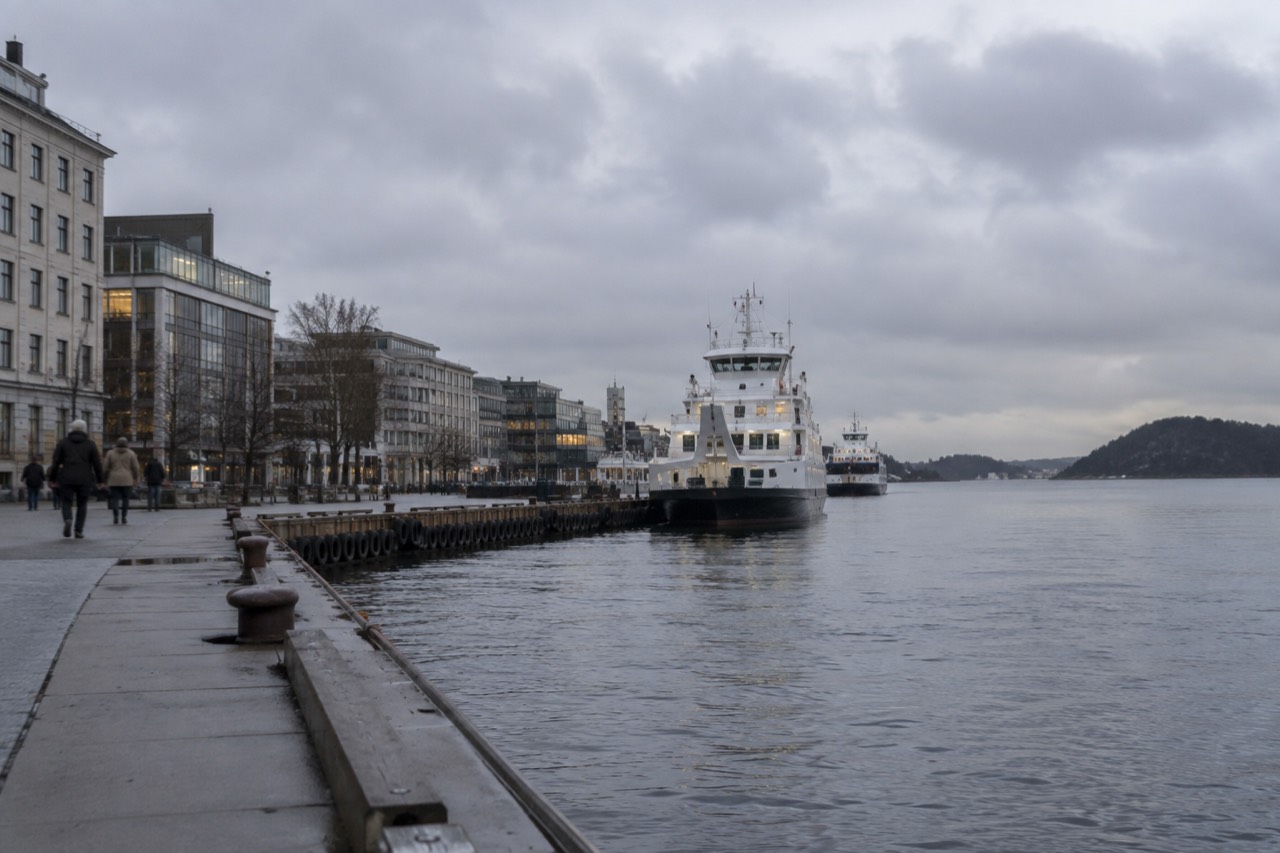
Short answer
Oslo is one of Europe's easiest capitals for solo travel: it is compact, walkable, safe by any regional standard, and its main costs, alcohol and restaurants, are the ones a solo visitor controls most. A 24-hour Oslo Pass is 580 NOK and covers over 30 museums plus trams, buses and the airport Vy train.
Oslo answers the solo traveler's two biggest anxieties, safety and loneliness, better than almost any city its size. The center is walkable end to end in under an hour, the metro runs deep into the forest on an ordinary ticket, and the things that make Norway expensive, mainly alcohol and restaurant meals, are exactly the line items a person traveling alone can choose to skip. What the city asks of you instead is planning, because the daylight swings from under six hours in December to nearly nineteen in June, and the museum peninsula closes its ferry in October.
This guide covers what it is actually like to be alone in Oslo for a few days: where to base yourself, what a realistic solo day looks like, what safety means here in practice, how to eat alone without feeling like an exhibit, and where the genuinely social products are. It also covers the money question honestly, with real NOK figures, because a solo budget has no one to split costs with.
Is Oslo Good for Solo Travel?
Yes, and for reasons that are structural rather than atmospheric. Oslo is a compact capital of roughly 700,000 people where the center, the harbor, the opera house and the main museums sit within a 30-minute walk of each other, so a solo visitor never depends on a car or a companion to get between them. The city is quiet rather than electric, which suits travelers who want museums, forests and waterfront over nightlife. The trade-off is cost, and dinner alone can sting.
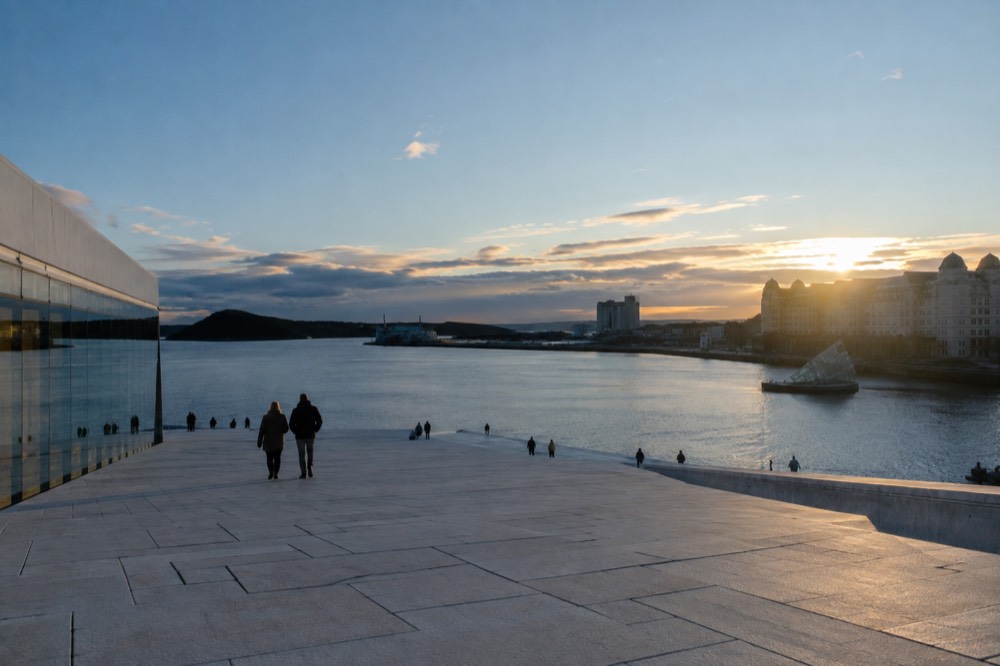
The honest framing is that Oslo rewards a certain kind of solo traveler. If your idea of a good evening is a museum open until 21:00, a walk across the opera house roof, or a metro ride up to Frognerseteren for the view, the city is close to ideal. If you need bustle, cheap street life and late-night crowds to feel alive, central Oslo after 22:00 on a Tuesday will feel thin, and you should plan for that rather than be surprised by it.
Norwegians are reserved in public but not unfriendly, and English is spoken at a level that makes small talk effortless. The practical effect for a solo traveler is that asking for help works, every time, but spontaneous friendships do not form in cafés the way they might in Lisbon or Naples. The social products later in this guide, the free walks especially, exist precisely because of this.
One more structural point that matters more than visitors expect: Norway is in the Schengen Area but is not a member of the European Union, it is an EFTA state party to the EEA Agreement, and the currency is the krone, not the euro. If you are combining Oslo with EU cities, the customs and duty-free rules differ, and your card will do a currency conversion everywhere.
How Many Days Does a Solo Traveler Need in Oslo?
Three full days is the sweet spot for a solo visit. One day covers the harbor, the opera house roof, Karl Johans gate and one museum. Two days add the Bygdøy museum peninsula and either the islands or Nordmarka. Three days let you slow down, take a fjord cruise, walk Grünerløkka properly and spend an afternoon in the forest without rushing. Four or five days only pay off with day trips attached.
The reason the count matters more for solo travelers is pacing. Alone, you set your own tempo, and the temptation is to sprint, six museums in a day, then collapse. Oslo's sights are spread across a peninsula, a waterfront and a hill, and the travel time between them is real even when distances look short on a map.
A workable three-day shape:
| Day | Morning | Afternoon | Evening |
|---|---|---|---|
| 1 | Free highlights walking tour from the center | Opera house roof, Sørenga waterfront, Akershus Fortress | MUNCH or an early fjord cruise |
| 2 | Bygdøy peninsula: Fram, Kon-Tiki, Norsk Folkemuseum | Ferry or bus 30 back, Aker Brygge walk | Grünerløkka dinner |
| 3 | Metro Line 1 to Frognerseteren, walk or hike | Vigeland Park, Frogner neighborhood | Evening myths and legends walk |
Two practical notes on that table. The Bygdøy ferry runs seasonally, mid-March to early October, from Rådhusbrygge 3, and Ruter tickets are not valid on it, though the Oslo Pass covers it; out of season, bus 30 serves the peninsula on an ordinary ticket. And the museums close early by southern European standards, often 17:00, so mornings belong to the indoor sights.
If you are building a longer trip, our three days in Oslo itinerary goes deeper on the pacing question, and the how many days in Oslo guide works through the same question for couples and groups.
The three products below are the ones solo travelers book most from this site's roster, and each solves a different alone-in-Oslo problem: covering ground without depending on anyone, seeing the fjord without booking a group dinner, and meeting people for the price of a tip.
What Does a Good Solo Day in Oslo Look Like?
Start early, because Oslo's museums close at 17:00 and the mornings are when the light is best. A strong solo day is one anchor sight in the morning, a walk or a boat in the afternoon, and something social or slow in the evening. The city rewards single-thread days far more than it rewards cramming, and alone you have the luxury of following one thread all the way through.
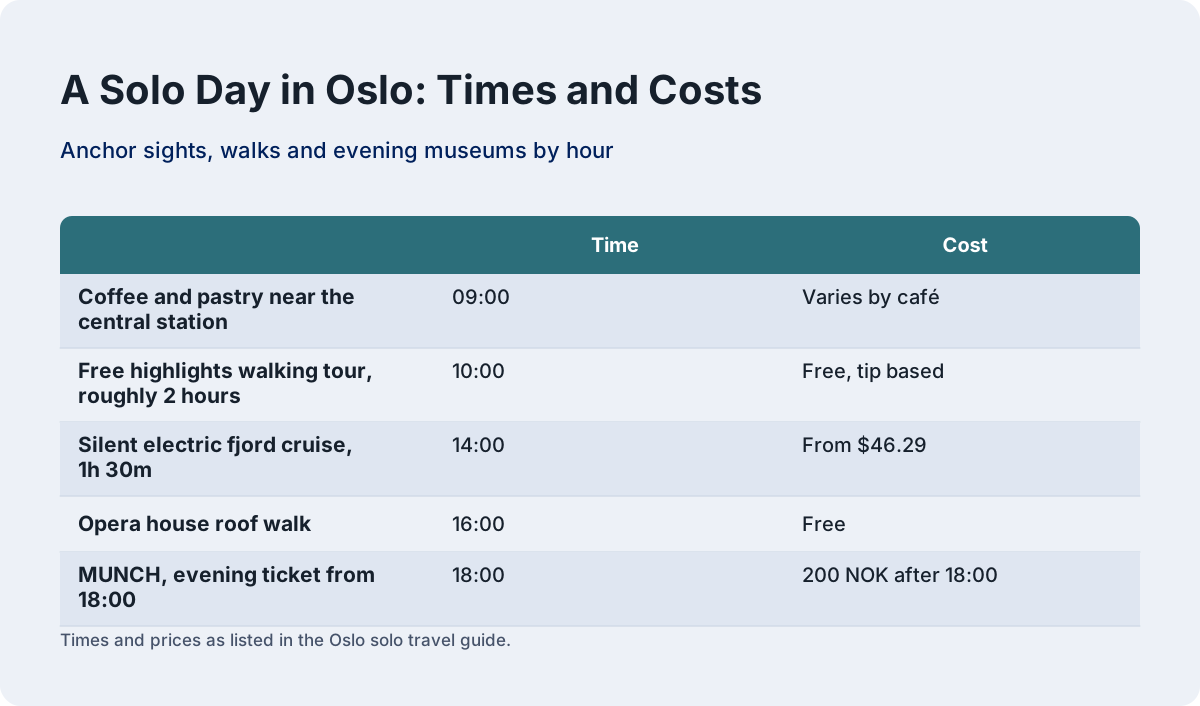
Here is a full worked example, a first Saturday in the city, with real costs where they are verified:
| Time | Activity | Cost |
|---|---|---|
| 09:00 | Coffee and pastry near the central station | Varies by café |
| 10:00 | Free highlights walking tour, roughly 2 hours | Free, tip based |
| 12:30 | Lunch from a bakery or grocery | Cheapest hot option in Oslo |
| 14:00 | Silent electric fjord cruise, 1h 30m | From $46.29 |
| 16:00 | Opera house roof walk | Free |
| 17:00 | Akershus Fortress grounds | Free to walk |
| 18:00 | MUNCH, evening ticket from 18:00 | 200 NOK after 18:00 |
The evening MUNCH ticket is one of the better solo deals in the city: the adult day price is 280 NOK, but from 18:00 it drops to 200 NOK, under-25s pay 100 NOK, and 17 and under are free. The museum stays open until 21:00 Wednesday to Saturday, which makes it the natural end to a day that started with a walk.
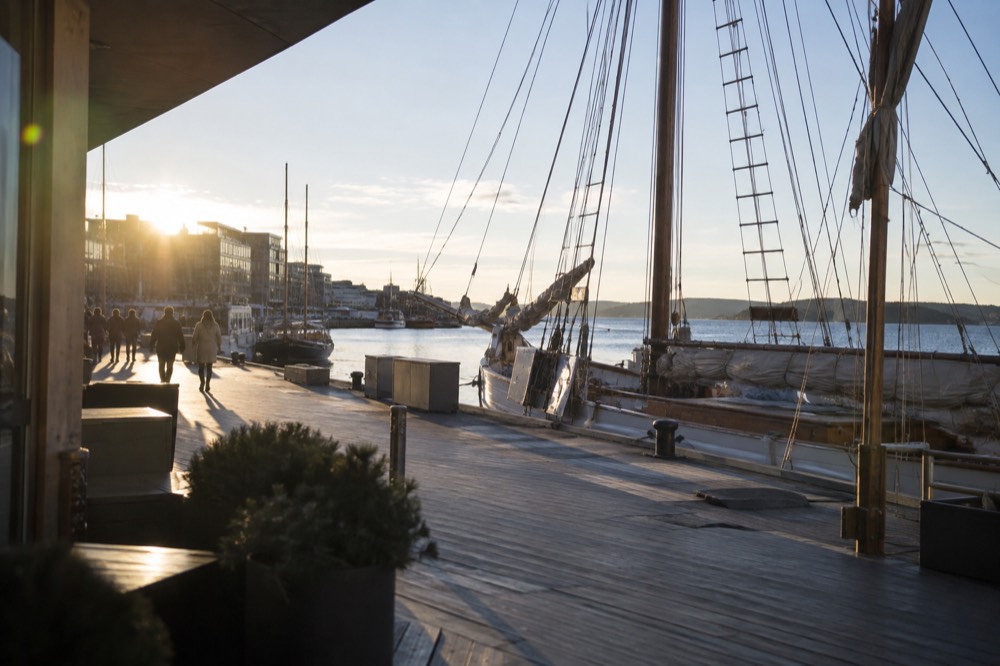
The hop-on hop-off bus deserves a specific mention for solo travelers, because it is the product that most reduces dependence on anyone else. Oslo's headline sights, the center, Bygdøy, Vigeland Park, Holmenkollen, sit at the ends of different transport lines, and the bus stitches them together without you having to read a metro map in the rain. It is also the one product where being alone costs you nothing extra, since you pay per seat either way.
If you would rather have a guide than an audio commentary, the small-group walking tour capped at ten people is the middle option between the cheap group walk and a private guide, and a capped group is an easier room to be single in.
Traveling alone and short on time?
Where Should a Solo Traveler Stay in Oslo?
Stay in the sentrum, the streets between the central station and the National Theatre, or just east across the river in Grünerløkka. Solo travelers benefit from walkable bases more than anyone, because evening taxi fares are the single most avoidable cost in this city, and both areas put the harbor, the opera house and the main nightlife within a 15-minute walk. Majorstuen works for a quieter, residential feel on the metro's western lines.
Oslo's hotel market is not cheap, and the honest advice is that location saves more than star rating. A budget room in the center beats a nicer room a tram ride out, because the tram stops running thin late and a solo walk home at 01:00 is better when it is ten minutes.
| Area | Character | Solo fit | Watch out for |
|---|---|---|---|
| Oslo sentrum | Hotels, transport hub, harbor | Best for 1-3 day visits | Quieter at street level after shops close |
| Grünerløkka | Cafés, bars, vintage shops, young crowd | Best for evenings and food | 20-25 minute walk to the center |
| Majorstuen | Residential, shops, metro junction | Good for Vigeland and Holmenkollen | Fewer sights of its own |
| Tøyen | MUNCH's neighborhood, botanical garden | Cheap-ish, up-and-coming | Less polished at night |
| Frogner | Embassies, quiet streets, museums | Calm and central-ish | Limited budget options |
The where to stay in Oslo guide covers hotels and price bands in detail, and the Oslo neighborhoods overview explains the east-west character split that Norwegians themselves talk about constantly. The short version: the west is money and calm, the east is where the bars and the young people are, and a solo traveler usually enjoys the east more.
Is Oslo Safe for Solo Travelers?
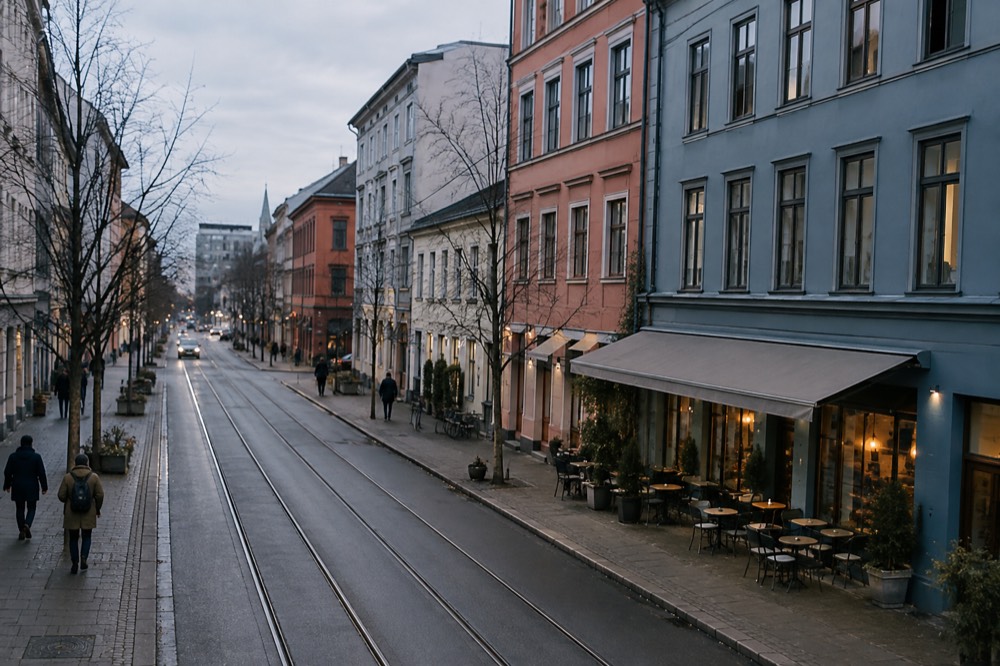
Yes, by any European comparison. Oslo is a low-crime capital where violent crime against visitors is rare, the streets are usable at night, and the biggest realistic risks are petty theft in crowded areas, slippery winter pavements, and the cold itself. Standard city precautions apply around the central station and the late-night bar strips, but the fear level that solo travelers bring to Oslo is usually calibrated for somewhere else entirely.
The practical winter note deserves more words than the crime note. Oslo's January normal mean temperature is −2.3 °C, and the observed low in the 13 months to August 2026 hit −17.2 °C. Daylight on 21 December runs from 09:18 to 15:11, under six hours of it, so your sightseeing window is genuinely short. None of this is dangerous if you dress for it, and all of it is miserable if you do not. The rest of the planning pages sit on Oslo Travel Guide.
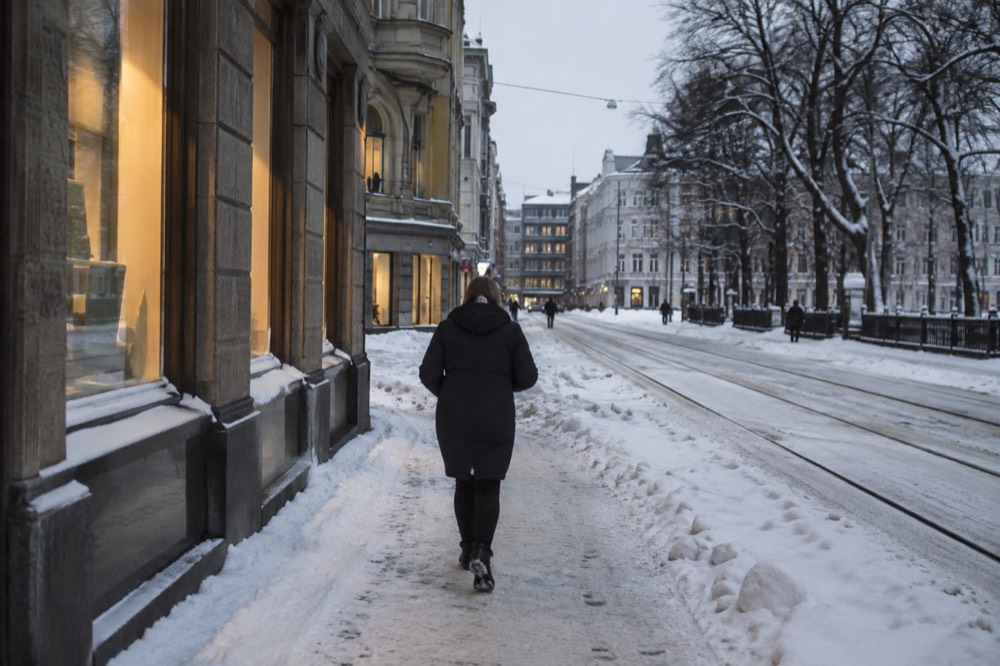
For the standard safety questions, the is Oslo safe guide goes into detail. The one-line version for solo travelers: the city is safe enough that your mother will stop worrying once she sees your photos, and the real hazards are financial.
How Do You Eat and Drink Alone in Oslo?
Easily, once you accept two Norwegian norms: counter service and set hours. Bakeries, grocery delis and food halls are the solo traveler's best friends, because they serve one person without ceremony and cost a fraction of a restaurant. Restaurants are perfectly used to single diners, and nobody will remark on it. The hard part is not social, it is the bill, because restaurant prices carry the full weight of Norway's cost structure.
The money context is worth stating plainly. On Statistics Norway's 2025 comparison, food and non-alcoholic drink prices run 33% above the European average, and alcohol and tobacco are more than double. That second figure explains why so many Oslo social products are walks rather than bar crawls, and why the beer walk later in this guide is genuinely a bargain in local terms: it is the one way to drink in Oslo with the prices already absorbed into a ticket.
Practical solo eating strategy:
| Meal | Best solo option | Why it works |
|---|---|---|
| Breakfast | Bakery, coffee shop | Fast, cheap, no table needed |
| Lunch | Grocery deli, food hall, Mathallen stalls | Hot food at supermarket prices |
| Dinner | Casual restaurant, early sitting | Early sittings are calmer, and you eat before museums-close hours feel odd |
| Drinks | Beer walk, or one bar in Grünerløkka | One well-chosen beer beats three reluctant ones |
The Oslo cheap eats guide and the street food guide cover the specifics. One rule worth repeating from the alcohol rules: supermarkets sell only beer and cider up to 4.7% ABV, wine and spirits are sold only at Vinmonopolet, the state monopoly, which closes on Sundays and public holidays and early on Saturdays. If your evening plan depends on a bottle, buy it before Saturday afternoon.

How Do You Meet People in Oslo?
Book the free walking tours, because they are the one place in Oslo where talking to strangers is built into the format. Beyond that, the social products that work are small-group tours with capped numbers, food walks where you share a table, and the city's saunas and bathhouses, which are public by design. Bars work too, but Norwegians warm up slowly and the evening starts late by southern standards.
The free walking tour scene in Oslo is unusually strong, and the largest operator's highlights walk has the deepest review base of any free product in the city. Tip-based, roughly two hours, and the guide's income depends on you having a good time, which is a strong incentive structure. The themed free walk on Oslo's contrasts, rich and poor, east and west, is a better second-day choice than repeating the highlights loop.
For paid options with real social upside, the food walks put six to ten strangers around a series of stops, which is the fastest friendship machine in the travel industry. The Grünerløkka food culture walk is the neighborhood version, and the city-center Norwegian food tour is the stronger pure-food product. The beer and culture walk deserves its mention here too, because Norway's alcohol rules make a guided beer walk genuinely useful rather than a novelty: someone else has handled where, when and at what price.
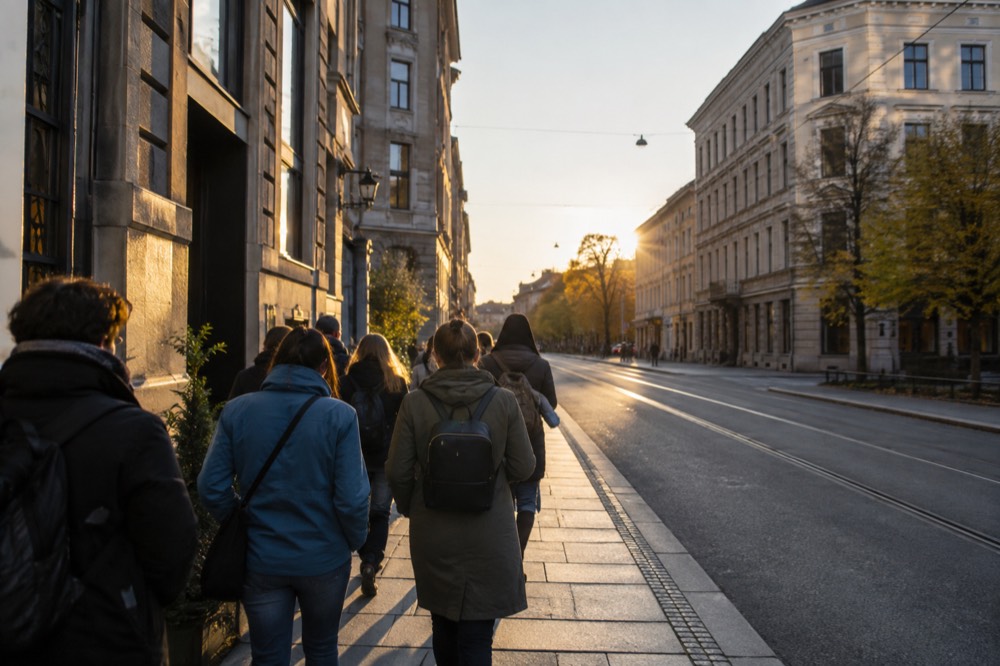
The evening myths and legends walk is the dark-season social product, October to March, when Oslo needs one badly: a two-hour evening walk through the city's darker stories, ending in a group that has been talking for two hours. In winter, the torchlit forest walk with a campfire does the same job in the woods, and it is the signature Oslo winter experience inside the city limits.
What Does a Solo Oslo Trip Cost?
Roughly 1,200 to 1,800 NOK per day beyond your hotel, depending on how many museums you stack. The 24-hour Oslo Pass at 580 NOK covers over 30 museums plus all public transport in zones 1 through 4N, including the Vy airport train, and three Bygdøy museums alone at full price total 560 NOK, so the pass pays for itself on almost any museum-heavy day. The controllable costs are food and alcohol, and the free costs are extensive.
Here is a realistic solo budget built from verified figures:
| Item | Cost (NOK) | Notes |
|---|---|---|
| Oslo Pass, 24h adult | 580 | Museums, transport, Bygdøy ferry, Vy airport train |
| Oslo Pass, 72h adult | 995 | The better deal at three days |
| MUNCH, evening entry | 200 | From 18:00; day price 280 |
| Kon-Tiki + Fram combo | 325 | Adult, both museums |
| Fjord cruise, electric boat | From $46.29 | 1h 30m, audio guide |
| Free walking tour | Tip based | Roughly 2 hours |
| Vigeland Park | Free | Open 24 hours, all year |
| Opera house roof | Free | No ticket needed |
The free column is longer than most capitals can offer. Vigeland Park is genuinely free and open around the clock, the opera house roof is a public walkway, Akershus Fortress grounds cost nothing, and the entire island ferry network rides on an ordinary Ruter ticket. The free things to do in Oslo guide and the Oslo on a budget guide expand both lists.
The airport decision is the first cost you make, and the one most guides get wrong. The Flytoget airport express costs 268 NOK and takes about 20 minutes. The Vy regional trains take about 23 minutes, cost roughly half as much, ride on ordinary Ruter tickets covering zone 1 through 4N, and are covered outright by the Oslo Pass. Three minutes for 134 NOK is the easiest saving in Norwegian travel. The Flytoget vs Vy comparison works through it in full.
When Is the Best Time to Visit Oslo Solo?
May through September for a first visit, with June and September as the standout months. June gives you 18-plus hours of daylight, outdoor life and the fjord at its warmest. September gives you museums without summer queues, autumn color in the forests and workable weather. Winter is a different and worthwhile trip, but it demands commitment: under six hours of daylight in late December and a city that moves its life indoors.
The daylight numbers are not decoration, they are the single biggest planning fact for Oslo. On 21 June the sun rises at 03:53 and sets at 22:43, and the gap never gets properly dark. On 21 December it rises at 09:18 and sets at 15:11. A solo traveler with no one to negotiate schedules with should plan around these numbers directly: long activity days in June, museum-and-candlelight days in December.
| Period | Daylight | Solo character | Main drawback |
|---|---|---|---|
| Jun-Aug | 16-19 hours | Fjord, islands, swimming, hikes | Peak prices, crowds at Bygdøy |
| Sep | 13-15 hours | Museums, forest color, calm | Water too cold for swimming |
| Oct-Mar | 6-11 hours | Winter products, saunas, low costs | Short days, cold, some closures |
| Apr-May | 13-17 hours | Spring, cheap-ish, quiet | Unpredictable weather |
One weather fact that surprises visitors: August, not November, is Oslo's wettest month on the 1991-2020 normals, at 103 mm. Pack for it. And note there is no midnight sun at Oslo's latitude of 59.91 N; the late-June nights are bright twilight, not sun at midnight, which is a claim you should distrust anywhere you read it.
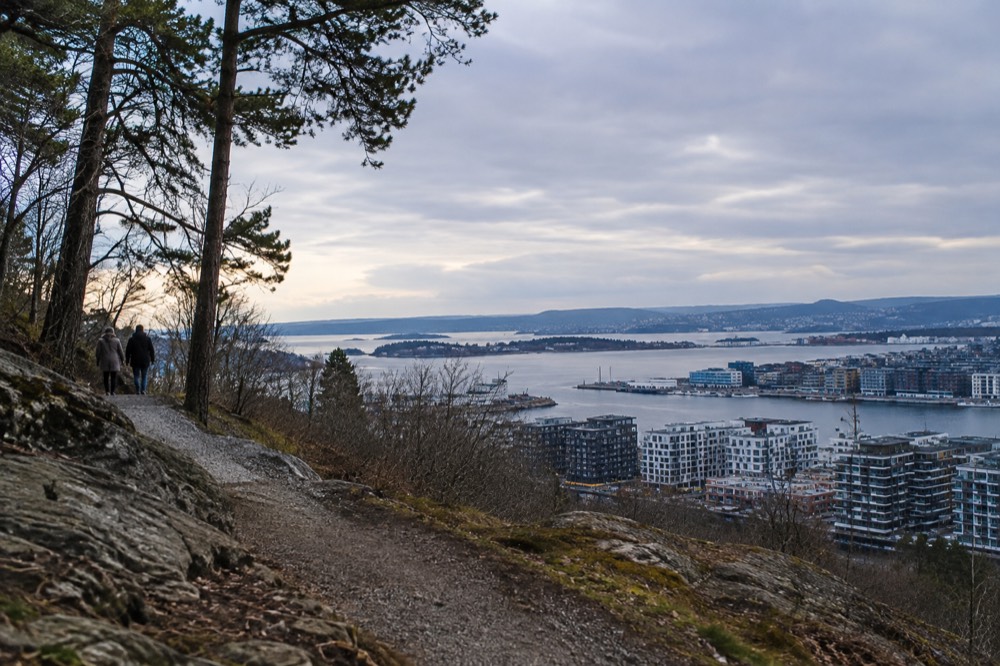
Winter solo travelers should look hard at the seasonal products: guided snowshoeing in Nordmarka, the learn-to-ski half-day, which exists because Oslo is the only European capital where skiing is a half-day city activity, and the torchlit campfire walk. The Oslo in winter guide and the best time to visit guide cover the seasonal decisions in depth.
Which Oslo Tours Actually Work for Solo Travelers?
The ones with a shared format and a guide who talks: walking tours, food walks, small-group sightseeing and the fjord boats, where the seating is communal and the commentary gives strangers something to discuss. The products that work least for solo travelers are the private ones, unless solitude is the point, and the hop-on hop-off bus is the exception that proves the rule, because it is a solo product in everything but name.
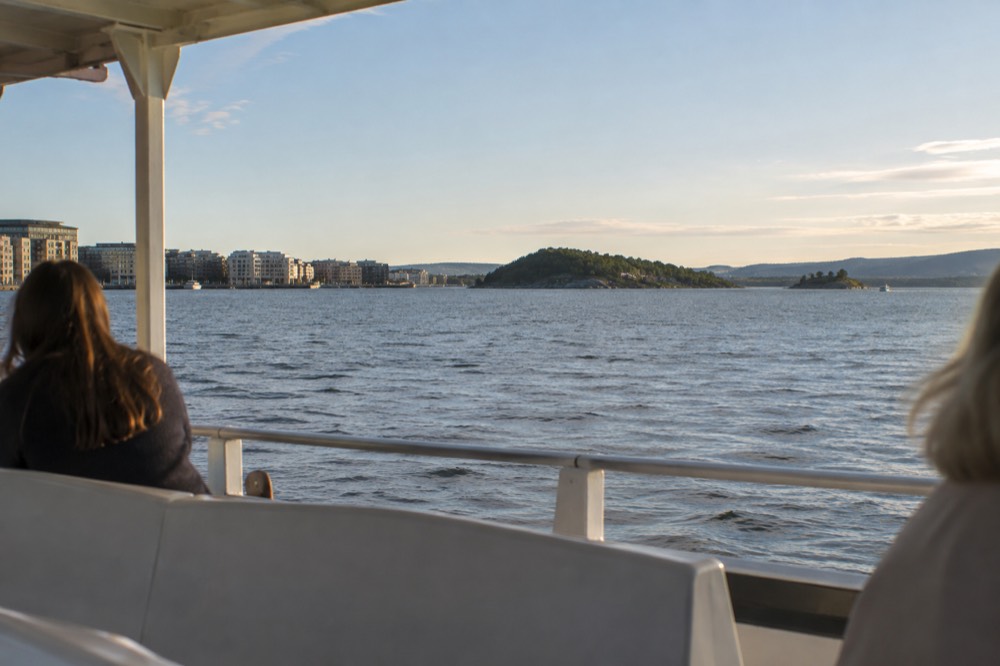
The fjord cruise is the one booking almost every solo visitor makes and almost none regret. The silent electric boat with audio guide is the default first choice, the highest-reviewed activity in the city, and its format suits solo travelers perfectly: you sit where you like, listen as much or as little as you like, and the boat does the rest. The wooden sailing ship version is a different experience rather than a better or worse one, and the guided premium silent boat is the step up if you want a human guide.
For a fuller decision between the seven fjord products on this site's roster, the Oslofjord cruise guide compares them all. The short solo-relevant version: the electric boat for a first trip, the sailing ship for atmosphere, the island-hopping ferry-and-foot tour if you would rather touch land than stay on it, and the shrimp buffet evening cruise if you want dinner included and a table of strangers to share it with.
Beyond the boats, the products that consistently work for solo travelers are the budget central walking tour at roughly two hours, the highest-value guided introduction to the center, and the retro motorcycle sidecar tour, which is the city's most memorable single product and a genuine category of its own. A sidecar is, by construction, a seat for exactly one passenger.
Whatever you book, this site, Oslo Travel Guide, only recommends products whose prices and ratings have been verified twice, and every button here leads to the operator's live listing rather than to a middleman page. Confirm the cancellation terms before you pay, since most of the sightseeing products allow free cancellation and the food walks often do not.
If you are still deciding between the three that fit a solo trip best, this is the shortlist: the bus for coverage, the electric boat for the fjord, the free walk for company.
Common Questions About Solo Travel in Oslo
Is Oslo good for solo travel?
Yes. It is compact, safe, walkable and organized around museums, water and forest rather than nightlife, which suits most solo itineraries. The costs that hurt, restaurants and alcohol, are the ones a solo traveler controls most easily.
Is Oslo safe for a solo female traveler?
By any European comparison, yes. Violent crime against visitors is rare, public transport is usable at night, and the standard precautions that apply around any capital's central station are sufficient here.
How many days do I need in Oslo alone?
Three full days is the sweet spot: one for the center and harbor, one for Bygdøy's museums, one for the forest, the islands or Grünerløkka. Two days works if you cut the forest; four or five only pays off with day trips attached.
Is it weird to eat alone in Oslo?
No. Counter service, bakeries and food halls make single diners completely unremarkable, and restaurants are used to them. The only hard part is the bill, since food prices run about a third above the European average.
How do I meet people in Oslo as a solo traveler?
Book the free walking tours and any small-group or food tour. These formats put strangers together around a guide and a route, which is the fastest route to conversation in a country where people do not naturally start chats in cafés.
What is the cheapest way to see Oslo solo?
A free walking tour, Vigeland Park, the opera house roof and the islands on an ordinary Ruter ticket cost almost nothing. Add an Oslo Pass on museum days, at 580 NOK for 24 hours, and it covers transport and over 30 museums including the Bygdøy ferry.