Oslo Clubs and Nightlife: What to Know Before You Go Out
Oslo's club scene is small, expensive and concentrated in a few walkable pockets, and the rules around alcohol shape the whole night. Here is how it actually works.
Short answer
Oslo's clubs cluster around Grünerløkka, the city center around Karl Johans gate, and Aker Brygge's waterfront. Expect high drink prices, ID checks at the door, and closing times that come earlier than in southern Europe. Statistics Norway puts alcohol prices at more than double the European average, so budget before you go.
Oslo Clubs and Nightlife: What to Know Before You Go Out
Oslo is not a 24-hour party city, and pretending otherwise is the fastest way to a disappointing night. What it is, is a compact, expensive, well-run nightlife town where the clubs sit within walking distance of each other, the door staff take ID checks seriously, and the price of a drink is the single biggest thing to plan around. Statistics Norway's 2025 price-level survey puts alcohol and tobacco in Norway at more than double the European average, and that number shapes every bar tab in the city.
The scene divides fairly cleanly into a few pockets. Grünerløkka, the old workers' district east of the river, is where the bulk of the bars and smaller clubs live, and it is the neighborhood most visitors mean when they talk about Oslo nightlife. The center around Karl Johans gate and the streets off it carries the bigger, more mainstream venues. Aker Brygge and Tjuvholmen on the waterfront hold the pricier cocktail end of the market. This guide covers where to go, what it costs, how the alcohol rules work, and how to get home when the metro thins out.
Where Are the Main Club Areas in Oslo?
The three areas that matter are Grünerløkka for the densest strip of bars and small clubs, the city center around Karl Johans gate for the bigger mainstream venues, and the Aker Brygge and Tjuvholmen waterfront for cocktail bars with fjord views. Everything sits within roughly two kilometers of the central station, so a night out in Oslo usually involves walking between areas rather than crossing the city. Grünerløkka is the one most locals would send you to first.
Grünerløkka is the neighborhood to read up on before you go. It sits east of the Akerselva river, and its grid of low wooden-and-brick blocks holds a concentration of bars that is unusual for a city this size. The scene here skews younger and more alternative, with smaller rooms, craft beer, and venues that function as bars early in the evening and turn into clubs after midnight. Our Grünerløkka neighborhood guide covers the district in detail, including how it reads during the day versus at night.
The center is where the large-capacity clubs are. The streets running between Karl Johans gate and the waterfront hold the venues that stay open latest and draw the biggest weekend crowds, and the area around the main street itself gets steadily busier as the evening goes on. It is also the most tourist-heavy of the three, which cuts both ways: it is easy to find, and it is where drink prices bite hardest.
Aker Brygge and Tjuvholmen are the polished end. The old shipyard wharf and the newer architecture district beside it hold the cocktail bars and the late-night venues with a view across the water. If you want a fuller picture of that waterfront stretch, our Aker Brygge guide walks the whole area. For a broader read on the city after dark, including what stays open late besides clubs, see things to do in Oslo at night.
A night out in Oslo does not need to be only a night out. The three options above are the ones we would point to for the hours around it: the silent electric fjord cruise, which is the single best-reviewed activity in the city and a calm way to start an evening on the water; the Kon-Tiki Museum ticket, for the daytime side of a weekend trip; and the Grünerløkka food culture walk, which is the strongest guided introduction to the neighborhood most of the clubs sit in.
How Much Does a Night Out in Oslo Cost?
Budget on alcohol being the expensive part, because it is. Statistics Norway's 2025 comparison puts Norwegian household prices 28.6% above the EU average overall, food and non-alcoholic drinks 33% above, and alcohol and tobacco at more than double the European average. Cover charges at Oslo clubs are usually modest or waived early in the evening, but drinks inside are where the money goes, and there is no cheap corner of the scene.
The honest framing is that Oslo is the sixth most expensive country in Europe on the same SSB survey, and nightlife is where a visitor feels that most sharply. A cocktail in a waterfront bar costs what a full dinner would cost in much of Europe. Beer is cheaper than spirits but still carries the double-the-EU-average alcohol markup. The practical consequence is that many locals pre-drink at home or at a friend's place before going out, and visitors who do not budget for it end up leaving early.
There are a few ways to soften it. Venues run happy hours, usually in the early evening before the clubs fill, and the difference is real rather than cosmetic. Drinking less but better is a genuinely Oslo strategy: one well-made cocktail in Grünerløkka rather than three rushed ones. And if you want the full cost picture for the whole trip, not just the night out, our is Oslo expensive and Oslo trip cost pages break down every category with sourced figures.
The table below is a planning frame, not a promise. Actual prices vary by venue and by night, so treat the ranges as what to expect and check the room.
| Cost item | Typical range | What to know |
|---|---|---|
| Club cover charge | Modest to moderate, often waived early | Big-name venues on weekends charge most; arrive before the peak |
| Beer in a bar | High by European standards | Alcohol overall is more than double the EU average |
| Cocktail | The most expensive standard drink | Waterfront venues sit at the top of the range |
| Late-night food after clubs | Moderate | Kebab and pizza shops near the club areas stay open late |
| Getting home | Low if you hold a transit pass | Night buses run a reduced network; see below |
What Are Norway's Alcohol Rules and How Do They Affect a Night Out?
Wine and spirits are sold only through Vinmonopolet, the state monopoly, which closes early on Saturdays and is closed all day Sunday and on public holidays. Supermarkets sell only beer and cider below a set strength, with a legally mandated evening cut-off. The result is that Norwegians buy alcohol for the evening in advance, and a visitor turning up on a Sunday hoping to buy wine for pre-drinks will not manage it.
The monopoly is the structural fact behind Oslo's drinking culture. Because strong alcohol is not available after hours or on Sundays, the evening starts at home, and the bars and clubs fill later and all at once rather than gradually. If you are planning a night out, buy what you need during Vinmonopolet's opening hours: the stores are closed every Sunday and on public holidays, Saturdays close early, and weekday hours vary by store, so check the store finder rather than assuming.
Two more rules shape the night. Age checks at club doors are routine and strictly enforced, so carry photo ID regardless of how old you are; Norwegian door staff will turn away a 40-year-old without one. And tipping is not part of the culture: service is included in prices, rounding up is voluntary, and card terminals may prompt but you can decline without a second glance. Our tipping in Oslo page covers the full etiquette, and the price of beer in Oslo has the beer-specific detail.
| Rule | What it means for your night |
|---|---|
| Vinmonopolet monopoly | Wine and spirits only from state stores; closed Sundays and public holidays, early close on Saturdays |
| Supermarket beer sales | Beer and cider only, with a fixed evening cut-off; nothing stronger |
| Door ID checks | Photo ID required at clubs regardless of age |
| Tipping | Not expected; service is included in prices |
| Licensed venue hours | Bars and clubs serve later than shops; last call comes earlier than in southern Europe |
How Do You Get Home After the Clubs Close?
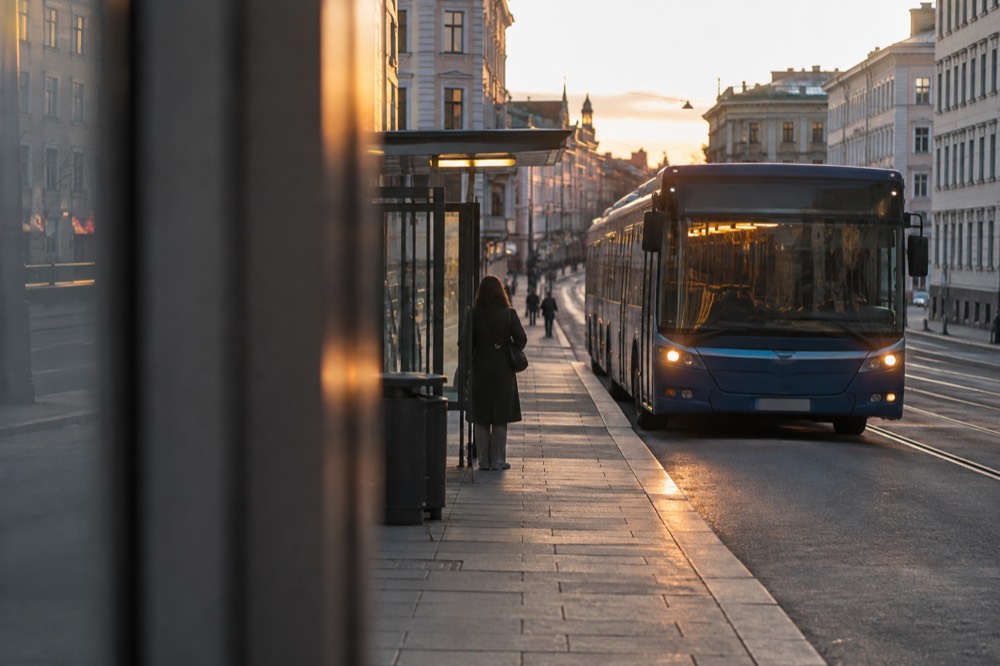
Plan the way home before the night starts, because Oslo's regular metro, tram and bus network winds down in the small hours and a reduced night-bus network takes over. Taxis are safe and strictly regulated but expensive, and ride-hailing apps operate in the city. The cheapest and most reliable plan is to know the last regular departure or the night-bus route that serves your area, and to hold a valid ticket before you board.
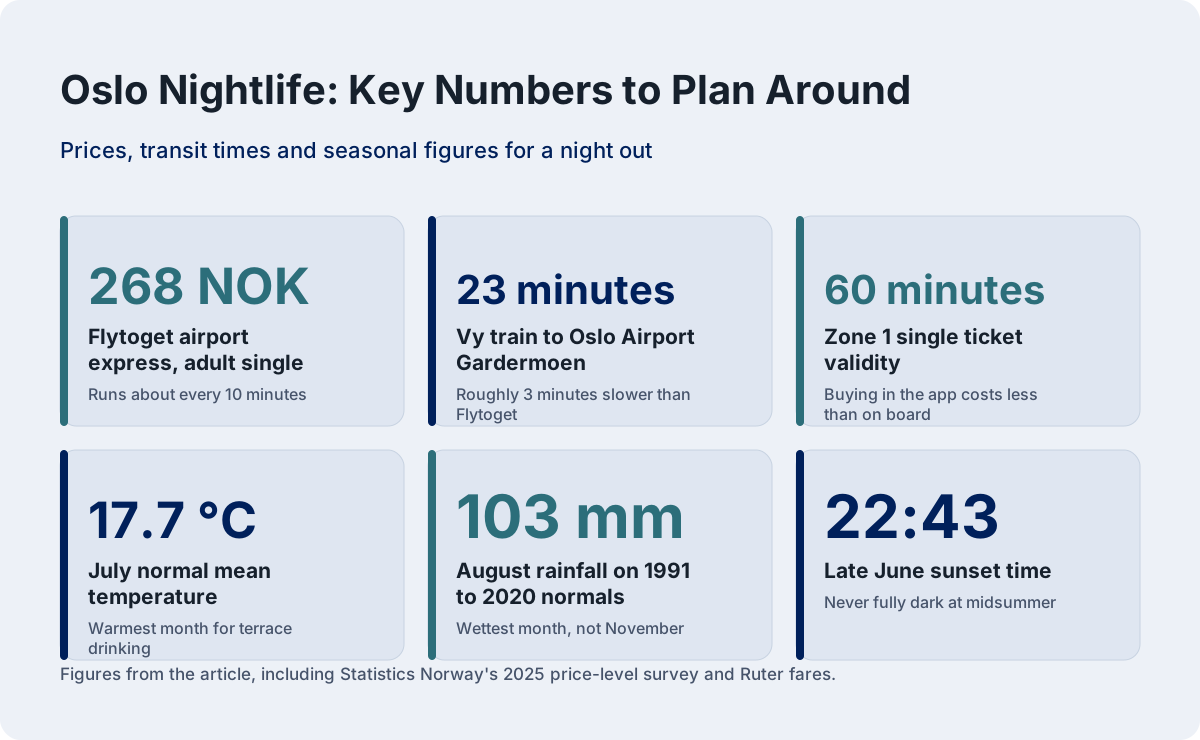
The transit system is run by Ruter, and central Oslo plus the entire metro network sits inside zone 1, which keeps fares simple for almost any night out: one zone, one ticket. A single ticket for one zone is valid for 60 minutes from activation, and buying on board a bus or boat costs more than buying in the app, so load the app before you leave your hotel. Our getting around Oslo and Ruter tickets pages have the full ticket detail, and the Oslo taxi and rideshare guide covers the late-night options and their costs.
One thing worth knowing is that the airport connection has a trap in it if your night ends with an early flight. The Oslo Pass covers the train to and from Oslo Airport Gardermoen, but only the Vy trains, not Flytoget and not Flybussen. Flytoget, the dedicated airport express, costs 268 NOK for an adult single and runs about every 10 minutes, while Vy's trains cover the same run in about 23 minutes, roughly 3 minutes slower, at about half the price. That difference is worth 134 NOK at 5 a.m.
If the club plan gives way to something quieter, the fjord cruise is the alternative worth checking. It is the best-reviewed activity in the city, it runs in the evening light in summer, and booking carries free cancellation if the night takes a different turn.
What Is the Club Dress Code and Door Culture in Oslo?
Oslo's door culture is stricter than its reputation suggests: photo ID is checked as standard, groups of men without women are the most likely to be turned away at popular venues, and the dress code is smart-casual rather than formal, with sneakers usually fine in Grünerløkka and less reliable at the waterfront clubs. Arriving before the late-evening peak is the single best way to avoid a queue and a refusal.
The pattern is common across Scandinavia and Oslo follows it. Door staff at the bigger central venues police the guest mix, and a group of friends arriving late and already loud is the classic refusal. Smaller Grünerløkka venues are more relaxed about both dress and group composition but still check everyone's ID. None of this is hostile; it is just predictable, and planning around it costs nothing. Everything else covered here is indexed on Oslo Travel Guide. Everything else covered here is indexed on Oslo Travel Guide.
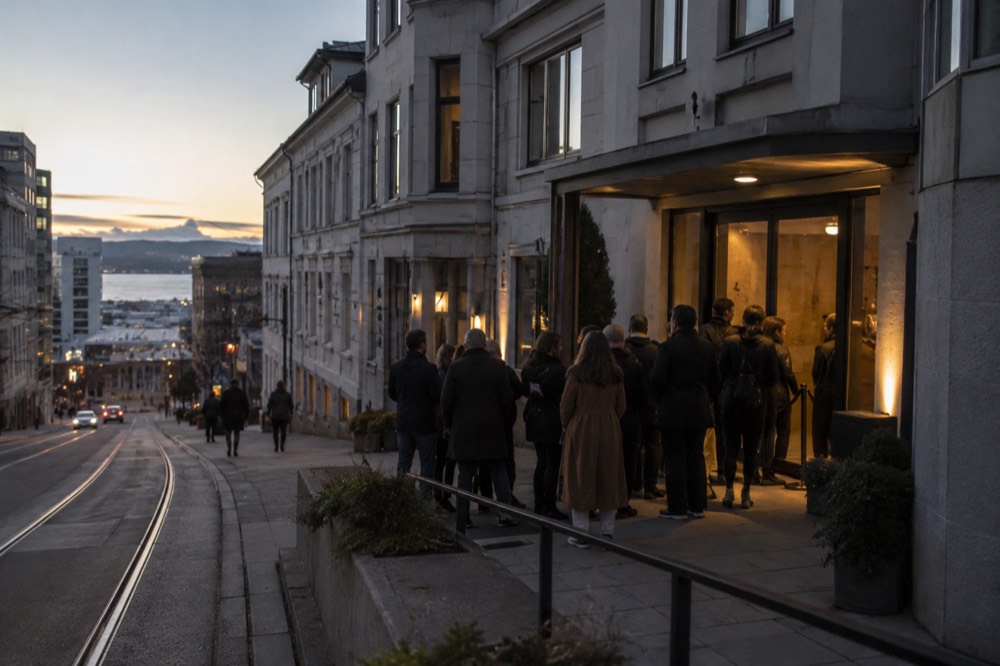
Practical advice: carry your passport or a national ID card, not a photocopy. Go earlier than feels natural, since Oslo nights start late but the queues form in a narrow window. And keep your coat, because the walk between venues is outdoors even in winter, when the city's normal January temperature sits at around −2.3 °C (−4 °F) and the sun sets before 4 p.m. Our Oslo in winter guide covers what that season does to a night out.
When Is the Best Time of Year for Oslo Nightlife?
Summer is the peak, when the long evenings push the whole night later: in late June the sun sets at 22:43 and it never gets properly dark, so the terraces and street life run late and the clubs fill afterward. Winter is the opposite, with under six hours of daylight in late December, but the dark-season scene is real and the clubs are busier relative to everything else. May through September is the comfortable middle.
The daylight swing in Oslo is enormous, from 5 hours 53 minutes of daylight on 21 December to 18 hours 50 minutes on 21 June, and it changes the rhythm of a night out completely. In June the pre-club hours happen in daylight on a terrace. In January the city is dark by mid-afternoon and the whole evening shifts indoors and earlier. Neither is wrong; they are different nights.
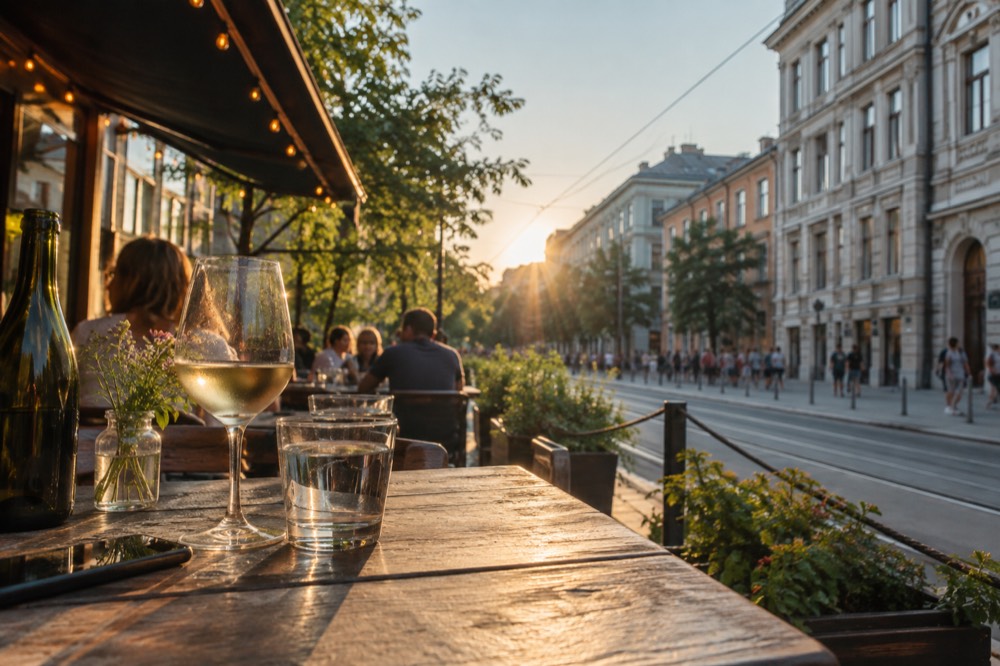
One weather note that catches visitors out: August is Oslo's wettest month on the 1991 to 2020 normals, at 103 mm, not November as most people assume. If you are planning a summer trip around nightlife, June and July are drier on average than August, and July's normal mean of 17.7 °C makes it the warmest month for terrace drinking. The best time to visit Oslo page carries the full breakdown.
| Period | Daylight feel | Nightlife character |
|---|---|---|
| June to July | Sunset near 22:30, never fully dark | Terrace season, late starts, biggest club nights |
| August | Evenings still long, wettest month on the normals | Peak season continues; carry a rain layer |
| September to October | Dark by 19:00 to 18:00 | Indoor scene, fewer tourists, steadier weekends |
| November to February | Under 8 hours of daylight midwinter | Dark-season scene, earlier starts, themed nights |
| March to May | Evenings lengthen fast | Spring terraces return, weekend traffic picks up |
What Should You Do the Day After a Night Out?
Oslo is unusually good at hangover recovery because its best remedies are free: the Opera House roof is open to walk on with no ticket, Vigeland Park is free and open 24 hours a day all year, and the Oslofjord islands are reachable on an ordinary Ruter ticket. A slow morning in the sculpture park or a ferry to Hovedøya costs almost nothing and clears the head better than another bar.
The free list is genuinely strong. The Vigeland Park guide covers the 200-plus sculptures in Frognerparken, which charges nothing and never closes. The Opera House roof is a public walkway. The Oslo islands page explains the ferry lines: the B1 runs year-round to Hovedøya and its ruined abbey, departing from Aker Brygge on an ordinary zone 1 ticket, while the summer-only B2 reaches Langøyene, the swimming and camping island.
If the recovery plan involves food rather than a walk, the Grünerløkka food culture walk is the strongest guided option in the neighborhood, and it doubles as a way to see the club district in daylight, when it reads completely differently.
Is Oslo's Nightlife Safe?
Yes, by European standards Oslo is a safe city for a night out, with low violent crime rates and a well-lit, walkable center. The realistic risks are the ordinary ones: alcohol-fueled arguments outside clubs in the small hours, the cold in winter if you underdress, and the price of the taxi if you have not planned your route home. Our dedicated safety guide covers the detail, including the areas and hours worth a little more care.
Norway's capital does not have the no-go-district reputation some larger cities carry. Standard city precautions apply: keep your phone and wallet in front pockets in dense crowds, agree a meeting point with friends if you split up, and use the lit main streets rather than shortcuts through parks at night. The night-bus stops are the places where late-night common sense matters most, simply because that is where people congregate. For the full picture, see is Oslo safe.
What Are the Best Alternatives to Clubbing in Oslo?
If clubs are not your scene, Oslo's strongest evening alternatives are the fjord itself, the city's food and beer walks, and its late-opening cultural venues. The Oslofjord evening cruise with a shrimp buffet is a Norwegian institution rather than a generic dinner boat, and the beer and culture walk turns Norway's strict alcohol rules into the actual subject of the tour. Both are more distinctively Oslo than a dance floor.
The fjord is the one thing this city has that other nightlife cities do not. The evening cruise with shrimp buffet runs three hours on the water, and the traditional wooden sailing ship cruise is a completely different experience from the electric boats, two hours under sail. Our Oslofjord cruise page compares all the fjord options, and the Oslo nightlife pages cover the drinking side without the dancing.
The beer and culture walk deserves a specific mention, because Norway's alcohol rules make a guided beer walk genuinely useful rather than a novelty: the guide explains the monopoly, the supermarket strength limits and the drinking culture while visiting the venues, which is context no ordinary bar crawl gives you.
And if you want one booking that fits before any evening plan, the silent electric fjord cruise is the default: the best-reviewed activity in the city, 90 minutes on the water with an audio guide, and it finishes early enough to precede dinner, a club night, or an early night.
Common Questions About Oslo Clubs
What time do Oslo clubs close?
Closing times in Oslo come earlier than in southern Europe, with most venues winding down in the small hours rather than running to dawn. Exact hours vary by venue and by night of the week, so check the venue's own channels before you commit to a late start.
How expensive are drinks in Oslo clubs?
Very, by European standards. Statistics Norway's 2025 survey puts alcohol and tobacco at more than double the European average, which is the widest gap of any spending category. Budget accordingly, look for early-evening happy hours, and consider the local habit of starting the evening at home.
Do I need ID to get into an Oslo club?
Yes, carry photo ID regardless of your age. Door staff check ID as standard and will refuse entry without it, and a photocopy does not count. A passport or national ID card is the safe choice.
Can you buy alcohol in Oslo on a Sunday?
Not wine or spirits. Vinmonopolet, the state monopoly, is closed every Sunday and on public holidays, and supermarkets sell only beer and cider below a set strength, with a fixed evening cut-off the rest of the week. Buy what you need in advance.
What is the best neighborhood for nightlife in Oslo?
Grünerløkka, east of the Akerselva river, has the densest strip of bars and small clubs and the scene most locals would point you at. The center around Karl Johans gate holds the bigger mainstream venues, and Aker Brygge and Tjuvholmen carry the cocktail end.
How do I get home after the clubs close?
Plan it before the night starts. The regular Ruter network winds down in the small hours and a reduced night-bus service takes over, while taxis are safe but expensive. Buy tickets in the Ruter app rather than on board, where they cost more.