Oslo Central Station Explained: Platforms, Airport Trains and What Is Nearby
Oslo Central Station is the hub every visitor passes through, and the decisions you make at it, which airport train, which ticket, which direction, shape the whole trip.

Short answer
Oslo Central Station (Oslo S) is Oslo's main rail and transit hub, sitting in Ruter zone 1 at the east end of Karl Johans gate. Flytoget reaches it from Gardermoen in about 20 minutes at 268 NOK, while Vy trains take about 23 minutes on an ordinary Ruter-zone ticket at roughly half the price. The station connects to the T-bane, trams, buses and local trains, and a major redevelopment called Nye Oslo S is in planning.
Every trip to Oslo runs through one building sooner or later. Oslo Central Station, signed everywhere as Oslo S, is where the airport trains land, where the Bergen and Stockholm lines start, and where the metro, trams and buses that hold the city together all meet. It is also a building in the middle of change: a redevelopment called Nye Oslo S is working through public consultation, which means construction and occasional disruption are part of the picture for the next few years.
This guide covers what the station actually is, how to get to it from the airport without overpaying, which connections leave from it, and what is worth walking to once you step outside. The short version: the cheap airport train and the fast one use the same tracks and arrive within three minutes of each other, and most visitors buy the wrong one.
What Is Oslo Central Station?
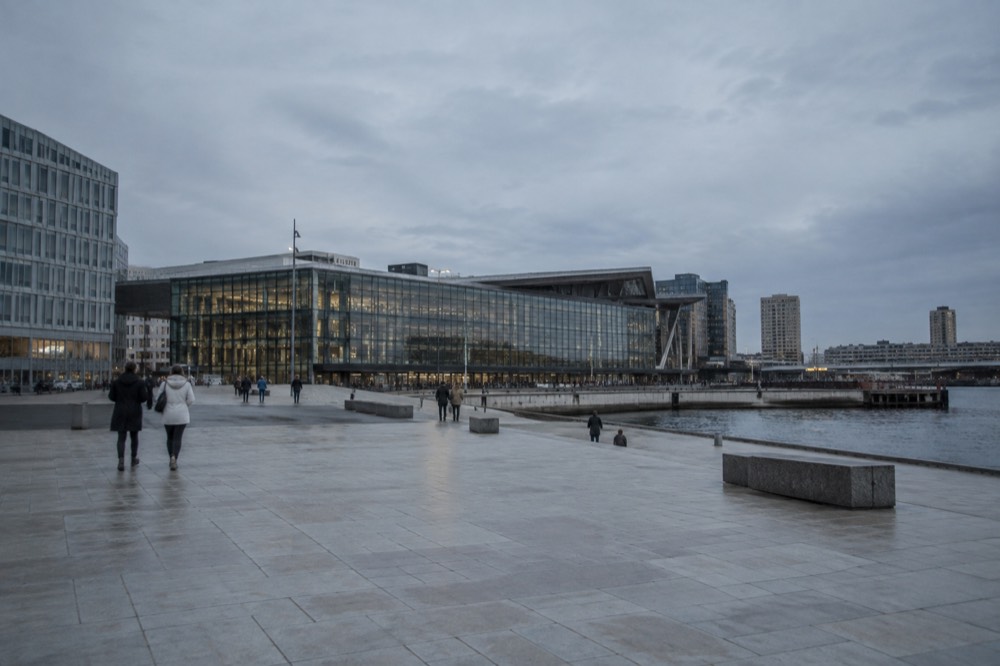
Oslo Central Station, abbreviated Oslo S, is the main railway station of Oslo and the busiest transport hub in Norway, and it sits entirely inside Ruter zone 1, the central public transport zone. It is the eastern terminus for the walk down Karl Johans gate to the Royal Palace, and it stands directly beside the Opera House and the Bjørvika waterfront. Every long-distance train in the country, including the Bergen line and the Stockholm service, calls here.
The station has two practical parts that matter to a visitor. The main terminal building faces west toward Karl Johans gate, with the main hall, ticket machines, shops and restaurants. Behind and below it sit the platforms: the east-west through platforms for long-distance and regional trains, and the terminus platforms used largely by the airport trains and local services. The Flytoget airport express uses its own platform area, clearly signed, and the walk between the two zones inside the station takes a few minutes.
The station is also the anchor point for the whole Ruter zone system. Central Oslo is zone 1, and the entire metro network sits inside zone 1, which means a single zone 1 ticket covers an enormous amount of the city. The station's own stop is one of the deepest connections in the network: metro, tram, bus, local train and ferry connections all sit within a short walk of the main hall, and the island ferries leave from Aker Brygge about ten minutes away on foot.
If you are arriving from somewhere else in Norway, this is where you arrive. The Bergen railway, the Stockholm trains, the Gothenburg trains and all regional services converge on Oslo S, and the station's layout means you step off a long-distance train directly into the middle of the city rather than at an edge. There is no need to transfer onward for the center, because the station is the center.
Where Is Oslo S and What Is Around It?
Oslo S occupies the block between Karl Johans gate and the Bjørvika waterfront, with the Opera House immediately to the east, the main shopping street running west, and the Grünerløkka and Tøyen neighborhoods a short tram or metro ride to the north. The western exit opens onto Karl Johans gate itself, the city's main ceremonial street, which runs straight to the Royal Palace. The waterfront is at the end of a short walk.
The immediate geography rewards a bit of orientation. Step out the west side and you are on Karl Johans gate, with Oslo Cathedral a few minutes up the street and the Parliament building beside it. Step out the east side, past the bus terminal, and you reach the Opera House, whose roof is free to walk on, and the Sørenga seawater pool beyond it. The MUNCH museum stands in Bjørvika within sight of the station's eastern exits.
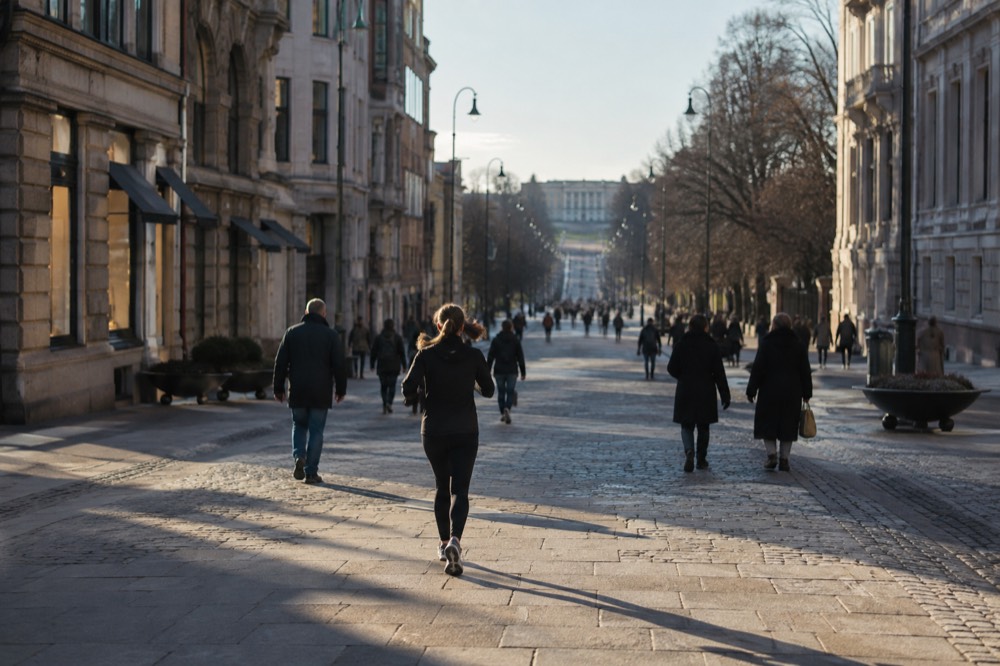
For a first-time visitor with a free afternoon, the walk west is the classic one: Karl Johans gate, the Parliament, the Cathedral, then on toward the Royal Palace and, behind it, the entrance to Frogner and the route toward the Vigeland sculpture park, which is free and open around the clock. The walk east is the modern one: the Opera House roof, the Barcode district, and the fjord. Both directions start at the station's doorsteps, which is why so many Oslo itineraries treat Oslo S as ground zero.
The neighborhoods north of the station are where the city lives rather than performs. Grünerløkka, a few tram stops up, is the district for coffee, vintage shops and the Mathallen food hall, and our guide to Grünerløkka and its food scene covers it in depth. If you are planning a full stay rather than a pass-through, the where to stay in Oslo guide maps which of these neighborhoods suit which kind of trip.
Once you know which direction your hotel lies in, the station becomes simpler. Everything west of the hall is the old grid of the city center. Everything east is waterfront and new build. Everything north is neighborhoods, and everything south, past the City Hall, is the fjord and the piers where the sightseeing boats leave.
How Do You Get from Oslo Airport to Oslo S?
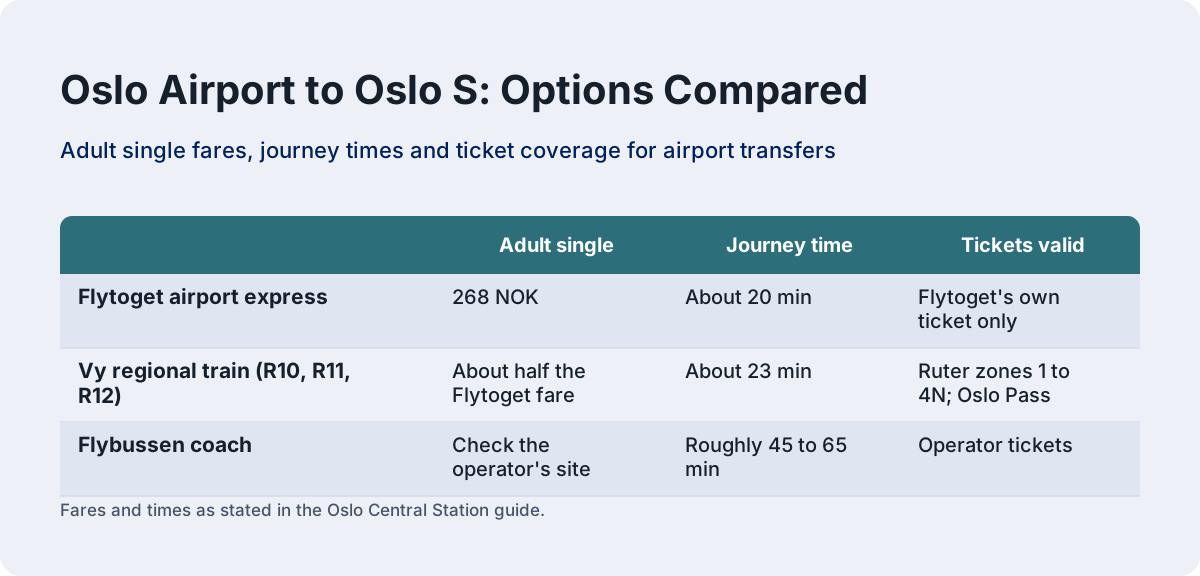
Flytoget, the airport express, runs from Gardermoen to Oslo S in about 20 minutes and costs 268 NOK for an adult single, while Vy regional trains cover the same distance in about 23 minutes for roughly half the price, because a Ruter ticket covering zones 1 through 4N is valid on them. The Oslo Pass covers the Vy trains but not Flytoget. The two services use the same railway and arrive within three minutes of each other.
This is the single most valuable money decision an Oslo visitor makes, and most guides state it wrong or not at all. The airport, Oslo lufthavn Gardermoen, sits in Ruter zone 4N. The Vy regional trains that call there are ordinary Ruter-zone trains: a Ruter ticket covering zone 1 through 4N is valid on them, and the Oslo Pass, which includes zones 1, 2, 3, 4V and 4N with Vy trains to and from the airport, covers them outright. You do not need a separate airport supplement. You need a multi-zone Ruter ticket, bought in the Ruter app before boarding, because buying on board costs more.
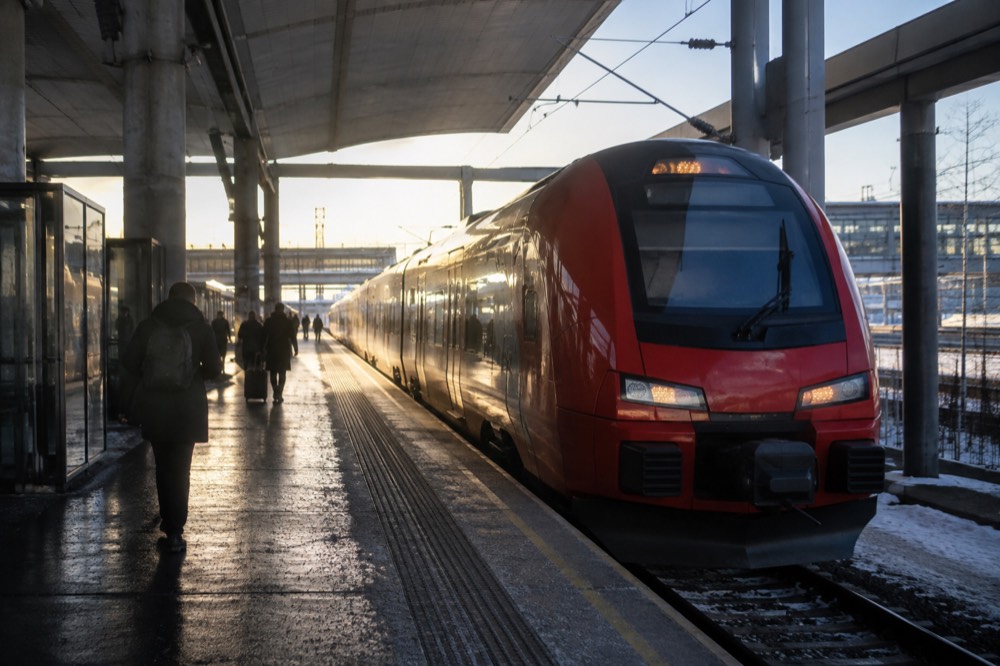
Flytoget is a separate company, not part of Ruter, and no Ruter ticket or Oslo Pass is valid on it. It is a good product: departures every 10 minutes, a 19 to 22 minute run, and tickets valid 90 days from purchase. Discounted Flytoget singles at 134 NOK exist for seniors, students, youths and children. But the ordinary adult paying full fare is paying roughly double for about three minutes. Vy's own framing on its airport page is that its trains take about 3 to 4 minutes longer than the airport express but usually cost about half the price.
| Option | Adult single | Journey time | Notes |
|---|---|---|---|
| Flytoget airport express | 268 NOK | About 20 min | Every 10 min; not covered by Ruter tickets or the Oslo Pass |
| Vy regional train (R10, R11, R12) | About half the Flytoget fare via a multi-zone Ruter ticket | About 23 min | Ruter zones 1 to 4N valid; Oslo Pass covers it |
| Flybussen coach | Slower, roughly 45 to 65 min | Traffic-dependent | Departs every 20 min; check the operator's site for the current fare |
The depth of this comparison, including the exact ticket mechanics and what the Oslo Pass does and does not cover, has its own page: Flytoget vs the Vy train, alongside the broader Oslo airport to city centre guide. If you land at Torp or Sandefjord instead, that is a different airport and a different guide entirely.
A word on arrival logistics. Both train types deposit you inside the same station, and the walk from the platforms to the main hall, the metro or the tram stops is flat and signed in English throughout. The station is busy but legible, and the airport trains use the platforms closest to the eastern half of the building, nearest the bus terminal and the Opera House side exits.
Which Trains, Trams and Buses Leave from Oslo S?
Oslo S is the interchange for the entire T-bane metro network, for tram routes running the length of the city, for local and regional trains across the southeast, and for long-distance services to Bergen, Stockholm, Gothenburg and the ski towns north of the capital. The metro and tram stops sit at or just below street level around the station, and every one of them rides on an ordinary zone 1 Ruter ticket.
The metro is the one visitors use most. Line 1 runs west to Holmenkollen and Frognerseteren, the jumping-off point for the ski jump, the museum and the Nordmarka forest trails. Other lines fan out to Sognsvann, another trailhead, and to the eastern suburbs. Because the whole network is inside zone 1, one ticket covers all of it, and the Oslo metro and Oslo tram guides break down the lines and what sits at the end of each one.
| Connection at Oslo S | Where it takes you | Ticket you need |
|---|---|---|
| T-bane metro | Holmenkollen, Frognerseteren, Sognsvann, Majorstuen, the eastern suburbs | Ruter zone 1 |
| Trams | Grünerløkka, Frogner, Majorstuen, Aker Brygge side streets | Ruter zone 1 |
| Local and regional trains | Drøbak-side towns, Lillestrøm, Ski, and Gardermoen via Vy | Ruter zones by distance |
| Long-distance trains | Bergen, Stockholm, Gothenburg, Lillehammer, Flåm connections | Vy point-to-point fares |
| Flytoget | Oslo Airport Gardermoen | Flytoget's own ticket |
| Airport buses | Gardermoen and regional coach routes | Operator tickets |
Ticketing is app-first in Oslo. The Ruter app is the cheapest way to buy, and on-board purchase, where it exists at all on buses and boats, costs more. A single zone 1 ticket is valid for 60 minutes from activation, and validity increases by 30 minutes for each additional zone. The 30-day zone 1 pass was cut from 805 to 655 NOK in May 2026, a real reduction, though it only pays off for stays of a couple of weeks or more. The full fare structure, and the zones explained without guesswork, is in the Ruter tickets guide.
For most visitors the better question is whether the Oslo Pass beats single tickets, and the answer depends on museum plans more than transport. The 24-hour adult pass costs 580 NOK and includes over 30 museums plus all Ruter transport in zones 1 through 4N, including the Vy airport trains. Three Bygdøy museums at full price total 560 NOK on their own, so the pass pays for itself on a single heavy museum day. The is the Oslo Pass worth it page runs the full break-even maths.
One connection worth flagging is the simplest one: your own feet. The station sits at the bottom of Karl Johans gate, and the one day in Oslo itinerary starts exactly here, walking west. If your time in the city is a single day between trains, that walk, plus the Opera House roof on the eastern side, plus a boat from the piers, is a complete and genuinely satisfying visit without a single additional ticket.
Is There Luggage Storage at Oslo Central Station?
Yes, Oslo S has luggage lockers and a staffed left-luggage service, and the station is the most practical place in the city to drop bags for a few hours between checkout and a late train. Lockers are bought for a block of time rather than per hour, sizes range from small daypack lockers to ones that swallow a large suitcase, and access is inside the paid area of the terminal. Full current pricing and alternatives are covered in the luggage storage guide.
The reason this matters more in Oslo than in many capitals is the structure of a visit here. Arriving visitors often land at Gardermoen hours before hotel check-in, and departing visitors often have a late afternoon train with a morning they would rather spend at a museum than beside a suitcase. The station's storage solves both, and its position, at the junction of the metro, the trams and the airport trains, means you can collect a bag and be at any platform within minutes. The rest of the planning pages sit on Oslo Travel Guide. The rest of the planning pages sit on Oslo Travel Guide.
The alternatives are worth knowing about too. Some services around the city offer bag storage through shops and hotels, and the Oslo luggage storage guide compares the station's lockers against those options, with sizes, prices and opening hours. As a rule of thumb, the station is the best bet for a few hours; the scattered services can beat it for overnight or multi-day storage.
A practical note on timing: the lockers are popular in the summer high season and around the big city events, and a late-morning arrival can find the large sizes gone. If your day depends on storing a big bag, do it on arrival rather than after lunch. The staffed counter is the fallback when the self-service lockers fill, and it handles oversized items the lockers cannot.
Where Can You Eat and Shop Inside the Station?
The station building holds a full range of everyday Norwegian retail and food outlets, from bakery and coffee counters to supermarkets and pharmacies, and it is open late by Norwegian standards because it serves early trains and the last airport departures. Prices inside the station are ordinary Norwegian retail prices rather than inflated airport-style markups, and the supermarket inside is a genuinely useful stop for picnic supplies before a fjord boat or a train ride.
That last point is worth dwelling on, because it is a real money lever. Norway is the sixth most expensive country in Europe on Statistics Norway's 2025 price-level comparison, with food and non-alcoholic drink 33 percent above the European average, and alcohol and tobacco more than double it. A supermarket meal assembled at Oslo S costs a fraction of a restaurant one, and the same basket at Gardermoen airport costs noticeably more. Buying water, bread, cheese and fruit at the station supermarket before doing anything else is the single easiest saving in the city.

For a sit-down meal rather than a picnic, the honest answer is to leave the building. The station's own restaurants are functional rather than destinations, and the city's eating is a ten-minute walk in any direction. The best restaurants in Oslo and where to eat in Oslo guides map the options, and the Oslo street food page covers the cheaper end. For coffee specifically, a Norwegian obsession, the Oslo coffee guide names the roasters worth crossing town for.
One alcohol note, because it catches almost every visitor: supermarkets sell beer and cider only, up to 4.7 percent ABV, and stop at a fixed evening cut-off. Wine and spirits are sold only by Vinmonopolet, the state monopoly, which closes early on Saturdays and is shut all day Sunday. If your train arrives on a Saturday evening and you want wine with dinner, the station's shops cannot help you, and the timing rules are explained plainly in the price of beer in Oslo guide.
Is Oslo S Safe and Accessible?
Oslo S is a safe, well-patrolled station by any European standard, and the area immediately around it, including the eastern exits toward the Opera House and the bus terminal side, is busy at all hours the trains run. The station is fully step-free, with lifts to every platform and level access from the street to the main hall, and assistance for long-distance trains can be arranged through Vy in advance. The usual big-station cautions about pickpockets apply at rush hour and nothing more.
Norway's capital ranks among the safer cities in Europe, and the is Oslo safe guide covers the broader picture, including the neighborhoods and the late-night picture. At the station specifically, the considerations are ordinary: keep bags closed in crowds, mind phones on the escalators, and expect the main hall to be crowded around 16:00 to 18:00 on weekdays when the commuting city passes through.
Accessibility is genuinely good. The layout is flat from the western entrances through the main hall, lifts serve the metro and tram levels and every rail platform, and the tactile paving and signage are consistent. Travelers with mobility needs on long-distance trains should contact Vy ahead of departure to arrange boarding assistance, which is a standard free service on the Norwegian network. The Oslo accessibility guide extends this to the whole city, including the trams, the ferries and the museum peninsula.
Language will not be a problem anywhere in the building. English is universal in Oslo, spoken by station staff, ticket machines and announcements alike, and the English in Oslo guide explains just how total that coverage is. Signage is bilingual or English-first in most of the transport system, and the Ruter app works entirely in English.
What Is Nye Oslo S and Will It Disrupt Your Trip?
Nye Oslo S is the planned redevelopment of Oslo Central Station and the surrounding rail infrastructure, and it was in public consultation through spring 2026, with construction expected to run for years afterward. For a visitor in the near term, the practical effects are occasional platform changes, works around the station approaches, and disruptions on some lines, rather than any closure of the station itself. The station remains fully open and fully served throughout.
The project exists because the station is operating near capacity on its current layout, and the consultation materials published at nyeoslos.no describe a rebuild of the track approaches and a reworked station as the long-term goal. The hearing round ran in April and May 2026, which places the actual construction phase years out. Nothing in the published plans asks visitors to change their behavior yet beyond checking platform numbers on the day.

The disruptions that are real today are smaller and more local. Ruter has ongoing works on several lines into 2026, including the Lilleakerbanen tram line and metro upgrades, with effects concentrated on the west side of the city. Signal issues and event-related closures have occasionally hit the Nationaltheatret and Oslo S stations. The practical defense is the same as everywhere: check the Ruter app or Entur on the morning of travel, because planned works are published in advance and the app routes around them automatically.
For trip planning, treat Nye Oslo S as background rather than a warning. The station that exists today works, the airport trains run every ten minutes, and the redevelopment is a story about the next decade rather than your weekend. The one group who should follow it closely are cruise passengers and anyone with a tight connection, and the Oslo cruise port day guide covers that scenario end to end.
What Can You Do with a Few Hours at Oslo S?
With two to four spare hours at the station you can walk the Opera House roof, cross to the waterfront piers for a fjord cruise, walk Karl Johans gate to the Parliament and Cathedral, or reach the Vigeland sculpture park by metro and back, since it is free and open around the clock. The station's position at the junction of the city center, the waterfront and the metro makes it the best launch point in Oslo for a short stop, and only the boats need advance booking.
The half-day options sort by direction. East is the Opera House, whose sloping marble roof is free to walk and gives the best close-up of the Bjørvika skyline, with MUNCH next door if you would rather buy a ticket, at 280 NOK adult with free entry for under-18s. South is the waterfront and the piers: the sightseeing boats leave from beside City Hall, and the island ferries to Hovedøya and Gressholmen leave from Aker Brygge on an ordinary Ruter ticket. West is Karl Johans gate and the Royal Palace. North, by metro line 1, is Holmenkollen or, with a change of plan, the trails at Sognsvann.
| Spare time | Direction from Oslo S | What you get |
|---|---|---|
| 1 hour | East, on foot | Opera House roof, free, plus the Barcode skyline |
| 2 to 3 hours | South, on foot | A fjord sightseeing cruise from the City Hall piers, or the island ferries from Aker Brygge |
| 3 hours | West, on foot | Karl Johans gate, the Parliament, the Cathedral, the Palace grounds |
| Half day | Metro line 1 or the Bygdøy boats | Holmenkollen and the ski museum, or the museum peninsula at 195 NOK for the ski jump and museum |
The museum peninsula deserves its own note because it is the one that catches people out. The Museum of the Viking Age is closed and will reopen in 2027, so the Viking Ship Museum that four thousand people a month still search for cannot be visited. The honest substitutes on Bygdøy are the Kon-Tiki and Fram museums, which sit together at the Bygdøynes pier, and the Viking Planet in the center for a Viking-age fix. The Bygdøy ferry runs seasonally from Rådhusbrygge 3 and is covered by the Oslo Pass but not by Ruter tickets, while bus 30 runs year-round on an ordinary ticket.
If your spare hours fall in winter rather than summer, the calculus changes but not the launch point. The evening myths and legends walk starts from the city center in the dark months, the torchlit forest walk with a campfire runs from the edge of the metro network, and the Oslo in winter guide assembles the whole cold-season program. The station's lockers, covered earlier, are what make any of these stopover plans workable with luggage in tow.
Common Questions About Oslo Central Station
What is the difference between Oslo S and Oslo Central Station?
Nothing, they are the same station. Oslo S is the Norwegian abbreviation of Oslo Sentralstasjon, Oslo Central Station, and it appears on tickets, platform signs and the Ruter app. Some international booking sites print the full English name, but the station, the platforms and the connections are identical.
Is the Flytoget or the Vy train better from Oslo Airport?
For almost every visitor, the Vy train is the better buy. It takes about 23 minutes against Flytoget's 20, and a Ruter ticket covering zones 1 through 4N costs roughly half the Flytoget fare of 268 NOK. The Oslo Pass covers the Vy trains and not Flytoget. Flytoget's advantage is frequency, a departure every 10 minutes, and discounted 134 NOK singles for seniors, students and youths.
Does the Oslo Pass cover the airport train to Oslo S?
It covers the Vy trains between Gardermoen and Oslo S, because the pass includes public transport in Ruter zones 1, 2, 3, 4V and 4N, including Vy trains to and from the airport. It does not cover Flytoget, which is a separate company, or the Flybussen coach. This is the single most useful thing the pass does that most guides fail to state correctly.
Can you walk from Oslo Central Station to the city center?
Yes, and you should. The station's western exit opens directly onto Karl Johans gate, the city's main street, which runs past the Parliament, the Cathedral and up to the Royal Palace. The Opera House is a short walk the other way. Most of central Oslo needs no transport at all from the station, and the is Oslo a walkable city question has a firmly positive answer.
Is there luggage storage at Oslo S?
Yes, the station has self-service lockers in several sizes plus a staffed left-luggage counter, and it is the most convenient place in the city to store bags between a hotel checkout and a later train. Lockers are charged for a block of time rather than per hour, and the large sizes can fill on busy summer days, so drop bags early if your day depends on it.
Is Oslo Central Station open at night?
The station building operates around the needs of the train service, with early morning openings for the first departures and late closings tied to the last airport and regional trains. The main hall, shops and platform access follow those hours. If you have a very late or very early connection, check the specific train times, since the airport trains and long-distance services define the practical opening window.