Oslo Airport to City Centre: Every Option Compared
Oslo Airport Gardermoen sits about 50 km northeast of the city, and the run into town takes between 20 minutes and an hour depending on what you ride. The train is the default answer, but there are two trains, and the price gap between them is roughly 134 NOK each way.

Short answer
The cheapest sensible route from Oslo Airport to the city centre is a Vy regional train on a multi-zone Ruter ticket, roughly 134 NOK adult, taking about 23 minutes. Flytoget, the airport express, costs 268 NOK and takes about 20 minutes. The Oslo Pass covers Vy to the airport but not Flytoget.
Oslo Airport Gardermoen is not close to the city it serves. It sits about 50 km northeast of central Oslo, which means every arrival starts with a decision, and the decision is mostly about money rather than time. The fastest option and the second fastest are separated by roughly three minutes of journey time and about 134 NOK of fare, a gap most visitors only discover after they have already tapped a card.
This guide compares every real way of making the run: the Flytoget airport express, the Vy regional trains, the airport coach, ordinary taxis, and a pre-booked private transfer. All the fares below come from the operators' own published prices, and where a figure has not been confirmed from a primary source, this page says so rather than guessing it. There is also a section on the Oslo Pass, because the single most expensive mistake travellers make here is assuming the pass covers the fast train. It does not, and the difference is worth knowing before you buy anything.
How Far Is Oslo Airport from the City Centre?
Oslo Airport Gardermoen lies about 50 km northeast of central Oslo, and the train covers the distance in roughly 20 to 23 minutes while a coach or car needs 45 minutes to well over an hour depending on traffic. The airport's own operator, Avinor, puts the train journey at about 20 minutes, and the road alternatives run two to three times longer. Nothing about this transfer is difficult, but the distance is real, so it is worth choosing your mode before you land rather than at the platform.
The airport's IATA code is OSL, and Norwegians mostly call it Gardermoen after the area it sits on. It is a single integrated terminal, so there is no risk of arriving at the wrong building, and all the ground transport leaves from the same complex: the train station sits directly underneath the terminal, reached by escalator from the arrivals hall, and the coaches stop just outside the main doors.
One thing that catches out a surprising number of visitors: Oslo has a second airport used by some low-cost carriers, Torp near Sandefjord, which is more than 100 km from the city. If your booking says TRP rather than OSL, nothing on this page applies to you, and the transfer is a different and much longer proposition. Check the code before you plan.

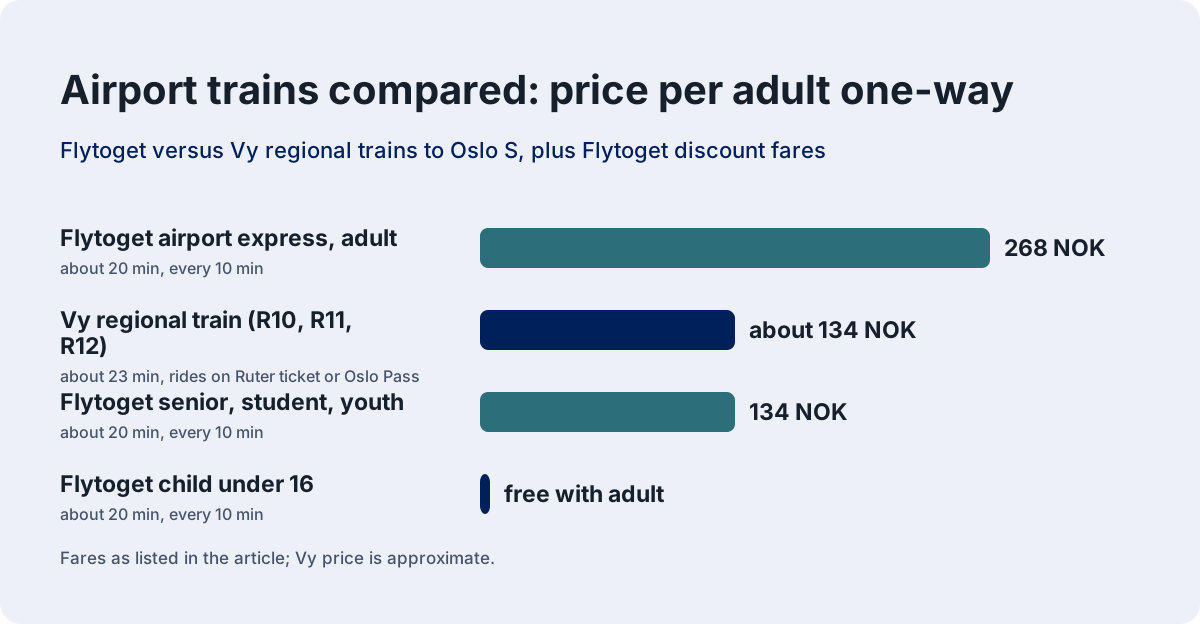
Flytoget or Vy: Which Airport Train Should You Take?
Flytoget is the dedicated airport express, costing 268 NOK adult one-way and taking about 20 minutes to Oslo S with departures every 10 minutes. The Vy regional trains take about 23 minutes, cost roughly 134 NOK, and run on ordinary Ruter zone tickets that many visitors already hold or will need anyway. The trains share the same tracks and arrive at the same stations, so you are paying roughly double for three minutes.
That is the whole decision in one paragraph, and it is worth dwelling on because most international guides present Flytoget as the only train. It is not. Vy's own airport page says its regional trains "take about 3-4 minutes longer than the Airport Express trains, but usually cost about half the price", which is the operator itself telling you the trade.
The mechanism that saves real money is the ticketing. The Vy trains between the airport and Oslo are ordinary Ruter-zone trains, and the airport sits in Ruter zone 4N, not zone 1. A Ruter ticket covering the zones between the airport and the centre is valid on them, and the Oslo Pass covers them outright. If you buy Vy's own point-to-point fare from a machine, you can end up paying more than you need to for the cheap train, which is the quiet trap of this route. The journey planner in the Ruter app prices the correct zones for you, so let it do the counting rather than working out zones by hand.
| Option | Adult one-way | Journey time to Oslo S | Frequency | Ticket notes |
|---|---|---|---|---|
| Flytoget airport express | 268 NOK | about 20 min | every 10 min | own ticket system, valid 90 days from purchase |
| Vy regional train (R10, R11, R12) | about 134 NOK | about 23 min | frequent, all day | rides on a multi-zone Ruter ticket or Oslo Pass |
| Flytoget child under 16 | free with adult | about 20 min | every 10 min | per Flytoget's ticket page |
| Flytoget senior, student, youth | 134 NOK | about 20 min | every 10 min | per Flytoget's ticket page |
Both trains call at Oslo S and Nationaltheatret, and both put you within a short walk of most central hotels. If your hotel sits near the Royal Palace or the western end of Karl Johans gate, Nationaltheatret is the more convenient stop and you do not need to ride to the end of the line.
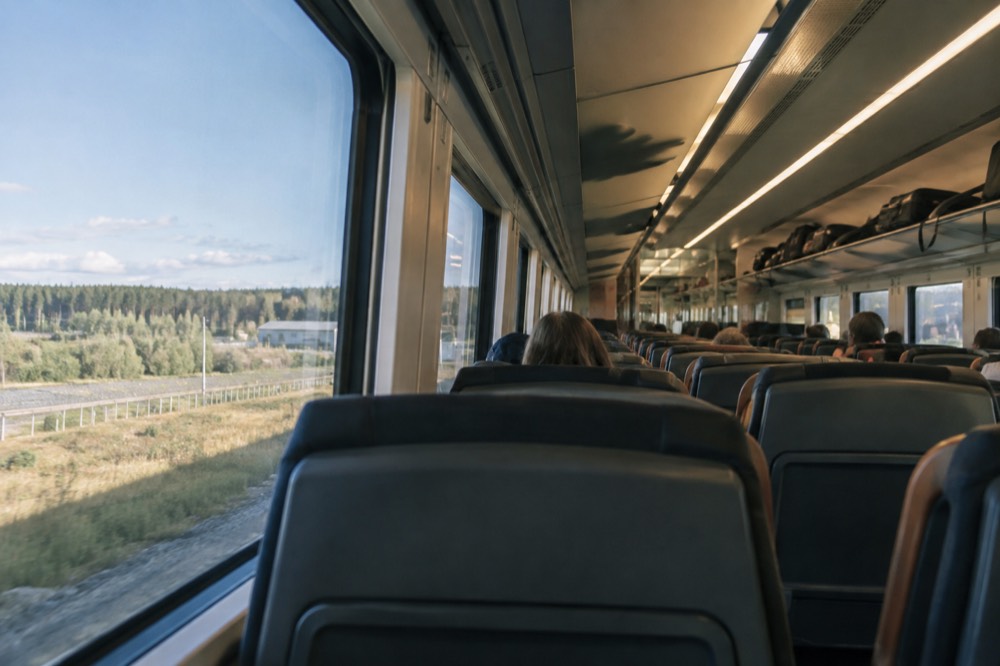
If you would rather have someone else handle the whole arrival, a pre-booked private transfer is the alternative to every queue at the airport.
A driver meeting you at arrivals costs more than any train, but it removes the ticket machines, the zone arithmetic and the luggage wrestling in one step, and for a family or an late-night arrival that arithmetic often favours it. The transfer runs about an hour door to door.
Does the Oslo Pass Cover the Airport Train?
The Oslo Pass covers the train to and from Oslo Airport Gardermoen, but only the Vy trains, not Flytoget and not the Flybussen coach. VisitOSLO's own wording is that public transport in zones 1, 2, 3, 4V and 4N is included, "including transport to and from Oslo Airport Gardermoen with public trains operated by VY". A pass holder who boards Flytoget pays the full 268 NOK fare.
This is the single most valuable practical fact on this page, and it is the one most guides get wrong or omit entirely. The airport is in zone 4N, and the pass covers all Ruter zones from 1 through 4N, which is exactly the corridor the Vy trains use. So if you are holding a 24-hour pass at 580 NOK, your ride in from the airport is already paid for, along with the metro, trams, buses and the public island ferries for the rest of the day.
The maths is worth doing out loud. Say you land at noon and buy a 24-hour pass. You get the airport train, an afternoon of transport, and free entry to over 30 museums, against 580 NOK. Three Bygdøy museums alone at full price cost 560 NOK, so the pass can pay for itself before dinner without a single discount. The trap runs the other way too: a pass holder who instinctively boards Flytoget because it is the first train on the platform has paid 268 NOK for a ride their pass already covered on the train behind it.

| Oslo Pass (2026) | 24h | 48h | 72h |
|---|---|---|---|
| Adult | 580 NOK | 845 NOK | 995 NOK |
| Senior (67+) | 465 NOK | 675 NOK | 795 NOK |
| Child (6-17) | 290 NOK | 420 NOK | 495 NOK |
One more pass detail worth knowing: the pass also covers the seasonal Bygdøy museum ferry and the public island ferries from Aker brygge, but it does not cover Flytoget or the airport coach under any circumstances. If your whole plan for day one is the airport train plus a museum afternoon, the 24-hour pass is almost certainly your cheapest combination. The full breakdown of what the pass includes and when it breaks even is covered in the Oslo Pass guide, and the is the Oslo Pass worth it page runs the arithmetic for short trips specifically.
What About the Airport Coach and Taxis?
The Flybussen coach runs from the airport to central Oslo roughly every 20 minutes and takes 45 to 65 minutes depending on traffic, and its published fares sit near the Flytoget price, but this page will not print an exact figure because it has not been confirmed from the operator's own site. Taxis are metered per operator and no verified fare exists, so treat any flat quote you see online with suspicion and agree the price before the doors close.
The coach's honest role is redundancy. If a signalling fault or a strike takes the trains off the board, Flybussen keeps running, and Avinor lists it among the airport's official ground transport. But as a first choice it is slower than the train, comparable in price, and exposed to the rush-hour traffic on the E6, which is not a trade anybody should make voluntarily.
Taxis are the expensive end of the scale and the least transparent. Oslo airport taxis are regulated per operator, and the fare varies between companies, so a confident-looking number published by a third party is not something to plan around. If you want a car with a price you know before you travel, the honest route is a pre-booked private transfer, which quotes a fixed from-price at the time of booking rather than a meter that starts at the kerb. The Oslo taxis and rideshare guide covers the metered side of the city in detail.
| Mode | Rough cost, airport to centre | Time | Best for |
|---|---|---|---|
| Flytoget express | 268 NOK adult | about 20 min | speed, simplicity, expense |
| Vy regional train | about 134 NOK | about 23 min | almost everybody |
| Vy on Oslo Pass | included | about 23 min | pass holders |
| Flybussen coach | not confirmed, near train prices | 45-65 min | train outages only |
| Taxi | metered, varies by operator | 45-65 min | not recommended without a fixed quote |
| Private transfer | from $57 booked ahead | about 1 h door to door | families, groups, late arrivals |
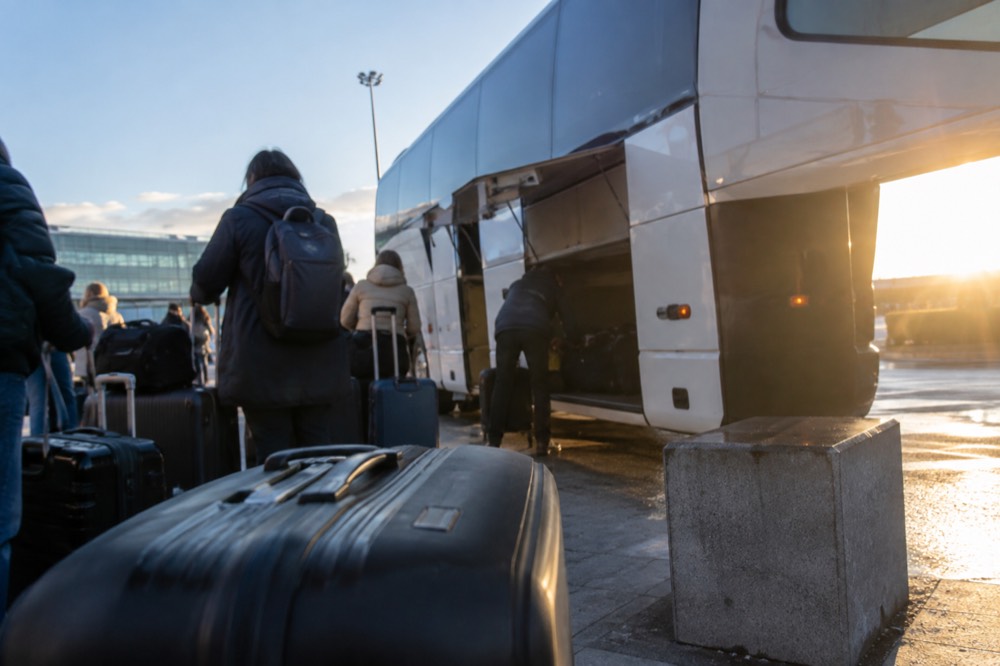
How Do You Buy Tickets at Oslo Airport?
You buy train tickets at Flytoget's own machines and gates for the express, or in the Ruter app for the Vy trains, and the app is the cheapest and simplest route for everything except Flytoget. Buying on board costs more where it is possible at all, and the Ruter app prices the correct zones automatically, which matters because the airport is in zone 4N and hand-counting zones is how people overpay.
The physical layout is simple. Both trains leave from the same station under the terminal, with Flytoget using its own clearly signed area and its own ticket gates. Vy tickets come from the Ruter app, from ticket machines, or from the Ruter service desk, and a Ruter single covering the zones between the airport and the centre is what you need, not a special airport supplement. That last point is the one worth repeating: there is no separate airport fare on the Vy trains, there is only the ordinary zone-based fare, and the Oslo Pass is simply the unlimited version of it. Everything else covered here is indexed on Oslo Travel Guide. Everything else covered here is indexed on Oslo Travel Guide.
A few practical notes from Ruter's own ticketing pages: a single ticket for one zone is valid for 60 minutes from activation, and validity increases by 30 minutes for each additional zone you buy, so a multi-zone airport ticket gives you a comfortable window to complete the journey. On-board purchase, where it exists on buses and boats, is explicitly more expensive than the app. Children under six travel free, and there are child and senior discounts across the ticket range.
If you land without Norwegian cash or a working data plan, the airport has free wifi, and the ticket machines take cards. Nobody in Oslo expects cash for transport, and the Oslo currency and cash guide explains why the krone still matters even in a tap-to-pay city.
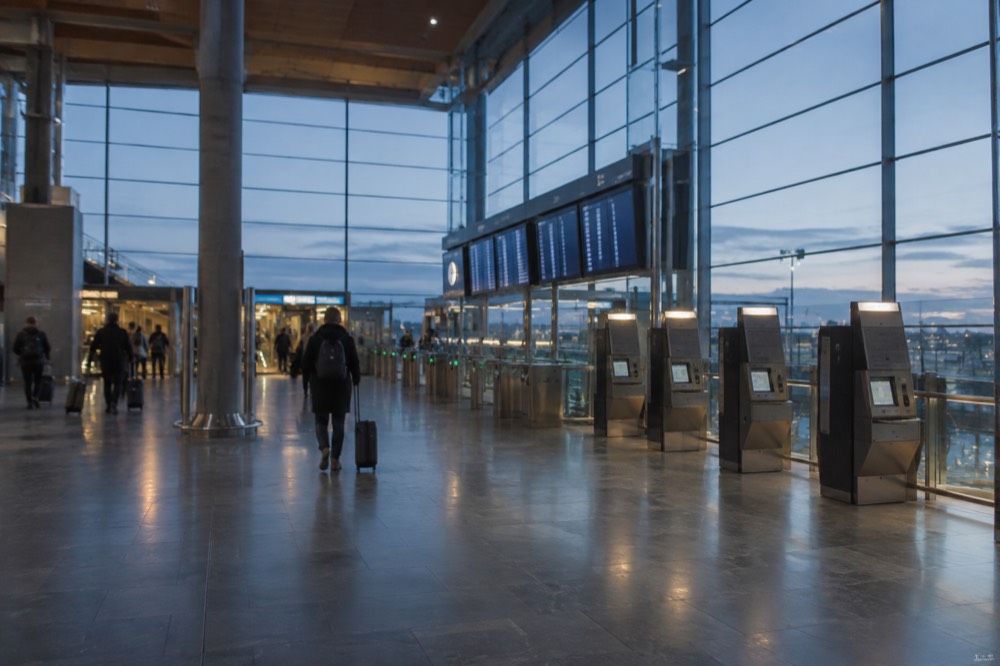
Where Do the Trains Actually Arrive in the City?
Both Flytoget and the Vy trains terminate at Oslo S, the central station, with intermediate stops at Lillestrøm and Nationaltheatret, and Nationaltheatret is the better stop for hotels near the Royal Palace, Karl Johans gate's western end or the waterfront. Oslo S connects directly to the entire metro network, the main tram lines and the local buses, so almost any final destination in the city is one change away.
Oslo S is the hinge of the whole transport system. The T-bane, all the tram lines and a large share of the buses pass through or beside it, and the station itself sits at the eastern end of Karl Johans gate, which means the walk to the cathedral, the Parliament building or the Opera House is under fifteen minutes on flat ground. If you are staying in the centre, there is a fair chance you do not need another vehicle at all.
For hotel planning, the practical split is this: Nationaltheatret serves the western centre, Frogner and Majorstuen side, while Oslo S serves everything east of Karl Johans gate and the Barcode district. The where to stay in Oslo guide maps the neighbourhoods against this geography, and the Oslo map and orientation guide explains how the grid fits together on foot.
One warning for the return trip: Oslo S is large, and the airport trains leave from the lower-level platforms, not the main hall. Follow the Flytoget or Vy signage from the main concourse and allow five minutes you did not think you needed. The station is also in the middle of a long-term redevelopment consultation, so signage and layouts can shift between visits.

Is the Private Transfer Ever Worth It?
A pre-booked private transfer from Oslo Airport to the city centre costs from $57 for the vehicle and takes about an hour door to door, and it becomes the rational choice for families with small children, groups splitting the fare, travellers with awkward luggage, and anyone landing between roughly 01:00 and 05:00 when train frequency thins out. For a solo traveller arriving midday, the train wins every time.
The arithmetic is per-vehicle, not per-person, which is the whole point. A party of four comparing 268 NOK each on Flytoget, that is over 1,000 NOK total, against a fixed transfer price for a car that meets them in arrivals with name signs and no ticket machines, is no longer comparing a luxury against a bargain. Add two large suitcases and a stroller and the platform escalators start costing something too.
The other honest use case is the very early or very late arrival. The trains run a reduced overnight service, and a 90-minute wait at 01:00 with jet lag is a different product from the same wait at noon. A transfer booked for your actual landing time removes that variable entirely, and most bookings can be cancelled free if the flight plan changes, which makes it a low-commitment thing to reserve before you fly.

The transfer covers the practical side of arriving. For the first evening in the city itself, a guided food walk through Grünerløkka is a different kind of orientation, one that ends with dinner.
The neighbourhood food walk runs about two and a half hours through Oslo's most characteristic district, and it doubles as an introduction to what Norwegians actually eat, which is a useful calibration in a country where restaurant prices otherwise come as a shock. Norway is the sixth most expensive country in Europe on Statistics Norway's 2025 comparison, with food 33 percent above the European average, so knowing where locals eat has genuine value beyond curiosity.
What Does the Whole Transfer Cost, All In?
A solo traveller making the airport run on the Vy train pays roughly 134 NOK each way, so about 268 NOK return on trains alone, while a Flytoget return costs 536 NOK and a private transfer runs from $57 each way for the whole car. Add nothing for luggage, children under six, or the walk into town, because none of those cost extra on the trains.
The table below is the honest whole-trip picture for one adult arriving and departing on the trains, and it is where the Vy-versus-Flytoget decision stops being abstract. The difference across a return trip is real money by Oslo standards, roughly the price of a museum entry, and it buys three minutes each way.
| Return option, one adult | Total cost | Total time saved vs Vy |
|---|---|---|
| Vy regional train, return | about 268 NOK | none, it is the baseline |
| Flytoget, return | 536 NOK | about 6 minutes |
| Oslo Pass 24h, arrival day | 580 NOK | trains plus museums plus city transport |
| Private transfer, return | from $114 for the car | negative, slower, but door to door |
The wider cost picture matters because the airport run is only the first line of a Norway budget. The is Oslo expensive guide and the Oslo trip cost breakdown put the whole visit in numbers, and the short version is that transport is one of the few places Oslo is not unusually dear: museums, trains and the outdoors are reasonably priced, while alcohol and restaurants are where the budget goes to die.

Once You Are in the City, What Should You Actually Do?
Most visitors who have just landed want three things in order: a walk, a viewpoint and a fjord, and Oslo delivers all three within walking distance of Oslo S. The Opera House roof is free to walk on and sits 10 minutes from the station, the waterfront at Bjørvika is beside it, and the classic first activity is a fjord cruise, with the silent electric boat running 90 minutes from a pier near City Hall.
The logic of sequencing a first day around the arrival is simple: you are jet-lagged, you do not want a museum that demands two hours of attention, and you want to see water, because the fjord is what makes this city different from every other Scandinavian capital. A boat does that with zero effort and a seat.
The silent electric cruise is the default first activity for a reason: it is the single best-reviewed activity in the city across thousands of reviews, it runs 90 minutes, and it departs from the pier at Rådhusbrygge 3, a short walk from the Nationaltheatret train stop. If you would rather eat than float, the best restaurants in Oslo guide and the Oslo street food guide cover both ends of the budget, and the one day in Oslo itinerary sequences a whole arrival day start to finish.
Common Questions About Oslo Airport to the City Centre
How much is the train from Oslo Airport to the city centre?
Flytoget, the airport express, costs 268 NOK adult one-way. The Vy regional trains cost about 134 NOK, or nothing extra if you hold an Oslo Pass, which covers Vy to and from the airport but not Flytoget.
Is Flytoget worth it compared to the Vy train?
Flytoget saves about three minutes on a 23-minute journey and costs roughly double. If you already hold an Oslo Pass, Flytoget is strictly worse, because the pass covers the Vy trains on the same tracks. Flytoget's case is frequency and simplicity: a train every 10 minutes and its own ticket gates.
Does the Oslo Pass cover the airport train?
Yes, but only the Vy trains. VisitOSLO states the pass includes public transport in zones 1, 2, 3, 4V and 4N, "including transport to and from Oslo Airport Gardermoen with public trains operated by VY". Flytoget and the Flybussen coach are excluded.
How long does it take to get from Oslo Airport to the city centre?
About 20 minutes on Flytoget, about 23 minutes on the Vy regional trains, and 45 to 65 minutes by coach or car depending on traffic. A private transfer runs about an hour door to door.
Which train station do the airport trains use in Oslo?
Both Flytoget and the Vy trains terminate at Oslo S, with a stop at Nationaltheatret that is more convenient for the western city centre. Oslo S connects directly to the metro, trams and buses.
Are there two airports in Oslo?
Yes. Oslo Airport Gardermoen, code OSL, is the main airport about 50 km from the city. Torp near Sandefjord, code TRP, is used by some low-cost carriers and lies more than 100 km away, a completely different transfer.