Is Oslo Safe for Tourists? What the City Is Actually Like
Oslo is one of the safest capital cities in Europe for visitors, with low violent crime, a police force you will rarely need, and a social culture built on trust. The real safety planning here is about daylight in winter, alcohol prices, and knowing which pier your ferry leaves from.
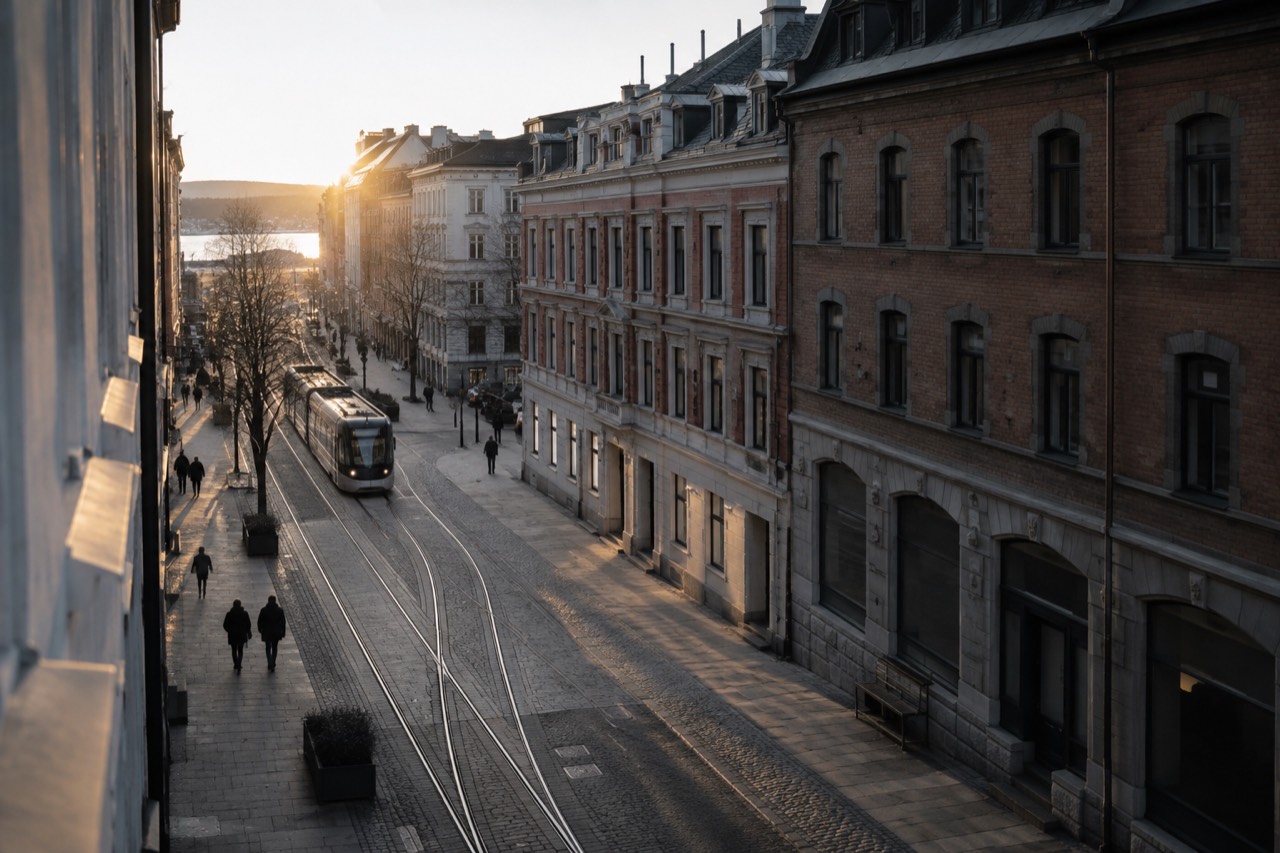
Short answer
Yes. Oslo is a safe city for tourists by any European standard: violent crime against visitors is rare, public transport runs late and is used by everyone, and the main risks are practical ones like winter ice, short daylight from October to March, and alcohol costs that surprise people. Normal city caution is enough.
Oslo routinely ranks among the safest capital cities in Europe, and the reputation holds up on the ground. Norway is a high-trust society with a small wealth gap by international standards, a visible but unobtrusive police presence, and a public transport system that families use at midnight without a second thought. Visitors are far more likely to be tripped up by a 5-hour winter day or the price of a beer than by anything resembling danger.
That said, "safe" deserves a more useful answer than a single word. This guide breaks the question into the parts that actually matter to a traveler: what crime looks like here, which parts of the city behave how, how the winter changes your planning, what the drinking culture does and does not involve, and the handful of small scams that exist in any tourist city. There is also the question of what to do with a safe city once you have established it is safe, and Oslo answers that generously.
Is Oslo Safe for Tourists?
Yes, Oslo is safe for tourists, and by a wide margin. Violent crime against visitors is rare, the streets are walkable at night across nearly the whole central city, and the metro and trams run late with families on board. The risks worth planning for are environmental and financial: ice underfoot in winter, daylight that shrinks to under six hours in December, and alcohol prices that are more than double the European average.
Norway's capital operates on a level of social trust that surprises many first-time visitors. Lost wallets get handed in, café customers leave phones on tables while ordering, and children ride public transport to school alone. None of that means crime does not exist, but the baseline is a city where the ordinary precautions you take in any large city are more than enough here.
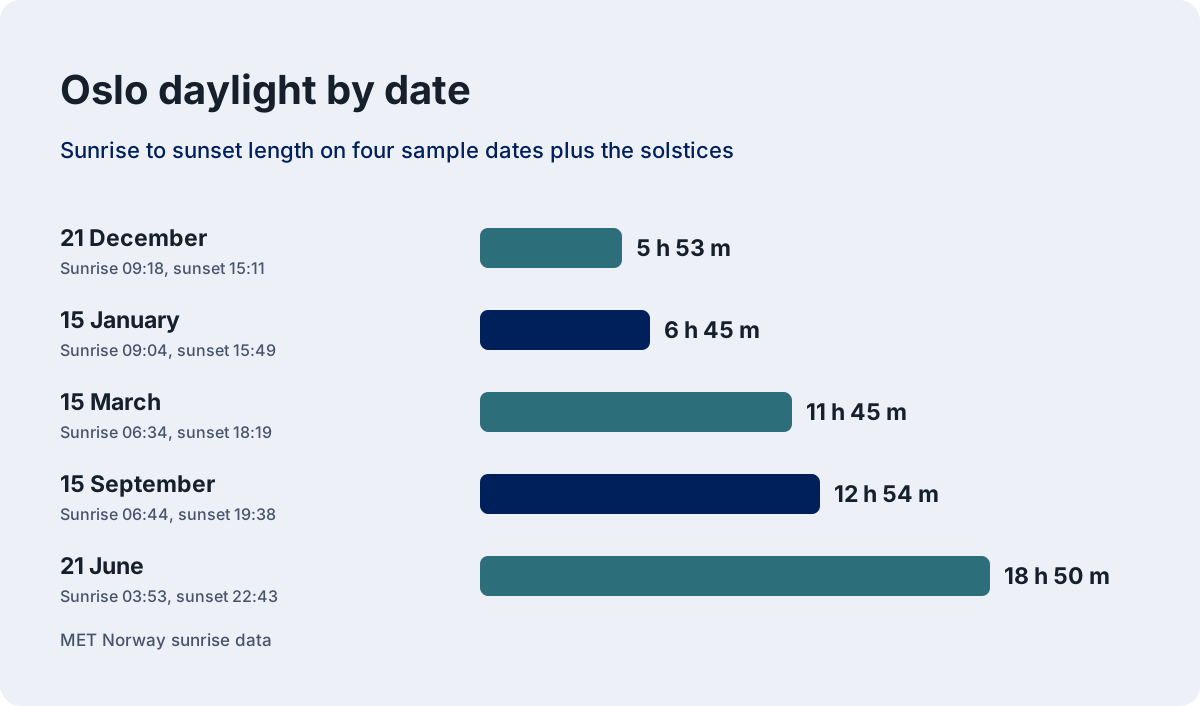
The things that genuinely catch visitors out are rarely criminal. Winter ice on sidewalks sends people to hospital every year, and the daylight swing is enormous: MET Norway's own sunrise data puts the shortest day at 5 hours 53 minutes and the longest at 18 hours 50 minutes. A traveler who plans a December walking itinerary like a July one will run out of light, not luck. Those are the safety topics this page spends its energy on, because they are the ones that actually change trips.
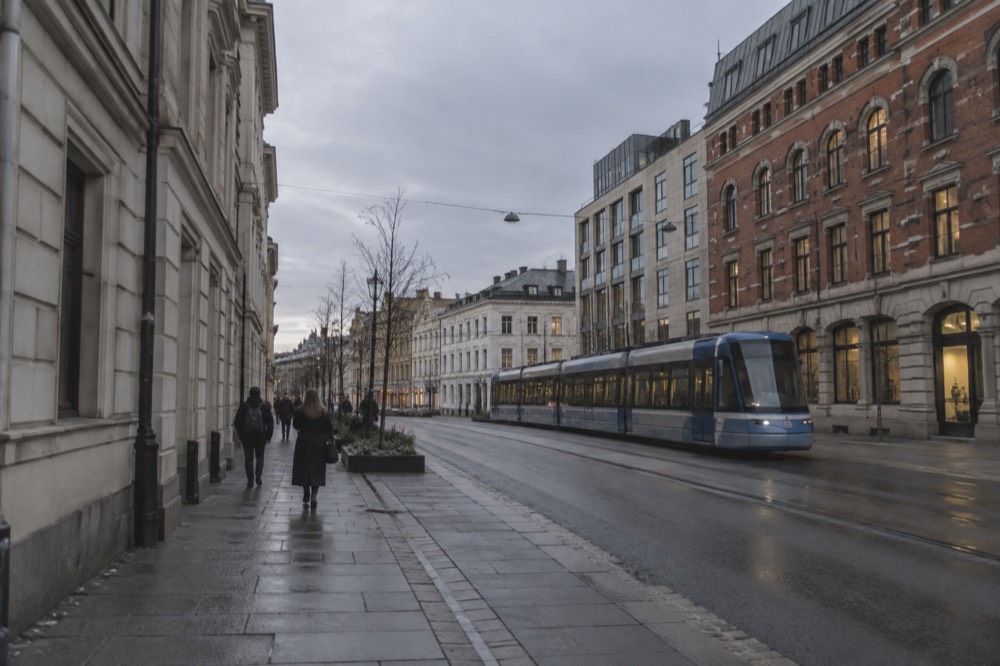
What Is Crime in Oslo Actually Like?
Crime in Oslo is dominated by petty theft and opportunistic incidents, not violence. Pickpocketing clusters around Karl Johans gate, the central station area, and crowded festival zones in summer, and the rest is mostly bicycle theft, which does not affect visitors. Gun crime and violent robbery are rare enough that individual incidents make national news. A visitor's realistic worst case is a lifted phone or a bike light gone from a rental.
Norway's justice system is rehabilitative rather than punitive, and the country imprisons a very small share of its population. That context shapes street life: visible desperation is uncommon, and the drug scene that exists around parts of the city center is small by European capital standards and largely leaves tourists alone.
The practical takeaway is ordinary city hygiene. Keep your phone in a front pocket on the tram, do not leave a laptop on a café table for twenty minutes, and treat any stranger with a clipboard, a petition, or a "found ring" with the same healthy skepticism you would in Paris or Rome. Those small cons exist here, as they do everywhere tourists gather, and they are the ceiling of what most visitors will ever encounter.
| Situation | Realistic risk in Oslo | What to do |
|---|---|---|
| Walking central Oslo at night | Low; streets stay populated | Normal awareness |
| Pickpocketing on trams 12/19, central station | Moderate in crowds | Front pockets, zipped bag |
| Leaving items unattended | The most common loss | Do not, even in cafés |
| Violent street crime | Rare and newsworthy | No special precautions |
| Taxi scams | Uncommon; meters are standard | Use licensed cabs or an app |
If you want a structured way to see the city with someone who knows it, guided walks are inexpensive and well reviewed, and the free walking tours in Oslo run on a tip basis with large, well-established groups in the central core.
Which Oslo Neighborhoods Are Safe, and Which Just Feel Rough?
Nearly all of central Oslo is safe, including the areas that look gritty. The districts around Oslo S and parts of Grønland and Tøyen have more visible street life and social issues than the west side, but they are not dangerous for visitors, and they hold two of the city's best food scenes. The eastern inner city's reputation is older than its reality. West-side areas like Frogner and Majorstuen are quiet and residential, not safer in any way a tourist would notice.
Oslo's east-west divide is about architecture, income, and nightlife, not about personal safety. Grünerløkka, the old workers' district, is now the city's trendiest neighborhood and one of its most pleasant to walk at any hour. Tøyen has the Botanical Garden and a young, student-heavy population. Placed against any other European capital, all of these would count as ordinary urban neighborhoods.
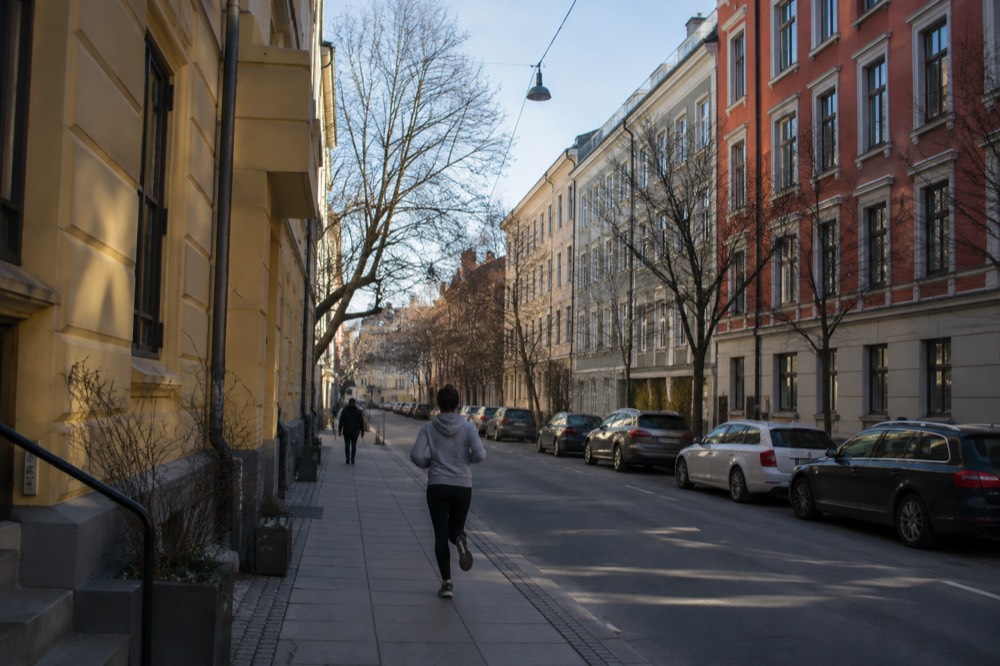
The honest local picture is that the areas around the central station see more public intoxication late at night than elsewhere, and that is about the size of it. If a late-night walk from a bar to your hotel takes you past Oslo S, you will pass people, not threats. Our guide to Oslo's neighborhoods breaks down where to stay by character rather than by fear, and the where to stay in Oslo guide does the same for hotel districts.
Is Oslo Safe at Night?
Yes, Oslo is safe at night across the central city and most inner districts. Trams and the metro run until around midnight on weekdays and through the weekend nights, taxis are metered and reliable, and streets stay lit and walked. The two adjustments worth making are around closing time near Karl Johans gate, where drunk crowds gather on weekends, and in winter, when ice and near-zero visibility hours make even safe streets a slipping hazard.
Norwegian nightlife concentrates late and ends late, so the streets between 1 and 3 a.m. on a Saturday are busier than many visitors expect. Busy and rowdy is not the same as dangerous, but it is the one window in which the ordinary rules of avoiding drunk conflict apply. Walk around groups, not through them.
The winter variable matters more. Ice on Oslo's sidewalks is treated seriously by the city, but a freeze-thaw cycle in January can leave patches that catch visitors from warmer climates completely off guard. Sturdy shoes with real tread are a genuine safety purchase here, more useful than any precaution against crime. Our Oslo at night guide covers what is actually open and worth doing after dark.
Is Oslo Safe for Solo Travelers and Women?
Yes, and it is one of the better European capitals for both. Solo travelers of any gender report the same thing about Oslo: the city is calm, people keep to themselves, and unwanted attention is uncommon. Women traveling alone use public transport, walk home, and sit in bars alone without the level of hassle that defines nightlife districts further south. The standard advice is the same as anywhere, but the margin of comfort is wider.
The social culture helps explain it. Norwegian norms are reserved in public; strangers rarely initiate contact, and when they do, it is usually benign. That reserve can read as coldness to visitors hoping for chatty locals, but for a solo traveler it functions as a safety feature. Nobody is watching what you do.
For structure and company, the city's guided products are strong and sociable. The solo travel in Oslo guide goes deeper on itineraries and mindset, and the free walking tours are an easy way to spend a morning around other travelers without any commitment beyond a tip.
Is Oslo Safe in Winter?
Winter is Oslo's real safety topic, and it is not about crime. Daylight shrinks to 5 hours 53 minutes on 21 December, with sunrise at 09:18 and sunset at 15:11, so plan outdoor time around the middle of the day. Ice on sidewalks, cold that MET Norway's normals put at a January mean of −2.3°C, and early darkness are what change a winter trip. The city itself runs normally through all of it.
The daylight numbers deserve their own planning. By mid-January the sun rises just after 9 a.m. and sets before 4 p.m., and the light that exists is low and blue. Museums, which open around 10, fit neatly into the daylight window, and the evenings belong to dinner, the Oslo in winter guide's indoor list, or an evening walk along the lit waterfront.
| Date | Sunrise | Sunset | Day length |
|---|---|---|---|
| 15 January | 09:04 | 15:49 | 6 h 45 m |
| 15 March | 06:34 | 18:19 | 11 h 45 m |
| 21 June | 03:53 | 22:43 | 18 h 50 m |
| 15 September | 06:44 | 19:38 | 12 h 54 m |
| 21 December | 09:18 | 15:11 | 5 h 53 m |
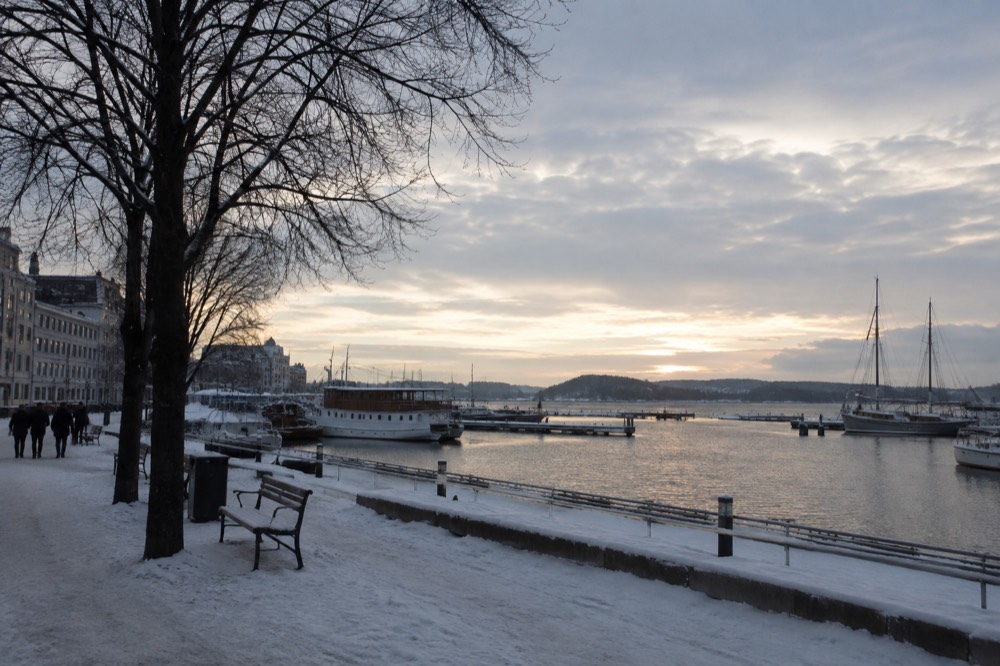
Cold itself is manageable with normal layering, and Oslo's January mean is milder than many visitors assume for a city this far north. The coastal climate keeps temperatures around freezing rather than far below it, though cold snaps well below minus ten do occur. The Oslo snow and Oslo weather by month guides carry the detail.
Is Oslo Safe to Walk and Use Public Transport?
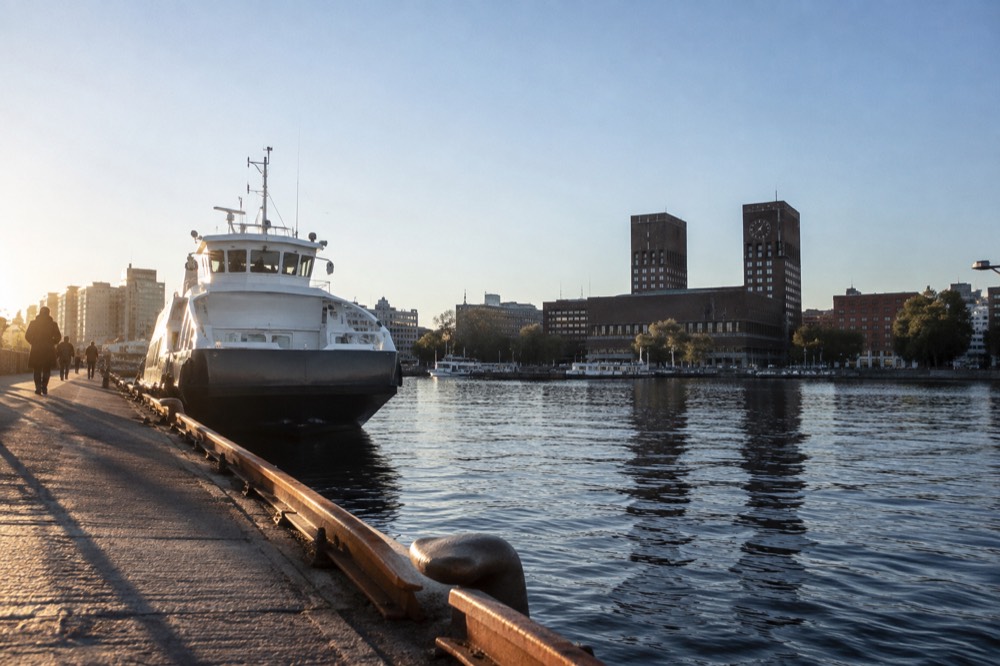
Yes, and walking is how the city is meant to be seen. The center is compact, sidewalks are wide, and drivers stop for pedestrians at crossings to a degree that surprises visitors. Public transport is safe at all operating hours, and the metro reaches forest trailheads at Sognsvann and Frognerseteren that locals use for evening runs. The one transport trap is pier confusion: the Bygdøy ferry and the island ferries leave from different piers with different ticket rules.
The two ferry systems are the single most confused topic in Oslo travel planning, and getting it wrong strands people. The Bygdøy museum ferry leaves from Rådhusbrygge 3, runs seasonally from mid-March to early October, and does not accept ordinary Ruter tickets, though the Oslo Pass covers it. The island ferries to Hovedøya, Gressholmen, and Langøyene leave from Aker Brygge, run on ordinary Ruter tickets, and are part of the regular public network. Mixing the two up means standing on the wrong pier watching the wrong boat.
For the rest, the getting around Oslo and Ruter tickets guides cover fares and zones in detail. One fact worth repeating anywhere transport is discussed: the Oslo Pass covers the airport train, but only Vy's, not Flytoget, and that difference is worth 268 NOK per adult each way.
| Transport | Safe at night? | Ticket to use |
|---|---|---|
| Metro (T-bane) | Yes, all lines | Ruter zone ticket |
| Trams | Yes | Ruter zone ticket |
| Island ferries B1/B2 | Yes | Ordinary Ruter ticket |
| Bygdøy ferry | Yes | Own ticket, or Oslo Pass |
| Walking central Oslo | Yes | Nothing, just shoes with grip |
What About Alcohol, Drinking, and Nightlife Safety?
Alcohol is where Oslo's costs and culture genuinely surprise people, and where the one real safety-adjacent planning matters. Statistics Norway's 2025 price-level survey puts alcohol and tobacco at more than double the European average, which shapes a calmer, more home-centered drinking culture than in southern Europe. Street drinking is restricted, bars close in an orderly way, and drunk aggression is uncommon.
The state monopoly, Vinmonopolet, is the only place to buy wine and spirits. It closes all day Sunday, closes early on Saturdays, and hours vary by store, so visitors planning a Saturday dinner at an apartment need to shop before mid-afternoon. Supermarkets sell only beer and cider up to 4.7% ABV, with a fixed evening cut-off on sales. The price of beer in Oslo guide covers what a night out actually costs.

For nightlife safety specifically, the picture is calm. Norwegian drinking culture has moved strongly toward moderation among younger generations, bar districts are policed normally, and the main hazard on a big Saturday is the queue for a taxi at 3 a.m. The Oslo nightlife and best bars in Oslo guides list where the evenings actually happen.
Are There Scams or Pickpockets in Oslo?
A few, and they are the standard European tourist set rather than anything local. Clipboard petitions that invade your space, the "found gold ring" con, and distraction theft on crowded trams are the reported patterns, all concentrated where visitors concentrate. Nobody in Oslo will aggressively chase you down a street. The city's scam volume is low enough that most visitors never encounter any of it.
The defense is the same as in any capital. Carry the day's money and one card, keep the phone in a front pocket on Line 12 or 19 during festival weeks, and decline any interaction that starts with a stranger touching you or handing you something. Hotel and card safety is unremarkable; card terminals everywhere accept contactless, and cash is close to unnecessary in Norway, which itself removes a whole category of theft.
| Reported pattern | Where it happens | The tell |
|---|---|---|
| Clipboard petition | Karl Johans gate | Physical pressure to sign and donate |
| Found ring | Tourist squares | A stranger "finds" a ring near you |
| Tram pickpocketing | Lines 12, 19 in crowds | Jostling at boarding |
| Fake charity collectors | Festival zones | Vague organization, cash only |
Is Oslo Safe for Families and Kids?
Very. Oslo is one of the easier European capitals for families: museums are interactive, parks are genuinely public, the Vigeland sculpture park is free and open around the clock, and public transport carries prams and children without fuss. Children under six ride free, the Oslo with kids guide lists the practical detail, and the main parental adjustment is winter ice near playgrounds.
The city's family infrastructure is unusually good. The Norsk Folkemuseum on Bygdøy admits children under 18 free, the island beaches at Langøyene make a summer afternoon, and the Oslofjord islands are a ferry ride on an ordinary ticket. Water temperatures in July and August sit around 15 to 20°C, cool rather than warm, so swimming is for the keen.
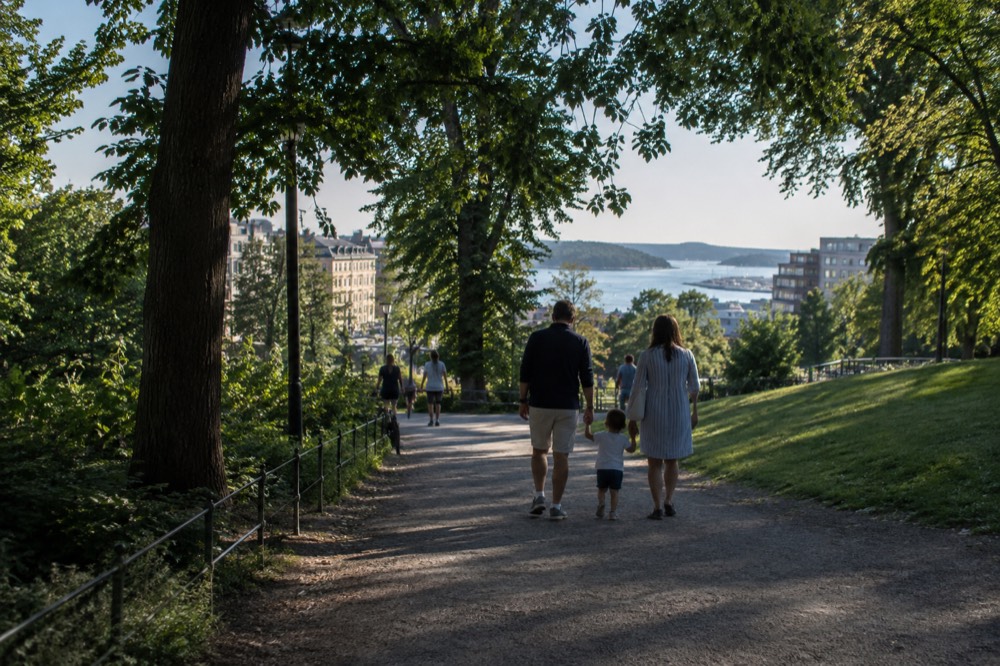
The honest family note on safety: the things that send children to hospital in Oslo are playground falls and winter ice, not other people. Dress kids in real winter boots from November to March and the rest takes care of itself.
What Should You Do in a Safe City? Fill the Days
The safety question answers itself quickly in Oslo, which leaves the better problem: the city is full of low-risk, high-reward ways to spend time. The fjord itself is the signature, and the silent electric boat cruise is the single best-reviewed activity in the city, with thousands of reviews behind it. Museums, forest hikes, and neighborhood food walks fill the rest without a single risky decision.
The Bygdøy museum peninsula alone can absorb a full day. The Kon-Tiki Museum and Fram Museum sit together at the Bygdøynes pier, both covered by the Oslo Pass, and the MUNCH museum holds the city's most famous canvas. For the practical planning layer, this site's Oslo Travel Guide homepage exists for exactly this: itineraries, costs, and honest answers to the questions visitors actually type.
Is Oslo Expensive, and Does That Affect Safety?
Oslo is expensive, but not uniformly, and cost is not a safety issue beyond budget stress. Norway is the sixth most expensive country in Europe on SSB's 2025 survey, with household prices 28.6% above the EU average and alcohol more than double. But museums, transport, and the outdoors are comparatively affordable, and the best of the city, from Vigeland Park to the Opera House roof, costs nothing.
The budget reality is that a visitor who plans around the expensive categories eats and drinks cheaply enough. Supermarket food is 33% above the European average, which stings but does not break a trip, while a museum day on the Oslo Pass at 580 NOK for 24 hours compares well with other capitals. The is Oslo expensive and Oslo trip cost guides itemize it fully, and the Oslo on a budget guide lists the free layer.
Common Questions About Oslo Safety
Is Oslo safe for tourists?
Yes. Violent crime against visitors is rare, public transport is safe at all operating hours, and normal city caution covers nearly everything. The risks worth planning for are winter ice, short December daylight, and high alcohol prices, not crime.
Is Oslo safe at night?
Yes, across the central city and most inner districts. Trams and the metro run late, streets stay populated, and the main late-night caution is drunk crowds near Karl Johans gate on weekends and ice on sidewalks in winter.
Are there dangerous neighborhoods in Oslo?
No neighborhood in Oslo is dangerous for visitors. The areas around Oslo S and parts of Grønland have more visible street life than the west side, but the east-west divide is about income and architecture, not personal safety.
Is Oslo safe for solo female travelers?
Yes. Norway's reserved public culture means unwanted attention is uncommon, and women travel alone on transport and in bars without the hassle common further south in Europe. Standard precautions apply, with a wider comfort margin than most capitals.
Are there pickpockets in Oslo?
A few, concentrated around Karl Johans gate, the central station, and crowded summer festivals. Keep your phone in a front pocket on busy trams and treat clipboard petitions and found-ring approaches with the same skepticism you would anywhere.
Is Oslo safe in winter?
Yes, but plan around the light and the ice. Daylight shrinks to under six hours in late December, and icy sidewalks are the most common cause of visitor injury. Shoes with real tread matter more than any crime precaution.