Oslo Planning Guide: Costs, Transport and a First-Visit Itinerary
Oslo rewards planning more than most capitals. The prices are real and high, the ferries follow two different ticket systems, and the daylight swings by a factor of three between June and December. This guide lays out what a first visit actually costs and how to spend it well.

Short answer
Oslo is a compact, walkable capital built at the head of the Oslofjord, where a well-planned 3-day visit covers the museums, the fjord and one forest edge. An adult 24-hour Oslo Pass costs 580 NOK, the Vy airport train beats Flytoget on price, and August, not November, is the wettest month.
Oslo confuses first-time visitors in a specific, repeatable way. It looks compact on the map, then the prices land. The museums turn out to be excellent and mostly affordable, the alcohol turns out to cost more than double the European average, and the ferry that looks like public transport sometimes is and sometimes is not. Norway is in the Schengen Area but is not a member of the European Union, it is an EEA state through EFTA, and the currency is the krone, not the euro. Those four facts shape almost every planning decision below.
This page is the planning hub for Oslo Travel Guide, a site that verifies every figure against primary sources: Ruter for tickets, VisitOSLO for the city pass, MET Norway for weather and daylight, museum sites for admission. Where a number is not confirmed, it does not appear. The money page for the full activity list is things to do in Oslo; this page handles the decisions around it.
What Kind of City Is Oslo, and What Is It Known For?
Oslo is a small capital with an unusually large amount of nature folded inside it: a fjord of forested islands on one side, the Nordmarka forest on the other, and a compact, walkable center between them. It is known for Edvard Munch's art, the Vigeland sculpture park, polar-exploration ships, modern architecture on the waterfront and a museum peninsula, and its signature experiences split between the water and the forest rather than the streets.
The center is genuinely walkable. Karl Johans gate runs from Oslo Central Station to the Royal Palace, the Opera House roof is free to walk on, and Aker Brygge and Tjuvholmen put a modern waterfront where the shipyards used to be. Around that core sit the neighborhoods worth an afternoon each: Grünerløkka for cafés and vintage shops, Frogner for the sculpture park, Tøyen for the botanical garden and the old Munch site.
What surprises most visitors is how quickly the city ends and the forest begins. Metro line 1 runs to Frognerseteren, a trailhead for Nordmarka, roughly 20 minutes from the center. The Oslofjord islands, Hovedøya, Gressholmen and Langøyene among them, sit on ordinary public ferry lines. Few European capitals let you swim off an island with a ruined Cistercian abbey and still be back downtown for dinner.
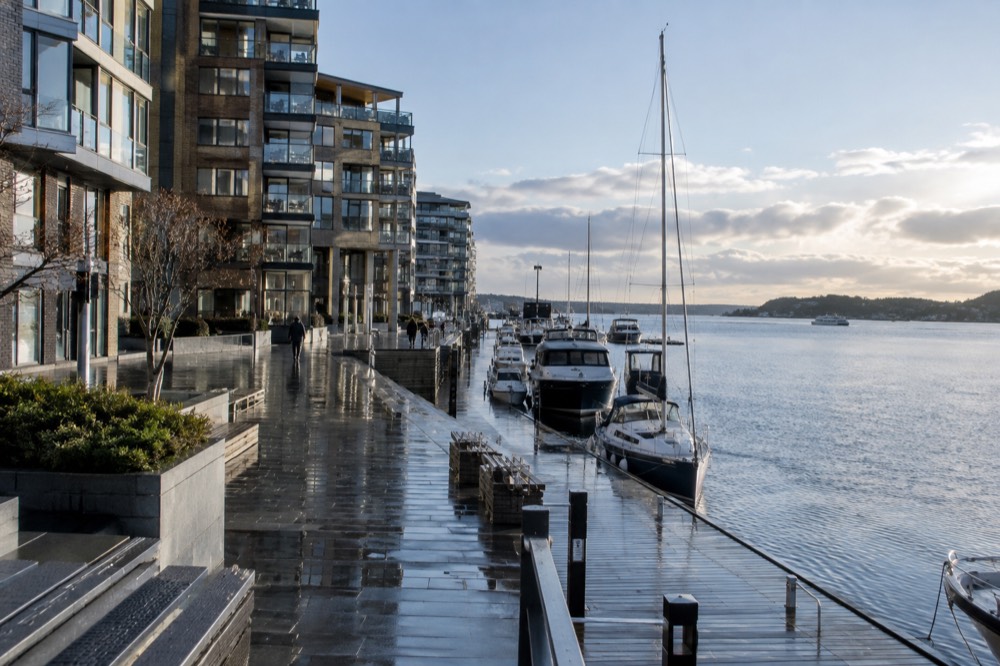
The architecture story is worth a sentence of its own. The Barcode district and MUNCH, the museum that now brands itself in capitals, remade the Bjørvika waterfront, and the National Museum, Oslo's flagship art museum, holds The Scream. The harbor front is largely new, largely public and largely free to walk, which is exactly why a first visit spends so much of it outdoors.
How Many Days Do You Need in Oslo?
Three full days is the honest answer for a first visit, and two is workable if you are disciplined. Day one covers the center and the Opera House, day two goes to the Bygdøy museum peninsula or the National Museum, and day three goes to the water, either a fjord cruise or the islands. Adding a fourth day buys you the forest at Frognerseteren or Holmenkollen, or a slower museum pace; beyond that, day trips start calling.
The reason three days works is geography. The museums cluster: Bygdøy holds the Kon-Tiki and Fram museums within a short walk of each other, and the city-center museums, the National Museum, MUNCH and the Historical Museum, sit inside a 20-minute radius. You lose time not to distance but to opening hours, ferry schedules and the simple fact that a museum-heavy day should not exceed three venues.
First-timers on a tight schedule should read one day in Oslo, which sequences the essentials into a single feasible day. If you have more room, the itineraries from 2 days in Oslo through 5 days in Oslo add the islands, the forest and the neighborhoods in the order that actually fits. Cruise passengers with a single port day have their own constraints, and Oslo from the cruise port handles them.
The single most common planning mistake is putting Bygdøy and the city-center art museums on the same day. Both are half-day commitments, and the ferry schedule to Bygdøy runs on its own clock. Split them, and the whole itinerary relaxes.
What Does a First Visit to Oslo Actually Cost?
Oslo is the sixth most expensive country in Europe by price level, with household prices 28.6 percent above the EU average, but the expense is concentrated: alcohol and tobacco cost more than double the European average and food runs 33 percent above it, while museums, public transport and the outdoors are comparatively reasonable. A 24-hour Oslo Pass at 580 NOK, a Vy airport train and free entries like Vigeland Park keep a visit far cheaper than the country's reputation suggests.
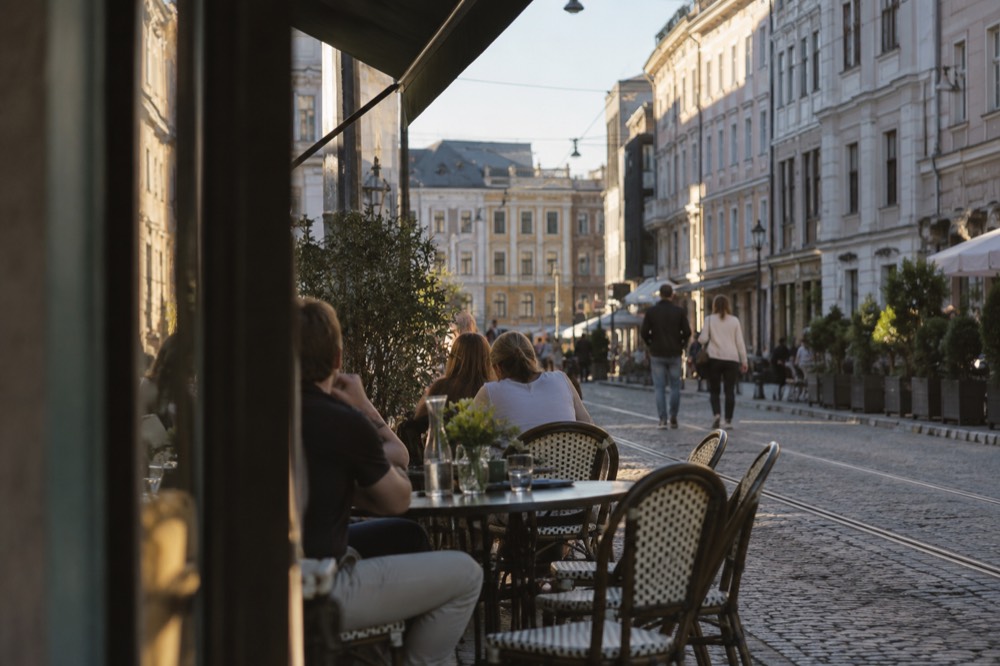
Those figures come from Statistics Norway's 2025 European price-level survey, and they are the honest anchor for any budget conversation. The trap is not the hotel or the museum ticket. It is the second beer, the restaurant dinner and the taxi. A visitor who buys supermarket beer (up to 4.7 percent ABV, the only strength supermarkets may sell), eats one restaurant meal a day and walks everywhere will spend far less than one who drinks in bars.
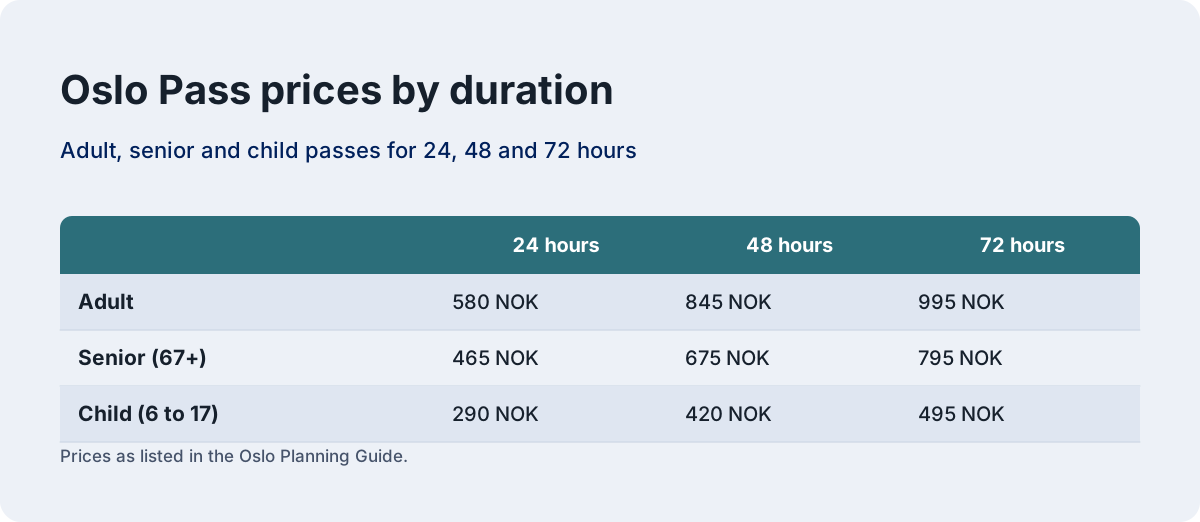
The city pass deserves its own arithmetic. VisitOSLO's current prices:
| Oslo Pass | 24 hours | 48 hours | 72 hours |
|---|---|---|---|
| Adult | 580 NOK | 845 NOK | 995 NOK |
| Senior (67+) | 465 NOK | 675 NOK | 795 NOK |
| Child (6–17) | 290 NOK | 420 NOK | 495 NOK |
The pass covers entry at over 30 museums and attractions plus public transport in zones 1, 2, 3, 4V and 4N, and it includes the Vy trains to and from Oslo Airport Gardermoen. It does not cover Flytoget, the separate airport express, and it is not sold on the major booking platforms at all. The break-even math is genuinely close for a museum-heavy day: Kon-Tiki at 180 NOK, Fram at 180 NOK and the Norwegian Maritime Museum together exceed a 24-hour pass before you count a single tram ride. The full analysis lives at is the Oslo Pass worth it, and the budget itinerary is at Oslo on a budget.
How Do You Get from the Airport to the City?
The airport train choice is the first real money decision of an Oslo trip: Flytoget, the airport express, costs 268 NOK adult one-way and takes about 20 minutes, while Vy's ordinary regional trains cover the same route in about 23 minutes at roughly half the price, and a multi-zone Ruter ticket or an Oslo Pass covers them outright. The airport sits in Ruter zone 4N, and the Vy trains accept ordinary Ruter tickets with no airport supplement.
Most guides get this backwards or skip it entirely. VisitOSLO's own wording is that the Oslo Pass includes "transport to and from Oslo Airport Gardermoen with public trains operated by VY", and Flytoget, which is a separate company, is excluded. The practical translation: a visitor holding a valid multi-zone Ruter ticket boards the same Vy train that other passengers use for ordinary commuting, and the airport supplement that many guidebooks describe simply does not exist for that option.
| Option | Adult one-way | Journey time | Notes |
|---|---|---|---|
| Flytoget airport express | 268 NOK | ~20 min | Every 10 minutes; not covered by Ruter tickets or the Oslo Pass |
| Vy regional/local trains | Roughly half the Flytoget fare | ~23 min | Ordinary Ruter-zone trains; multi-zone Ruter ticket or Oslo Pass valid |
| Flybussen coach | Check the operator's site | 45–65 min, traffic dependent | Slower road option |
Taxi fares from Gardermoen are regulated per operator and vary widely; the honest advice is to check the operator's own price list at the rank rather than trust a rounded figure. The full comparison, including the exact ticket mechanics, is at Flytoget vs Vy, and the wider arrival picture, including the Torp and Sandefjord airports some budget flights use, is covered in getting to Oslo and Oslo Torp and Sandefjord.

When Is the Best Time to Visit Oslo?
The best months for a first visit are May through September, when the city gets 15 to 19 hours of daylight and the fjord ferries run at full frequency, but the honest planning fact is that August, not November, is Oslo's wettest month on the 1991–2020 normals at 103 mm, and winter is extreme while summer is mild: July's normal mean is 17.7 °C, while January's is −2.3 °C.
MET Norway's normals for the Blindern station tell the real seasonal story. Summer is pleasant rather than hot, winter is dark rather than brutally cold, and rain is distributed more evenly across the year than most visitors expect.
| Month | Normal mean temp | Normal precip |
|---|---|---|
| January | −2.3 °C | 58 mm |
| March | 1.3 °C | 41 mm |
| May | 11.4 °C | 60 mm |
| July | 17.7 °C | 87 mm |
| August | 16.5 °C | 103 mm |
| October | 6.6 °C | 93 mm |
| December | −1.4 °C | 54 mm |
Daylight is the variable that actually shapes an itinerary. On 21 June the sun rises at 03:53 and sets at 22:43, and the gap between is deep twilight rather than true night. On 21 December the sun is up for 5 hours 53 minutes. There is no midnight sun in Oslo; that requires latitude north of the Arctic Circle, and Oslo sits at 59.91 N. What Oslo has instead is a June that never goes properly dark and a December that ends the sightseeing day by mid-afternoon.
| Date | Sunrise | Sunset | Day length |
|---|---|---|---|
| 15 February | 07:54 | 17:08 | 9 h 14 m |
| 21 June | 03:53 | 22:43 | 18 h 50 m |
| 15 September | 06:44 | 19:38 | 12 h 54 m |
| 21 December | 09:18 | 15:11 | 5 h 53 m |
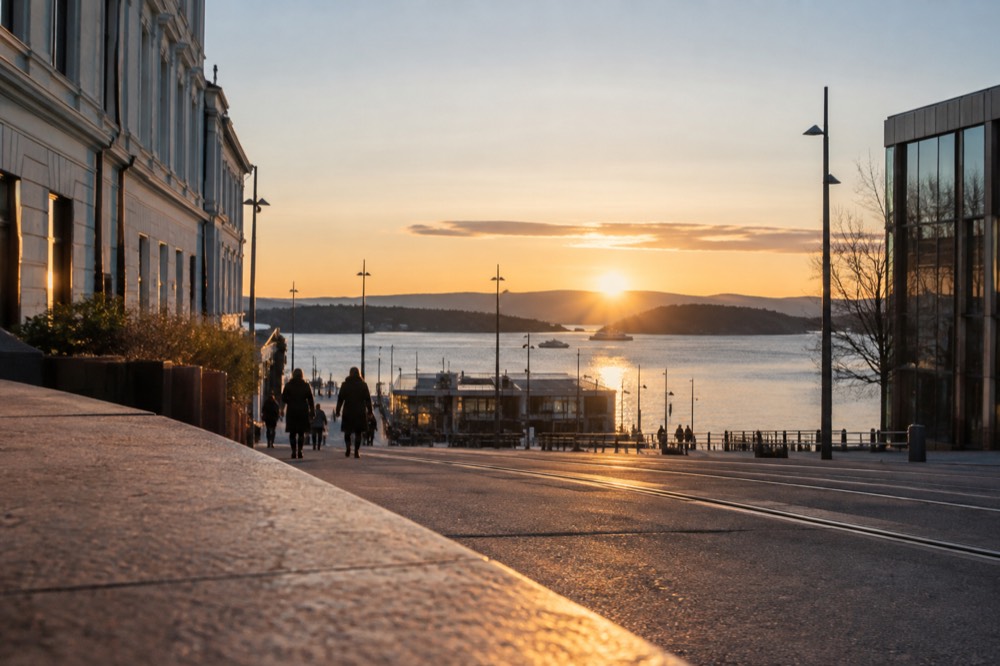
Winter deserves more consideration than it usually gets. The dark months are exactly when Oslo's indoor strengths, its museums, its food walk and its themed evening walks, come into their own, and the torchlit forest walks and snowshoe tours that run from the city are products most capitals cannot offer. Oslo in winter covers the season in depth, Oslo in December handles the darkest month specifically, and the month-by-month detail is at Oslo weather by month.
How Do You Get Around the City?
Oslo runs one of Europe's simplest transport systems: a single operator, Ruter, runs the metro, trams, buses and the Oslofjord island ferries on one zone-based ticket, and the entire metro network sits inside zone 1. The two traps are the airport, which is in zone 4N rather than central zone 1, and the Bygdøy museum ferry, which is a separate commercial service where Ruter tickets are not valid.
The zone system scales with distance: a single ticket for one zone is valid for 60 minutes from activation, and validity increases by 30 minutes for each additional zone. Buy in the Ruter app, because tickets bought on board buses and boats cost more. The one confirmed price in the current data is the 30-day zone 1 pass, which fell from 805 to 655 NOK in May 2026, a cut Ruter announced itself; single and day fares should be checked live in the app rather than taken from a guide.
The ferry split is where otherwise careful plans go wrong. Two different systems, two different piers:
| Service | Operator | Departure pier | Ticket rules |
|---|---|---|---|
| Bygdøy museum ferry (Dronningen, Bygdøynes) | Commercial operator, seasonal | Rådhusbrygge 3 | Ruter tickets NOT valid; Oslo Pass accepted; roughly 70 NOK one-way |
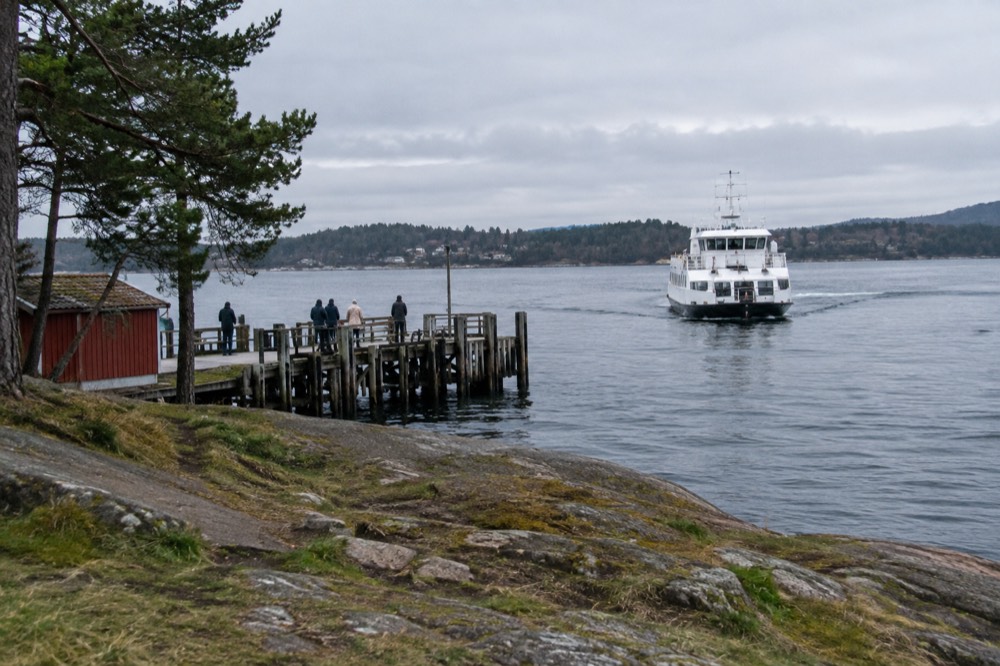
| Island ferries B1, B1X, B2 | Ruter public lines | Aker Brygge | Ordinary Ruter tickets and Oslo Pass valid, no surcharge |
The Bygdøy ferry runs seasonally, from mid-March to early October in 2026, and Ruter bus 30 covers the museums year-round on an ordinary ticket. The island ferries run to Hovedøya, Lindøya, Gressholmen, Bleikøya, Nakholmen and, in summer, Langøyene. Hovedøya carries the ruined abbey; Langøyene is the swimming island. The full detail is at Oslo ferries and the Oslo islands, and the wider system guide is getting around Oslo.
For sightseeing without a timetable, the honest comparison is between the hop-on hop-off bus, the bike tours and the walking tours, and that decision has its own page at is hop-on hop-off Oslo worth it. The free walking tours, which are tip-based and bookable on GuruWalk, are the budget default, and Oslo free walking tours ranks them.
Which Museums Should You Actually Book?
Book Bygdøy first: the Kon-Tiki Museum at 180 NOK and the Fram Museum at 180 NOK sit beside each other, form the city's strongest museum pairing, and together with the Maritime Museum fit inside a 580 NOK 24-hour Oslo Pass that also carries your transport. In the center, the National Museum holds The Scream and MUNCH costs 280 NOK adult, while the single most important non-booking fact is that the Museum of the Viking Age is closed until 2027.
The Viking closure is the fact that most out-of-date guides still get wrong. The former Viking Ship Museum shut in October 2021, and the museum's own wording is that it "will reopen as the Museum of the Viking Age in 2027", with no month confirmed. No page on this site sells entry to it. Until it reopens, Viking Planet, an immersive ticketed attraction in the center, is the honest substitute, and the Historical Museum displays Viking-age objects from the same university collection.
| Venue | Adult admission | Concessions |
|---|---|---|
| Kon-Tiki Museum | 180 NOK | Children 6–17: 70 NOK |
| Fram Museum | 180 NOK | Children, students: 70 NOK |
| Norsk Folkemuseum | 200 NOK | Children 0–17: free |
| MUNCH | 280 NOK (200 NOK after 18:00) | Under 25: 100 NOK; 17 and under free |
| Vigeland Museum | 120 NOK | Check the museum site |
| Vigeland Park | Free, open 24 hours | None required |
Bygdøy's combination tickets are real and worth knowing: Kon-Tiki plus Fram costs 325 NOK adult, and all three peninsula museums together cost 485 NOK, against the sum of the individual entries. Every figure above is covered by the Oslo Pass, which is why a Bygdøy day is the classic pass break-even scenario. The museum-by-museum detail, including the rainy-day ranking, is at Oslo museums and an Oslo museum day.
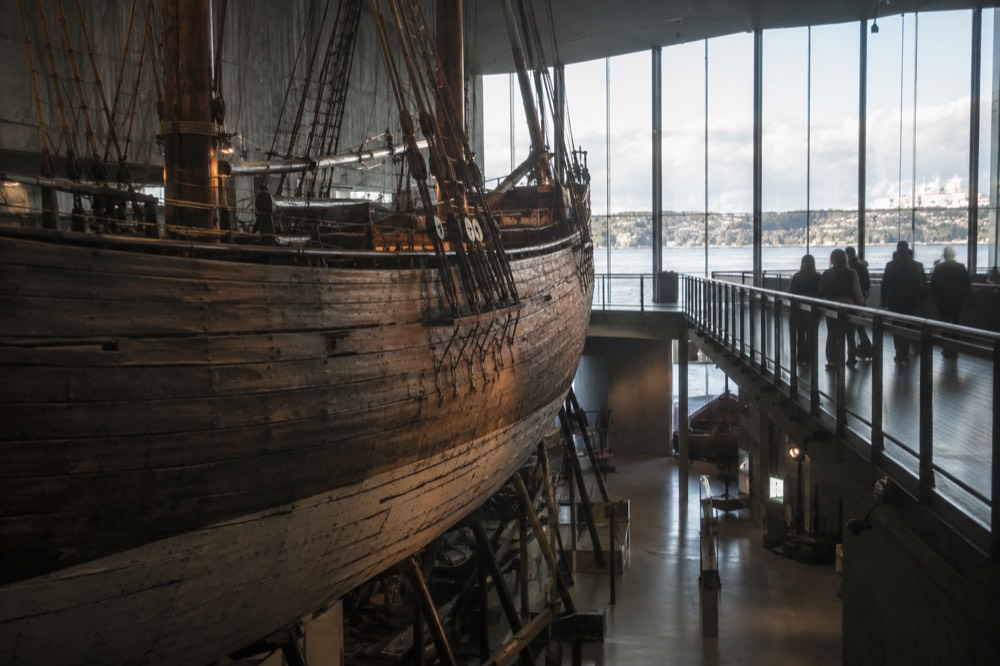
The Kon-Tiki ticket is the one museum booking that consistently earns its keep: it is the best-reviewed museum ticket in the city across more than a thousand reviews, it removes the queue on busy summer days, and it anchors the Bygdøy half-day that most first itineraries build around. Pair it with the Fram ticket on the same visit.
What Should You Do on the Water?
The fjord is Oslo's best-reviewed attraction category, and the default first experience is the silent electric boat cruise, which runs 90 minutes, holds a 4.5 rating across 6,664 reviews, and starts under $50. The genuine alternatives are the two-hour wooden sailing ship, the guided premium silent boat, the evening cruise with a shrimp buffet, and the ferry-and-foot island hopping tour, which is the Oslo-specific product no other Nordic capital can copy.
The choice is between powered sightseeing and wind. The electric boats are quiet, warm and glass-windowed; the wooden sailing ship is open-decked and moves the way the fjord's working boats moved for centuries. The evening shrimp-buffet cruise is a Norwegian institution rather than a generic dinner boat, and the island-hopping tour strings Hovedøya's abbey ruins and the swimming beaches together on public ferries with a guide.
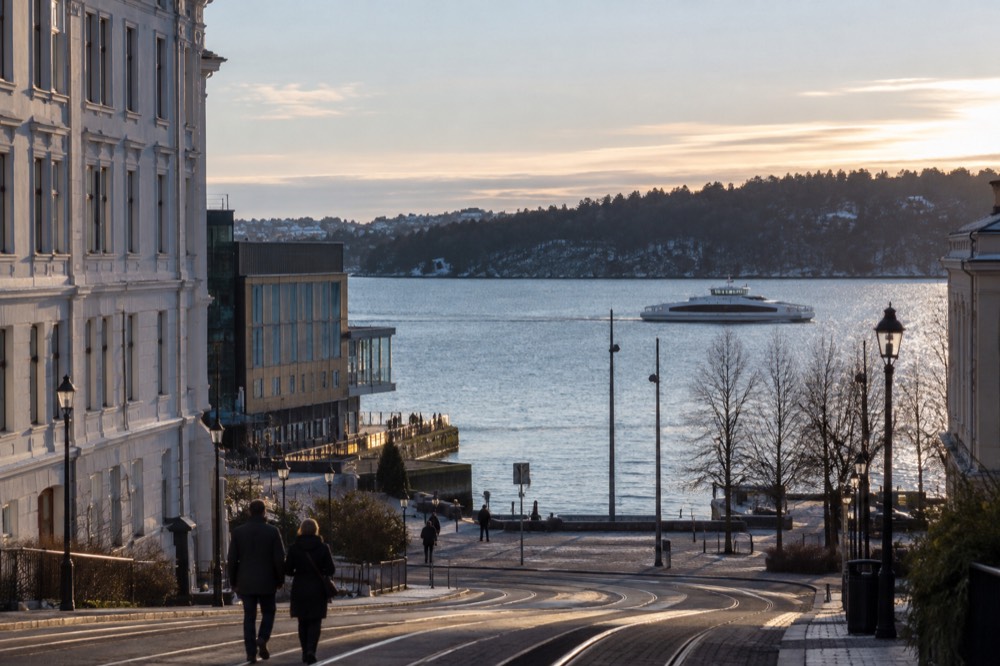
The silent electric cruise is the single best-reviewed activity in Oslo on either major platform, and it works as a first-evening orientation: 90 minutes on the water, an audio guide filling in the history, and a route that passes the Opera House, Akershus Fortress and the island chain. The full ranking of every fjord product, from the dinner boat to the full-day five-island tour, is at Oslofjord cruise.
Where Should You Stay and Eat?
First-time visitors should stay in the center between Oslo Central Station and the Royal Palace for walkability, in Grünerløkka for cafés and nightlife, or in Frogner for a quieter, more residential base; all three sit inside zone 1 and within 30 minutes of every major sight. For eating, the honest structure is that restaurant meals are where the SSB price gap bites hardest, while Mathallen food hall, street-food stands and supermarket picnics keep food costs rational.
The neighborhood decision matters less than in most capitals because the center is small, but it still shapes the trip. The Barcode and Bjørvika area is newest and closest to the station, Frogner is calm and close to the sculpture park, Grünerløkka is where the city actually goes out. The full comparison, with the trade-offs for families and short stays, is at where to stay in Oslo.
Food is the one category where the price-level survey translates directly into advice. Alcohol and tobacco at more than double the European average explains Vinmonopolet, the state monopoly that is the only place to buy wine and spirits, closed every Sunday and public holiday with early Saturday closing. It also explains why a guided food walk has real value in this city: a local guide routes you to the venues where the money goes further, and the Grünerløkka food culture walk is the strongest of the three food tours on the roster. The restaurant landscape, from Mathallen to the Michelin tier, is covered at the best restaurants in Oslo and where to eat in Oslo.

Common Questions About Planning an Oslo Trip
How many days do you need in Oslo?
Three full days covers the center, the Bygdøy museums and the fjord for a first visit. Two days works with discipline, and a fourth day buys the forest at Frognerseteren, Holmenkollen or a slower museum pace.
Is Oslo expensive to visit?
Yes and no, and the split is measurable. Norway is the sixth most expensive country in Europe, with alcohol and tobacco more than double the EU average and food 33 percent above it, but museums, public transport and the outdoors are reasonable, and Vigeland Park is free and open around the clock.
What is the best time of year to visit Oslo?
May through September, for long daylight and full ferry schedules. July's normal mean is 17.7 °C, and on 21 June the sun sets at 22:43. Note that August, at 103 mm of normal precipitation, is Oslo's wettest month, not November.
Does the Oslo Pass cover the airport train?
It covers the Vy trains to and from Oslo Airport Gardermoen, but not Flytoget, the separate airport express, and not the Flybussen coach. The airport is in Ruter zone 4N, and a multi-zone Ruter ticket also covers the Vy trains without a pass.
Is the Viking Ship Museum open?
No. It closed in October 2021 and will reopen as the Museum of the Viking Age in 2027, per the museum's own statement, with no month confirmed. Viking Planet is the honest substitute meanwhile, and the Historical Museum shows Viking-age objects.
Can you see the northern lights in Oslo?
Only rarely. Oslo sits at 59.91 N, well south of the auroral zone, and a sighting needs a strong geomagnetic storm, a clear sky and a dark spot, a combination that comes around a handful of times a year. Tromsø, far north of the Arctic Circle, is the trip to book for the aurora.