Hadeland Glassverk Day Trip from Oslo: What to Expect
Hadeland Glassverk is a working glassworks in Jevnaker, north of Oslo, where you can watch glassblowers at the furnace, browse seconds and one-off pieces, and, in season, shape glass yourself. Here is how to plan the day.
Short answer
Hadeland Glassverk is a working glassworks and shopping village in Jevnaker, an easy day trip north of Oslo. Watch live glassblowing most days, browse the glass shops, and let children blow their own piece in season. Bring layers for the hot shop, plan around the demonstration schedule, and check opening days before you travel, since hours vary through the year.
Hadeland Glassverk Day Trip from Oslo: What to Expect
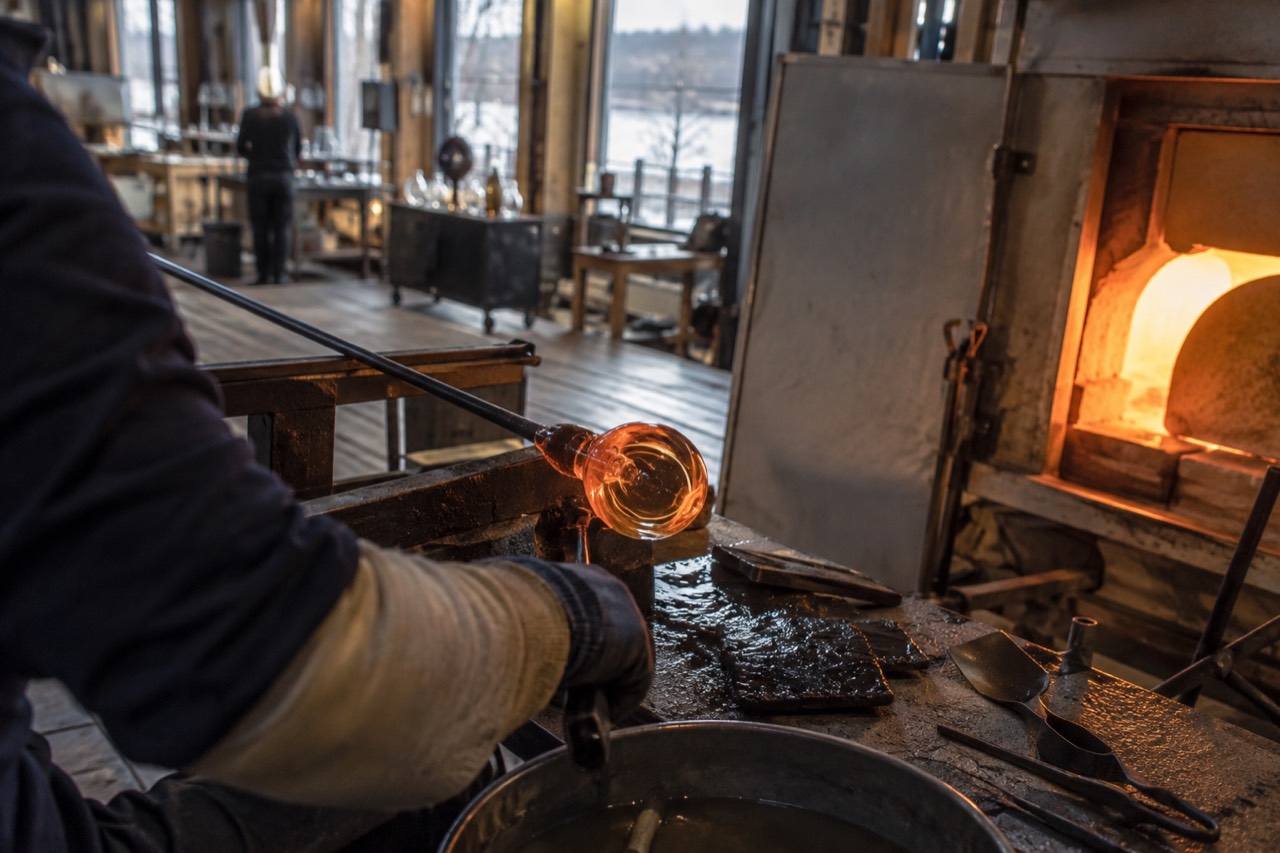
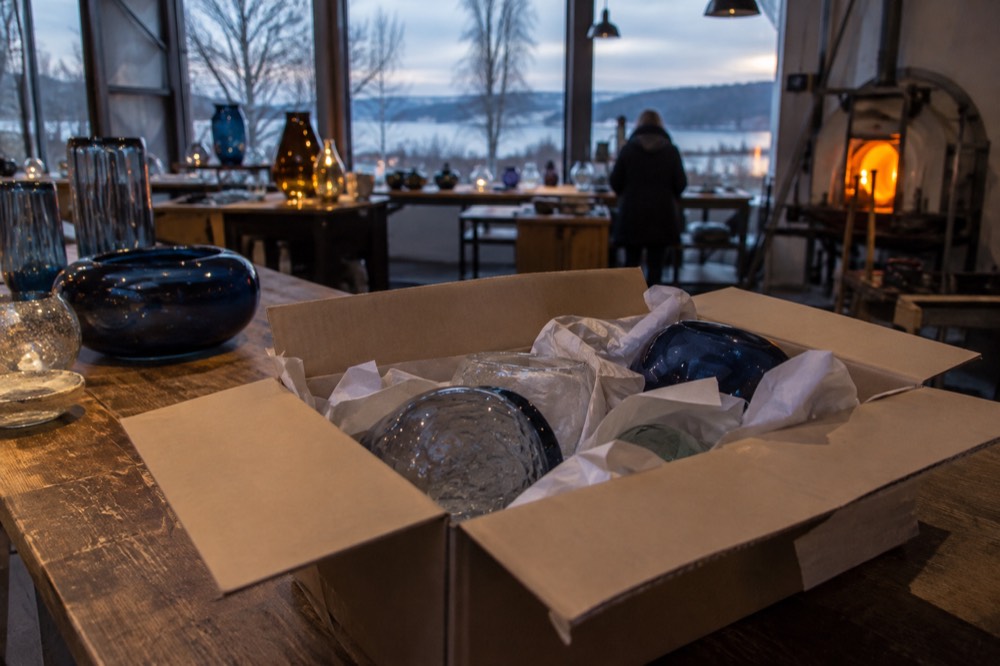
Molten glass leaves the furnace glowing white-hot, and at Hadeland Glassverk you stand close enough to feel it. The glassworks sits in Jevnaker, north of Oslo, and it is one of the few day trips from the capital where the main attraction is a live craft: glassblowers gathering, rolling, blowing and cracking open pieces a few meters from where you stand. This guide covers how to get there, what to do on site, when to go, and how the day fits into an Oslo itinerary.
What Is Hadeland Glassverk?
Hadeland Glassverk is a working glassworks turned visitor destination in Jevnaker, north of Oslo, where glass has been produced continuously for well over two centuries. Today it combines a live hot shop with glassblowing demonstrations, a cluster of shops selling firsts and seconds, seasonal hands-on experiences where you can blow or cast your own glass, and cafes and walking paths around the old industrial yard. It is a craft day out rather than a museum, and most of it happens outdoors between buildings, so dress for the weather.
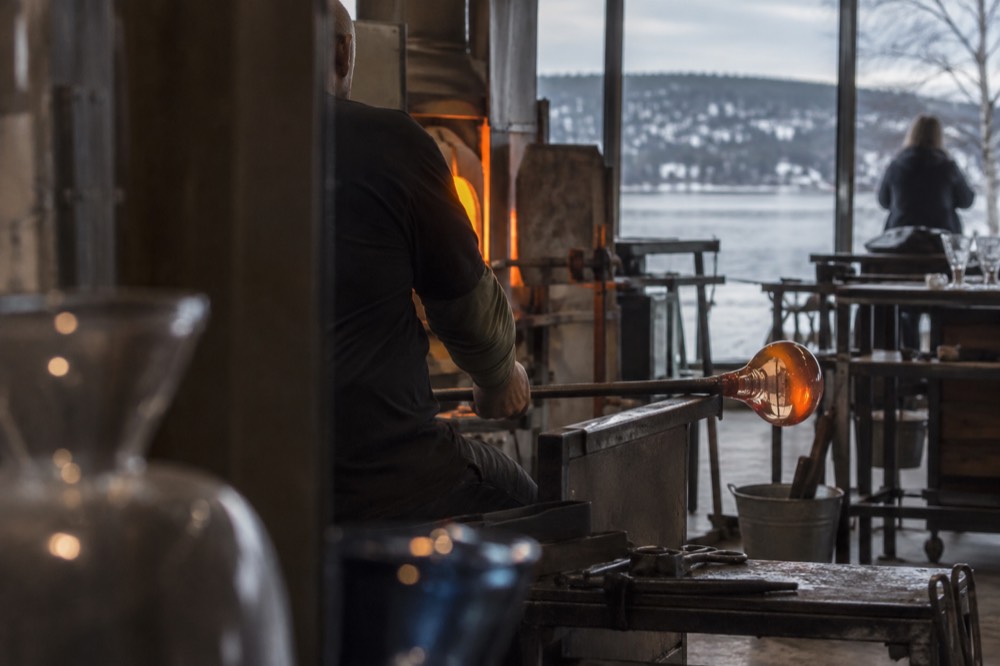
The core of any visit is the hot shop. Glassblowers work in full view, and the rhythm of the room, the heat, the tools, the short walk between furnace and bench, is genuinely absorbing even for visitors with no prior interest in glass. Demonstrations run on most open days, but the schedule shifts with the season and with production needs, so treat the published times as a plan rather than a promise and confirm them on the glassworks' own site before you set out.
Around the hot shop sits a small village of outlets and workshops. The shops are the commercial engine of the place: ranges of glass at full price, seconds with minor flaws at a discount, and one-off pieces from the blowers themselves. For visitors on an Oslo souvenir hunt, a hand-blown tumbler bought where it was made is a defensible upgrade on an airport snow globe, and it packs better than it looks.
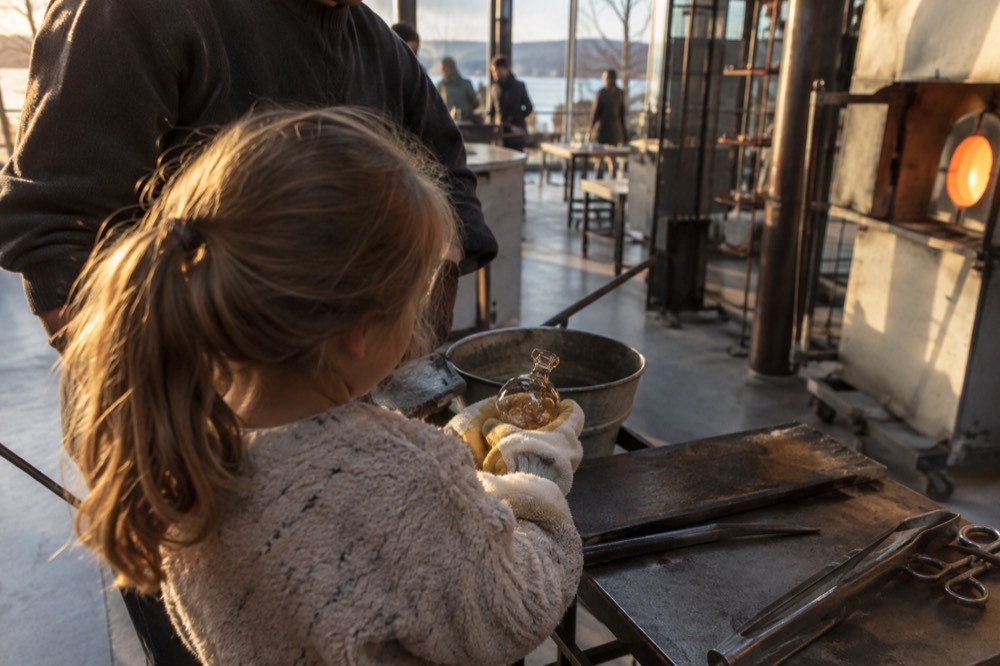
The site also leans family-friendly. In the main season there are typically hands-on activities for children, from blowing a small glass piece to decorating pre-made items, with age limits and small per-item charges that vary by activity. These book out on busy days, so if a child in your party has their heart set on it, plan to arrive early rather than late.
How Do You Get to Hadeland Glassverk from Oslo?
The glassworks is in Jevnaker, north of Oslo, and the realistic options are a rental car, a train toward the Jevnaker area with a connection or short taxi at the far end, or an organized excursion that bundles transport. Driving is the most flexible and is a straightforward route out of the city, while public transport works if you check connections in the Vy planner before committing to a time. There is no need for a car once you arrive: everything on site is walkable.
By car, the trip is a simple run north out of Oslo on main roads, and it pairs naturally with other stops in the same direction if you want to build a loop. Note that if you are relying on an Oslo Pass for city transport, it covers Ruter zones 1, 2, 3, 4V and 4N, including Vy trains to and from Oslo Airport Gardermoen, but it does not extend to every regional line in the country. Check the zone coverage for your specific journey in the Vy or Entur planner rather than assuming the pass carries you all the way to Jevnaker.
By train, use Vy's own journey planner to find current connections toward the Jevnaker area, and read the walking or taxi distance from the arrival station before you book. Regional timetables in Norway change with the season, and a connection that looks tight on a generic map may be generous in practice, or the reverse. Buy tickets in the app before boarding, as on-board purchase is more expensive on Ruter services and regional pricing follows its own rules.
If you would rather not organize any of it yourself, a guided excursion removes the timetable question entirely. The trade-off is cost and flexibility: you trade the freedom to linger in the seconds shop for a guaranteed departure and a driver who knows the route.
| Option | Best for | What to check before you go |
|---|---|---|
| Rental car | Families, shoppers, loop itineraries | Parking on site, opening hours, fuel and toll costs |
| Train plus connection | Solo travelers, no-car itineraries | Current Vy connections, last return time of the day |
| Organized excursion | First-time visitors, tight schedules | What the excursion includes and its cancellation terms |
Whatever you choose, check the glassworks' own opening calendar for the day you plan to visit. Norwegian attractions, shops and cafes run seasonal hours, and a day that looks open on a generic listing can turn out to be a reduced winter schedule.
If your appetite for a full-day outing runs bigger than glass, the same planning energy can go further north and west. A private round trip to the Sognefjord with the Flåm railway is the maximalist version of an Oslo day out, and it is the best-reviewed same-day answer to the Norway-in-a-Nutshell question.
What Do You Actually Do at the Glassworks?
A typical visit runs two to four hours: watch the glassblowers work in the hot shop, browse the outlet and seconds shops, eat at one of the cafes, and, in season, book a hands-on glass experience such as blowing your own drinking glass or casting a small object. Photography of the hot shop is generally welcome from public viewing areas, and the walking paths around the old yard take an extra half hour if the weather cooperates.
Start with the hot shop and let the demonstration schedule set the shape of your day. If blowers are working when you arrive, watch first and shop after: the shops will still be there at four in the afternoon, but the furnace may go quiet. The viewing experience is physical. The room is hot, the work is fast, and the moment a finished piece goes into the annealing oven to cool slowly is the quiet climax of each cycle.
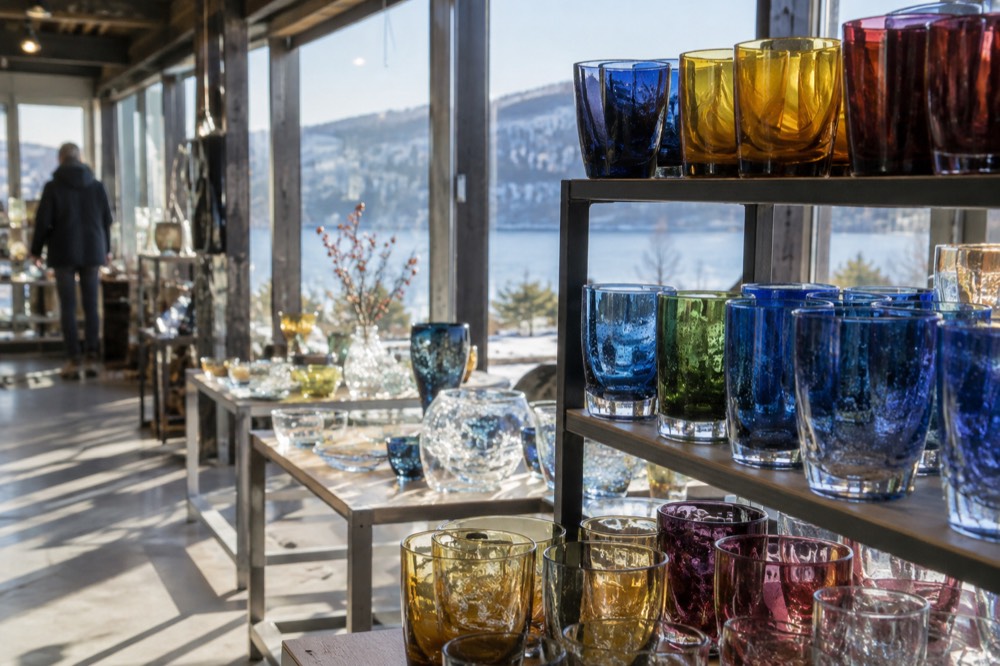
The shopping is the part visitors underestimate. Glass made on site spans everyday tumblers and vases through to larger decorative pieces, and the seconds shop sells items with small imperfections at noticeably lower prices. Inspect each piece for bubbles and scratches before buying, since seconds are sold as seen. Packaging matters too: ask for sturdy wrapping, and if you are flying home with only carry-on luggage, favor small solid pieces over thin stems.
For food, the on-site cafes cover everything from coffee and cinnamon buns to hot lunches, and the standard Norwegian price logic applies. Statistics Norway's 2025 price-level survey puts food and non-alcoholic drink in Norway 33 percent above the European average, so treat the cafe as a convenience rather than a bargain, and consider carrying snacks for the trip out. Alcohol is the sharper edge of the same survey: alcohol and tobacco run at more than double the European average, which is the number behind the state monopoly system and the queue at the airport duty-free on arrival.
If the day turns wet, the hot shop and the shops are all under cover, which is exactly why the glassworks earns its place on Oslo's rainy-day shortlist alongside the options in our rainy day in Oslo guide. Rain on the roof of a hot shop is not a problem, it is atmosphere.
Is Hadeland Glassverk Good for Kids?
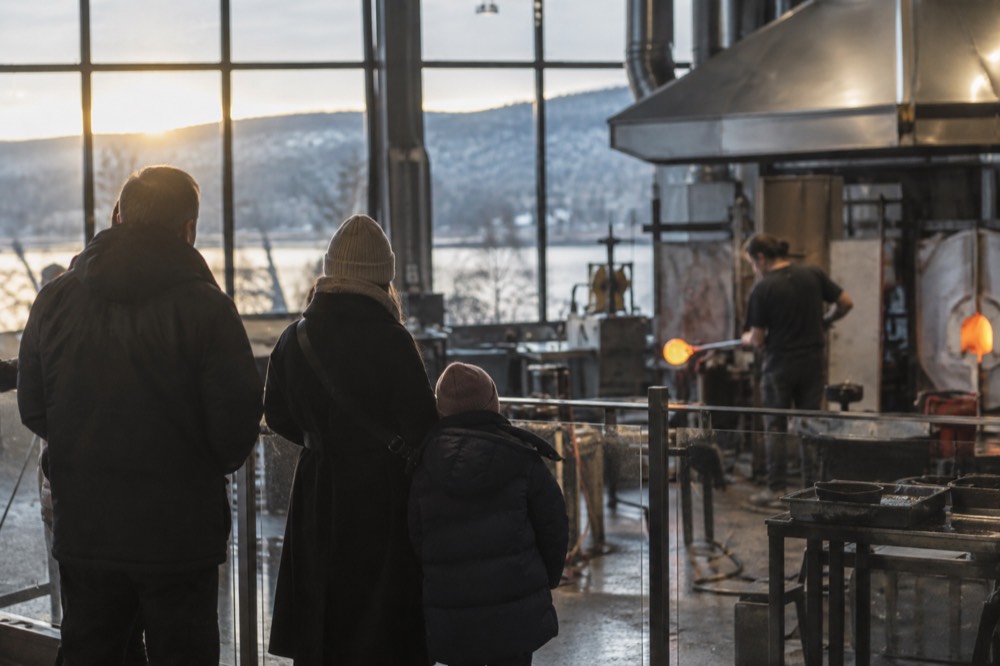
Yes, with two conditions: children old enough to stand still and follow instructions around hot equipment get the most out of it, and the hands-on glass activities have age limits and seasonal availability you must check before promising anything. Watching the blowers is free-range entertainment for most ages, the shops are breakable-heavy so keep toddlers close, and the outdoor yard gives space to run between activities.
The hands-on experiences are the reason children remember the day. In the main season, visitors can typically blow their own glass piece or decorate and cast smaller items, guided by staff, with per-item charges that vary by activity. Each piece then has to cool slowly in the annealing oven, which usually means it cannot travel home with you the same hour, so ask about collection or shipping before a child commits their heart to a specific color.
Around the craft, the site is compact and stroller-friendly on paved paths, with cafes for pauses. Families combining the trip with more of the capital should read our Oslo with kids guide for the city-side half of the itinerary, from the climbing parks to the museums that make bad-weather days painless.
One honest caveat: this is a shopping-adjacent attraction, and children will notice. Set a budget per child before you enter the seconds shop, or convert the shopping into a treasure hunt for the one item each person would actually use at home. It works better than it sounds.
When Is the Best Time of Year to Visit?
Late spring through early autumn is the safest window: longer daylight, the fullest schedule of demonstrations and hands-on activities, and cafe seating outdoors. Winter visits work and the hot shop is at its most atmospheric in cold weather, but hours shorten, some activities pause, and Norwegian winter daylight is scarce, with Oslo down to under six hours of daylight in late December. Midweek visits beat weekends for crowds.
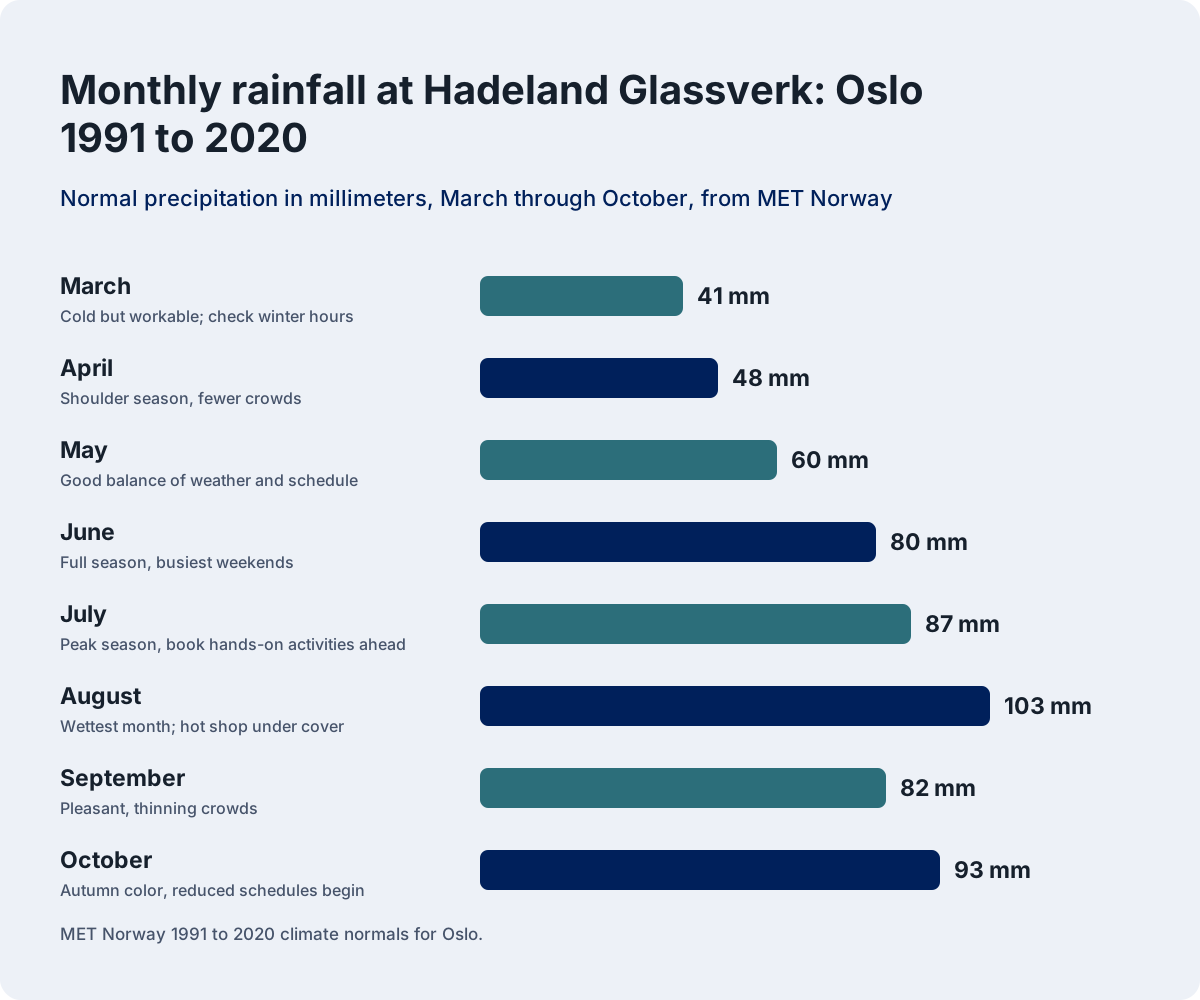
The seasonal logic in the table below comes from MET Norway's 1991 to 2020 normals for Oslo. August is the wettest month on the normals at 103 mm, a fact that surprises visitors who assume the Nordic summer is dry, so pack a rain layer whenever you come.
| Month | Normal mean temp | Normal precip | Day-trip verdict |
|---|---|---|---|
| March | 1.3 °C | 41 mm | Cold but workable; check winter hours |
| April | 6.2 °C | 48 mm | Shoulder season, fewer crowds |
| May | 11.4 °C | 60 mm | Good balance of weather and schedule |
| June | 15.3 °C | 80 mm | Full season, busiest weekends |
| July | 17.7 °C | 87 mm | Peak season, book hands-on activities ahead |
| August | 16.5 °C | 103 mm | Wettest month; hot shop under cover |
| September | 12.2 °C | 82 mm | Pleasant, thinning crowds |
| October | 6.6 °C | 93 mm | Autumn color, reduced schedules begin |
Daylight matters more than visitors expect. In late June the sun is up for 18 hours and 50 minutes, with sunset at 22:43, while in late December the day shrinks to 5 hours and 53 minutes, the sun rising at 09:18 and setting at 15:11. A December visit is not a bad idea, the furnace against the dark is the whole appeal of a Norwegian winter craft trip, but it has to be planned around the middle of the day. Our Oslo daylight hours guide has the full table.
What Does a Hadeland Day Trip Cost?
Budget in three parts: transport, which is the variable cost and depends on car versus train; food, which runs at Norwegian prices, with food 33 percent above the European average on Statistics Norway's 2025 survey; and glass, which is entirely optional and ranges from a modest seconds-shop tumbler to serious money for one-off pieces. Entry to the site and the hot-shop viewing areas has historically been the cheap or free part of the day, but confirm current terms on the official site.
The honest framing for the whole country: Norway is the sixth most expensive country in Europe on the same SSB survey, with prices facing households 28.6 percent above the EU average. That is the backdrop for every receipt on this trip. But the survey also shows where the money actually goes: alcohol, tobacco and restaurant meals are the expensive categories, while museums, public transport and the outdoors are not unusually dear. A glassworks day, done with a packed lunch and a single cafe stop, sits closer to the cheap end of Norwegian days out than the expensive one.
| Cost area | Planning range | Notes |
|---|---|---|
| Transport | Varies by mode | Compare car fuel and tolls against train fares in the Vy app |
| Lunch at a cafe | Norwegian cafe prices | Food runs 33% above the EU average |
| Hands-on glass activity | Per-item charge | Seasonal, book ahead, ask about shipping |
| Seconds-shop glass | Modest to moderate | Inspect pieces before buying |
| First-quality glass | Full retail | The gift budget, set it before you enter |
Two small money rules from the wider Norway picture apply here. Wine and spirits are only sold through the Vinmonopolet monopoly, closed every Sunday and on public holidays with early Saturday closes, so do not plan a bottle as part of the drive home. And tipping in Norway is not expected: service is included in the prices you see, and rounding up is a gesture, not an obligation.
How Does It Compare with Other Oslo Day Trips?
Hadeland Glassverk is the craft-and-shopping day trip: relaxed, weather-tolerant and family-friendly, with a live spectacle at its center. It competes for the same day as the Oslofjord island hopping, the museum peninsula at Bygdøy, and the big fjord excursions, and the right choice depends on whether you want glass, islands, museums or scenery. If you have two free days, it pairs well with a fjord or island day rather than duplicating one.
The strongest contrast is with the water. Ferry-and-foot island hopping is the Oslo-specific thing the fjord makes possible: ordinary Ruter tickets carry you from Aker brygge to Hovedøya, Gressholmen and the other islands, where ruined abbey walls, swimming coves and forest paths sit minutes from the city center. It is the opposite of a hot shop in almost every way, and on a warm July day it is the better half of a two-day plan.
For visitors who want the city itself unpacked rather than the region, the sightseeing bus is the low-effort alternative. It trades the glassworks' craft for a loop of Oslo's landmarks, and it is the option that keeps working when the weather turns.
And for the once-in-a-trip splurge, the Sognefjord and Flåm railway round trip is in a different category of day entirely: a very long one, but the best-reviewed same-day answer to the classic Norwegian fjord question, and a natural pick if this is a first and possibly only visit to the country.
Our wider day trips from Oslo guide ranks the full field, including the car-free options for travelers staying in Oslo Sentrum without a vehicle.
What Should You Pack and How Should You Plan the Day?
Pack layers, because the hot shop is warm and the yard between buildings is not; flat shoes, because the surfaces are industrial; and a rigid bag or bubble wrap if you intend to buy glass. Plan to arrive before midday, anchor the visit around a demonstration time, and leave the shopping for last so you are not carrying fragile pieces around the site. Check the last return train or allow daylight for the drive.
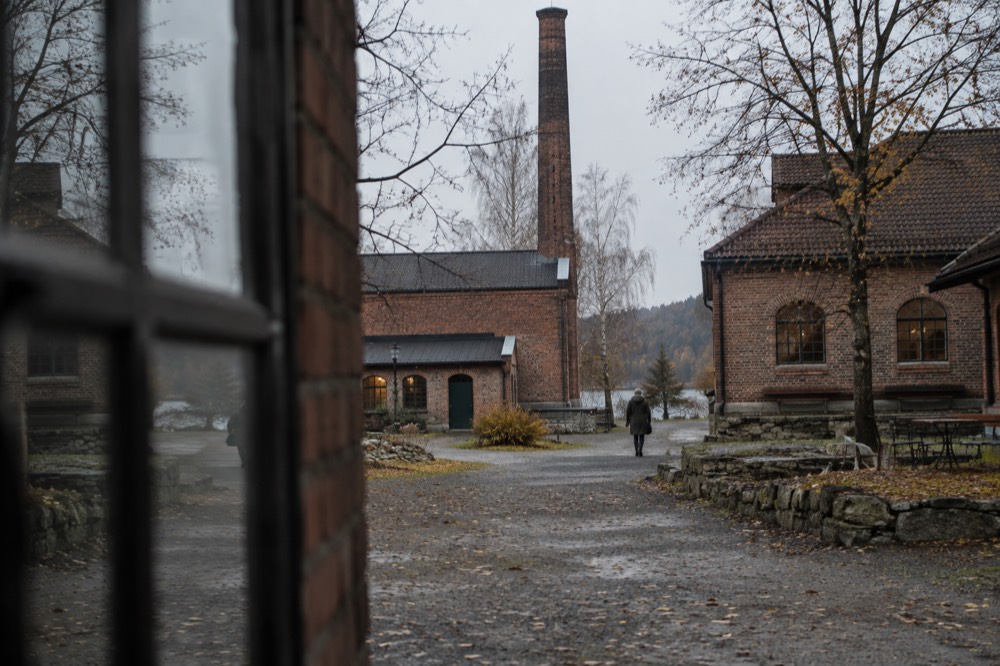
The layering advice is not boilerplate. A glassworks yard in October is a cold place with one very warm room in the middle of it, and families rotate between the two all afternoon. Gloves matter more than you would think for the walk between buildings, and in winter, reflective details on children's clothing are standard Norwegian practice for the dark afternoons.
Time the day around the demonstration schedule and the annealing oven. If anyone in your party is doing a hands-on activity, do it early: the piece will need hours to cool, and finishing at closing time means discussing shipping options with a staff member who wants to go home. Build in a cafe stop mid-afternoon, then shop, then leave.
For the wider trip, our best time to visit Oslo guide covers the seasonal trade-offs across the whole city, and the Oslo Travel Guide homepage has the planning overview if this is your first page on the site.
Common Questions About Hadeland Glassverk
How far is Hadeland Glassverk from Oslo?
It is in Jevnaker, north of Oslo, an easy day trip by car or by train with a connection at the far end. Check the current driving time and train connections in the Vy planner for your travel date, since both vary with season and schedule changes.
Can you watch glassblowing at Hadeland Glassverk?
Yes, watching the glassblowers work in the hot shop is the core of a visit. Demonstrations and production run on most open days, but schedules shift seasonally, so confirm times on the glassworks' official site before you travel.
Can children make their own glass there?
In the main season, hands-on activities such as blowing a small glass piece are typically offered, with age limits and per-item charges that vary by activity. These book out on busy days, so arrive early, and remember finished pieces need hours to cool before they can travel.
Is Hadeland Glassverk open in winter?
The site operates year-round but with reduced winter hours and some seasonal activities paused. The hot shop is arguably at its best in winter, a warm room against the dark, but confirm opening days and times on the official site, and plan around the short daylight.
Is it worth buying glass at the glassworks?
The seconds shop is the value play: pieces with minor flaws at lower prices, made on site. Inspect each piece before buying, ask for sturdy wrapping, and favor small solid items over thin stems if you are flying home with carry-on luggage only.
Do you need a car to visit Hadeland Glassverk?
No, but a car is the most flexible option. Trains serve the Jevnaker area with connections, and organized excursions bundle transport. Check the last return connection of the day before committing to a public-transport plan.